












Table of Contents
Related Products
$0.50 Original price was: $0.50.$0.10Current price is: $0.10.
In Stock
$0.50 Original price was: $0.50.$0.10Current price is: $0.10.
In Stock
$0.50 Original price was: $0.50.$0.10Current price is: $0.10.
In Stock
$0.50 Original price was: $0.50.$0.10Current price is: $0.10.
In Stock
Get A Free Quote
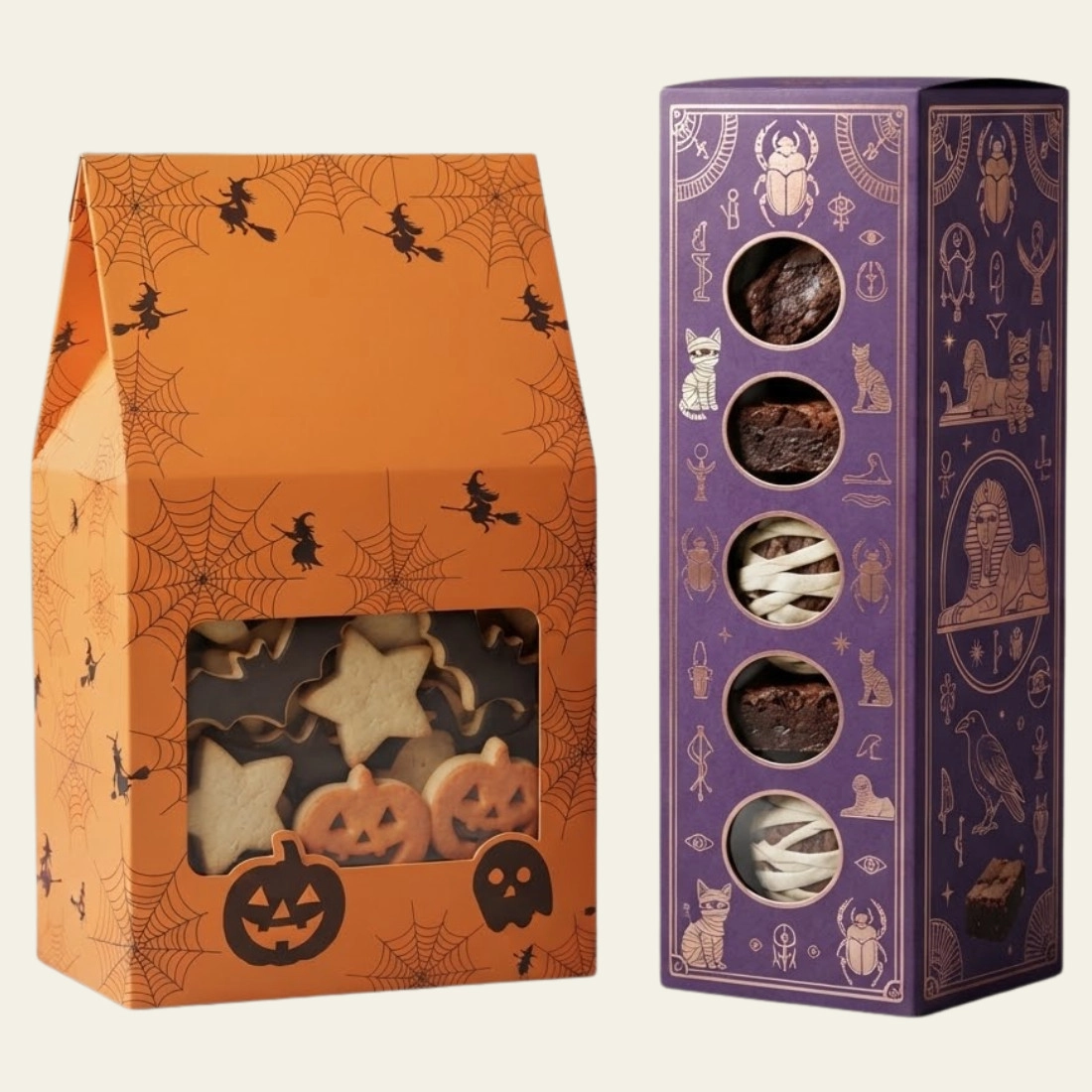
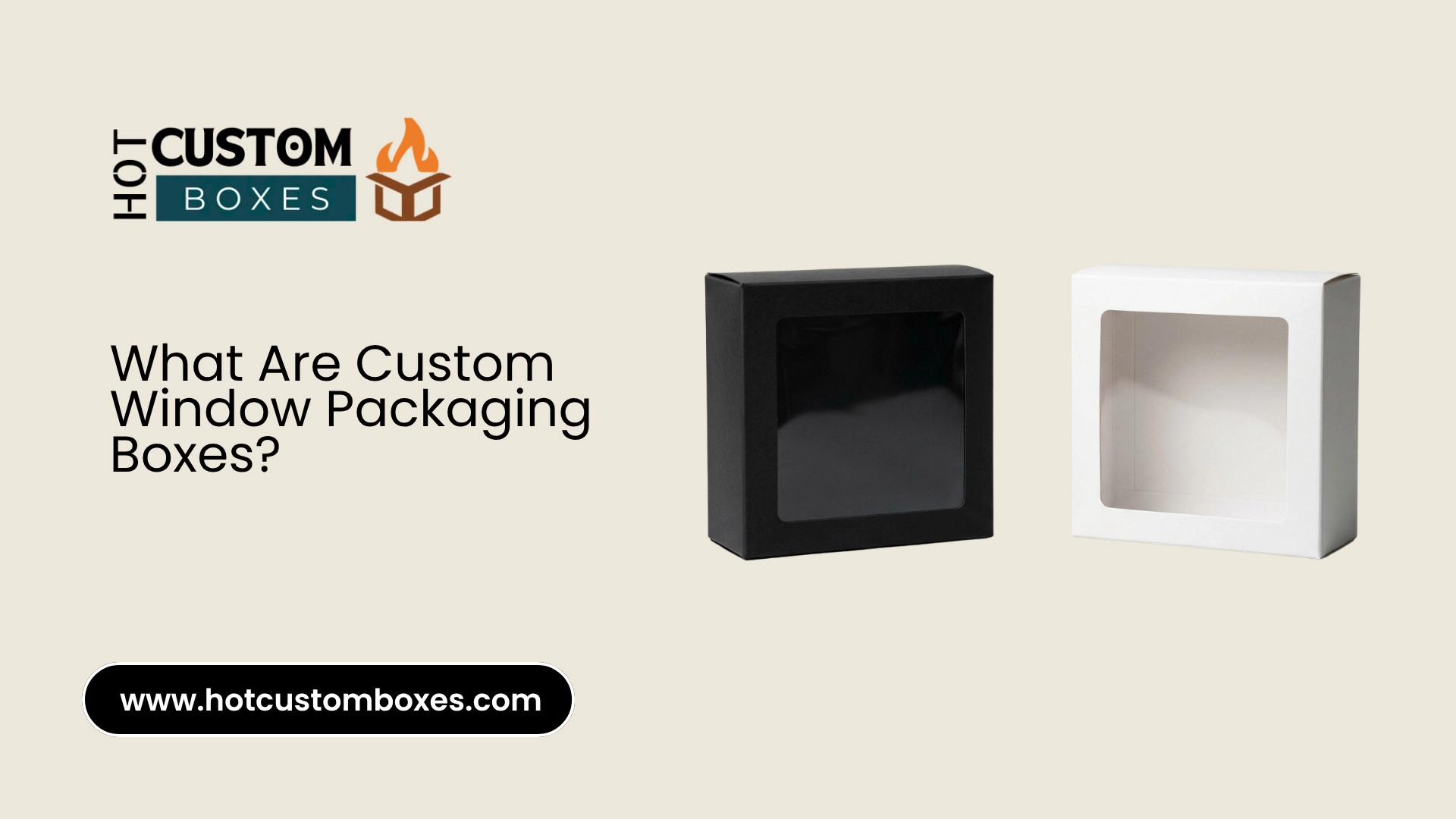
Custom window packaging boxes have a cutout so customers can see the product inside. Businesses choose the sizes and materials, then specify printing and window shapes. Depending on what the product needs, the opening can stay uncovered or have clear film attached behind it.
Window boxes often hold cookies and cosmetics. You’ll also see them used for candles, gifts and retail products. There’s room for branding around the visible contents. A bakery might show decorated treats. A skincare brand could reveal the color and design of its jars.
The opening has to work with the structure. Materials and box styles determine how the contents are held. Where the window sits determines what customers actually see.
How Does Window Packaging Work?
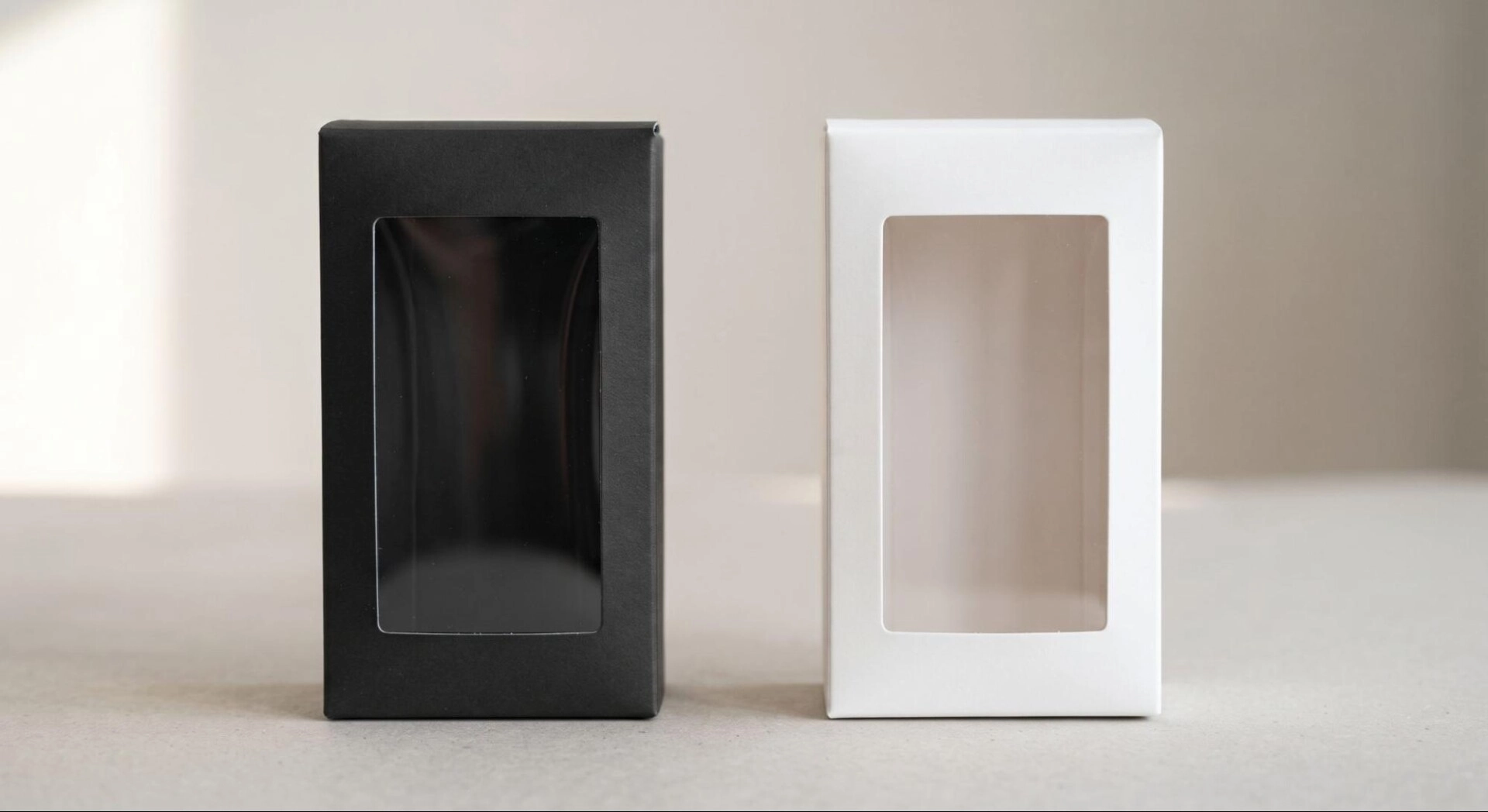
A cutting tool makes the opening in the packaging material during production. That cutout and the surrounding box structure form the window packaging. On covered versions, transparent film attaches behind the opening through a process called window patching.
Only the selected area needs to show. The box might reveal the whole front of a soap bar. Or just the decorated top of a cupcake, with the rest held inside.
Shape is only part of it. Put the window in the wrong place and it could hide an important detail or reveal an unattractive area instead of giving customers a useful view.
Covered Window Boxes
A transparent sheet covers the opening on covered window boxes. The film lets customers see inside while helping limit direct handling and exposure through that area.
Bakery products often use these boxes, as do gifts and personal care items. Still, a covered window alone doesn’t make the package airtight or leakproof. It doesn’t establish suitability for direct food contact either.
Open Window Boxes
With open window boxes, there’s no film over the cutout. Customers see the product directly and may be able to touch its surface.
Products with their own protective wrapping can suit this style. But the opening leaves more exposed, so think carefully before using it for delicate or unpackaged items.
Why Do Businesses Use Custom Window Boxes?
Before choosing a product, customers often want a closer look. That’s among the benefits of custom window packaging boxes: selected details stay visible while the item remains in its presentation box.
Help Customers See What They Are Buying
Through a window, customers see the item they’ll actually receive. A product photo can only show an example.
That difference matters when appearance influences the purchase. A candle’s color might help someone decide. So might a soap’s texture or the decoration on a bakery product.
Give Your Products a Clear Retail Presentation
The visible contents give customers something to focus on. Your branding introduces the product and the view through the window supports what the packaging says.
Custom printed window boxes leave space around the opening for product names and instructions. Ingredients and other relevant information can go there too.
Reduce the Need to Open Display Packaging
What’s inside? Customers sometimes open a closed box to find out. A viewing window can answer some questions while the item stays packed.
That helps when products need to remain neatly arranged on retail shelves. Gift displays can benefit from the same approach.
Create a Coordinated Look Across Your Range
Different box sizes can still belong to the same collection visually. Repeat the logo placement and colors, then carry the window shape across the products.
For a soap brand, that might mean one small rectangular window throughout the range. The printed color changes with each fragrance.
Which Materials Are Used for Window Packaging Boxes?
Start with product weight and box size when deciding on the choice of material for window packaging boxes. How the pack looks matters, but so does handling. A large cutout takes away part of a panel. What remains must carry the contents.
| Material | Common applications | What to consider |
|---|---|---|
| Paperboard or cardstock | Cosmetics and soaps, plus bakery items and small retail goods | Used for printed folding cartons holding lighter products |
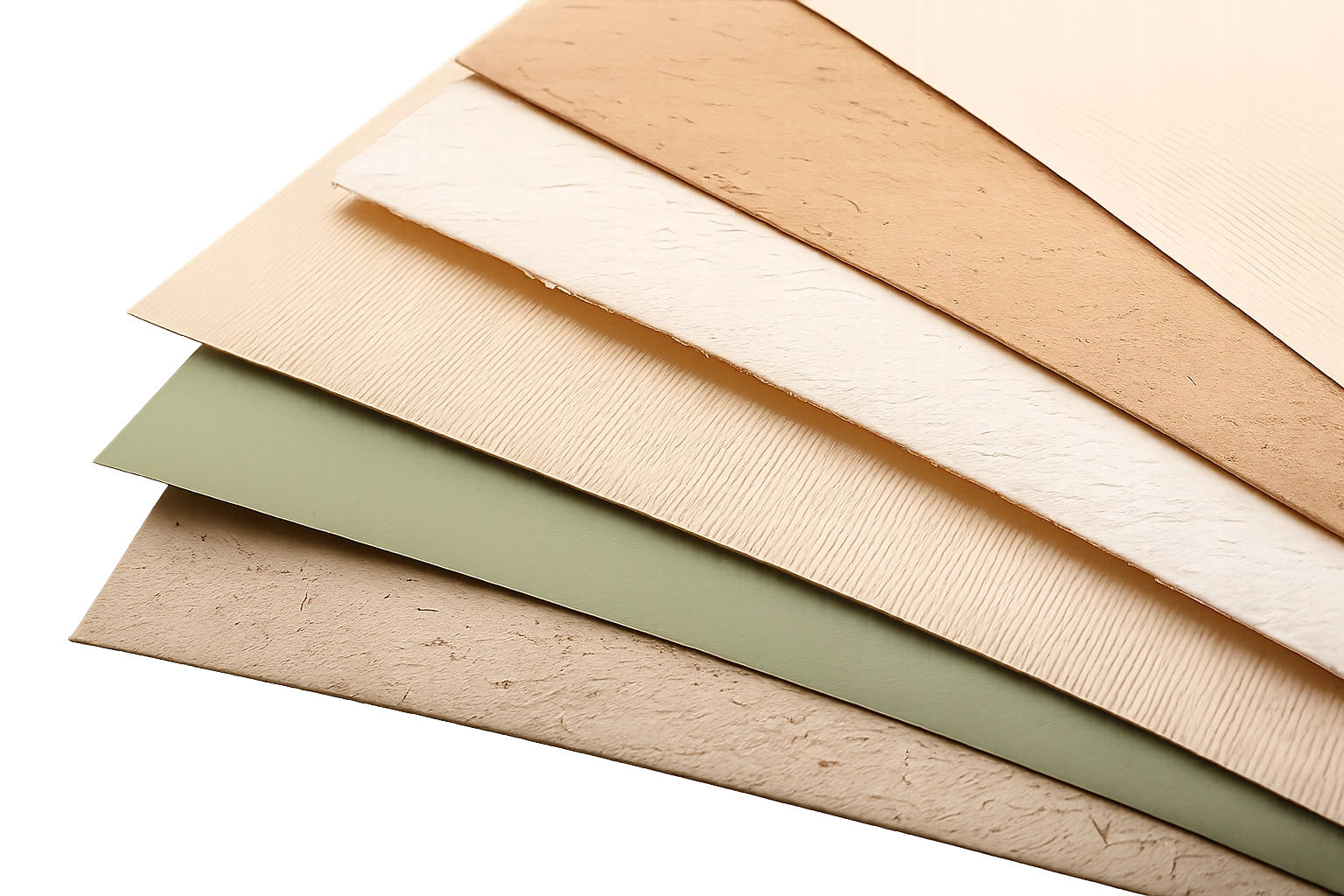
| Kraft paperboard | Handmade products and gifts, including natural looking packaging | Its brown paper surface changes how printed colors appear |
| Corrugated board | Larger product packs and delivery packaging | Fluted construction provides structure, but window placement needs care |
| Rigid board | Premium gifts and presentation boxes | Gives the box a firm structure and substantial presentation |
Paperboard Window Boxes
Folding cartons commonly use paperboard. Its surfaces take printed logos and product details, along with illustrations and brand colors.
For lightweight retail products, paperboard window packaging may be suitable. Check that the thickness and construction match what’s going inside.
Kraft Window Boxes
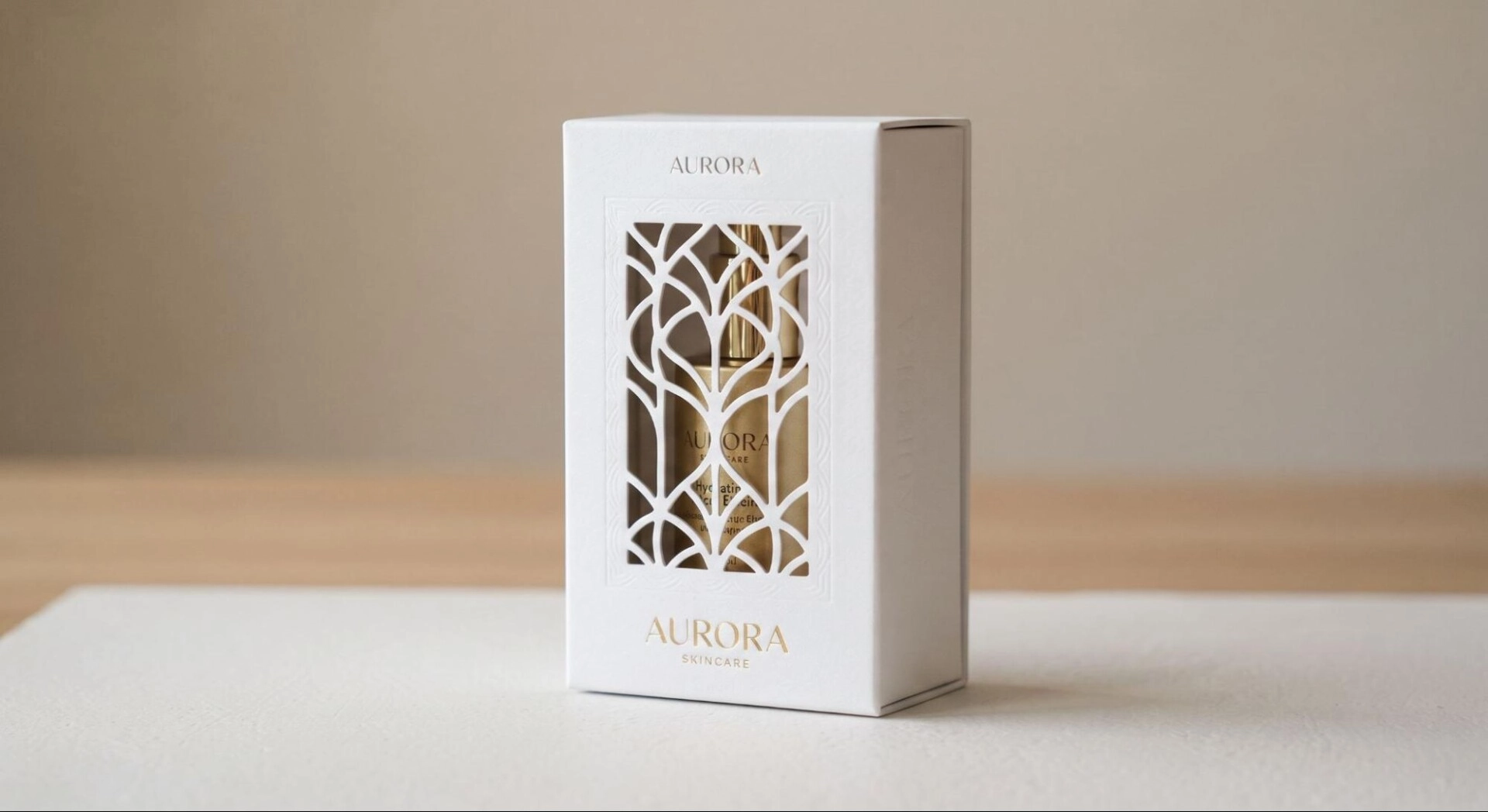
Products remain visible in kraft window boxes, framed by a brown paper surface. Soaps and baked goods often use them. Handmade gifts do too.
That appearance doesn’t make the complete package recyclable or compostable. Disposal also depends on the window film and coatings, plus adhesives and local requirements.
Corrugated Window Boxes
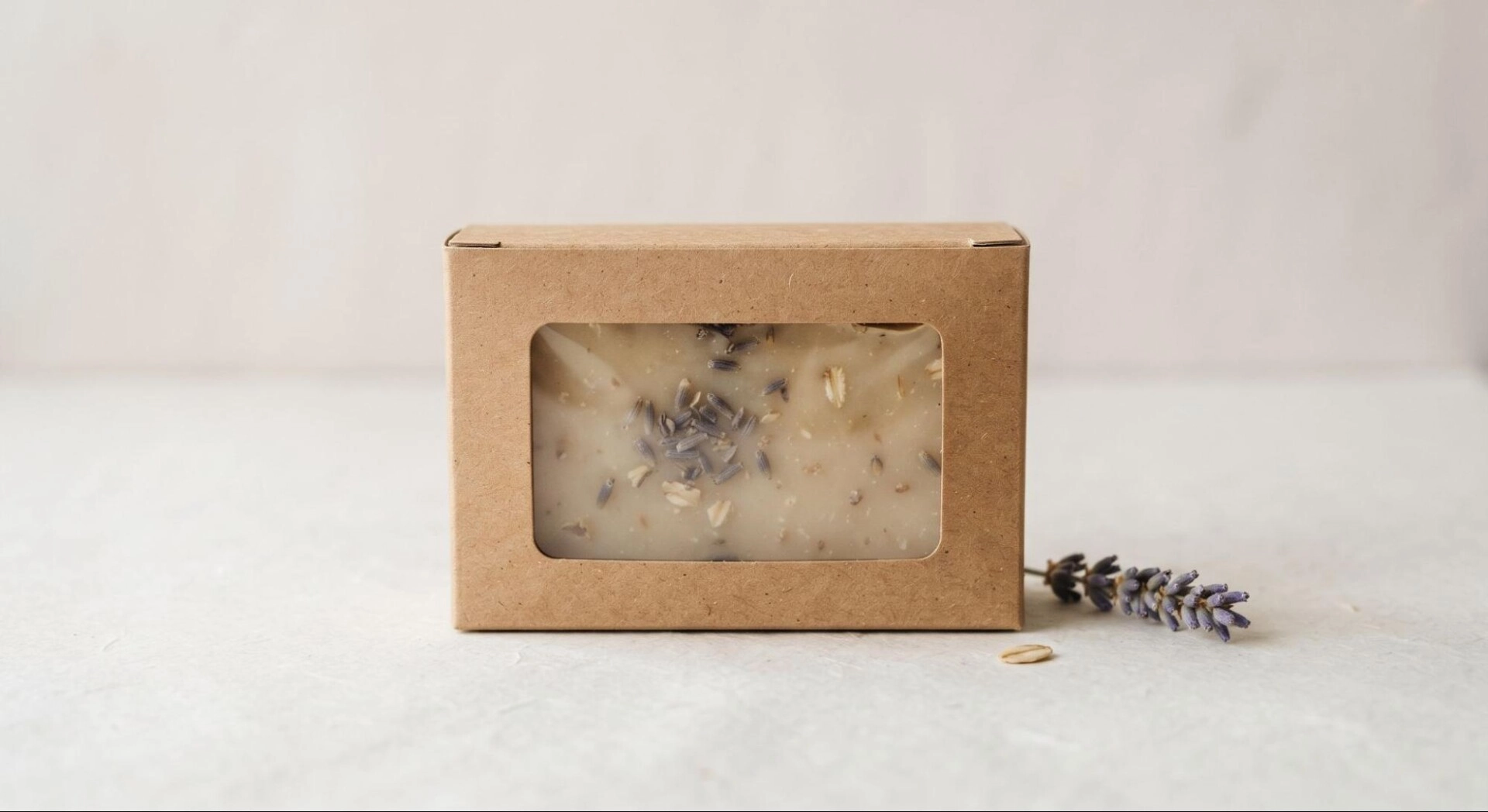
Larger products or grouped items can go in corrugated window boxes. Compared with many lightweight folding cartons, the fluted board gives them more structure.
But the window leaves that area less covered. Assess the finished package for shipping and check if an outer shipping box is needed.
Rigid Window Boxes
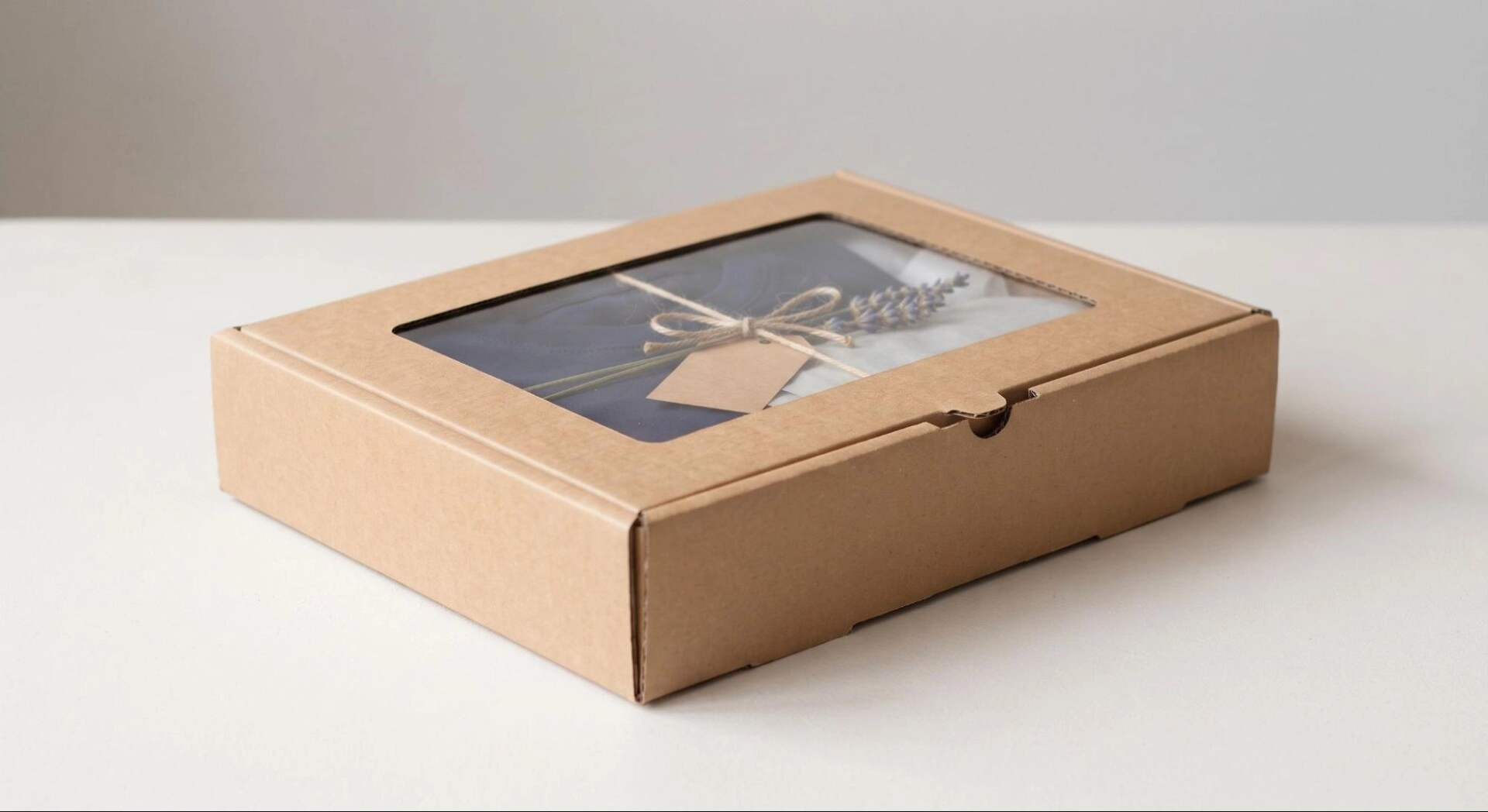
For gift collections and accessories, rigid boxes with windows can provide presentation focused packaging. Premium product sets are another use.
The opening may sit in a removable lid or a different panel. Inside, an insert helps the contents stay lined up with it.
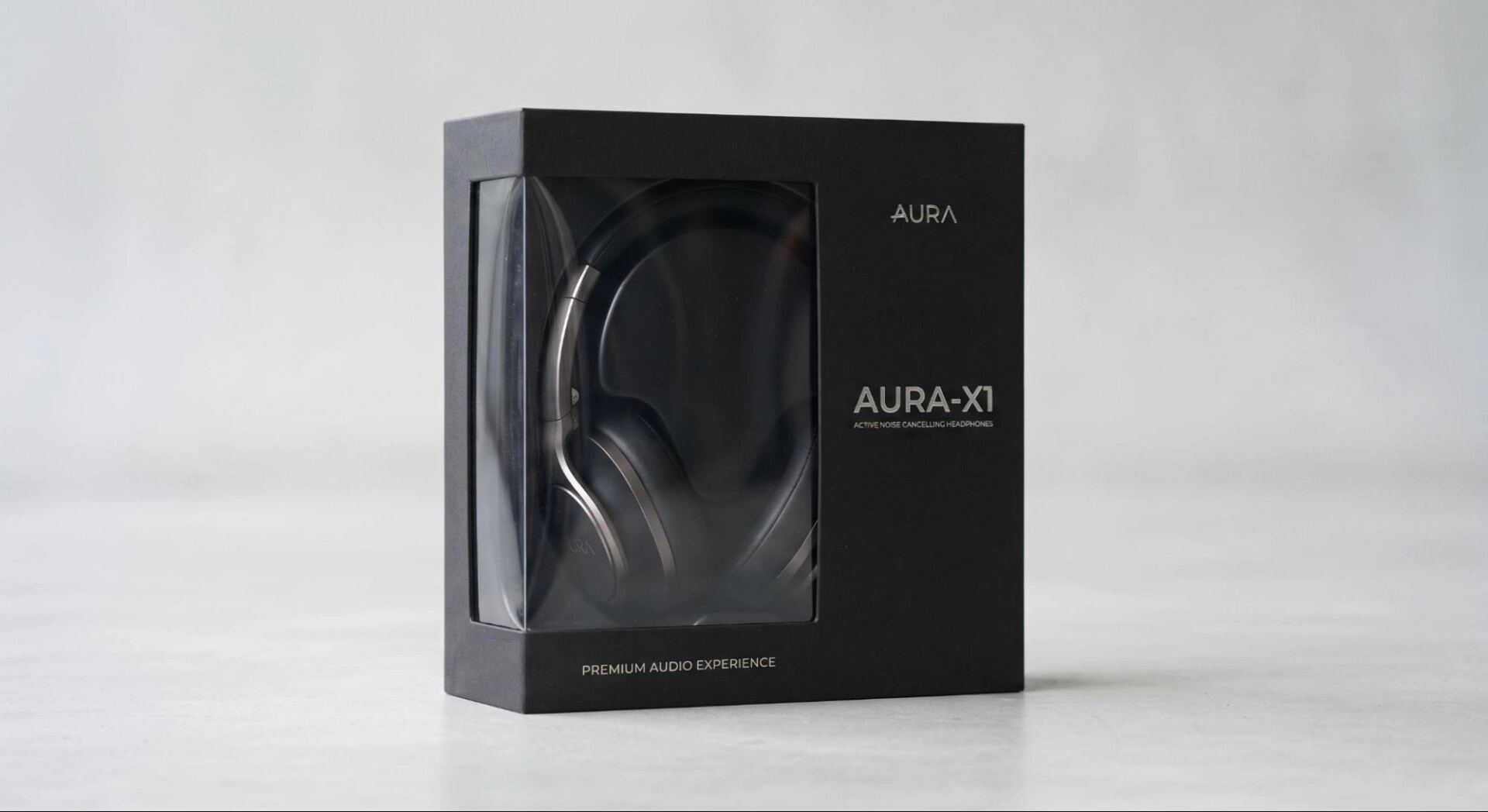
Which Products Can Use Packaging Boxes With Windows?
Window packaging serves many businesses. The design still needs to suit the product’s display position and handling, along with the conditions in storage.
Bakery and Confectionery Products
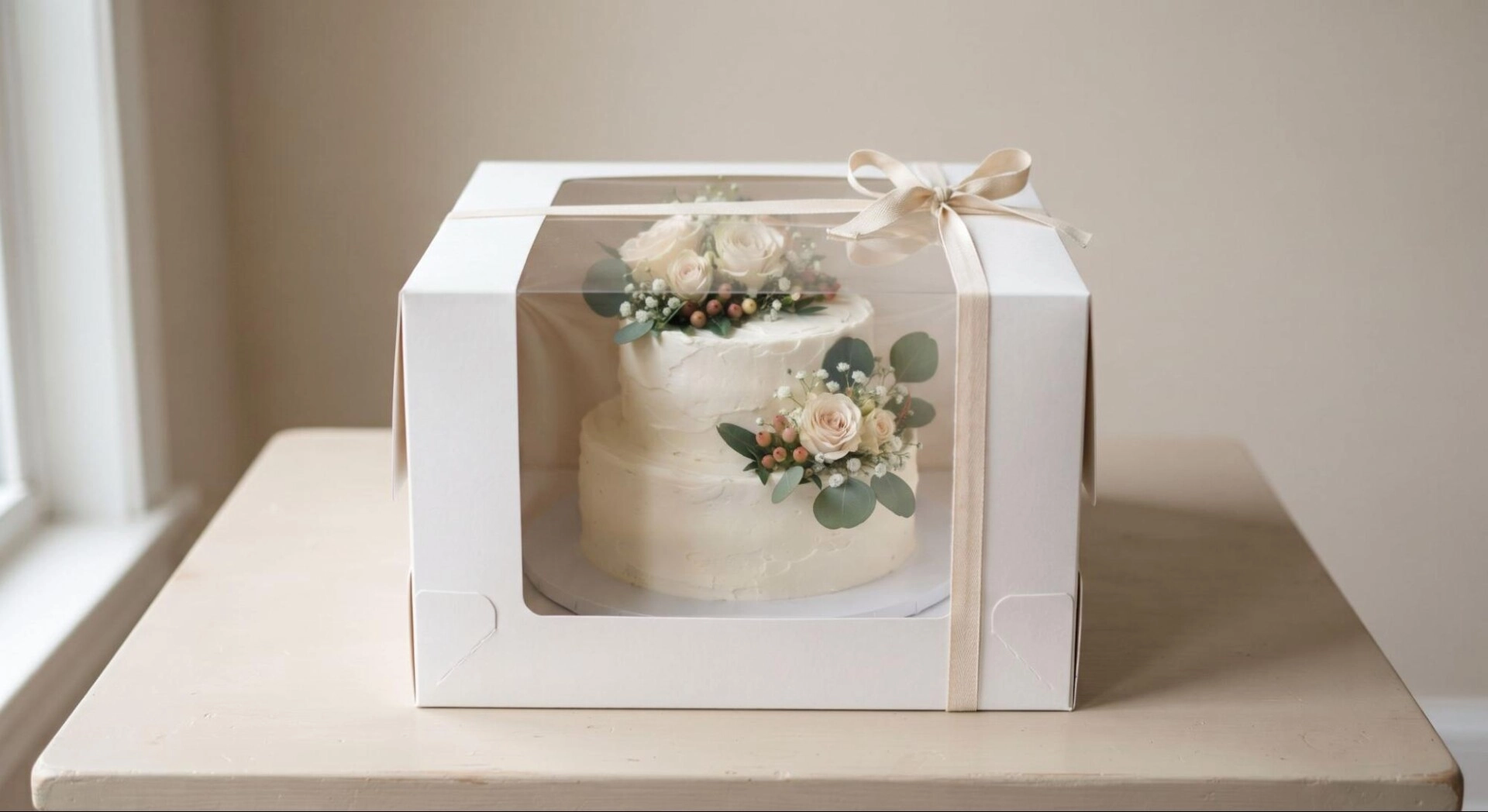
Customers can see cookies and cupcakes in bakery window boxes. Pastries and chocolates can also be displayed, with a top opening revealing decoration while the lid stays shut.
Choose food packaging materials for the intended use. A suitable liner or tray may be needed for greasy or moist products. Unwrapped items need consideration too.
Cosmetics and Skincare Products
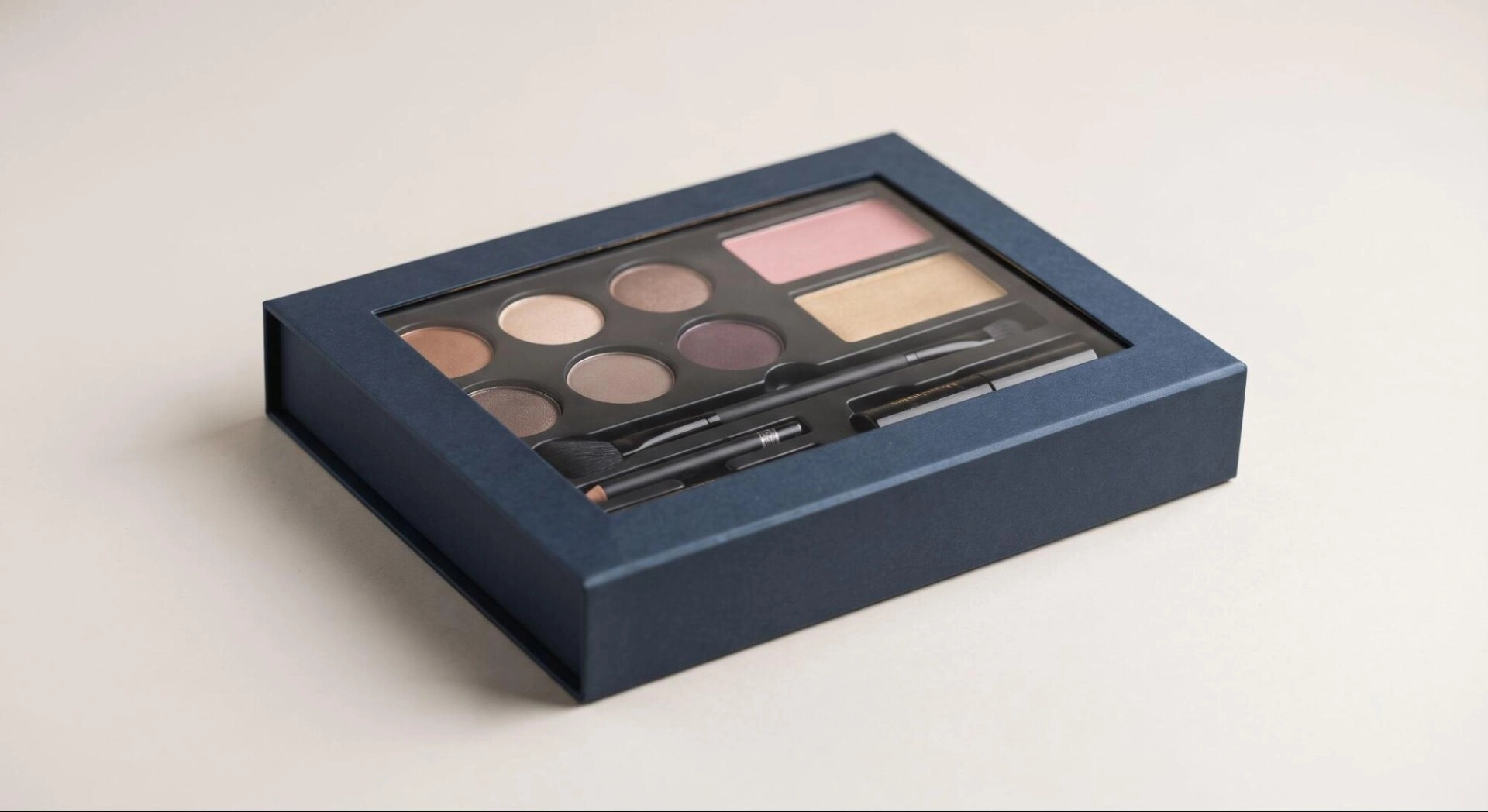
Window boxes for soap and skincare packaging can show the product itself or its container. Cosmetic window boxes might reveal a jar’s color or a bottle design. Some display several products together.
Light sensitive products may need more coverage. A smaller opening could work better, or the product may need a fully enclosed box.
Candles and Handmade Soaps
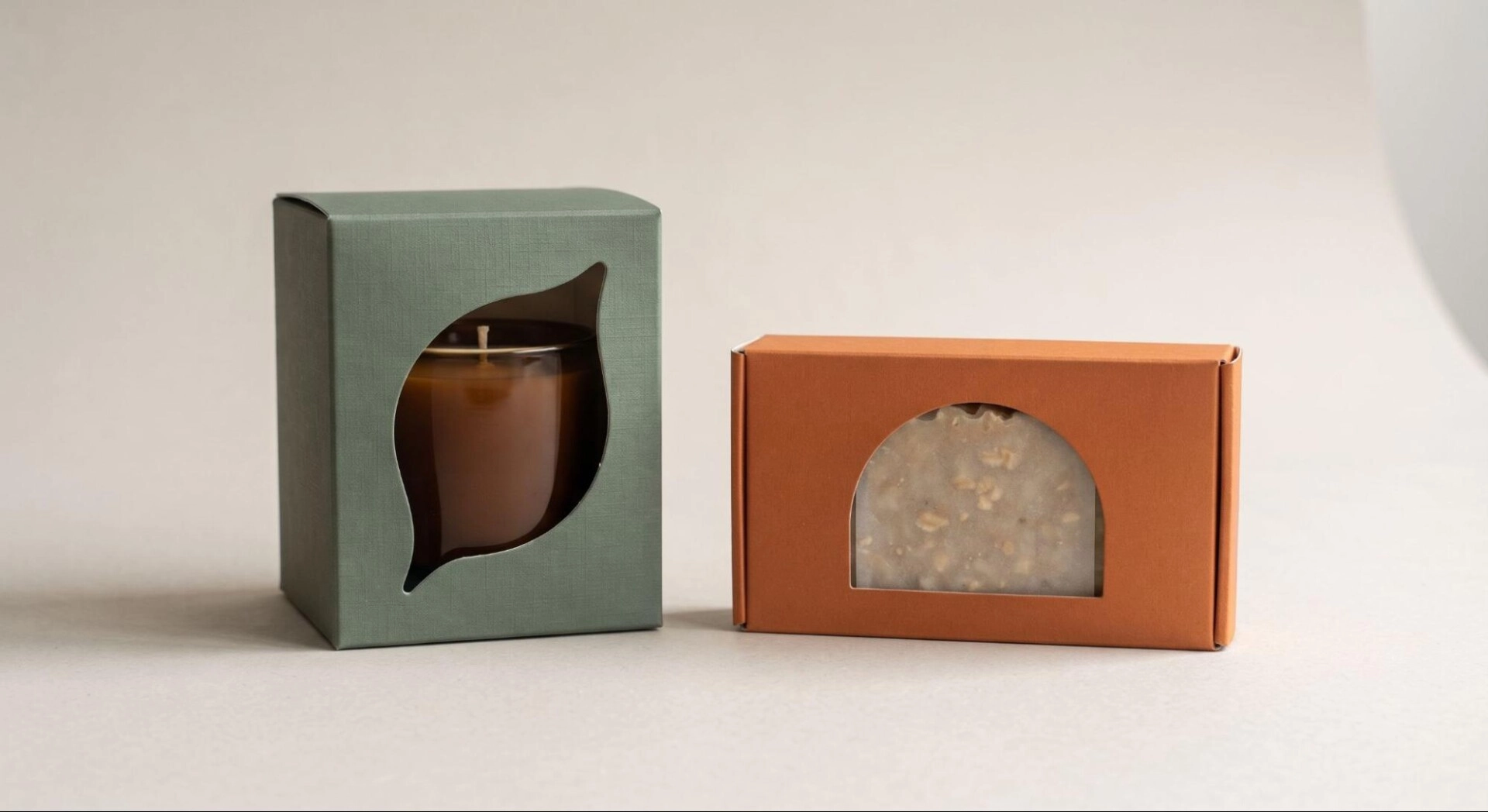
A decorative jar or label can be the visible feature in candle window packaging. Soap boxes with windows might reveal the bar’s color and pattern, with its surface also on show. Keep the item secure inside. It shouldn’t move out of view when someone handles the box.
Gifts and Retail Accessories
When the arrangement helps sell the presentation, window gift boxes can show it. Stationery sets and small accessories are examples, along with seasonal collections. Several items need to stay organized and visible. Dividers or packaging inserts help hold that arrangement.
What Styles Are Available for Custom Window Packaging?
How your team fills the box depends partly on its style. So does the way customers open it.
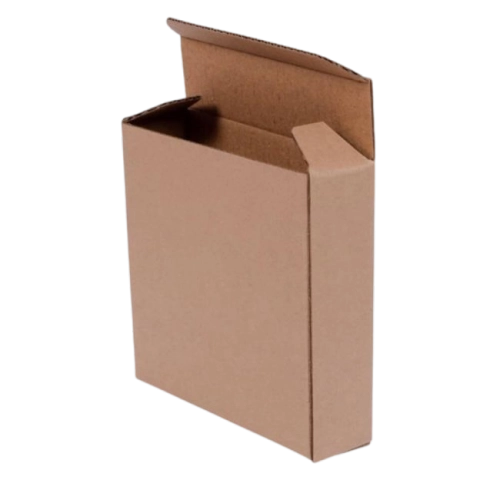
- Tuck end boxes: These folding cartons close with tuck in flaps. They’re commonly used for lightweight retail products.
- Sleeve packaging: A window is cut into a printed sleeve. The sleeve slides around a tray or an existing package.
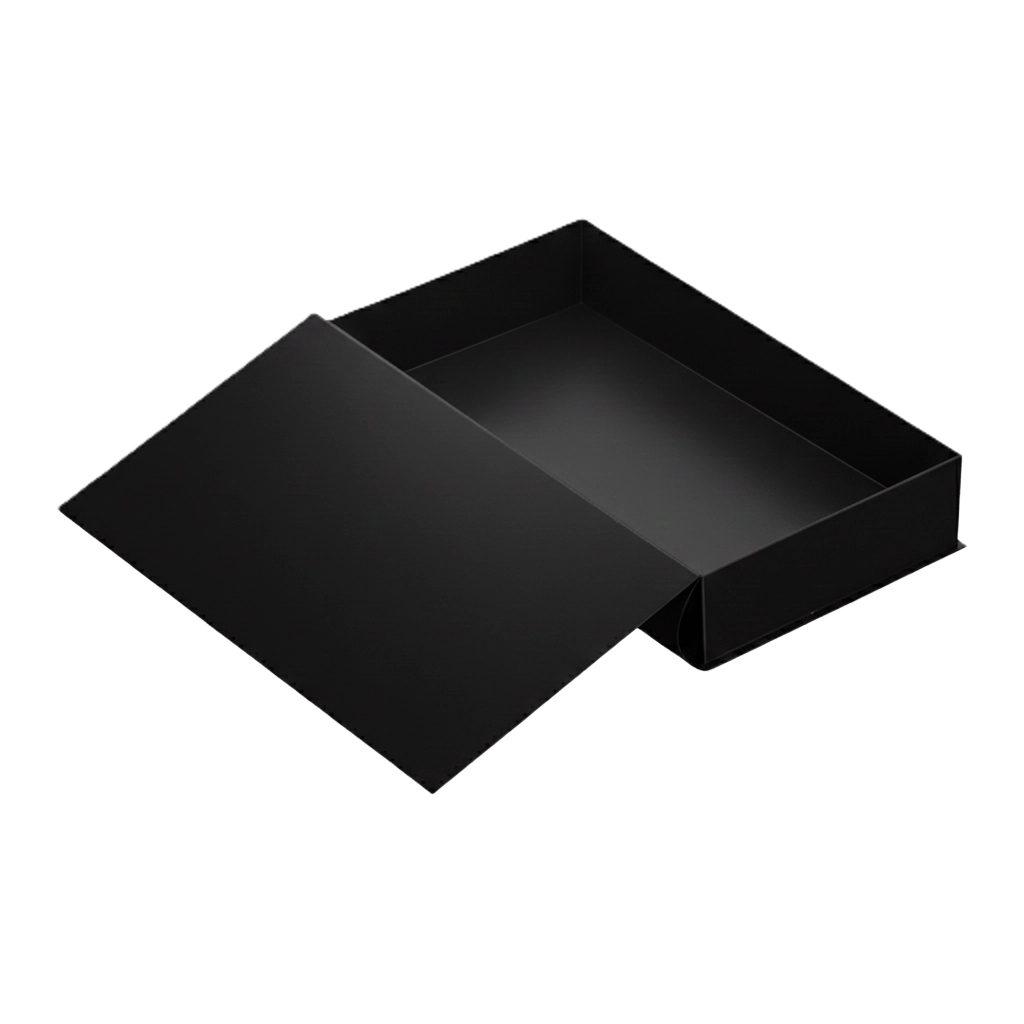
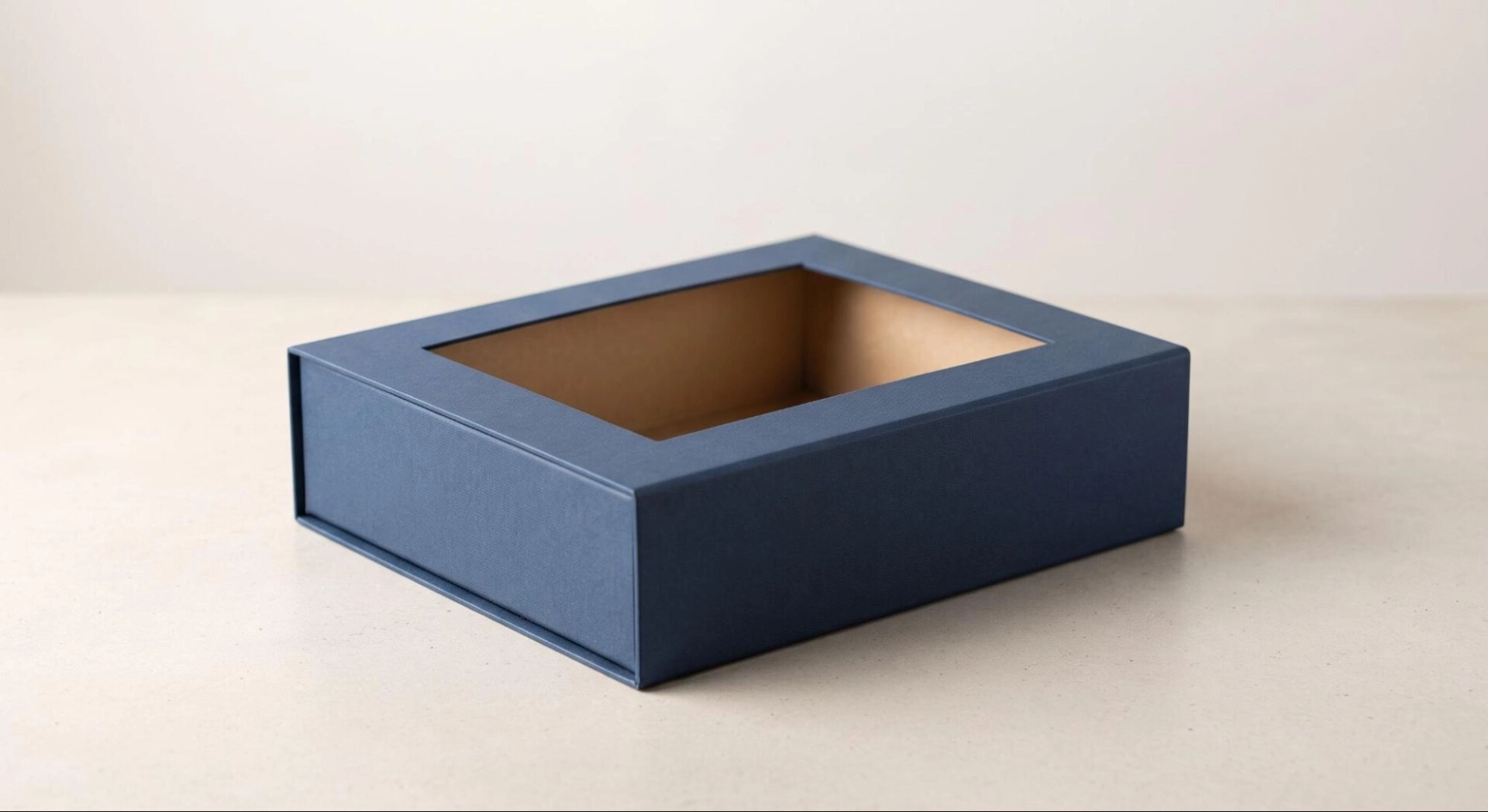
- Two piece boxes: The base and lid are separate. The viewing window often sits in the lid.
- Window mailer boxes: A hinged structure provides a convenient way to open the box. It also allows for product presentation.
- Gable boxes: These boxes have a built in handle. Gifts and takeaway presentations are common uses.
- Display cartons: Their purpose is to present products visibly. They can sit on a counter or shelf.
Start with a structure that suits the product. Then work out which panels can hold the window and what view the opening should give.
How Can You Customize Window Packaging Boxes?
You can change the dimensions and window design. Printed artwork and surface finish are also choices. Plan them together so customers can see the contents without struggling to read the pack.
Choose a Size That Keeps the Product in Position
With accurate window packaging box dimensions, there’s room to pack and remove the item without excessive empty space. Too loose, and the product can move behind the opening.
Inserts help keep bottles or jars in position. They can hold multiple items too, so count their space requirements when setting the size.
Select the Window Shape and Placement
Common windows include rectangles and squares. Circular and oval openings are options too. Custom die cut window boxes can use a shape connected to the product or brand.
Leave enough material around the cutout to support the panel. A bigger opening reveals more but takes away room for print and structural support.
Add Printing That Supports Product Visibility
Put your logo and brand colors on custom printed window packaging. Product information and usage instructions can go on the panels too. CMYK printing is commonly used for full color artwork.
Pantone color references help communicate particular brand shades. Keep key text away from folds and window edges. The same applies to barcodes and QR codes.
Use Finishes Where They Add Value
Matte or gloss changes the printed surface’s appearance. Foil stamping and embossing highlight chosen details. Debossing and spot UV can do that too, while affecting window packaging box costs. Be selective. Customers should still find the product view and readable information easily.
Are Window Packaging Boxes Eco-Friendly?
You have to assess the whole construction to judge its environmental characteristics. Paper based packaging can still contain a plastic window. Adhesive or coating may affect disposal too. Customers might need to separate components, and acceptance varies between local recycling programs.
When evaluating window packaging, ask about:
- The type of board and its recycled content: Get the material specification for the box being proposed.
- The material used for the transparent window: Find out which film it is. Appearance alone won’t tell you.
- Whether customers can separate the components: Confirm what needs removing and which disposal instructions are needed.
- The effect of coatings and finishes on disposal: Check them within the complete construction rather than on their own.
- Evidence supporting recyclability or compostability claims: Make sure it covers the actual materials and the claims you plan to use.
Clear film isn’t necessarily biodegradable. And brown packaging isn’t automatically environmentally preferable. Base packaging claims on specific material information rather than how the box looks.
What Should You Check Before Ordering Window Boxes?
Product measurements and weight come first when choosing the right window packaging boxes for your business. Then consider presentation. Which detail should customers see? What needs to stay covered?
Put the actual product in a sample. Look through the opening to check the view, then see if the item stays put. Try opening the box too. It should feel comfortable to use.
With wholesale window packaging boxes, packing speed and storage space also matter. Looking appealing is one requirement. Your team still has to assemble and fill the design in practice.
How Can Hot Custom Boxes Fit Into Your Packaging Plans?
Considering Hot Custom Boxes for the project? Prepare your product dimensions and preferred box style. Add the proposed window position and explain what artwork you need.
Describe how the pack will be used. A bakery counter box faces different requirements from a gift set. Sending a product through a delivery network changes things again. Discuss materials and finishes, then sample options before production approval.
Those details help you choose custom window packaging for the product itself. They also give you a way to assess how it will fit your daily packing process.
Frequently Asked Questions
An opening reveals the contents in window packaging. It can stay uncovered or have clear film over it.
Regular closed packaging keeps the product hidden. Printed information or images show customers what’s inside instead.
Yes. Different window shapes can be cut to suit the brand or product.
Enough material must remain around the opening for the box structure to work.
They can be. The construction and materials must suit the intended food application.
Consider direct contact and grease, then moisture and the expected storage conditions.
Yes. The box panels around the opening can carry logos and other artwork.
Give the branding enough space around the window to stay readable.
Some designs can be used within a shipping package. Check the complete packed construction before deciding.
An extra outer box may be needed depending on product fragility and window size. Board strength and delivery conditions also affect that decision.
It keeps the product secure and gives customers a useful view. The information should be easy to read too.
Choose material and dimensions that suit packing and handling. The opening style needs to work with them.
Related Products
$0.50 Original price was: $0.50.$0.10Current price is: $0.10.
In Stock
$0.50 Original price was: $0.50.$0.10Current price is: $0.10.
In Stock
$0.50 Original price was: $0.50.$0.10Current price is: $0.10.
In Stock
$0.50 Original price was: $0.50.$0.10Current price is: $0.10.
In Stock