



















Table of Contents
Get A Free Quote
Where the packaging industry is evolving very quickly in the market, glove packaging is no longer an exception at all. Companies and also the glove brands are reinforced to think about how gloves are packed, shipped and displayed. Because among modern consumers and companies sustainability has become top priority.
According to industrial projection predictions, the U.S. sustainable packaging industry is expected to grow from approximately $51 billion in 2025 to nearly $73.8 billion by 2034, indicating the increasing demand of the sustainable packaging solutions to reduce the environmental impacts.
Because of growing regulations, consumer’s expectations and environmental goals all that encourage the businesses to adopt the sustainable glove packaging solutions. In this article we will explore the most important eco-friendly glove packaging trends, materials, compliance and the practical moves that every glove business should know in 2026.
Why Glove Packaging Sustainability Is A Business Issue Now?
The gloves industry continues to expand rapidly. The synthetic rubber gloves industry in the United States and Canada is growing at approximately $5.58 billion in 2026 and is projected to grow at a compound annual growth rate (CAGR) of 9.4% through 2036. While this growth produces opportunities, it also increases packaging waste. Millions of glove boxes, plastic bags, shipping cartons, and packaging inserts enter the supply chain. With more than 80 million tons of packaging waste generated annually in the United States. That is very huge in number. That is the main reason businesses are now under pressure from consumers to reduce their environmental impacts.
Many businesses from different industries now have a target to achieve sustainability in the packaging solution. Now large healthcare networks and food services are increasingly asking the vendors for the sustainable glove boxes, recycled packaging materials before awarding the contracts. Now sustainability is no longer a choice , it has become a mandatory in some way. Modern consumers are more aware now than ever before. They are well known for their environmental impacts. Research shows that around 70% of global consumers consider sustainability a serious concern.
The Regulatory Landscape: What US & Canada Businesses Must Know
US Extended Producer Responsibility (EPR) Laws
EPR is known as the Extended Producer Responsibility, and is actively evaluating the regulatory on packaging solutions throughout the United States. Seven states currently have active packaging EPR programs:
- California
- Colorado
- Maryland
- Maine
- Minnesota
- Oregon
- Washington
In addition, more than ten states are also evaluating similar legislation strategies in 2026. It means for glove packaging supplier companies to report packaging materials used in products. Consider registering with Producer Responsibility Organizations (PROs) to track packaging data. They also pay fees based on material type and recyclability. The packaging material has to face the high cost, as they are not recyclable. So the end is that sustainable glove packaging is highly suitable for the environment as well as from a financial perspective.
Canada's EPR Programs And Plastic Reduction Initiatives
Canada is also evaluating the latest packaging regulations significantly. Provinces including British Columbia, Ontario, Quebec, Alberta, and several others already started to implement EPR systems for converting the packaging strategies. At the federal level, the effort for reducing the one-time use of plastics is continuously influencing the packaging decisions. Because the businesses who are selling the products across the multiple provinces, they need to meet the compliance and consumer’s requirements. That all discussion redirects to only point out that recyclable, reusable, and responsibly sourced packaging solutions are becoming the top required choice for the businesses who are operating in Canada.
Anti-Greenwashing Rules Are Getting Stricter
Anti-greenwashing regulations are also considered to be implemented in the packaging solutions rapidly. Regulators in both the United States and Canada are increasing environmental marketing claims. Terms such as “green,” “eco-friendly,” or “environmentally safe” should be supported by evidence, certifications, or verified sustainability data. Businesses should ensure the packaging claims and showcase of third-party certifications to validate the credibility. Because transparency is very critical as well as important requirements for the glove brands who want satisfied customer experience into marketing to maintain the brand’s credibility.
Top Eco-Friendly Materials For Glove Packaging Solutions In 2026
Biodegradable materials for packaging is very essential to achieve sustainability in the packaging solutions at all. The most demanding eco-friendly packaging materials are listed below.
Recycled Kraft Paperboard
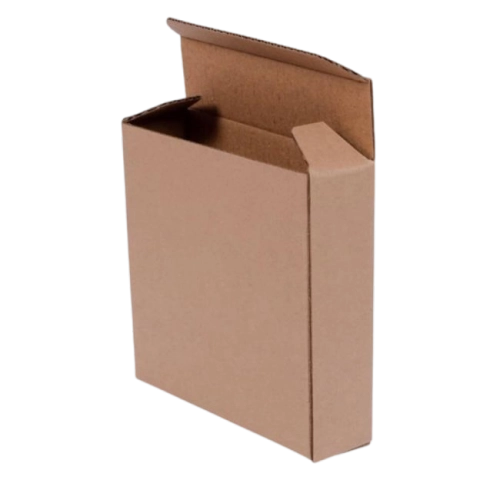
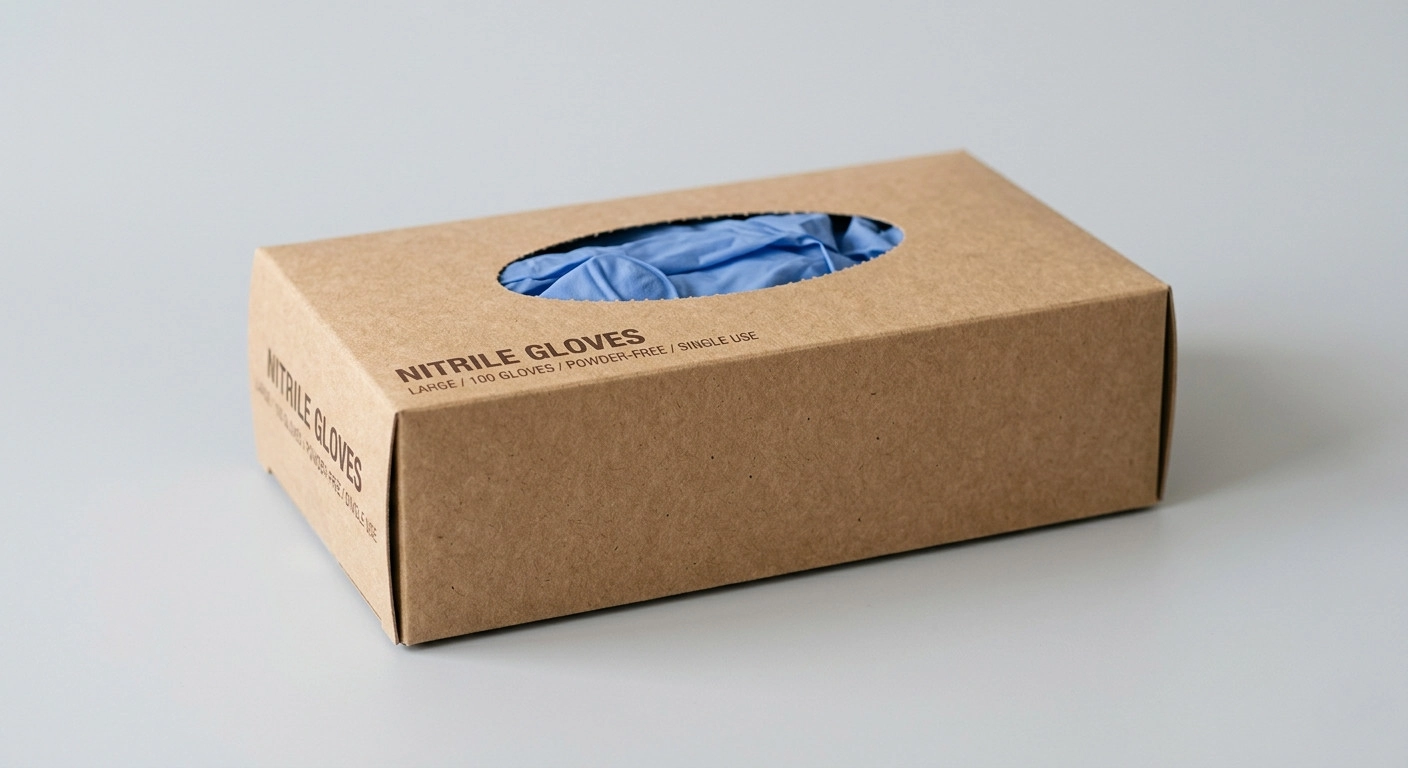
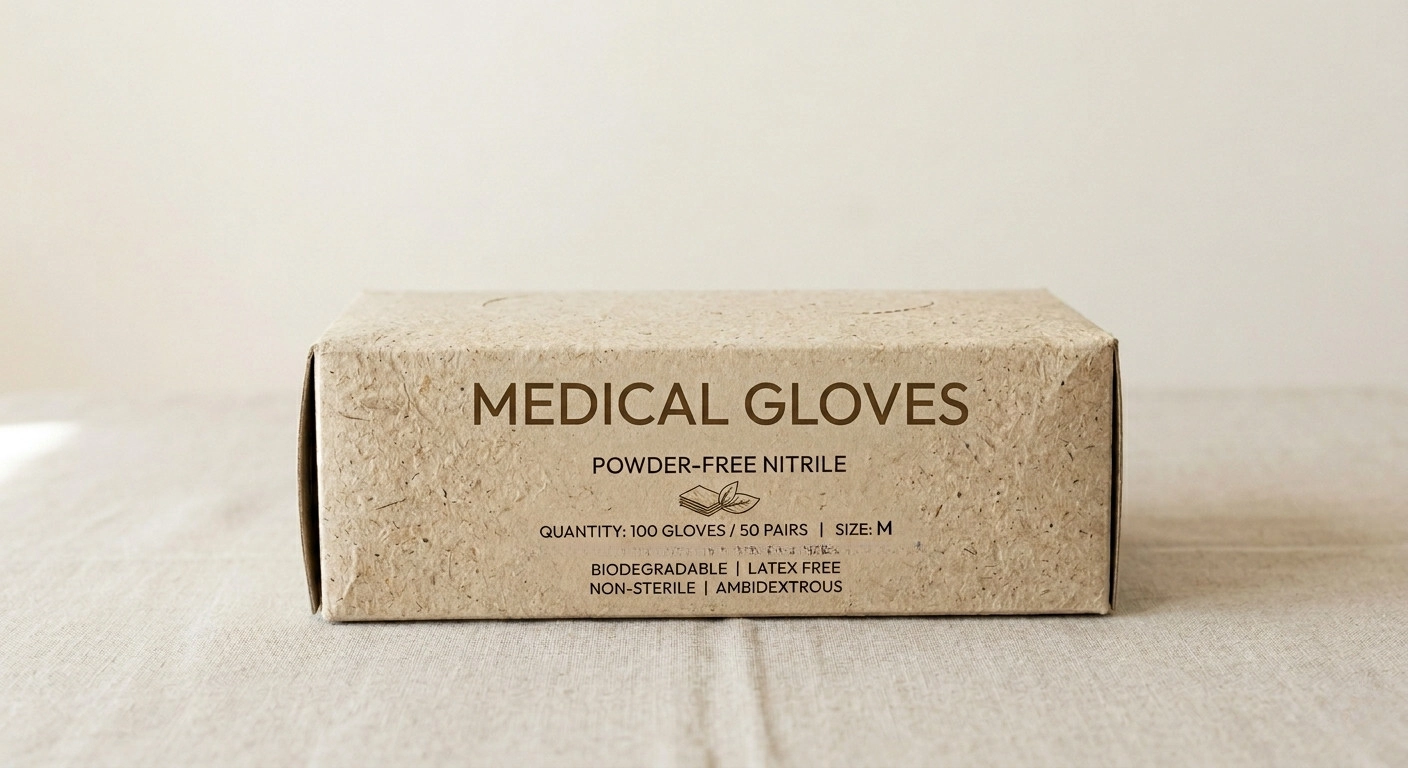
Choosing the eco-friendly packaging solutions with the kraft and brown paper is the most widely adopted way to achieve sustainable glove packaging. It is commonly used for glove dispenser boxes, retail glove packaging, inner cartons and also in shipping cases. A certified paperboard can reduce the environmental impact while maintaining strength and durability.
Molded Pulp Packaging
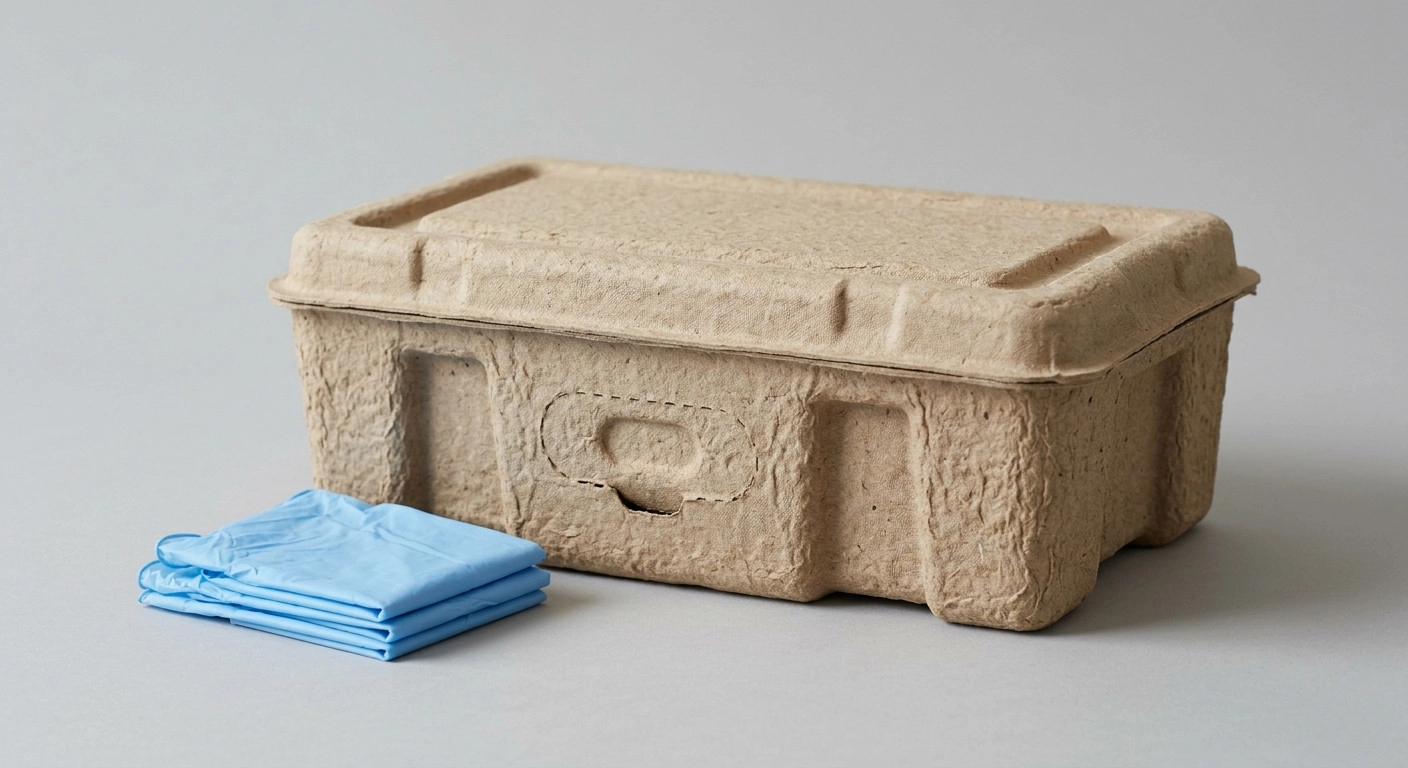
Molded pulp packaging is gaining popularity as an alternative to plastic inserts and foam packaging. It is produced by recycled paper and cardboard fibers. Molded pulps offer excellent protection while being biodegradable and compostable. It provides the best structural support with durable cushioning. It is best for work gloves packaging, medical gloves packaging boxes and also retail display packaging boxes.
Post-Consumer Recycled (PCR) Plastic Films and Bags
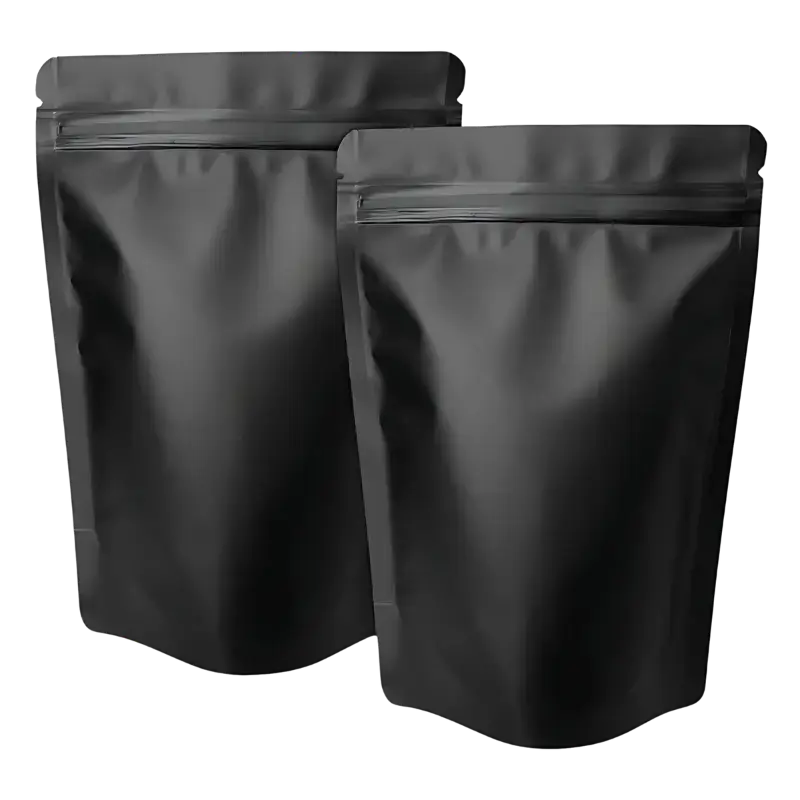
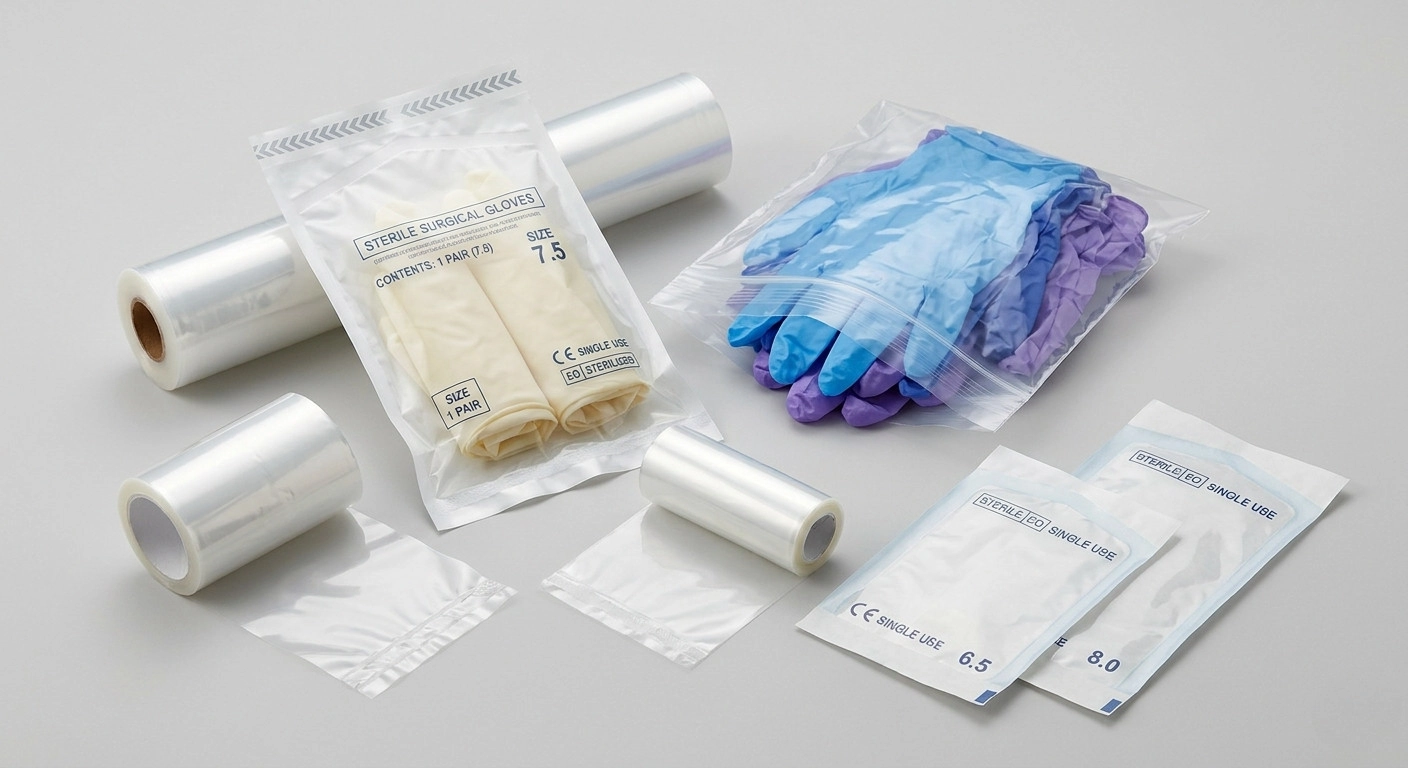
Some glove products still demand flexible packaging solutions such as disposable nitrile, vinyl and latex gloves etc. PCR plastic uses recycled packaging materials that are already collected from existing recycling processes. Compared to virgin plastic, it helps reduce demand for new raw materials and lowers overall environmental impact. Many manufacturers companies are also redesigning pouch and bag formats to reduce material usage while maintaining functionality and strength. It is best for bulk glove packaging solutions, dispenser pouches and ply overwrap applications as well.
Plant-Based and Compostable Films
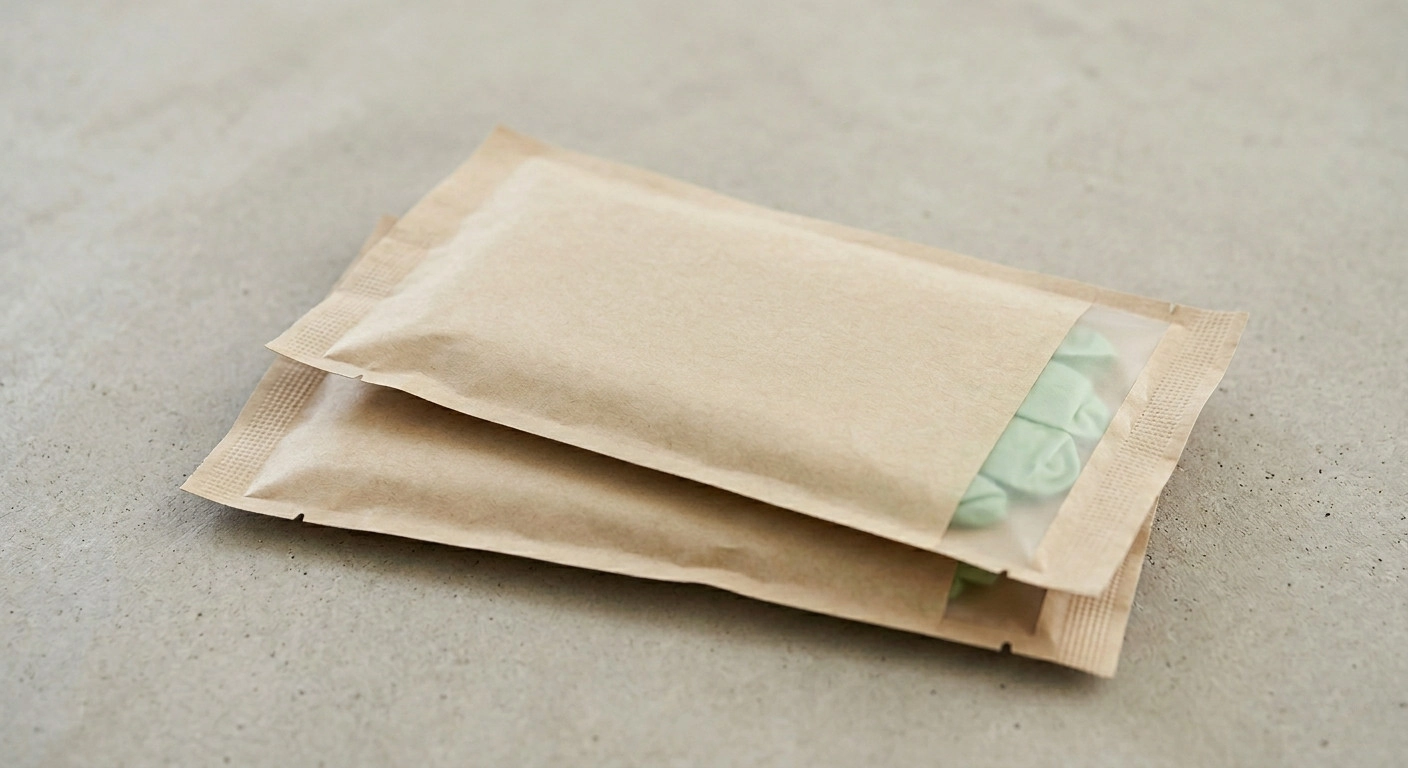
Plant-based packaging materials continue to evolve with the same speed. Its examples include in PLA derived from cornstarch, sugarcane-based films and seaweed-derived packaging materials. These packaging materials provide amazing sustainability benefits, so businesses must be careful to evaluate disposal infrastructure. Composable packaging delivers its top indented environmental benefits that are processed through industrial composing facilities. Such types of packaging materials are ideal for the food-service and healthcare organizations with also providing the access to industrial composting programs.
Alternative Fiber Materials: Bamboo and Hemp
Bamboo and hemp-based packaging materials are growing as well as attracting the consumer’s attention. They are innovatively reducing the environmental impact as compared to the traditional wood pulp. These packaging materials require just some resources to make brands stand out innovatively with creative glove packaging ideas in the market. They are best for premium glove packaging, retail displays, branded packaging components, and specialty product lines.
Key Packaging Design Trends In Glove Packaging For 2026
Right-Sizing And Packaging Reduction
The right size of glove packaging matters for product protection and business growth. Modern glove manufacturers are exploring the opportunities to reduce the packaging waste by using the exact perfect size of packaging box. Modern gloves are mostly thinner but give fully protective performance. Companies can fit more gloves into optimized packaging boxes without even compromise on the usability.
They can get the benefits from well-designed packaging boxes with perfect size are:
- Lower material usage
- Reduced shipping costs
- Improved pallet efficiency
- Lower carbon emissions
Smart Packaging And Qr-Code Transparency
Some companies are implementing some smart technologies in the packaging solutions. Demand for smart technology in the packaging solution is increasing across the glove packaging industry. This trend helps businesses to demonstrate environmental responsibility while reducing greenwashing risks through providing verifiable information in QR codes. QR codes can provide information such as recycling instructions, product certifications, sustainability information, supply chain transparency and proofs of carbon footprint data to build the long term and strong trust.
Minimalist and Label-Free Design
Modern consumers and companies prefer simple, elegant and meaningful packaging solutions that use less material quantity. These strategies help to reduce the waste while producing an attractive and modern appearance that easily aligns the sustainability and presentation requirements. Popular approaches include:
- Direct printing on kraft boxes
- Soy-based inks
- Water-based inks
- Reduced label usage
- Simplified graphics
Reusable And Refillable Packaging Systems
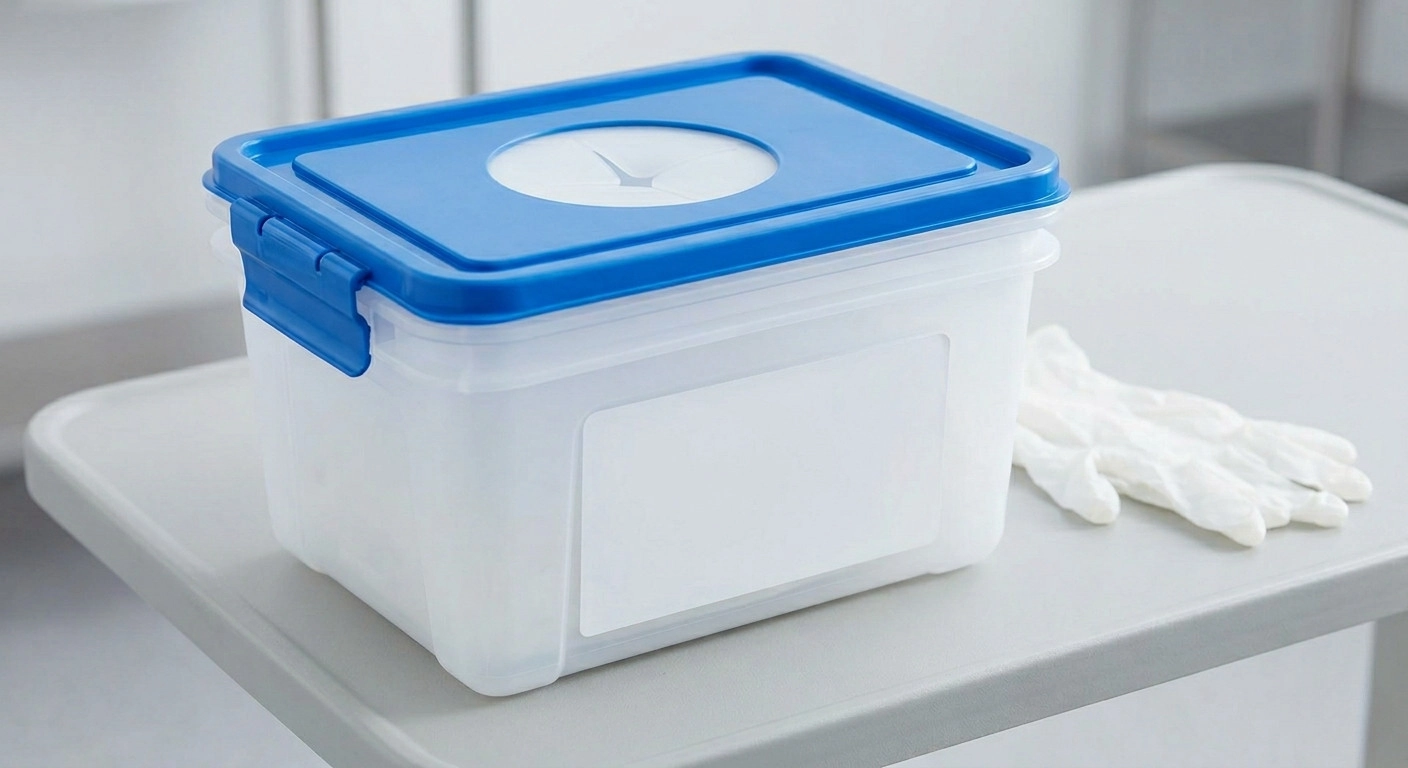
Use of reusable packaging systems is the practical solution for the highest volume glove users. Businesses prefer to purchase refill packs that fit into existing dispensers instead of replacing the entire dispenser. This approach reduces the waste and also packaging cost while improving the overall operational efficiency. Industries such as healthcare, food service, and manufacturing are preferring to move to refillable packaging systems.
Industries Driving Demand For Sustainable Glove Packaging
Healthcare and Medical
Healthcare is the largest glove-consuming industry no doubt. Hospital and healthcare networks are demanding sustainable packaging solutions from the packaging supplier at the top priority. They also expat the balance in sustainability, durability, hygiene and presentation in one.

Food Service And Food Processing
Restaurants, food manufacturers, grocery chains, and food-packaging facilities strongly rely on disposable gloves. These businesses are increasingly demanding the sustainable packaging solutions that should evaluate and fulfill the supplier based and environmental performance. PCR plastics and recyclable kraft packaging offer strong opportunities to fulfill these requirements.
Industrial, Automotive, And Construction
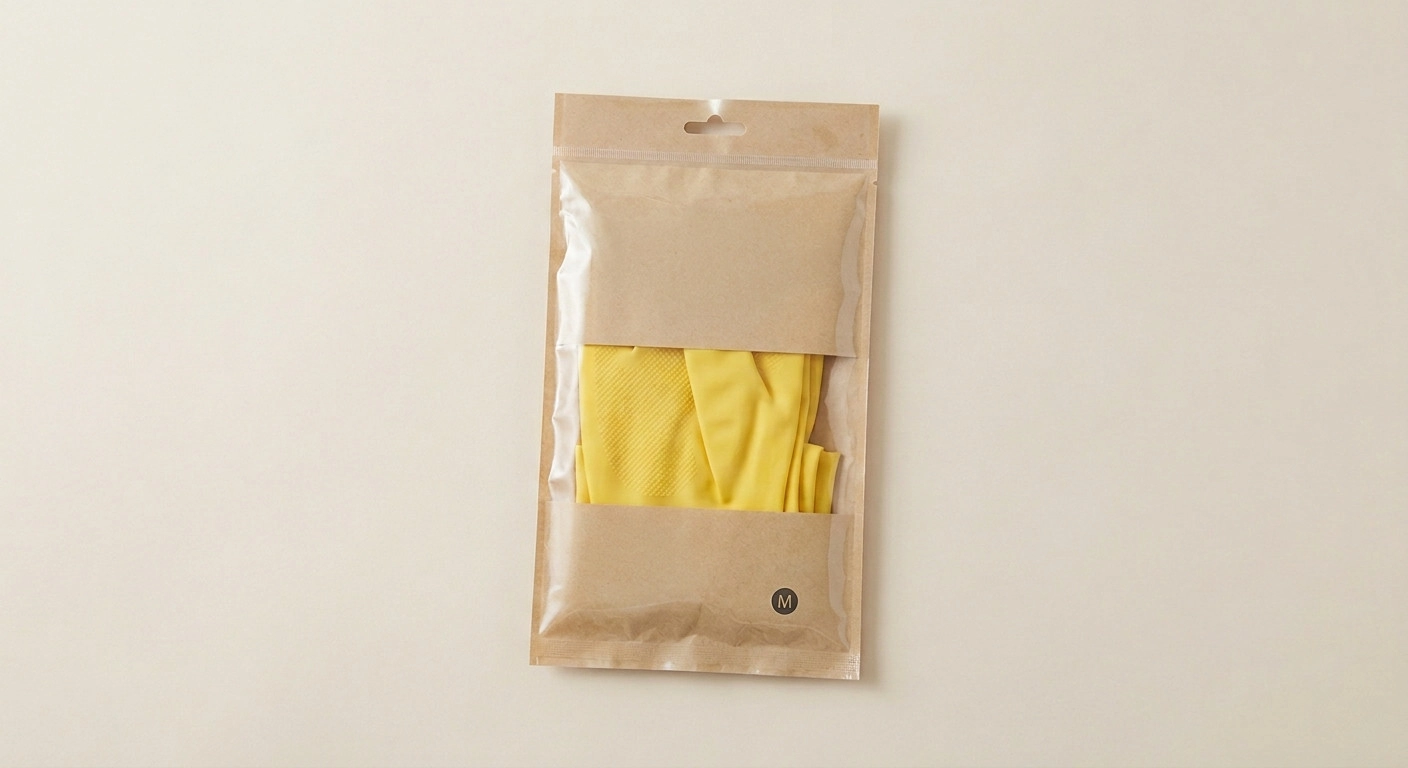
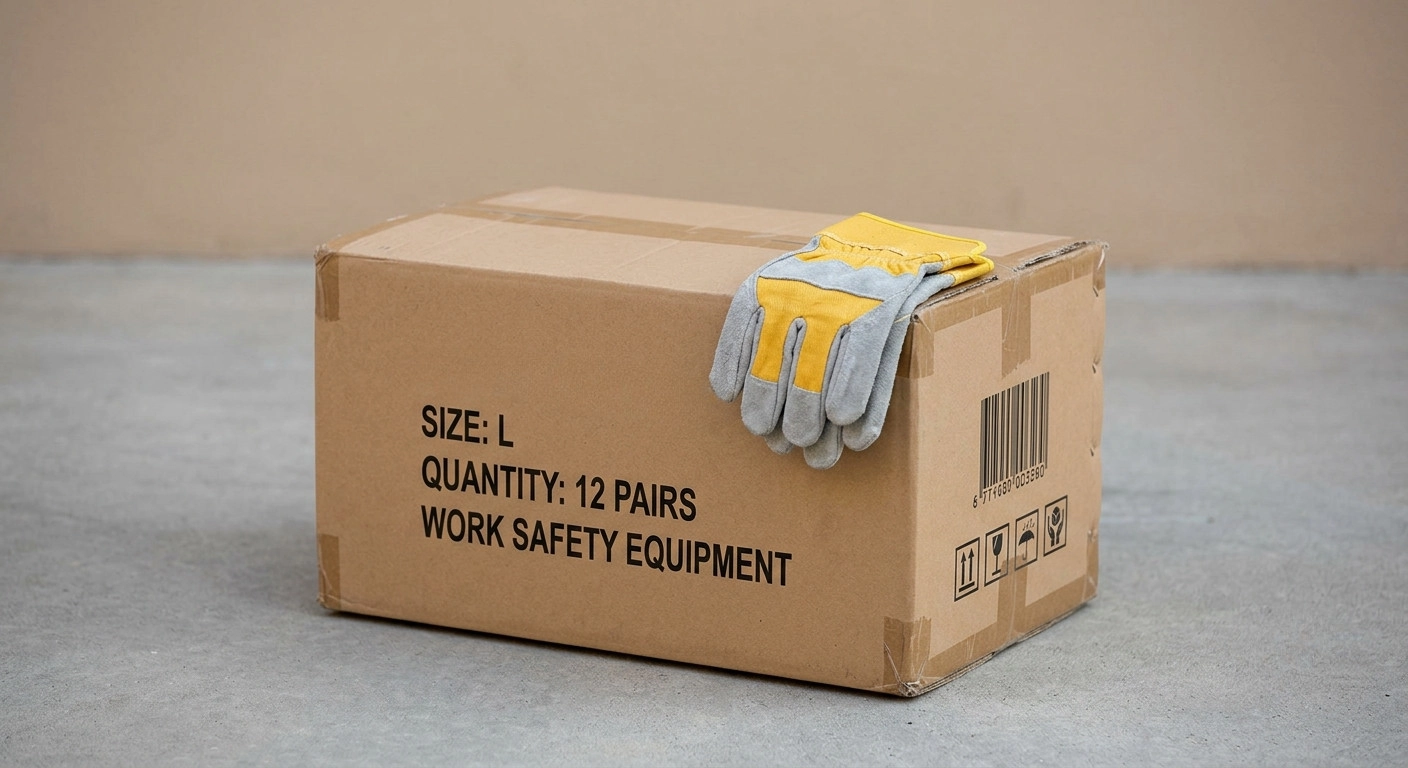
Industrial users often purchase gloves in large quantities while creating significant packaging volumes. Major manufacturers and construction companies are introducing ESG reporting requirements that extend throughout their entire supply chains. Recycled corrugated cartons and packaging reduction initiatives are becoming attractive solutions for these consumers.
Beauty, Consumer, And Retail Markets
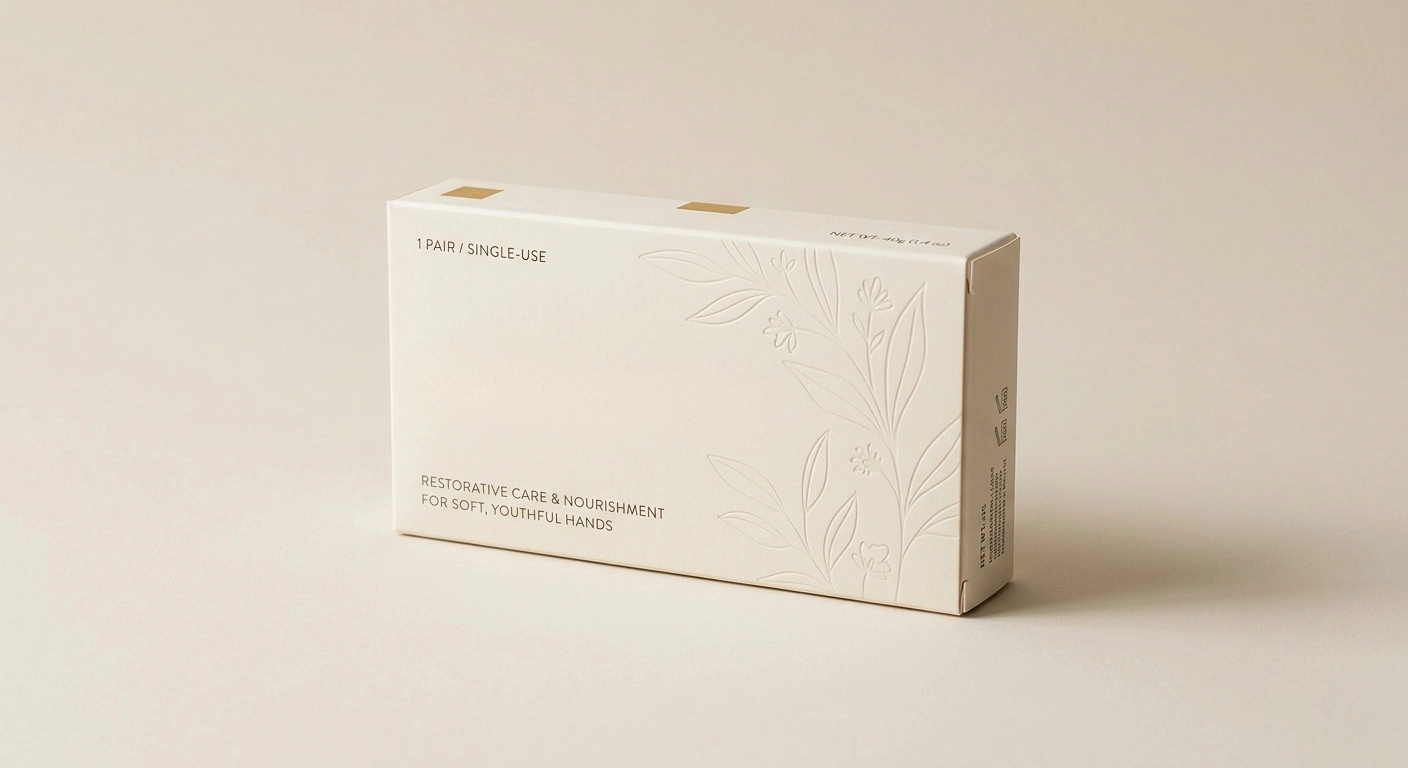
Consumer demand for gloves that can be used in beauty treatments, cleaning, and household applications at all. And buyers who shop from the retail shelves prefer attractive appearance with sustainability aware messages. As e-commerce sales are expanding, brands are starting to prefer lightweight, recyclable and shipping convenience that enhance customer experience with custom packaging and environmental performance.
How To Choose The Right Eco-Friendly Glove Packaging For Your Business
Selecting the right glove packaging to meet the business needs requires thoughtful planning.
Step 1: Understand Your Market Requirements
The first step is to evaluate where your glove packaging is going to sell, and review the packaging regulations in that state and provinces.
Step 2: Consider Your Glove Type
Eco-friendly materials choices for sustainable packaging provide the durable protection to the gloves and give an attractive appearance. Packaging requirements vary significantly between:
- Nitrile gloves
- Latex gloves
- Vinyl gloves
- Heavy-duty work gloves
Step 3: Evaluate Disposal Infrastructure
Not all sustainable packaging materials work well everywhere. Because every material has a specific surface and nature. Such recycled kraft packaging is widely accepted across North America, while compostable materials require access to industrial composting facilities.
Step 4: Verify Certifications
Verifying the claimed certification by the packaging supplier is very important to build and maintain the trust for long term relation. Look for recognized certifications such as:
- FSC-certified packaging boxes
- SFI certifications
- PCR content verification
- BPI certification
- TÜV Austria compostability certification
Step 5: Identify Packaging Reduction Opportunities
Review box dimensions, glove counts, and shipping configurations to find opportunities for material reduction so that it does not cost you more than your need and requirement.
Step 6: Support All Environmental Claims
Make sure that brand claims sustainability is supported by the documentation and certifications or not. Avoid vague environmental language that cannot be verified.
Questions To Ask Your Packaging Supplier
Before choosing a packaging partner, ask them:
- Do you offer FSC-certified paperboard for glove packaging
- What percentage of recycled content is used in your packaging materials
- Can you help reduce packaging size and material usage
- Do you provide documentation for
- EPR reporting requirements
- What sustainability certifications support your products
- Are custom recyclable glove boxes available for our industry
Upgrade To Sustainable Glove Packaging Solutions Today
If you’re planning to upgrade your packaging strategy, now is the ideal time to explore sustainable glove packaging options, request material samples, and consult with a packaging specialist at (332) 263-6086, (720) 604-9515 or email [email protected] to get in touch and send your requirements today and the support team will help you to choose the right eco-friendly packaging solutions.