












A Complete Buyer’s Guide to Choosing Custom Rigid Boxes for Your Brand
Home » A Complete Buyer’s Guide to Choosing Custom Rigid Boxes for Your Brand
Table of Contents
Get A Free Quote
Packaging shapes how people see your product. It speaks before the product does. In many cases, it decides whether a customer feels confident or unsure. A weak box can lower the value. A well made rigid box can lift it right away.
Rigid packaging is not just about protection. It is about how your brand is experienced. The look, the feel, and even the way a box opens all play a role.
Many brands now treat packaging as part of the product itself. Recent market trends show a clear shift. More brands are investing in better packaging to improve customer experience. This is why rigid boxes are now common across premium and mid range products.
This guide will help you understand what to look for when choosing custom rigid boxes. It will keep things simple and practical so you can make the right choice for your brand.
What Are Rigid Boxes
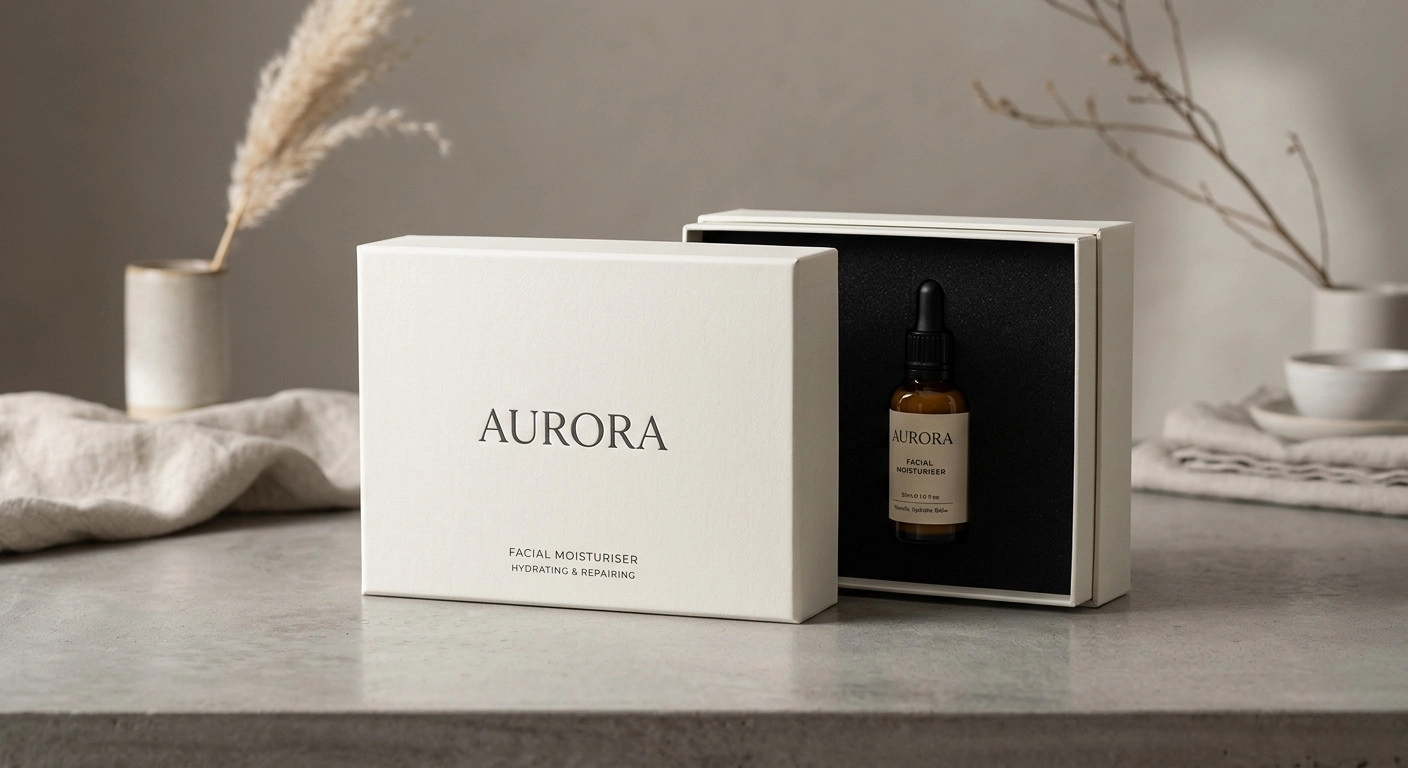
Rigid boxes are made from thick paperboard. They are strong and never lose their shape. They don’t collapse like folding cartons do.
Printed or textured paper is used to wrap most rigid boxes. This makes them look clean and polished. They also feel solid in your hand, which makes the whole experience better. These boxes are used for products that need to be protected and shown off at the same time.
You can often find them used for electronics, cosmetics, jewelry, and gifts. The main goal is clear. Give the product a sense of worth before it is even opened.

Why Choosing the Right Rigid Box Matters
Not all rigid boxes create the same impact. A poor choice can lead to wasted cost or a weak presentation.
A good choice can improve how people see your product. Packaging affects buying decisions more than most brands expect. Customers notice small details. They notice weight, texture, and structure.
A strong rigid box does three things well. It protects the product. It presents the brand clearly. It creates a better unboxing moment. When all three come together, the product feels complete.

Why Choosing the Right Rigid Box Matters
Before choosing any box style, you need to understand your product. Start with size and shape. Measure it properly. Think about how it will sit inside the box. A loose fit can feel careless. A tight fit can cause damage.
Next, consider weight. Heavier items need stronger boards and better support. Light items allow more flexibility in design. Also think about the purpose. Is the product meant for daily use or gifting. Is it fragile or durable? These details help guide your choices.
Your packaging should match the product. When both feel aligned, the experience feels right as recent research from 2026 indicates that 77% of consumers report higher trust in a brand when its packaging reflects a commitment to quality and responsible design.
Types of Rigid Boxes You Can Choose
Rigid boxes come in different styles. Each one creates a different feel.
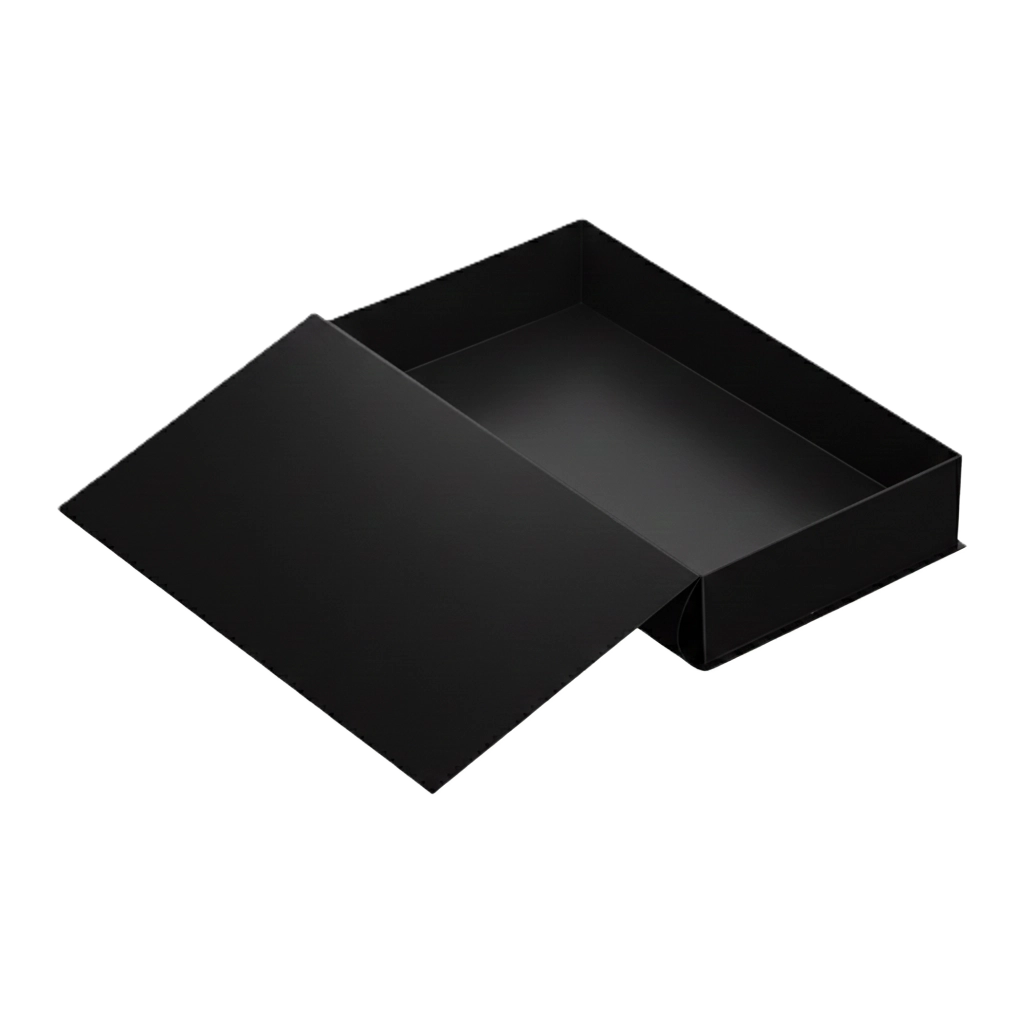
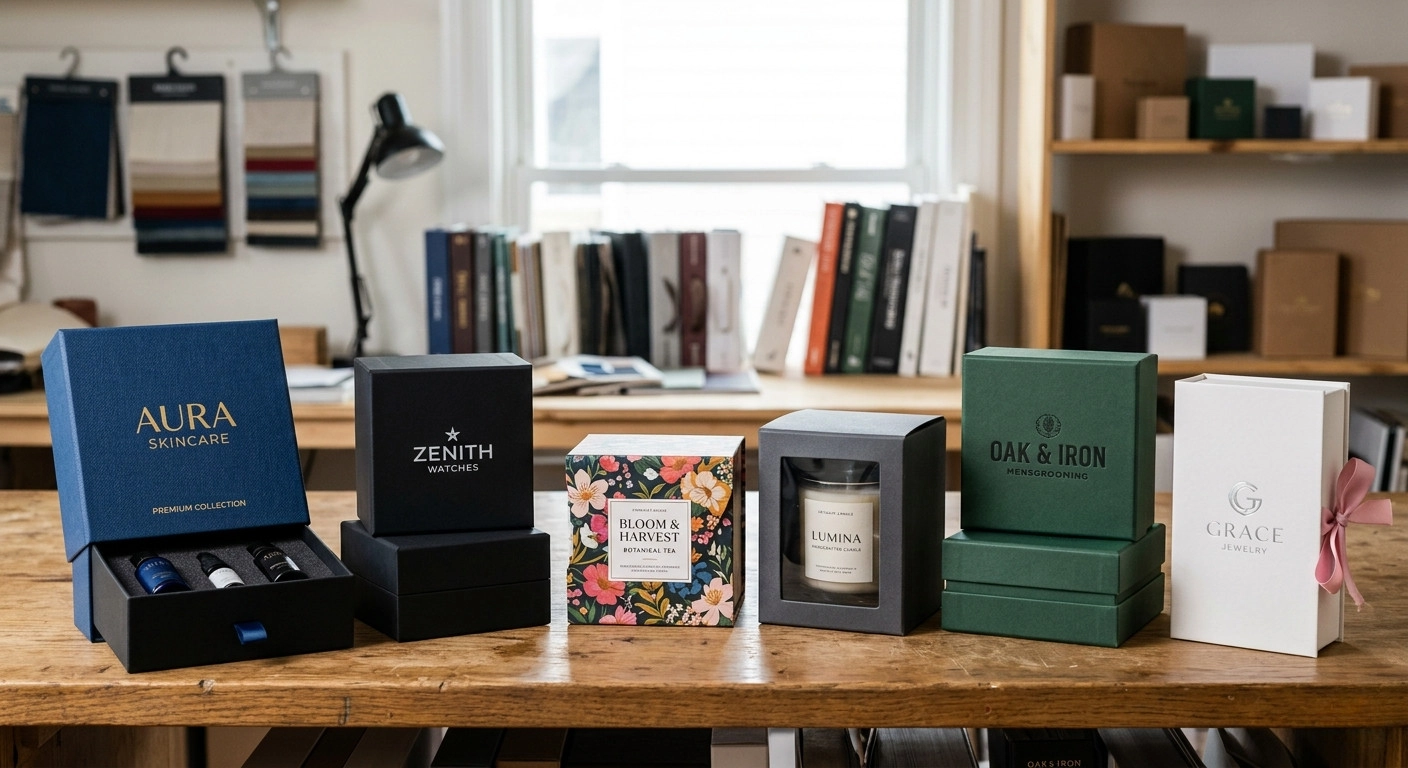
Two-Piece Boxes: Two piece boxes are simple and widely used. They have a base and a lid. This style works well for clothing, gift sets, and general retail.
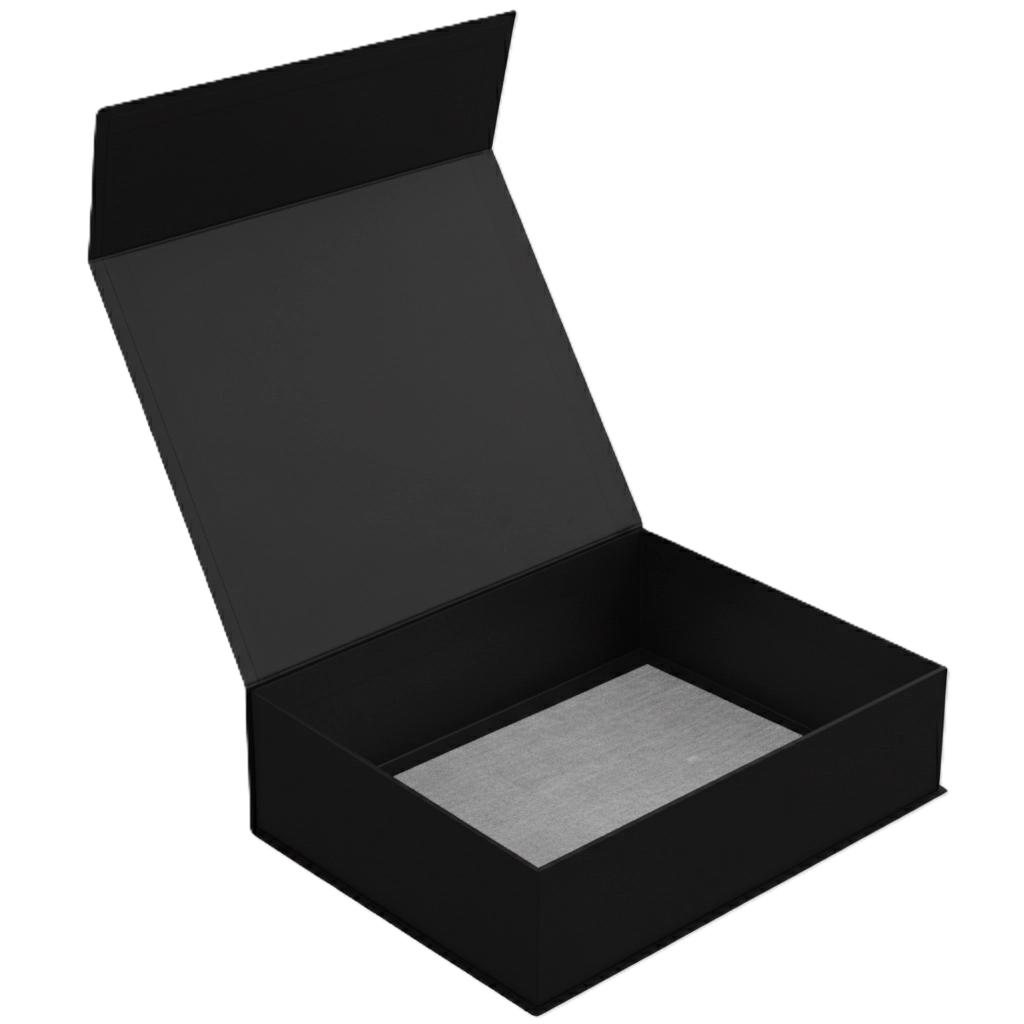
Magnetic Closure Boxes: These feel more refined. The lid closes smoothly and stays in place. These are often used for premium products and corporate gifts.
Drawer Style Boxes: These include an outer sleeve and a tray that slides out like a drawer. They feel more interactive and are great for smaller items like accessories or tech products.
Book Style Boxes: These boxes open like a cover. They give more space for branding inside. This is useful when you want to add a story or message.
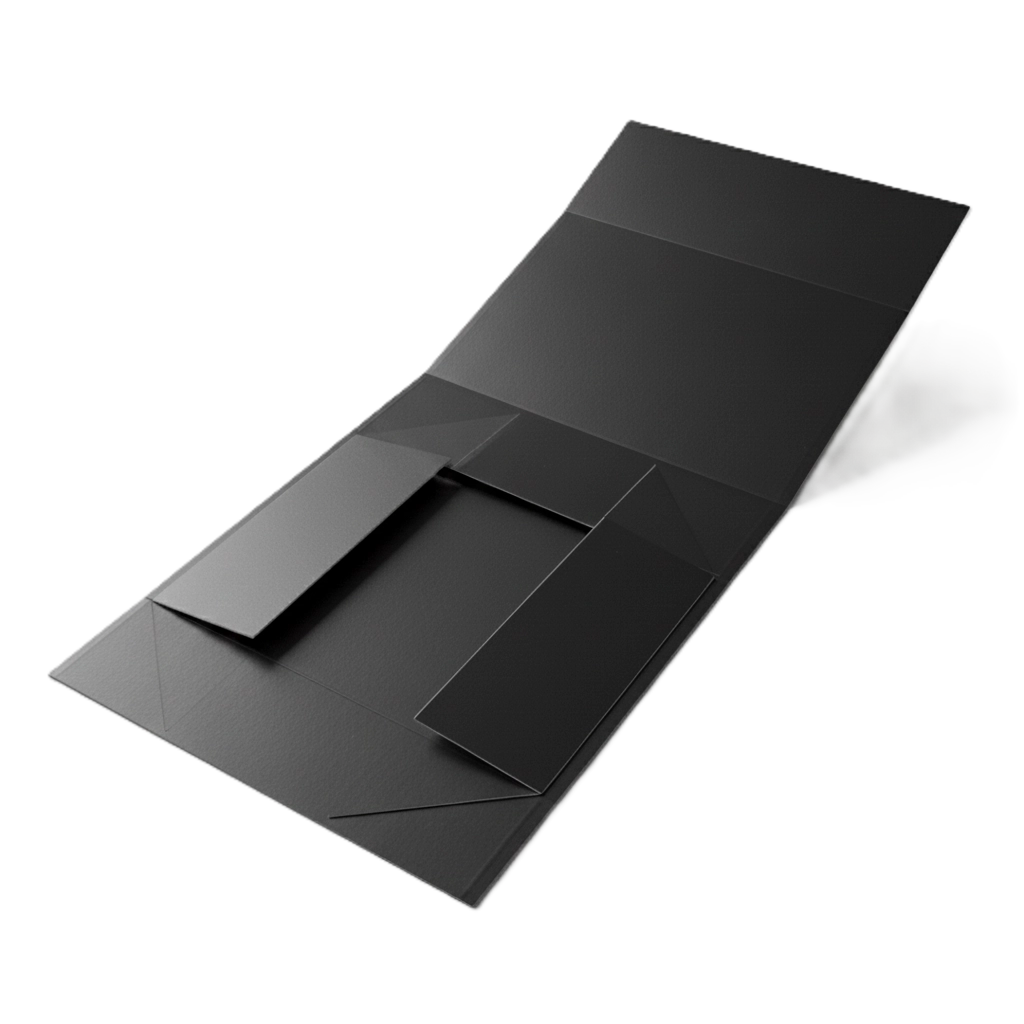
Collapsible or Foldable Rigid Boxes: These boxes keep a sturdy feel but can fold flat. This makes shipping and storage easier and reduces cost.
Each style changes how the product is revealed. Choose one that fits your brand and product type.
Picking the Right Size and Fit
Size is one of the most important factors. A large box with a small product can feel empty. A small box with no space can damage the item. Balance is key. Always leave room for inserts if needed. Inserts hold the product in place and prevent movement.
A good fit also improves presentation. The product should sit neatly and feel easy to remove. Think about storage and shipping as well. Oversized boxes increase costs. A well planned size saves space and keeps things efficient.
Materials and Build Quality
Rigid boxes rely on strong materials. The core is usually a chipboard. The thickness can vary based on need.
Thicker boards give more strength and weight. This makes the box feel more premium.
Thinner boards reduce cost but still offer structure. The outer wrap also matters. It can be smooth, textured, or printed. This layer defines how the box looks and feels. Good materials improve both protection and appearance.
Poor materials can weaken the entire experience. Always check samples before finalizing. What looks good on screen may feel different in hand.
Finishes That Add Value
Finishes help bring the design to life. They add depth and detail without changing the structure.
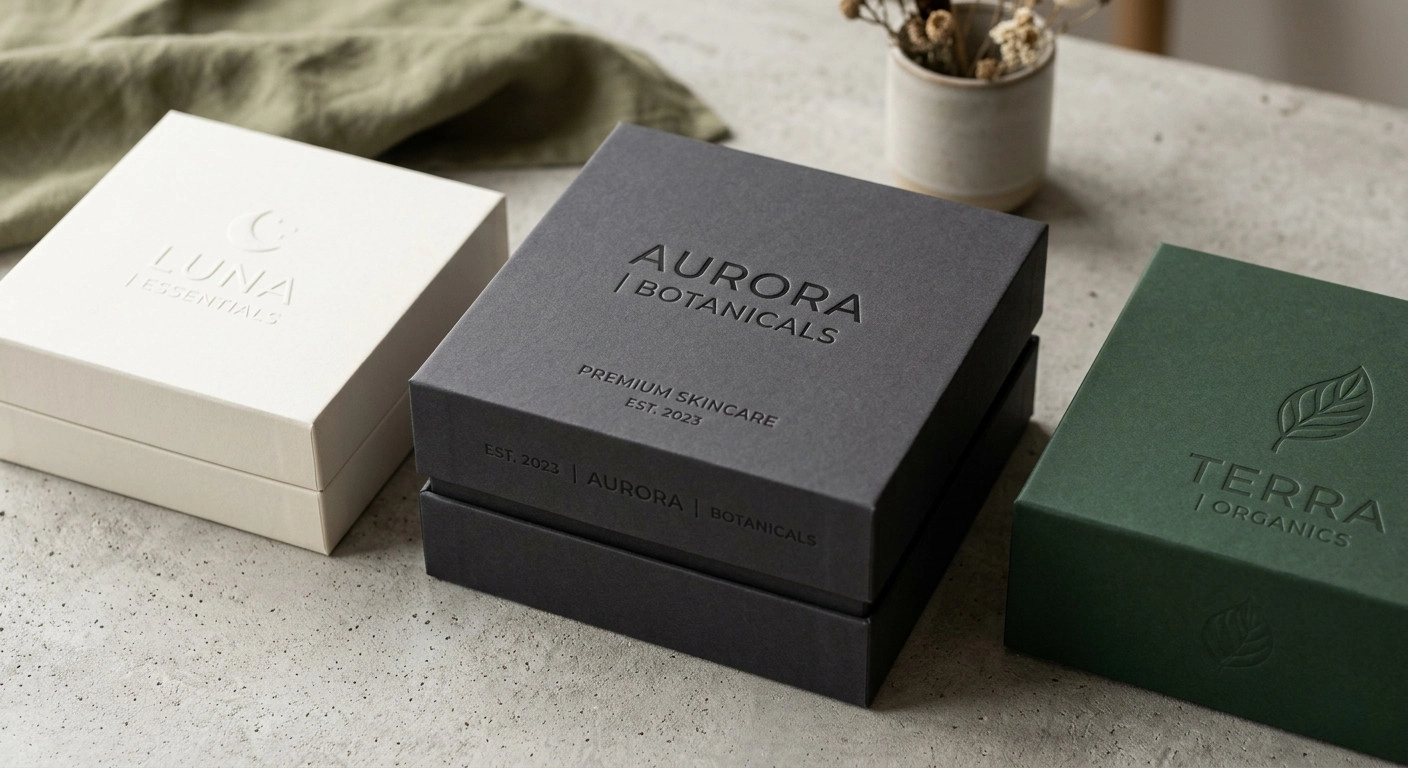
Matte finishes look clean and soft. Gloss finishes reflect light and feel bold. Soft touch coatings feel smooth and rich. Foil stamping adds a metallic shine to logos or text. It works well for premium branding.
Embossing and debossing create raised or pressed effects. These small touches can make a big difference. It is better to choose a few strong finishes than to use too many. Keep the design balanced.
Color Choices and Brand Identity
Color affects how people feel about a product. It also helps with recognition. Dark colors often feel more premium. Light tones feel clean and simple. Bright colors feel energetic.
Your packaging should match your brand identity. Use colors that customers already connect with your business. Consistency matters. When your packaging looks the same across products, it builds trust over time.
Also think about contrast. Text should be easy to read. A clear design improves the overall experience.
Inside the Box Matters Too
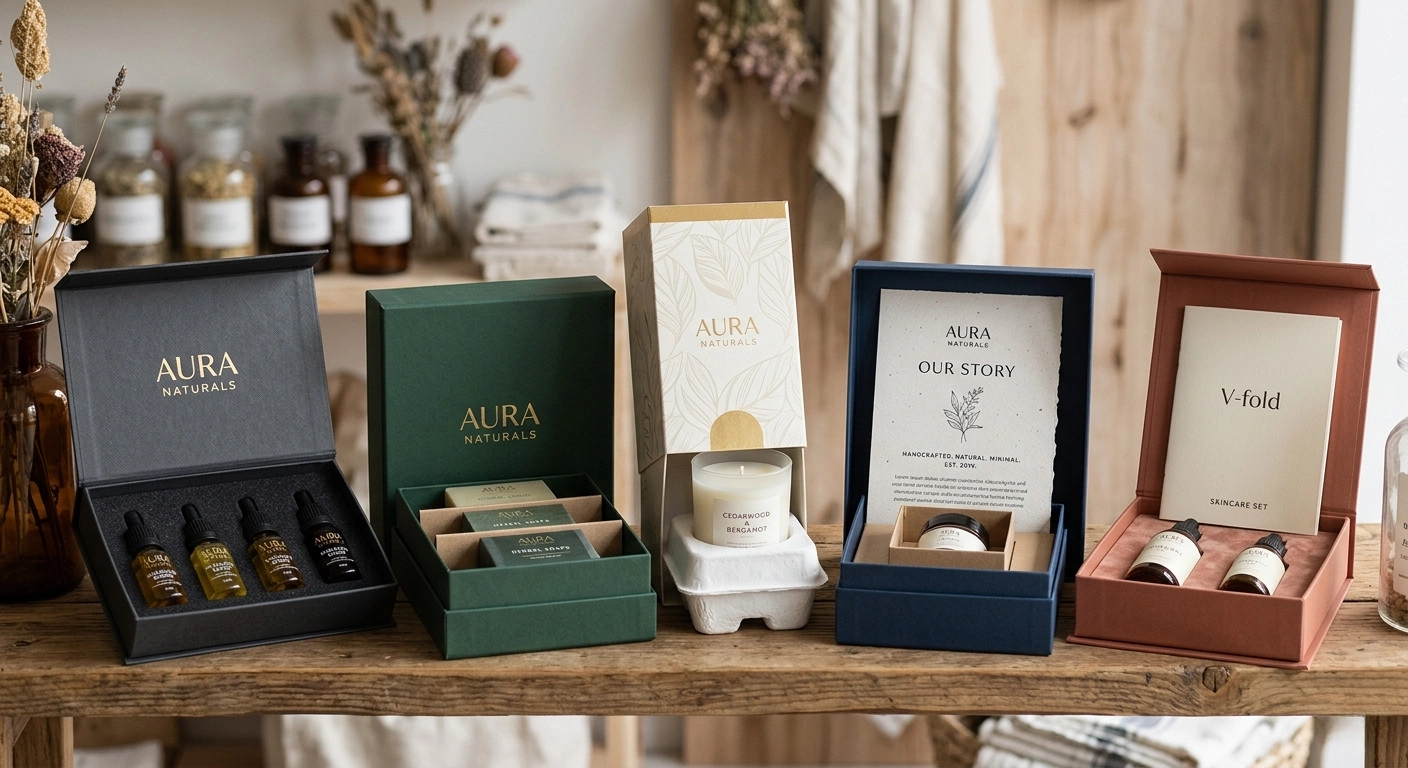
The inside of the box is just as important as the outside. Inserts help keep the product in place. They also improve presentation. Foam inserts offer strong protection. Cardboard inserts are simple and eco friendly.
You can also add small details inside. Tissue paper, ribbons, or printed messages can enhance the experience. These details do not need to be expensive. Even simple additions can make the box feel complete.
The goal is to make the product look organized and easy to access.
Balancing Cost and Quality
Rigid boxes are pricier than regular packaging, so you’ve got to plan ahead. Set your budget from the start and figure out what’s worth splurging on and where you can cut corners. Honestly, you don’t need all the fanciest upgrades. A simple design with quality materials still looks and feels upscale.
Keep an eye on how many boxes you order, too: ordering more usually drops the cost per unit, but don’t go overboard if you’re still experimenting.
Treat your packaging like an investment. When it looks good, people trust your brand more, and they’re more likely to come back for another purchase.
Sustainable Packaging Choice
People care about sustainability, so pick materials you can recycle. Paper wraps and inserts beat plastic. They’re easier to toss in the bin. Don’t go overboard with packaging; just use what you need.
Stick with a design that’s straightforward and useful. Make sure to add clear instructions on how to recycle or reuse the box. You don’t have to sacrifice quality if you make smart choices.
Common Mistakes to Avoid
Many brands make similar mistakes when choosing rigid boxes. Focusing only on looks is one of them. A box should protect the product first.
Over designing is another issue. Too many elements can make the packaging feel cluttered. Ignoring size can lead to poor fit and damage. Always measure and test. Skipping samples is risky. Always check the final feel before full production. Rushing the process can lead to errors. Take time to plan each step carefully.
How to Choose the Right Manufacturer
A good manufacturer makes things go more smoothly. Look for someone who has worked with rigid packaging before. Get samples to check the quality. It’s important to talk to each other clearly.
Tell them what you need, how much you can spend, and when you need it. A good supplier will help you choose materials, finishes, and the structure. Don’t just choose based on price. Find a good balance between price, quality, and service. Hot Custom Boxes offers reliable rigid packaging and custom packaging solutions built around your needs. Get in touch with our team to get started today.
How to Choose the Right Manufacturer
When you choose custom rigid boxes, you’re not just picking out packaging. It’s about how people see and remember your brand.
The right box keeps your product safe and makes it feel better to the customer. It makes a better first impression and a more exciting moment when you open the box. Make sure your choices are simple and have a purpose.
Think about what works for your brand and product. When done right, rigid packaging does more than just hold something. It makes things better, builds trust, and leaves a lasting impression.