













Table of Contents
Get A Free Quote
The key to the right Halloween box is correct measurements. Your package should provide enough space for the complete product arrangement with wrappers and inserts. It should also have an appropriate height to allow the lid to close without pushing the package
A too small box will squeeze out the treats or destroy the decorations. Too much space can cause products to tumble around and a gift box that looks loosely packed. The required size depends on the content (products or inserts), set dimensions, and the box’s interior volume.
This guide will provide Halloween box sizes with examples. We will also explain how to measure them, and even calculate a few to hep you determine the required dimensions.
Note: The examples below are given as recommendations, you should pick preferred measurements and calculate based on them.
Understanding Halloween Box Dimensions
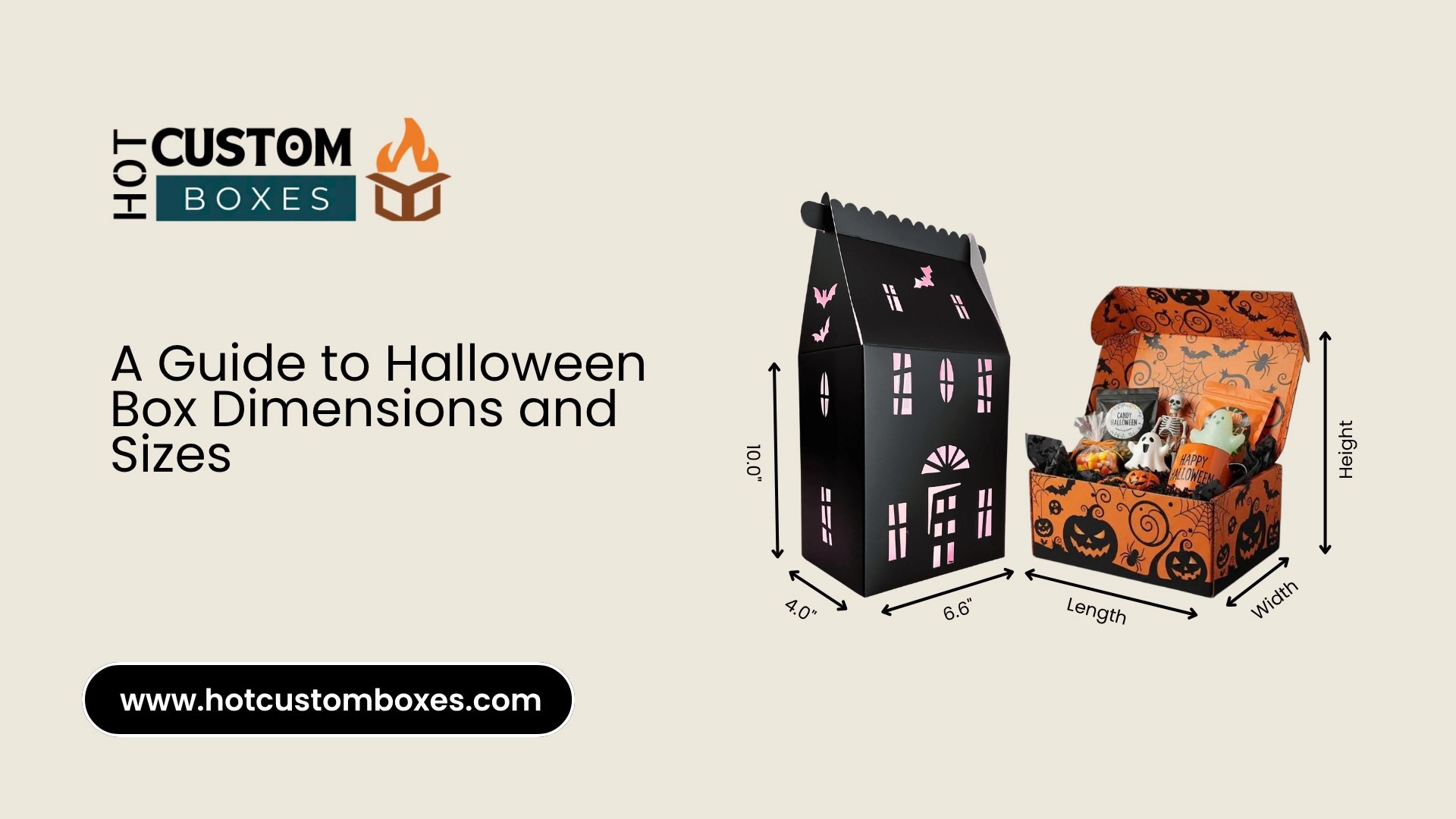
Typically, Halloween box dimensions follow this order: length x width x height. Length is usually the longer side of the base of a rectangular box. The other base measure is width. The direction of height is towards the top from the base.
These dimensions may be different for suppliers. Double-check the order for measurements before approving, particularly if the box is tall or of an unusual shape.
If you need design inspiration, explore these creative Halloween gift box ideas for your brand or business.
Length and Width Determine the Layout
The base dimensions control how products sit next to each other. They determine the number of rows, the space between items and the room available for inserts.
For example, a 6 × 4 inch base and a 5 × 5 inch base have similar areas. However, they support different arrangements. A long candy bar might fit the first base but be too long for the second.
Total area alone cannot confirm product fit. Check the length and width separately.
Height Determines Lid Clearance
Box height must accommodate the tallest point of the packed contents. Include the product, its decoration and any material beneath it.
A flat cookie may need a shallow box. A cookie with raised icing needs more headroom. For a mixed collection, an upright icing bottle may determine the required height even when the cookies lie flat.
Internal and External Dimensions
- Internal dimensions describe the usable space inside the box. Use them to check whether your products fit.
- External dimensions describe the assembled box’s overall size. Use them when planning shelf space, storage or outer shipping cartons.
Board thickness and folded walls can reduce the interior space. An 8 × 6 × 3 external size has a reduced inner volume. It is not possible to replace one measurement with another.
Halloween Box Size Chart
There is no standard size for Halloween box storage. A pack of small candies, decorated cakes, and big gift sets require alternative sizes.
The following table gives illustrative internal sizes and possible uses.
| Example Internal Dimensions | Possible Contents | Main Measurement to Check |
|---|---|---|
| 3 × 3 × 1 inches | Small wrapped candy assortment | Wrapper ends and packed height |
| 4 × 4 × 2 inches | Small chocolates or party favors | Combined product footprint |
| 6 × 4 × 2 inches | Small cookies or mixed sweets | Cookie shape and arrangement |
| 8 × 6 × 3 inches | Party treat assortment | Full layout with wrappers |
| 10 × 8 × 4 inches | Compact Halloween gift collection | Tallest item and insert space |
| 12 × 10 × 5 inches | Larger mixed gift set | Combined footprint and protection |
These sizes do not guarantee a particular product count. Six small cookies and six large cookies need different packing space. Confirm the internal dimensions and test your complete arrangement before ordering.
Conversion from Inches to Centimeters
One inch equals 2.54 centimeters. It is important to multiply each measurement separately
For example:
6 × 4 × 2 Inches = 15.24 × 10.16 × 5.08 Centimeters
Always keep the corresponding units for your measurement sheet. If you measure your products in centimeters, be sure to have your box dimensions also in centimeters before comparing them.
How to Measure Products for the Right Box
Measure the products in the condition they are going to be received in by customers. This means including any wrappers, trays, and accessories that are going to come inside.
Measure the Finished Product
Using a ruler or tape measure, find the longest, widest and tallest points. For irregular items, the full circumference should be measured.
A bat cookie is going to need a measurement from wing tip to wing tip. A pumpkin cookie requires enough room for the stem. It is better to measure baked cookies than to use the size of the cutter because they can turn out to be a different size.
Candy pouches should be measured when filled and sealed, as an empty one will not show how much room the filled base is going to take up.
Arrange the Complete Collection
Lay products out on a flat surface in the manner that they are going to be packed. Make sure to leave room for any dividers or protective separation that is going to be necessary.
Then measure the outside edges of the full arrangement.
Six cookies are going to require either a single row of 6 or two rows of 3. Both are going to end up with the same quantity but will need to be measured for length and width.
If you have products that are different sizes, make sure to measure the largest ones that you expect to find. The box that is the right size for the small sample might not be big enough for the remainder of the batch.
Measure the Packed Height
Make sure to have any liners, trays, or inserts that are going to be under the products in place before measuring the height. Measure from the packing base to the highest point.
If you are going to have multiple layers, the thickness of each layer and any separators should be included. There also needs to be enough clearance above the contents for the lid to close easily.
How to Calculate Halloween Box Dimensions
A simple grid calculation helps estimate the base size for regularly shaped items.
Required length = total item length across a row + gaps between items + clearance at both ends
Required width = total item width across the rows + gaps between rows + clearance at both sides
Required height = packed contents height + clearance beneath the lid
Include base layers in the packed contents height. For inserts, use the loaded insert’s measurements or a supplier’s layout drawing to avoid counting the same spacing twice.
These calculations estimate the space needed. A physical packing check confirms whether the layout works.
Example: A Box for Six Halloween Cookies
Suppose each cookie measures 2.5 × 2.5 inches. You want three cookies across and two rows deep.
For this example, allow:
- A 0.25 inch gap between cookies.
- A 0.25 inch clearance at each outer edge.
Calculate the length:
(3 × 2.5) + (2 × 0.25) + (2 × 0.25) = 8.5 inches
Calculate the width:
(2 × 2.5) + (1 × 0.25) + (2 × 0.25) = 5.75 inches
The arrangement needs an internal base of approximately 8.5 × 5.75 inches before any additional insert requirements.
If the packed cookie and liner height is 0.6 inches and you allow 0.25 inches above it, the calculated minimum height is 0.85 inches. A proposed 1 inch internal height could be checked with a sample.
How the Arrangement Changes the Size
Using the same cookies and spacing, compare these two layouts:
| Arrangement | Calculated Internal Base |
|---|---|
| Three columns and two rows | 8.5 × 5.75 inches |
| Six columns and one row | 16.75 × 3 inches |
This shows why product quantity alone cannot determine box dimensions. Decide on the layout before selecting a size.
Halloween Cookie Box Sizes by Shape and Quantity
All packaging of cookies should include the actual outline, decoration, and desired arrangement.
Single Cookie Boxes
Measure one finished cookie with its wrapper. Add suitable space around the edges for packing and removal.
For example, a ghost cookie measuring 3 × 3.5 inches needs an interior larger than that footprint. If its wrapper extends beyond the cookie, use the wrapped measurement as your starting point.
Check the height separately. A thin cookie with flat icing needs less depth than a thick cookie with raised details.
Boxes for Multiple Cookies
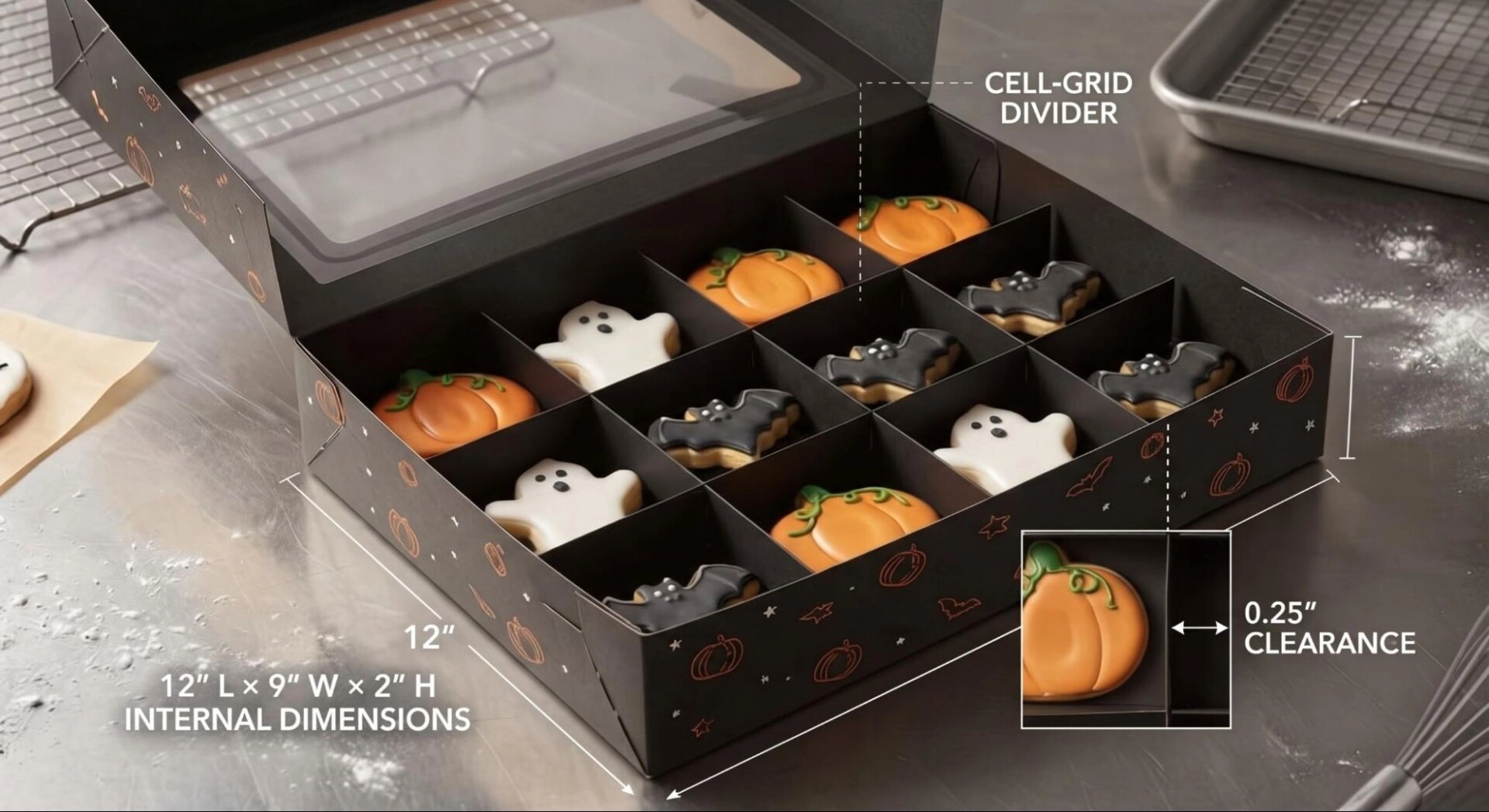
Plan the rows for each box first, then pick the box dimensions. Similar cookies can sit in a regular grid. Mixed cookies need compartments of different sizes.
A collection of round pumpkins and wide bats shouldn’t share one assumed cell size for every item. Measure the actual shapes and check how they fit together.
Don’t force extra rows or cookies into the planned layout by dropping a divider you need. A snug count only helps if the product stays protected.
Decorated Cookie Box Height
Measure the tallest icing detail, not the bare cookie surface, and add the liner or tray underneath it.
The lid should close without touching the decoration. Window panels need checking too, since they can flex inward.
Stacking changes the math too. If you plan multiple layers, work out whether the cookies can carry that load, and count any separators. Don’t assume a taller box makes stacking safe for fragile decorations.
Halloween Candy and Chocolate Box Sizes
Candy capacity depends on piece size, wrapper shape and packing method, so one fixed box size can’t give a reliable count for every assortment.
Wrapped Candy Dimensions
Wrapper ends can take more room than expected. Measure several pieces together as they’ll be packed.
Ten mini chocolate bars, for example, may need a longer base than ten small hard candies. Loose wrapped sweets settle differently from neatly arranged bars, too.
For repeat orders, build a mockup and test the planned quantity instead of estimating from one piece.
Chocolate Tray Dimensions
Size the box around the complete loaded tray. The tray sets the outside footprint, and its cavities hold the individual chocolates.
Say the tray measures 5.5 × 3.5 inches. The box interior has to fit those dimensions with enough clearance to insert and remove it. For height, measure the tallest chocolate above the tray base.
Extra box width does not increase tray capacity. If you need more chocolates, revise the tray layout and its dimensions together.
Mixed Sweet Collections
Arrange different products together before measuring. A candy pouch, chocolate tray and wrapped cookie may each need a separate area.
Measure the outer edges of the combined layout. Include any divider walls or padding that separates the products.
Halloween Gift and Party Favor Box Dimensions
Gift collections often contain products with different shapes. Their dimensions depend on the complete set rather than the item count.
Small Party Favor Sizes
A small favor collection could contain a candy pouch, a sticker sheet and a little toy.
Arrange the objects where they will go in the box. See whether the sticker sheet will lie flat without bending and whether the pouch requires additional height at its filled end.
This arrangement may work best in a shallow, wide box rather than a narrow, deep one.
More Generous Gift Collection Sizes
Begin with the largest item, because its dimensions often set the minimum length, width or height.
If you are making a mug gift set, measure the entire width, including the handle. Then place the chocolates and message card around the mug and measure the whole arrangement.
Take another measurement if the mug is lying on its side. Changing the orientation can increase one dimension and decrease another.
Tall and Irregular Items
Check the maximum width and the maximum height. Caps may be wider than the body of a bottle, and toys may have parts that stick out from the body.
Design the packaging to accommodate the complete products. Length and width measurements alone don’t indicate fit.
The Effect of Inserts and Packing Materials on Box Size
Inserts fit within the box. They can adjust the fit, but their dimensions must be measured and counted from the start of the process.
Divider Walls
Dividers for each compartment will decrease the capacity. If the box is 9 inches long with divider walls and outer margins, this does not cover the 3 required cells.
Verify the usable size of each cell once finished. Whereas the overall insert size is not as relevant when inspecting individual products, those measurements do matter.
Tray Bases and Liners
A raised tray base reduces the available height above it. Liners and folded padding can have the same effect.
For example, if a tray raises the product by 0.25 inches, include that amount in the packed height calculation.
Protective Padding
Measure protective materials in the form you will use them. Loose paper filler may settle, while folded padding may maintain a more defined thickness.
Check the arrangement after adding protection. Filling empty space should not press on delicate decorations or make removal difficult.
How Box Shape Changes Usable Dimensions
Rectangular boxes offer a straightforward footprint. Other shapes need more careful measurement.
| Box Shape | Measurements That Matter |
|---|---|
| Rectangular | Internal length, width and height |
| Gable | Base dimensions and usable height below the sloping top |
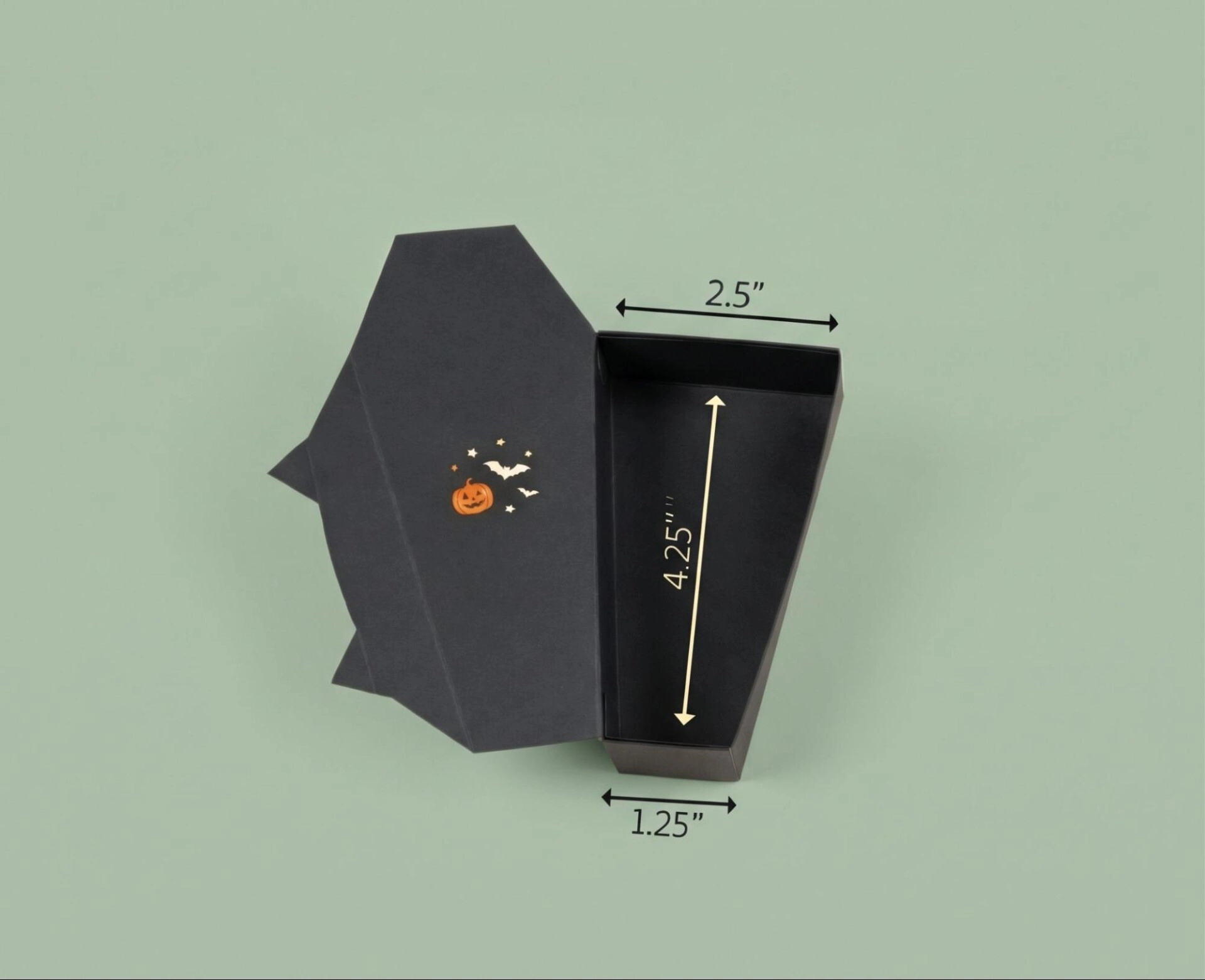
| Coffin shaped | Full interior outline and narrow sections |
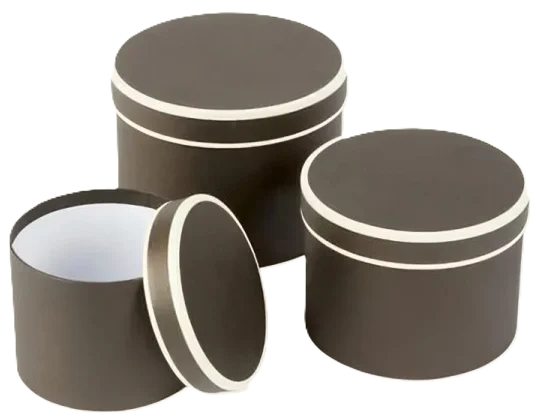
| Round | Internal diameter and height |
| Box with an insert | Usable cell dimensions and height above the insert |
A coffin shaped box can have the same overall length as a rectangular box but less width near its tapered ends. Test the product against the actual interior outline.
A rectangular item must fit within the round box’s diameter at its corners.
The answer to the diagonal from corner to corner of a 3″ × 4″ flat, rigid object is 5″. The 5″ ID would be a nice fit with no clearance.
The practical diameter would have to fit in the clearance and packing material if present. See the real-life shape before approving it.
When to Choose Custom Halloween Box Sizes
An existing size can work when the products fit securely and the lid clears the contents. Custom dimensions become useful when the available sizes leave too much empty space or restrict the intended layout.
Consider custom sizing when:
- Products have unusual outlines.
- A fitted insert needs precise compartments.
- A collection includes items with different heights.
- Available boxes require unnecessary filler.
- Your preferred row arrangement does not fit.
For example, a long bat shaped cookie may suit a custom rectangular box better than a much larger square box.
The goal is a practical fit. The smallest possible box may leave insufficient room for packing, protection or product removal.
Common Halloween Box Sizing Mistakes
| Mistake | Possible Result | Better Approach |
|---|---|---|
| Using external measurements for product fit | Interior is too small | Confirm internal dimensions |
| Measuring an unwrapped item | Finished pack does not fit | Include wrappers and containers |
| Ignoring decoration height | Lid touches icing or toppings | Measure the highest packed point |
| Estimating capacity from count alone | Intended quantity does not fit | Measure the complete arrangement |
| Forgetting insert thickness | Compartments become too tight | Check usable cell dimensions |
| Choosing excessive empty space | Products move inside | Test fit with suitable protection |
| Measuring only the smallest sample | Larger items do not fit | Check the largest expected size |
| Mixing inches and centimeters | Order dimensions are incorrect | Label every measurement clearly |
Confirm Your Dimensions Before Ordering
A packing trial helps identify sizing problems before production.
- Record the proposed internal length, width and height.
- Build a mockup or request an available structural sample.
- Pack the actual product quantity.
- Add wrappers, inserts, liners and cards.
- Close the lid and check for contact with the contents.
- Check movement and ease of removal.
- Adjust the dimensions where needed.
A basic mockup helps assess the layout. A sample made in the proposed construction gives a better view of folded walls, closure clearance and usable space.
For delivered orders, check the outer shipping carton separately. Use the gift box’s external dimensions plus the required shipping protection when calculating that carton’s size.
Discuss Custom Dimensions with Hot Custom Boxes
Hot Custom Boxes offers Halloween packaging in custom sizes based on product requirements. Its Halloween Treat Boxes include example dimensions for wrapped candies, chocolates, cookies and gift collections.
Prepare a short measurement brief before discussing your packaging:
| Information to Share | Example |
|---|---|
| Finished product dimensions | Cookie measures 2.5 × 2.5 inches |
| Quantity per box | Six cookies |
| Intended arrangement | Three columns and two rows |
| Packed height | Cookie and liner measure 0.6 inches |
| Insert requirements | Separate compartments |
| Proposed internal dimensions | 8.5 × 5.75 × 1 inches, subject to fit checks |
Clear measurements give the packaging team a good starting point. If the collection has irregular shapes, send product photos or a layout sketch.
FAQs About Halloween Box Dimensions and Sizes
Assemble the box. Next, measure the length, width and height of the inside. When closing the lid, check the amount of space left, particularly if the box contains an insert. For shaped boxes, also measure the narrowest sections.
Internal dimensions indicate the space within the box. External dimensions refer to the overall external size of the box. Check whether your treats fit using the inner dimensions. The outside dimensions can be helpful for planning storage or shipping cartons.
Check the size of your cookies and then choose the box. The size and arrangement will determine the size of the base. If six cookies are arranged in two rows and three columns, each 2.5 × 2.5 inches, the estimated base area will be 8.5 × 5.75 inches. This example includes 0.25-inch gaps and edge clearances. However, you’ll still have to pick a height that will fit the cookies and their toppings.
Yes. Hot Custom Boxes makes custom Halloween packaging. When placing an order, tell us about the size of your treats, how many you require and how you would like to present them. Please also indicate whether you require inserts or individual compartments.