














Table of Contents
Get A Free Quote
Custom boxes once had a simple purpose. They protected products during storage, display and shipping. Modern packaging still performs these tasks, but it can now do much more.
New packaging technologies help businesses create accurate box structures, print personalized designs and manage production more efficiently. Smart packaging features can also connect a physical box to product information, digital experiences and supply chain records.
Digital printing, artificial intelligence, automated machinery and sustainable materials are changing how manufacturers develop custom packaging. These innovations make high quality customization more accessible to retailers, manufacturers, ecommerce brands and startups.
What Is Custom Box Packaging Technology?
Custom box packaging technology includes the software, equipment and materials used to design, print, cut, finish and assemble boxes. It covers each stage from the first structural drawing to the finished packaging.
A modern box production process may involve computer aided design, digital printing, automated die cutting and machine based quality checks. Some packages also include QR codes, RFID tags or sensors.
Traditional manufacturing often requires longer setup times and large production quantities. Modern packaging solutions provide more flexibility. Businesses can test designs, produce shorter runs and update their packaging without rebuilding the entire production process.
Why Technology Matters in Custom Packaging
Customer expectations have changed. Buyers now look for convenient, attractive and environmentally responsible packaging. They also want clear product information and proof that an item is genuine.
Businesses face their own challenges. They need to launch products quickly, control packaging costs and maintain consistent quality across every order. Ecommerce brands also need boxes that protect products without adding unnecessary weight or empty space.
New technology helps packaging manufacturers respond to these needs. It improves structural accuracy, printing quality, production speed and material use. It can also make custom box packaging easier to track, personalize and recycle.
Digital Printing Makes Customization More Accessible
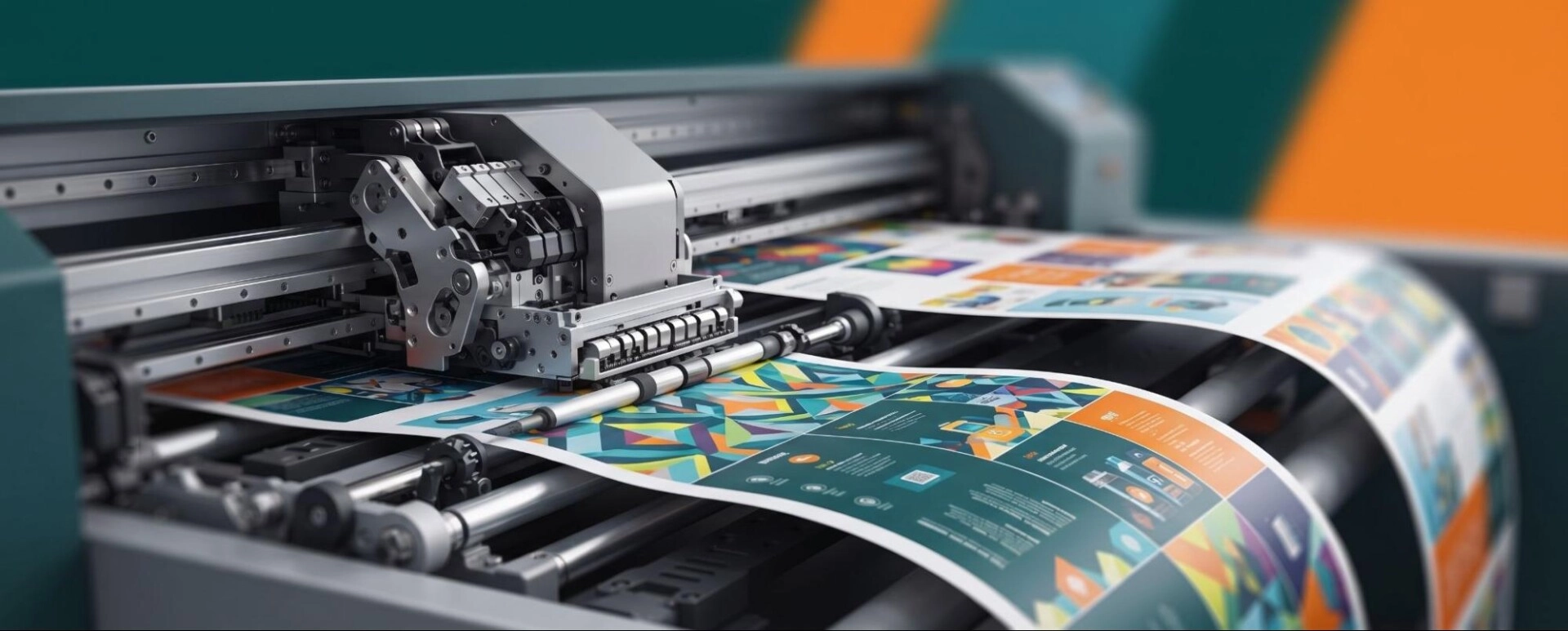
Businesses can use digital printing for detailed graphics, photographs, logos, instructions and promotional messages. Artwork can also be changed quickly between production runs. This flexibility suits seasonal packaging, product launches and limited edition collections.
Businesses can use digital printing for detailed graphics, photographs, logos, instructions and promotional messages. Artwork can also be changed quickly between production runs. This flexibility suits seasonal packaging, product launches and limited edition collections.
Short run packaging allows smaller brands to test a new design before committing to a larger order. It can also reduce the number of outdated boxes left in storage when branding or product information changes.
Offset and flexographic printing still provide value for suitable applications and larger quantities. The best printing method depends on the order volume, material, artwork and required finish.
Variable Data Printing Supports Mass Personalization
Variable data printing is an advanced form of digital printing. It changes selected elements from one printed box to the next without stopping the complete production run.
These changing elements can include:
- Customer names
- Unique serial numbers
- Regional messages
- Promotional codes
- Product images
- Languages
- Batch details
- QR codes
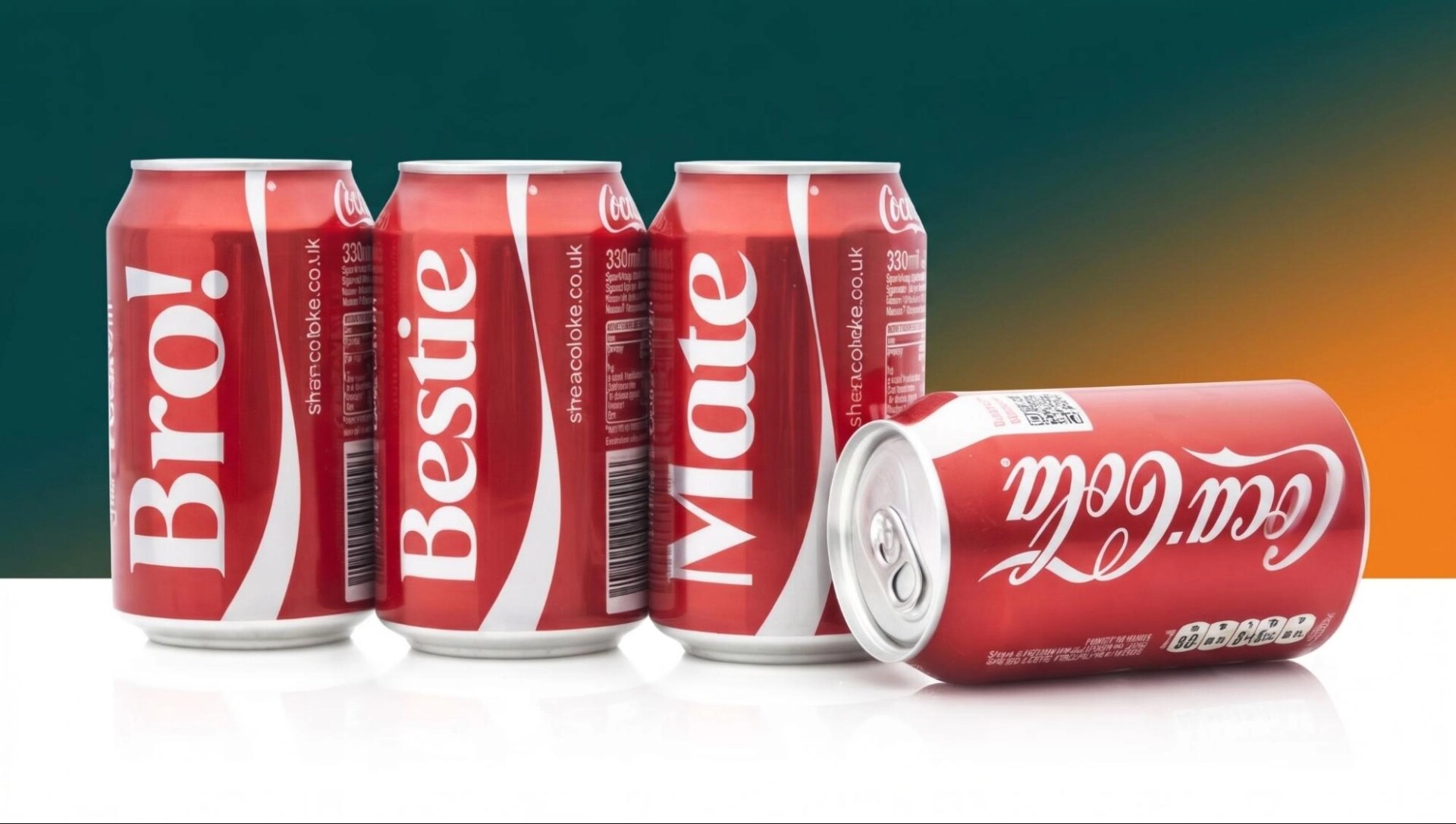
Personalized packaging can help a brand create a more relevant customer experience. A beverage company might print different names on its boxes. A retailer may develop regional packaging for separate markets. Ecommerce businesses can add unique codes for loyalty offers or product authentication.
This form of mass customization gives businesses more control over targeted packaging campaigns. However, accurate customer data and careful artwork management remain essential.
Artificial Intelligence Improves Packaging Design
Artificial intelligence is beginning to support several parts of the packaging development process. AI tools can create initial design concepts, compare artwork variations and identify possible layout problems.
Machine learning can also analyze previous designs, customer preferences and production data. These insights may help teams choose colors, graphics or box formats that suit a specific audience.
Computer vision provides another practical use. Cameras can inspect printed sheets and assembled boxes for color differences, missing text, damaged areas or incorrect cuts. These automated quality checks help manufacturers find errors before the packaging reaches customers.
AI packaging design does not remove the need for professional judgment. Designers and structural engineers must still confirm branding, measurements, material performance and legal information. Artificial intelligence works best as a support tool within a controlled review process.
3D Design Makes Packaging Easier to Review
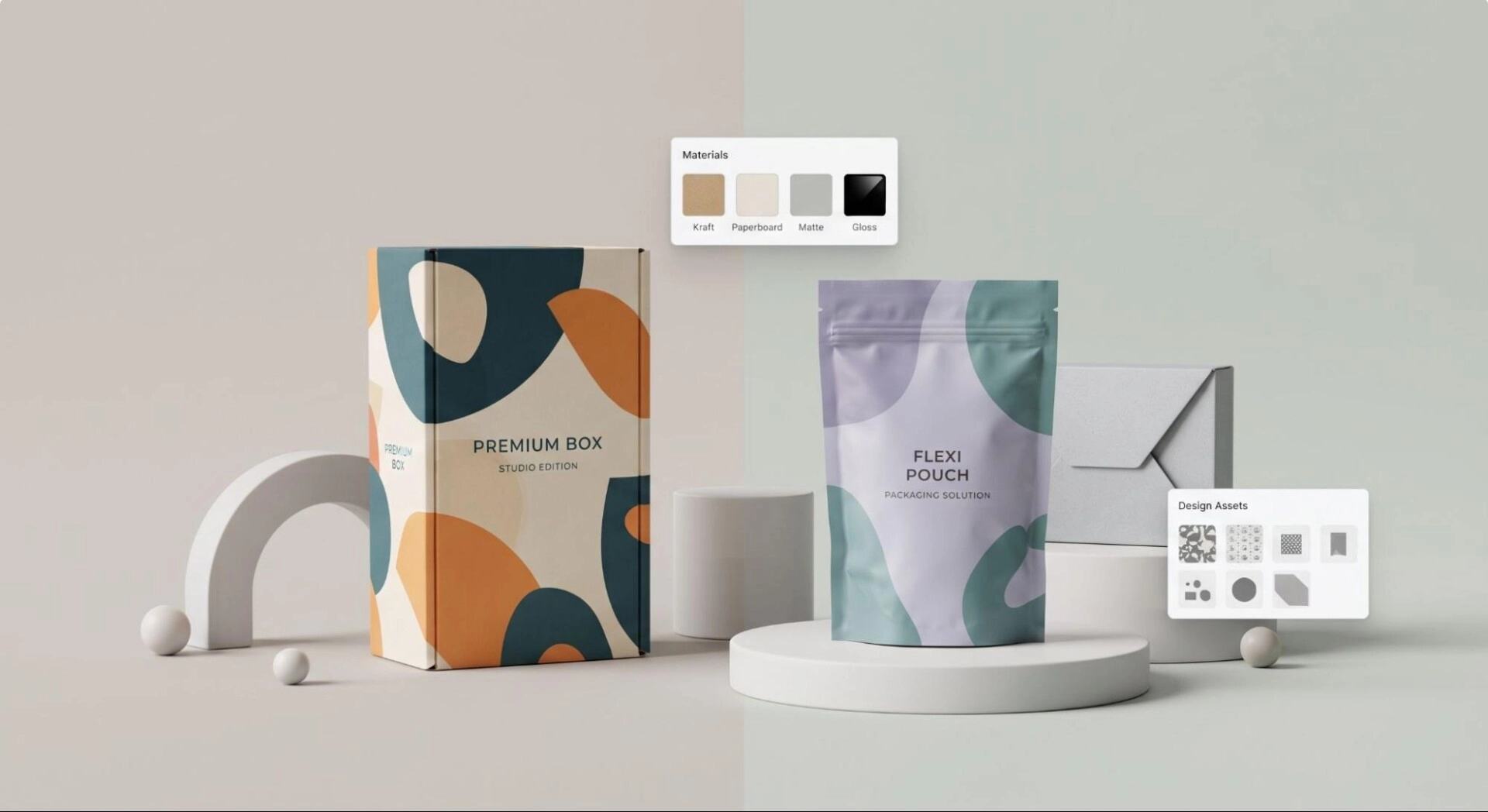
Computer aided design software allows manufacturers to build a digital model of a custom box. The model can show the dimensions, fold lines, closure style, insert placement and printed surfaces.
A three dimensional rendering gives buyers a clearer view of the proposed packaging before production begins. They can inspect the placement of their logo, text and graphics from different angles. This process makes it easier to find design issues before physical materials are used.
Digital packaging prototypes also help teams compare different structures. For example, a business can review a mailer box, tuck box and tray and sleeve box before choosing the best option.
These virtual mockups save development time, but they do not replace all physical testing. A sample is still useful when product fit, strength, texture and opening experience must be checked.
3D Printing Speeds Up Prototype Development
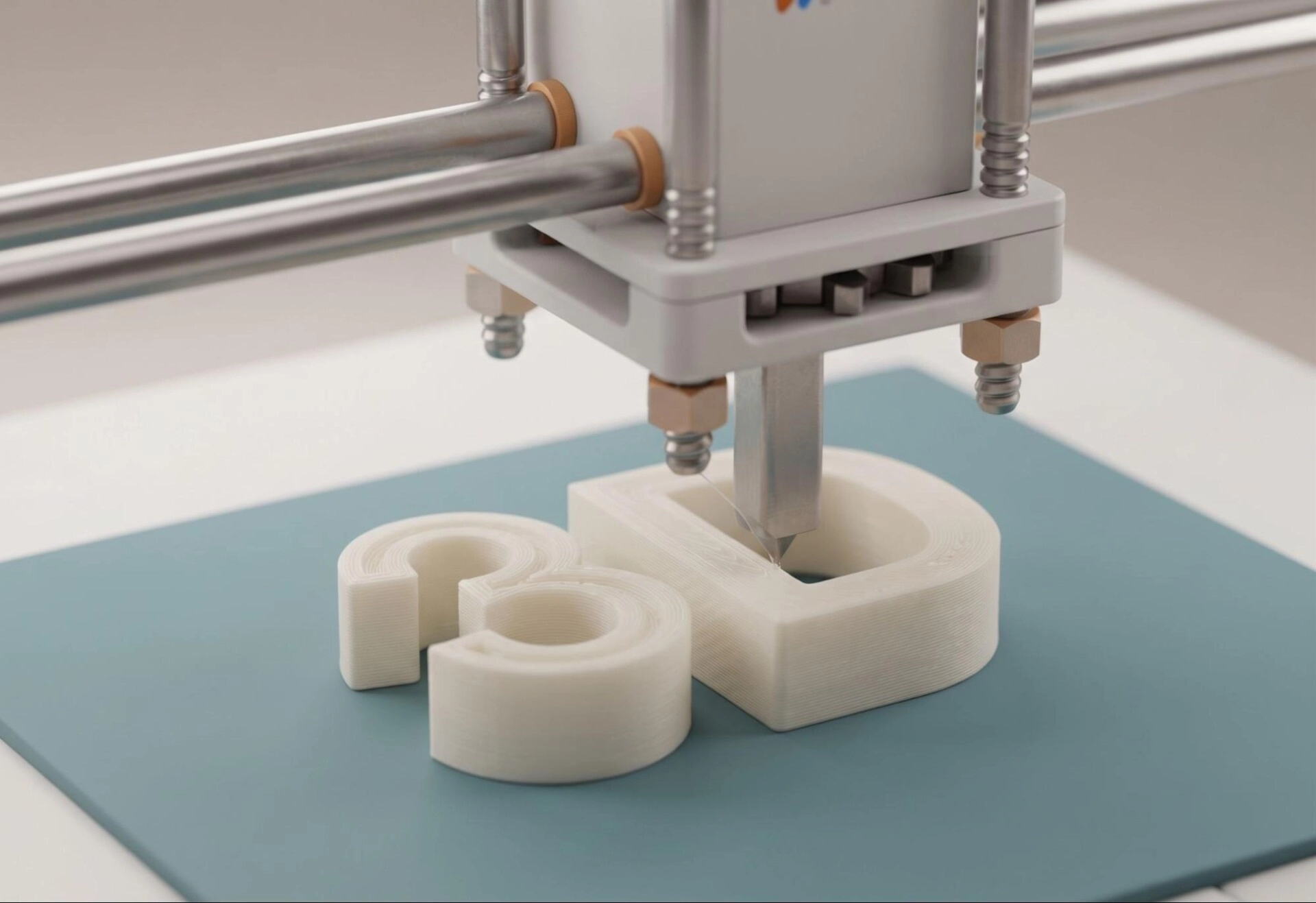
3D printing builds an object in layers from a digital model. In packaging development, it can create sample parts, molds, fixtures and unusual structural components.
This technology is useful when a business wants to test a complex packaging idea before investing in full production. It can shorten the time between concept development and physical evaluation.
However, most paperboard and corrugated boxes are not mass produced through 3D printing. Conventional printing, cutting, folding and gluing remain the main manufacturing methods. The greatest value of 3D printing usually comes from rapid prototyping and specialized development work.
Digital Die Cutting Produces Accurate Box Shapes
Die cutting creates the cuts, folds, windows and perforations that form a box. Traditional production uses a physical cutting die made for a specific structure.
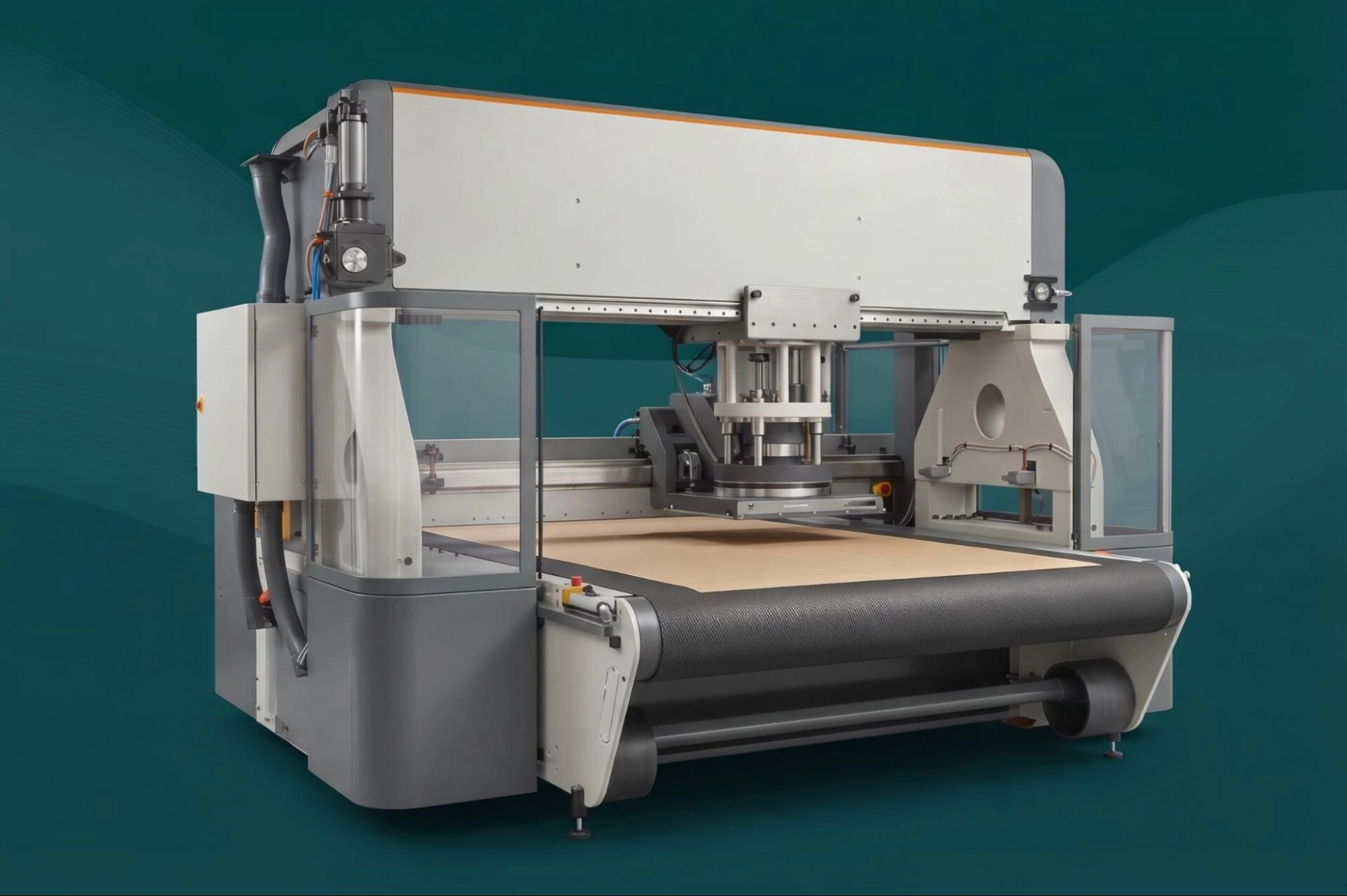
Modern digital cutting systems can read a dieline and cut the packaging material with computer controlled equipment. This method can produce samples and short runs without making a traditional die first.
Digital die cutting supports complex shapes, accurate crease lines and detailed window designs. It also makes structural changes easier during the testing stage. If a measurement needs adjustment, the manufacturer can revise the CAD file and cut another sample.
Traditional steel rule dies remain efficient for many large production runs. The order size, box structure and material determine which cutting method offers better value.
Laser Cutting Adds Intricate Details
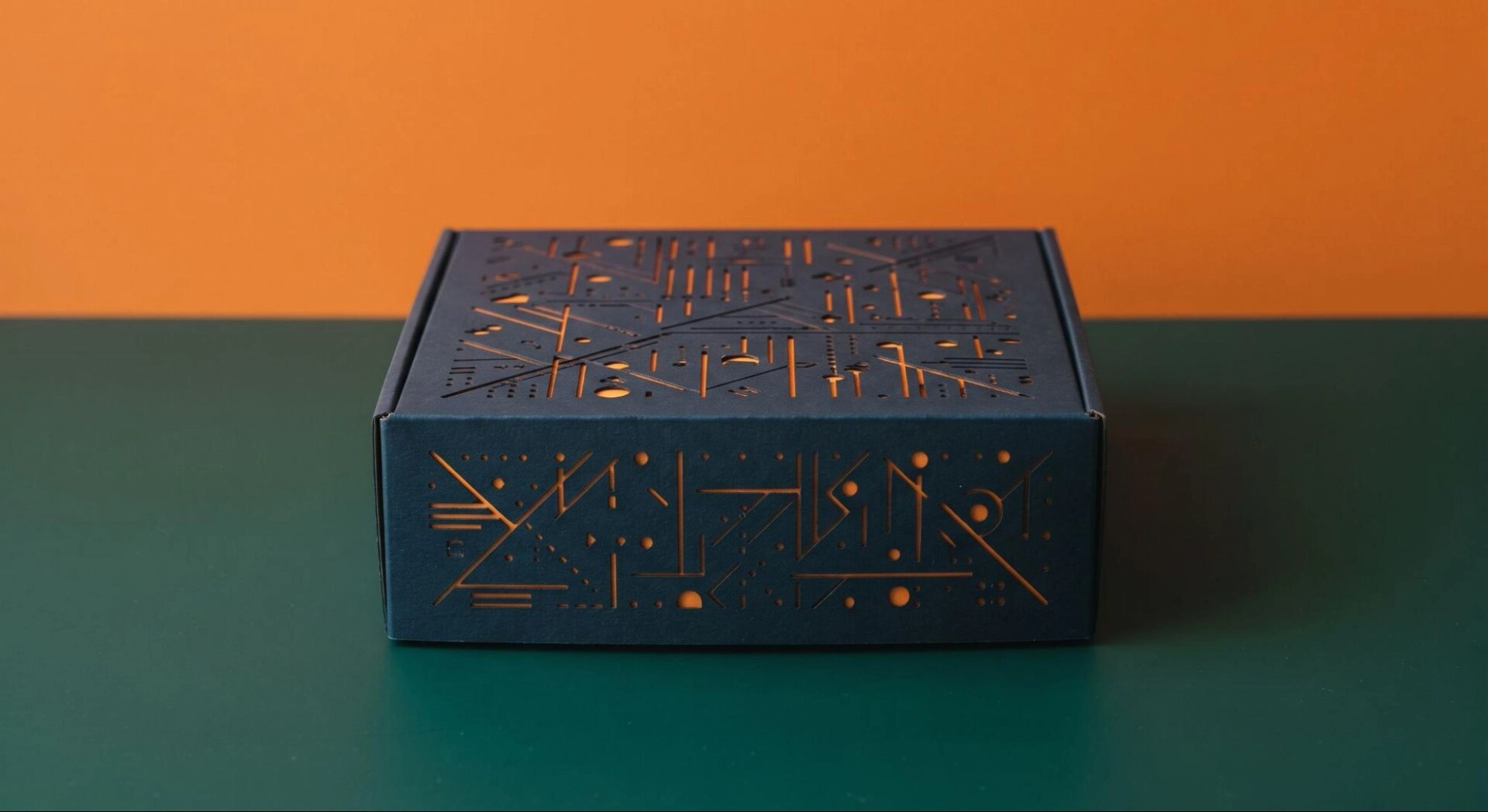
Laser cutting uses a focused beam to create detailed patterns in paperboard and other suitable materials. It can produce small openings and decorative designs that may be difficult to achieve with conventional cutting methods.
Brands often use laser cut packaging for luxury gifts, invitations, cosmetics and special product launches. Intricate patterns can make a box look distinctive without requiring several printed colors.
The technology has limits. Some materials may show heat marks or discoloration. Production speed and cost must also be considered. Testing helps confirm whether laser cutting matches the material and design.
Advanced Finishing Improves Visual and Tactile Appeal
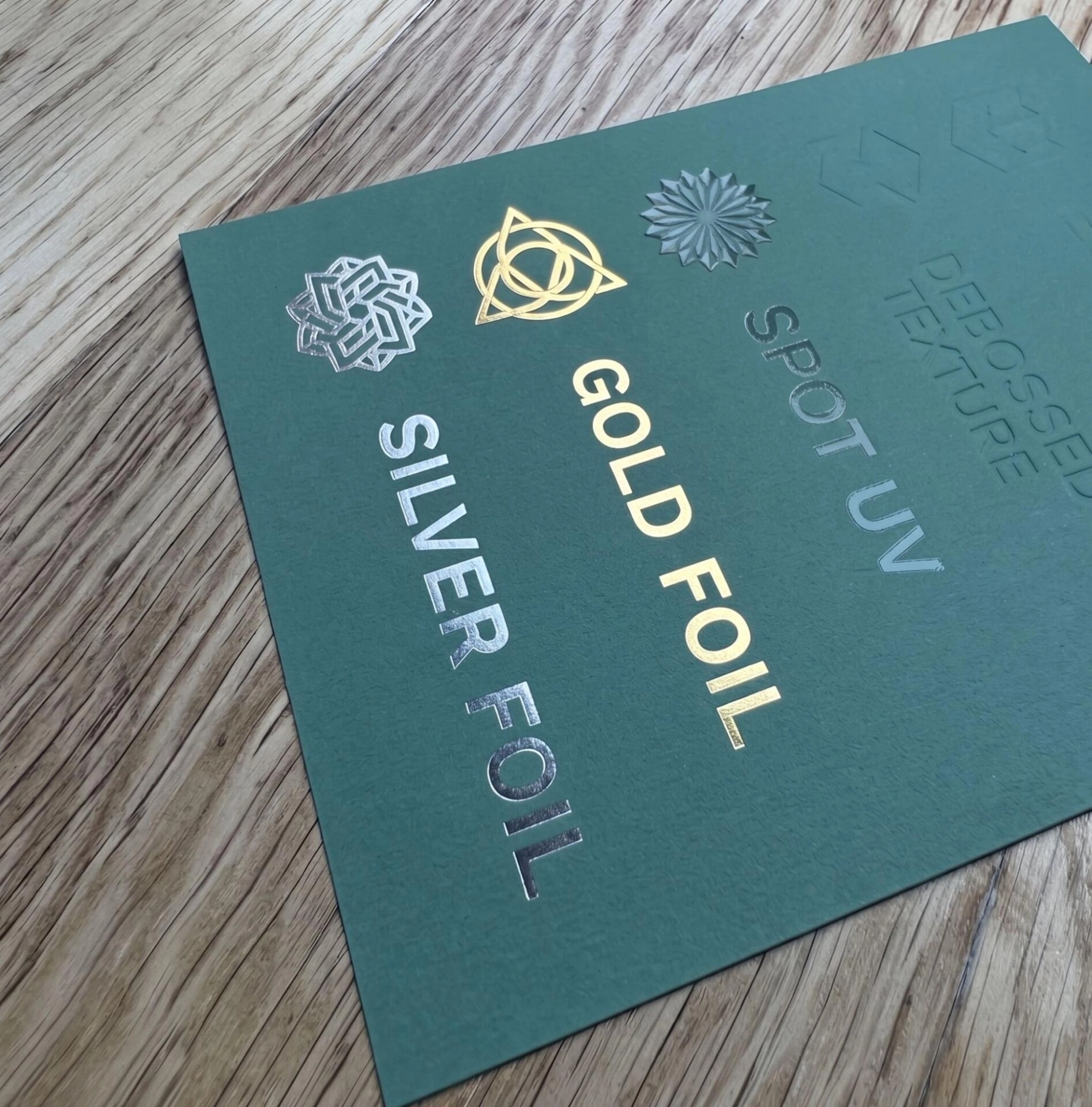
New finishing equipment gives businesses more ways to control how packaging looks and feels. Digital embellishment can apply selected effects without relying on every traditional setup process.
Popular custom box finishes include:
- Foil stamping
- Embossing
- Debossing
- Spot UV
- Textured coatings
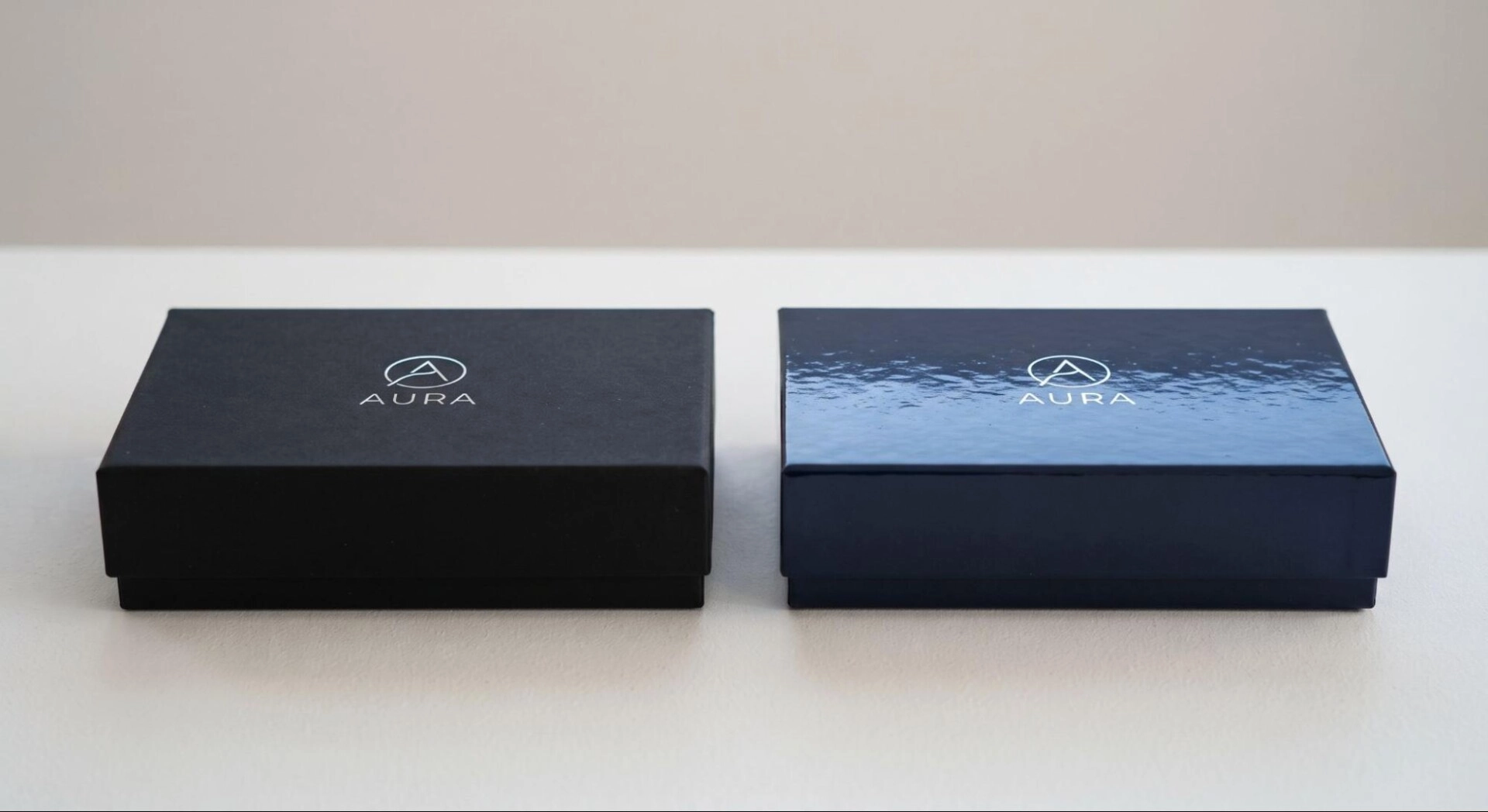
- Soft touch lamination
- Holographic effects
- Matte or gloss lamination
These finishes can highlight a logo, product name or design element. They can also create a tactile surface that customers notice when handling the package.
Finishing choices should match the product position and packaging material. Some films and mixed coatings can make recycling more difficult. Businesses should balance appearance, protection, cost and end of life disposal.
Smart Packaging Connects Boxes to Digital Information
Smart packaging adds features that perform tasks beyond standard storage and protection. It is commonly divided into active packaging and intelligent packaging.
Active packaging interacts with the packed product or its surrounding environment. Its purpose may be to control moisture, maintain freshness or extend shelf life.
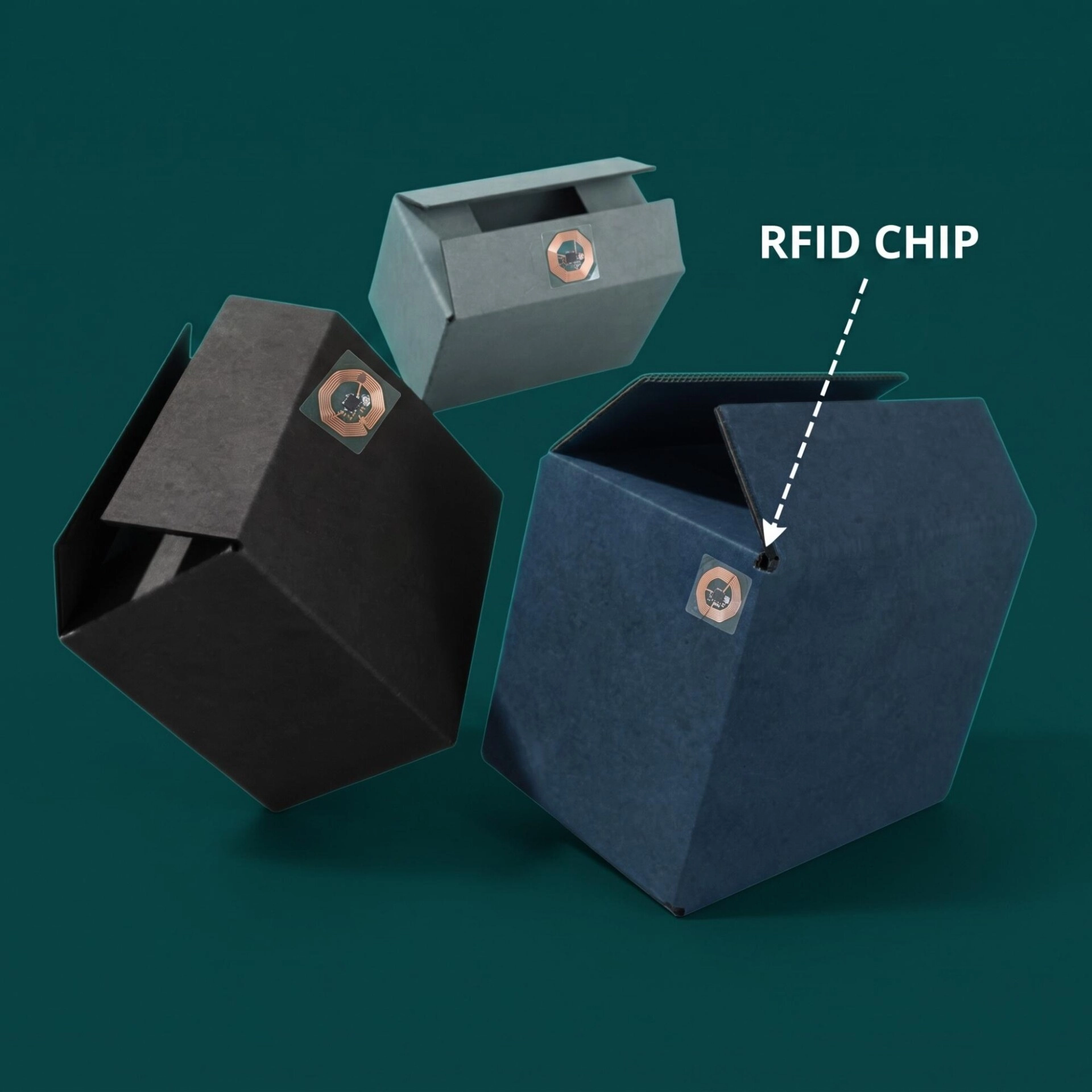
Intelligent packaging monitors, identifies or communicates information about a product. It may use a QR code, NFC tag, RFID label or sensor.
These connected packaging solutions can improve customer engagement, product safety and supply chain visibility. They must still be easy to use. Clear instructions should tell customers how to scan or interact with the feature.
QR Codes Make Packaging More Interactive
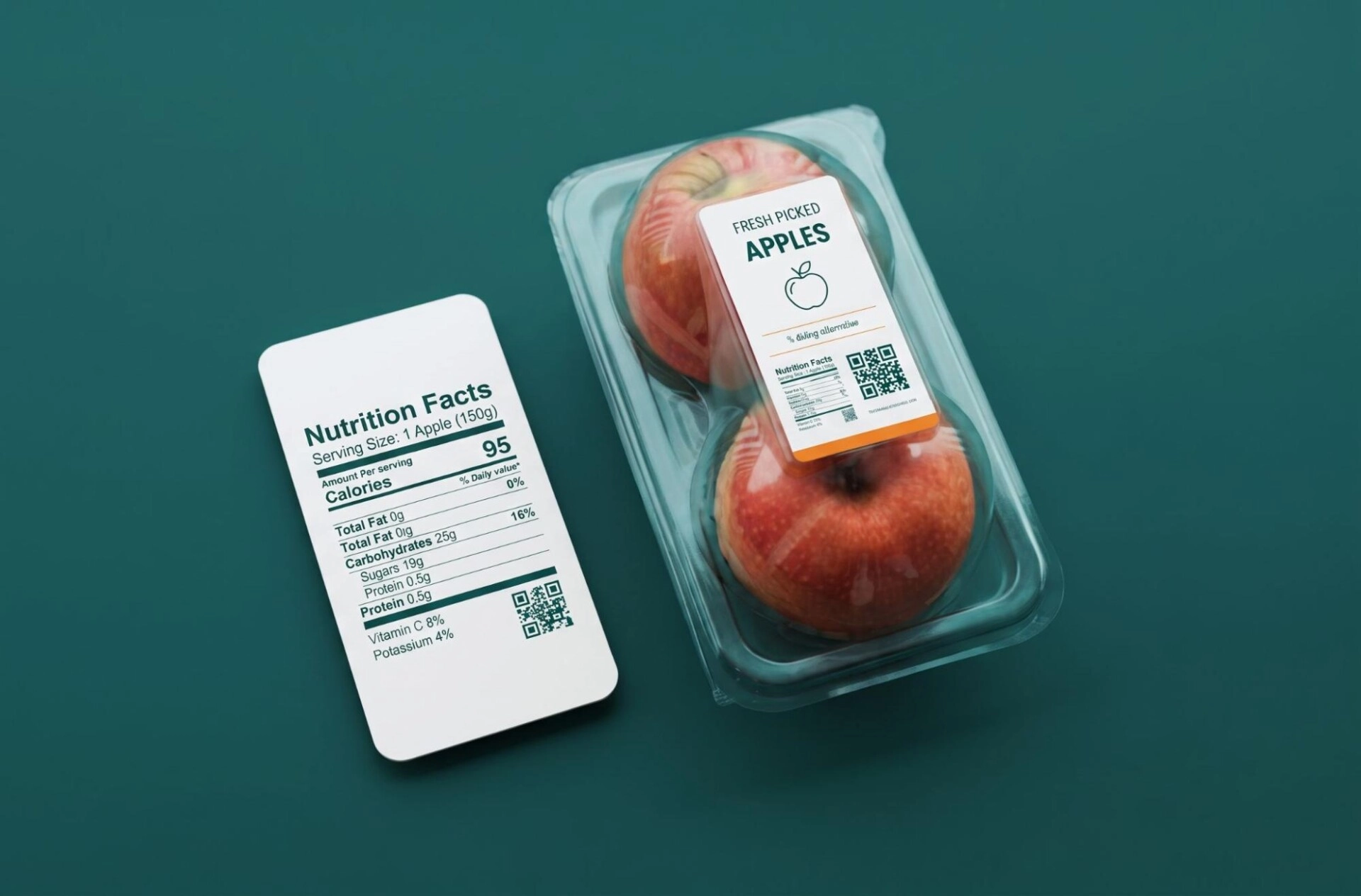
QR codes provide one of the simplest ways to connect a printed box with online content. Customers can scan the code with a smartphone to open a relevant digital page.
Businesses can use QR code packaging to share:
- Product instructions
- Ingredient details
- Assembly videos
- Brand stories
- Loyalty programs
- Promotional offers
- Recycling guidance
- Batch records
- Authenticity information
- Customer support details
A QR code also reduces the need to place every piece of information on the visible packaging panels. However, essential warnings and legally required details should not be removed from the physical box without checking the relevant requirements.
The code should have enough contrast, clear surrounding space and a practical scanning position. Every code must be tested before the boxes enter production.
NFC and RFID Improve Tracking and Authentication
Near Field Communication and Radio Frequency Identification can both store or communicate digital information, but they serve different purposes.
An NFC tag allows a customer to tap the packaging with a compatible smartphone. It may open product information, confirm authenticity or activate an interactive brand experience.
RFID tags are commonly used for inventory and supply chain management. A reader can detect tagged products without scanning each printed barcode individually. This can improve warehouse visibility, stock counting and shipment tracking.
These technologies may also help businesses reduce counterfeiting. A unique digital identity can connect each box with an authentication record. The value depends on proper data management, secure systems and suitable reading equipment.
Get Custom Boxes Built for Your Packaging Needs
Turn your packaging ideas into professionally produced custom boxes with the right structure, material, printing and finishing options. Hot Custom Boxes can help you choose practical packaging solutions for product protection, branding and presentation. From digitally printed designs to QR codes, custom finishes and sustainable materials, you can create packaging that fits your product and order requirements. Request a custom quote today and get started with low minimum orders, free design support and custom packaging options.
Augmented Reality Adds Digital Experiences to Physical Boxes
Augmented reality places digital content over a real world view through a smartphone camera. An AR enabled package can display instructions, animations, games or virtual product demonstrations.
Cosmetic brands can use augmented reality to explain how to apply a product. Food businesses may show recipes. Toy companies can add games or animated characters. A brand can also use AR packaging to tell its story without covering the box with extra text.
The experience should provide a clear benefit. Complicated activation steps can discourage customers. A simple QR code, brief instruction and mobile friendly experience will usually make the feature easier to use.

Sensors Help Monitor Product Conditions
Packaging sensors and indicators can monitor changes that affect product quality. These features are especially useful for food, beverages, pharmaceuticals and other sensitive products.
A time temperature indicator can show whether an item has remained within an acceptable temperature range. Freshness indicators can respond to changes associated with food quality. Humidity sensors may help monitor products that require dry conditions.
Tamper evident features can also show whether someone has opened or altered a package. These technologies support product safety, but businesses must select them according to the product, storage conditions and regulatory requirements.
Automation Improves Box Production
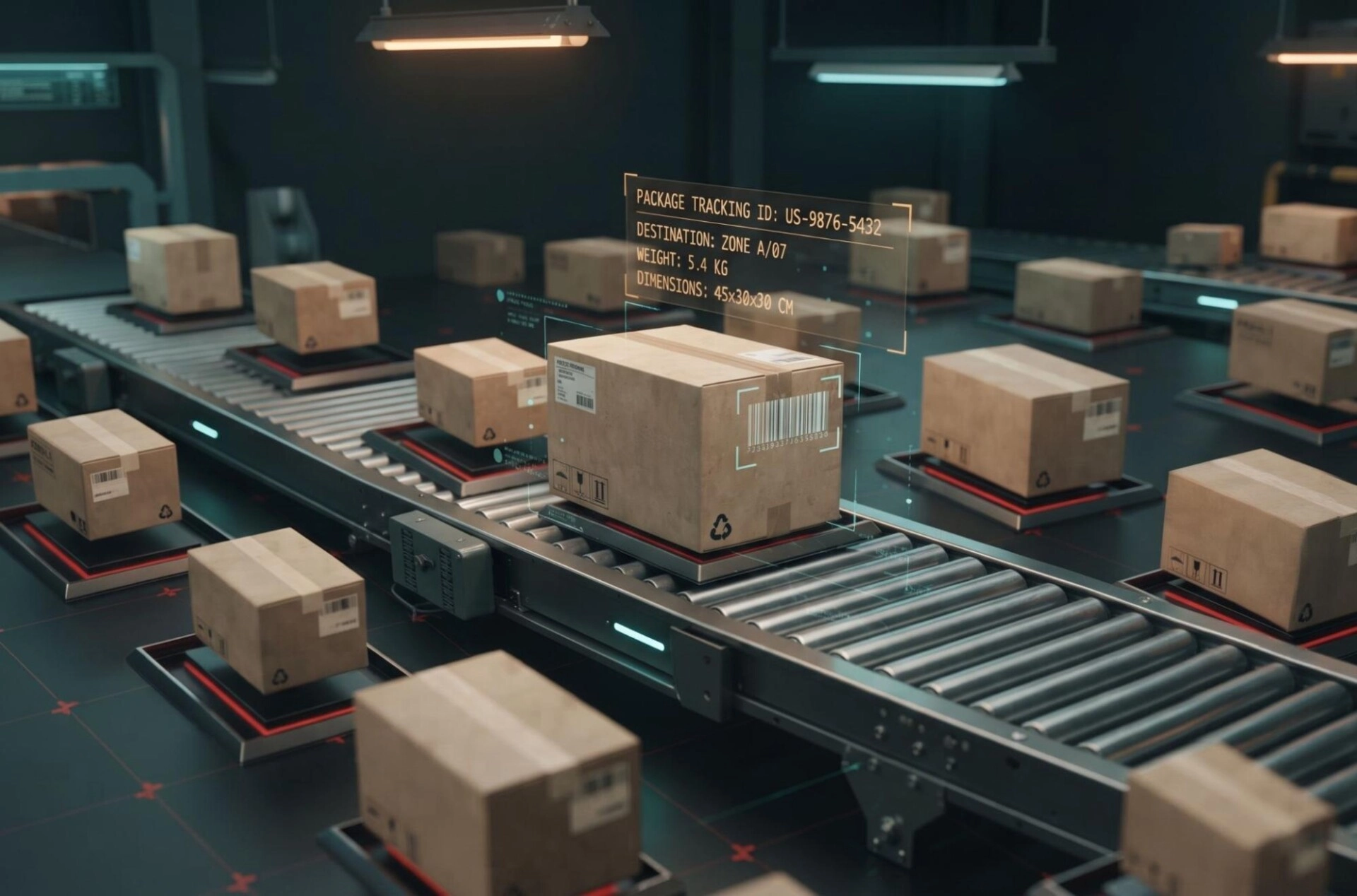
Packaging automation reduces the amount of manual work required during manufacturing and fulfillment. Automated equipment can feed materials, print sheets, cut structures, apply adhesive, fold boxes and inspect finished products.
Robotic systems can move boxes between production stages. Conveyor systems support a continuous flow of materials. Machine vision can check registration, color, barcodes and structural accuracy.
Automation offers several business benefits:
- Faster production
- Consistent box dimensions
- Fewer manual errors
- More reliable print placement
- Better production planning
- Scalable output for bulk orders
- Less material waste caused by defects
Predictive maintenance can also monitor equipment performance. It helps production teams identify signs of wear before a machine stops unexpectedly.
Blockchain Can Support Packaging Traceability
Blockchain records information across a shared digital system. In packaging, it may support traceability by connecting a unique box code with supply chain records.
A customer or business may scan a code to review where a product came from, when it was produced and how it moved through the supply chain. This information can support product provenance and authenticity.
The experience should provide a clear benefit. Complicated activation steps can discourage customers. A simple QR code, brief instruction and mobile friendly experience will usually make the feature easier to use.
Blockchain does not automatically make inaccurate information reliable. Suppliers and manufacturers must enter correct data at each stage. The system also needs secure connections between the physical package and its digital record.
Sustainable Technologies Are Changing Packaging Materials
Technology is not only changing how boxes are printed. It is also improving the materials used to produce them.
Packaging manufacturers and material developers are exploring recycled paperboard, molded fiber, biodegradable materials and bio based coatings. Businesses are also reducing excess material through lightweighting and right sizing.
Recycled and Recyclable Paper Materials
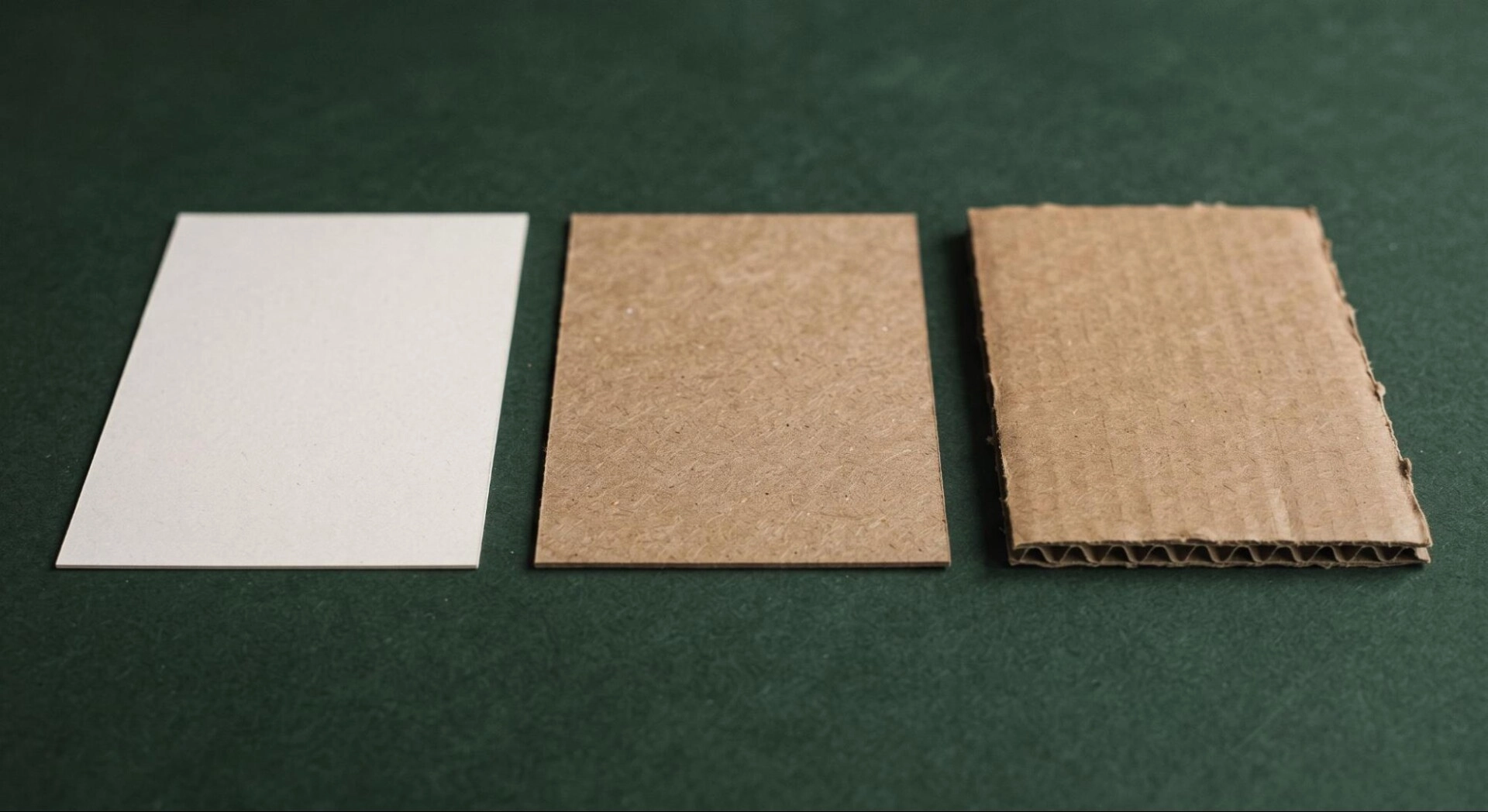
Paperboard, Kraft board and corrugated board can contain recycled fibers. They can also be recyclable when the box is clean and does not contain difficult mixed material components.
FSC sourced paper is another option for businesses that want material from responsibly managed sources. Certification and supplier documentation help support environmental claims.
Clear recycling instructions can make disposal easier for customers. Symbols and short directions should accurately reflect the box material and available recycling systems.
Biodegradable and Compostable Materials
Biodegradable and compostable do not mean the same thing. A biodegradable material can break down through natural processes, but the required time and conditions may vary. A compostable material must break down under defined composting conditions.
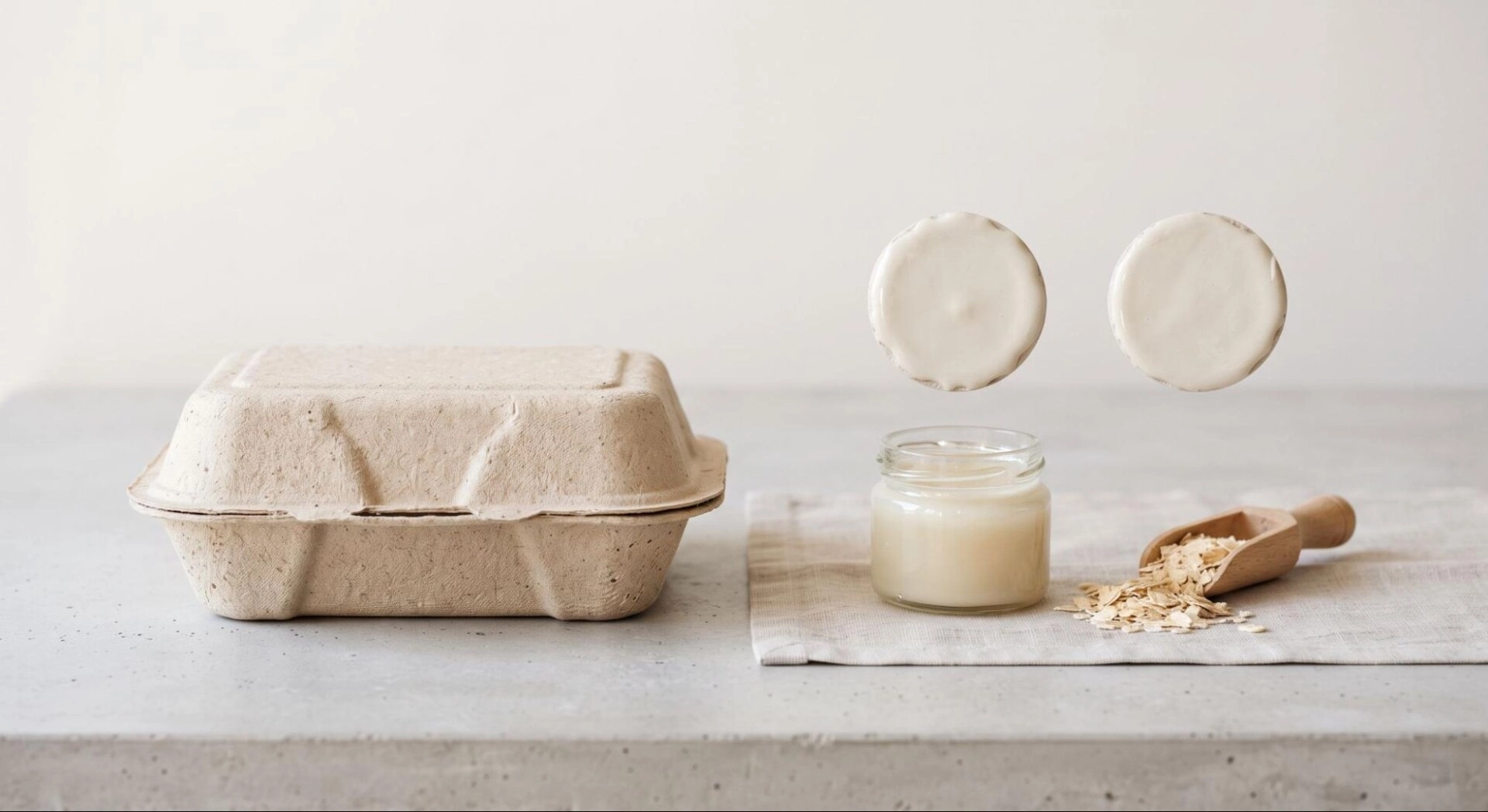
Plant based materials, molded fiber and some bio based coatings may reduce dependence on conventional plastics. However, businesses should check product protection, shelf life and disposal requirements before making a selection.
Biodegradable and compostable do not mean the same thing. A biodegradable material can break down through natural processes, but the required time and conditions may vary. A compostable material must break down under defined composting conditions.
Environmental claims must be specific and supportable. A material should not be called compostable if it only breaks down in an industrial composting facility and that condition is not explained.
Lightweighting and Right Sizing
Lightweighting reduces the amount of packaging material without removing the protection a product needs. Right sizing matches the internal box dimensions to the item.
An accurately sized box uses less board, reduces empty space and may lower shipping weight. Custom inserts can limit product movement without filling the package with unnecessary material.
Manufacturers should not reduce material solely to cut costs. The box must still pass suitable compression, drop and handling tests. The goal is to use the lightest structure that protects the product throughout its expected journey.
Reusable Packaging Systems
Some boxes are designed to support several uses. Durable rigid boxes, returnable shipping containers and refill packaging can extend the useful life of the package.
How New Packaging Technologies Benefit Businesses
Modern packaging technology can improve several parts of the buying and production process.
Digital design and prototyping help teams review a structure before ordering a full run. Digital printing supports smaller quantities and faster artwork changes. Automation improves consistency across larger orders. Smart features connect the box with customers and supply chain data.
These technologies can also reduce waste. Accurate cutting limits production errors, while right sizing uses material more efficiently. Variable data printing allows businesses to produce targeted packaging without storing many separate generic designs.
The main benefits include:
- Faster packaging development
- Accurate structural design
- Better print consistency
- Practical short production runs
- Scalable personalization
- Improved product tracking
- Stronger customer engagement
- Reduced material waste
- Better product authentication
- More informed quality control
How Different Industries Use Packaging Technology
Food and beverage companies can use freshness indicators, food safe printing and traceability codes. Temperature monitoring also supports products that depend on cold chain storage.
Cosmetic brands often use premium finishing, digital personalization and QR based tutorials. NFC tags can help confirm the authenticity of high value skincare and fragrance products.
Pharmaceutical packaging may include tamper evidence, serial numbers, dosage information and temperature indicators. Every feature must meet the relevant product safety and regulatory requirements.
Ecommerce businesses benefit from right sized boxes, automated fulfillment and return friendly structures. Interactive features can also turn the unboxing experience into a useful brand touchpoint.
Luxury brands can combine accurate die cutting with foil stamping, embossing and digital authentication. These features support presentation while helping customers verify valuable products.
Challenges of Using New Packaging Technology
Advanced packaging does not suit every product or budget. Businesses should evaluate a technology according to the problem it solves.
NFC tags, RFID labels and sensors increase unit costs. Some smart components can also make a paper box harder to recycle. Digital experiences require maintenance because a broken link can make an interactive feature useless.
Other challenges include:
- Equipment and setup costs
- Employee training
- Compatibility with existing production systems
- Data privacy and security
- Technology testing
- Production scalability
- Recycling mixed materials
- Maintaining digital content
- Proving environmental claims
A complicated feature should not be added only because it is new. The technology needs to improve protection, production, communication or customer experience.
How to Select the Right Technology for Your Boxes
Start with the product rather than the technology. Review its dimensions, weight, fragility, storage conditions and shipping method. These factors help determine the material and box structure.
Next, identify the purpose of the new feature. Digital printing may be the right choice for a small personalized order. RFID may provide value when inventory visibility is a problem. A QR code can work when customers need access to instructions or updated information.
Follow these practical steps:
- Define the packaging problem.
- Review the product and shipping requirements.
- Set a realistic budget.
- Compare suitable materials and technologies.
- Request a digital mockup or physical sample.
- Test the box structure and printing.
- Confirm that interactive features work.
- Check recycling and disposal requirements.
- Start with a pilot order where practical.
- Measure the results before increasing production.
This process prevents businesses from spending money on features that provide little practical value.
The Future of Custom Box Packaging
The future of custom packaging will combine physical materials with digital information. AI assisted design tools will continue to support artwork development, error detection and production planning. Digital printing will make personalized packaging available across more order sizes.
Automated production lines will become more connected. Sensors, machine vision and predictive maintenance will help manufacturers control output and reduce downtime.
Sustainable packaging technology will also remain important. Businesses will continue exploring fiber based materials, mono material structures and reusable systems. Digital product identities may provide customers with clearer information about origin, ingredients, authenticity and disposal.
The best future packaging will not use every available feature. It will combine the right structure, material and technology to solve a specific packaging need.
Create Technology Ready Custom Boxes With Hot Custom Boxes
Bring your packaging idea to life with custom sizes, reliable materials and premium printing from Hot Custom Boxes. Our packaging experts can help you select a practical box structure, printing method and finishing combination for your product. You can also add printed QR codes, barcodes, product details and branded artwork where required.
Start with a low minimum order of 50 boxes and use our free design support to prepare your packaging. We offer complete customization, eco friendly material options, competitive wholesale pricing and greater discounts on larger orders. Contact Hot Custom Boxes today to request a custom quote with free shipping and quick turnaround.
Frequently Asked Questions
Manufacturers use CAD software, digital printing, offset printing, flexographic printing, die cutting, laser cutting, automated folding and gluing equipment. Some production lines also use robotics and machine vision for handling and quality inspection.
Digital printing reduces setup time and supports short production runs. It allows businesses to print detailed graphics, personalized messages, changing codes and seasonal designs without creating a new printing plate for every version.
Smart packaging uses technology to monitor, protect, identify or provide information about a product. Common examples include QR codes, NFC tags, RFID labels, freshness indicators and temperature sensors.
Yes. QR codes can link customers to instructions, videos, promotions, authenticity records and recycling information. The code needs proper contrast, suitable placement and testing before production.
AI can support concept creation, artwork variations, error detection and data analysis. Computer vision can also inspect printed packaging for defects. Human review remains necessary for measurements, branding and product requirements.
Their environmental impact depends on the material, production method, transport and disposal process. Right sizing, recyclable boards and reduced material use may lower waste. Electronic tags, plastic films and mixed coatings can make recycling more difficult.
Yes. Digital printing, QR codes, digital mockups and short production runs are accessible options for many small businesses. More complex technologies such as RFID and sensors should be assessed according to their cost and expected value.
The business should begin with its product, customers, budget and distribution process. It can then compare technologies based on protection, personalization, tracking, sustainability and production needs. Testing a sample or pilot order helps confirm the final decision.