














Table of Contents
Related Products
$0.50 Original price was: $0.50.$0.10Current price is: $0.10.
In Stock
$0.50 Original price was: $0.50.$0.10Current price is: $0.10.
In Stock
$0.50 Original price was: $0.50.$0.10Current price is: $0.10.
In Stock
$0.50 Original price was: $0.50.$0.10Current price is: $0.10.
In Stock
Get A Free Quote
Packaging does much more than hold and protect a product. It also helps people identify brands and understand what they are buying. Buyers now expect packaging to be useful, attractive and easier to recycle. Online shopping has also changed how companies pack products for delivery. Boxes must survive shipping while creating a positive experience when customers open them. New technology allows brands to connect packaging with product details and online content. Modern packaging trends reflect these changing needs across retail, food, cosmetics and ecommerce. Understanding these trends can help businesses choose better materials, designs and features for their products.
Sustainable Packaging Is Reshaping the Industry
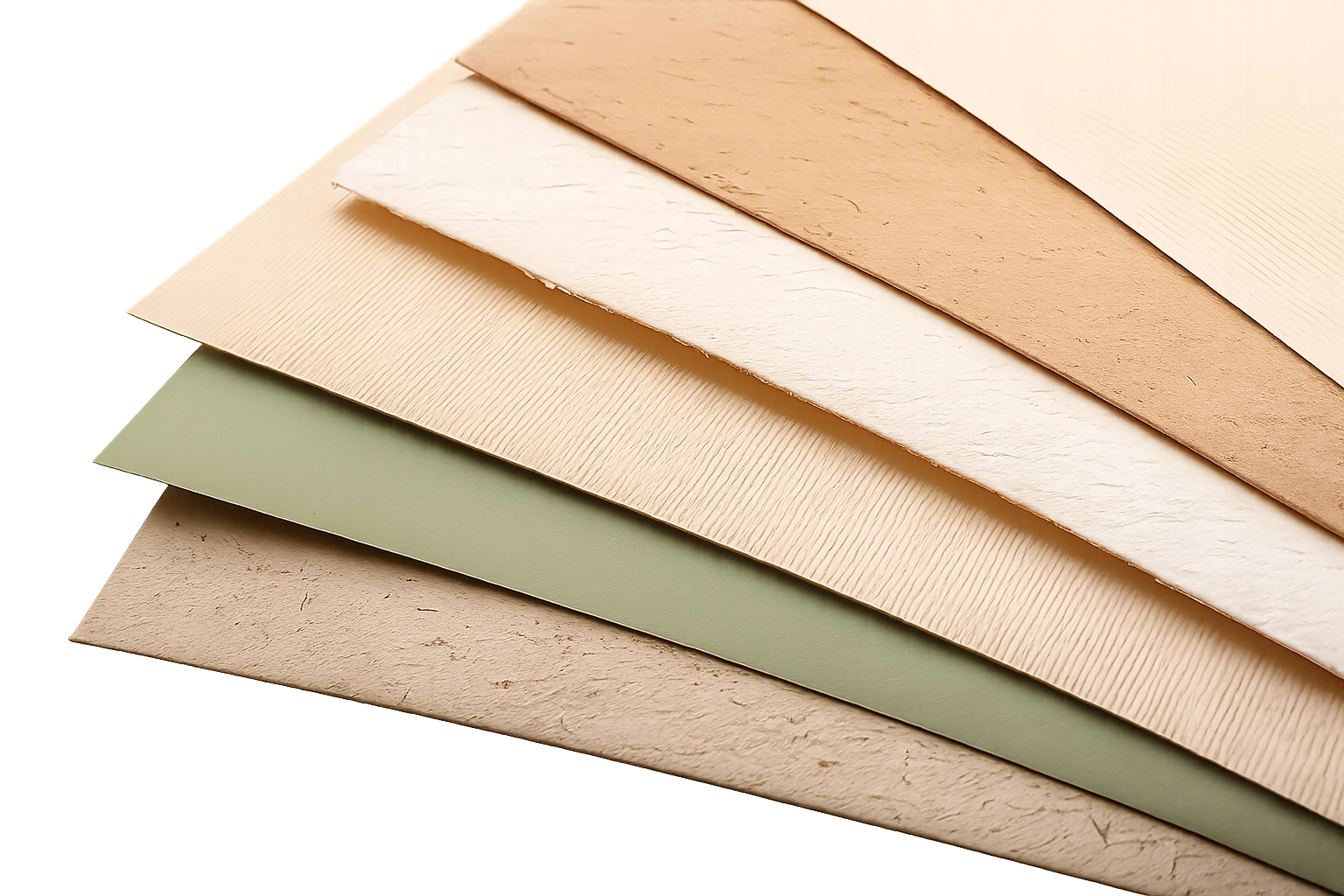
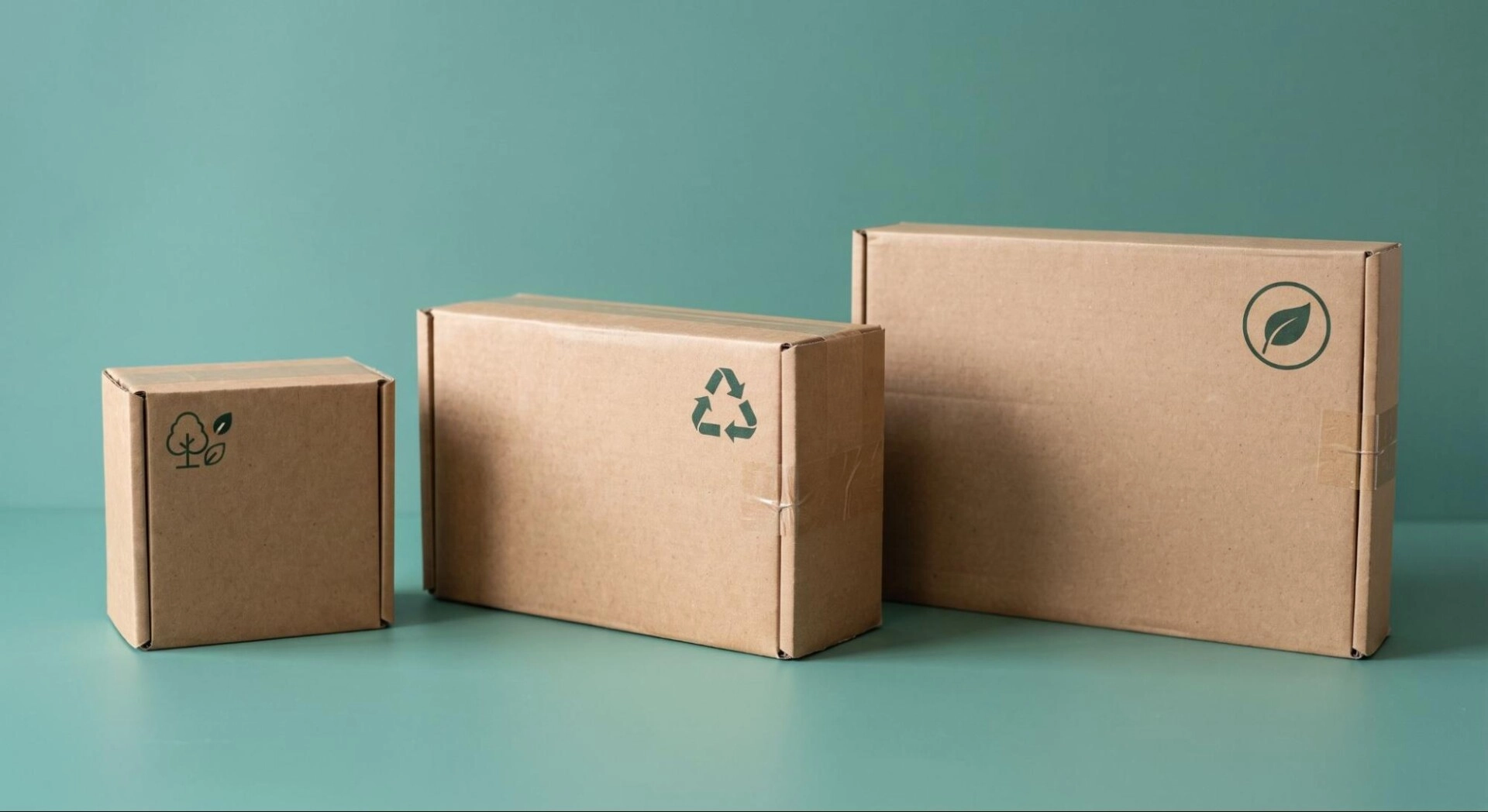
Sustainable packaging has become a major focus for businesses and customers. Many companies now use kraft paper, recycled cardboard and paperboard for suitable products. Corrugated cardboard also provides strength while supporting common recycling systems. Biodegradable materials break down under certain natural conditions. Compostable materials usually need a managed composting facility to break down properly.
Brands should understand these differences before making environmental claims. Circular packaging keeps materials in use through reuse and recycling. Companies can also reduce packaging waste by removing extra layers and choosing suitable box sizes. These practical changes can lower material use and reduce the weight of shipments.
Protect Products with the Right Box Design
Good product protection requires more than a strong cardboard box. The package must suit the product’s weight, shape and level of fragility. It should also handle the expected storage and shipping conditions. Custom dimensions limit empty space and help keep an item stable during transport.
Corrugated boxes work well for heavier goods. Paperboard is often suitable for lightweight retail products. Inserts, dividers and secure closures can stop delicate parts from shifting or hitting each other. Some items also need moisture resistant coatings or protection from sunlight and changing temperatures. Choosing the right features can reduce scratches, crushing and breakage. As a result, customers are more likely to receive the product in good condition.
Minimalist Packaging Designs Are Gaining Popularity
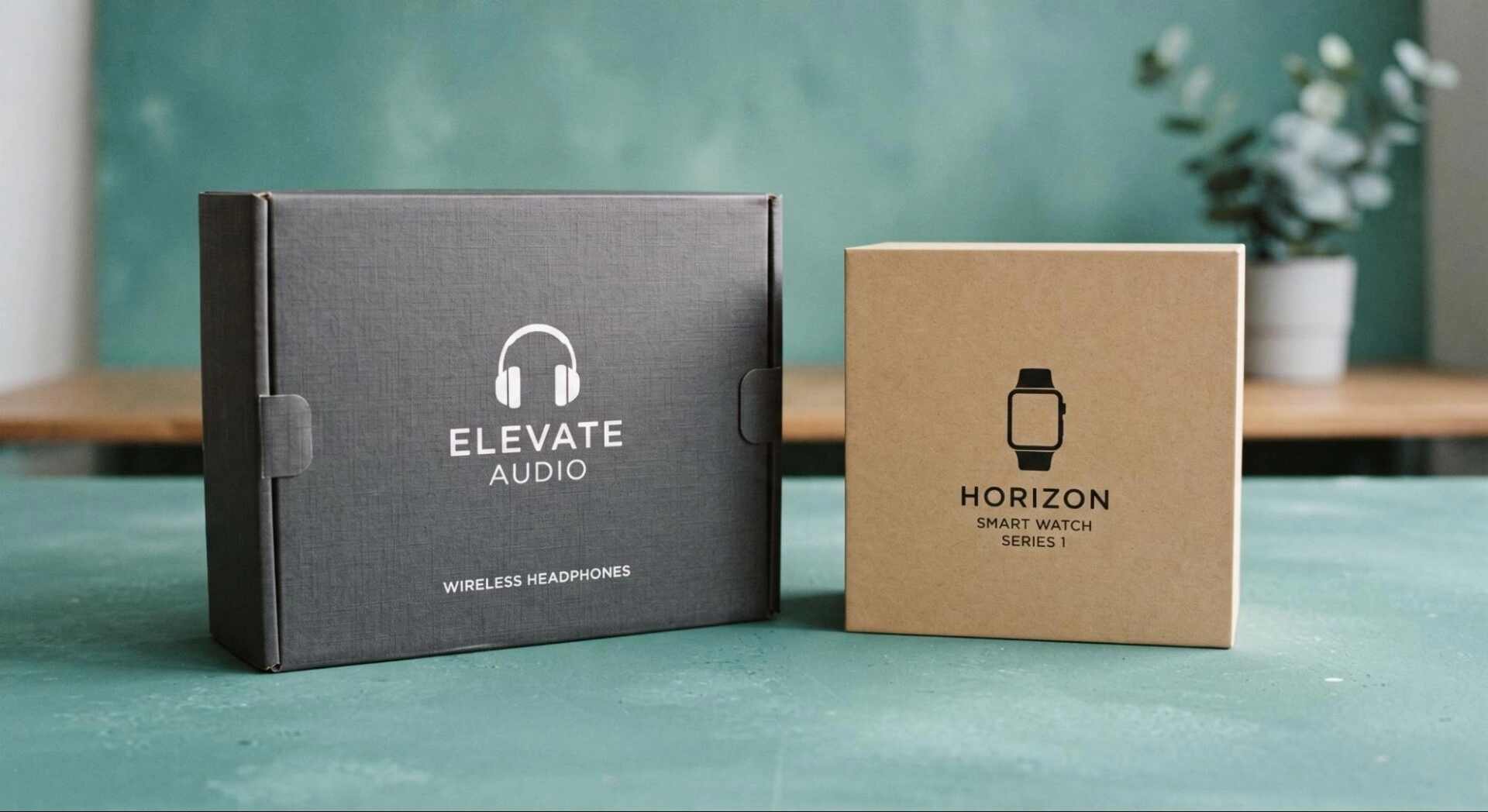
Minimalist packaging uses simple layouts and clear information. It often includes limited colors, readable text and carefully placed graphics. This style helps shoppers understand the product without searching through crowded design elements. It may also reduce ink coverage and unnecessary decorative materials. Still, a plain appearance does not automatically make packaging sustainable.
The package must protect the product during storage, handling and shipping. Brands can keep their identity clear through familiar colors, logos and type styles. A strong minimalist packaging design looks organized instead of unfinished. It gives important details enough space while keeping the product presentation clean and easy to understand.
Personalized and Custom Packaging Builds Stronger Brands
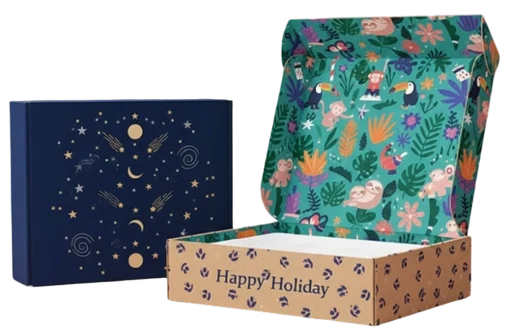
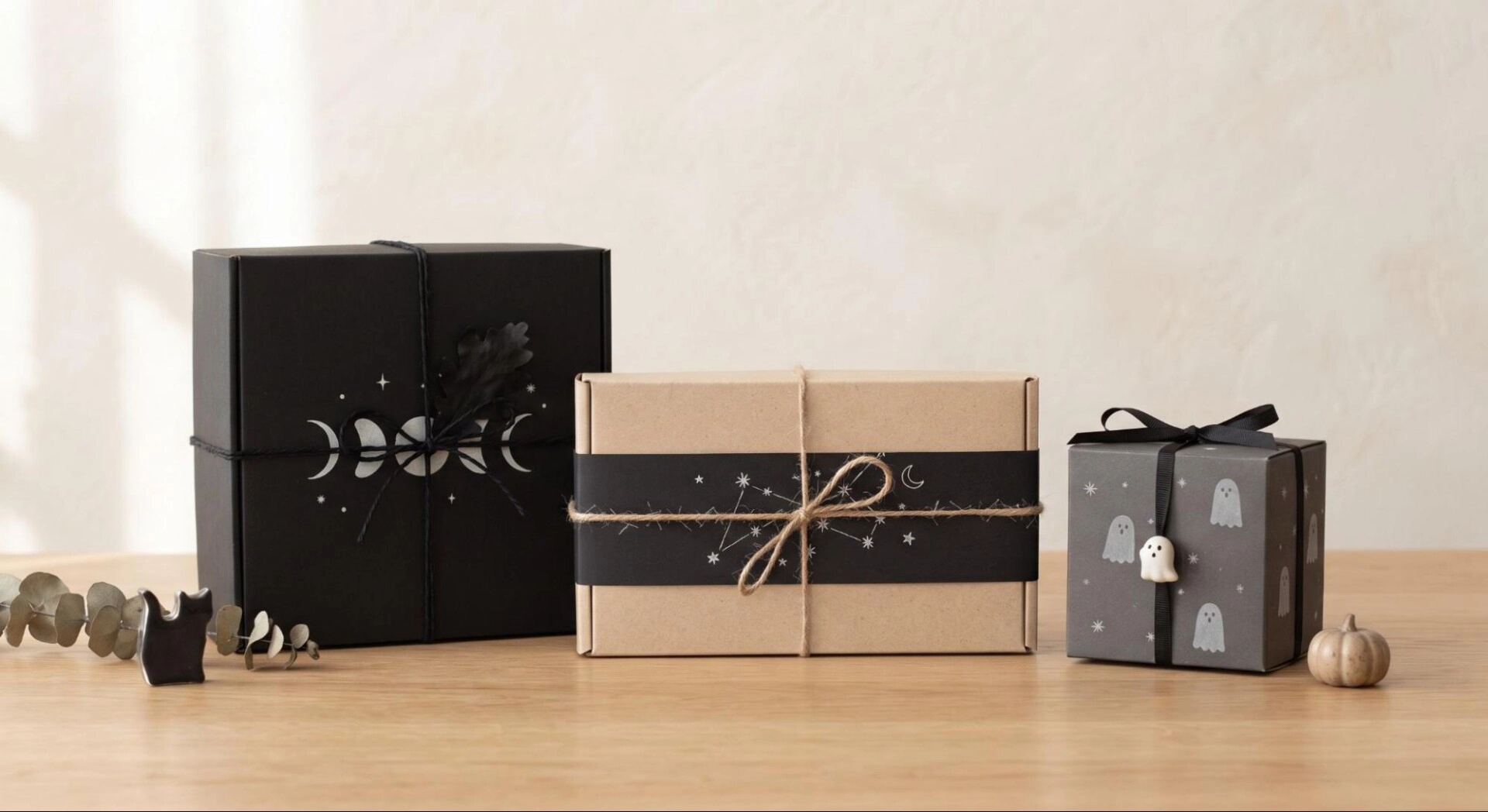
Custom packaging gives businesses control over box size, shape, material, color and printed artwork. A package that fits the product can reduce movement and limit the need for extra fillers. Custom printed packaging also gives brands space for logos, instructions and useful product details. Personalized packaging may include customer names, seasonal messages or designs made for specific locations.
Digital printing makes these changes possible across smaller orders. Companies can also customize inserts, labels and inside printing. Every feature should serve a clear purpose. Good custom packaging protects the product and supports brand recognition while creating a more personal customer experience.
Smart Packaging Connects Products With Consumers
Smart packaging links a physical package with digital information. QR Codes let customers open instructions, videos, certificates or recycling guidance using their phones. NFC technology can provide similar information when someone taps the package with a compatible device. Some companies use these tools to confirm whether a product is genuine.
Manufacturers can also track products through warehouses and delivery networks with RFID or printed codes. Augmented Reality may show product demonstrations or interactive content. These features should make the package more useful instead of adding extra steps. Brands must keep digital information accurate, secure and easy for customers to access.
Ecommerce Is Changing Packaging Requirements
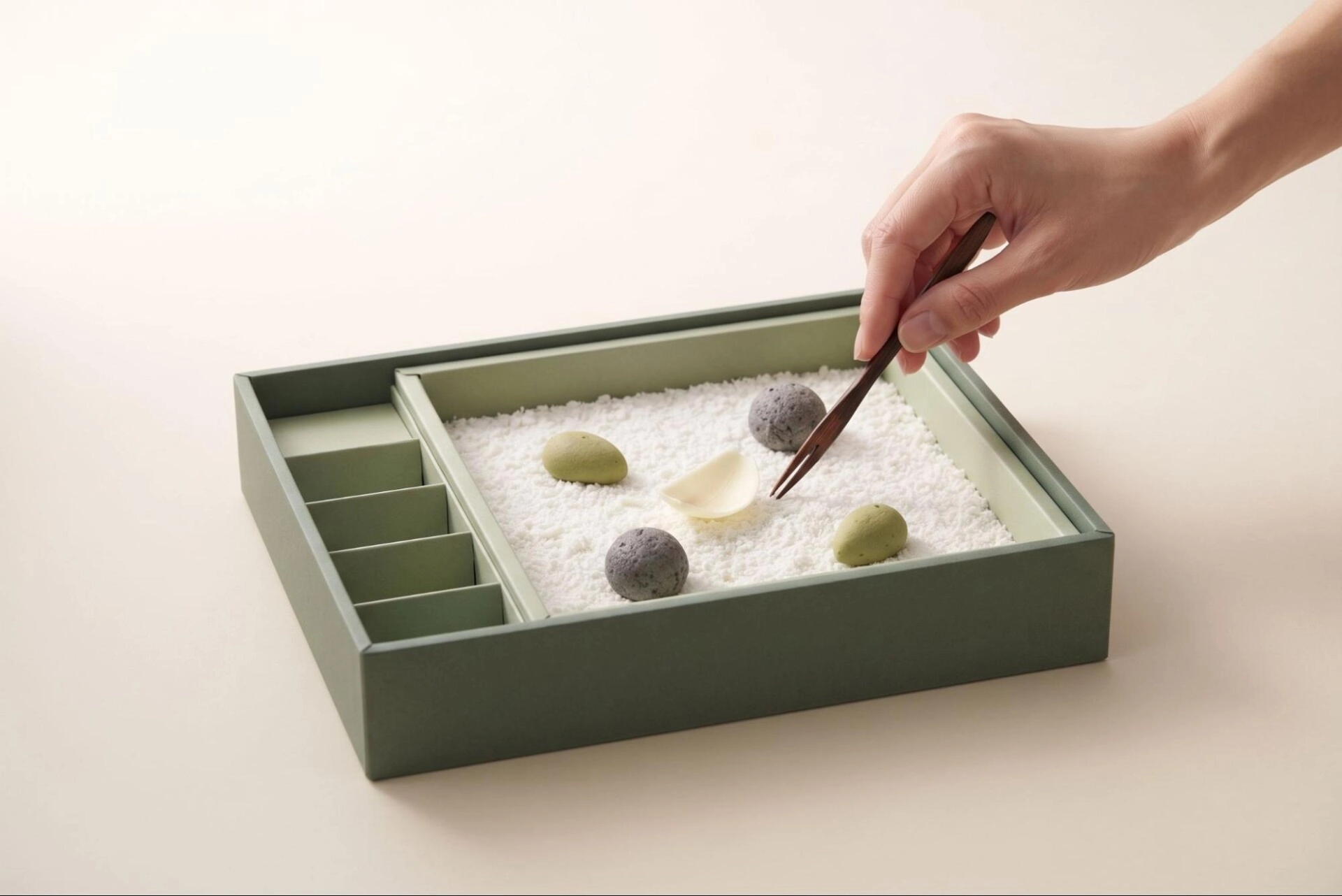
Ecommerce packaging goes through more handling than many products sold in stores. A parcel may pass through warehouses, sorting systems and several delivery vehicles before reaching the buyer. Shipping boxes must protect products from pressure, impacts, movement and changing weather conditions.
Mailer boxes work well for many smaller items. Corrugated boxes provide added strength for heavier or fragile products. Right sized packaging reduces empty space and cuts down on unnecessary filler. The package still needs enough room for proper protection. Online packaging also shapes the customer’s first physical impression of a brand. Easy opening and neat presentation can improve the unboxing experience.
Bold Designs Help Products Gain Attention
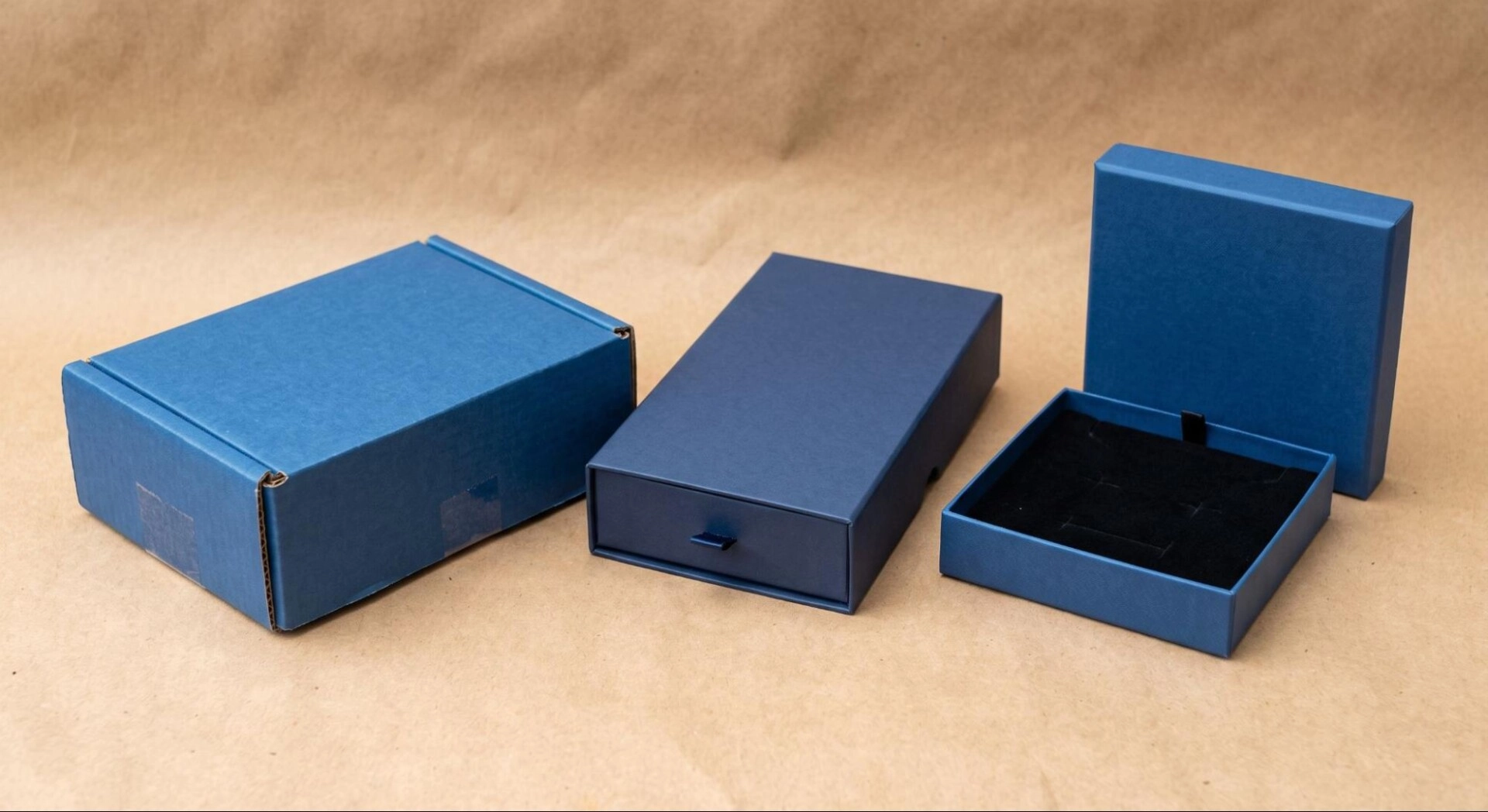
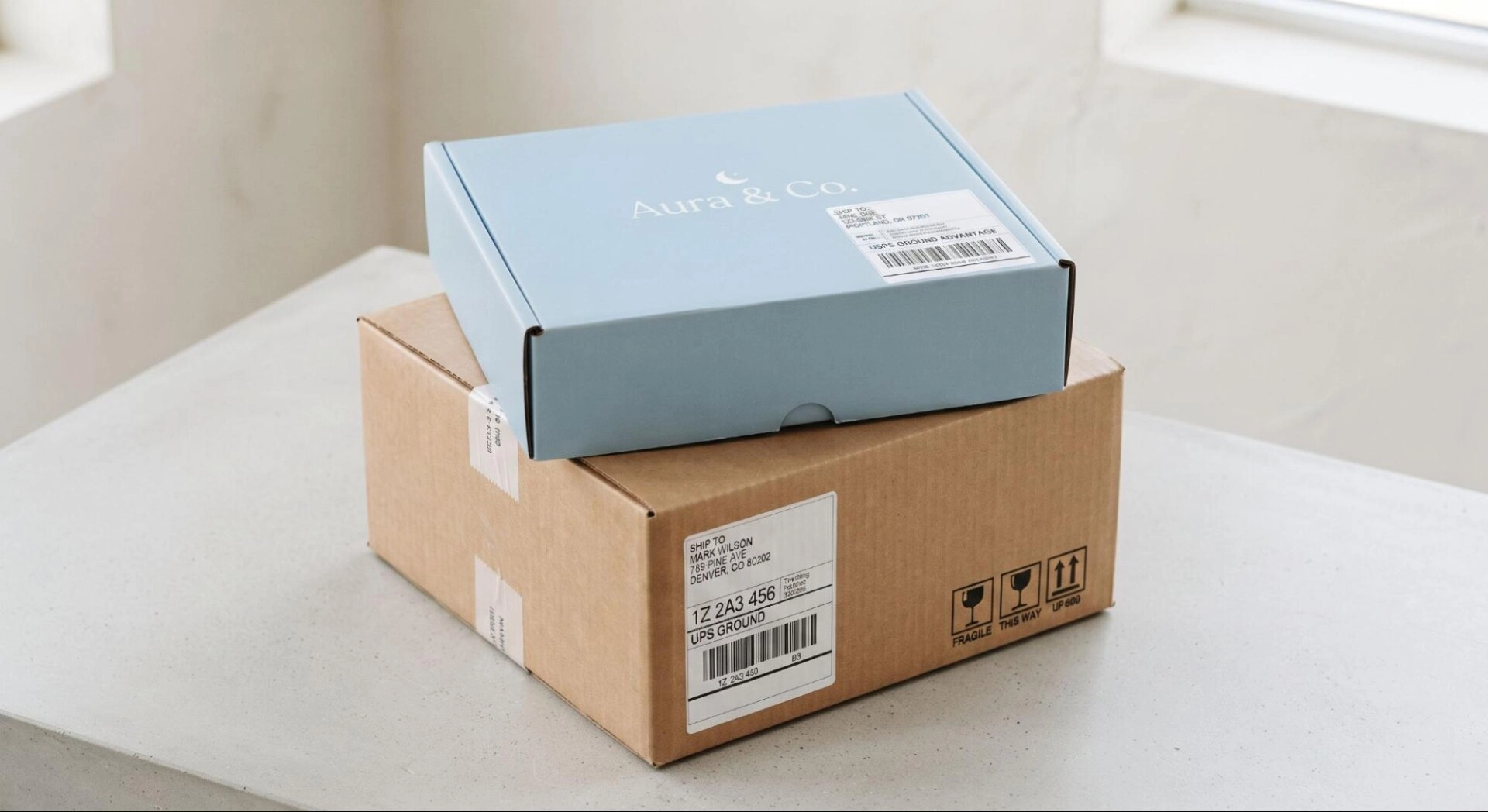
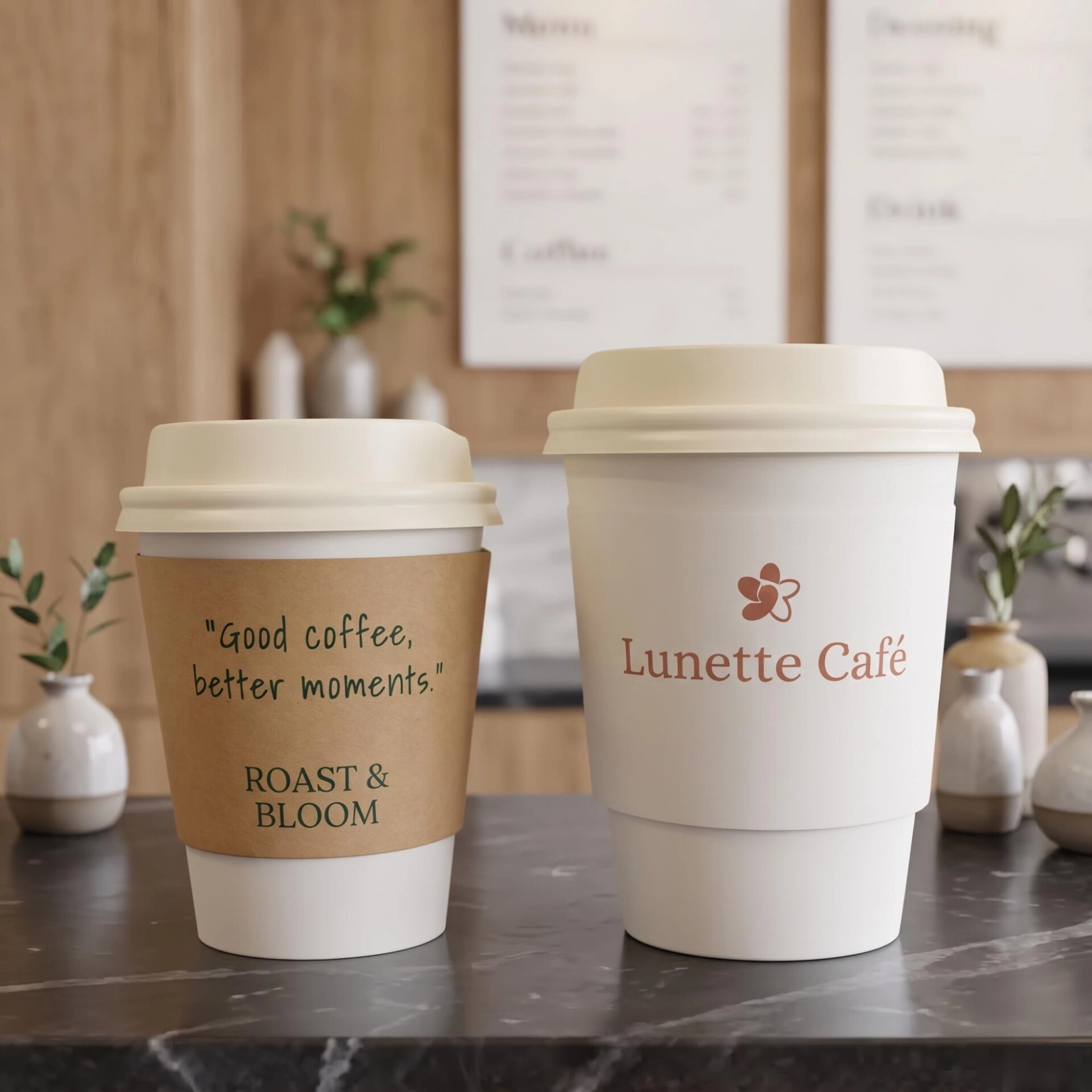
Bold packaging can help a product stand out when shoppers compare several choices. Bright colors, clear contrast and strong graphics can make the design easier to notice. Creative typography also supports brand identity when customers can read it quickly. Some companies use drawers, sleeves, handles or unusual openings to create a distinct package.
Foil stamping, embossing and Spot UV can highlight selected details. Matte and gloss finishes can also change how colors and surfaces appear. Decorative features should not hide product names or important instructions. A successful design combines visual appeal with protection, simple handling and sensible production costs.
Window Packaging Shows Customers the Product
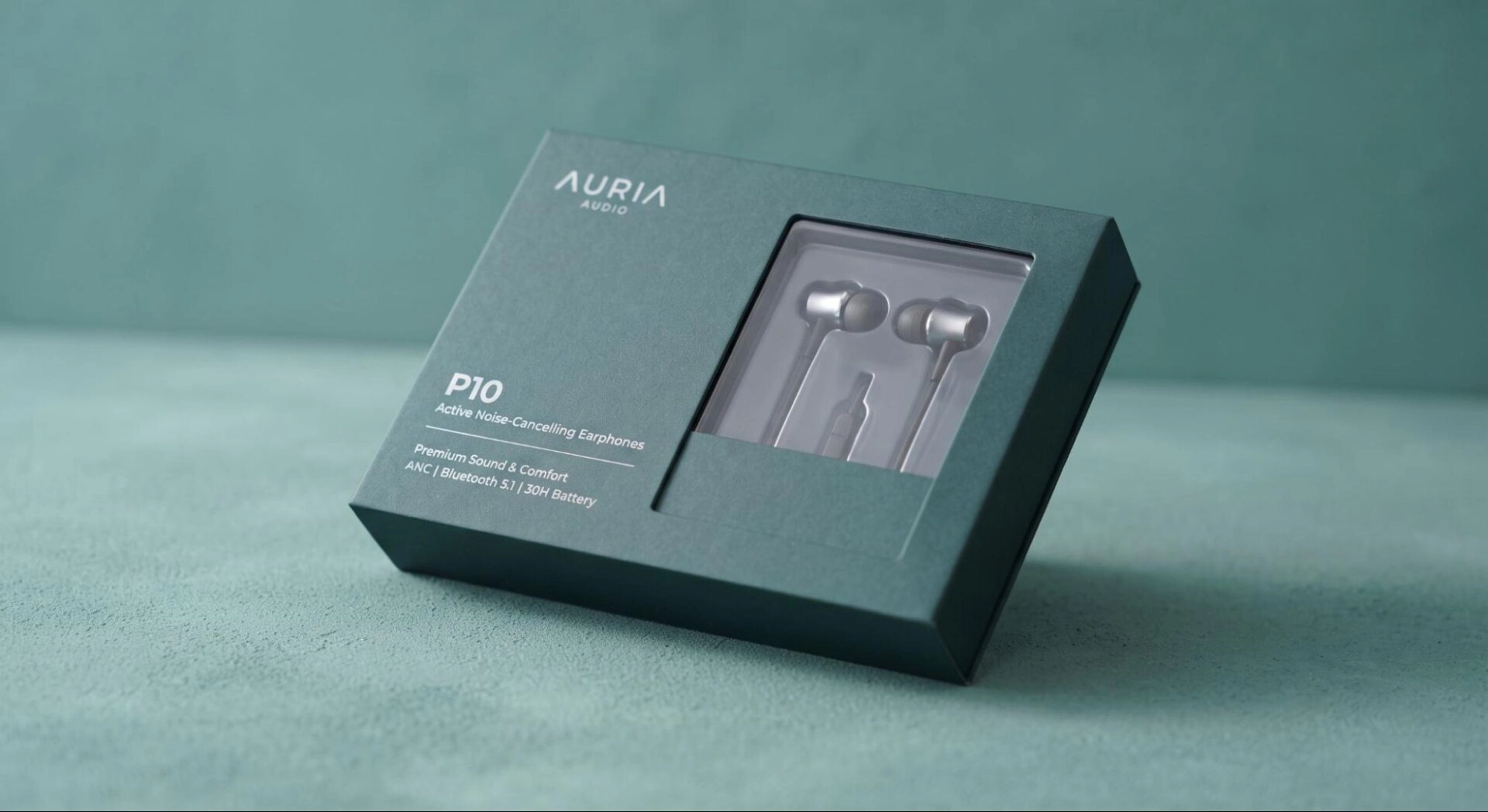
Window packaging allows shoppers to see the actual product before buying it. This view can reduce uncertainty and help customers check color, size or product condition. Window boxes are common for baked goods, cosmetics, toys and gift items. They also work well for clothing accessories and other retail products. The window should show an attractive product area without weakening the box. Its placement must leave enough room for branding and required information. Clear film may need protection from scratches, dust and glare. Brands should also explain how customers can separate different materials before recycling the package.
Functional Packaging Makes Products Easier to Use
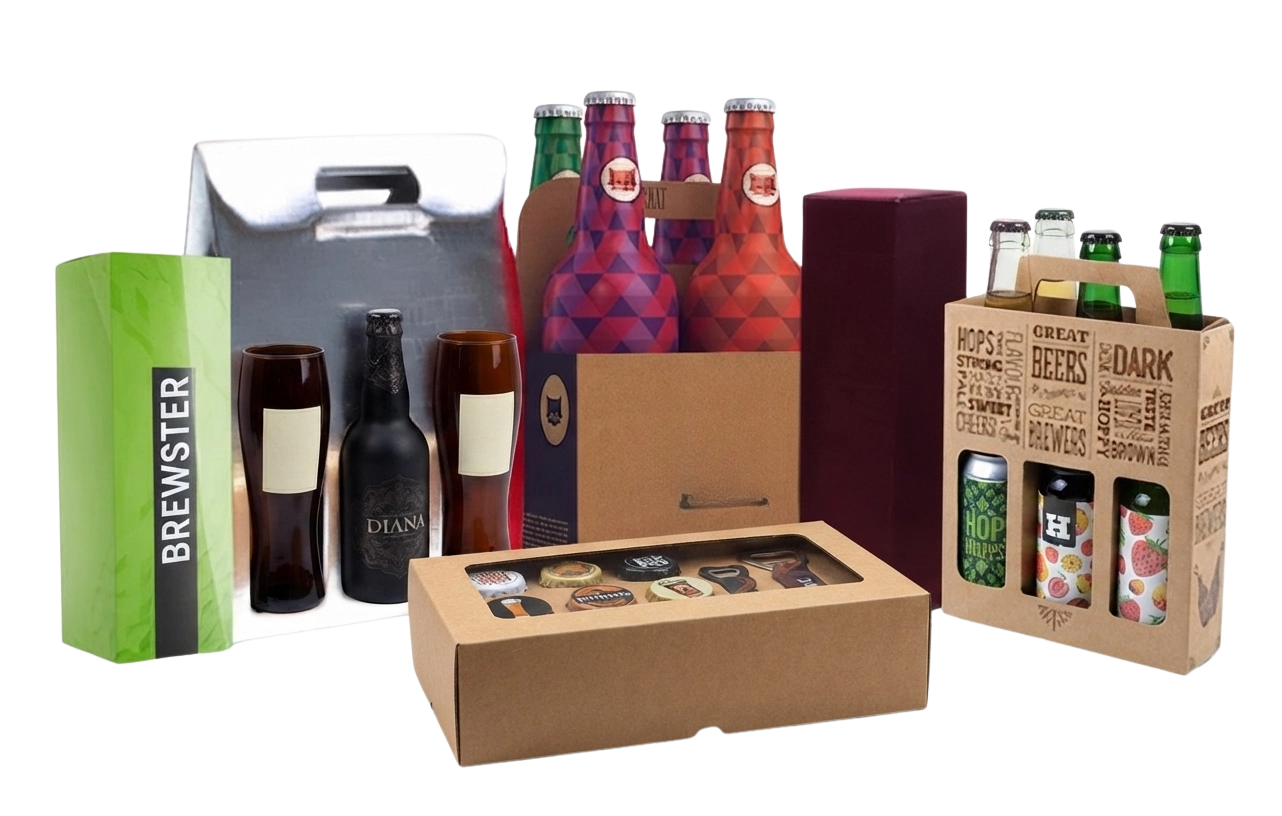
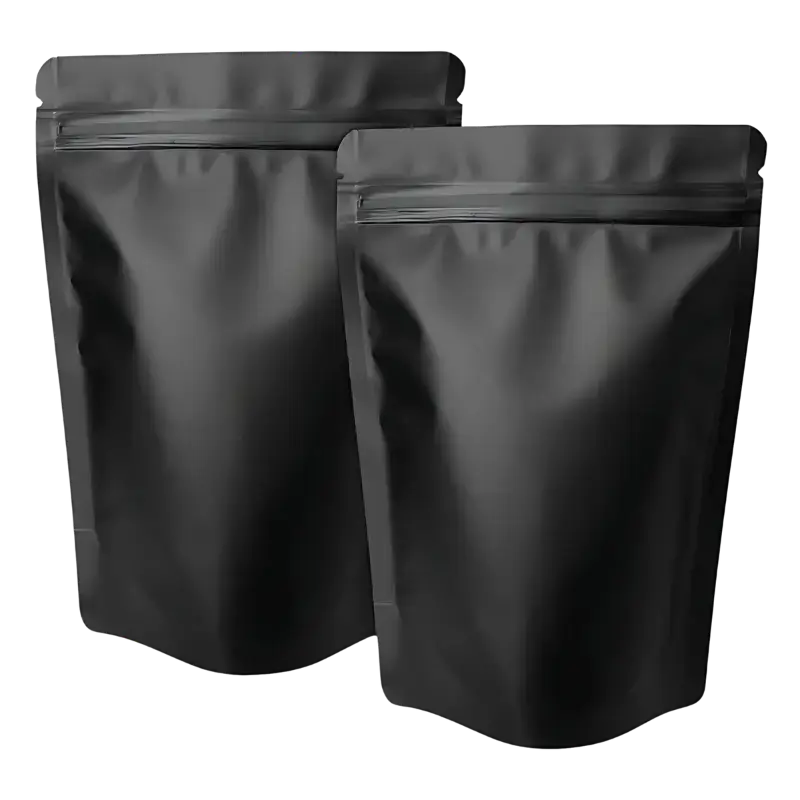
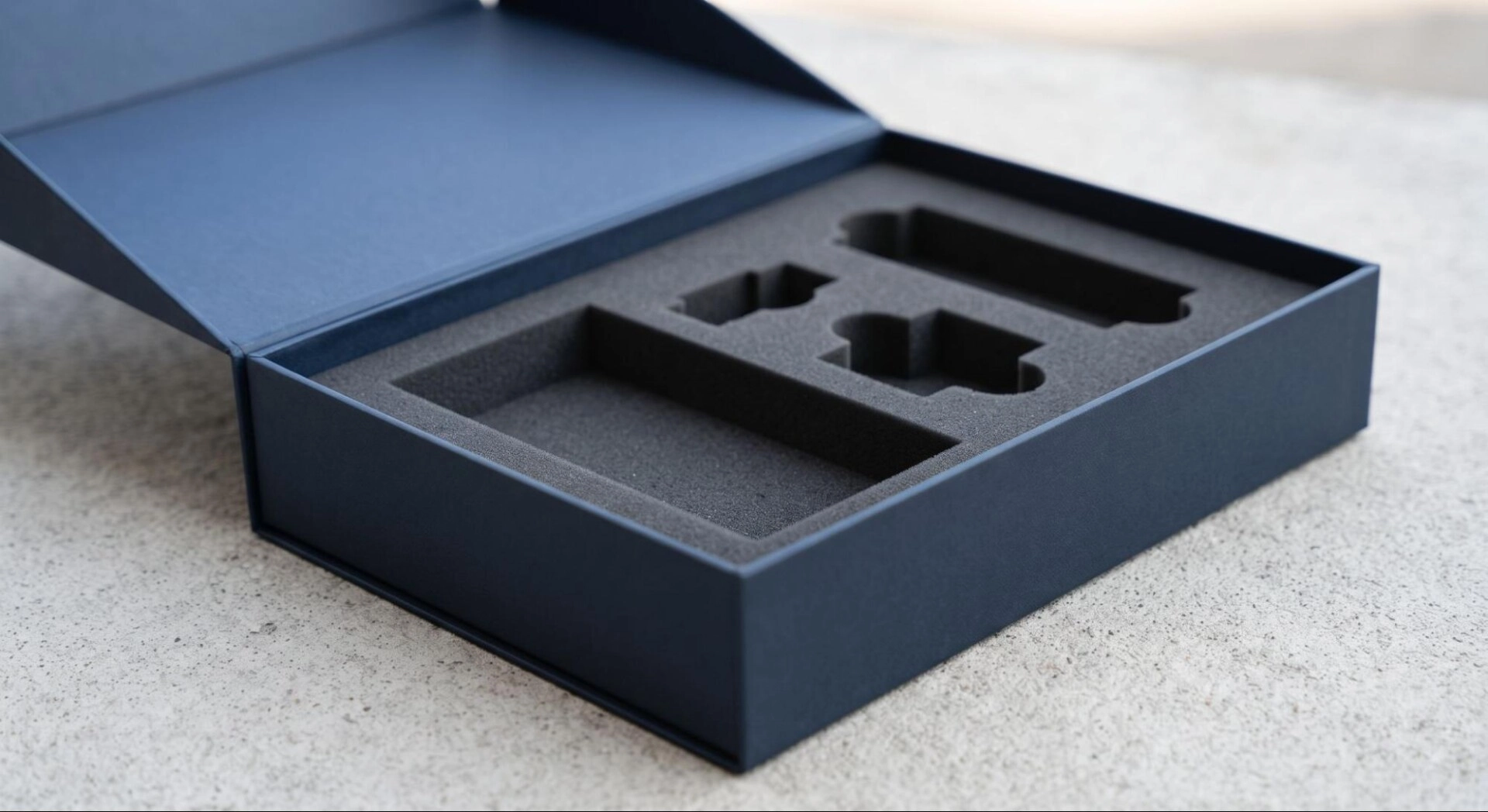
Functional packaging helps people open, carry, store or close a product with less effort. Easy open tabs remove the need for scissors or other tools. Resealable closures help protect food, household items and personal care products after opening. Handles make larger packages easier to carry. Compartments keep several products separated while inserts stop fragile items from moving.
Designers should consider older customers and people with limited hand movement. Clear instructions can prevent spills, damage and frustration. Useful packaging should also protect against moisture and impact when needed. The best structure makes the product convenient without wasting space or material.
Data Helps Brands Improve Packaging Experiences
Packaging data can show how customers respond to printed messages and digital features. QR Code scans reveal which product details or offers attract attention. Brands can compare different graphics, instructions and messages across products or locations. Variable data printing allows each package to carry a unique name, number or code.
Companies can use this information to improve later designs and customer communication. They must also respect privacy and explain how they use collected information. A digital feature should offer something helpful such as instructions or support. It should never force customers through long forms or unnecessary registration steps.
Product Protection Remains the Main Priority
Trends should never distract a business from the main purpose of packaging. Every package must protect its contents during storage, display and delivery. The right material depends on the product’s size, weight and level of fragility. Corrugated cardboard provides cushioning and stacking strength for many shipping boxes.
Paperboard suits lighter products that need detailed printing and retail presentation. Some goods also need moisture, impact or temperature protection. Inserts and dividers can stop items from hitting each other inside the package. Packaging tests can reveal weak areas before production begins. Better protection reduces damaged orders, returns and avoidable material waste.
The Future of Packaging
The future of packaging will bring together better materials and useful technology. Artificial Intelligence may help designers compare structures, costs and material use during early planning. Automated equipment will continue to improve cutting, filling, sealing and quality checks. Connected packaging may provide clearer product records and easier access to customer support.
Circular packaging systems could grow through refill programs, reusable containers and improved collection services. Businesses will also look for renewable materials that reduce their need for plastic. Greater personalization will become easier as printing technology develops. Future solutions must remain affordable, protective and simple enough for customers to use.
How Packaging Trends Are Changing Brand Expectations
Customers want packaging that protects products without using oversized boxes or unnecessary layers. They also expect clear instructions and simple disposal information. Sustainable packaging can improve brand trust when companies make honest claims about their materials. The package itself now plays an important role in brand identity. Its structure, color and opening experience all shape customer opinions.
Retail packaging needs clear shelf appeal and readable product details. Shipping packaging must handle movement, pressure and changing delivery conditions. Companies must balance these needs with production costs and storage limits. Modern custom packaging works best when every design choice solves a real product or customer need.
Looking for Packaging That Fits Modern Market Trends?
Hot Custom Boxes creates custom packaging for retail, ecommerce, food, cosmetics, gifts and other products. You can choose the size, material, structure and printing options that match your needs. Available choices include kraft, paperboard, corrugated cardboard and recycled materials. We can also add custom inserts, branded artwork and protective structural features. Each package can reflect your product dimensions, shipping conditions and display requirements. Our team will help you compare practical choices without adding features you do not need. Contact Hot Custom Boxes today to discuss your project and request a custom packaging quote.
Frequently Asked Questions
Current packaging trends include sustainable materials, simple designs, smart features and personalized printing. Brands also want right sized ecommerce boxes and more convenient structures. Better product protection remains an important goal across every packaging type.
Sustainable packaging can reduce excess material and support recycling or reuse. Its real environmental effect depends on material sourcing, production and transportation. Local recycling systems and customer disposal habits also affect the final result.
Smart packaging uses tools such as QR Codes, NFC or RFID. These features connect customers with product details, instructions and support. Companies may also use them for authentication, inventory control and product traceability.
Technology makes printing, cutting and packing faster and more consistent. Digital printing also supports smaller orders and changing artwork. Automated systems help manufacturers inspect packages and prepare completed orders with fewer delays.
Sustainable materials, circular systems and connected packaging will continue to develop. Companies will also use more automation and AI assisted design. Personalization will become easier as production and printing systems improve.
Packaging affects product condition, presentation and ease of use. Clear information helps customers understand and handle the product. A practical opening experience can also leave a positive impression after the sale.
Related Products
$0.50 Original price was: $0.50.$0.10Current price is: $0.10.
In Stock
$0.50 Original price was: $0.50.$0.10Current price is: $0.10.
In Stock
$0.50 Original price was: $0.50.$0.10Current price is: $0.10.
In Stock
$0.50 Original price was: $0.50.$0.10Current price is: $0.10.
In Stock