












The Psychology Of Packaging Design In Marketing
Home » The Psychology Of Packaging Design In Marketing
Table of Contents
Get A Free Quote
Beautiful and elegant packaging can attract customers and help businesses generate more sales. According to a 2013 study, customers are often drawn to sophisticated packaging and may make purchases even if they were not planning to. This behaviour is influenced by innovative packaging designs that trigger activity in the human brain. With rising competition in the market, businesses must understand the psychology behind packaging design.
Packaging psychology examines how design elements like colour, fonts, icons, and graphics impact customer behaviour and perception. Consumers are more likely to buy something attractive because it stimulates positive emotions and reduces hesitation in decision-making. In this blog, you’ll explore the psychology behind packaging and how it influences customers’ buying decisions while showing how brands leverage these insights for marketing success.
How To Design A Packaging That Is Attractive To The Brain?
We know that attractive and interactive packaging is helpful in engaging your audience, and it provides a memorable unboxing experience to your customers. Here are some of the psychological factors that you should keep in mind while designing your packaging:
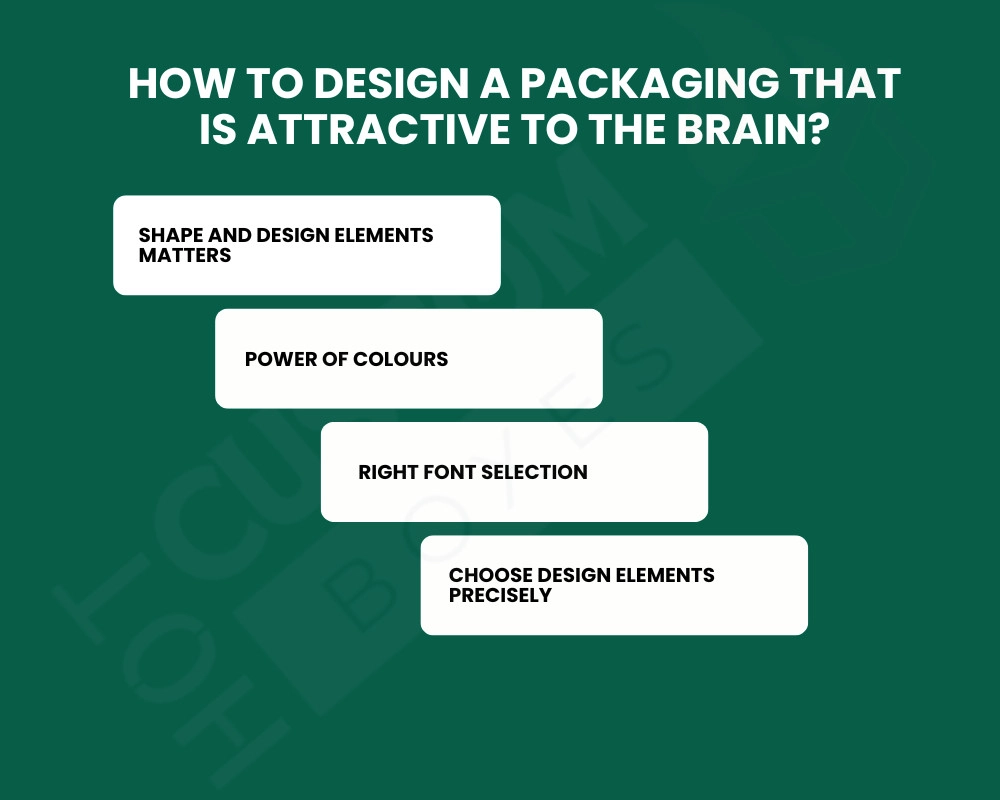
Shape And Design Elements Matters
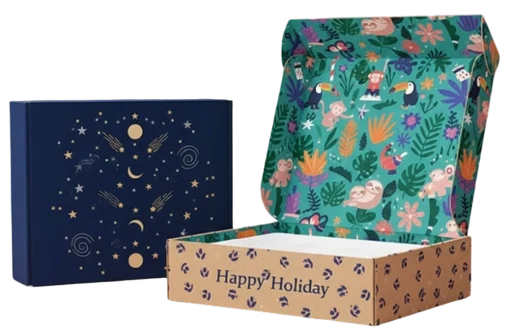
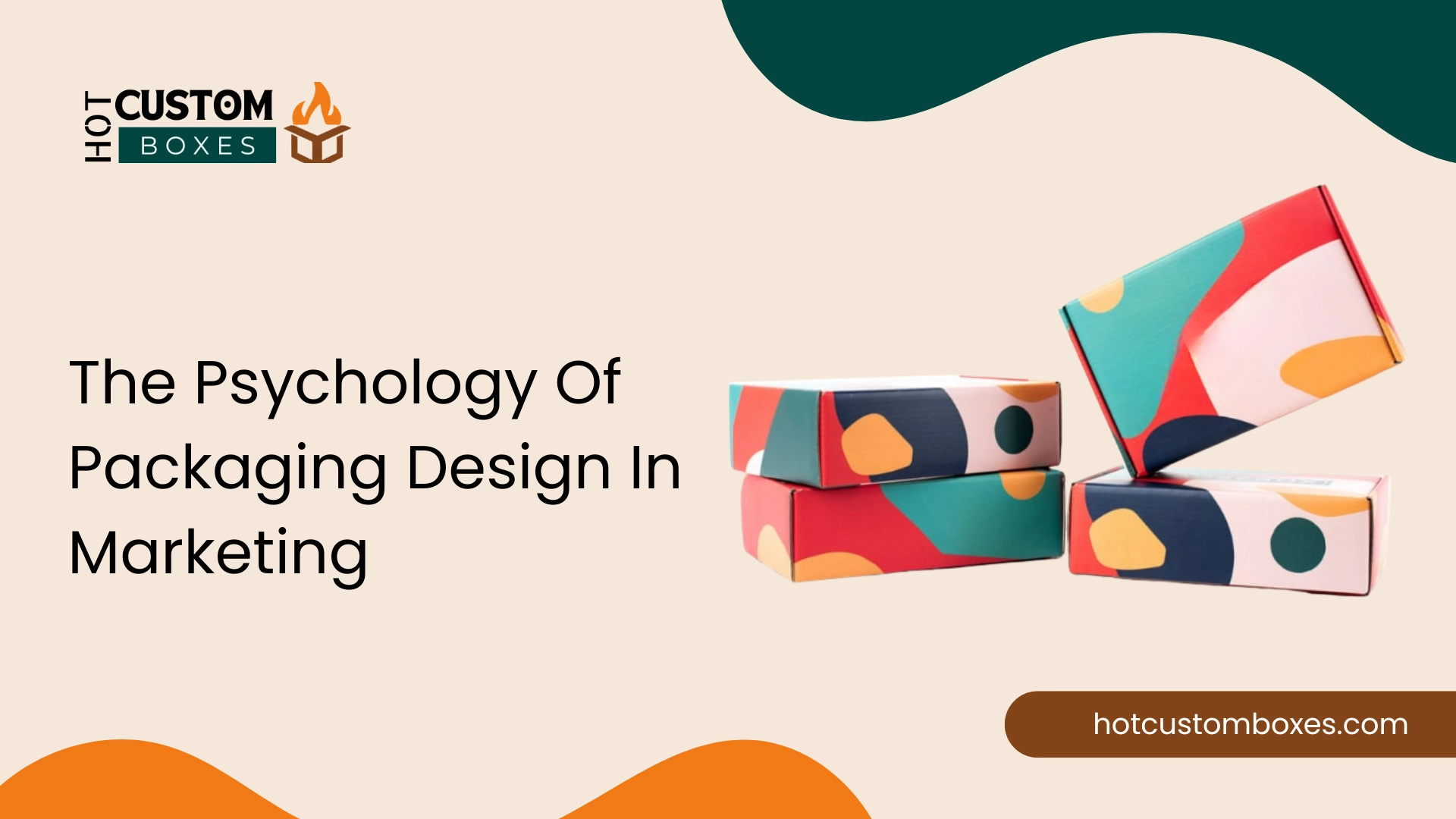
Designing packaging with a unique shape helps to make your products stand out in the market. Whether you are trying to sell a perfume or a bag of chips, there are many options for you to create a packaging design that can influence buying decisions. Sleek, modern designs may suggest high quality, while playful shapes might appeal to younger audiences.
The psychology of food packaging is that unique food packaging design with bright colours has become a key component for businesses to ensure long term success for their products. These kinds of packaging can help brands to create a deeper physical connection with their consumers so businesses should invest in custom packaging. There are other design elements that are also important, such as:
- Alignment: It is the arrangement of the visual elements in a series that strengthens the connection between elements and guides customers.
- Angularity: Precise use of angles and curves to evoke specific feelings i.e., sharp angular shapes for modernity, while rounded shapes for softness or playfulness.
- Label design: It involves balancing aesthetics, functionality and compliance to effectively communicate the product’s value.
- Label orientation: You can place your labels in a horizontal or vertical direction to draw the buyer’s attention.
Power Of Colours
Colour psychology in marketing is based on choosing the fine artwork and the right combinations of colours. It is found that some colours are more stimulating for the human brain than others. Right colours can help you to make your brand recognizable and appeal to customer psychology and emotions. For example, if your product is “Blue Sky Brownies”, then you should use a colour palette of dreamy blue rather than fiery red. Whereas, red colour can be used in food packaging to stimulate excitement and appetite, like big brands KFC and McDonald’s have used it in their packaging to engage their audience. While designing your packaging, use the same shades on all branding elements that help to reinforce brand identity and foster customer loyalty.
Right Font Selection
Selection of the right fonts can make a big difference as it improves the quality of your product’s packaging. The font size should be clearly readable to your customers at different viewing distances. Typography should be aligned with your brand’s personality.
Decorative typefaces often work best for products that want to evoke old-fashioned branding. Meanwhile, bold or simple fonts are a good way to convey modern sensibilities. These all play a vital role in the exquisite psychology of packaging design.
To select the right font, you should consider that the font is easier to read online on a website and when printed on packaging material. For example, serifs work best in print, and sans-serif fonts are easier to read online.
According to a group of 2012 studies, font characteristics such as harmony, naturalness, weight, and flourish are some of the most vital aspects of fonts that play into the brand identity. These variables make a brand seem more:
- Exciting
- Sincere
- Sophisticated
- Competent
- Rugged
Choose Design Elements Precisely
Effective packaging design serves as a first physical interaction between your brand and your shopper. You can incorporate unique design elements according to your brand’s personality. A key to the psychology of food packaging is that once you have a good handle on the needs of your customer and the existing market preferences, you should select your branding elements with care.
Choose a packaging material that is functional and fits your brand. For example, if you are an environmentally conscious brand, then you should use eco-friendly packaging and avoid packaging with plastics or other unsustainable materials. Make your packaging stand out by using unique shapes and consistent branding elements. Use a colour scheme that matches your brand identity and consider the readability factor while designing your packaging.
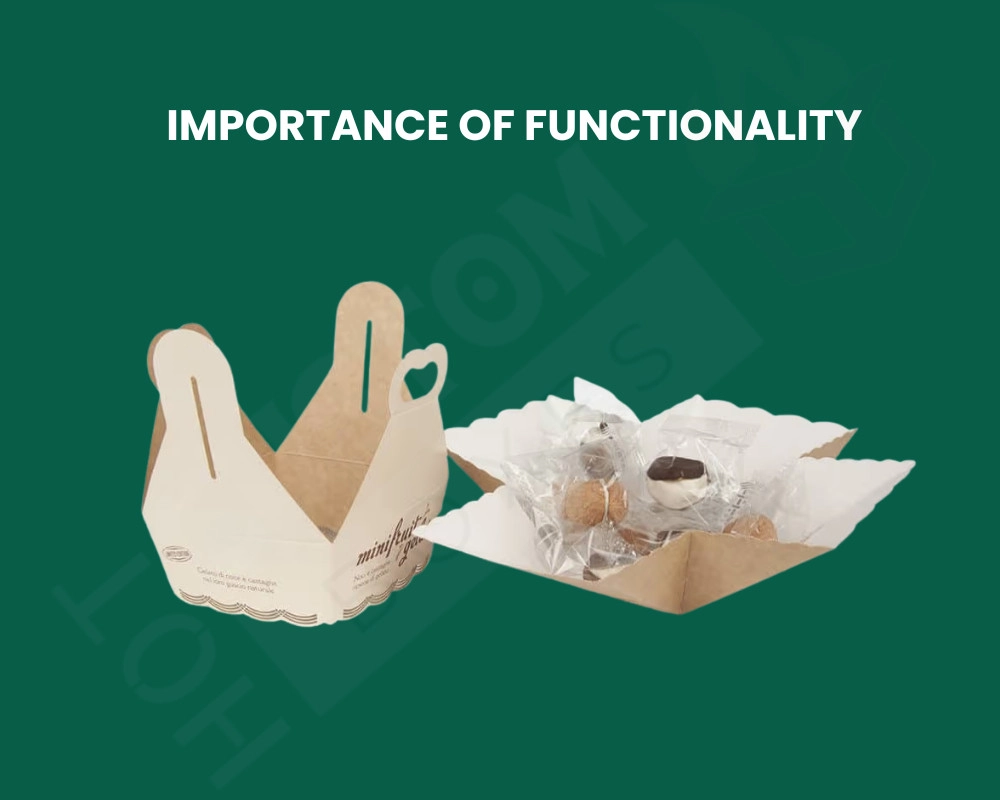
Importance Of Functionality
All of the above mentioned factors were related to visual elements that are important, but functionality is also a crucial aspect of the psychology of packaging design. It directly impacts customer satisfaction, unboxing experience and brand perception. An innovative and creative packaging must protect a product, be easy to open and convenient to use.
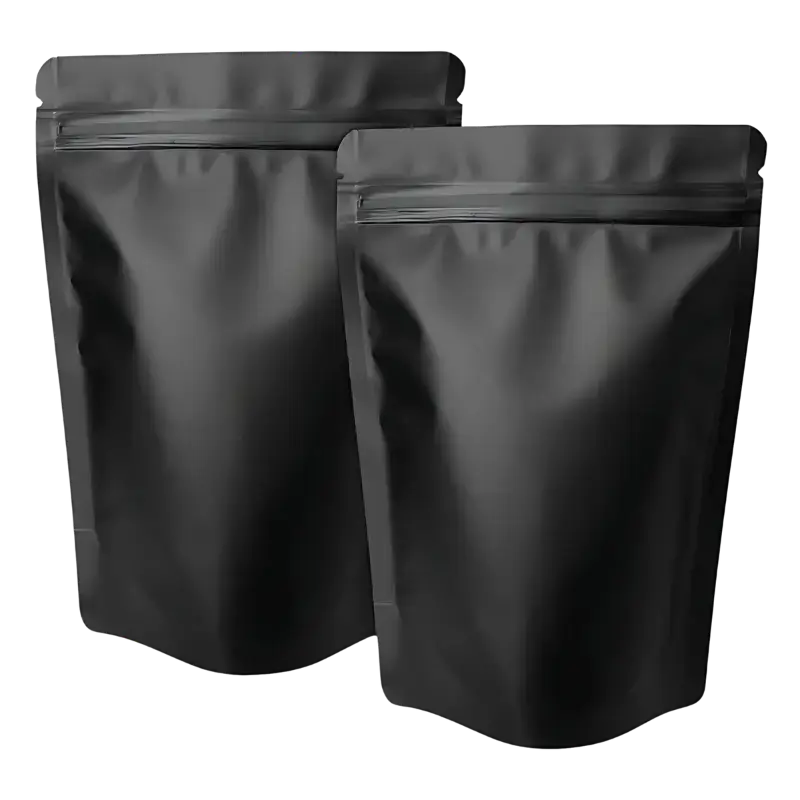
For example, resealable bags for snacks or food to maintain freshness or easy-pour spouts for liquids to add convenience. Buyers appreciate packaging that is easy to use. Effective product packaging design balances aesthetics with practicality and ensures that the package not only looks good but also serves its purpose well.
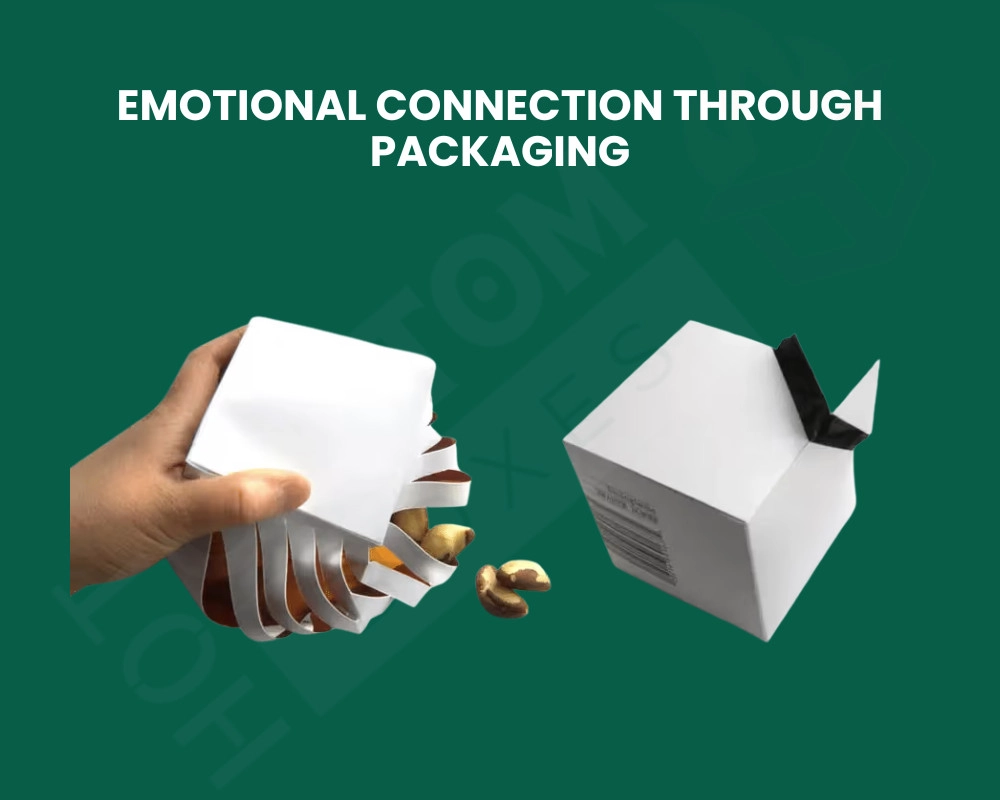
Emotional Connection Through Packaging
Brands that successfully create emotional connections through their packaging can foster long-term loyalty and repeat purchases. Customers are attracted to the packaging that is incorporated with engaging features like QR codes or AR that help in brand recognition and build customer trust through an unforgettable experience. Packaging can help in creating an emotional connection between a brand and the shopper. For instance, nostalgic packaging that reminds buyers of their childhood can evoke happy memories and loyalty.
Benefits For Brands In Marketing
Psychology of packaging designs benefits businesses in several ways. It makes your product stand out in the crowded market, fosters customer loyalty and increases repeat purchases. Strategic use of psychology in packaging can help you differentiate and stand out in the whole market. Here are some of the benefits:
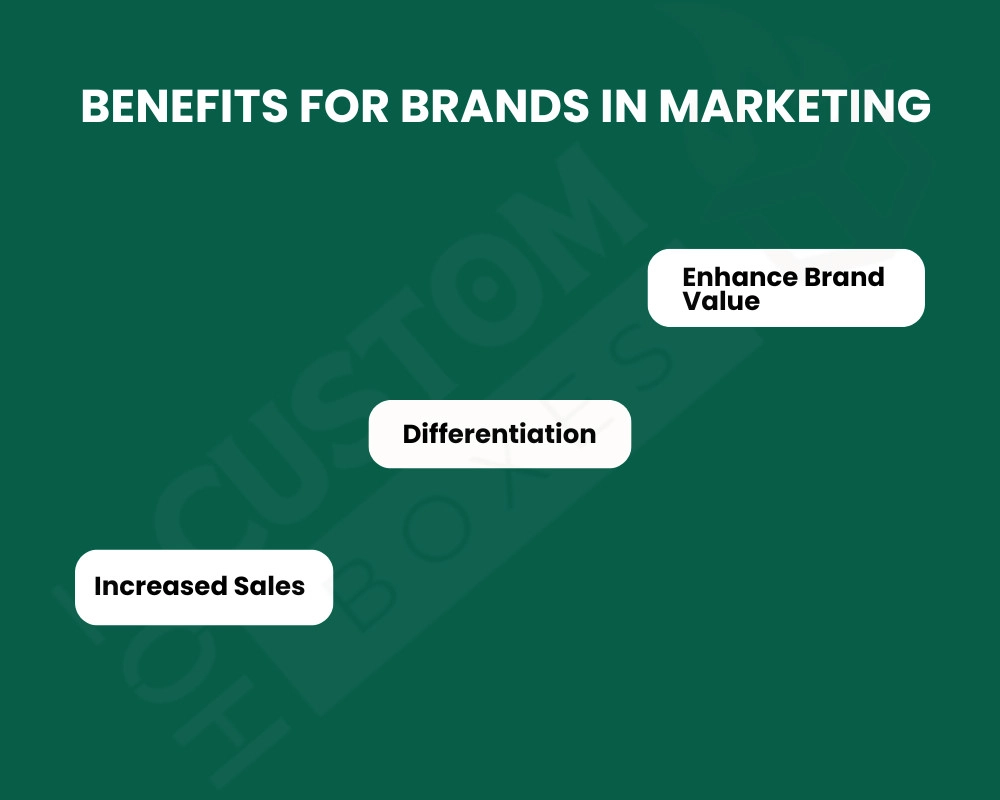
- Increased Sales: A memorable unboxing experience builds customer trust and encourages repeat purchases that helps in increasing sales.
- Differentiation: Unique design elements can create a distinct visual identity and differentiate your brand from your rivals.
- Enhance Brand Value: Premium material usage and lavishing designs of product packaging can enhance brand value by communicating quality.
Wrapping Up!
Using the psychology of packaging design to create the perfect packaging for your product is easier than you think. You need to understand how design elements such as color, font, overall shape, and functionality impact your branding. There is a lot of psychological effort behind packaging designs, from colorful retail merchandise to food.
Contact Us for a Personalized Packaging Design Quote!
Call us at (332) 263-6086 and get expert help from Hot Custom Boxes to create a packaging that helps your product fly off the shelves! For more information, follow us on Facebook, LinkedIn, Pinterest and WhatsApp today!
