













Table of Contents
Get A Free Quote
Packaging does more than hold a product. It protects the item during storage, packing, shipping and delivery. The material you choose can affect damage rates, return costs and customer satisfaction. It also shapes how buyers view your business when they open an order.
There is no single best packaging material for every online product. Clothing needs less protection than glassware while electronics may need both a strong box and fitted cushioning. Product weight, size, value and shipping distance also affect the decision. This guide explains the main types of packaging materials and helps you choose a suitable option for your e-commerce business.
What Are Packaging Materials?
Packaging materials are the substances used to contain, cover, protect and transport products. Common examples include cardboard, corrugated board, paperboard, Kraft paper, plastic, glass and aluminum. Businesses use these materials to make boxes, bags, bottles, mailers, trays and protective inserts.
A packaging material is different from a packaging format. Corrugated cardboard is a material while a shipping box is a format made from that material.
Primary packaging directly holds the product, such as a glass jar containing sauce. Secondary packaging groups or presents the product, such as a printed carton around the jar. Tertiary packaging helps move larger quantities through warehouses and delivery networks.
Why the Right Packaging Material Matters for E-Commerce
Online orders pass through warehouses, sorting centers and delivery vehicles before reaching customers. Packages may face drops, pressure, vibration, moisture and rough handling during this journey. The right material protects products against these common shipping risks.
Strong packaging helps reduce damage, replacements and customer returns. A lightweight material can lower shipping costs while a correctly sized package can reduce dimensional weight charges. Good packaging also keeps the product organized and makes the order easier to open.
Material selection can support brand identity as well. Printed packaging gives businesses space for logos, colors and useful product details. Recyclable materials can also meet customer expectations when businesses use them responsibly.
What Are the Main Types of Packaging Materials?
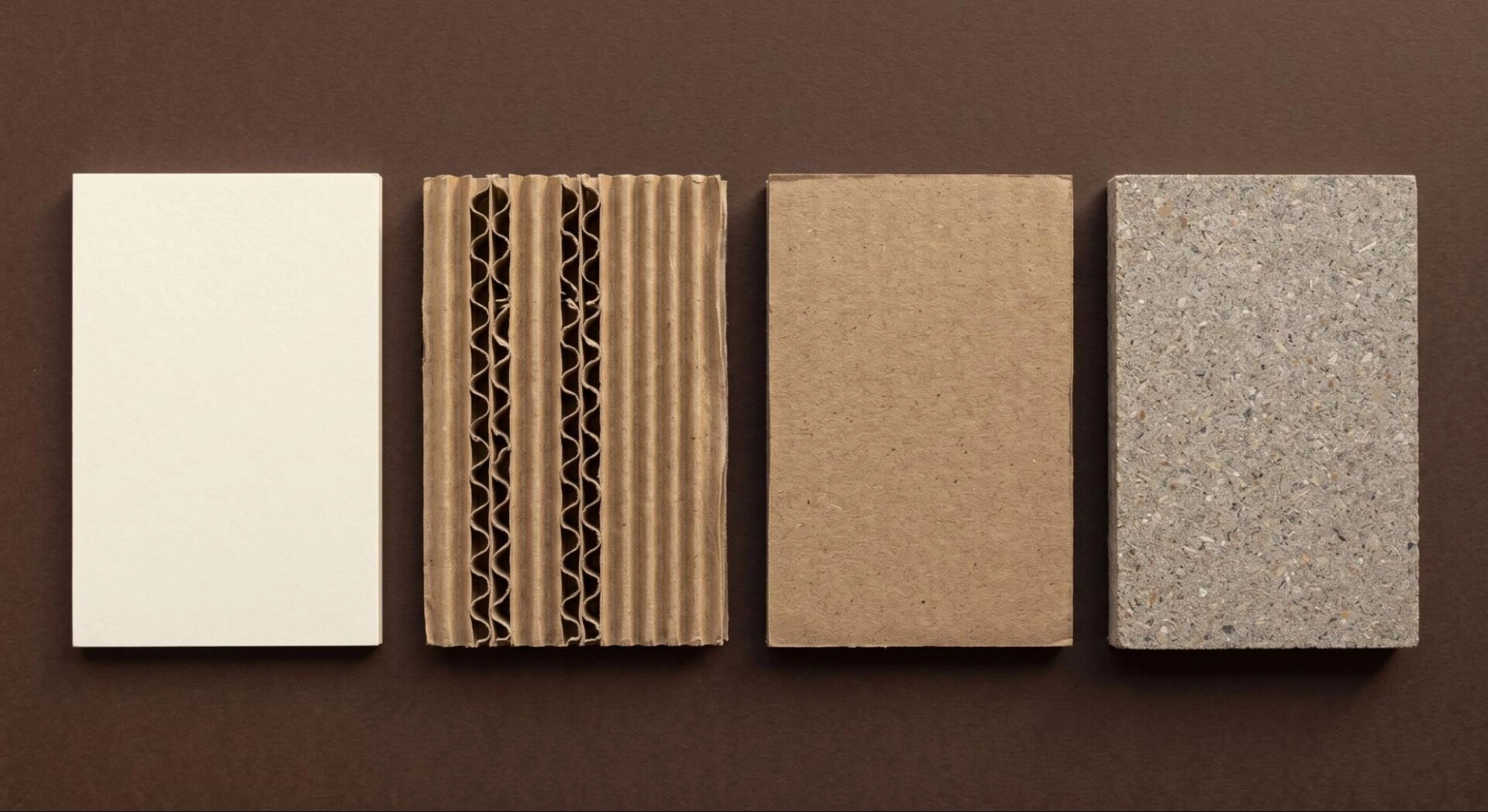
The main packaging material types include corrugated cardboard, paperboard, rigid board, molded fiber, Kraft paper, plastic, glass and aluminum. Each option offers different levels of strength, weight, moisture resistance and print quality. Understanding these differences makes it easier to match the material with the product.
Corrugated Cardboard
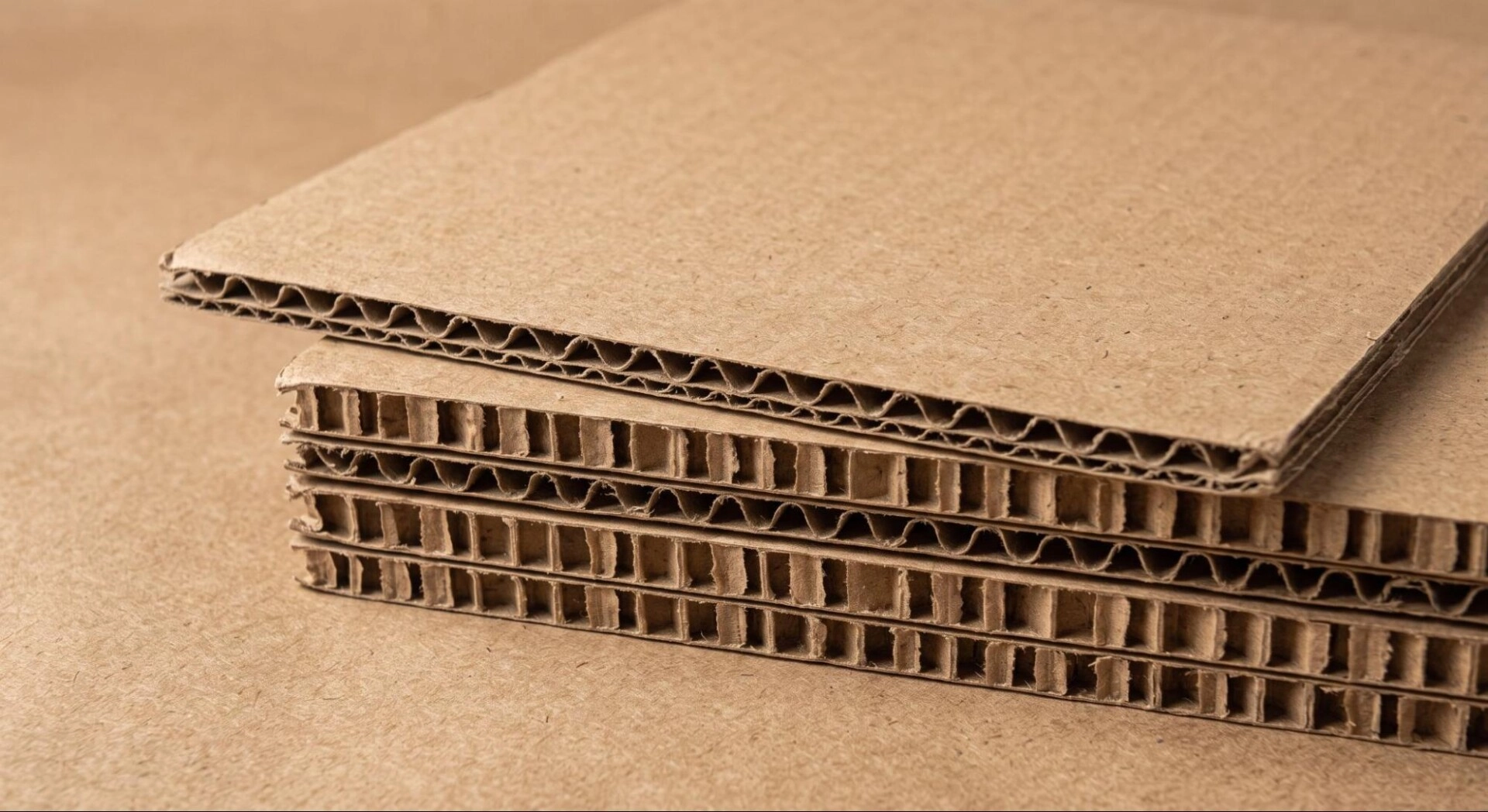
Corrugated cardboard has a fluted center placed between flat liner layers. This layered structure creates strength without making the box extremely heavy. The flutes also provide some cushioning against shocks and movement.
Single wall corrugated board works well for regular shipping boxes and lightweight mailer boxes. Double wall board contains an extra fluted layer. It provides greater stacking strength and better protection for heavy or fragile items.
Businesses use corrugated packaging for electronics, household products, books, subscription orders and mixed shipments. Corrugated boxes can also include printed designs, dividers and fitted inserts. However, untreated board may weaken after long exposure to water or high humidity.
Cardboard and Paperboard
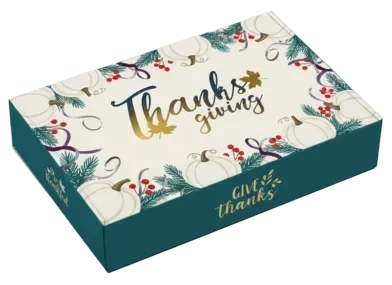
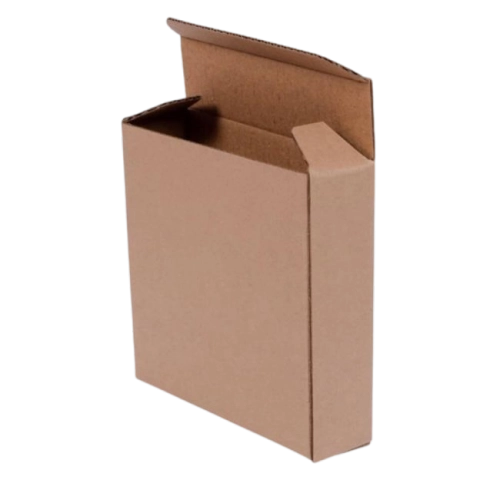
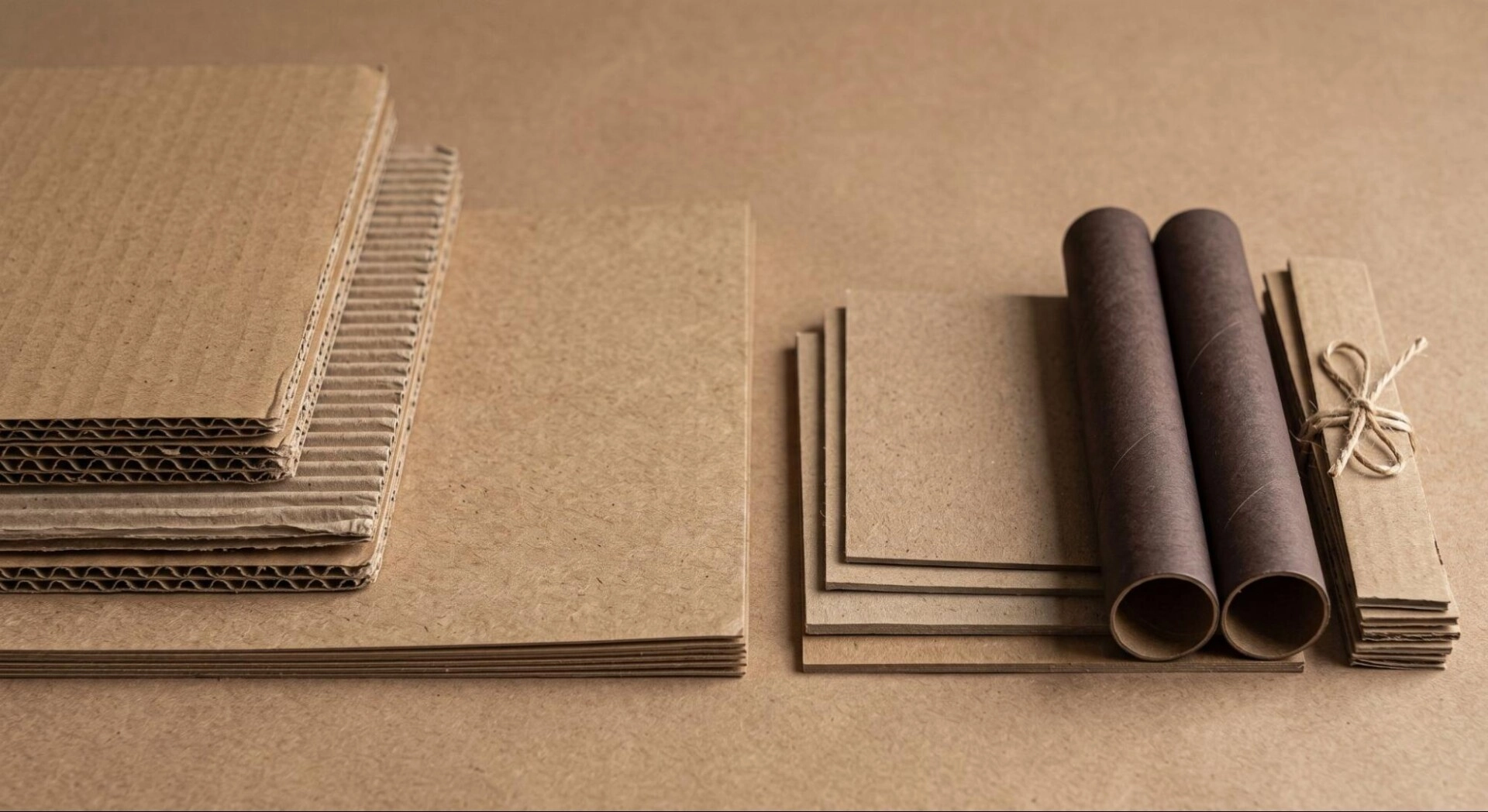
Paperboard usually has one solid layer rather than the fluted structure found inside corrugated cardboard. It has a smooth surface that supports detailed printing, product information, colors and branded designs.
Paperboard boxes work well for cosmetics, medicines, food products and small retail items. They are lightweight and usually arrive flat before assembly. This can help businesses save warehouse space.
Standard paperboard does not offer enough impact protection for many shipped products. A paperboard carton may need an outer corrugated box, protective insert or padded mailer. Material weight and thickness should match the product’s size and the pressure expected during delivery.
Rigid Packaging
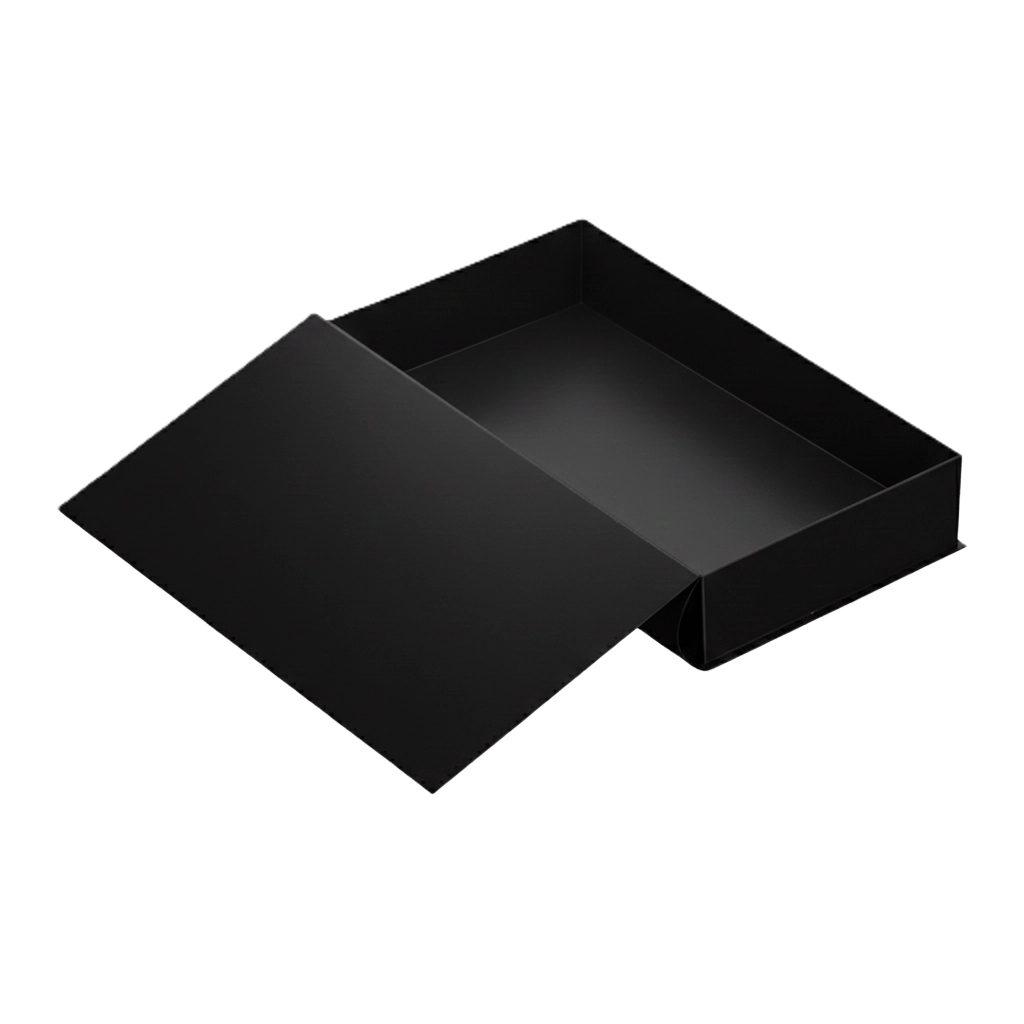
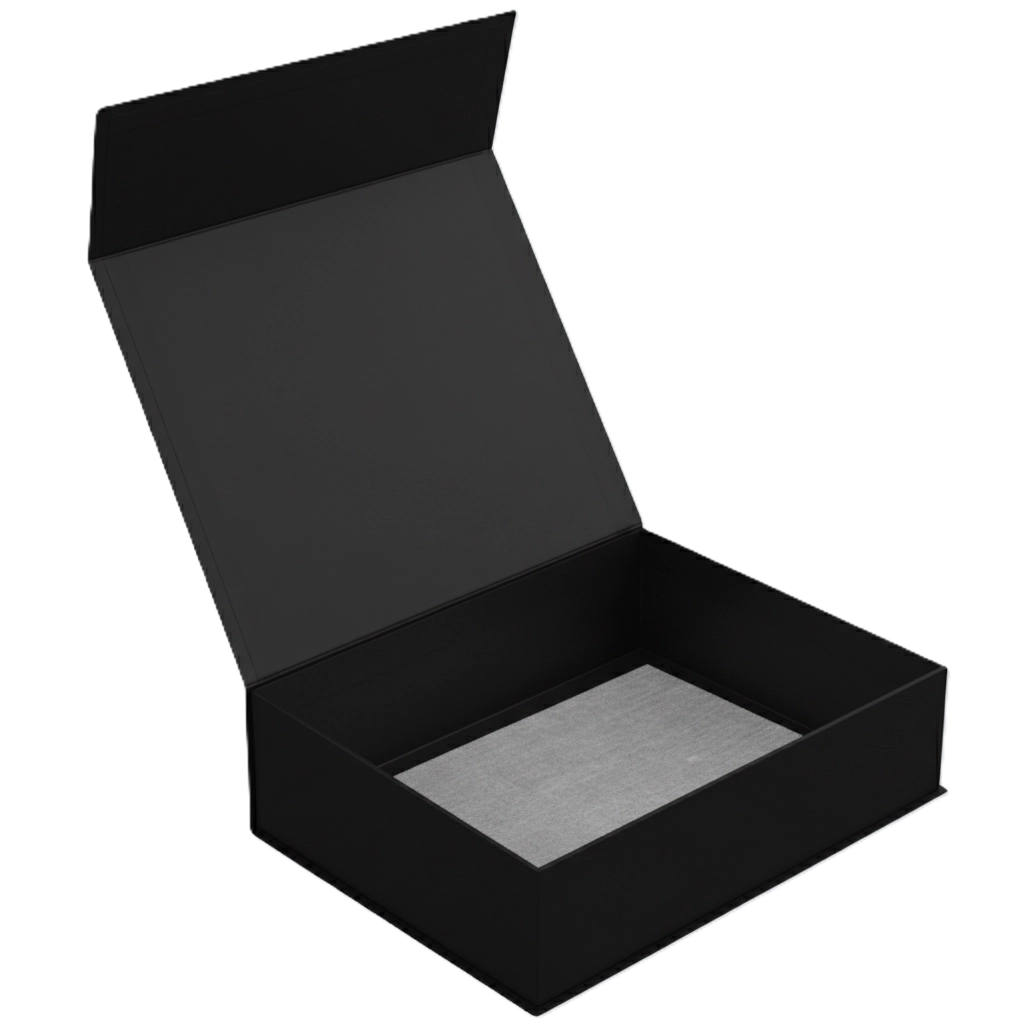
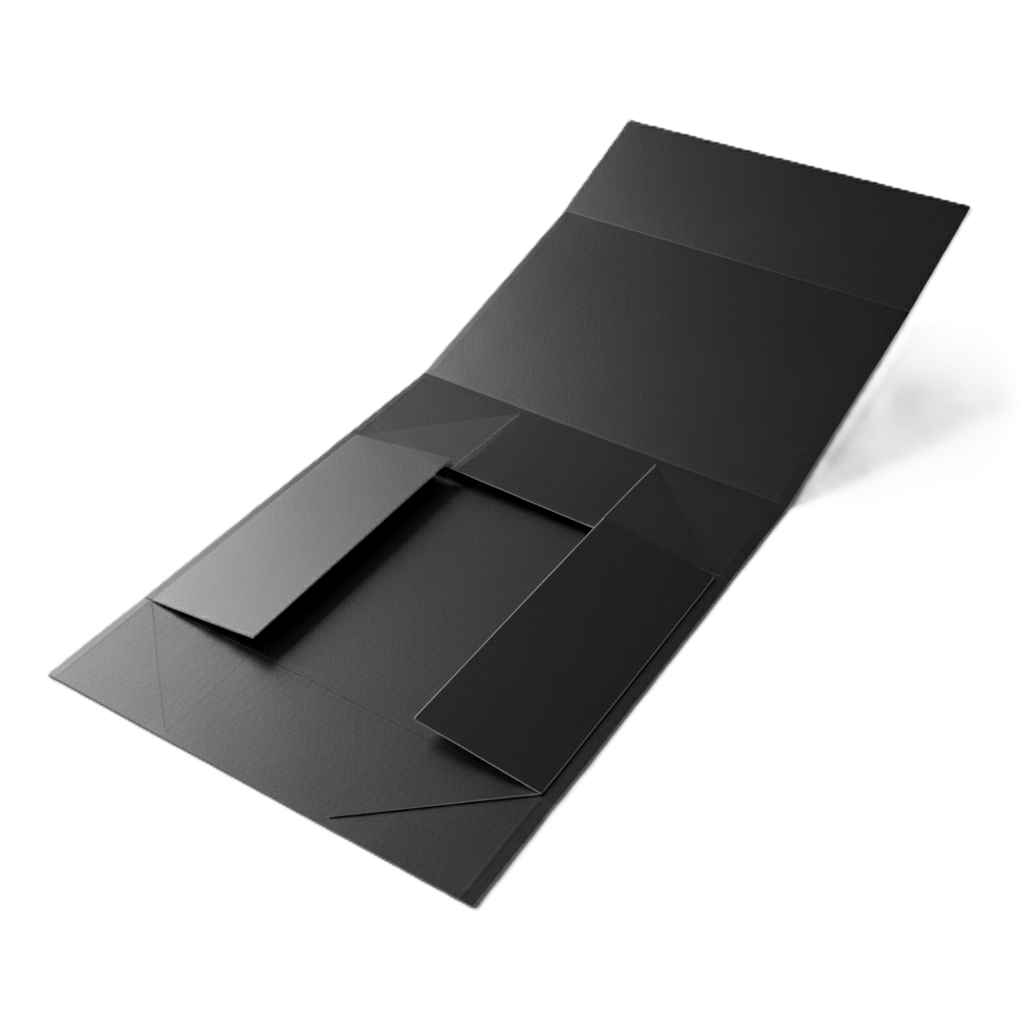
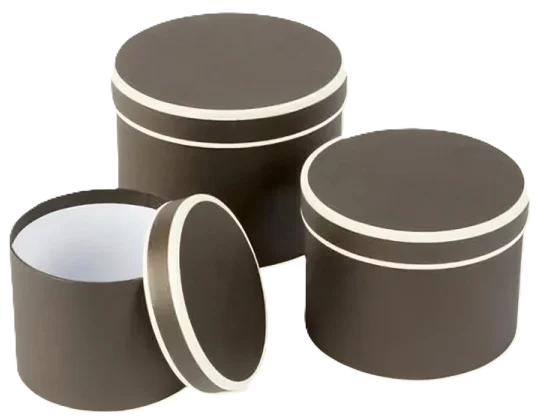
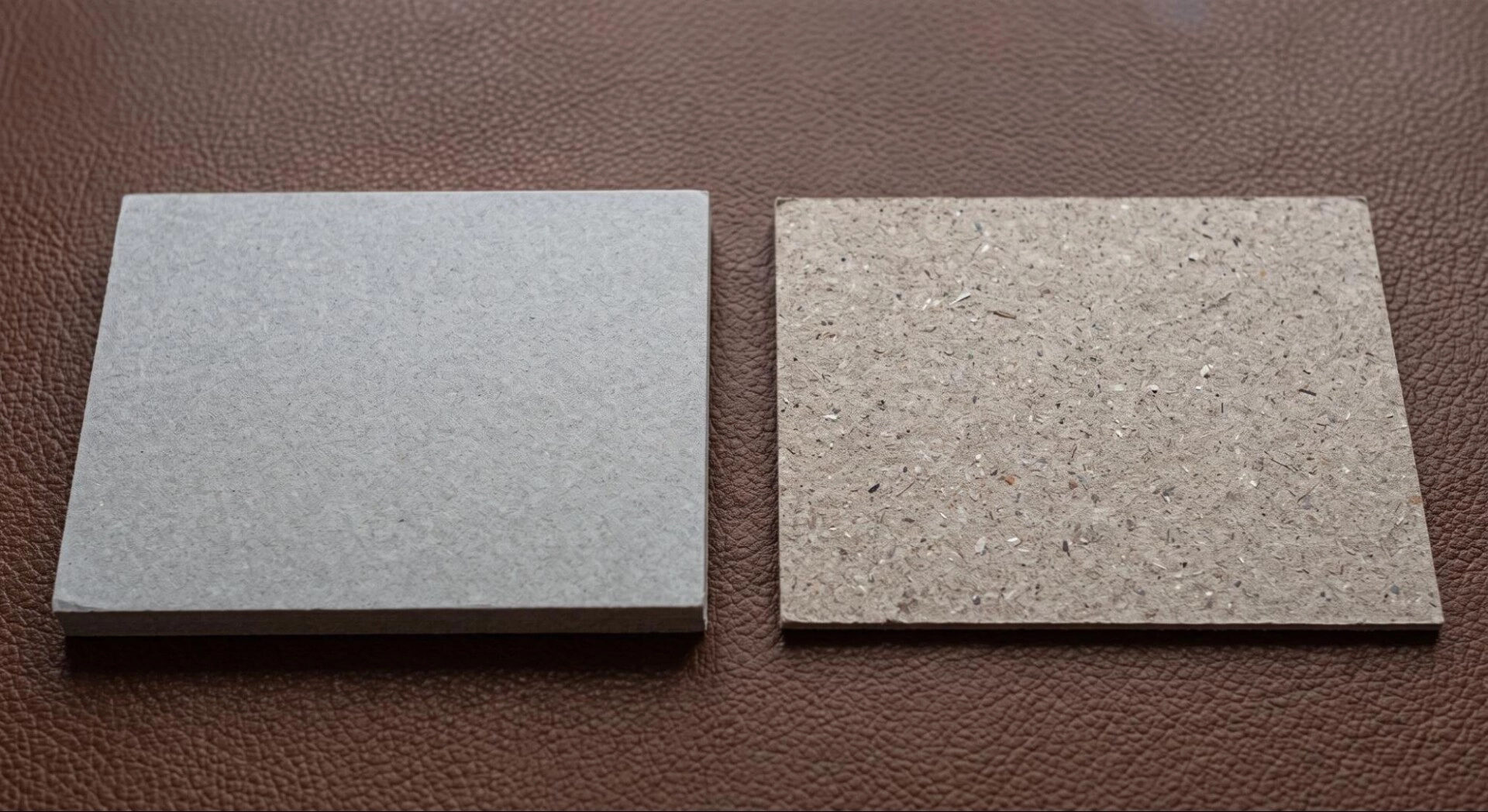
Rigid boxes use thick board that keeps its shape during storage and handling. Unlike folding cartons, these boxes do not normally arrive flat. Their solid structure creates a clean presentation and offers better crush resistance.
Businesses often use rigid packaging for jewelry, cosmetics, electronics, gifts and luxury products. These boxes can include magnetic closures, wrapped paper and fitted inserts. They provide a strong unboxing experience but cost more than common paperboard cartons. Rigid boxes also need more storage space and can increase shipping weight.
Molded Pulp and Fiber Packaging
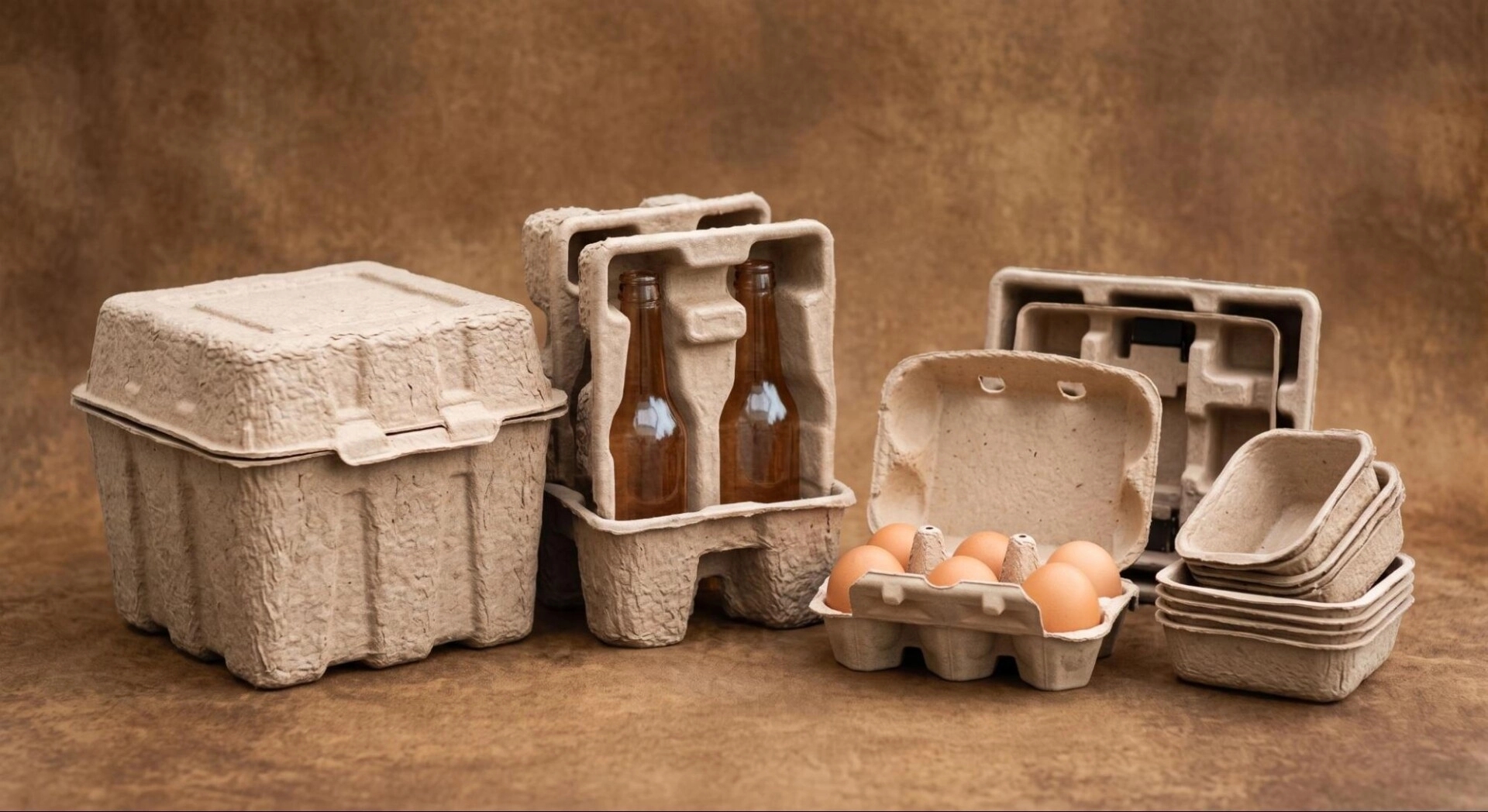
Molded pulp packaging uses recycled paper, cardboard fibers or natural plant fibers. Manufacturers shape the wet material into trays, holders and protective inserts that fit around products.
The fitted shape keeps items in place and reduces movement inside the outer box. Businesses use molded fiber for bottles, electronics, cosmetics, food containers and household products. It can replace plastic or foam inserts in many applications.
Molded pulp is usually recyclable where local paper collection accepts it. However, custom shapes may require molds and setup costs. This makes the material more practical for repeat orders and larger production runs.
Kraft Paper
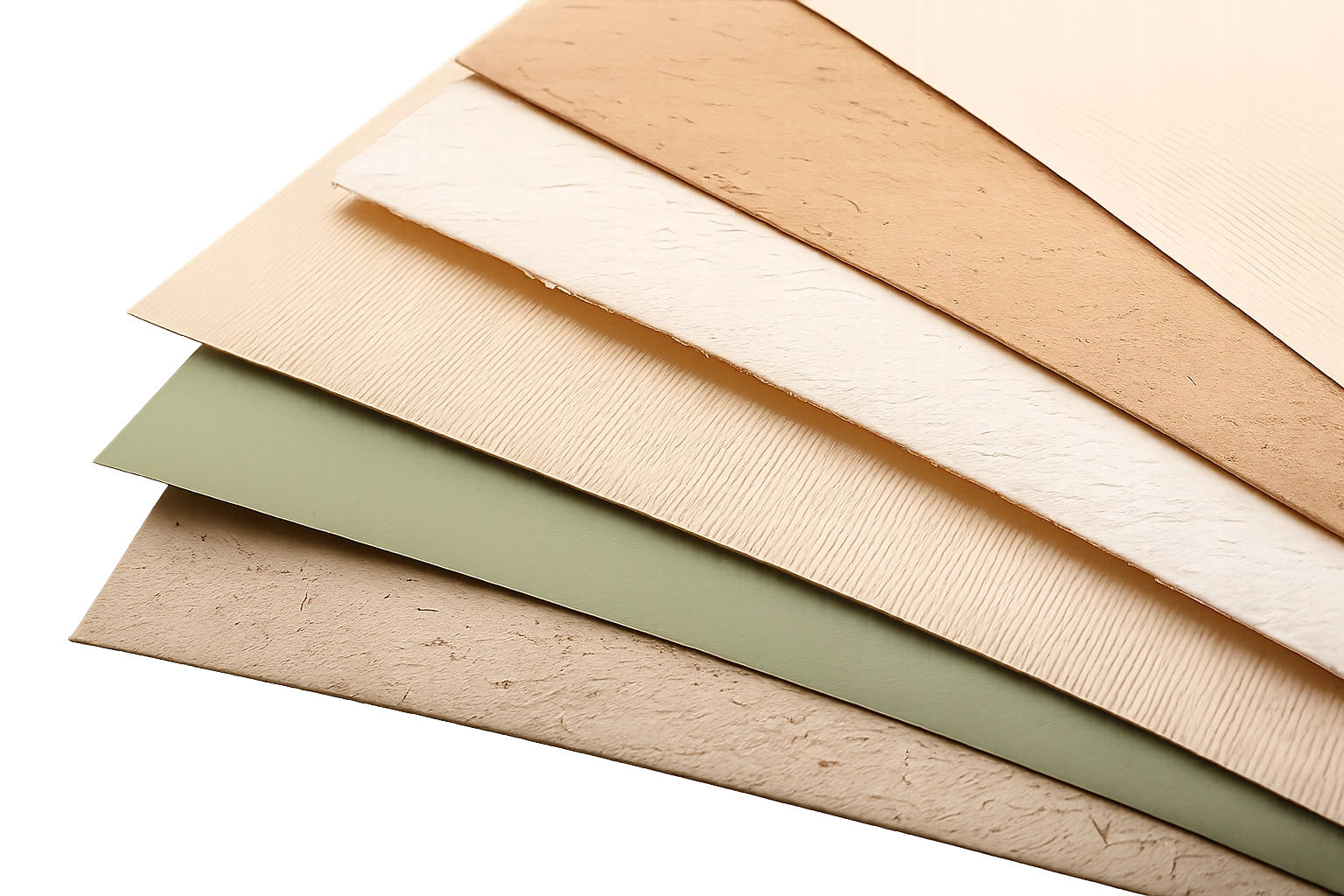
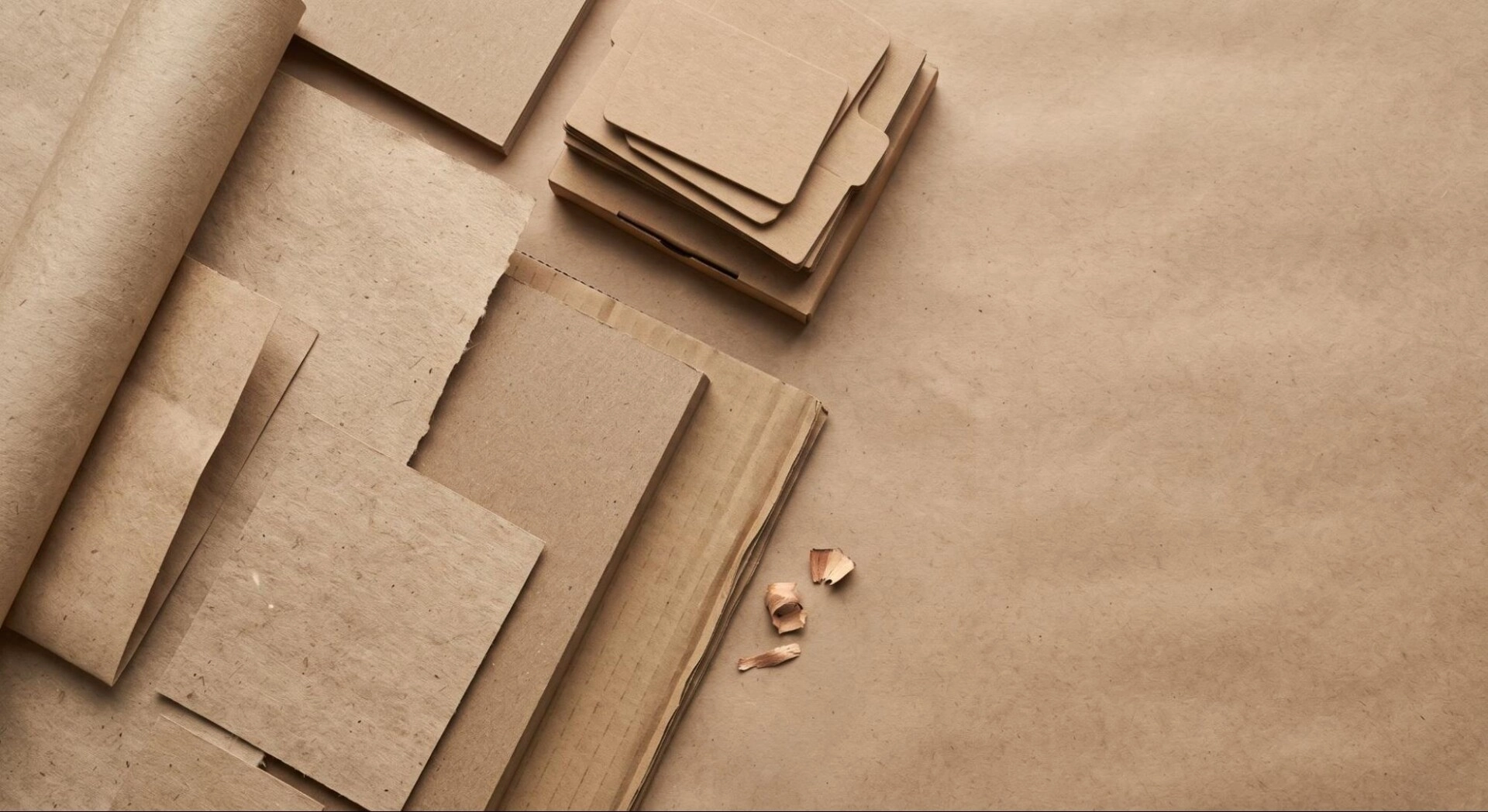
Kraft paper is made from strong wood fibers. It often has a natural brown color although white and printed options are also available. Common formats include Kraft boxes, wrapping paper, mailers, bags and paper void fill.
Kraft packaging is lightweight, printable and widely recyclable. It works well for clothing, gifts, food products and small retail goods. Businesses can add printed logos, labels or stamps without covering the natural appearance.
Thin Kraft paper cannot protect fragile products from strong impacts. Delicate or heavy items may still need corrugated walls, dividers or added cushioning. Kraft material can also absorb moisture unless it has a suitable protective coating.
Plastic Packaging
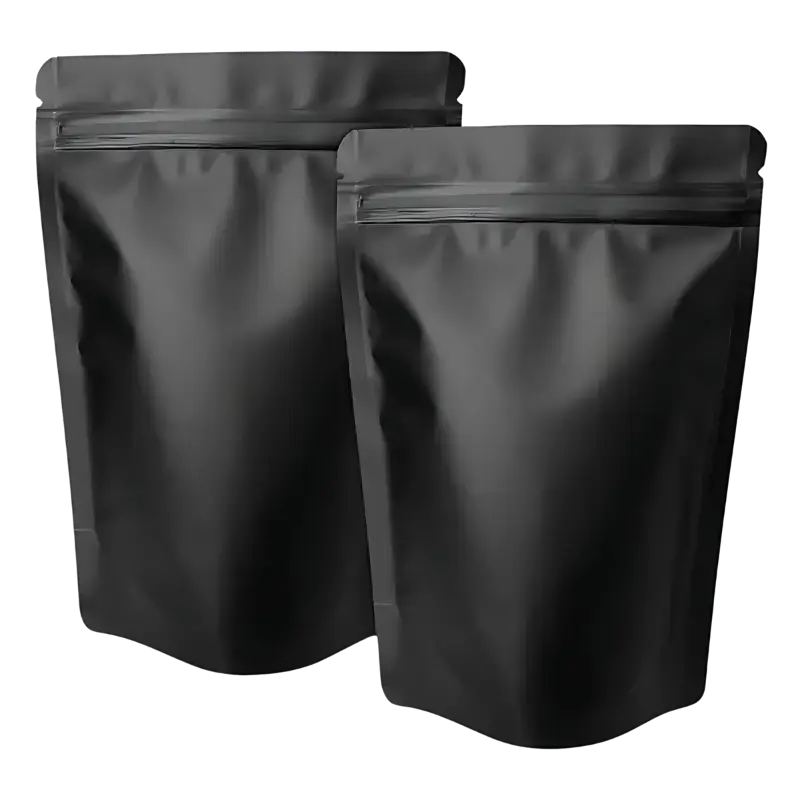
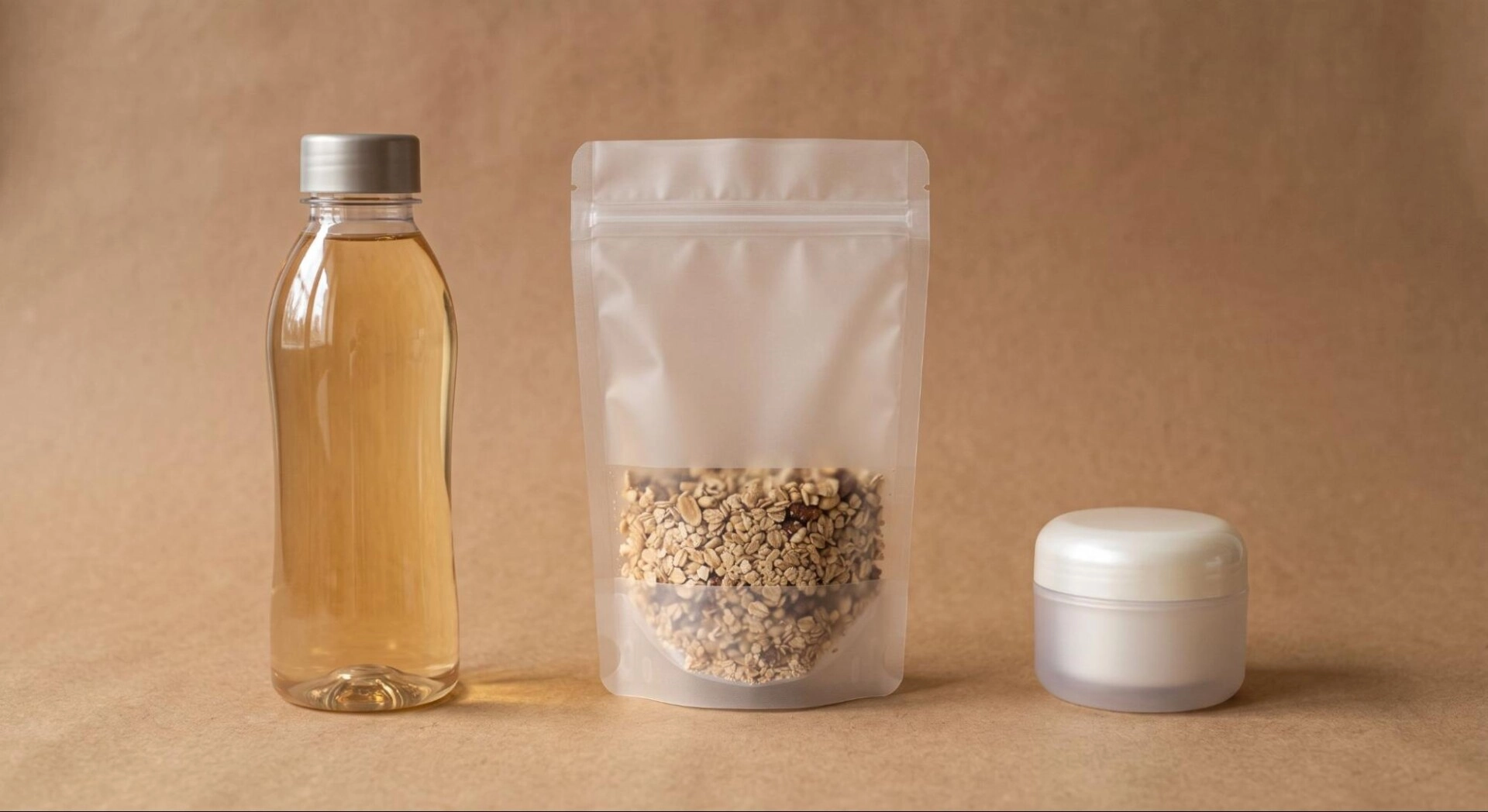
Plastic packaging includes bags, films, pouches, bottles, trays and rigid transparent containers. It offers strong resistance to moisture, oils and contamination while keeping package weight low.
Airtight plastic packaging can protect food, cosmetics and liquids. Clear plastic also lets customers view retail products without opening the container. Flexible formats take up little storage space before businesses use them.
However, recycling depends on the plastic type and local collection programs. Mixed materials, coatings and food residue can make recycling more difficult. Businesses should avoid unnecessary plastic layers and provide clear disposal instructions. Reusable or recyclable plastic can remain practical when paper does not offer enough moisture protection.
Polyethylene Bags and Poly Mailers
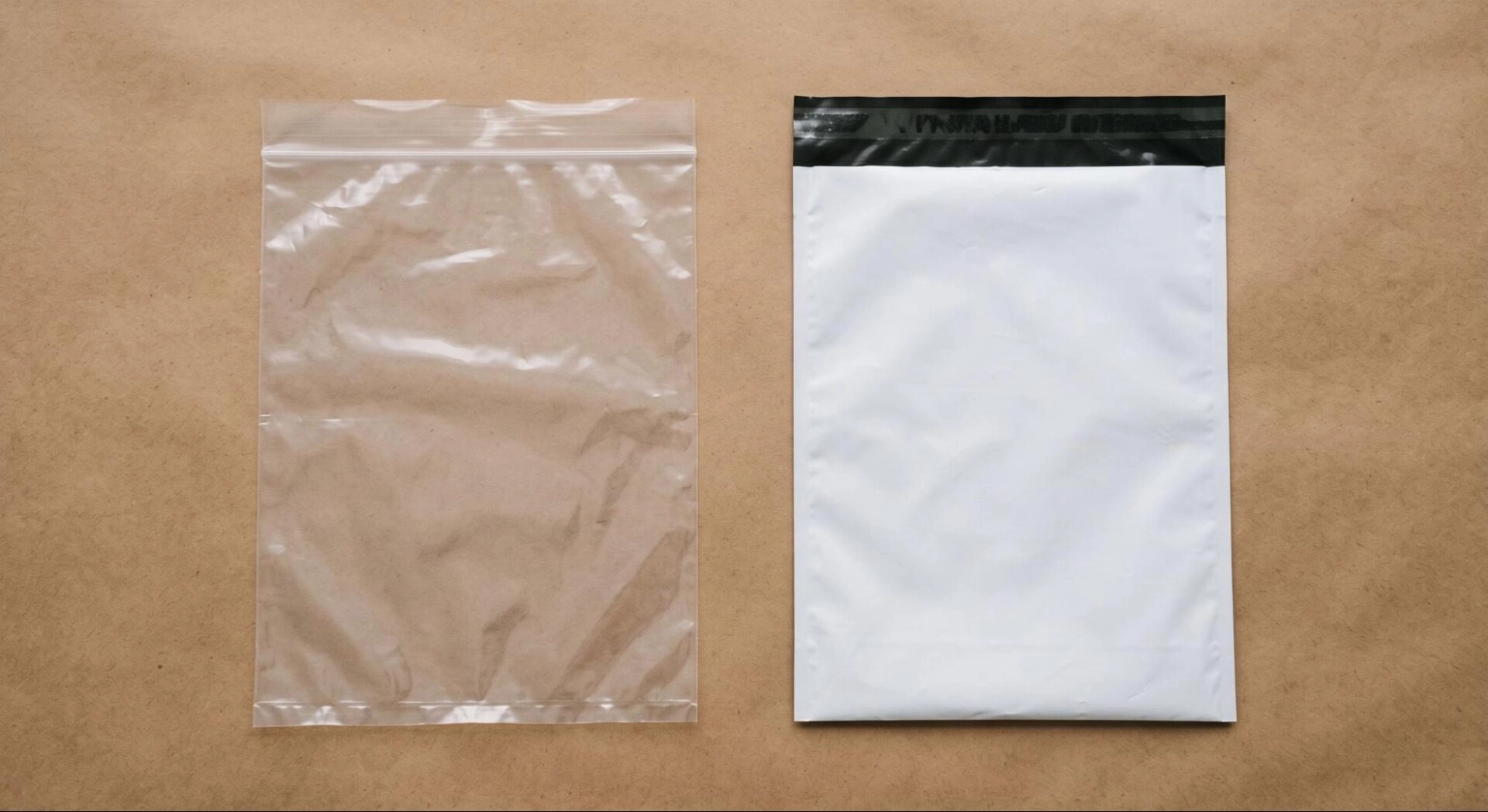
Polyethylene is a common plastic used for flexible poly bags and shipping mailers. These formats suit apparel, textiles, accessories and other soft products that do not need crush protection.
Poly mailers resist water and weigh less than most shipping boxes. Their flexible shape fits closely around products which can help reduce dimensional shipping costs. They also require little space in a packing area.
These mailers provide almost no cushioning. They are unsuitable for glassware, fragile items and products with delicate corners. Sharp items may also puncture thin material. Businesses should choose a suitable thickness and use secure closures for each order.
Glass Packaging
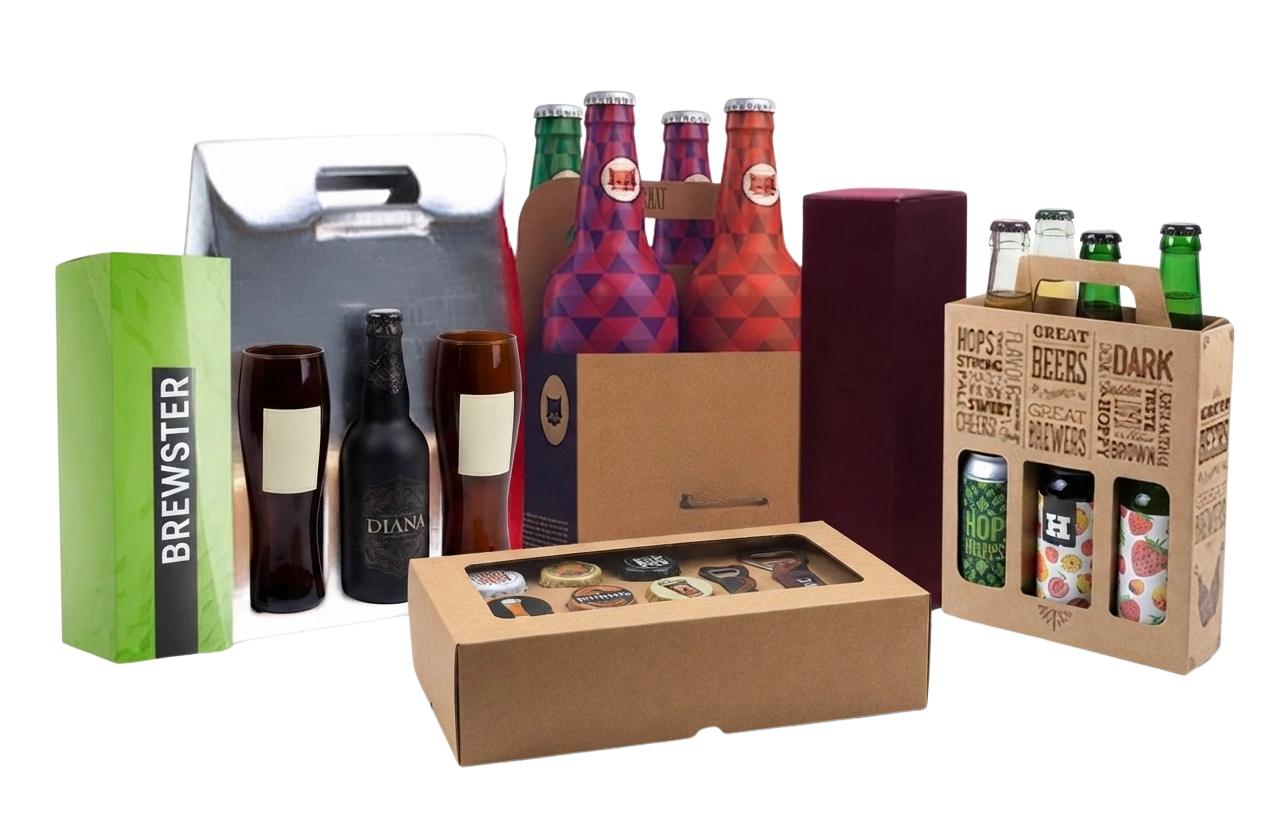
Glass bottles and jars are common in the food, beverage, cosmetic and skincare industries. The material does not easily react with many products. It also provides an airtight barrier when paired with a suitable closure.
Glass can create a clean and premium product presentation. However, it weighs more than plastic and may increase transportation costs. It can also break during shipping if the package lacks proper protection.
Glass containers need strong corrugated boxes with fitted dividers, molded inserts or enough cushioning. Each container should remain separate from other products and outer box walls. Businesses should test packages for drops, vibration, pressure and leakage before regular shipping begins.

Aluminum Packaging
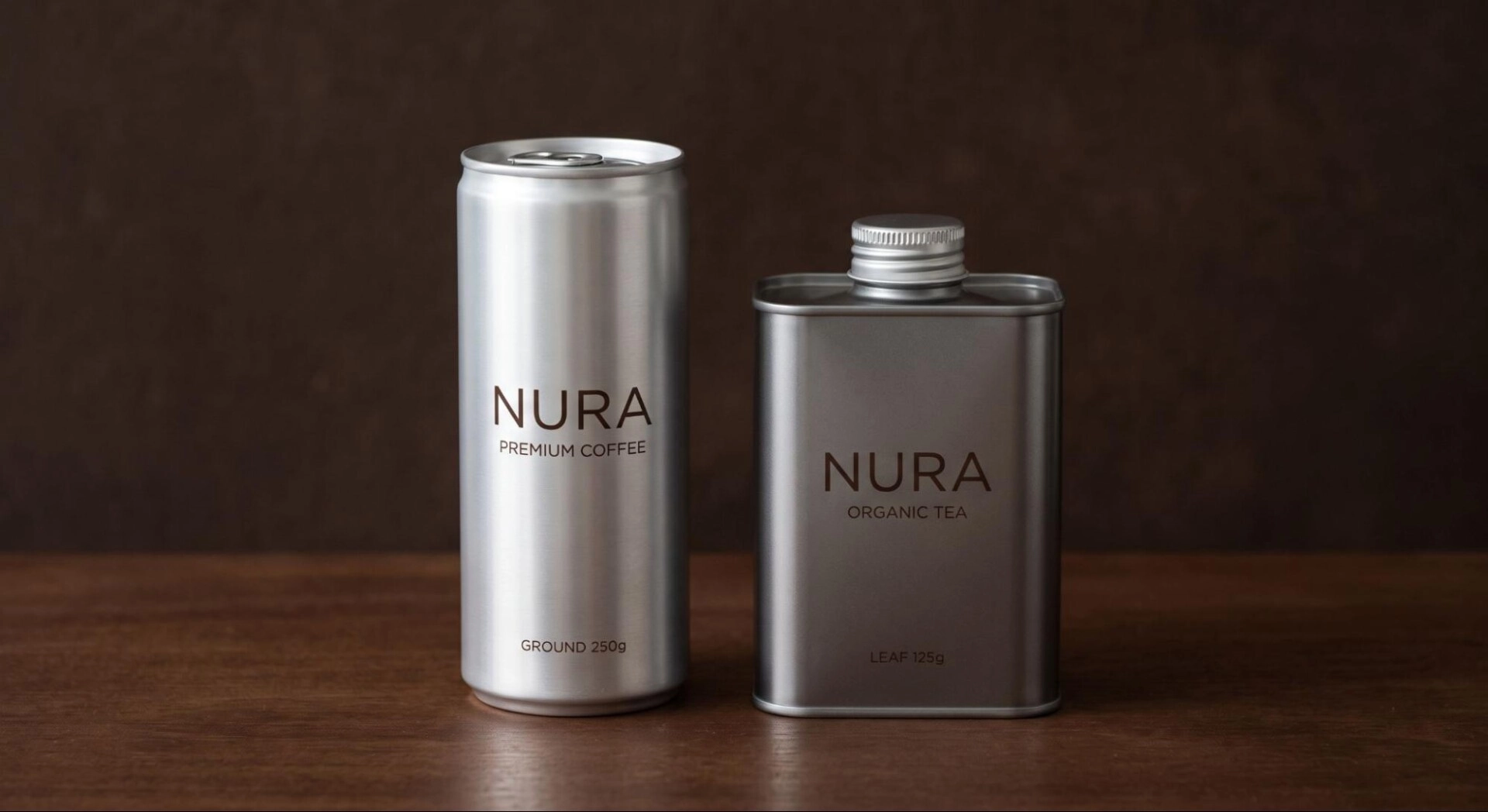
Aluminum provides a useful barrier against moisture, light and air. Common formats include food containers, beverage cans, cosmetic tins, tubes and specialty product packaging.
The material is durable and widely recyclable where collection facilities accept it. Brands can print or label aluminum containers to display product details and visual designs. It also protects many products without adding the breakage risk associated with glass.
Aluminum usually costs more than common paper materials. Containers may also dent when strong pressure reaches one area. Businesses should check product compatibility, closure quality, shipping conditions and recycling access before choosing this option.
Other Protective Packaging Materials for E-Commerce
An outer box cannot always provide complete shipping protection. Supporting packing materials keep products stable and protect them from specific risks.
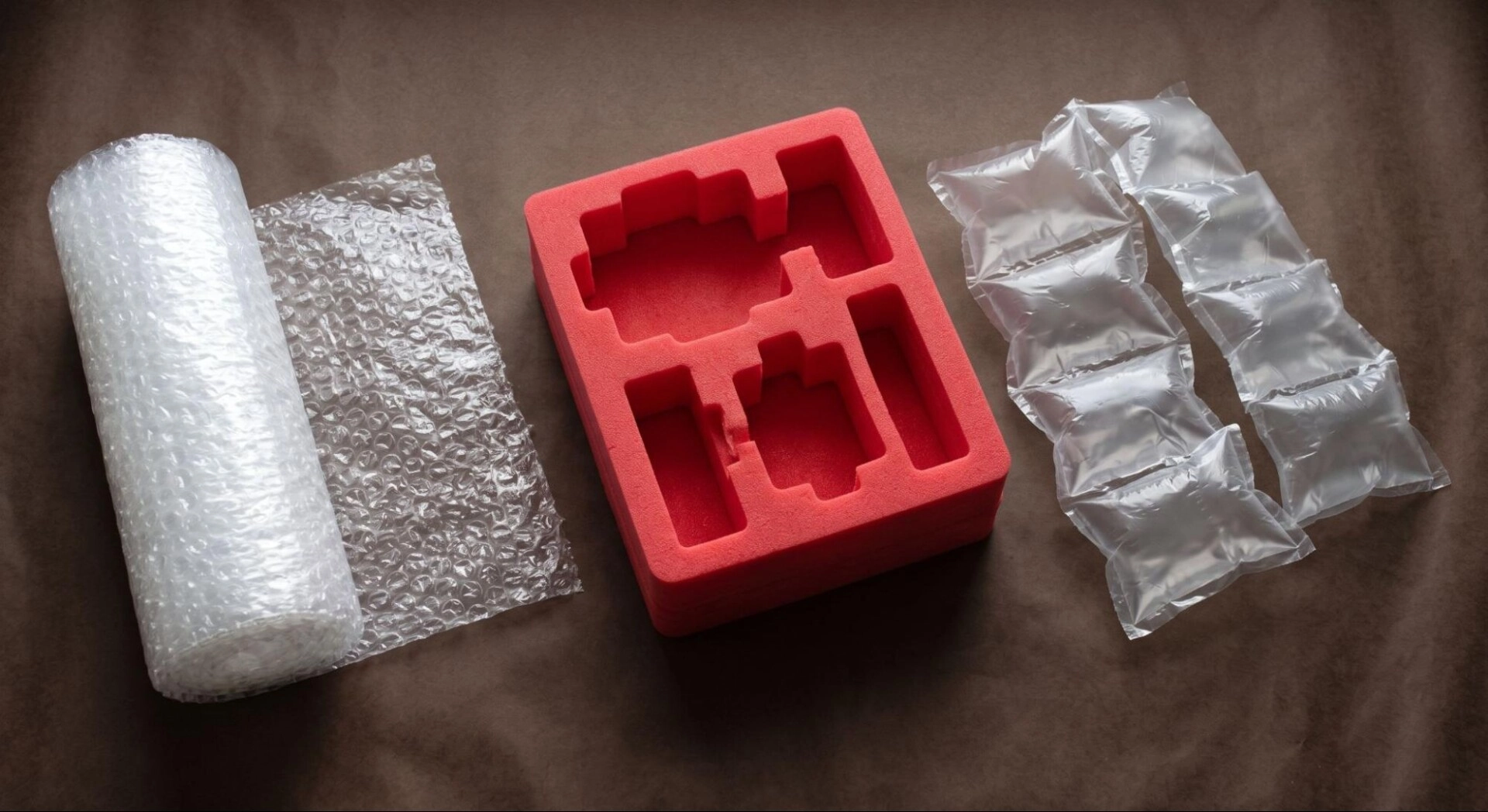
Bubble wrap cushions fragile items and absorbs light impacts. Foam inserts hold electronics, tools and glass products in fixed positions. Kraft paper fills empty space and helps stop items from shifting. Air pillows fill larger gaps without adding much package weight.
Tissue paper protects surfaces from light scratches while improving product presentation. Corrugated inserts and dividers separate products inside the same box. They can prevent contact, reduce movement and support the outer walls. Businesses should use enough cushioning to pass shipping tests without adding wasteful layers.
Best Packaging Materials for Different E-Commerce Products
The right choice depends on product weight, shape, fragility, value and exposure to moisture.
| Product Type | Recommended Materials |
| Clothing and apparel | Poly mailers, Kraft mailers or lightweight cardboard |
| Electronics | Corrugated cardboard with foam or molded fiber inserts |
| Cosmetics | Paperboard, corrugated cardboard, glass and fitted inserts |
| Jewelry | Rigid boxes, paperboard boxes and soft protective inserts |
| Food products | Kraft, coated paperboard, glass or aluminum |
| Books | Corrugated mailers or rigid document mailers |
| Fragile products | Corrugated boxes, dividers and cushioning |
| Heavy products | Double wall corrugated cardboard with strong closures |
| Small accessories | Mailer boxes, paperboard cartons or poly mailers |
How to Choose the Best Packaging Material for Your E-Commerce Business
Consider Product Fragility
Start by checking how easily the product can crack, bend, leak, scratch or lose its shape. Fragile products need cushioning and enough space between the item and outer walls. They may also need dividers or fitted inserts.
Nonfragile products such as clothing can use lighter packaging because they do not need strong impact protection. However, they may still require moisture resistance and protection from dirt.
Do not judge the box alone. Test the product, inner packaging and outer container as one complete package.
Consider Product Weight and Size
Heavy products need materials that will not tear, bend or open under pressure. Double wall corrugated boxes often provide better support for these items. Lightweight goods may only need paperboard cartons, mailers or flexible bags.
Measure each product before choosing box dimensions. An oversized box allows movement and requires more filling material. It may also increase dimensional weight charges. A very tight box can transfer outside impacts directly to the product. Leave only the space needed for suitable cushioning.
Consider Shipping and Logistics
Think about how couriers will handle, stack and store each order. A short local delivery may involve fewer risks than an international shipment. Longer routes expose packages to more handling points and changing storage conditions.
Humidity, temperature and stacking pressure can also affect material performance. Paper packaging may weaken in damp conditions while some products require barriers against heat or moisture.
Review carrier rules before selecting packaging materials for shipping. International orders may also need stronger boxes, clear labels and extra protection for longer transit times.
Consider Packaging Costs
Material price is only one part of the total packaging cost. Businesses should also consider shipping charges, storage space, packing time and expected damage rates.
A cheap box can become expensive when it requires excessive filler or causes product returns. A stronger box may cost more at first but reduce losses during shipping. Lightweight packaging can lower delivery costs when it still provides enough protection.
Flat packaging saves storage space while simple designs can reduce packing time. Compare the full cost of each packaging solution before ordering large quantities.
Consider Your Target Audience
Customers may expect practical packaging, premium presentation, easy opening or recyclable materials. The right approach depends on the product and the people buying it.
A jewelry customer may value a rigid box with a fitted insert. Someone ordering basic clothing may prefer a simple mailer that is easy to open and recycle. Older customers or people with limited hand movement may struggle with complex closures.
Packaging should protect the order without creating frustration. Clear opening instructions and simple disposal information can improve the overall customer experience.
Consider Your Brand Identity
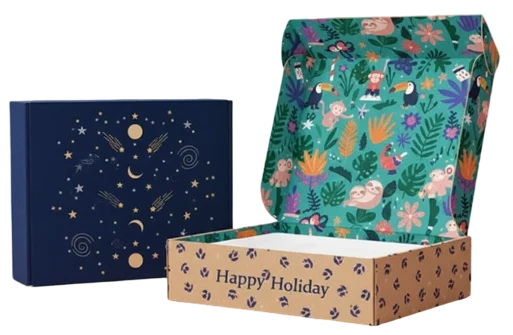
Custom packaging gives businesses space for logos, colors, instructions and brand messages. Consistent printing can connect mailer boxes, retail cartons, labels and inserts.
The design should fit the product and brand position. A practical household item may not need expensive rigid packaging. A premium gift may feel incomplete inside a plain shipping bag.
Good branding should never weaken product protection. The packaging must first arrive in good condition. A clean design and organized unboxing experience can then support brand recognition.
Consider Sustainability
Review recycled content, material weight, recyclability and local collection systems. Also check whether customers can separate the packaging parts without difficulty.
Recycled cardboard, Kraft paper, molded fiber and recyclable mailers work well for many online products. However, paper is not always the right choice. Plastic may provide better protection when moisture or leakage could damage the product.
Sustainable packaging uses the right amount of suitable material. Avoid extra layers that do not improve protection. Businesses should also avoid vague claims such as green or environmentally safe without clear proof.
Sustainable Packaging Materials for E-Commerce
Recycled corrugated cardboard offers strength and works well for shipping boxes and custom mailer boxes. Kraft paper can serve as wrapping, void fill or a lightweight mailer. Molded pulp provides fitted protection for products that might otherwise need plastic or foam inserts.
Paper mailers suit clothing, books and small items when they can survive expected weather conditions. Reusable packaging may work for returns, rental products and closed delivery systems.
The best option does not always use the least material. A weak package that causes product damage creates more waste. Choose enough material to protect the order then remove any layer that serves no clear purpose.
How to Reduce Packaging Waste and Shipping Costs
Start with a box that closely matches the product’s size. Less empty space means less filler and fewer chances for movement. Smaller packages may also reduce dimensional weight charges.
Use lightweight packing materials when they provide enough protection. Choose inserts based on actual product risks instead of adding several layers by habit. Standard box sizes can simplify inventory and improve packing speed.
Test every complete package before placing a large order. Drop tests, vibration tests and trial shipments can reveal weak corners or unnecessary materials. Record the results and adjust the packaging based on what happens during real handling.
When several mini boxes are sold together, measure the complete arrangement before designing the multipack.
| Material | Durability | Weight | Cost | Moisture Resistance | Recyclability | Printability | Best Use | E-commerce Suitability |
Corrugated cardboard |
High |
Medium |
Moderate |
Low |
High |
High |
Shipping boxes |
Excellent |
Paperboard |
Medium |
Light |
Low |
Low |
High |
Excellent |
Lightweight products |
Good with added protection |
Rigid board |
High |
Heavy |
High |
Low |
Moderate |
Excellent |
Premium products |
Good |
Molded fiber |
Medium |
Light |
Moderate |
Low |
High |
Limited |
Protective inserts |
Very good |
Kraft paper |
Medium |
Light |
Low |
Low |
High |
Good |
Mailers and wrapping |
Very good |
Plastic |
Medium |
Light |
Moderate |
High |
Varies |
Good |
Moisture sensitive products |
Very good |
Glass |
Medium |
Heavy |
High |
High |
High |
Limited |
Food and cosmetics |
Needs strong cushioning |
Aluminum |
High |
Medium |
High |
High |
High |
Good |
Food and specialty products |
Good |
Common Mistakes When Choosing Packaging Materials
Many businesses choose packaging based only on its purchase price. This approach ignores shipping costs, packing time, product damage and customer returns.
Weak materials can fail under heavy or fragile products. Oversized boxes allow movement and may increase delivery charges. Too much cushioning creates waste without always providing better protection.
Other mistakes include ignoring moisture, stacking pressure, shipping distance and recycling options. Packaging can also disappoint customers when it does not match the product’s quality or brand image.
Always test the complete package under realistic shipping conditions. Fix any weakness before ordering packaging in large quantities.
Final Thoughts: Choosing the Right Packaging Material for E-Commerce
The best packaging material is the one that matches the product and its shipping risks. Consider weight, size, fragility, moisture exposure and delivery distance before comparing design options.
Protection comes first but cost, presentation and sustainability also matter. Right sized packaging can reduce empty space, filler use and shipping expenses. Suitable printing and inserts can support brand identity without making the package difficult to open.
Order samples and test the complete packaging system before scaling production. Regular testing helps businesses adjust their packaging when products, couriers or customer needs change.
Choose Packaging That Fits Your Product
Material, structure and size should work together to protect every product through storage and delivery. Hot Custom Boxes provides custom packaging boxes based on product dimensions, shipping risks and branding needs. Available options include corrugated boxes, Kraft packaging, paperboard cartons, custom printing and protective inserts. Contact Hot Custom Boxes to discuss your product and create packaging that supports safe delivery, practical costs and a better customer experience.
Frequently Asked Questions About Packaging Materials
Corrugated cardboard is one of the most common choices. It provides strength, cushioning, printability and manageable shipping weight.
Cardboard provides better crush protection and is often easier to recycle. Plastic offers stronger moisture resistance and lower weight.
Suitable GSM depends on the material, product weight, box size and shipping conditions. Folding paperboard often ranges from 250 to 450 GSM. Corrugated board may range from 700 to 1200 GSM.
Common tests measure edge crush strength, burst strength, compression resistance, puncture resistance and drop performance. The right test depends on the material and product.
GSM measures how much material weighs per square meter. Thickness measures the distance between the two surfaces of that material. A higher GSM does not always mean greater thickness.
Barrier materials limit moisture, air, odors or light from reaching the product. Nonbarrier materials mainly provide containment, surface protection or structural support.
Packaging may undergo drop, vibration, compression, puncture and climate tests. Trial shipments can also show how the complete package performs during real delivery.