













Table of Contents
Related Products
$0.50 Original price was: $0.50.$0.10Current price is: $0.10.
In Stock
$0.50 Original price was: $0.50.$0.10Current price is: $0.10.
In Stock
$0.50 Original price was: $0.50.$0.10Current price is: $0.10.
In Stock
$0.50 Original price was: $0.50.$0.10Current price is: $0.10.
In Stock
Get A Free Quote
Mailer boxes are folding boxes used to pack and send products. Many use corrugated cardboard with an attached lid, folded sidewalls and locking tabs. Businesses use them for ecommerce orders, subscription kits, gifts and samples. Their main job is to hold products securely while giving customers a simple opening experience.
A skincare order needs room for bottles and protective inserts. A clothing order needs enough space to keep folded garments neat. A book shipment needs edge protection. The right mailer packaging starts with these practical needs.
This guide explains the different types of mailer boxes, their materials and their common uses. It also covers sizing, printing, shipping costs and testing. You will learn where a mailer works well and when another packaging format makes more sense.
What Is a Mailer Box and How Does It Work?
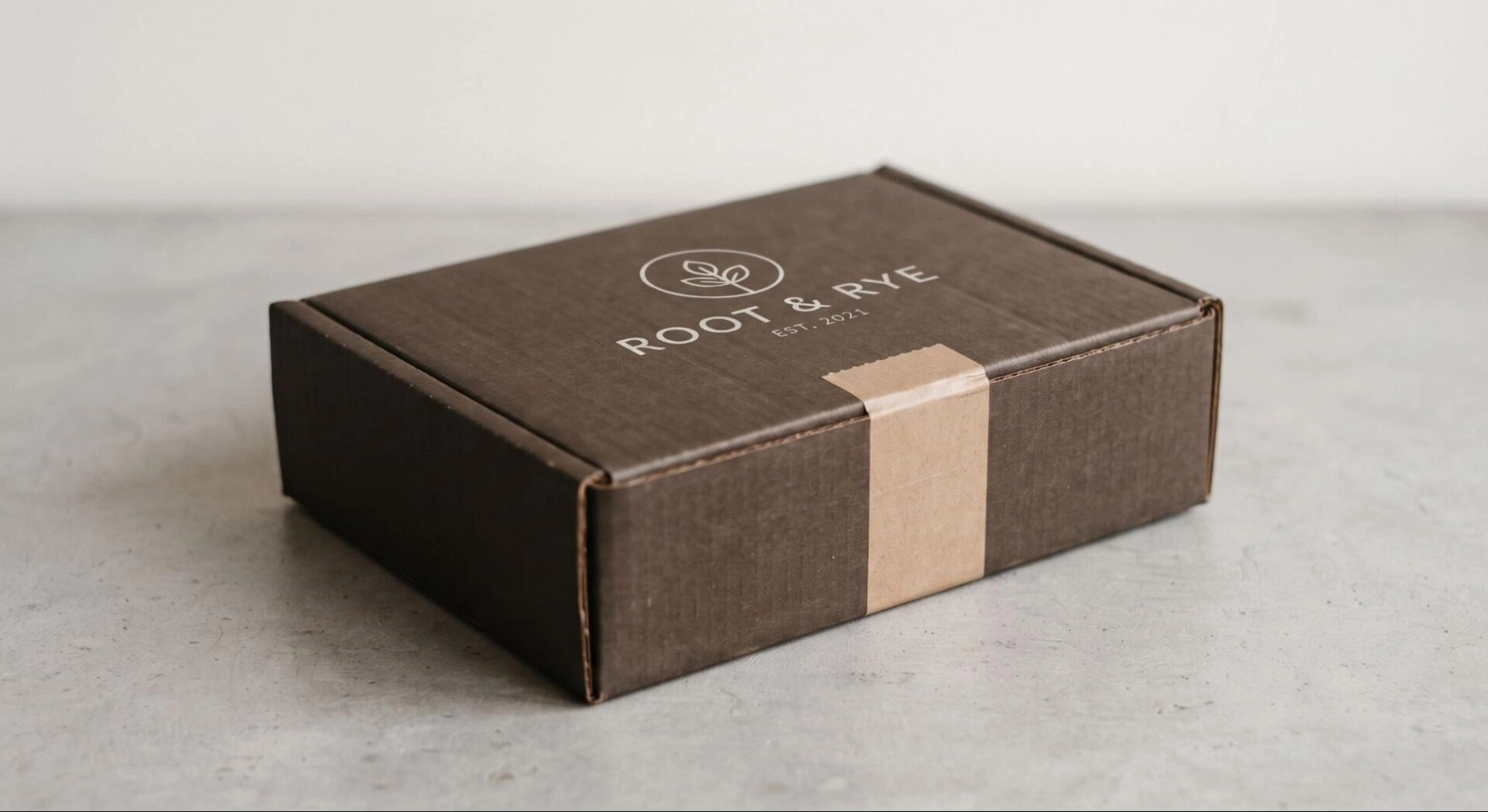
A mailer box is a packaging box made from corrugated cardboard or paperboard to protect products during shipping and delivery. It is commonly used by e-commerce businesses and retail brands.
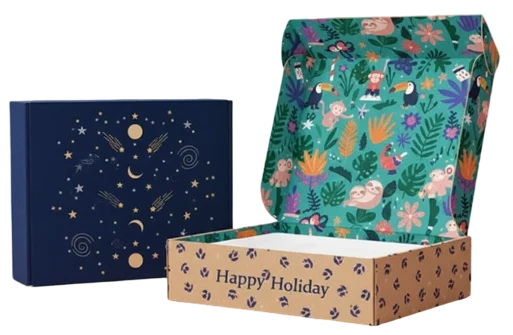
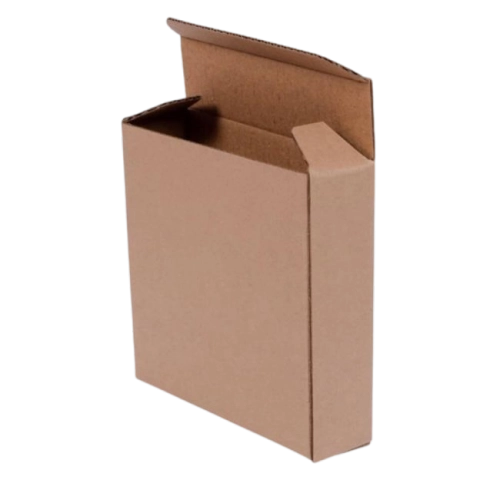
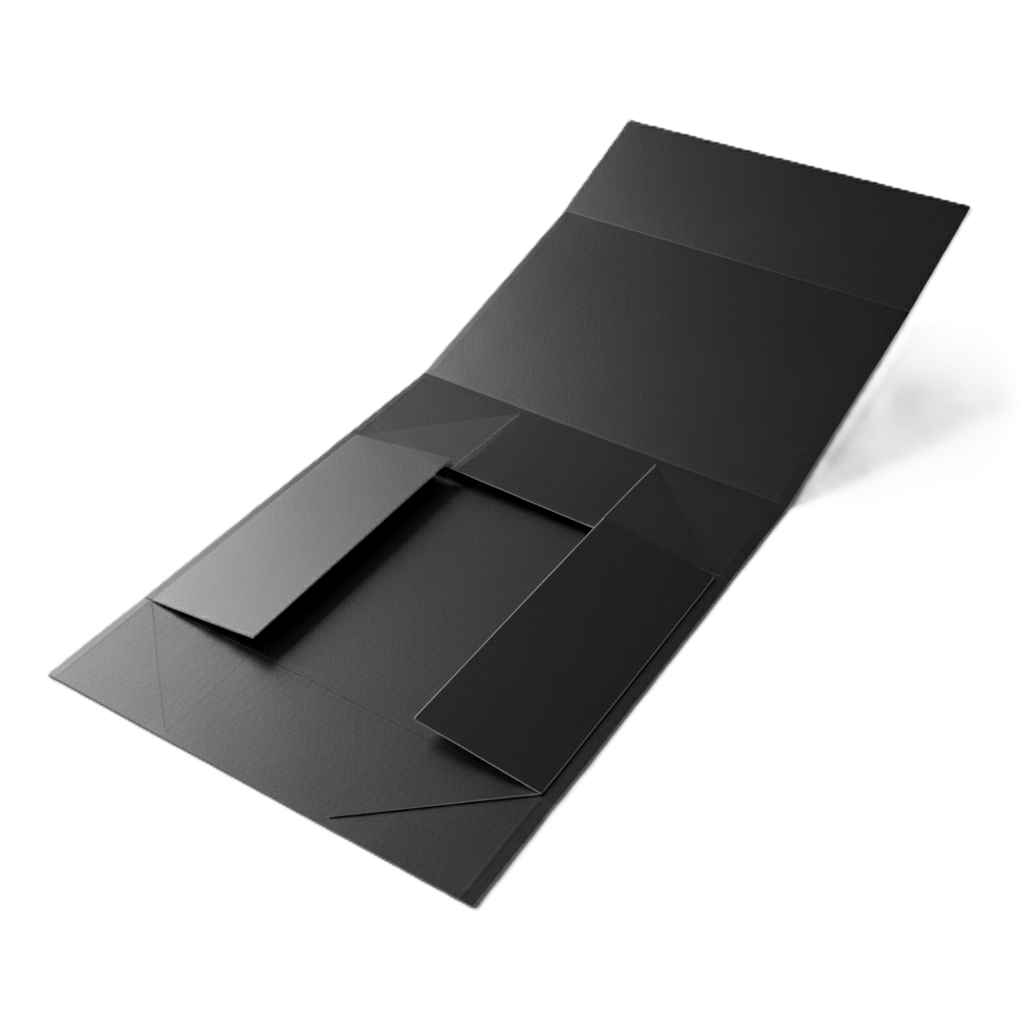
A typical corrugated mailer starts as a flat sheet cut into a specific shape. Crease lines guide the folds. The side panels fold inward to form the walls. Tabs hold the structure together and the lid closes over the opening.
Many designs need no glue during assembly. However, that does not mean every mailer can travel without a shipping seal. Tape, an adhesive strip or another closure may still be needed to keep the packed box secure.
The terms mailing boxes, postal boxes and mailer packaging boxes often describe similar products. Supplier names can vary. The actual dieline, material specification and closure tell you more than the product name alone.
For example, a small accessories brand might use a brown corrugated mailer with a printed logo. A beauty brand might choose a white printed mailer with separate cavities for three products. Both serve the same basic purpose. Their structures and interiors suit different orders.
Is a Mailer a Box or an Envelope?
The word “mailer” covers several shipping formats. A mailer box has a three dimensional box structure. A bubble mailer or poly mailer is usually a flexible envelope or bag. A rigid mailer commonly means a stiff envelope for flat contents. These formats offer different levels of shape support and cushioning.
Key Features of Mailer Boxes
Good mailer box features solve everyday packing problems. A secure lid matters when parcels move through handling systems. A consistent size matters when workers pack repeat orders. The following features explain why businesses choose this format.
Folded Walls and Locking Tabs
Many self locking mailer boxes use folded sidewalls and tabs to hold their shape. These parts create a tidy structure with an attached lid. Their performance depends on accurate cutting and scoring. Tabs that fit poorly can slow assembly or come loose when the packed box bulges.
Corrugated Construction
Corrugated board combines flat liner sheets with a fluted paper layer. The construction gives the box structure while keeping material weight manageable. It still needs the correct grade for the job. A thin mailer around an unsupported glass bottle is not a complete protective packaging system.
Flat Storage Before Assembly
Foldable mailer boxes usually arrive flat. This helps businesses store unused packaging on shelves or pallets. Workers assemble boxes as orders come in. Flat storage is especially useful for companies with several packaging sizes, although each size still adds inventory and picking complexity.
Printable Interior and Exterior
Custom printed mailer boxes can carry artwork outside and inside. The outer panels identify the brand. The inside lid can explain product use or display a short welcome message. Clear printing works best when the design leaves room for shipping labels and keeps small text away from folds.
Space for Inserts and Dividers
Mailer boxes with inserts hold products in planned positions. Dividers separate items that could strike each other. A fitted insert can also create finger access for removal. The insert must match the packed product, including its cap, retail carton or protective wrap.
Easy Access and Reclosure
An attached lid makes a mailer convenient to open and close. Tear strips and finger notches can improve access further. Reclosing a lid is different from resealing it for transport. Return shipments need a secure closure after the customer opens the original package.
Types of Mailer Boxes by Material
Materials and structures describe different things. A kraft mailer can also have a tuck top closure. A white corrugated mailer can also be a subscription box. Keeping those categories separate makes supplier comparisons much easier.
| Material or surface | What it means | Common uses | Main consideration |
|---|---|---|---|
| Corrugated cardboard | Flat liners bonded to a fluted medium | Ecommerce orders and product kits | Specify the board grade and test the packed box |
| Brown kraft faced board | A brown kraft surface over the chosen construction | Soap, apparel and natural product brands | Brown paper changes printed color appearance |
| White corrugated board | Corrugated material with a white printing surface | Beauty orders and branded deliveries | White appearance does not establish strength |
| Solid paperboard | Board without a corrugated flute | Lightweight cartons and some flat mailers | May need a separate shipping box |
| Chipboard or greyboard | Dense paper based board used in stiff formats | Document protection and presentation packaging | Thickness alone does not establish transit performance |
Corrugated Mailer Boxes
Corrugated mailer boxes suit many small and medium product shipments. They can hold apparel, boxed cosmetics or accessories with suitable internal protection. Single wall board has one fluted layer between two liners. Heavier applications may need another construction. Product weight, dimensions and handling conditions should guide that choice.
Kraft Mailer Boxes
Kraft mailer boxes have a natural brown appearance that suits simple branding. They can use corrugated construction or another paper based format. The word “kraft” does not specify a box’s load capacity or recycled content. It describes a material or surface characteristic that needs further specification.
White Mailer Boxes
White mailer boxes provide a light background for logos, illustrations and product photography. Brands often choose them when color clarity matters. Suppliers may offer a white exterior with a brown interior or white surfaces on both sides. The quoted specification should make that difference clear.
Cardboard and Paperboard Mailers
“Cardboard mailer boxes” is a broad search term. It can refer to corrugated boxes or solid board packaging. Paperboard mailers can suit light contents and flat products, but construction varies considerably. A printed folding carton for retail display should not automatically replace a tested parcel shipping box.
Rigid Presentation Boxes
Rigid boxes use thick board to create a firm presentation structure. They work well for luxury gift sets and premium product launches. Some suppliers call them rigid mailer boxes. Many still need a protective outer carton for delivery. Their decorative surface and closure should not carry the full transit burden by default.
Mailer Box Styles and Closure Options
The best mailer box style fits the product and the packing process. Some styles prioritize fast assembly. Others focus on returns or presentation. Supplier terminology can overlap, so a physical sample or clear dieline helps define the exact structure.
Standard Hinged Lid Mailers
Standard mailers use an attached lid and folding body. The lid opens from one side while remaining connected to the back. This format gives customers a clear view of the contents. It suits everyday direct to consumer orders where a simple box and organized interior are enough.
Roll End Tuck Top Mailer Boxes
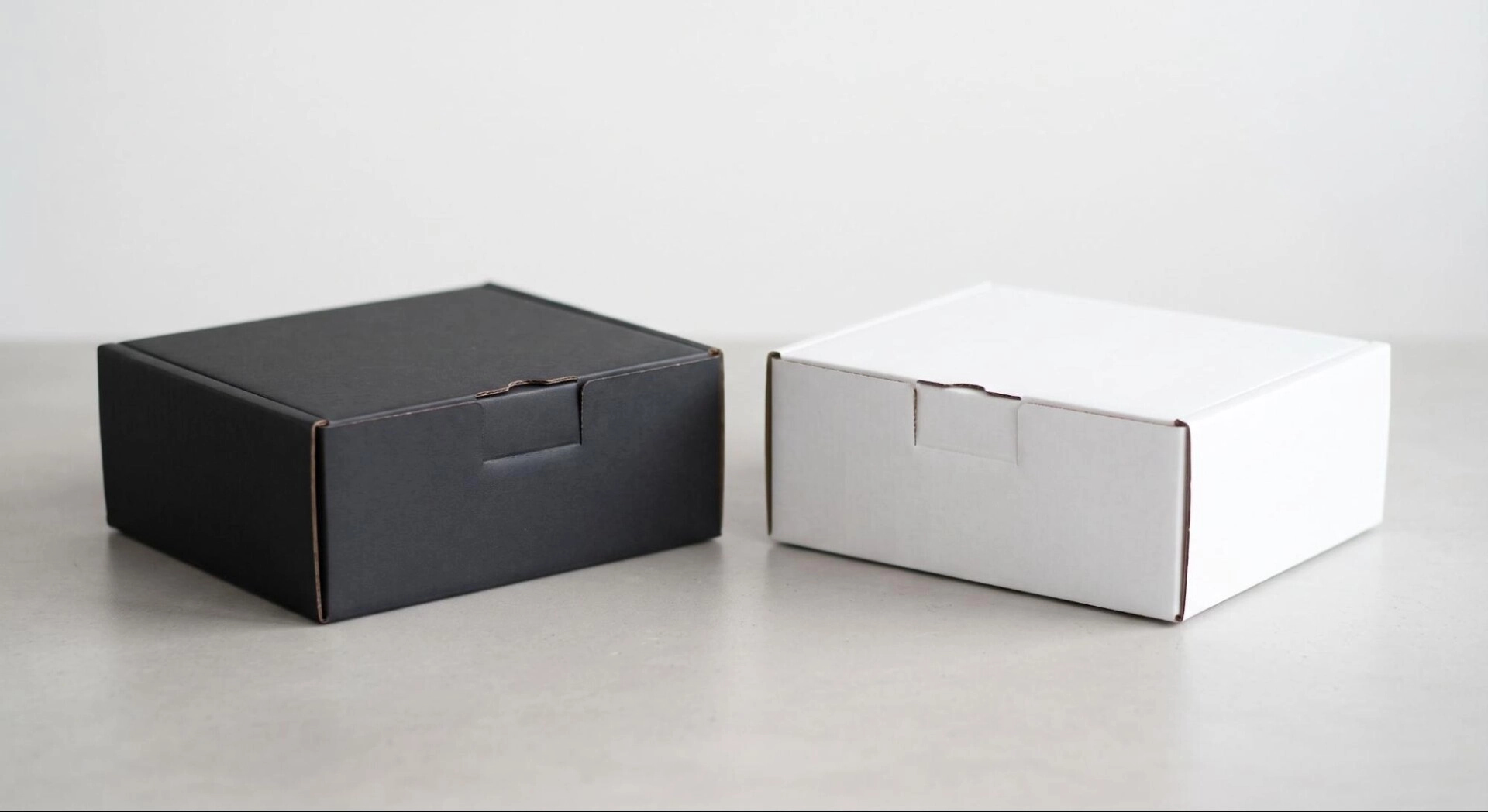
Roll end tuck top boxes, often called RETT mailers, use folded end panels and a tuck closure. They are common in branded delivery packaging. The folded walls can help support the box shape. Final fit depends on the chosen board thickness and how the manufacturer designs the locking details.
Roll End Front Tuck Mailer Boxes
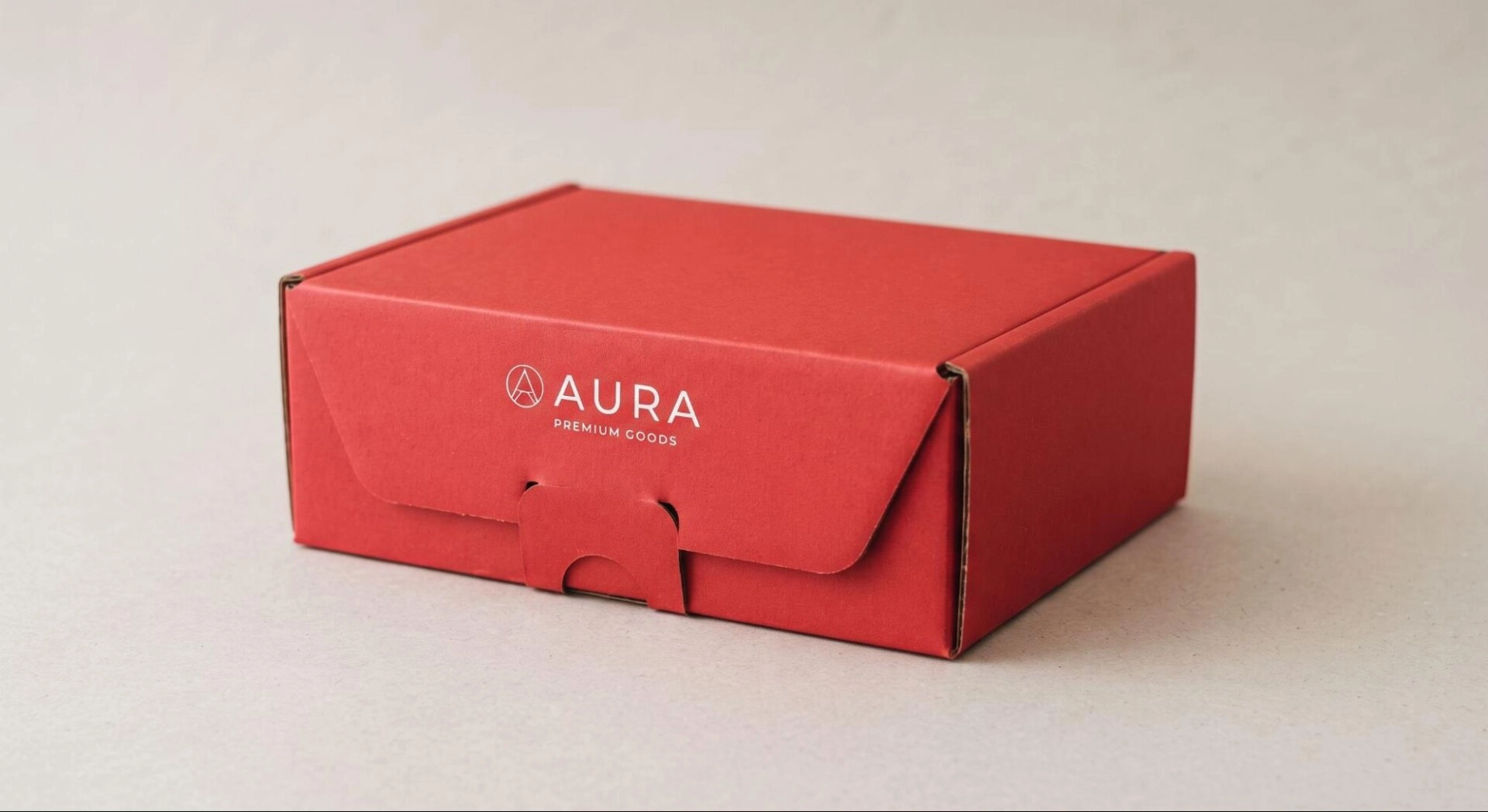
Roll end front tuck boxes, or REFT mailers, close with a front tuck arrangement. They offer convenient top access for packing and opening. Names such as RETT and REFT are not always used consistently across suppliers. Compare the actual flap arrangement when requesting quotes for the same style.
Tab Lock Mailer Boxes
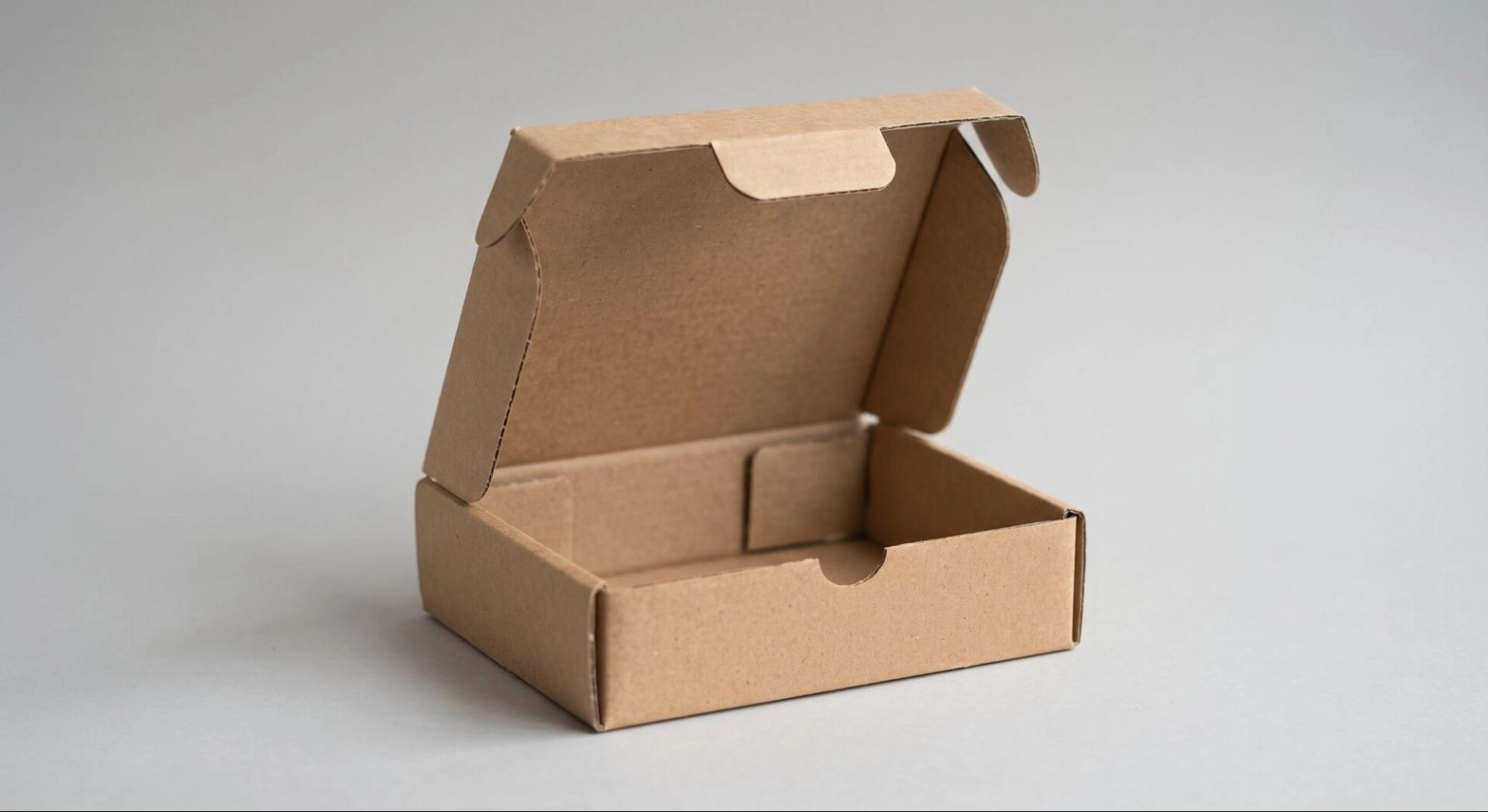
Tab lock mailer boxes use tabs that engage with slots in the body. The design helps hold the lid or walls in place. It can suit accessories, stationery and small product sets. A tab closure is not automatically tamper evident. Add a suitable seal when visible opening evidence matters.
Peel and Seal Mailers
Tab lock mailer boxes use tabs that engage with slots in the body. The design helps hold the lid or walls in place. It can suit accessories, stationery and small product sets. A tab closure is not automatically tamper evident. Add a suitable seal when visible opening evidence matters.
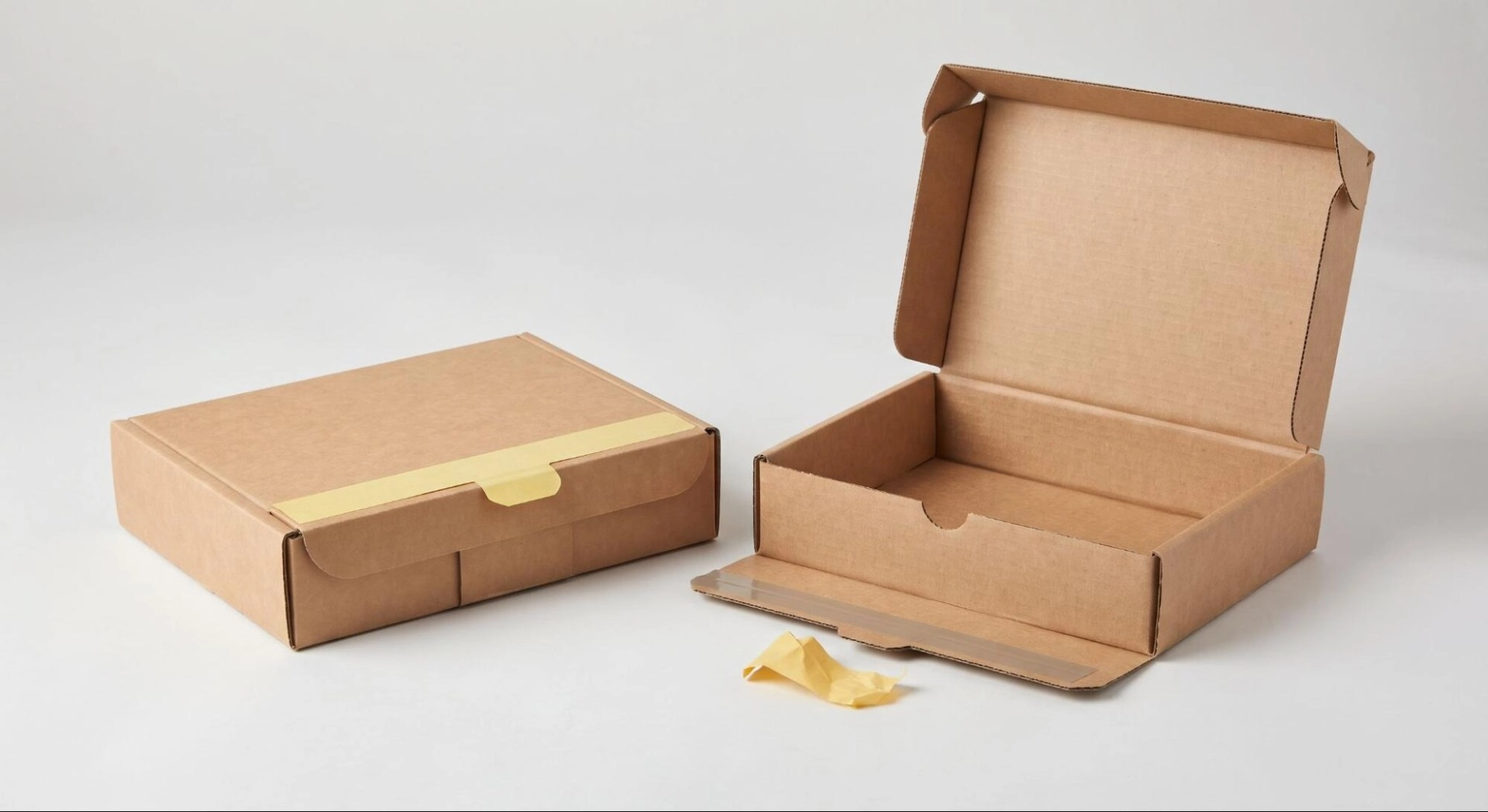
Peel and seal mailer boxes include an adhesive strip under a removable liner. Workers remove the liner and press the closure shut. This can simplify packing for repeated orders. Adhesive performance still depends on the surface, storage conditions and application. The packed sample should close cleanly without forcing the panels together.
Return Ready Mailer Boxes
Return ready packaging may include two adhesive strips and a tear strip. One seal supports the outbound shipment. The customer opens the package and uses the second seal for a return. The structure must retain enough strength after opening. A second adhesive strip cannot repair a badly damaged box.
Flat and Book Wrap Mailers
Flat mailer boxes suit shallow products such as books, notebooks and print collections. Book wrap mailers fold around the contents and may offer adjustable depth. Their edges should protect corners and restrict movement. A stiff envelope can suit some documents, but valuable prints may need more substantial support.
Collapsible and Folding Mailers
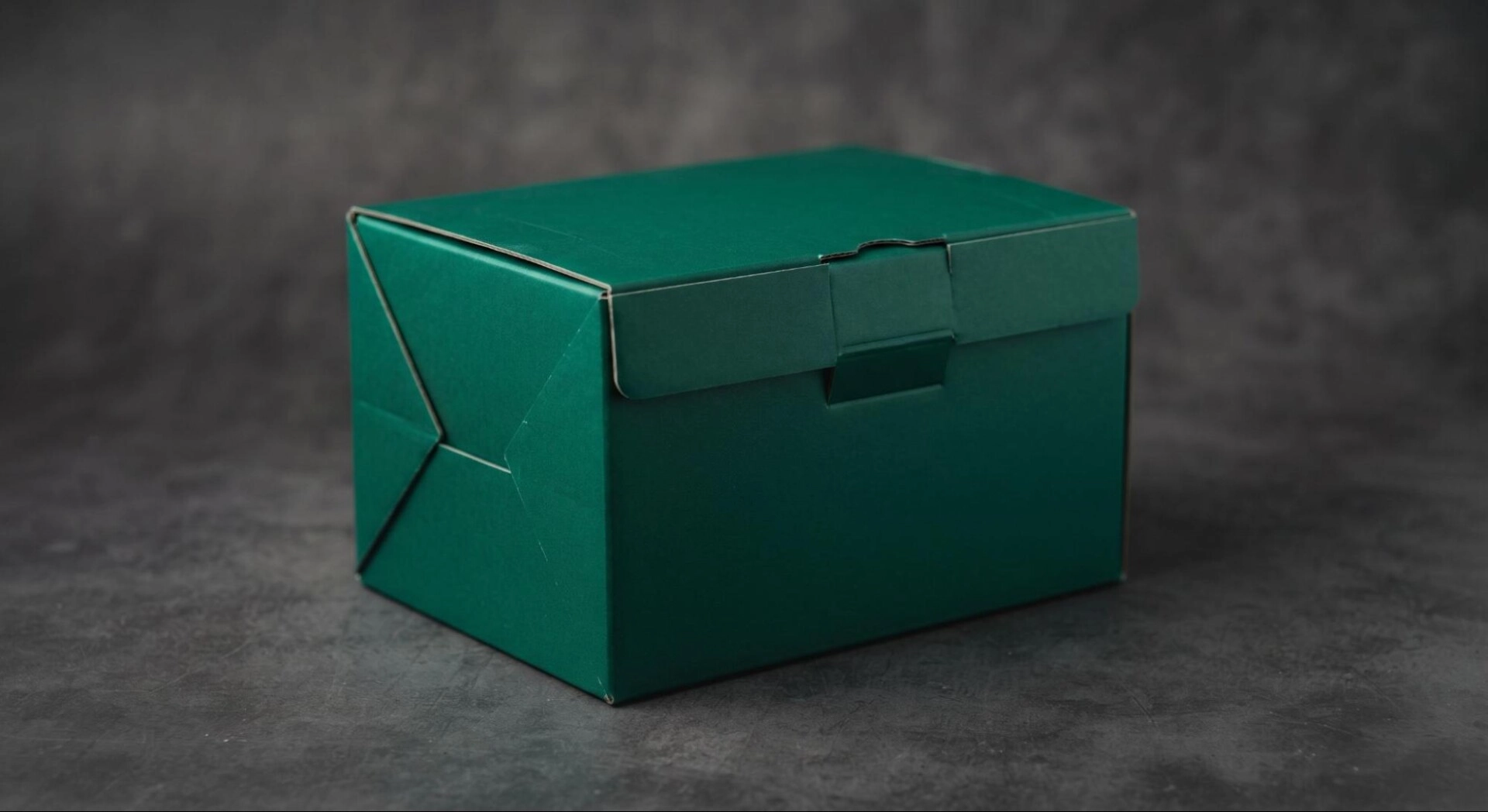
Most corrugated mailers fold flat before use. Collapsible rigid boxes are another format with their own assembly details. Both can reduce empty storage volume compared with fully assembled boxes. Assembly time, adhesive parts and stacking performance still vary. The word “collapsible” describes storage behavior rather than a strength rating.
Magnetic Closure Mailer Boxes
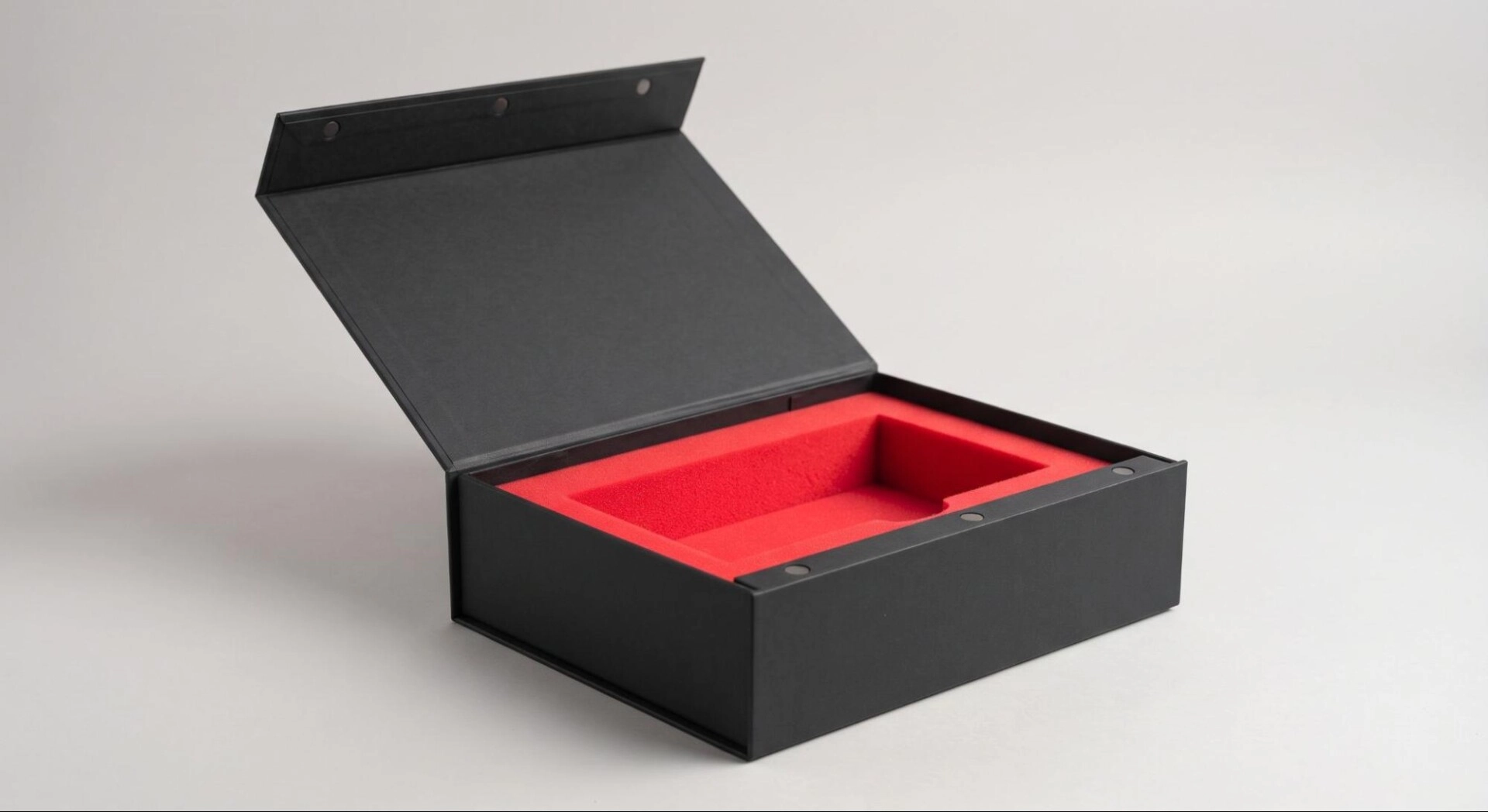
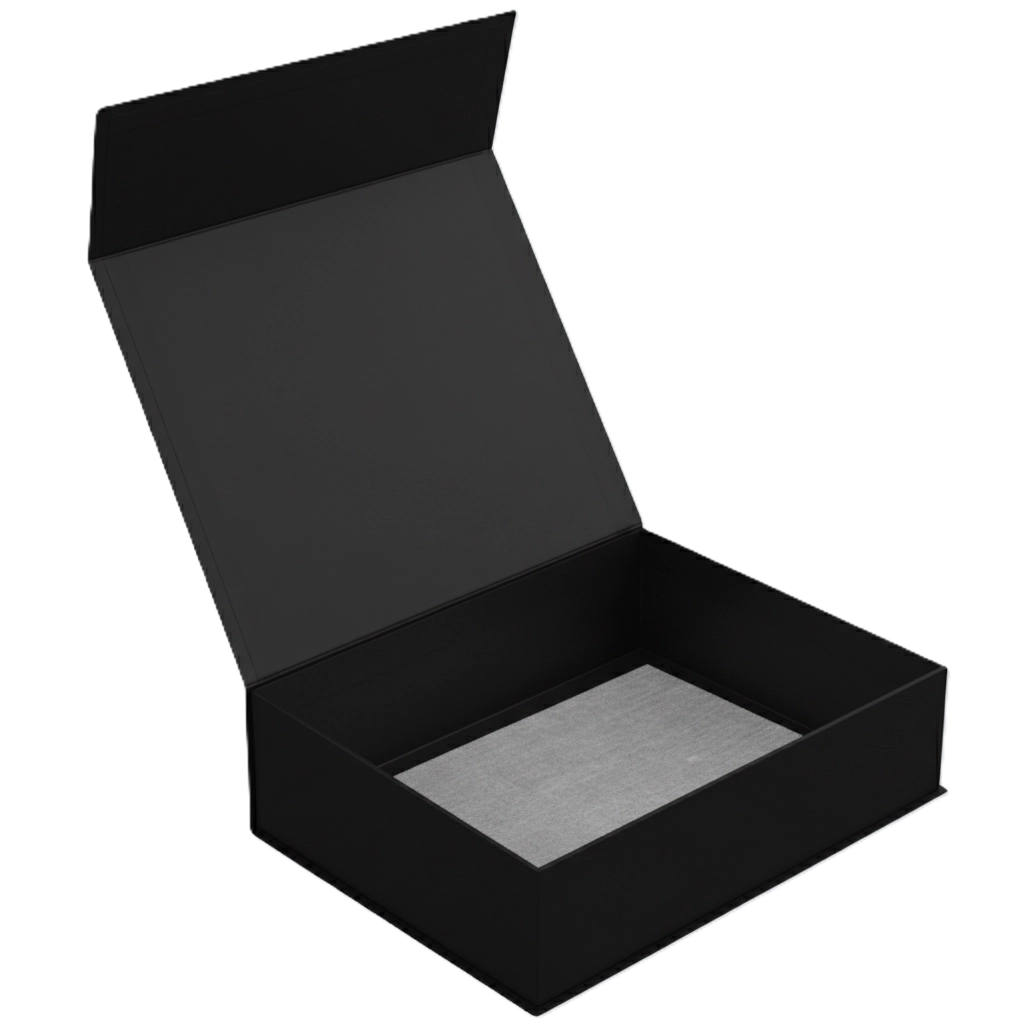
Magnetic closure boxes use concealed magnets to hold a presentation flap shut. Brands use them for luxury packaging and gift delivery. The magnets create a convenient opening action, but they do not establish parcel security. A shipping carton or another tested protective arrangement may still be necessary.
Two Piece and Sleeve Styles
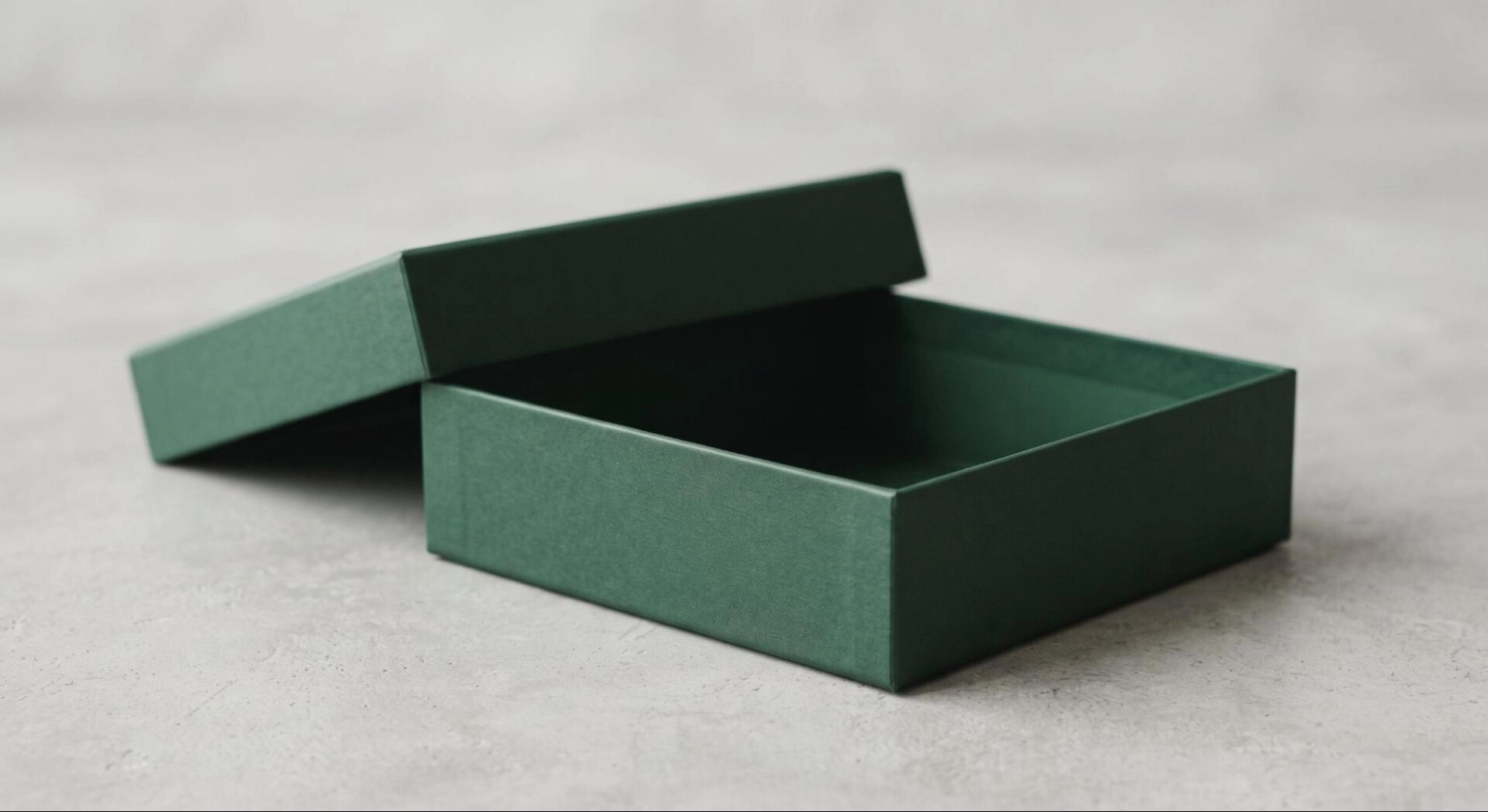
A two piece box has a separate base and lid. A sleeve style uses an outer sleeve around a tray or inner box. These structures can create a layered gift opening experience. They need suitable retention for shipping because loose lids and sliding parts can move during handling.
Window and Display Mailer Boxes
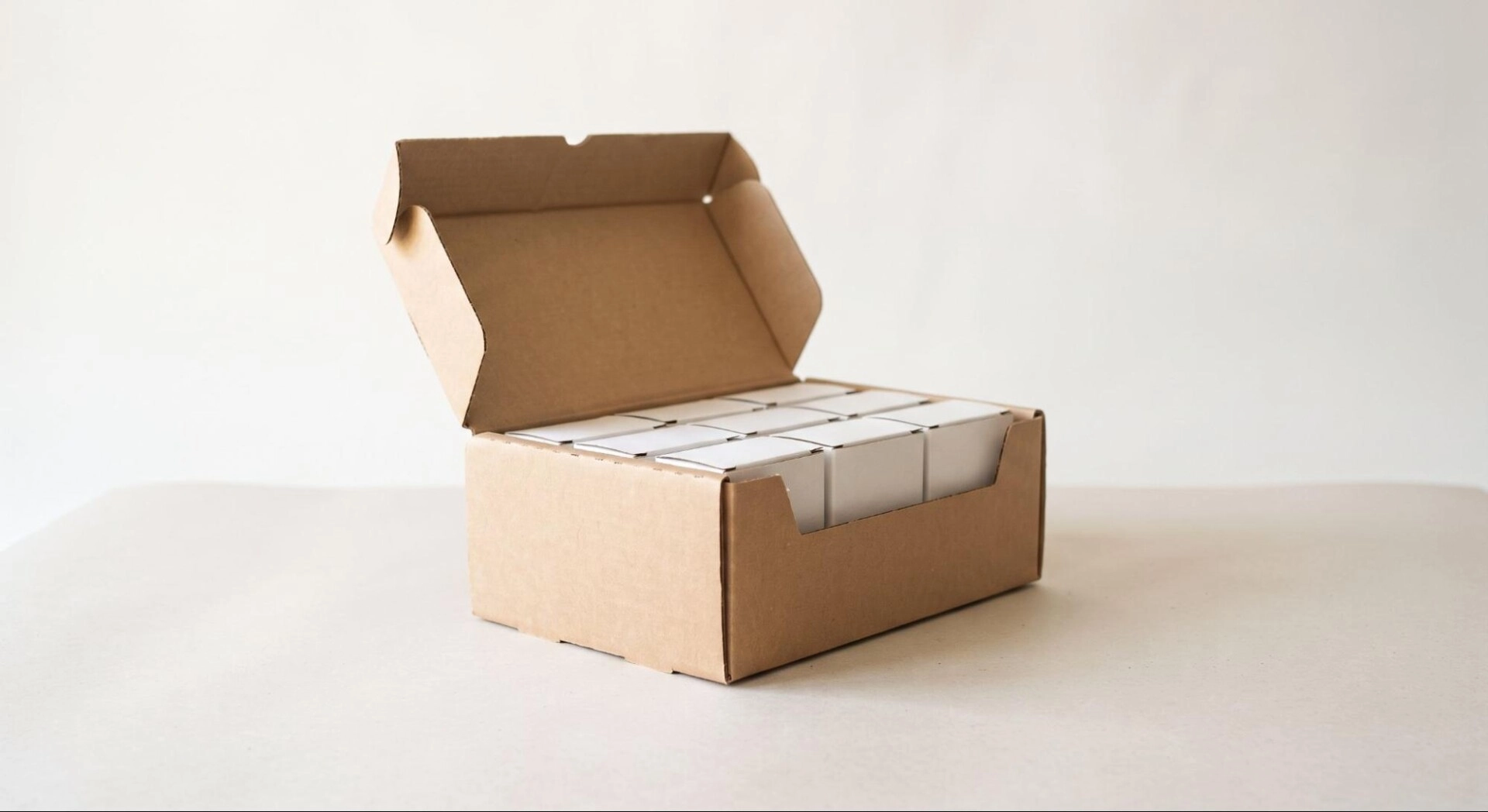
Window mailer boxes reveal part of the product through a cutout, sometimes covered with film. Display mailers can convert into a tray or countertop presentation. These features suit selected retail programs. Windows and perforations remove supporting material, so the design needs testing in both shipping and display configurations.
Other Types of Mailers and Protective Wraps
Mailer bags, envelopes and cushioning materials also appear in packaging searches. They serve useful roles, but they should not be treated as interchangeable with boxes. Match the format to the risk of crushing, bending, scratching and moisture exposure.
| Format | What it provides | Suitable example | Main limitation |
|---|---|---|---|
| Bubble mailer | An envelope with an air bubble lining | A small durable accessory | Limited resistance to crushing |
| Paper padded mailer | An envelope with paper based cushioning | Selected lightweight goods | Performance varies with filling and construction |
| Poly mailer | A lightweight plastic shipping bag | A folded garment in suitable inner packaging | Little structural support |
| Rigid mailer envelope | Stiff panels for bend resistance | Documents and some photographs | Limited depth and cushioning |
| Gusseted mailer | Expandable sides or base | Bulkier soft goods | Extra capacity does not establish strength |
| Bubble or foam wrap | Cushioning or surface separation inside packaging | Protection between suitable items | Does not replace an outer shipping container |
Bubble mailers are one type of padded mailer. Other padded formats use paper fibers or different cushioning materials. A “padded mailer box” usually means a box with a protective lining or insert. Ask what the padding contains and how much protection the complete package provides.
For fragile products, the goal is controlled movement and suitable cushioning. Wrapping a ceramic mug loosely and placing it in a large box leaves several problems unresolved. The mug still needs support, separation from the walls and a closure that survives handling.
Mailer Boxes vs. Shipping Boxes
A mailer box is one type of shipping packaging. In common supplier language, “mailer box” often means a folding box with an attached lid. “Shipping box” often means a regular slotted carton sealed with tape. These terms describe common formats rather than separate levels of guaranteed protection.
| Feature | Typical folding mailer | Typical regular slotted container |
|---|---|---|
| Opening | Attached lid with tuck or locking details | Top flaps opened after removing the seal |
| Assembly | Folded walls and tabs | Formed body with bottom flaps to seal |
| Common role | Individual customer orders and kits | Larger orders, bulk packs and outer cartons |
| Branding | Interior and exterior artwork options | Exterior printing and labels are common |
| Shipping seal | May need tape or adhesive closure | Usually uses tape or another flap seal |
| Protection | Depends on board, fit and internal packaging | Depends on board, fit and internal packaging |
A regular slotted container, or RSC, has flaps that meet at the center when correctly designed and closed. It does not require every panel to have the same dimensions. This familiar carton can be a better fit for bulky products or multiple retail packs.
Neither format is always cheaper or stronger. A carefully specified mailer can outperform a poorly selected shipping carton. A larger carton with suitable cushioning may protect a fragile item better than a tight decorative mailer.
Common Uses of Mailer Boxes
Mailer packaging supports many industries because businesses can adapt its size and interior. The product still sets the requirements. A clothing shipment, food order and electronics kit need different packaging decisions even when their outer boxes look similar.
Ecommerce and Direct to Consumer Orders
Ecommerce mailer boxes help online stores pack individual orders in a consistent format. They suit accessories, personal care items and many boxed consumer products. A small range of sizes can support several order combinations. This helps workers choose suitable packaging without keeping a separate box for every product.
Subscription Boxes
Subscription boxes carry recurring selections such as beauty samples, craft supplies or pet accessories. The outer artwork can stay consistent while the interior changes. Inserts need enough flexibility for future product selections. A fixed cavity designed for one month’s contents may not suit the next shipment.
Cosmetics and Skincare
Cosmetic mailer boxes often hold bottles, jars and retail cartons together. Dividers can stop hard containers from touching. Protective bags or other containment can help manage leaks where appropriate. A fitted layout should protect closures and allow the customer to lift each item out without pulling on a cap.
Apparel and Fashion Accessories
Apparel mailer boxes can keep folded shirts, scarves and curated clothing sets organized. Tissue paper adds surface separation and presentation. The box should fit the folded arrangement without pressing the lid upward. A poly mailer may suit some soft goods when a structured opening experience is unnecessary.
Jewelry and Gift Sets
Jewelry mailer boxes can carry a small retail jewelry box or fitted presentation insert. Secure retention helps stop delicate pieces from shifting or tangling. Discreet outer artwork may suit valuable orders. Decorative packaging still needs protection against movement and the handling conditions of its shipping route.
Books, Stationery and Printed Materials
Book mailers and shallow postal boxes suit notebooks, journals and stationery collections. Edge protection matters because book corners can show damage quickly. Flat documents may need backing boards or a rigid envelope. Rolled posters can be better suited to a mailing tube or another purpose built format.
Electronics and Tech Accessories
Electronics mailer boxes can organize cables, accessories and boxed devices. Sensitive products may need purpose designed cushioning or electrostatic protective packaging. Ordinary paperboard does not establish electrostatic protection. Battery powered goods can also involve separate carrier requirements that the box design alone does not address.
Food, Bakery and Gourmet Gifts
Food mailer boxes can hold sealed cookie packs, wrapped confectionery and shelf stable gift selections. The outer box does not automatically provide food contact suitability. Inner packaging should match the food and its intended use. Products sensitive to temperature or moisture need a complete distribution plan beyond a printed carton.
PR Kits, Samples and Corporate Gifts
PR boxes present product launches, press samples and welcome kits in a planned sequence. Corporate gift mailers can combine several branded items. The arrangement should balance presentation with transit protection. Heavy products need support so they cannot move into lighter items during delivery.
Benefits of Using Custom Mailer Packaging
The main benefits come from a good match between the order and the package. Printing alone cannot solve poor fit. A useful design supports protection, packing speed and customer access together.
More organized deliveries. A planned layout gives each item a clear position. Customers can see the contents easily and workers can spot missing components during packing. This is especially useful for kits with several small parts.
Consistent brand presentation. Mailer boxes with logos give orders a recognizable appearance. Interior instructions can help customers use or care for the product. These details support communication, although they do not guarantee reviews, repeat purchases or social shares.
Potential savings from better fit. A suitable box may reduce unused space and the need for filler. That can influence storage, material use and shipping charges. Savings depend on the complete packed dimensions and the carrier’s pricing rules.
Simpler repeat packing. Consistent fold lines, inserts and product positions make the packing process easier to repeat. This matters when several people fulfill the same order type. The sample should work reliably at the packing bench before a large production run.
Also Read: 17 Creative Mailer Box Design Ideas
How to Choose the Right Mailer Box Size
Measure the fully packed product arrangement and specify usable internal dimensions. Include retail cartons, inserts and protective materials. Then compare the closed package’s external dimensions with shipping requirements. Internal and external measurements serve different purposes.
Start by arranging the actual products as they will ship. Measure the length, width and height of that arrangement. Add the clearance needed for protection and removal. The correct allowance depends on the product, so a universal extra inch is not a reliable sizing rule.
Example Mailer Box Dimensions
The following sizes are planning examples in inches. They are not universal standards or guaranteed product fits. Products in the same category can vary substantially. A physical sample should establish the final dimensions.
| Example internal size, L × W × H | Possible use | Fit consideration |
|---|---|---|
| 4 × 3 × 2 inches | A small accessory or sample pack | Allow space for its insert or pouch |
| 6 × 4 × 3 inches | Several small boxed products | Separate hard containers where needed |
| 8 × 6 × 3 inches | Stationery or a compact gift kit | Include the full packed arrangement |
| 10 × 8 × 4 inches | A folded garment or mixed product set | Avoid unused height above the contents |
| 12 × 9 × 4 inches | A larger apparel order or subscription kit | Support contents across the wider base |
Custom sizes are also available. A custom footprint can help when stock sizes leave too much empty space. However, a slightly larger stock box may cost less overall if it avoids tooling or reduces inventory complexity.
Internal Dimensions vs. External Dimensions
Internal dimensions describe the usable space inside the assembled box. External dimensions describe the closed package outside. Board thickness, folded walls and lid construction create a difference between them. Use internal dimensions for product fit and final outside measurements for shipping calculations.
How Mailer Box Size Affects Shipping Costs
Shipping charges can reflect the space a package occupies as well as its actual weight. This makes unnecessary box volume expensive on some services. Reducing height may matter more than reducing the weight of the printed board.
UPS gives the dimensional weight formula as length × width × height ÷ divisor. Its published guide lists a divisor of 139 for Daily Rates and 166 for Retail Rates. The applicable rate type, service and current carrier instructions determine the calculation. UPS dimensions and weight guide.
Here is an illustrative comparison using outside dimensions and a divisor of 139:
| Packed box | Volume | Calculated dimensional weight | Rounded dimensional weight |
|---|---|---|---|
| 12 × 10 × 6 inches | 720 cubic inches | 720 ÷ 139 = 5.18 lb | 6 lb |
| 10 × 8 × 4 inches | 320 cubic inches | 320 ÷ 139 = 2.30 lb | 3 lb |
The smaller package occupies about 55.6% less volume in this example. This does not mean the shipping price falls by 55.6%. Actual weight, destination, service and additional charges still affect the final bill.
This example also assumes both packages protect the same order adequately. Removing essential cushioning to reach a lower dimensional weight can increase damage costs. Compare the full delivery cost rather than the parcel rate alone.
Printing and Finishing Options for Mailer Boxes
Mailer box printing should suit the board surface, order volume and artwork. A simple logo can work well on brown kraft. Detailed illustrations may need a smoother white surface. A production sample helps show how the chosen combination looks in practice.
| Printing method | Typical role | Planning consideration |
|---|---|---|
| Digital printing | Short runs, variable artwork and multiple designs | Compare color, coverage and unit cost |
| Flexographic printing | Repeat production and suitable corrugated graphics | Plates and artwork complexity affect setup |
| Offset lithographic printing | Detailed graphics, often through a printed liner | Additional production stages affect cost |
| Screen printing | Selected bold designs and specialty applications | Suitability depends on the surface and design |
CMYK printing produces full color images through four process inks. Spot colors can support selected brand color requirements when the production method allows them. Neither approach guarantees identical appearance on every paper surface. Brown kraft and white coated stock can produce noticeably different results.
Matte and gloss finishes change surface appearance. Soft touch treatments create a different feel. Spot UV, foil stamping, embossing and debossing can highlight selected artwork. Availability depends on the substrate and production method. Some decorative treatments are better applied to a separate printed wrap or liner.
Protective coatings can help manage scuffing or limited exposure, but they do not automatically make a mailer waterproof. Film laminations and mixed material additions can also affect recycling options. Choose finishes around a clear purpose rather than adding every available treatment.
Designing a Useful Unboxing Experience
Plan the order in which the customer sees and removes the contents. Put short instructions where they are easy to read. Keep promotional cards from covering important handling information. The customer should be able to open the package and remove the product without tearing apart its presentation.
Inserts, Cushioning and Protective Add Ons
The outer box and its interior work as one system. A strong box with a loose product can still fail. A suitable insert controls movement while cushioning manages impact. Some orders need both functions.
Corrugated inserts can support boxed products or create compartments. Paperboard inserts often organize lighter items. Molded pulp can provide shaped support for selected applications. Foam may suit products with particular cushioning needs. Each option needs an appropriate design rather than selection by material name alone.
Paper wrap, tissue and foam sheets can reduce surface contact. Bubble wrap can provide cushioning where suitable. Loose fill can occupy space, but it may shift and leave heavier items poorly supported. Dividers should extend far enough to stop neighboring products from striking each other.
For example, a two candle gift set needs separation between the jars. It also needs support below and around them. A thin decorative divider may keep the layout neat while offering little impact protection. Testing reveals whether the complete arrangement performs adequately.
Finger notches and ribbon pulls can help customers remove fitted products. Handles can help carry selected packs, but their cutouts change the structure. Window films, ribbons and other additions also create material separation questions at disposal.
How Are Mailer Boxes Made?
Manufacturing starts with the product requirements. The supplier selects a structure and board specification, then creates a dieline. This drawing identifies cutting lines, crease lines and panel positions. It also shows where the artwork sits after assembly.
The board is printed directly or combined with a printed sheet, depending on the process. Cutting equipment forms the blank and its slots. Scoring creates controlled folding points. Further operations may add adhesive strips, perforations, windows or inserts.
Some structures involve gluing during production. Others rely on tabs and folds at assembly. Finished blanks are commonly bundled flat for shipment. Production checks can include dimensions, cutting accuracy, print placement and the fit of closures.
A digital mockup shows visual placement. A plain structural prototype shows shape and fit. A printed production sample reveals material and print behavior more clearly. These samples answer different questions, so one should not be treated as a replacement for all the others.
Advanced Mailer Box Specifications That Matter
Two boxes can look similar and perform differently. Useful specifications connect the material, structure and intended shipping conditions. They make repeat orders easier to compare and help explain failures when problems occur.
Flute Profile and Board Grade
E flute and B flute are common terms in corrugated packaging discussions. A finer profile can suit compact printed packs, while a thicker profile changes cushioning space and box dimensions. Flute designation alone does not establish strength. Liners, paper properties and the finished structure also matter.
Edge Crush Test and Bursting Strength
The edge crush test, or ECT, measures the compression resistance of a corrugated board specimen loaded on its edge. Bursting strength measures resistance to rupture under a different test. They describe different board properties. The Fibre Box Association defines these separately in its technical guidance. Neither is a universal product weight limit. FBA board terminology.
GSM, Thickness and Finished Box Performance
GSM means grams per square meter. It describes material mass over a given area. Thickness describes another property. Neither measurement independently tells you whether a packed mailer survives shipping. Useful specifications also identify the board construction, dimensions and protective interior.
Transit Testing
Transit testing evaluates the product and packaging together. ISTA describes Procedure 3A for individual packaged products moving through parcel delivery systems at 150 pounds or less. Its general simulation approach addresses transport related hazards. This scope is not a load rating for a mailer box. A laboratory should identify the appropriate test for the actual distribution route. ISTA test procedures.
Storage and Packing Conditions
Store unused mailers in a dry area and protect them from crushing. Damp board and damaged folds can affect performance before packing begins. Adhesive closures also need suitable storage and application conditions. Packaging specifications should account for how the business actually stores and handles supplies.
Fulfillment Speed and Barcode Placement
Time the complete packing process with real products. Include assembly, inserts, sealing and labeling. Leave a flat area for the shipping label and keep barcodes away from folds or seams. QR codes can link to care instructions or support, but they should remain readable on the chosen print surface.
Are Mailer Boxes Eco Friendly and Recyclable?
Paper based mailer boxes can support recycling when their materials and local collection systems allow it. The complete package matters. A paper box with a plastic window, foam insert and film finish may need several disposal steps.
EPA reports that US paper and paperboard packaging had an 80.9% recycling rate in 2018. This is historical category data. It does not describe a current mailer specific rate or guarantee that an individual package is accepted locally. EPA packaging data.
Recyclable, recycled content, biodegradable and compostable describe different attributes. A brown box does not prove any particular recycled content percentage. A paper appearance also does not establish compostability. Eco friendly mailer boxes need specific material information behind their environmental claims.
Practical improvements include reducing unnecessary size, avoiding decorative material that serves no purpose and using removable inserts where appropriate. Clear disposal instructions can help customers separate components. Reuse can be useful when the box remains sound, but damaged packaging should not be relied on for another fragile shipment.
What Affects the Cost of Custom Mailer Boxes?
Custom mailer box pricing depends on more than quantity. Dimensions determine material use. Board grade changes the specification. Artwork, tooling and finishing affect production. Inserts and adhesive strips add components and operations.
| Cost factor | Why it matters | Useful decision |
|---|---|---|
| Box size | Larger blanks use more material and storage space | Fit the complete protected order |
| Board construction | Different grades serve different requirements | Match the board to the intended use |
| Order quantity | Setup costs spread across the production run | Balance unit price against realistic demand |
| Printing coverage | More surfaces or complex artwork change production needs | Prioritize visible brand details |
| Inserts and finishes | Extra parts and processes increase complexity | Keep additions that serve a clear purpose |
| Number of designs | Separate versions can divide production volume | Consolidate artwork where practical |
| Delivery schedule | Rush work can affect production and freight choices | Plan around an achievable required date |
Wholesale mailer boxes may reduce the unit price at higher quantities. A bulk order can still cost more overall if the design changes before the stock is used. Seasonal artwork and product specific inserts make this risk more relevant.
Compare quotes with the same specifications. Confirm whether the price includes printing, inserts, samples, tooling and delivery. An inexpensive empty box is not necessarily the least expensive packaging system once labor, postage and replacement orders are included.
A Simple Total Cost Example
Suppose one packaging option costs $0.20 more per order but reduces packing labor by $0.30. In that illustrative scenario, it saves $0.10 before considering shipping or damage. At 2,000 orders, that difference equals $200. These are example figures, not industry averages or a supplier quote.
How to Choose the Best Mailer Packaging for Your Business
Start with the order profile. Record product dimensions, packed weight, fragility and common item combinations. Identify anything that can leak, scratch, bend or move. These details define what the packaging needs to do.
Next, choose a structure that works at the packing bench. Compare assembly time and closure reliability. Decide whether one box size can serve several products with different inserts. Avoid forcing every order into one oversized format simply to reduce the number of stock items.
Then develop the artwork around the finished structure. Protect the shipping label area and keep key text visible after folding. Review the interior with the products in place. A well printed message serves little purpose if an insert covers it.
Finally, evaluate a physical sample. Pack the actual order and assess fit, removal and sealing. Arrange suitable transit testing when the product and distribution risks justify it. Keep the approved specifications so repeat production has a clear reference.
Common Mailer Packaging Mistakes
- Ordering from product measurements alone. Bare product dimensions leave out retail cartons, wraps and inserts. The finished arrangement may no longer fit. Measure the complete packed order before finalizing the internal size.
- Choosing strength by appearance. A thick looking board or premium finish can create confidence without demonstrating performance. Board properties and package testing provide more useful evidence. A decorative rigid box may still need an outer shipper.
- Leaving products loose inside. Extra room lets contents move and strike one another. Adding random filler does not always solve that problem. Use planned retention and cushioning around the product’s vulnerable areas.
- Assuming locking tabs replace a shipping seal. Tabs hold many mailers together but do not necessarily prevent opening during transit. The selected closure needs to suit the shipping route and packed weight. Apply the tested sealing method consistently.
- Ordering too much before testing. A large discount can become expensive if the box is difficult to assemble or the product changes. Validate the structure first. Order quantities should reflect demand and the likely life of the design.
Get Custom Mailer Boxes from Hot Custom Boxes
Create mailer packaging that fits your products and presents your brand clearly. Hot Custom Boxes offers custom sizes, logo printing and free design support. Start with 50 boxes or request wholesale pricing for bulk orders. Get a quick turnaround and free shipping. Call +1 (332) 263-6086 or +1 (720) 604-9515, or email [email protected] for a custom quote.
Frequently Asked Questions About Mailer Boxes
Mailer boxes pack and deliver products such as clothing, cosmetics, books and accessories. Businesses also use them for subscription kits, samples and corporate gifts. The appropriate material and interior depend on the contents. Fragile products need a protective system designed around their particular risks.
Corrugated cardboard is a practical starting point for many boxed parcel orders. It combines a foldable structure with several board specification options. Solid board, padded envelopes or shipping bags suit other applications. The best choice depends on product fragility, weight, size and delivery conditions.
Many mailers assemble through tabs and folds without glue at the packing bench. Shipping may still require tape, a peel and seal strip or another secure closure. Some designs also use factory applied glue. The structural assembly method and the final transit seal are separate decisions.
Yes, when the complete packed mailer is suitable for the route and carrier requirements. Some products can travel directly in a properly specified corrugated mailer. Decorative presentation boxes and delicate products may need an outer shipper. Establish that choice through the product’s protection needs and package evaluation.
Ordinary corrugated mailer boxes are not waterproof. Selected coatings or liners may improve resistance to limited moisture exposure. They do not automatically protect the contents from sustained rain or immersion. Products needing moisture protection require a suitable combination of inner and outer packaging.
Mailer bags often use less material and storage space for suitable soft goods. They also provide less structural support. A bag may be economical for a folded garment but unsuitable for a crush sensitive gift set. Compare total delivery cost and product protection for the actual order.
A rigid mailer commonly describes a stiff envelope for flat items. A rigid box usually means a three dimensional presentation package made with thick board. Supplier terminology can vary. Specify dimensions, construction and intended use to avoid ordering the wrong format.
Yes, if the box remains structurally sound and can be securely resealed. A second adhesive strip can make returns easier. Customers should not reuse a wet, crushed or badly torn box for vulnerable goods. Return packaging needs adequate protection as well as a convenient closure.
Yes, many custom printed mailers support inside printing. Brands use this area for welcome messages, care guidance and product information. Available colors and print quality depend on the board surface and production method. Keep important content visible when the product and insert are in position.
Related Products
$0.50 Original price was: $0.50.$0.10Current price is: $0.10.
In Stock
$0.50 Original price was: $0.50.$0.10Current price is: $0.10.
In Stock
$0.50 Original price was: $0.50.$0.10Current price is: $0.10.
In Stock
$0.50 Original price was: $0.50.$0.10Current price is: $0.10.
In Stock