













Table of Contents
Get A Free Quote
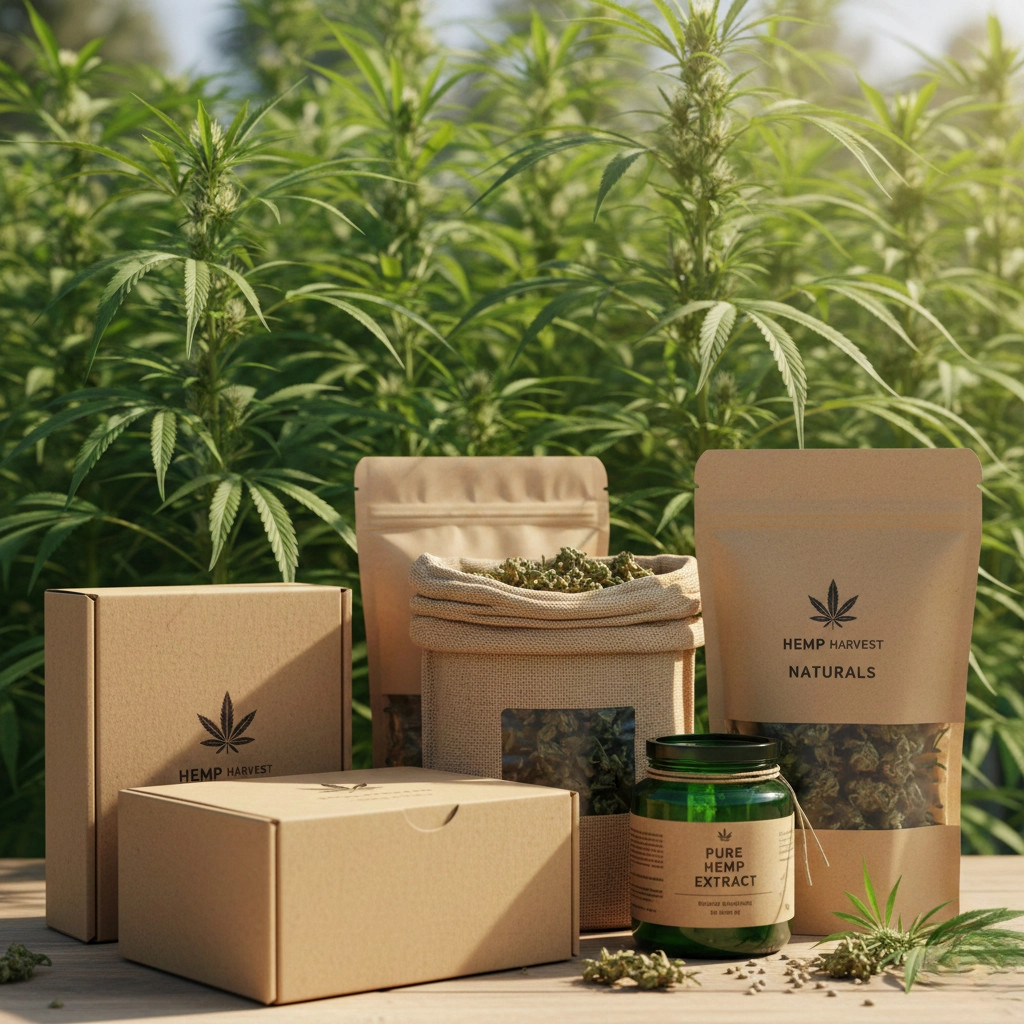
Hemp products are gaining massive popularity due to their amazing results. This is the reason every brand wants to stand out on the shelves. If you wish to put competition in the dust, you must have packaging that maintains quality, enhances branding, and resonates with customer values.
For this purpose, our custom hemp boxes are the sole solution to fulfill these needs and take your brand to the next level. These boxes are incorporated with your brand logo, taglines, and slogans to build a strong relationship with the target audience. In this blog, you will discover hemp packaging and how it works.
What Are Hemp Boxes?
Hemp boxes are containers that are ideal for packaging a wide range of products, and offer an excellent, environmentally-friendly alternative to materials such as polystyrene and bubble wrap. Hemp fibre has fantastic properties as insulation*, and can, therefore, be used to pack chilled goods for transport or to help maintain a stable temperature against cold or heat.
Raw Materials Used In Hemp Boxes
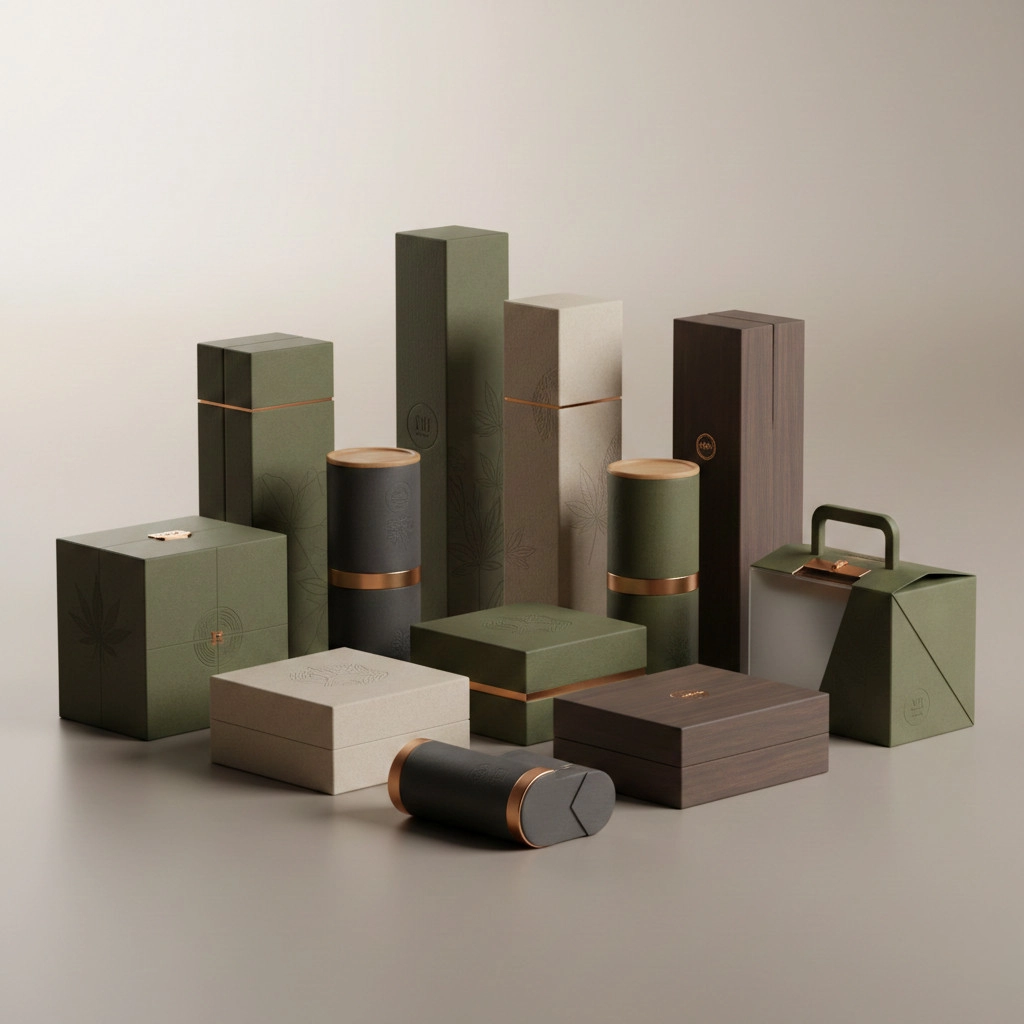
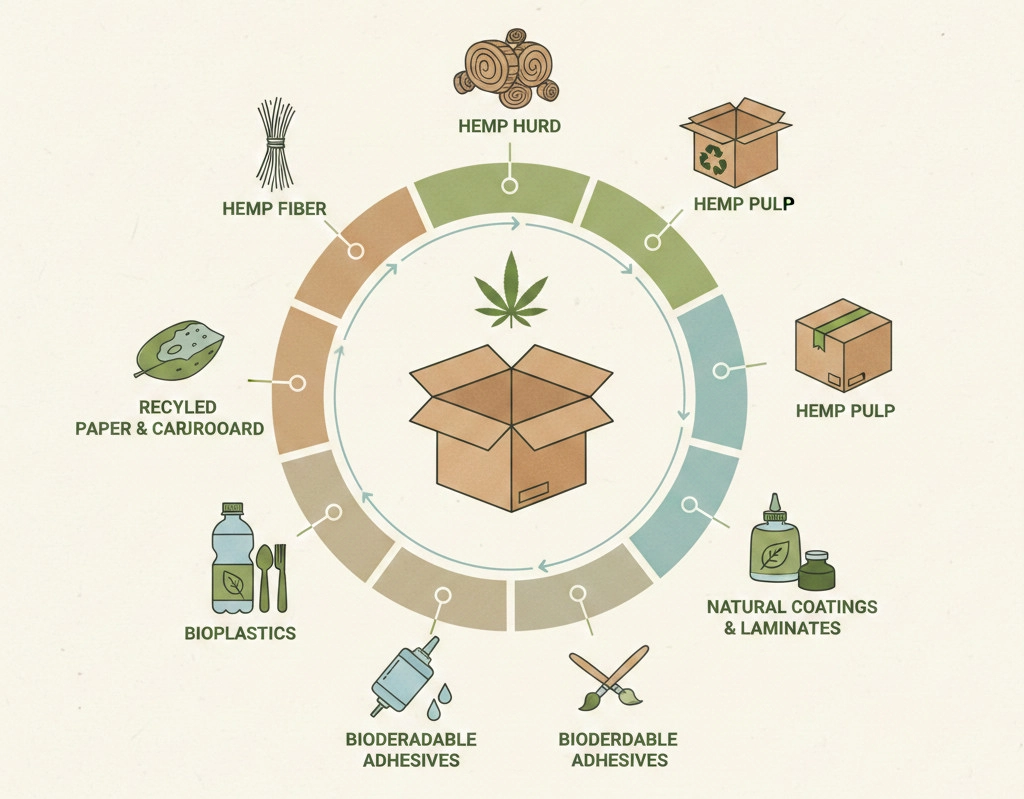
Hemp packaging is gaining popularity due to its eco-friendliness, sturdiness, and sustainability. It can be manufactured with natural resources to reduce waste and keep the environment clean and clear.
Hemp packaging is lightweight, durable, and reliable, which can protect the product during shipping. It avoids the damage and provides a leakproof unboxing experience to the user. The following are the raw materials that are used in hemp packaging.
- Hemp Fiber
- Hemp Hurd
- Recycled Paper & Cardboard
- Hemp Pulp
- Biodegradable Adhesives
- Soy-Based or Water-Based Inks
- Natural Coatings & Laminates
- Bioplastics
How Hemp Boxes Are Made
The custom hemp box creation process is explained by the fact that it is derived from the plant’s stems, specifically from the fibres containing 70%-80% cellulose. This high cellulose content contributes to the extraordinary strength of the material. The first production phase involves extracting as much cellulose from the plant as possible. The hemp stems and fibres are crushed and soaked in acid. The next step is soaking the extracted cellulose in water and chemical solutions to remove the acid. The cellulose undergoes thermal treatment, producing various types of material referred to as hemp plastic.
Benefits And Process Of Hemp Boxes
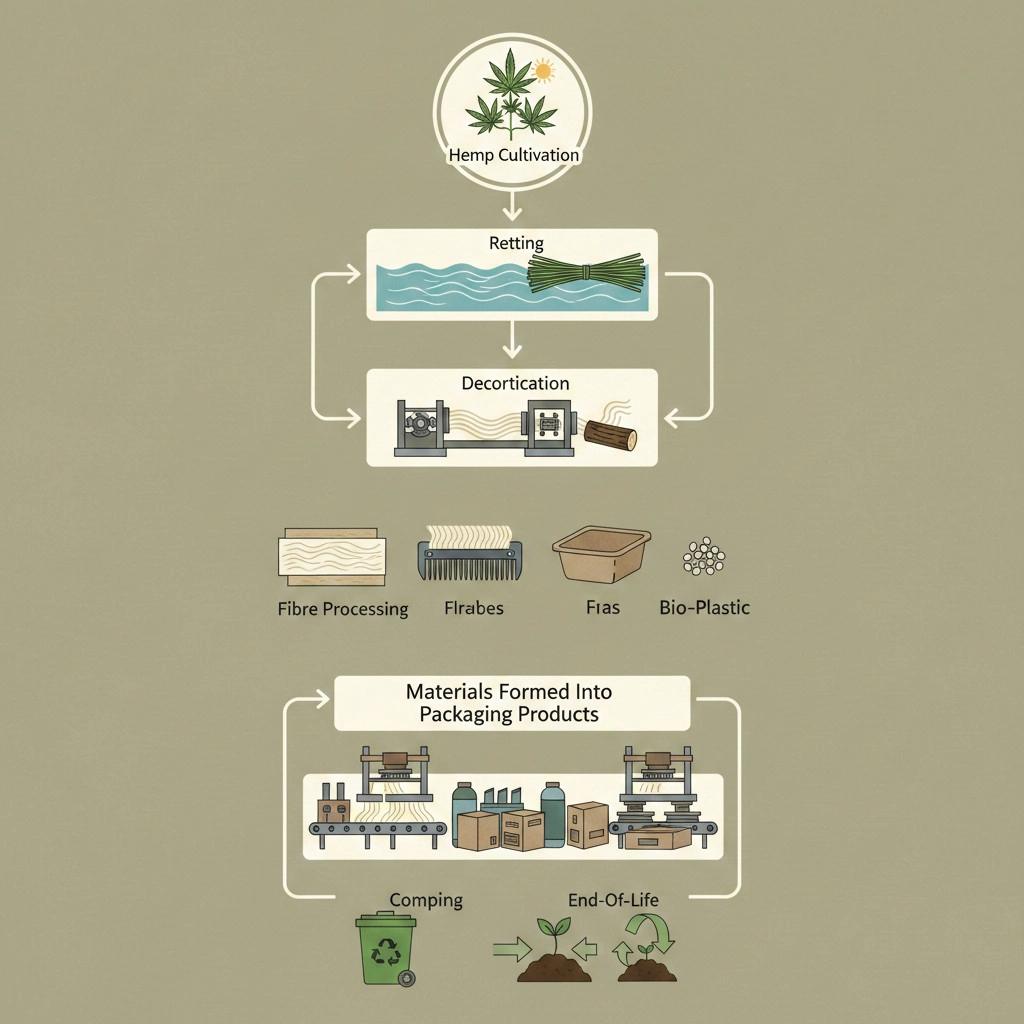
There are many benefits to using hemp packaging alternatives to plastic and paper. Hemp packaging is environmentally friendly and made from a rapidly growing, renewable, and sustainable crop. The fibres used for hemp packaging are obtained from the hemp plant and come from both long, strong and hard woody fibers, as well as being completely biodegradable. One of the main purposes of using hemp packaging products is to provide an environmentally friendly alternative, thus reducing the world’s dependence on landfills to dispose of plastic waste by providing durable, compostable, and recyclable alternatives. The following is the work process of hemp packaging.
- Hemp Cultivation
- Retting
- Decortication
- Fibre Processing
- Materials Formed Into Packaging Products:
- Manufacturing & Shaping
- End-Of-Life
Hemp Cultivation
The cultivation and harvesting of industrial hemp takes between 3-4 months to complete, and has a very low consumption of water, fertilizer, and pesticides, thus rendering them to be a sustainable crop, as well as sustainable farming practices. The main purpose of growing hemp is to produce high-quality fibre for use in hemp packaging.
Retting
Retting is a natural process that separates the hemp fibre from the woody core of the plant stalk, and can be performed using one of the three methods outlined below:
- Field Retting Stalks are left in the field to decompose naturally.
- Water Retting Stalks are placed in water for an extended period of time to expedite the separation process from the stalk.
Enzymatic retting enzymes are utilized to separate the fibres from the stalks in a cleaner and more controlled fashion. As a result of retting, the hemp fibres become pliable.
Decortication
Decortication is a mechanical technique that divides the stalk into the following two main components: Bast Fibres: Long, Durable Fibres Utilized for Paper, Cardboard, Fabric and Composite Materials. Hurd Fibres: Short and Wooden Fibres Utilized for Moulded Packaging and Biodegradable Materials. The objective of this process is to ensure that the fibres are free from impurities, thus making them ready for further processing.
Fibre Processing
Fibres are processed at this point to clean, soften, or, in some instances, treat the fibres to improve their strength and flexibility. The processing of fibres can result in the following products: Papermaking and Cardboards: Fibres are prepared in a pulp form for use in making paper and cardboard. Moulded Packaging: Fibres are ground into a fine particulate form before being used to produce moulded packaging. Bioplastics: Fibres are combined with Plant Materials for use in making bioplastics.
Materials Formed Into Packaging Products:
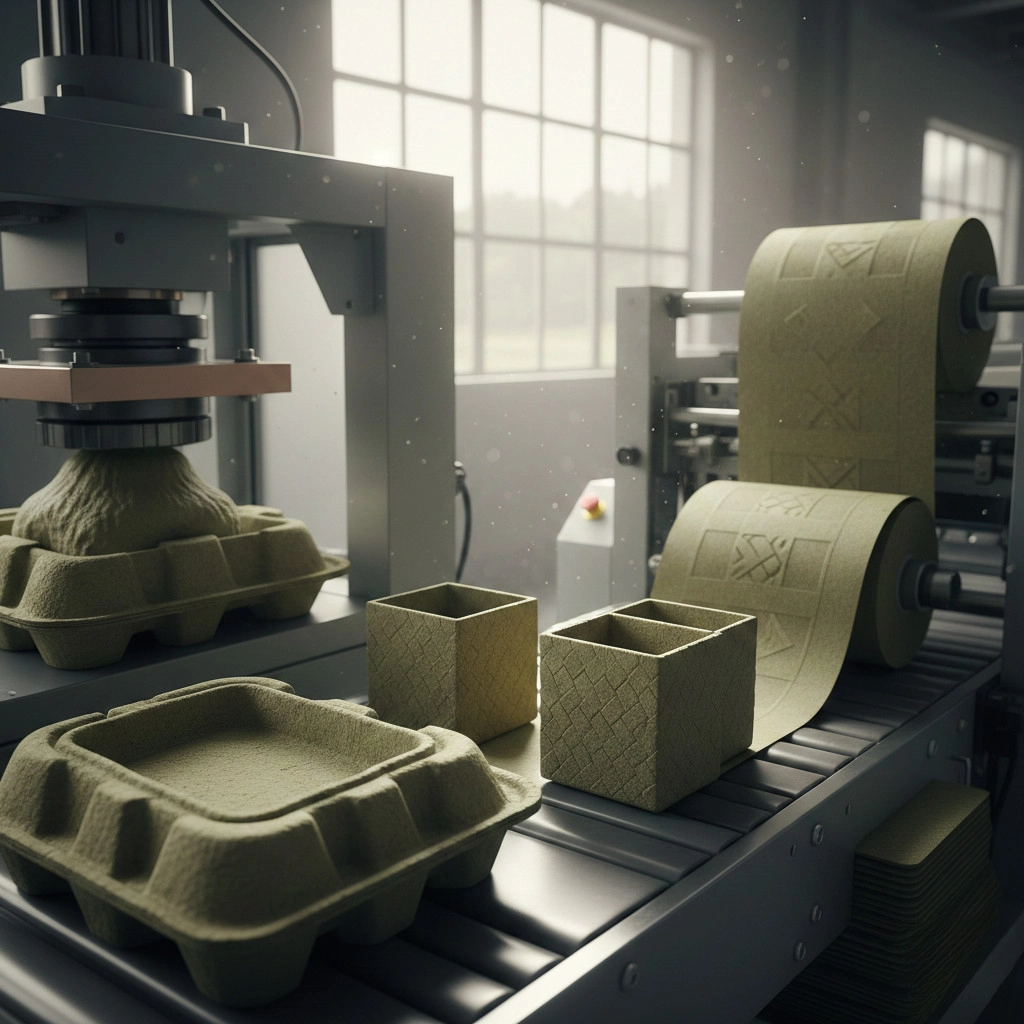
After processing, hemp fibre products are formed into packaging products such as; Hemp Paper & Cardboard: Fibre pulps are pressed into sheets and cut into boxes and cartons. Hemp Bioplastics: Fibres are mixed with Natural Polymers, moulded and formed into Containers or Films. Moulded Hemp Packaging: Ground Fibres are mixed with Water and pressed into a Mould to Produce Protective Packaging Replacements for Styrofoam.
Manufacturing & Shaping
In the manufacturing of packaging products, materials are cut, folded, moulded, or printed to make final products, including Shipping Boxes, Food Containers, Cosmetic Containers, and Protective Packaging.
End-Of-Life
The major benefit of using hemp packaging is that it is Biodegradable. When disposed of, Hemp Packaging is Biologically Decomposed by microorganisms into Soil Without Causing Harm to the Environment. Biodegradable Hemp Packaging will aid in the Reduction of Plastic Pollution and the Continued Growth of Sustainable Waste Management.
Environmental Impact Of Hemp Boxes
Hemp packaging has a much lower environmental impact than conventional plastic and paper packaging. Hemp packaging is made from the quickly renewable fibres of the hemp plant, which needs much less water, pesticides, and energy to grow. Hemp box is compostable and biodegradable packaging, so it will naturally decompose after use and does not contribute to landfill waste and plastic pollution. Hemp plants absorb carbon dioxide and create more arable land with improved soil nutrients, which creates a stronger, more durable packaging solution that is more environmentally sustainable packaging than traditional.
Common Forms Of Hemp Boxes
Trending Hemp Packaging Design comes in different forms to provide sustainability. These can pack the product and ensure safety during transportation and shipping. Hemp boxes provide different-sized option to the user. The following are the common forms of hemp packaging.
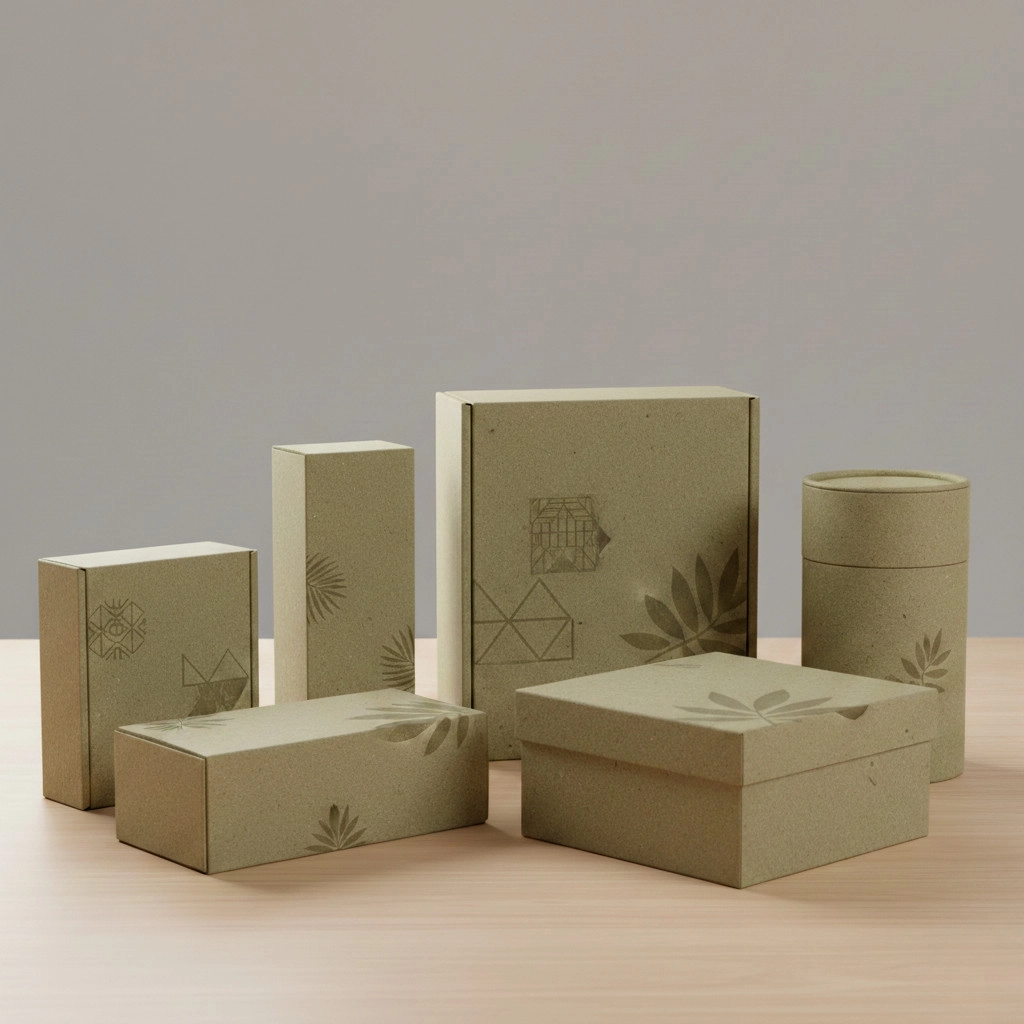
Hemp Paper & Cardboard
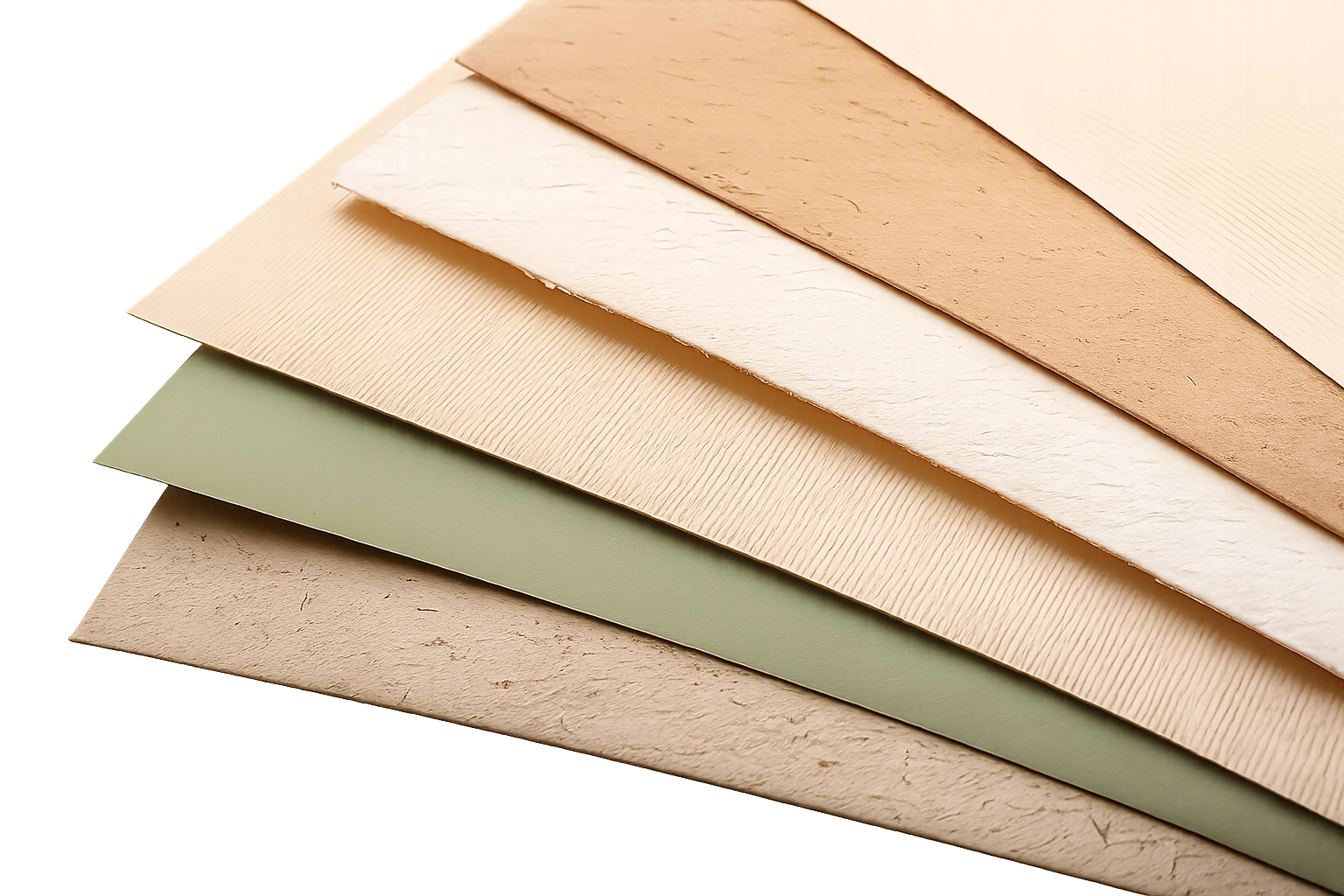
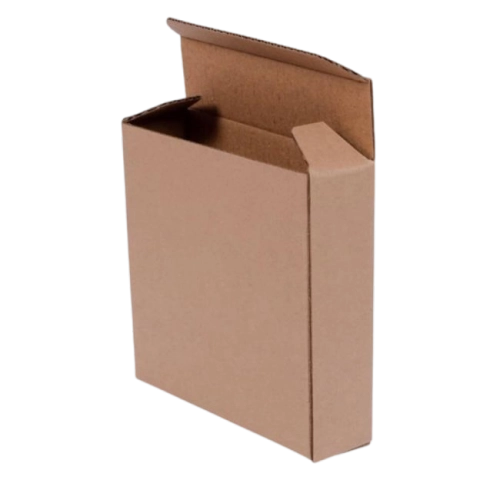
Hemp paper and cardboard are sturdy and durable options compared to traditional paper packaging. These are ideal for the boxes, cartons, and wrapping paper. It is biodegradable and recyclable to reduce the environmental impact.
Hemp Bioplastic
Hemp bioplastic is an eco-friendly packaging option than traditional plastic. It is used for bottles, containers, and product packaging. This can be manufactured by mixing hemp fibre with plant-based polymers.
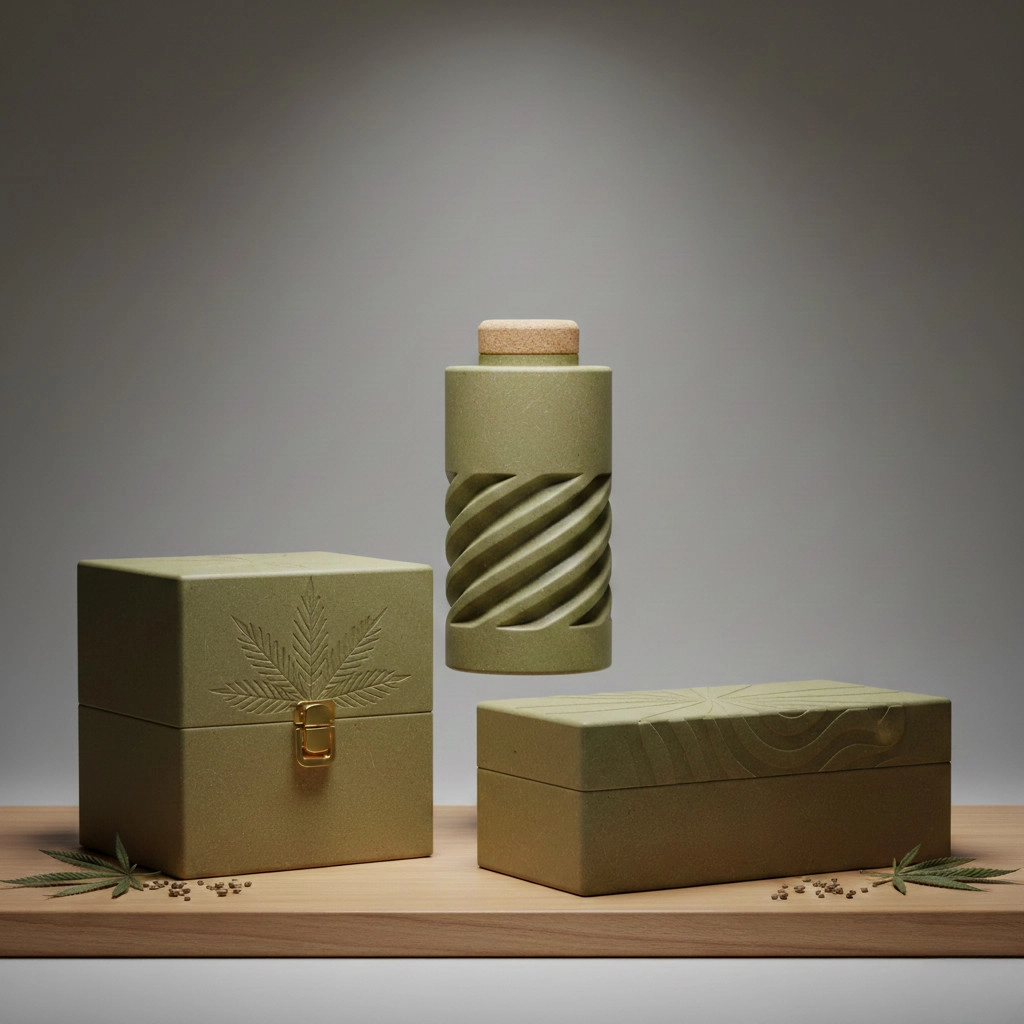
Moulded Hemp Packaging
Moulded hemp packaging replaces styrofoam or plastic foam. It is used as a protective insert inside boxes. This can be Compostable and lightweight, ensuring edible shipping.
Hemp Fabric Packaging
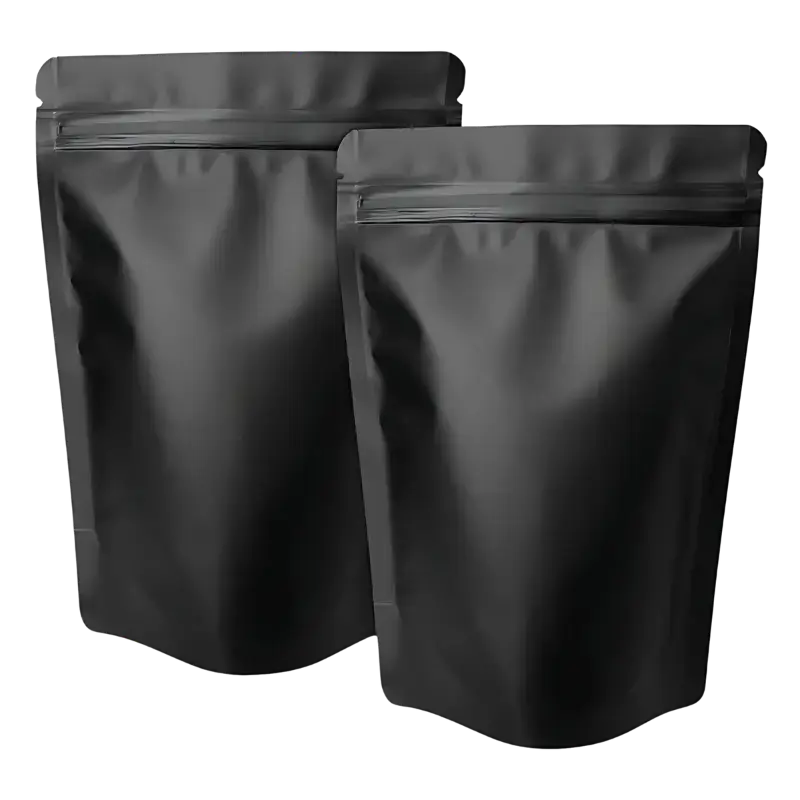
Hemp fabric packaging is used for reusable bags and product pouches. It is Strong, long-lasting, Washable, and biodegradable, which improves the customer experience.
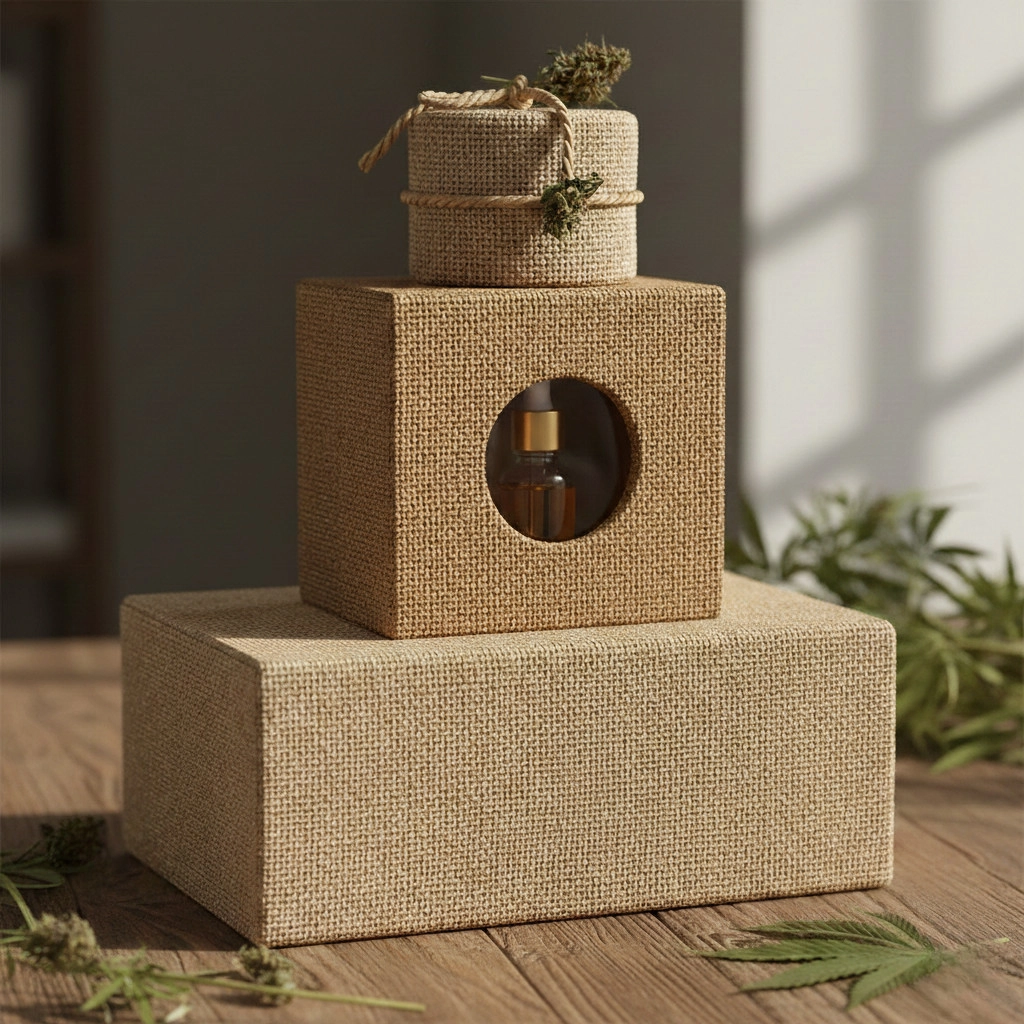
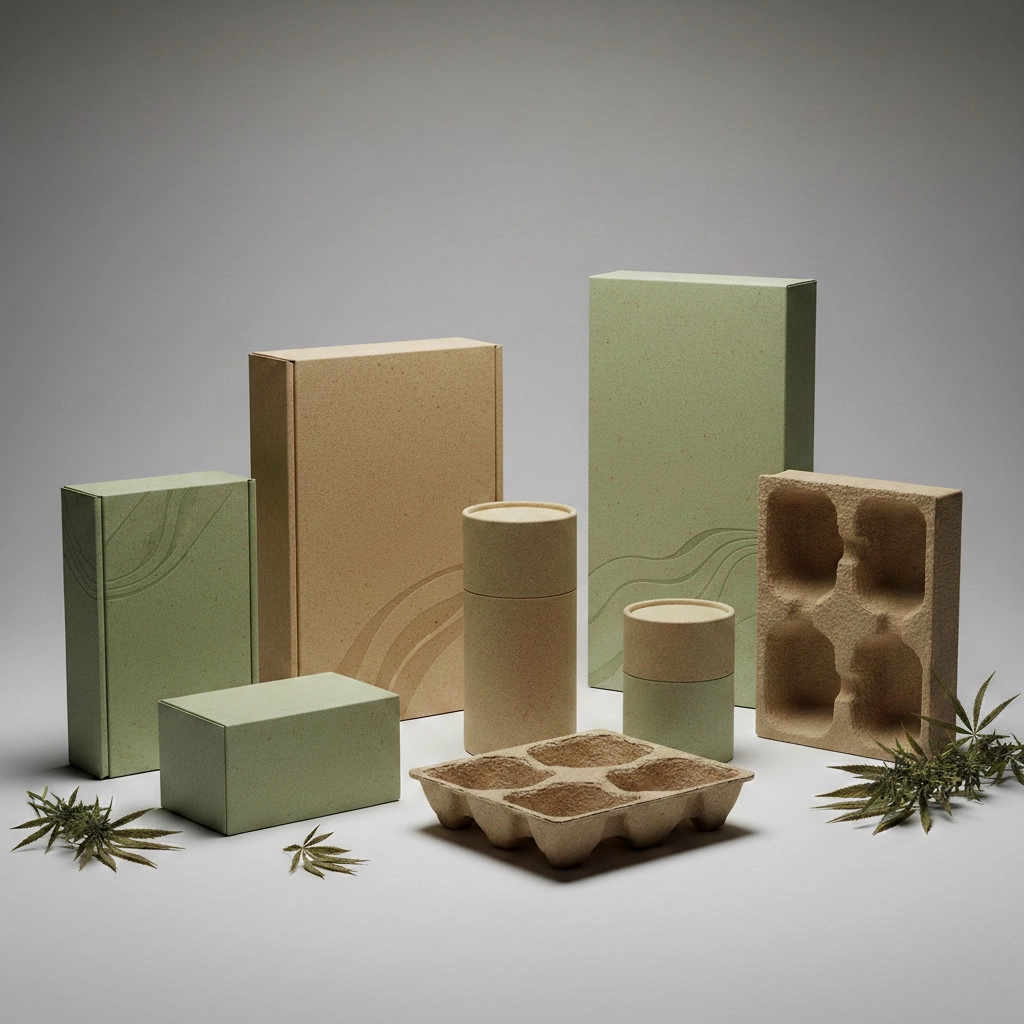
Hemp-Based Composite Materials
Hemp-Based Composite Material is a mix of hemp fibres and natural resins. It is used for rigid packaging or specialty cases. These are durable and environmentally friendly.
Advantages And Limitations
The following are the advantages and limitations of hemp boxes.
Advantages:
- It is lightweight and provides durability to the user.
- It has the airtight option.
- Hemp packaging boxes provide unique finishing touches.
- It provides the transparency feature to the user before buying the product.
- It has multiple customization options with good printing technology to stand out in a competitive market.
- It provides sustainability to attract eco-conscious persons.
Limitations:
- The price of this raw material is significantly higher than conventional plastic
- The long-term development of this industry has also absorbed many investments aimed at reducing production costs, resulting in very low prices for products derived from it today.
- The lack of infrastructure and the still limited cultivation of industrial hemp, we cannot currently meet the entire market demand for hemp plastic.
Important Factors to Evaluate Before Hiring a Hemp Box Manufacturer
The following are the factors to consider while selecting a hemp box manufacturer:
- Material sourcing and sustainability practices
- Customization and printing options
- 50 Minimum order quantity (MOQ)
- Production timelines and delivery reliability
- Experience in hemp or CBD packaging
- Cost-effectiveness and bulk pricing
Hot Custom Boxes fulfills all the needs, you expect from the right hemp packaging manufacturer.