













Table of Contents
Related Products
$0.50 Original price was: $0.50.$0.10Current price is: $0.10.
In Stock
$0.50 Original price was: $0.50.$0.10Current price is: $0.10.
In Stock
$0.50 Original price was: $0.50.$0.10Current price is: $0.10.
In Stock
$0.50 Original price was: $0.50.$0.10Current price is: $0.10.
In Stock
Get A Free Quote
Packaging needs to do more than hold a product until someone opens it. It must protect the item, support safe shipping and show useful information. It should also reflect the brand behind the product. Standard boxes can cover basic packing needs. However, they may not provide the right fit or the best presentation.
Custom boxes solve these problems with accurate sizes, suitable materials and useful design features. Businesses can create packaging that fits the product instead of forcing the product into an available box. A better fit can improve protection, reduce material use and create a more consistent customer experience. These practical benefits explain why many industries prefer custom boxes for packaging.
Build Brand Recognition with Printed Packaging
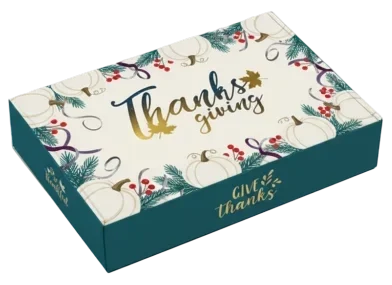
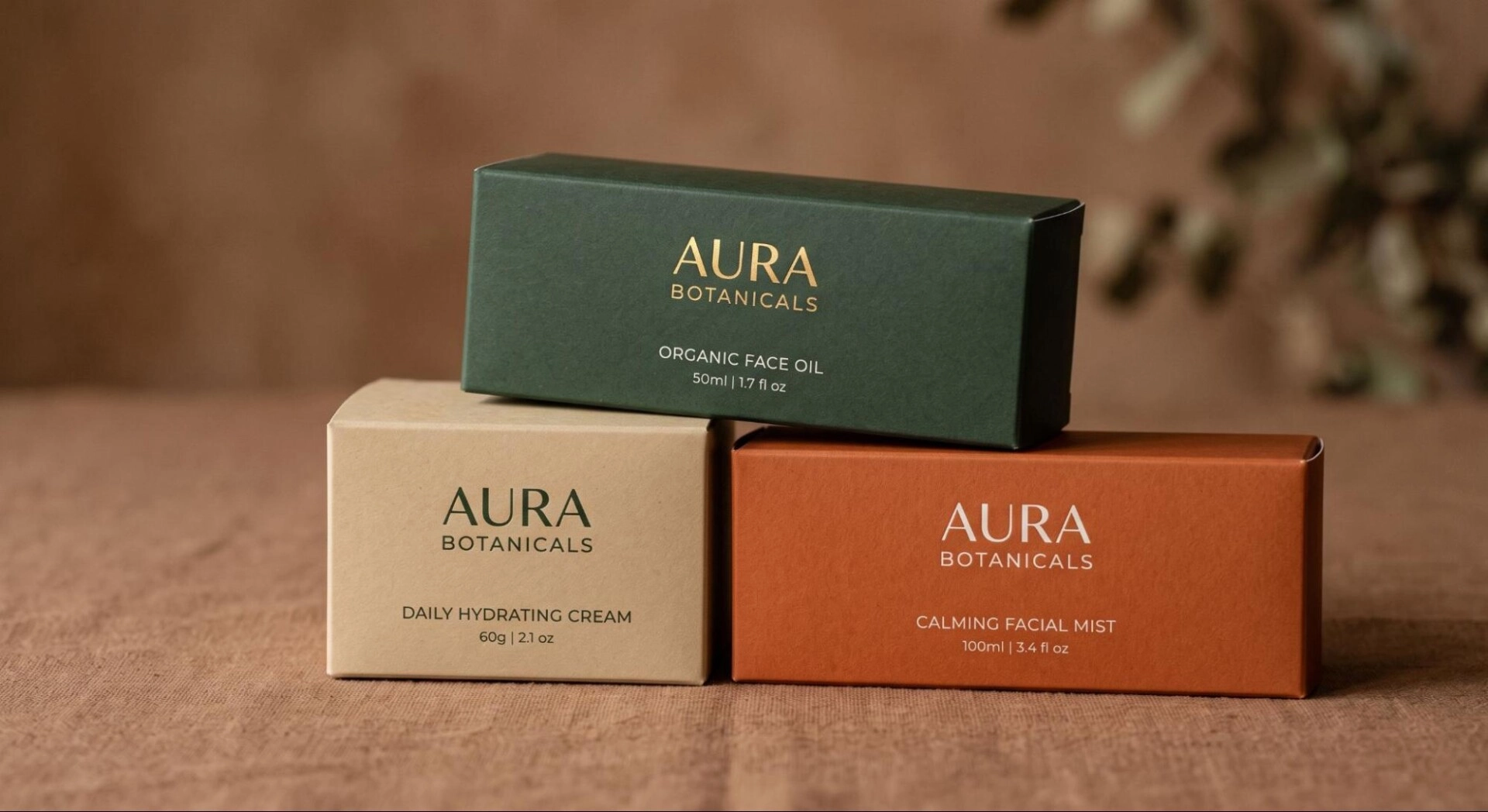
Custom packaging boxes give businesses space for logos, colors, artwork, instructions and product details. A consistent design helps customers recognize products in stores, online listings and social media posts. Each shipped order can also promote the business without the cost of a separate advertising campaign.
Clear branding makes it easier for shoppers to tell similar products apart. A business can adapt the same visual style for retail boxes, food boxes, product cartons and shipping packaging. Custom printed boxes keep the brand familiar across these different uses. When people see the same colors and graphics more than once, they are more likely to remember the company. Packaging then becomes a useful part of everyday brand promotion.
Protect Products with the Right Box Design
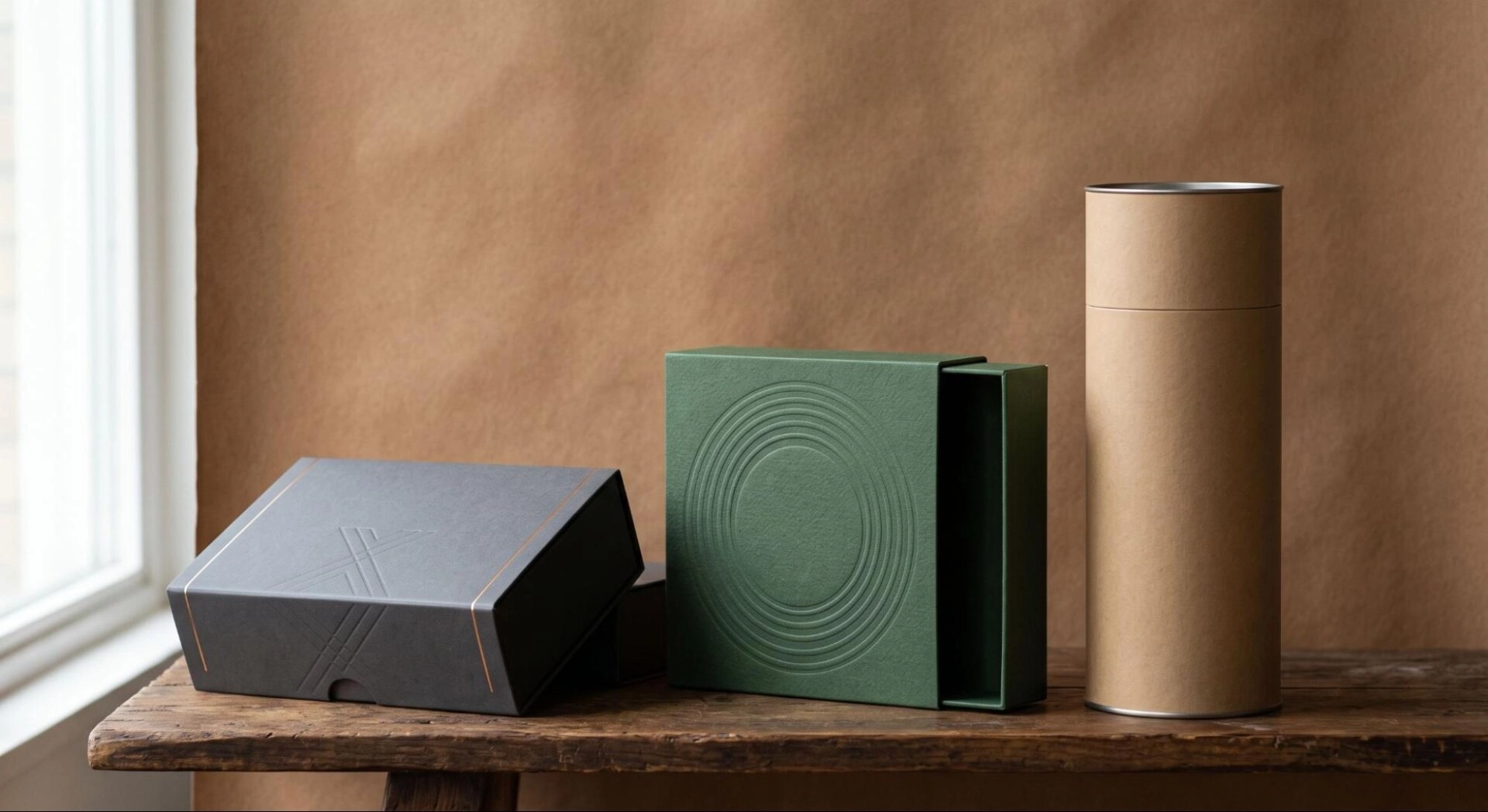
Good product protection requires more than a strong cardboard box. The package must suit the product’s weight, shape and level of fragility. It should also handle the expected storage and shipping conditions. Custom dimensions limit empty space and help keep an item stable during transport.
Corrugated boxes work well for heavier goods. Paperboard is often suitable for lightweight retail products. Inserts, dividers and secure closures can stop delicate parts from shifting or hitting each other. Some items also need moisture resistant coatings or protection from sunlight and changing temperatures. Choosing the right features can reduce scratches, crushing and breakage. As a result, customers are more likely to receive the product in good condition.
Control Packaging and Shipping Costs
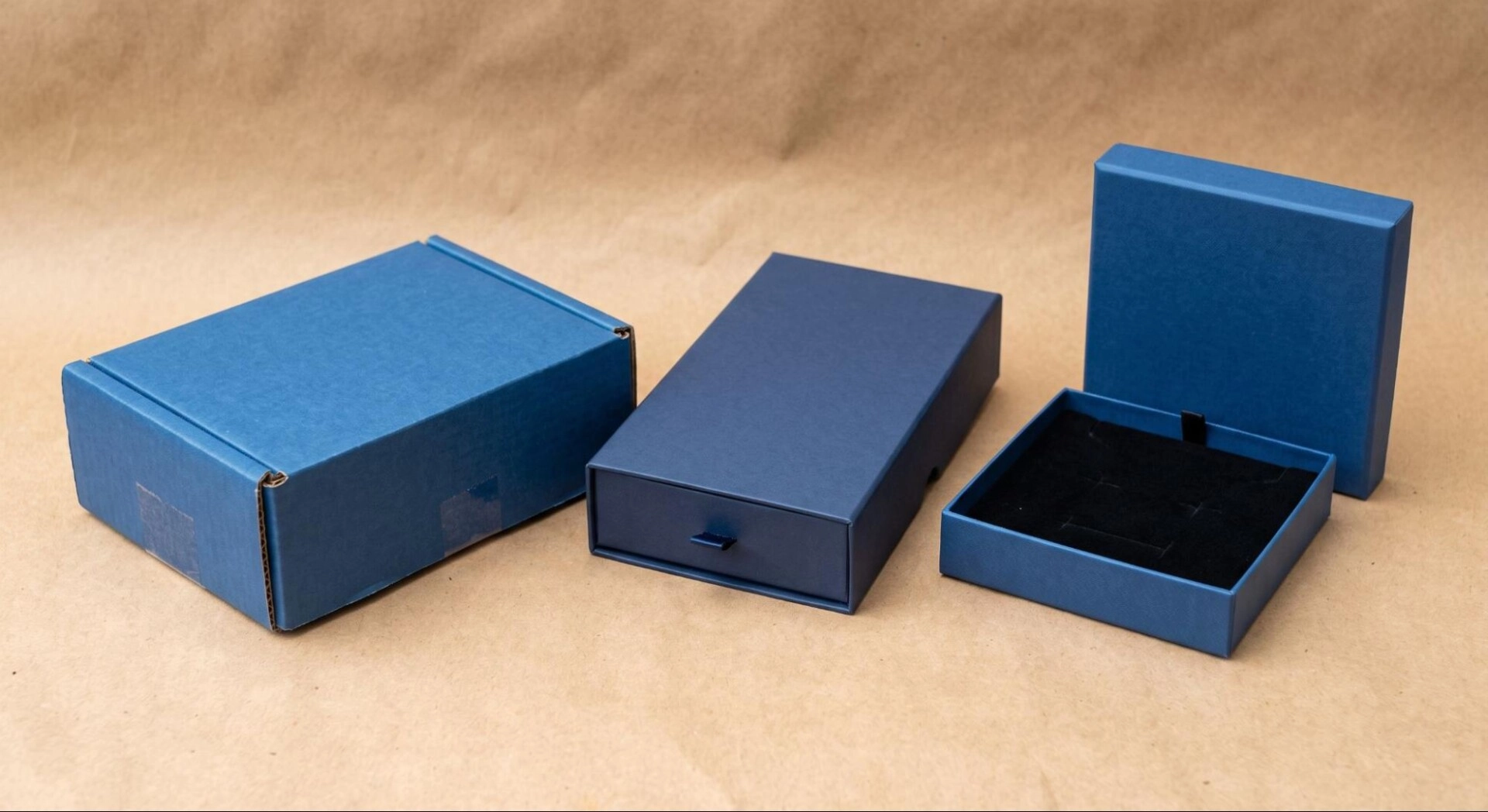
Custom boxes may cost more at the start, but careful planning can lower the total cost of packing an order. Right sized boxes use less cardboard, kraft paper, filler and tape. They also take up less room in storage areas and delivery vehicles.
Smaller and lighter packages may reduce shipping costs when carriers charge by size and weight. Wholesale orders can also lower the price per box for businesses with steady demand. Standard custom sizes make packing faster because workers can follow the same process for each order. These savings may cover the design and setup costs over time. Before choosing the lowest box price, compare the full cost of materials, labor, storage and shipping.
Choose a Box Style That Fits the Product
Custom packaging gives a business control over the size, shape, structure and appearance of each box. Every choice should support the product, sales setting and packing process. The opening style and shipping method also matter.
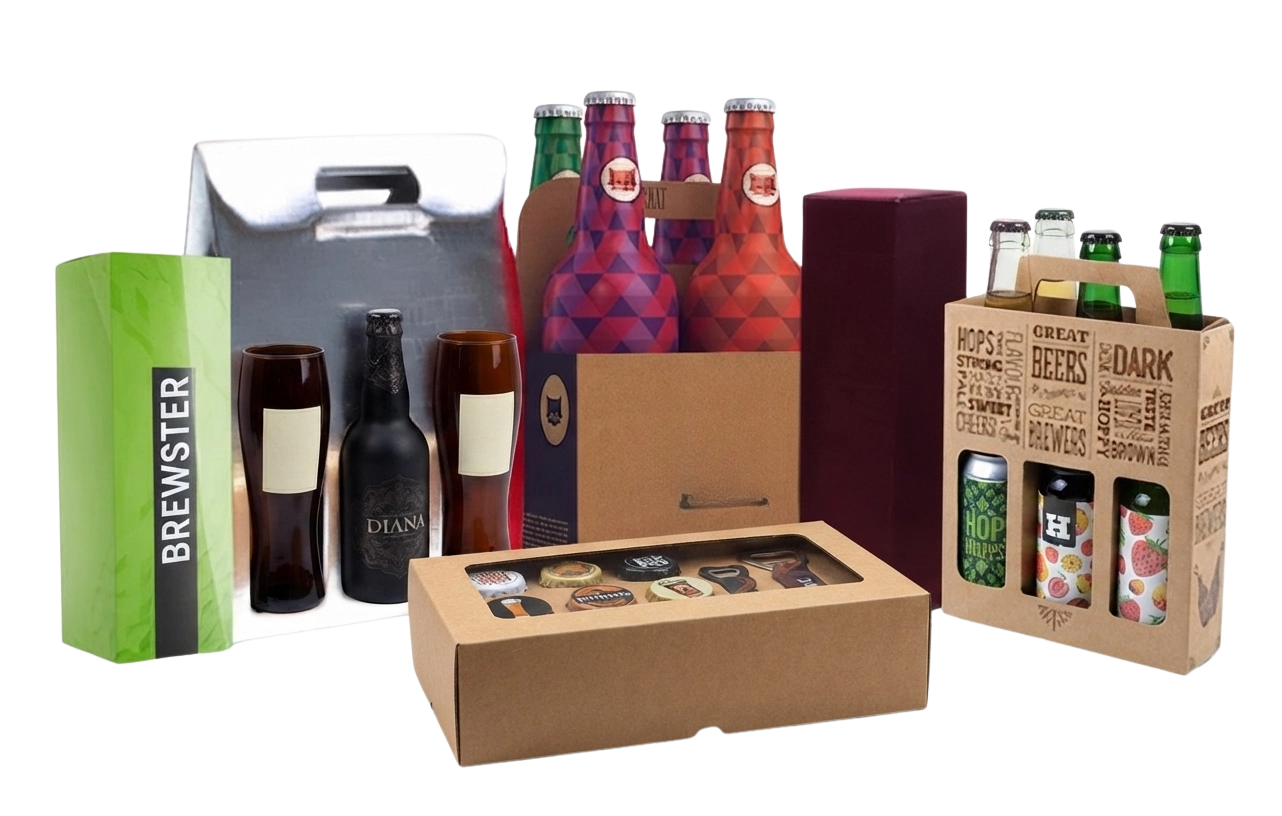
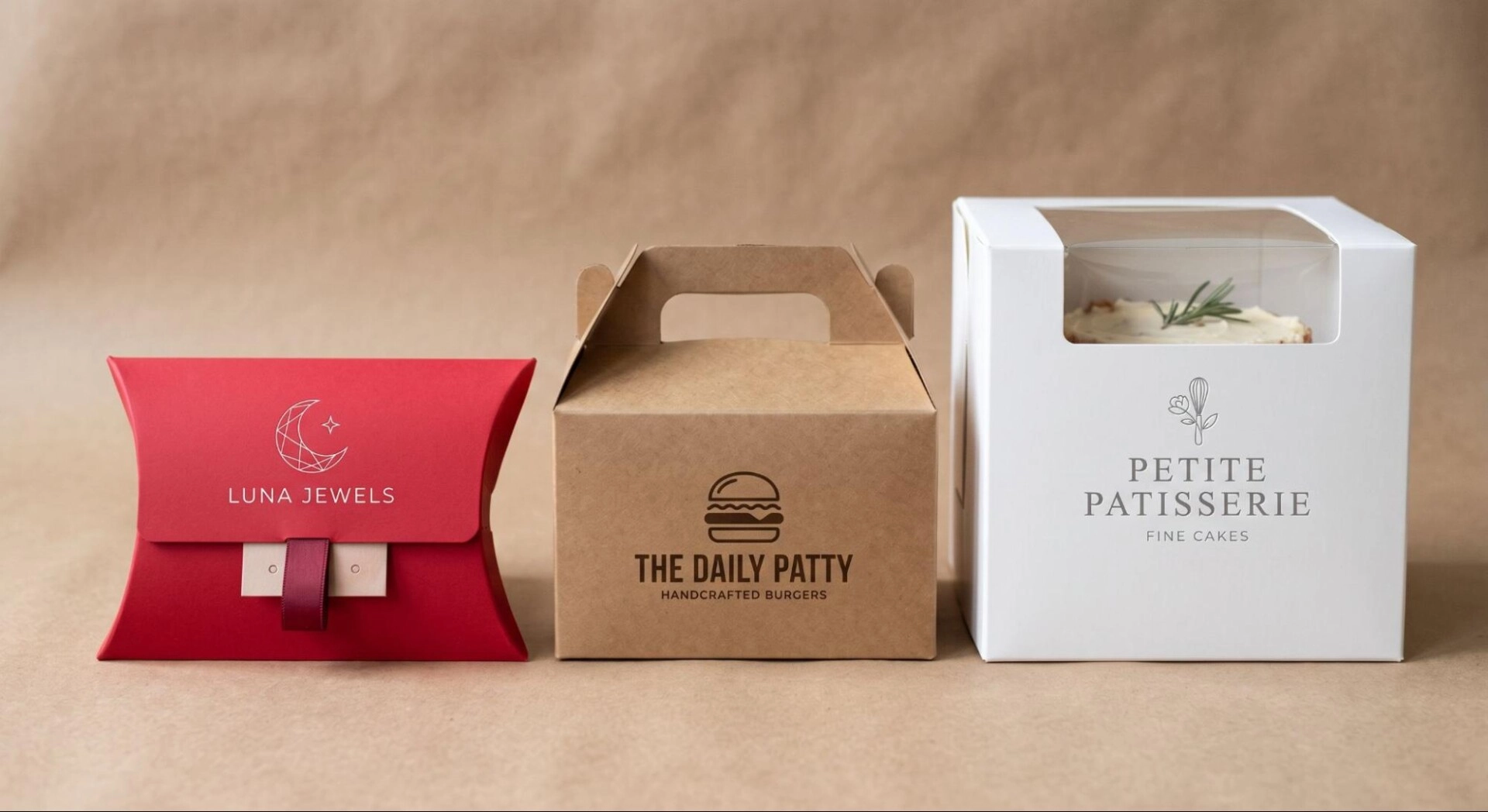
Pillow boxes work well for small accessories. Gable boxes offer useful handles for gifts and food products. Sleeve packaging creates a sliding presentation while window boxes let shoppers see the item before buying it. Cake boxes, retail cartons and shipping boxes all serve different needs. Businesses can also print instructions, product details and branded artwork inside or outside the package. This choice of styles makes custom boxes suitable for everyday goods as well as premium products.
Make the Customer Experience Simple and Memorable
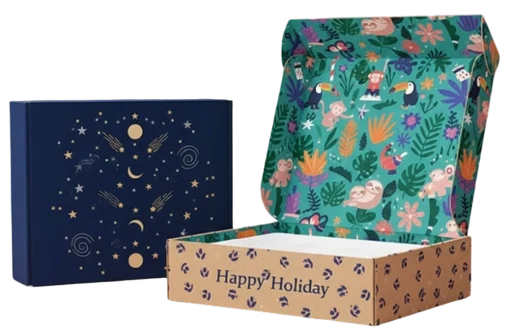
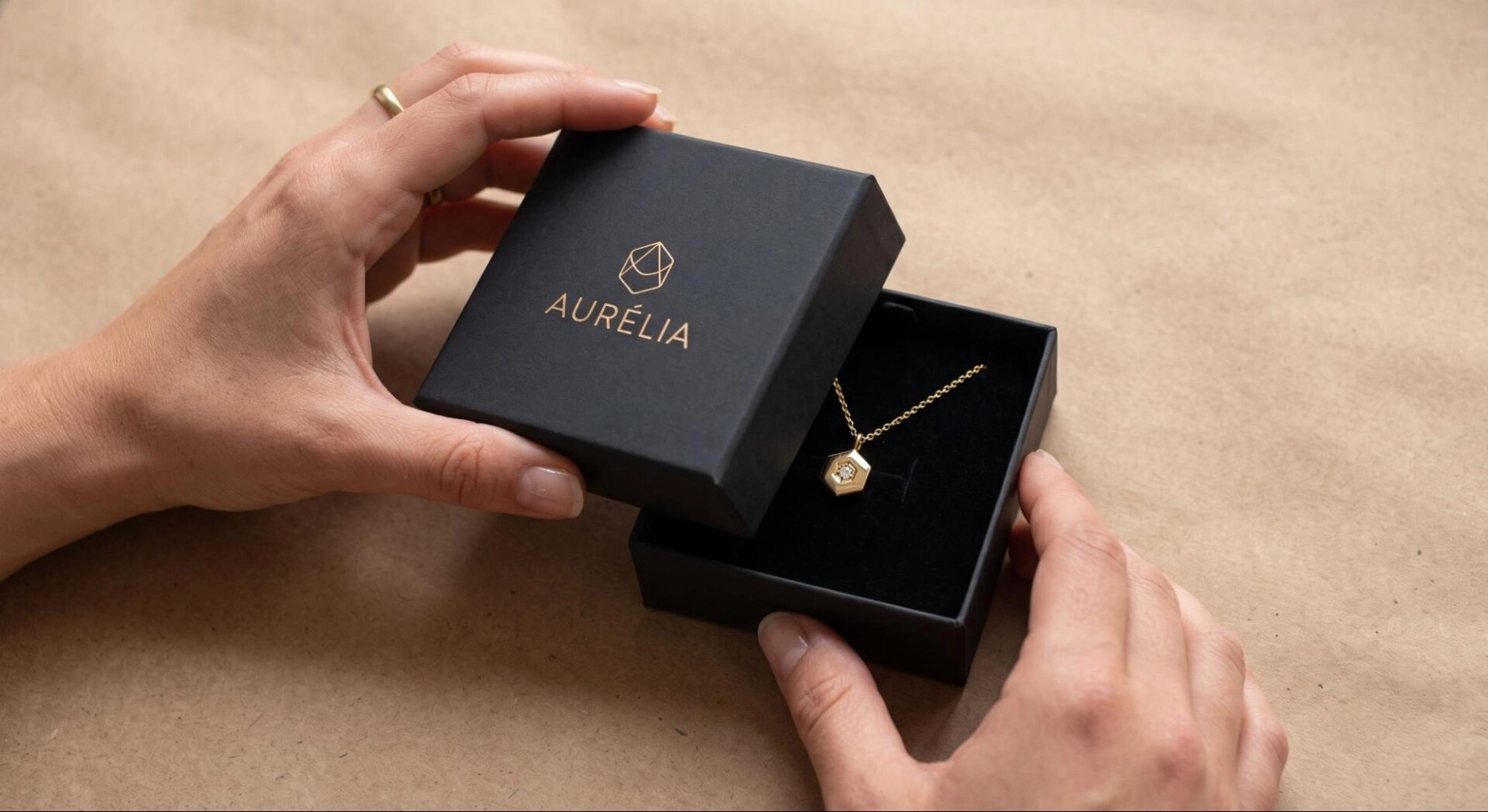
Customers often form an opinion before they touch the product inside the box. Clean, secure and attractive packaging can make an order feel carefully prepared. Interior printing can share a short brand message when the customer opens the package.
Tissue paper, fitted inserts, dividers, branded stickers and thank you notes can improve the presentation. Each extra feature should have a clear purpose. Too many layers can make a box frustrating to open. A simple opening process often creates a better unboxing experience. When the package protects the purchase and is easy to use, customers are more likely to feel satisfied. A good experience can also encourage repeat purchases and recommendations.
Support Clear Sustainability Goals
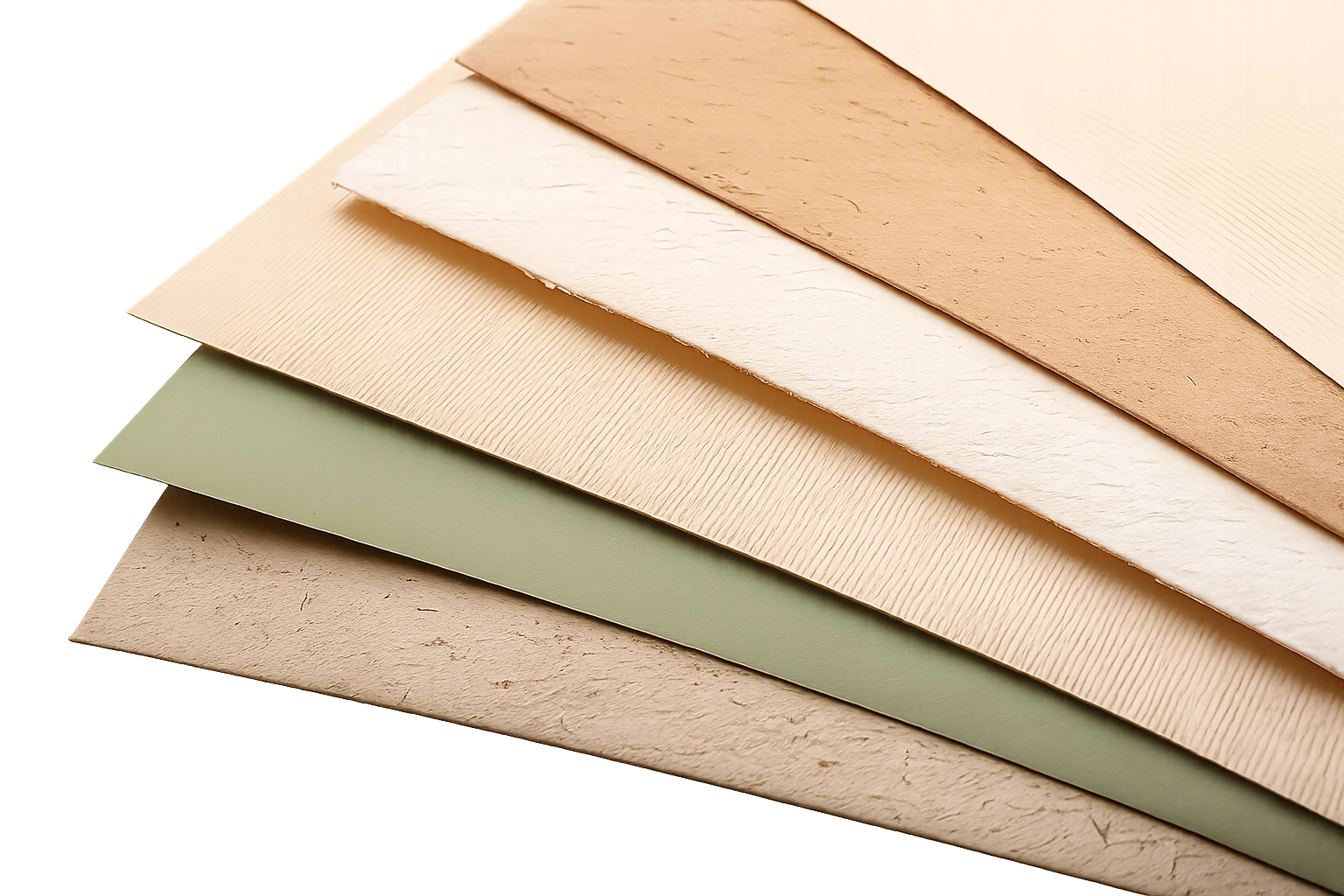
Custom boxes help businesses make careful choices about materials, size, printing and disposal. Cardboard, corrugated board, paperboard, kraft paper and recycled paper offer several recyclable options. The chosen material must still suit the product weight and shipping conditions. Local recycling rules should also guide the decision.
Accurate sizing cuts unnecessary board use and reduces the need for filler. Businesses can also avoid heavy coatings and mixed materials that make recycling harder. Simple disposal instructions can show customers how to separate or recycle each part of the package. Sustainable packaging should protect the product without creating needless waste. This practical balance supports environmental goals while keeping the package reliable.
Improve Product Presentation on Retail Shelves
Retail packaging should catch attention and help shoppers understand the product. A custom design gives businesses room to organize the name, benefits, instructions and other details in a clear layout. Colors and graphics can separate product lines while keeping the main brand style consistent.
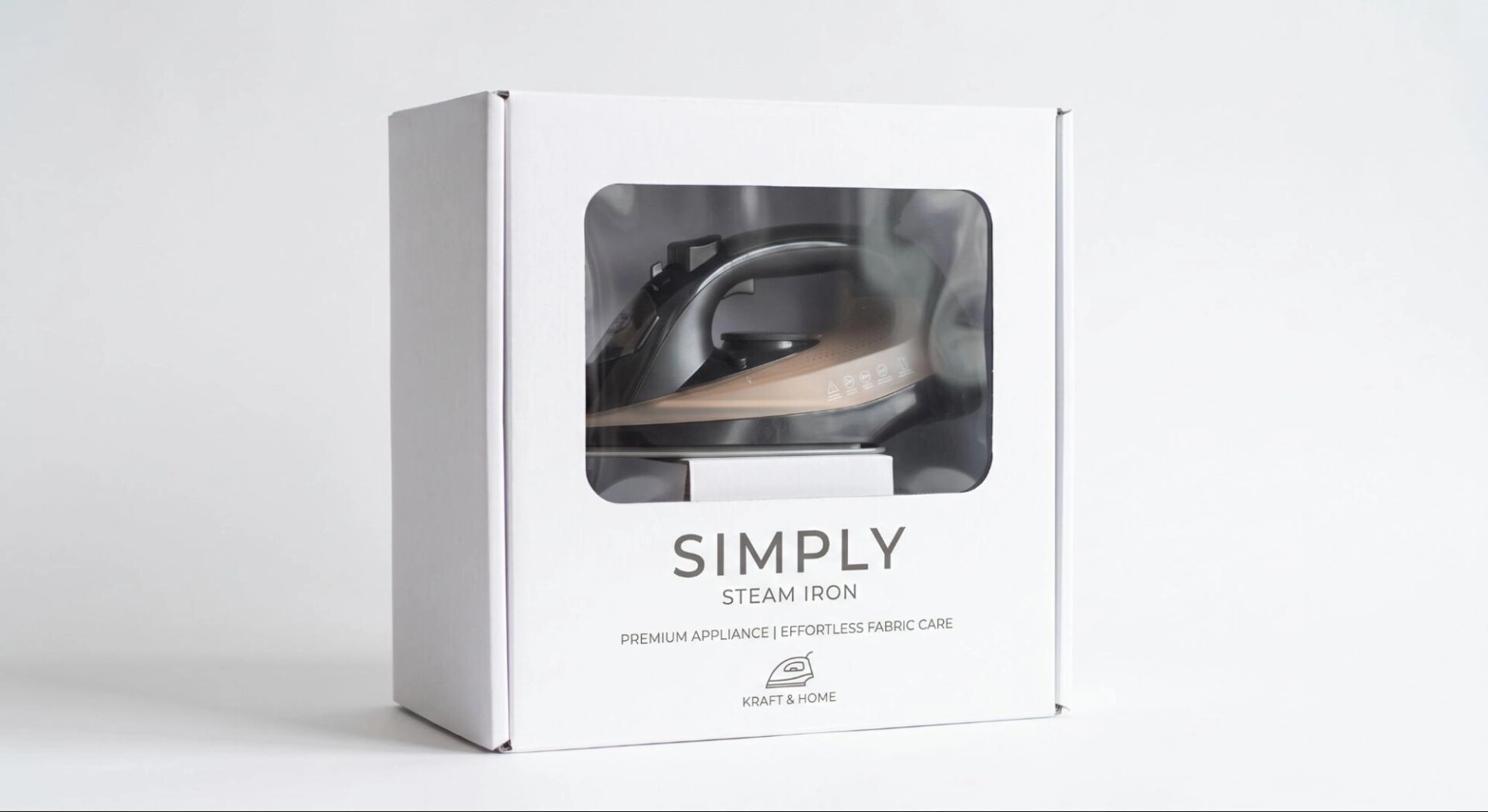
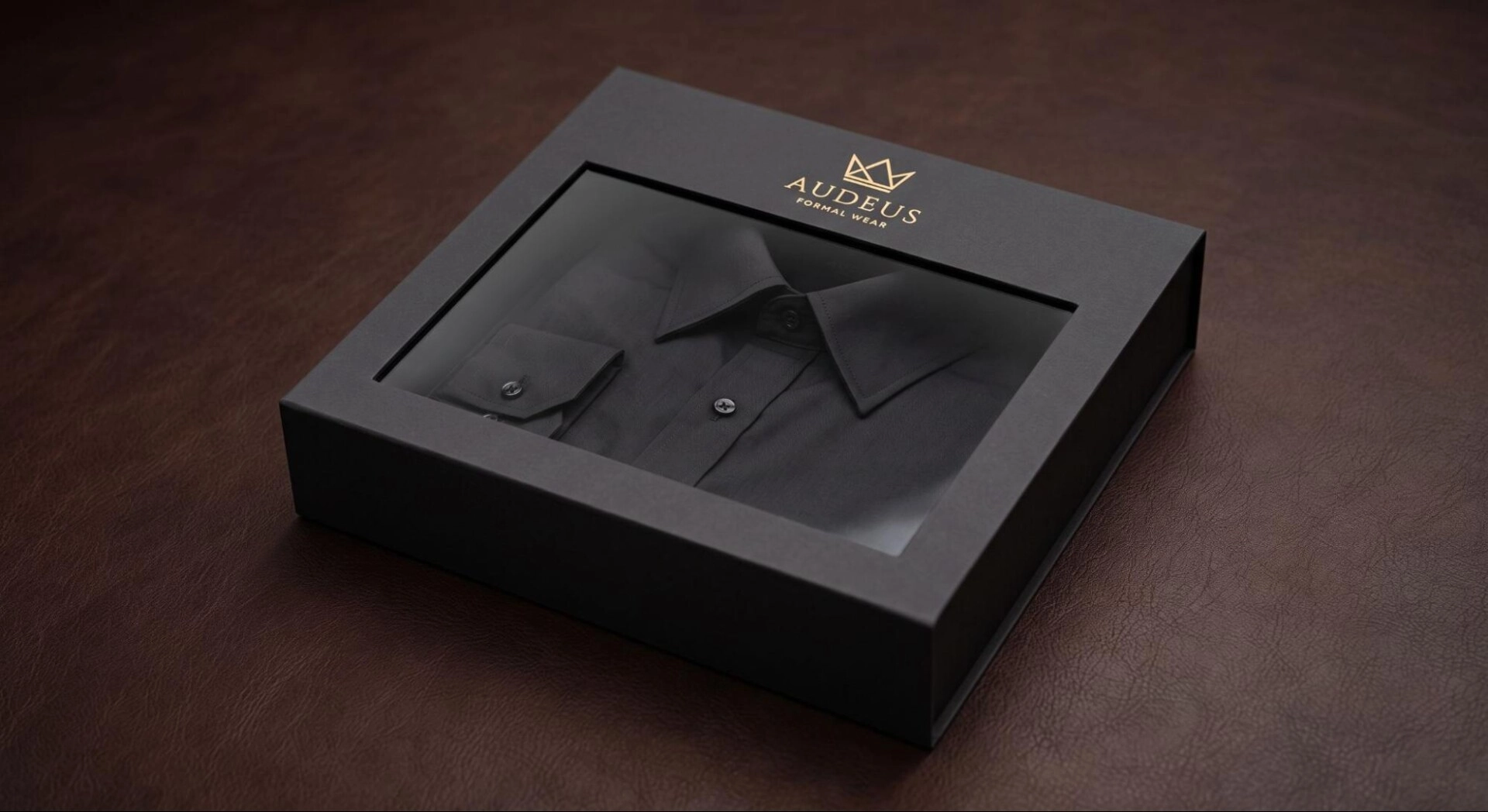
Window boxes show the item inside. Sleeves and shaped cartons can give a product a more noticeable shelf profile. Finishes can improve the look, but they should suit the product, audience and budget. Strong presentation does not require crowded artwork or too many decorative details. Clear printing and a suitable box structure often communicate quality more effectively. Well planned packaging helps shoppers notice, understand and compare products before making a choice.
Reduce Waste with Accurate Box Sizes
Standard boxes often leave gaps because their available sizes do not match the product. Packers then need paper, foam or other fillers to stop movement during shipping. Custom sizing reduces these gaps and may lower the amount of protective material needed.
Efficient boxes also take up less warehouse space before use. Smaller packed orders can improve pallet use and allow carriers to move more products in the same vehicle. However, reducing material should never weaken product protection. Fragile and heavy items still need enough support to handle normal transport conditions. The right box uses only the material needed to protect the item through storage, shipping and final delivery.
Custom Boxes vs. Standard Packaging
Custom and standard boxes differ in protection, appearance, cost, packing speed and material use. Standard boxes can be a practical choice when size and branding do not matter much. Custom boxes offer more control when a product needs a close fit, printed information or a consistent brand appearance. This table compares the main differences.
| Factor | Custom Boxes | Standard Boxes |
| Size | Made to fit the product | Available in common fixed sizes |
| Branding | Supports full custom printing | Usually plain or lightly printed |
| Protection | Designed for specific product needs | Provides general protection |
| Presentation | Matches the product and brand | Offers a basic appearance |
| Material Use | Can reduce excess material | May require more filler |
| Customer Experience | Creates a more distinct presentation | Provides a standard experience |
What Parts of a Packaging Box Can You Customize?
Businesses can customize most visual and practical parts of a packaging box. The dimensions can closely follow the product while leaving enough room for inserts and safe removal. The shape and structure control how the package folds, opens, closes, stacks and displays.
Material type and thickness affect strength, appearance, print quality and cost. Companies can also choose artwork, colors, inside printing, coatings and decorative finishes. Windows let shoppers see the product. Inserts and dividers keep single or multiple items in place. Closure options include locking tabs, tuck ends, magnetic panels and adhesive strips. Handles can make carrying easier. Other features may support storage, retail display or repeated use.
Which Products Can Use Custom Boxes?
Custom boxes serve businesses in retail, food service, ecommerce, manufacturing and gifting. Cosmetics often need small printed cartons with inserts for bottles, jars or tubes. Bakeries may use cake boxes, window cartons or paperboard packaging that protects food and presents it well.
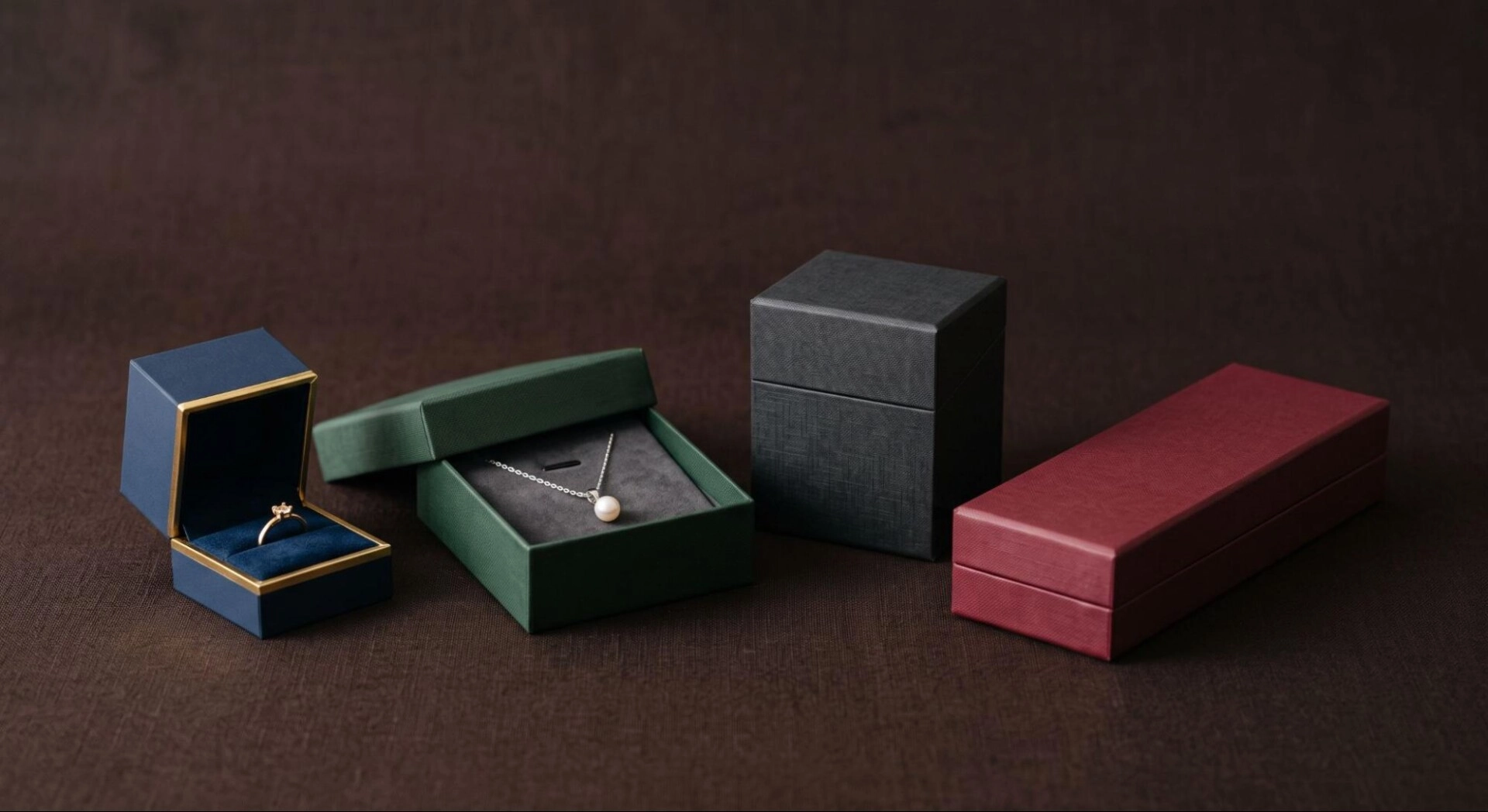
Jewelry and luxury goods can use rigid boxes with soft inserts and a controlled opening style. Electronics need enough strength, cushioning and room for cables or instructions. Clothing boxes protect folded items from dust and handling while giving them a clean presentation. Gifts, fragile goods and ecommerce orders may need extra support during shipping. The right design depends on the product’s risks, sales setting and delivery method.
How to Choose the Right Custom Box
Start by measuring the product and any accessories, wrapping, inserts or dividers. Check its weight, fragility and surface finish. Also consider whether moisture, pressure or movement could cause damage.
Next, choose cardboard, corrugated board, kraft paper or paperboard with enough strength for the job. Select a box style that supports fast packing, simple opening, storage, display and shipping. Always test a physical sample before approving a large wholesale order. A sample can reveal weak corners, loose inserts, difficult closures and unused space. Keep printing and finishing choices clear, useful and suitable for the product’s market. The final design should balance protection, appearance, material use, production needs and budget.
Final Thoughts on Custom Box Packaging
Custom packaging boxes can improve protection, branding, presentation and the customer experience. Product specific sizes reduce movement, excess material and the need for extra filler. Suitable materials protect goods during storage and transport. Branded colors, graphics and information also create a consistent look across sales channels.
Businesses can use recyclable materials and efficient sizes to support their sustainability goals. Still, good packaging requires more than an attractive design. Every choice should suit the product, customer, delivery process and available budget. When planned well, custom boxes protect the item and support the business selling it.
Create Packaging That Fits Your Product and Brand
Hot Custom Boxes creates packaging around each product, brand and shipping requirement. Businesses can choose the size, material, structure, printing, finish, window and insert. Our team can explain the available options and help you avoid features that add cost without adding value.
We supply retail packaging, food boxes, corrugated shipping boxes and custom product cartons. Wholesale pricing helps businesses plan larger orders while a low minimum order quantity supports smaller needs. Customers also receive free shipping, quick turnaround and complete customization. Contact us to discuss your product and request a custom packaging quote.
Related Products
$0.50 Original price was: $0.50.$0.10Current price is: $0.10.
In Stock
$0.50 Original price was: $0.50.$0.10Current price is: $0.10.
In Stock
$0.50 Original price was: $0.50.$0.10Current price is: $0.10.
In Stock
$0.50 Original price was: $0.50.$0.10Current price is: $0.10.
In Stock