













Folding Cartons Explained: Auto Bottom vs Straight Tuck
Home » comparisons » Folding Cartons Explained: Auto Bottom vs Straight Tuck
Table of Contents
Get A Free Quote
Folding cartons may appear similar, but their structural design can significantly affect packaging performance and production costs. Choosing the right carton style depends on your product, packing process, and business priorities rather than appearance alone. Understanding these differences early can help reduce unnecessary costs and improve packaging efficiency.
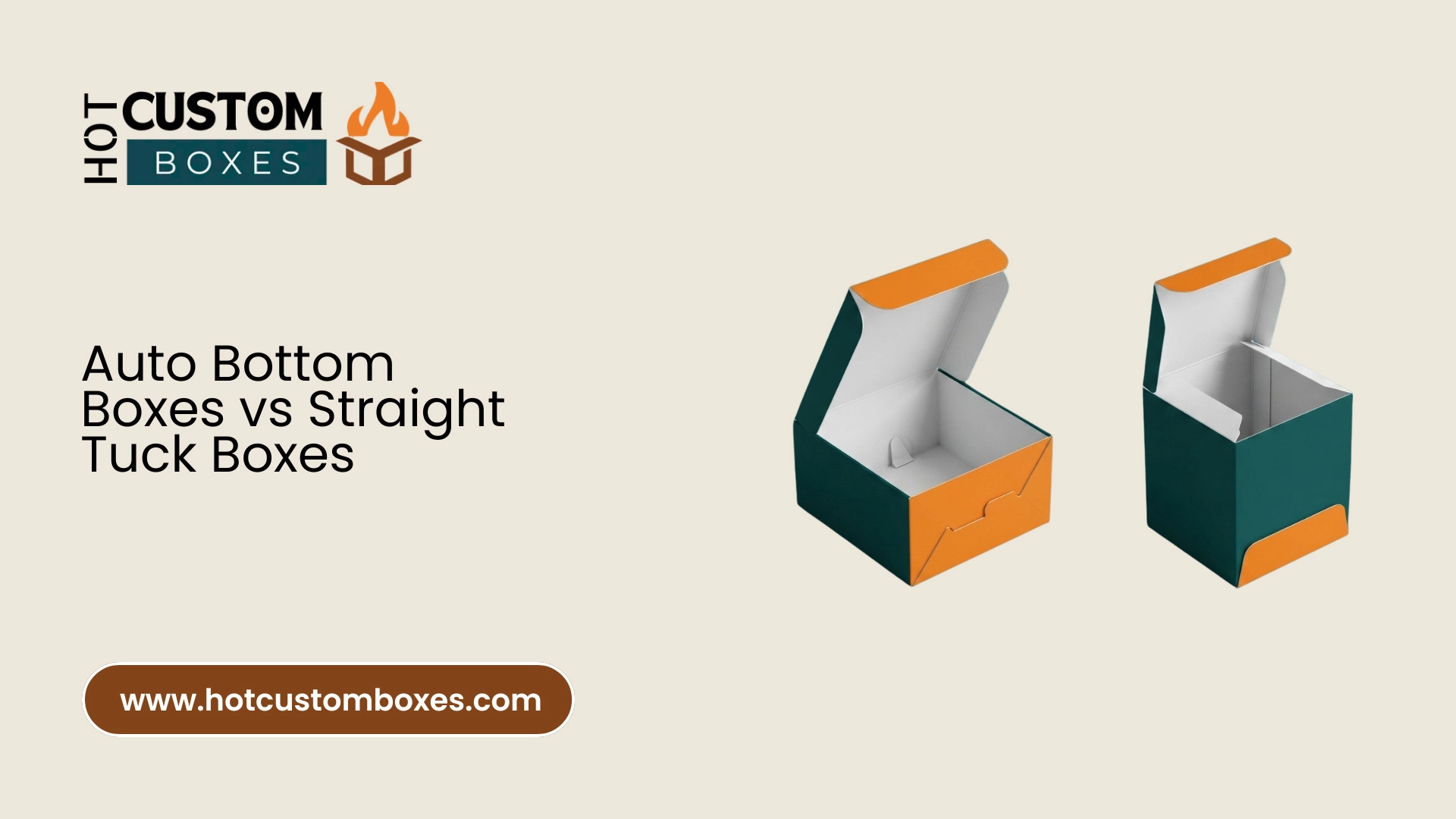
When choosing between Auto Bottom Boxes and Straight Tuck Boxes, Auto Bottom offers faster setup and stronger support, while Straight Tuck provides a simpler, lower cost design with access from either end.
Auto Bottom vs Straight Tuck at a Glance
| Comparison point | Auto Bottom Boxes | Straight Tuck Boxes |
| Bottom closure | Pre glued base opens and locks | Bottom flap is folded and tucked |
| Assembly speed | Fast after opening | Requires more closure steps |
| Weight support | Better for heavier loads | Best for light to moderate products |
| Unit cost | Usually higher | Usually lower |
| Labor cost | Often lower at volume | Can rise with manual packing |
| Storage | Ships flat with some added bulk | Packs very flat |
| Flap Direction | Opposite directions | Same direction |
| Common uses | Beverages, bottles, electronics | Cosmetics, food, pharmaceuticals |
What Is an Auto Bottom Box?
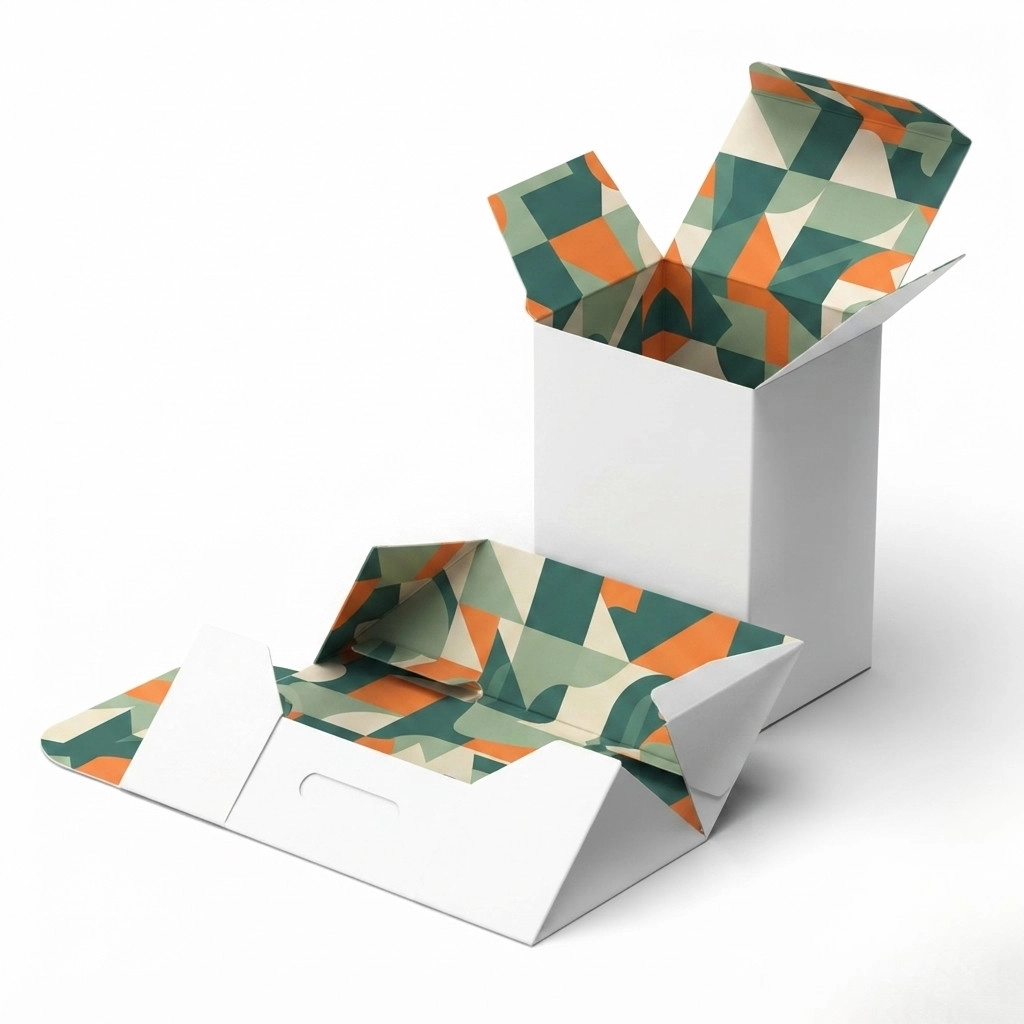
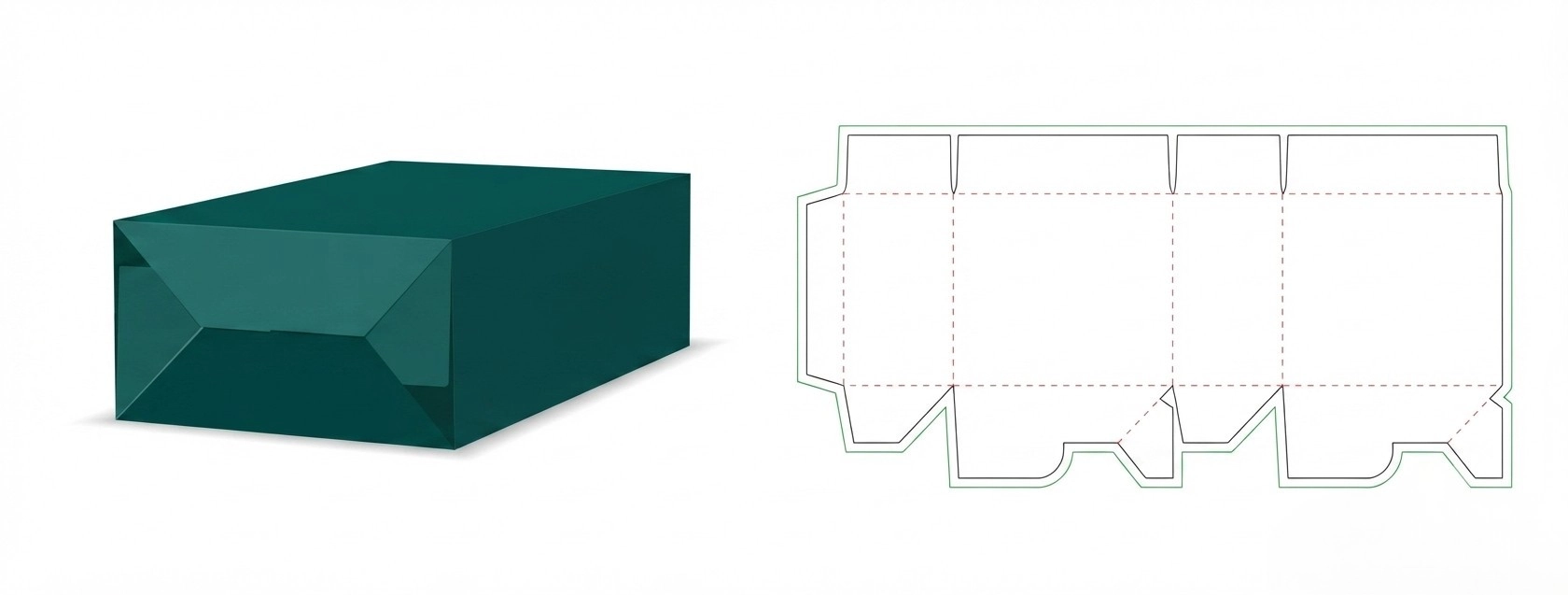
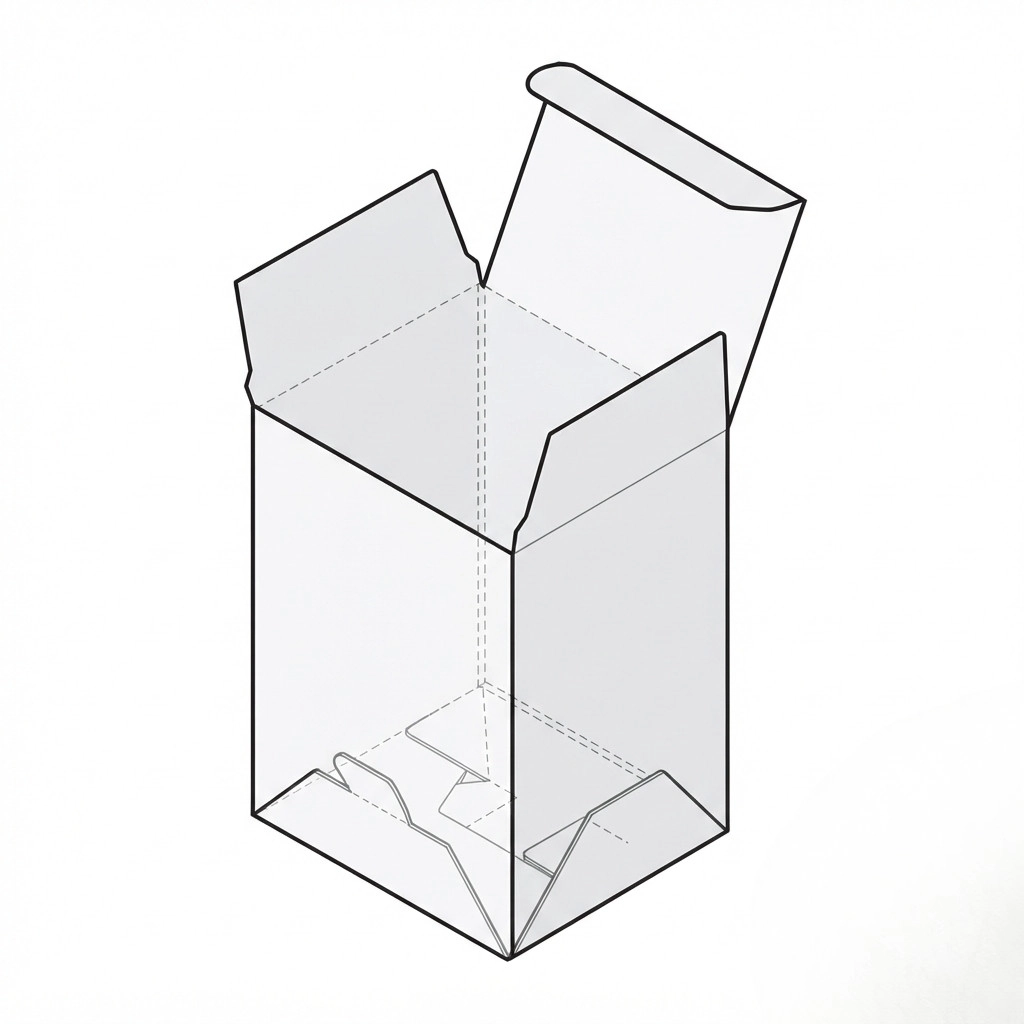
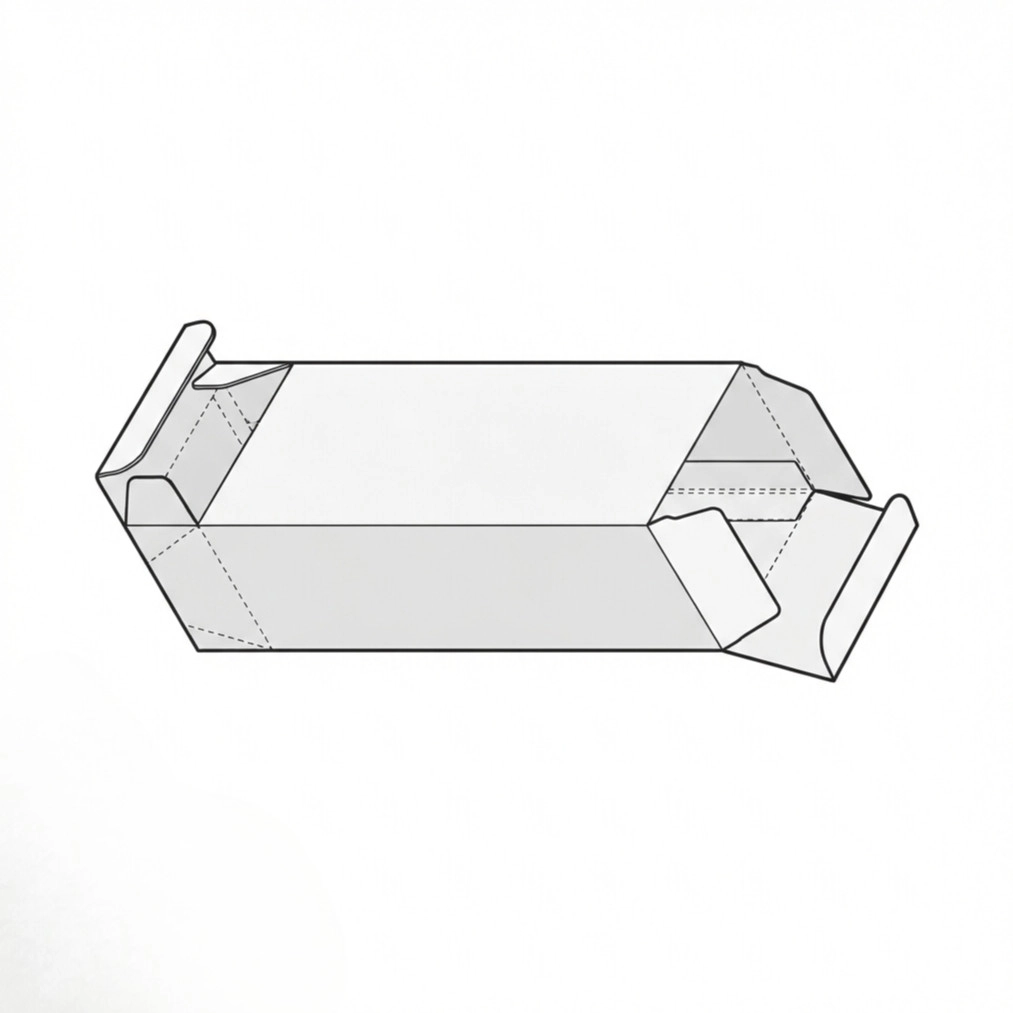
An Auto Bottom box has a pre glued base that locks into place when the carton is opened. Also known as an Auto Lock Bottom or Crash Lock Bottom box, its bottom panels are folded and glued during manufacturing, creating a ready to use base.
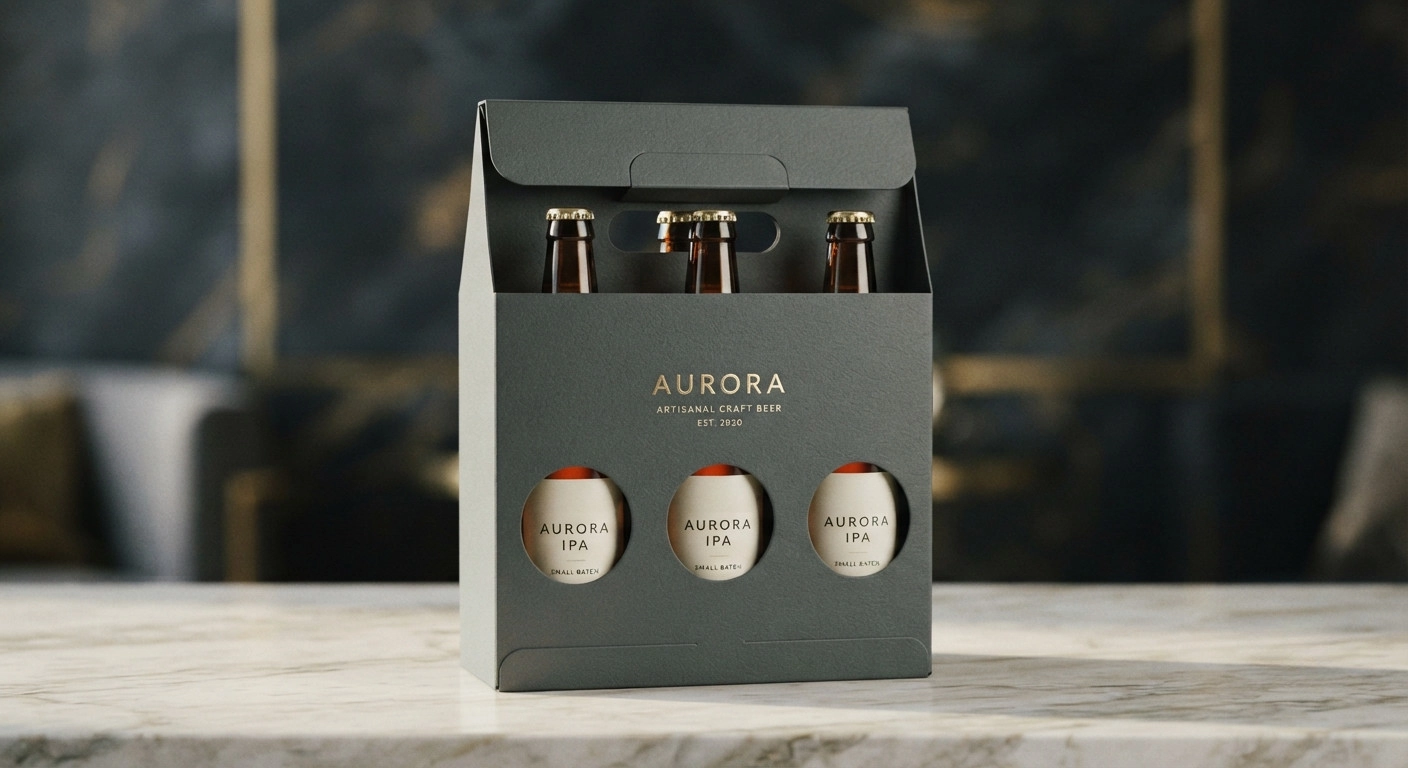
This style is commonly used for candles, glass bottles, supplements, electronics, and skincare products because it provides reliable support for heavier items. Foam inserts can also be added to reduce product movement.
Auto Bottom advantages
- Fast setup improves manual packing speed.
- Overlapping panels provide strong weight support.
- A formed base reduces errors.
- Faster erection can increase line throughput.
- The stable base supports filling and shelf presentation.
Auto Bottom limitations
- Added folding and gluing raise unit cost.
- The die line may use more paperboard.
- Pre glued bases create thicker flat bundles.
- Small runs may not recover the added cost.
- Accurate creasing and glue placement are essential.
Load capacity still depends on board grade, carton size, product shape, glue quality, and weight distribution.
What Is a Straight Tuck Box?
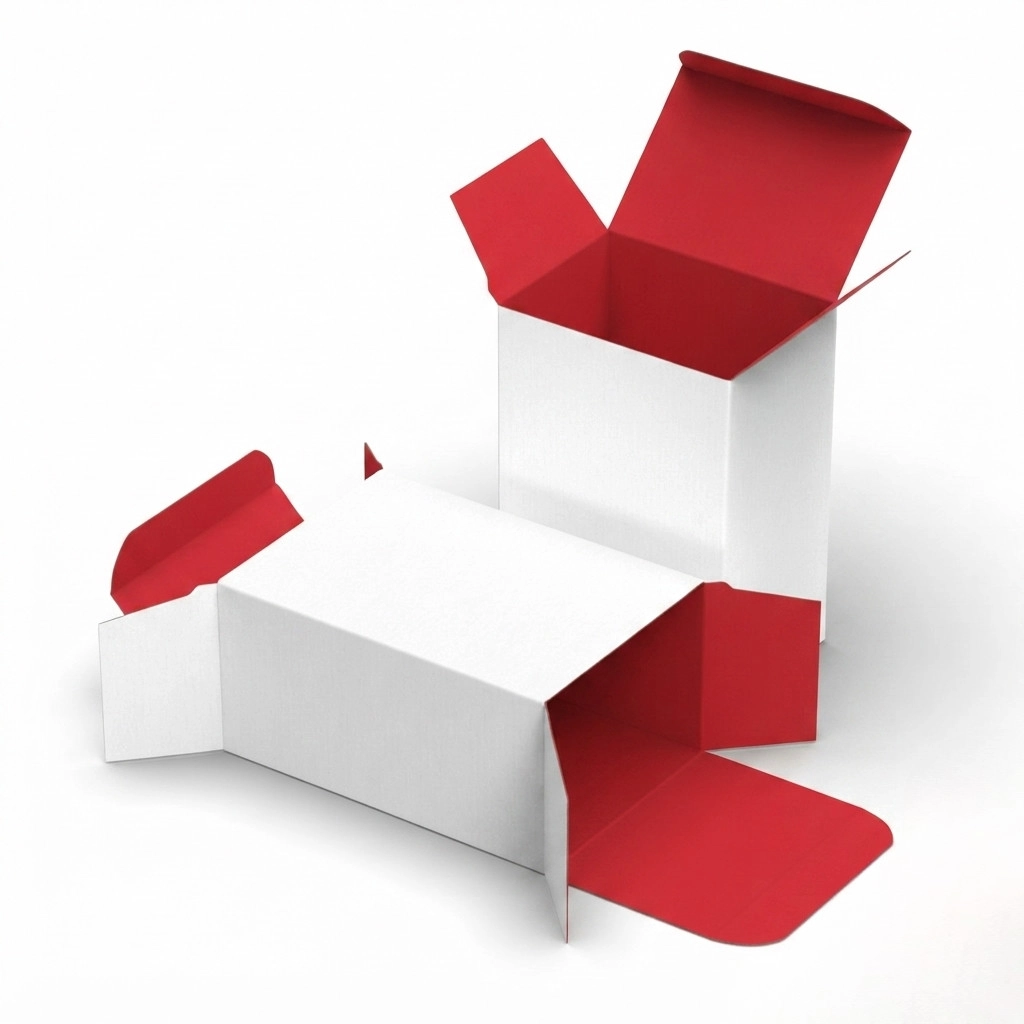
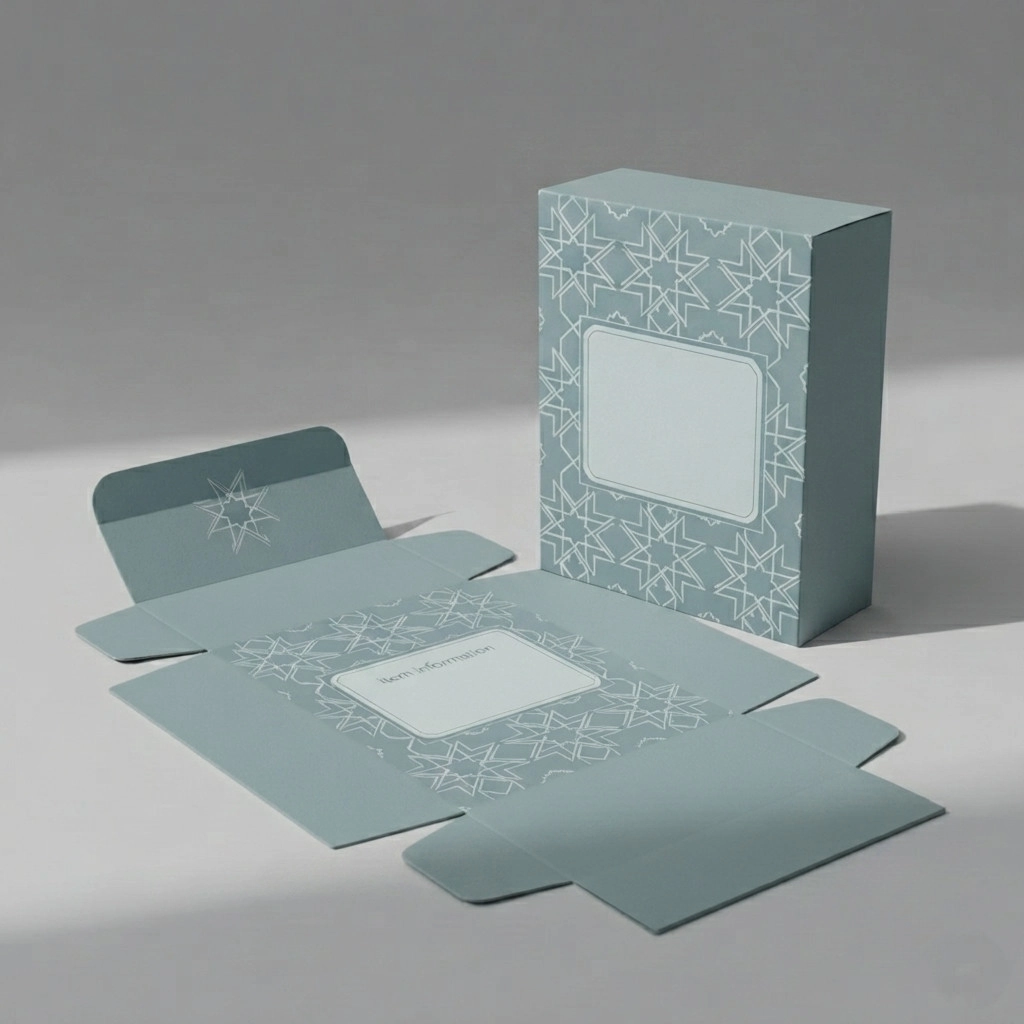
A Straight Tuck End (STE), also called a Tuck End box, has top and bottom tuck flaps attached to one main panel. Each end uses dust flaps.
The packer squares the carton, folds the dust flaps, and inserts the bottom flap. After filling, the top closes the same way. Having both tuck flaps attached to the same panel can simplify carton orientation in some packing operations.
Straight Tuck advantages
- A simple die line supports material yield.
- The carton ships flat and stores efficiently.
- Both ends open for flexible loading.
- Uninterrupted front and back panels suitable for branding.
- The style supports manual and automated packaging..
Straight Tuck boxes suit cosmetics, pharmaceuticals, cereals, personal care products, and small electronics. They work best with lighter products or inserts.
Straight Tuck limitations
- Manual assembly takes more steps.
- A poorly tucked bottom may open under load.
- High volume hand packing increases labor cost.
- Some products need a seal, label, or glue.
- Two opening ends may complicate tamper control
Assembly Speed and Total Cost
Auto Bottom boxes require less assembly during packing, while Straight Tuck boxes need the bottom flaps to be folded before filling. The difference becomes more noticeable as production volume increases.
When comparing the two styles, evaluate the total packing cost instead of the carton price alone:
- Carton cost per unit
- Assembly time per box
- Labor cost
- Packing errors and rejects
- Required production volume
Auto Bottom boxes can lower labor costs for larger production runs. Straight Tuck boxes are often the more economical choice for smaller orders because of their lower manufacturing cost.
Strength, Stability, and Protection
Auto Bottom boxes give better stability and structural strength because several pre- glued bottom panels share the load. It suits cosmetics, skincare bottles, and glass jars.
Straight Tuck boxes rely more on the closure flap, dust flaps, board stiffness, and product fit. It handles many retail products well but offers less support against pressure at the bottom center.
Test the finished pack under real conditions to verify structural strength, closure security, and product protection. Weight alone is not a reliable measure of performance.
Branding and Product Presentation
Both styles support popular printing techniques, customization, coatings, embossing and debossing, foil stamp, windows, and finishing. Paperboard and printing affect surface finish more than bottom style.
Straight Tuck provides clean front panel graphics, product visibility, and strong shelf presence. Auto Bottom offers similar shelf appeal and brand presentation, with more folds at the base.
Keep barcodes, legal copy, and graphics away from crease lines. Check a prototype before approving the packaging design and expected premium appearance.
Also Read: How Custom Packaging Boosts Brand Image
Material Options
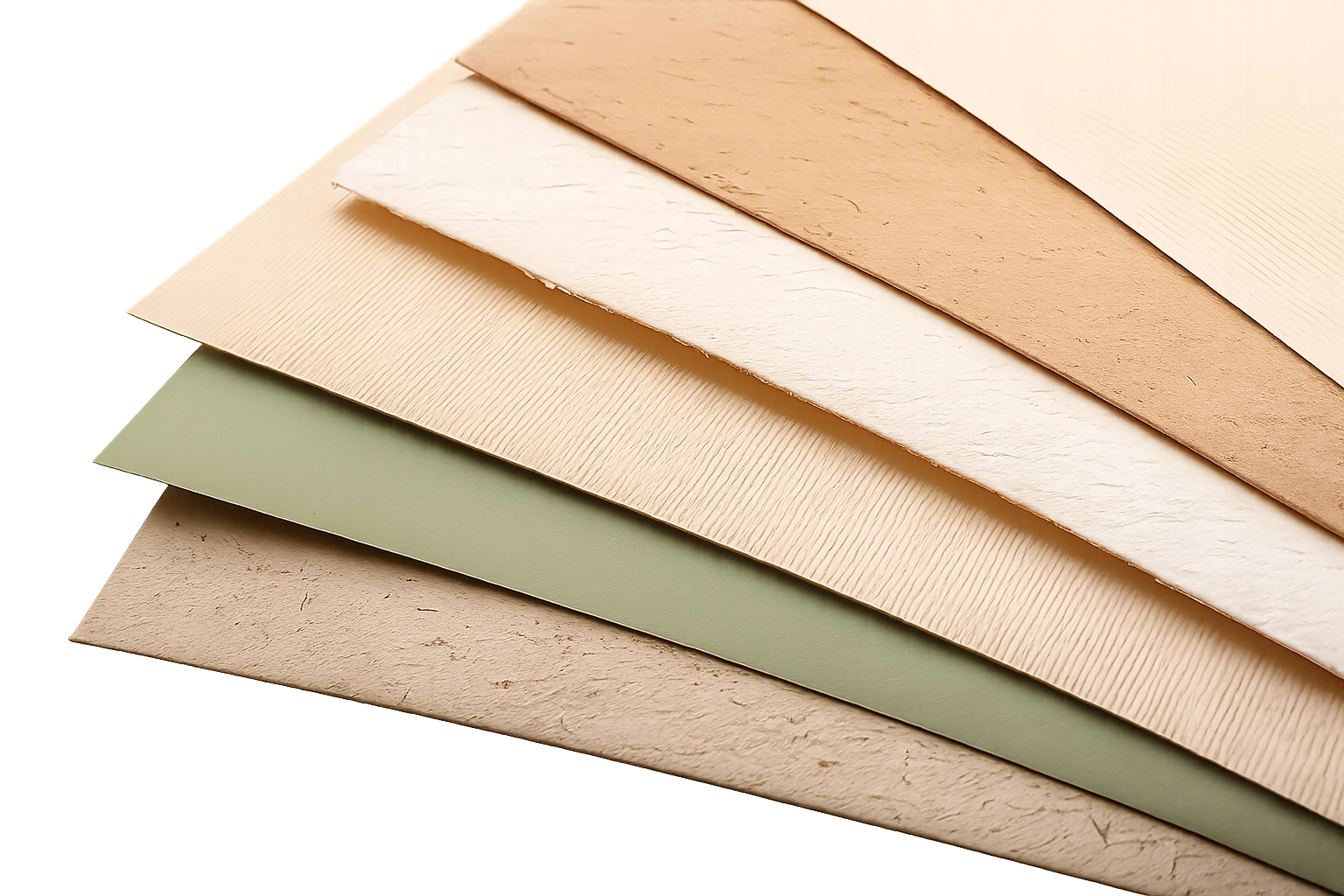
Either style can use several paperboard grades. Select the paperboard based on product weight, print quality, moisture exposure, and structural requirements.
- SBS paperboard gives cosmetics and pharmaceuticals a smooth white surface.
- Folding boxboard (FBB) offers stiffness at a relatively low weight.
- Kraft paperboard adds durability and a natural look.
Paperboard manufacturers note that SBS (Solid Bleached Sulfate) supports detailed printing, while folding boxboard balances stiffness and printability.
Automation and Packaging Line Fit
Both styles support automated packaging, but each cartoning machine needs the correct blank size, flap geometry, opening force, and closure method.
Straight Tuck supports automated cartoning. Auto Bottom can improve production efficiency when automatic feeders open and square the base on a high speed packaging line.
Before approving production:
- Run samples on the actual packaging line.
- Check opening and squaring at full speed.
- Watch for flap collisions and incomplete closures.
- Confirm glue does not slow the feeder.
- Test more than one paperboard lot.
Storage, Shipping, and Sustainability
Straight Tuck cartons generally create slightly thinner bundles because they lack the glued crash-lock base. Auto Bottom cartons also ship flat, although the pre glued base adds slight bulk.
In most cases, carton dimensions and product fit have a greater impact on shipping efficiency than the closure style.
To reduce material use and support sustainability:
- Choose right sized cartons to minimize waste.
- Use recyclable or FSC certified paperboard.
- Select water based inks when suitable.
- Limit plastic windows and mixed materials.
Recyclability depends on local recycling guidelines, as coatings, food residue, foil, and plastic components can affect material recovery.
Common Selection Mistakes
Choosing only by packaging costs is a mistake. A low cost Straight Tuck carton can become expensive when slow assembly limits production speed.
Another error is treating Auto Bottom and snap lock bottom as identical. A snap lock design, sometimes called a 1 2 3 bottom box, uses manually interlocked flaps. A true Auto Bottom has a pre glued base that forms as the carton opens.
Also avoid:
- Skipping line trials before a full order.
- Using heavier board without testing the structure.
- Ignoring product movement inside the carton.
- Placing graphics across cuts or glue areas.
- Treating retail packaging as a shipping carton.
How to Choose the Right Carton Style
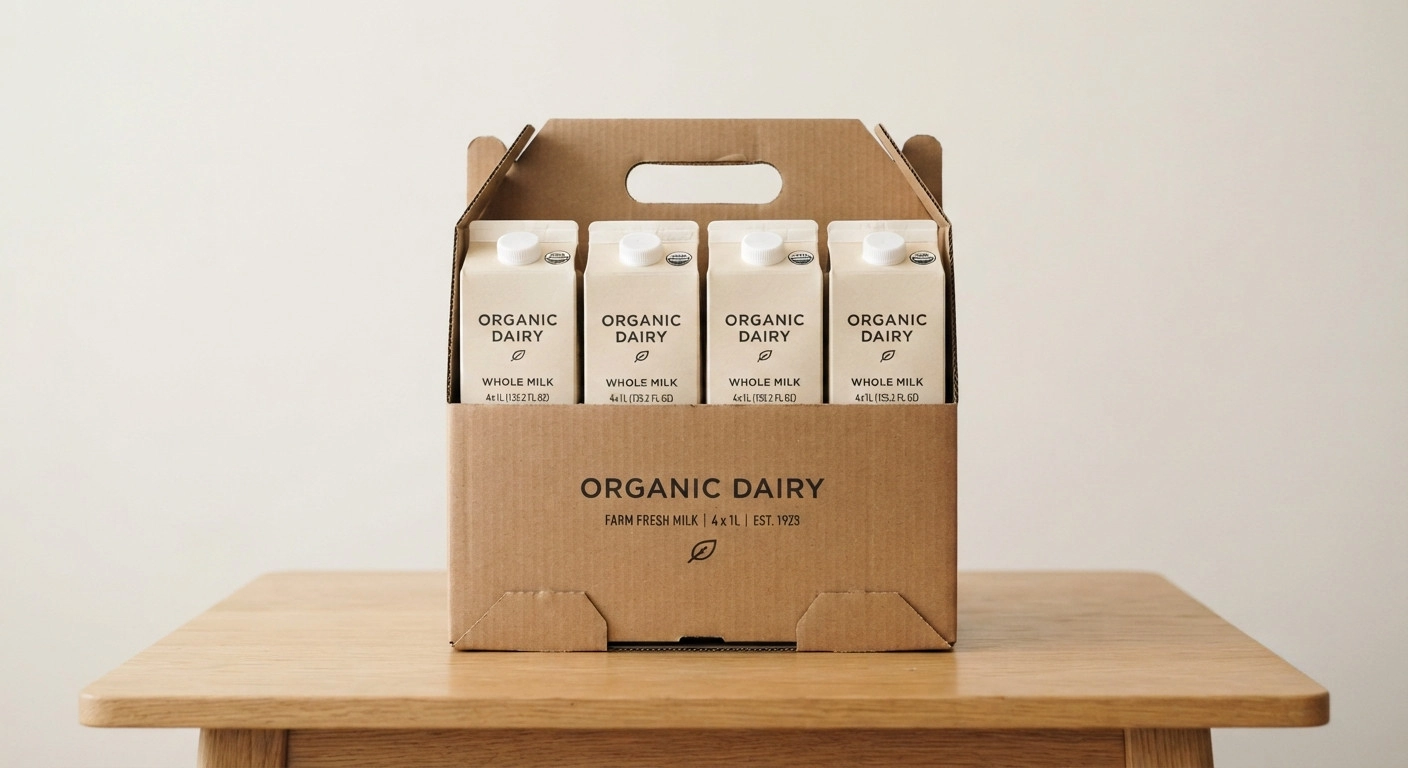
Choose Auto Bottom when packing speed, stronger weight support, and reliable base formation matter most. It often fits heavier products and high volume manual fulfillment.
Choose Straight Tuck when the product is light, the budget favors a simple blank, or access from both ends helps packing. It also suits lines configured for tuck end cartons.
Compare assembly time, cost per unit, ease of assembly, printability, shipping efficiency, and inventory management. Then use this checklist:
- Record product weight, shape, and center of gravity.
- Set the required packing rate.
- Confirm available cartoning equipment.
- Compare unit cost with packed cost.
- Test closure, stacking, and shelf stability.
- Review material use and storage needs.
Final Takeaway
Auto Bottom and Straight Tuck boxes each offer different advantages. The right choice depends on your product, budget, packing process, and shipping needs.
Need help selecting the best packaging? Our team at Hot Custom Boxes can help you choose and customize the right carton style for your products. Contact us for expert guidance and custom packaging solutions designed to fit your product and production requirements.