














Cardboard Boxes vs Corrugated Boxes: What’s the Difference?
Home » comparisons » Cardboard Boxes vs Corrugated Boxes: What’s the Difference?
Table of Contents
Get A Free Quote
When it talks about the packaging boxes, only two types of packaging boxes come to mind. First one cardboard boxes and corrugated boxes. Many businesses consider them the same thing and use them in their packaging solutions again and again over time. But the point is that they both are different in their features and look and functionality as well. Understanding the difference between cardboard boxes and corrugated boxes can help you in choosing the right packaging solution depending on product type and brand’s needs.
In this article, we are going to explore the materials, construction, benefits, drawbacks and common use of both packaging boxes, so that you can make impactful decisions.
What Are Cardboard Boxes?
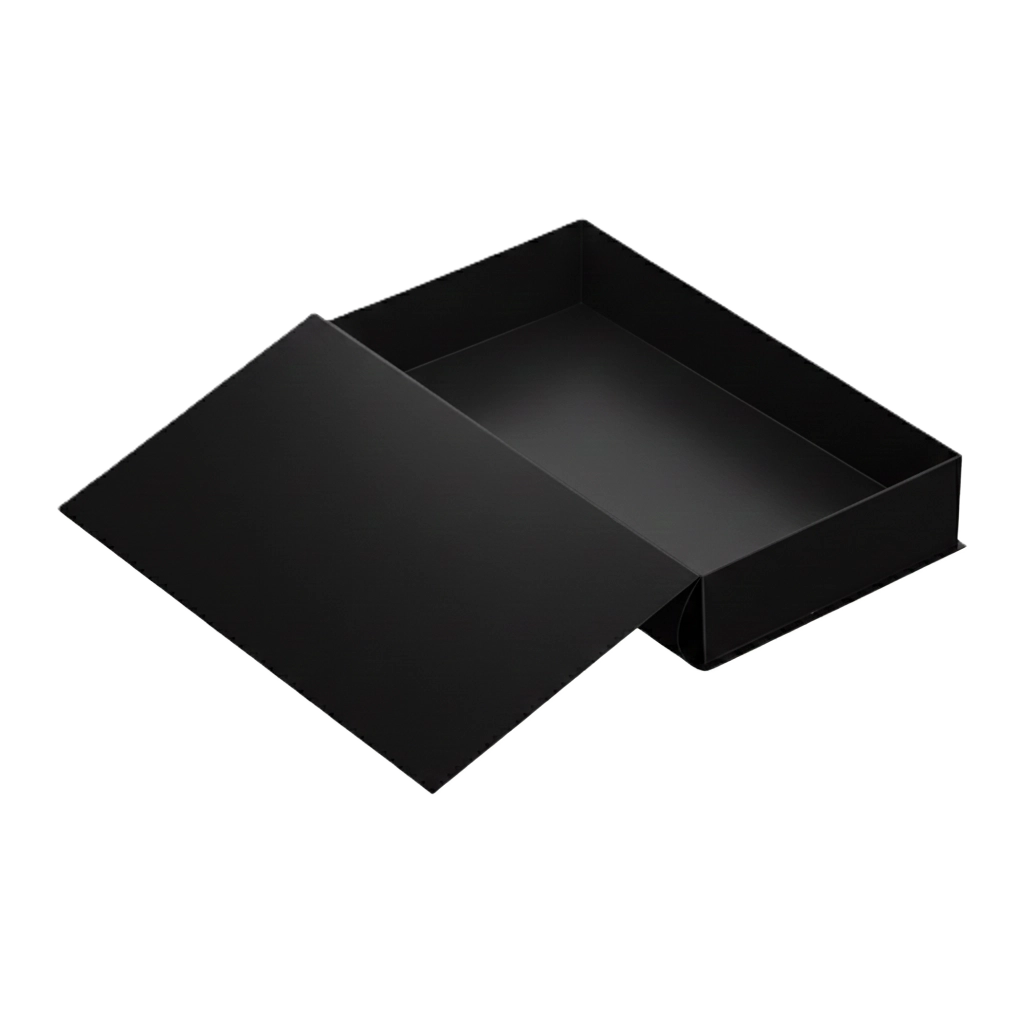
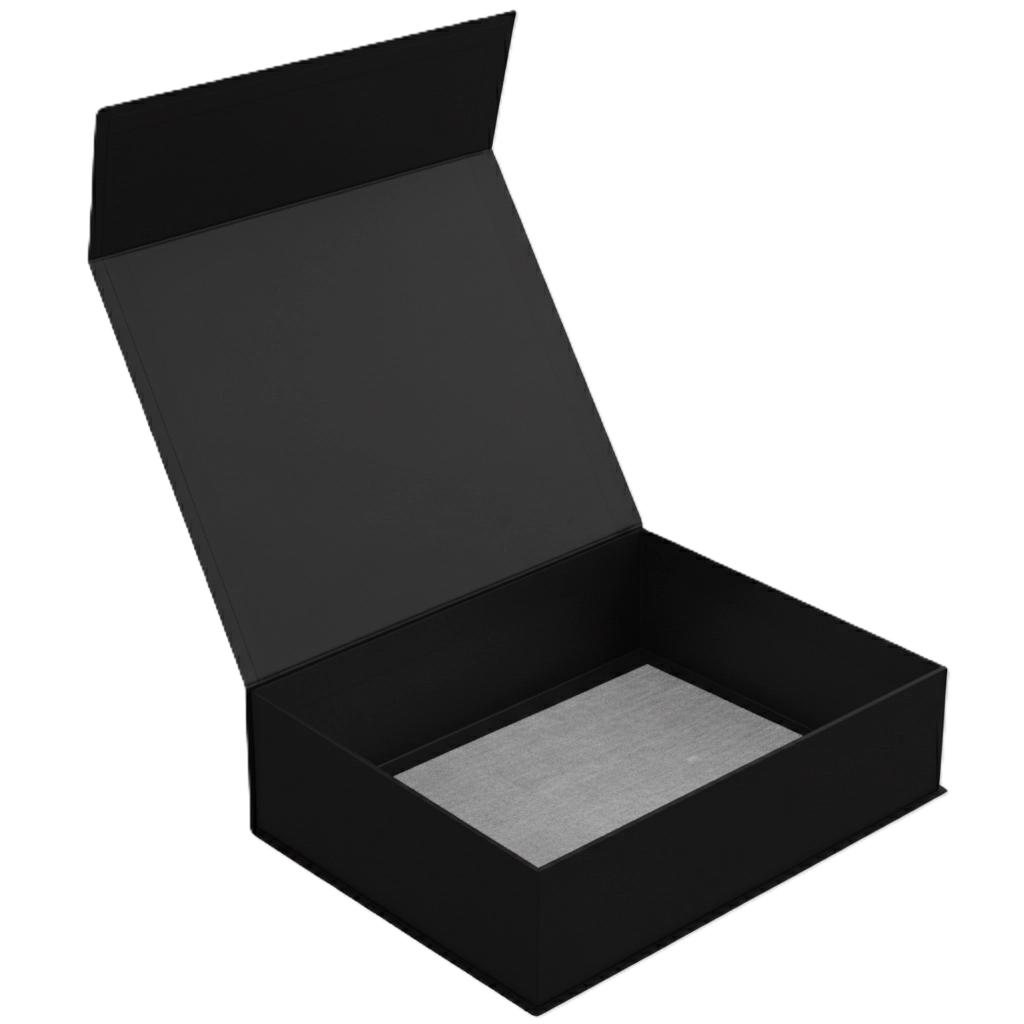
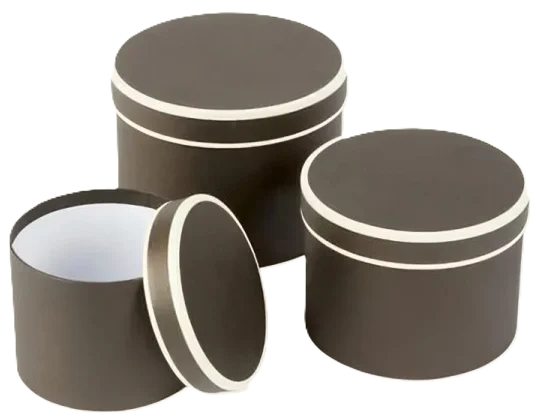
Cardboard boxes are made from heavy paper based material, often called paperboard or boxboard. The material is thicker than normal paper but thinner and less rigid than corrugated board. It is commonly used when the product does not need heavy protection during shipping.
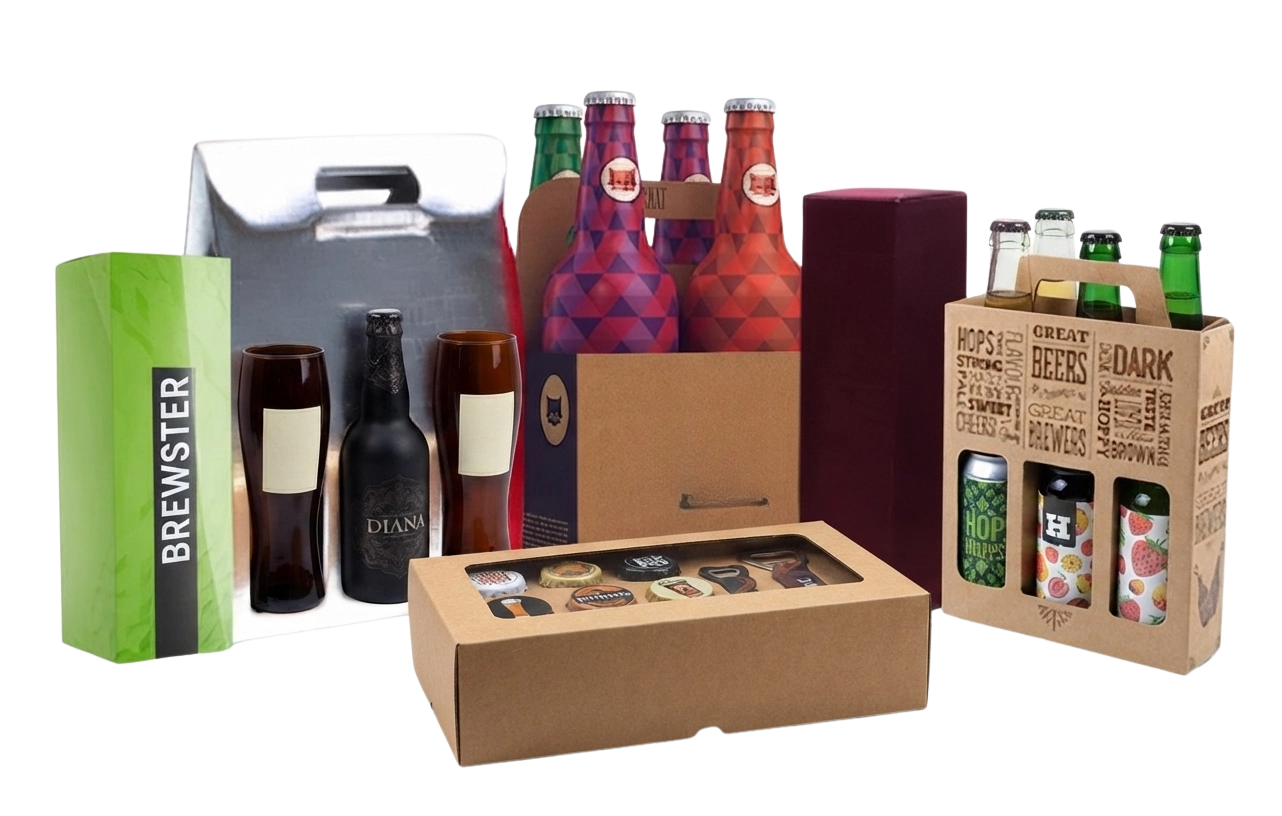
Cardboxes are popular in retail packaging solutions because they are convenient to implement the printing techniques and also easy to give it different shapes. They can easily fold, cut, coated and designed in many ways. You often see the use of cardboard boxes in cereal, tea, apparel, cosmetics, medicines, bakery items, gift packaging and also small consumer goods. Cardboard boxes work very efficiently with lightweight products.
What Are Corrugated Boxes?
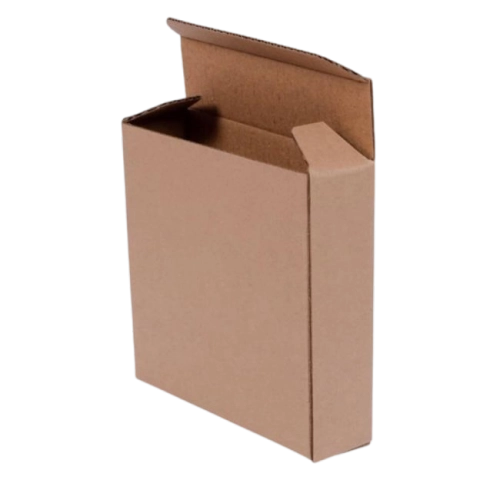
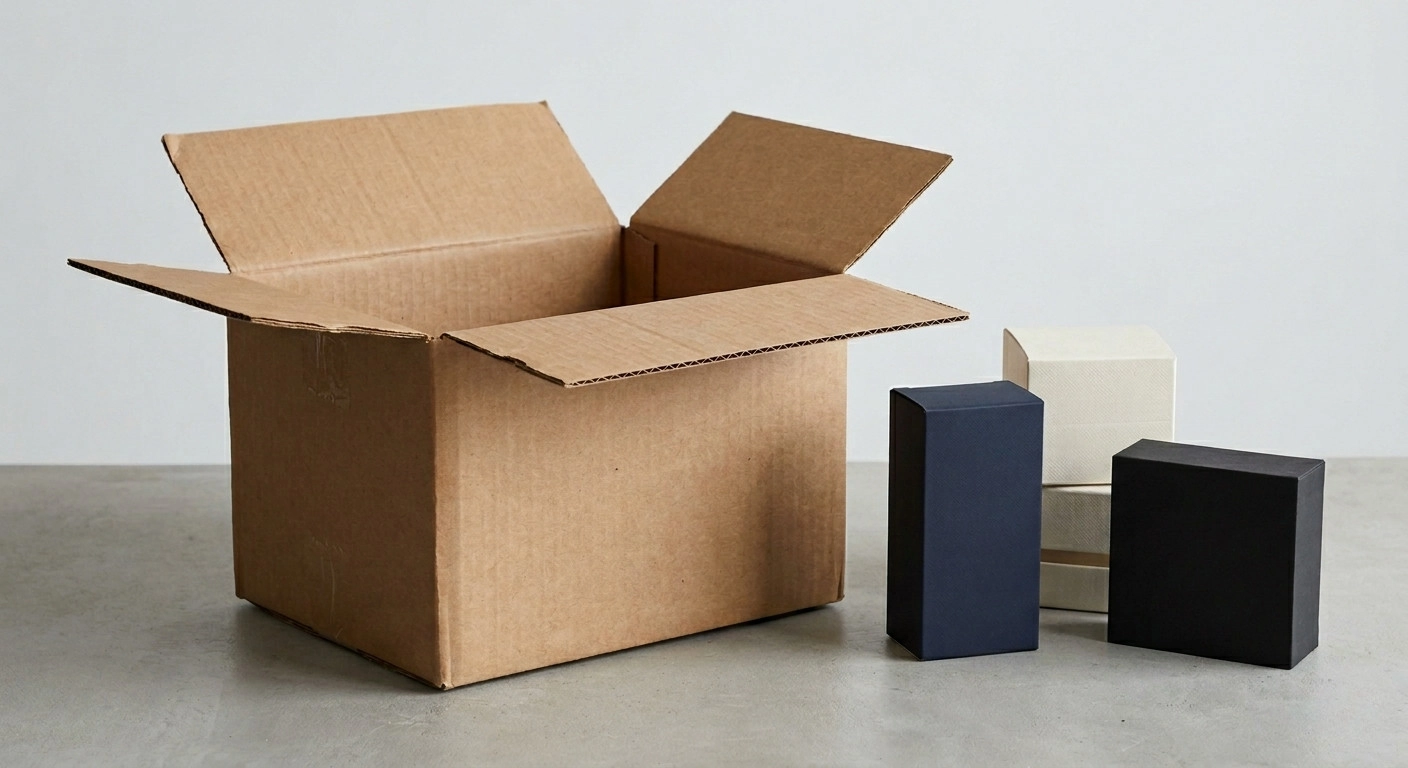
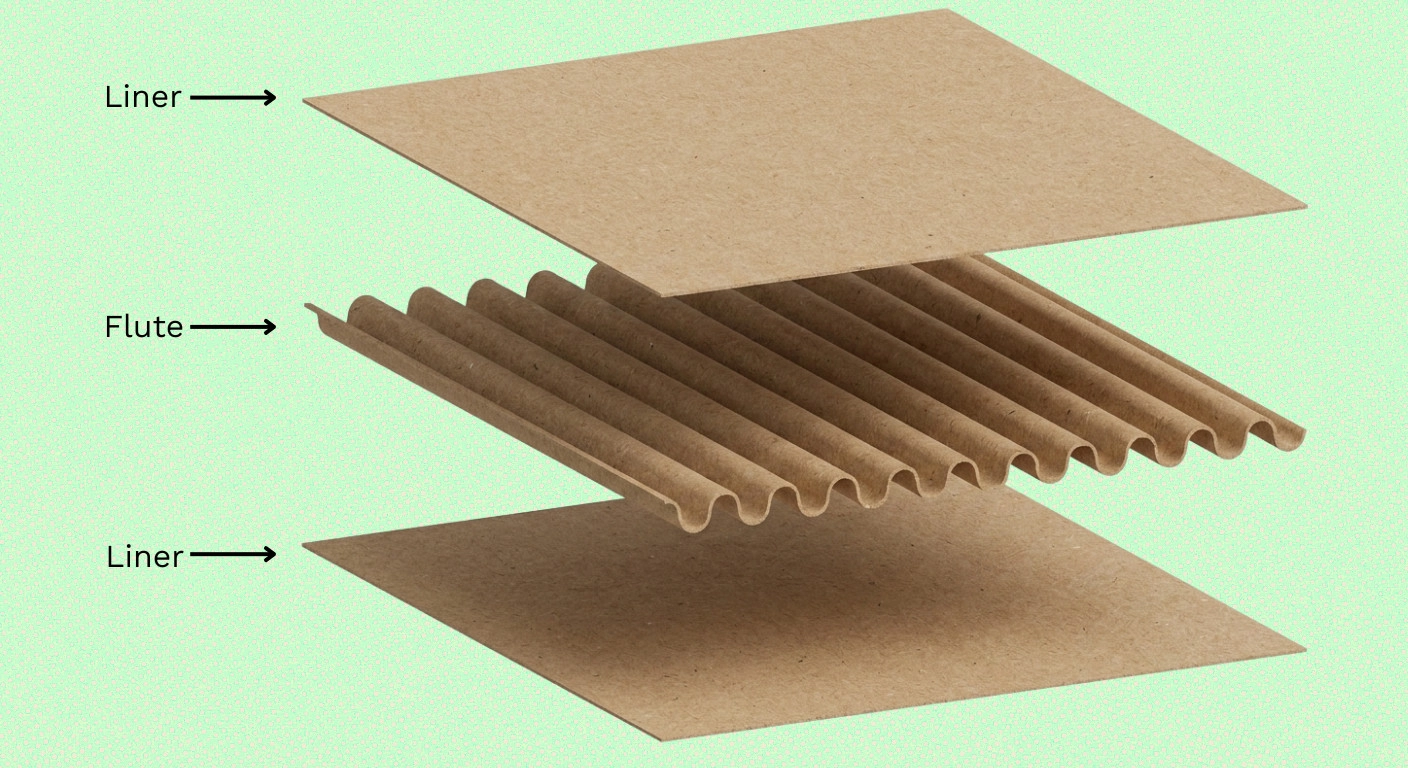
Corrugated boxes are designed using corrugated fiberboard or paperboard. This material is at least three layers deep. There is an inner liner, an outer liner and in between them is a wavy layer called fluting. The fluting between the lining makes air pockets for greater strength and comfort.
The primary reason corrugated boxes are utilized for shipping is their layered design. They are more resistant to pressure and impacts, and they protect objects during shipment.
Corrugated boxes are available in different strengths and flute types. Some are light and neat for mailer packaging. Others are thick and strong enough for appliances, electronics, glassware, furniture parts, and bulk products.
Main Difference Between Cardboard and Corrugated Boxes
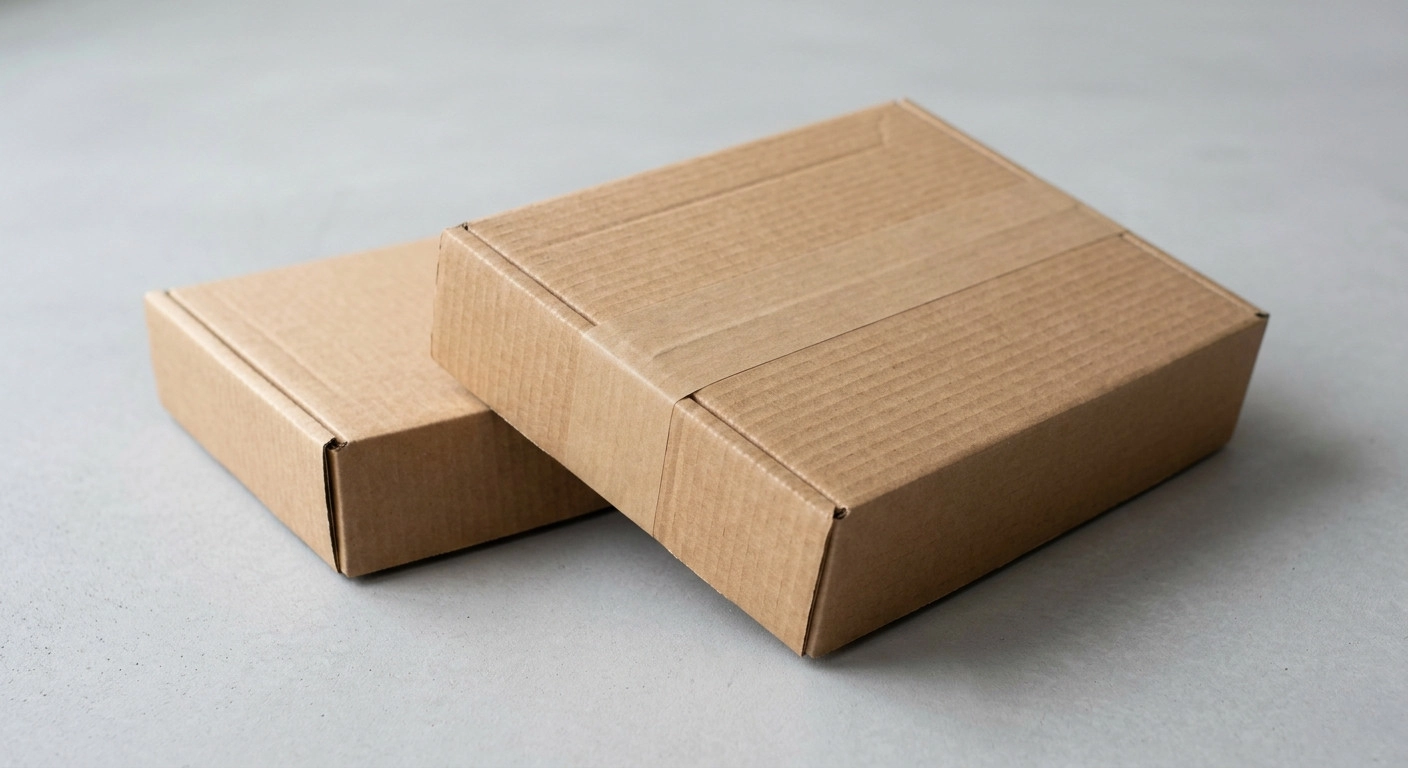
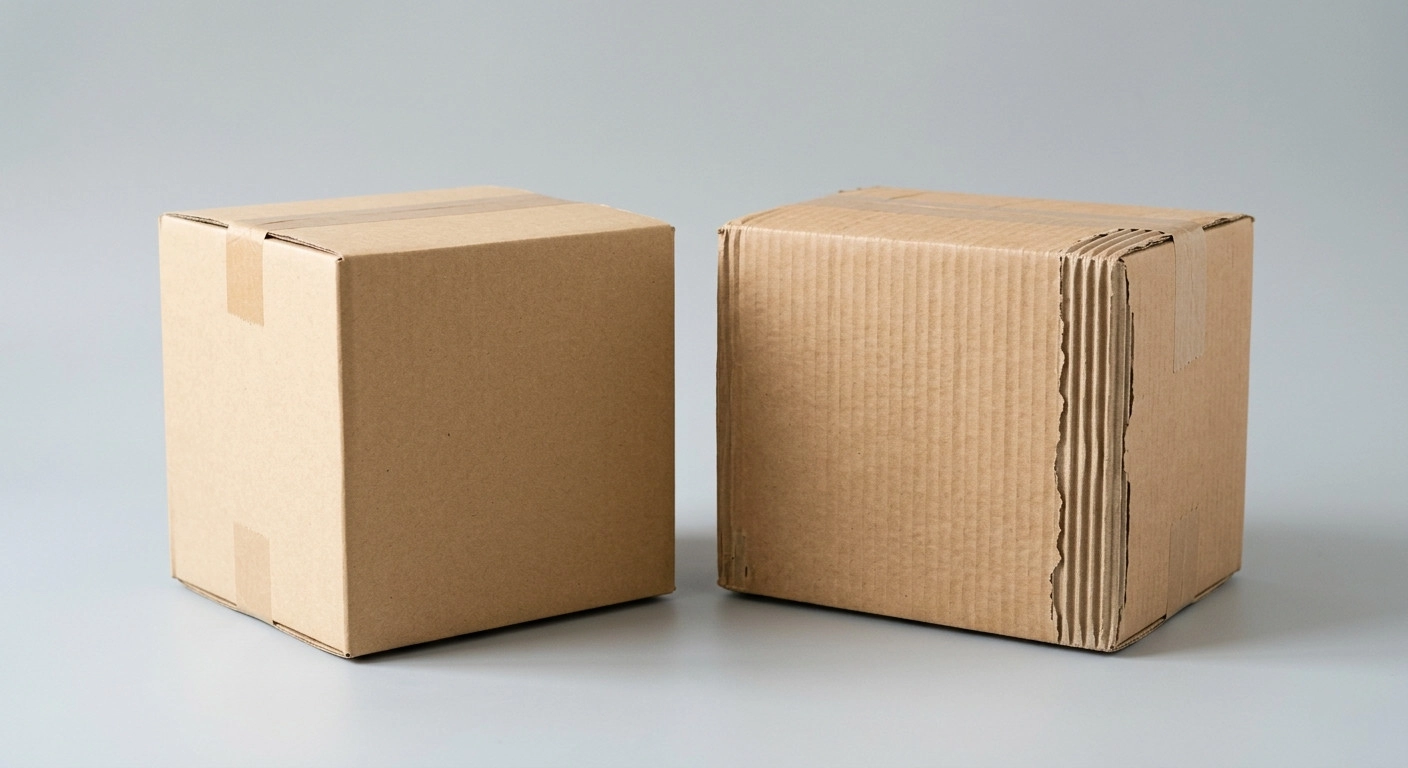
The main difference is structure. A cardboard is usually a single thick sheet of paperboard. The corrugated board has multiple layers with a wavy middle layer. That one structural difference changes everything. It affects strength, weight, printing quality, cost, product safety, and the best use case for each box.
Cardboard boxes are better for presentation and lightweight products. Corrugated boxes are better for shipping and product protection. Cardboard is often used as primary packaging, while corrugated is often used as secondary or shipping packaging. For example, a perfume bottle may come in a printed cardboard box. That same cardboard box may then be placed inside a corrugated shipping box before being sent to the customer.
Here is a simple way to compare both options before choosing packaging for your product.
| Feature | Cardboard Boxes | Corrugated Boxes |
|---|---|---|
| Main material | Paperboard or boxboard | Corrugated paper or fiberboard |
| Structure | Usually one thick paper based layer | Flat liners with a wavy fluted layer |
| Strength | Light to moderate | Moderate to very strong |
| Best use | Retail display and light packaging | Shipping, storage, and protection |
| Printing quality | Very good on smooth surfaces | Good, but depends on flute and finish |
| Cushioning | Low | Higher due to fluting |
| Weight | Lighter | Heavier, depending on wall type |
| Cost | Often lower for small retail boxes | Higher, but better for shipping safety |
| Storage | Takes less space | Takes more space due to thickness |
| Common examples | Cereal boxes, cosmetic boxes, medicine cartons | Shipping boxes, moving boxes, mailers |
| Best for fragile items | Only with added protection | Better choice, especially with inserts |
| Best for heavy items | Not ideal | Better choice |
Material and Structure
Cardboard boxes have a smooth, thin, and also foldable structure. They work well in achieving the clean die cuts with sharp creases and also premium surface finishes such as matte and gloss lamination, foil stamping and spot UV. It is an ideal choice if brands prefer attractive shelf displays while fulfilling sustainability.
Corrugated boxes are built for strength and impact resistance. Their fluted inner structure helps absorb pressure, reduce crushing, and protect products during handling or shipping. The more layers a corrugated box has, the stronger it becomes.
Single wall, double wall and triple wall are common corrugated styles. Standard shipment is in single wall boxes. Double wall boxes are stronger for stacking larger objects. Triple wall boxes are used for large, industrial or high weight shipments.
Strength and Durability
One of the most considerable differences between cardboard and corrugated boxes is durability. Both provide durability according to their material differences. Cardboard boxes are not suitable for the heavy pressure or rough handling. They easily get damaged while experiencing the moisture or too much heavy weight.
But the corrugated packaging boxes are significantly stronger as compared to the cardboard boxes. The fluted layer provides better shock resistance and stacking strength. This makes them attractive for warehouses, delivery trucks, courier handling and long-haul shipments. If your product is fragile, heavy, or is passed through several hands, corrugated packaging is generally the safer option. If it’s merely about nice packing for shelf display, cardboard might do.
Weight and Thickness
Cardboard boxes are generally lighter and thinner. They are easy to store, fold and use for small products. Their thin structure also helps to reduce the mass of retail packaging.
Corrugated boxes are thicker as they have a layered construction. They can take up more room but they give a lot better protection. The extra thickness produces the strong durability to withstand high pressure of transporting and shipping.
A light box is not always the best choice. If the package is damaged in shipment, the cost of damage can be far greater than the modest amount saved on material.
Printing and Branding
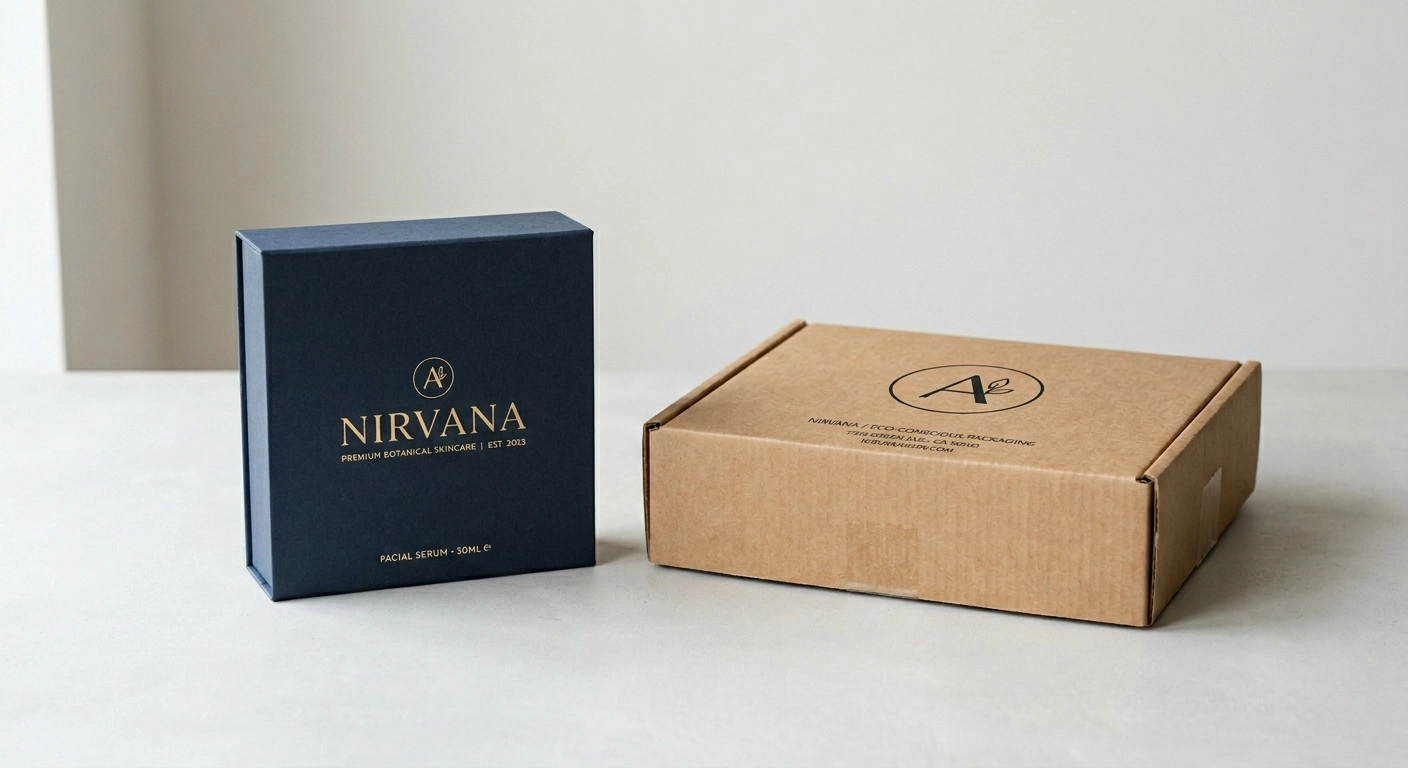
Cardboard boxes have a smooth paperboard surface that gives clear print results. They have a number of printing options for bright colors, small text and detailed patterns, and product information and premium finishes including matte or gloss lamination, embossing and debossing, foil stamping and spot UV. You can also print corrugated boxes, however they are not as smooth as ordinary boxes due to the fluted layer between the boards. Corrugated packaging is well suited for simple logos, brand names, shipping marks, handling directions, and simple designs.
Common Uses of Cardboard Boxes
Cardboard boxes are used for products that need clean presentation rather than heavy protection. They are common across retail stores, food packaging, health products, beauty items, and gift packaging.
Common examples include:
- Food boxes and bakery packaging
- Gift boxes and small retail boxes
- Shoe boxes and clothing boxes
- Lightweight display boxes
- Product sleeves and folding cartons
Cardboard packaging is a good fit when the product is not too heavy and does not need strong impact protection.
Common Uses of Corrugated Boxes
Corrugated boxes are used when strength matters. They are common in shipping, moving, warehousing, e-commerce, and industrial packaging.
Common examples include:
- Moving boxes for home and office use
- Electronics packaging
- Glassware and fragile item packaging
- Heavy product cartons
- Industrial packaging
Cost Difference
Cardboard boxes are often less expensive for small, lightweight packaging. They use less material and are easier to produce in simple retail styles. They can also be cost effective for high volume custom printed packaging.
They also cost more because of the additional material and stronger construction . Pricing varies by board grade, flute type, size, printing and order quantity. However the cheapest box is not always the best choice.
A weak box can mean broken products, returns, refunds or bad reviews which could cost more in the long term. Corrugated boxes are frequently a better value for shipped items, as they decrease the risk of damage.
Protection Level
Cardboard boxes offer basic protection. It gives strong protection to the product from external impact and environmental effects. They do not offer strong cushioning.
Corrugated boxes offer higher protection. The fluting helps absorb impact and pressure. This matters during shipping because packages may be dropped, stacked, pushed, or moved through machines.
For fragile products, corrugated packaging can also be combined with inserts and dividers, paper padding, foam, or molded pulp. This gives extra support and keeps the product from moving inside the box.
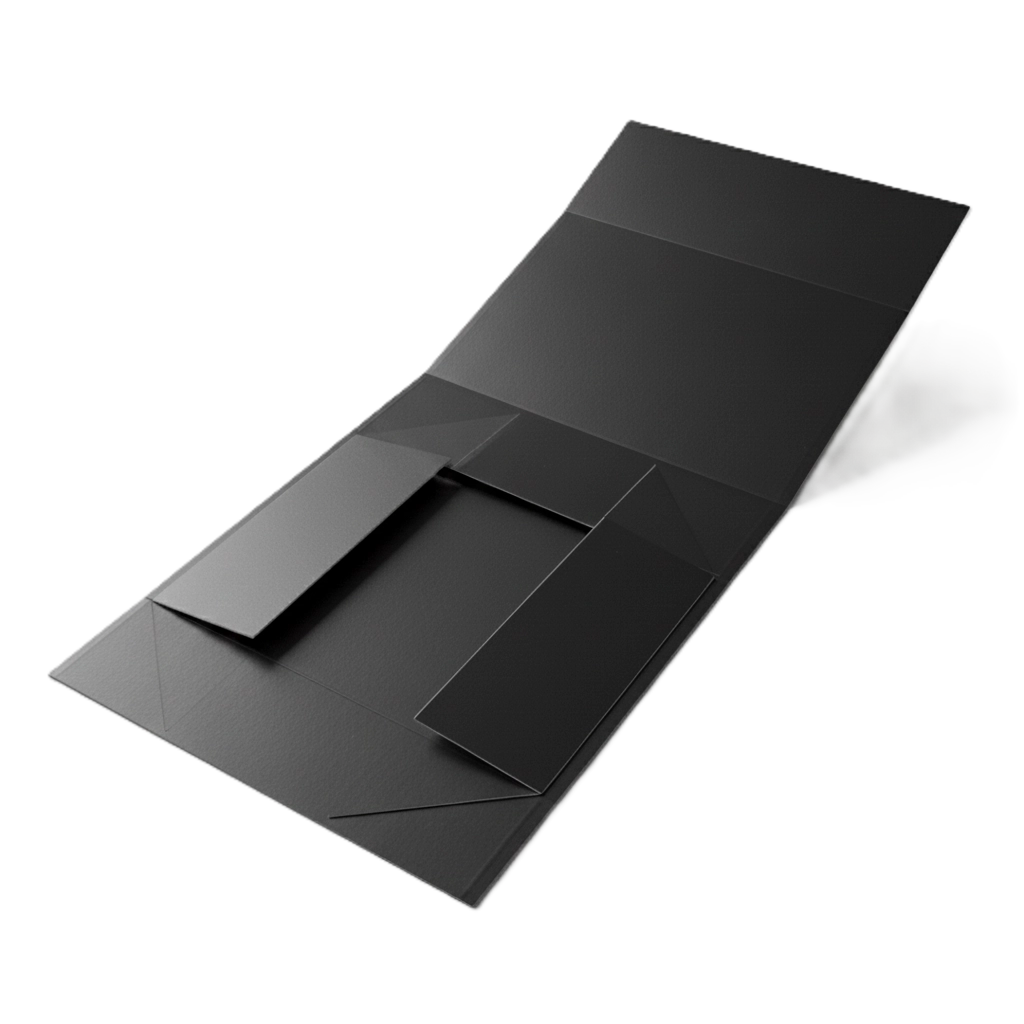
Storage and Handling
Cardboard boxes are easy to transport and store because of their thin and lightweight structure. They are very easy to fold and assemble. This makes them useful for retail businesses that pack many small items. Corrugated boxes can also be shipped and stored flat, but they take up more space because the material is thicker. They are still practical for warehouses and shipping centers because they are strong and easy to stack.
When choosing between the two, think about your storage space, packing process, and product weight. For high-volume packing, thinner cardboard can speed up folding and shelf packing, while corrugated boxes are better for stacking and warehouse movement.
Can Cardboard and Corrugated Boxes Be Recycled?
Both can usually be recycled, but it depends on coatings, inks, labels, tape, and contamination.
Cardboard and corrugated boxes are usually made from paper based eco-friendly materials. Many options are recyclable, reusable, and available with recycled content. This makes them better than many plastic packaging options.
Corrugated boxes are widely recycled because they are commonly used in shipping. Cardboard boxes can also be recycled, but coatings, foil, plastic windows, and heavy ink coverage can make recycling harder. To make packaging more eco friendly, use the right size box, avoid excess coatings, limit plastic parts, and choose recycled content where possible.
Also Read: How To Make Your Custom Packaging 100% Recyclable
Pros and Cons of Cardboard Boxes
Cardboard boxes have many benefits, especially for retail packaging. They are lightweight, easy to print, and good for product presentation. They can be made in many shapes and styles, which helps brands create attractive product packaging.
They also have limits. They are not very strong compared to corrugated boxes. They can bend or crush under pressure. They are not the best choice for heavy, fragile, or long distance shipped products unless used inside stronger outer packaging.
Cardboard boxes are best when appearance matters more than heavy duty protection.
Pros and Cons of Corrugated Boxes
Corrugated boxes are strong, durable, and useful for shipping. They protect products better during transport and can handle stacking pressure. They are also available in many sizes, flute types, and strength levels. The main drawback of corrugated packaging boxes is their thickness that may cost more than simple cardboard boxes. And its surface is also not that smooth to produce the polished retail appearance even with the use of premium printing techniques and finishing details.
Corrugated boxes are best when brands prefer product protection, shipping strength and durability more.
Which Box Is Better for Retail Packaging?
Cardboard boxes are a good choice for lightweight retail products that need elegant appearance. It strengthens the customer-facing packaging solutions. They work well for items such as cosmetics, candles, medicines, food items, gift products, and small electronics accessories as well.
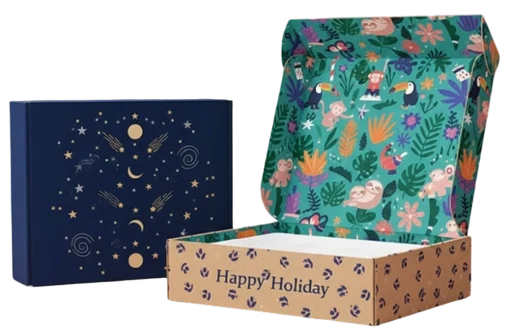
Corrugated boxes are better when the retail product is heavier, fragile, or needs extra protection. Some brands also use printed corrugated mailer boxes for subscription boxes, e-commerce packaging, or larger retail products that need both strength and branding.
Which Box Is Better for Shipping?
For shipping, corrugated boxes are the best choice for shipping. They are built to handle pressure, movement, and impact. They are also better for stacking and warehouse handling. E-commerce brands should be careful about using plain cardboard boxes for shipping. A product may look fine when packed, but the box may fail during delivery. Corrugated boxes reduce that risk. For the best result, use a corrugated box that matches the product size and weight. Add inserts or padding if the item is fragile.
Can You Use Both Together?
Yes, many businesses use both of them. And it also considers the best packaging solutions. A product may have a printed cardboard box as its main packaging. This box gives the product a clean look and includes branding, ingredients, instructions, or product details. Then the product is placed inside a corrugated box for shipping. This method gives both presentation and protection. It is common for cosmetics, electronics, supplements, luxury items, and online retail products.
How to Choose the Right Box
The right packaging box selection totally depends on product type, shipping method and branding goals at all. Choose the cardboard boxes if your product is lightweight for display on retail shelves that don’t need durable protection. Cardboard boxes have a smooth surface that is very convenient in applying detailed printing and smooth finish touches. Choose corrugated boxes if your product is heavy in weight, fragile, has to ship at long distance to customers, stored in bulk, or moved through warehouses. They are better when the package needs to survive pressure and handling. Also consider product size, moisture exposure, stacking needs, and customer experience. A neat box matters, but safe delivery matters even more.
Final Thoughts
Cardboard boxes and corrugated boxes both can be meaningful choices for packaging solutions but their benefits and drawbacks are different. Cardboard boxes produce lightweight retail packaging, branding and display. Whereas corrugated boxes are stronger and better for shipping and storage, as it gives the durable product protection. Which one is the right choice totally depends on your product type and brand requirements. If you just need a box that gives an attractive appearance for the light weighted products, cardboard boxes are the best choice to go with. But if the product requires a strong protection during shipping and storage then corrugated packaging boxes are the ideal choice.