














Difference Between Corrugated Boxes and Kraft Boxes
Home » comparisons » Difference Between Corrugated Boxes and Kraft Boxes
Table of Contents
Get A Free Quote
Packaging affects how a thing appears and ships and stores and gets to the customer. Kraft boxes and corrugated boxes are two popular packaging materials. Both are used in retail, food, ecommerce and industrial packaging, but have different functions. Kraft boxes are used for product display, small gifts, cosmetics and food packaging. Corrugated boxes are typically used where strength, protection during transport and stacking stability are necessary.
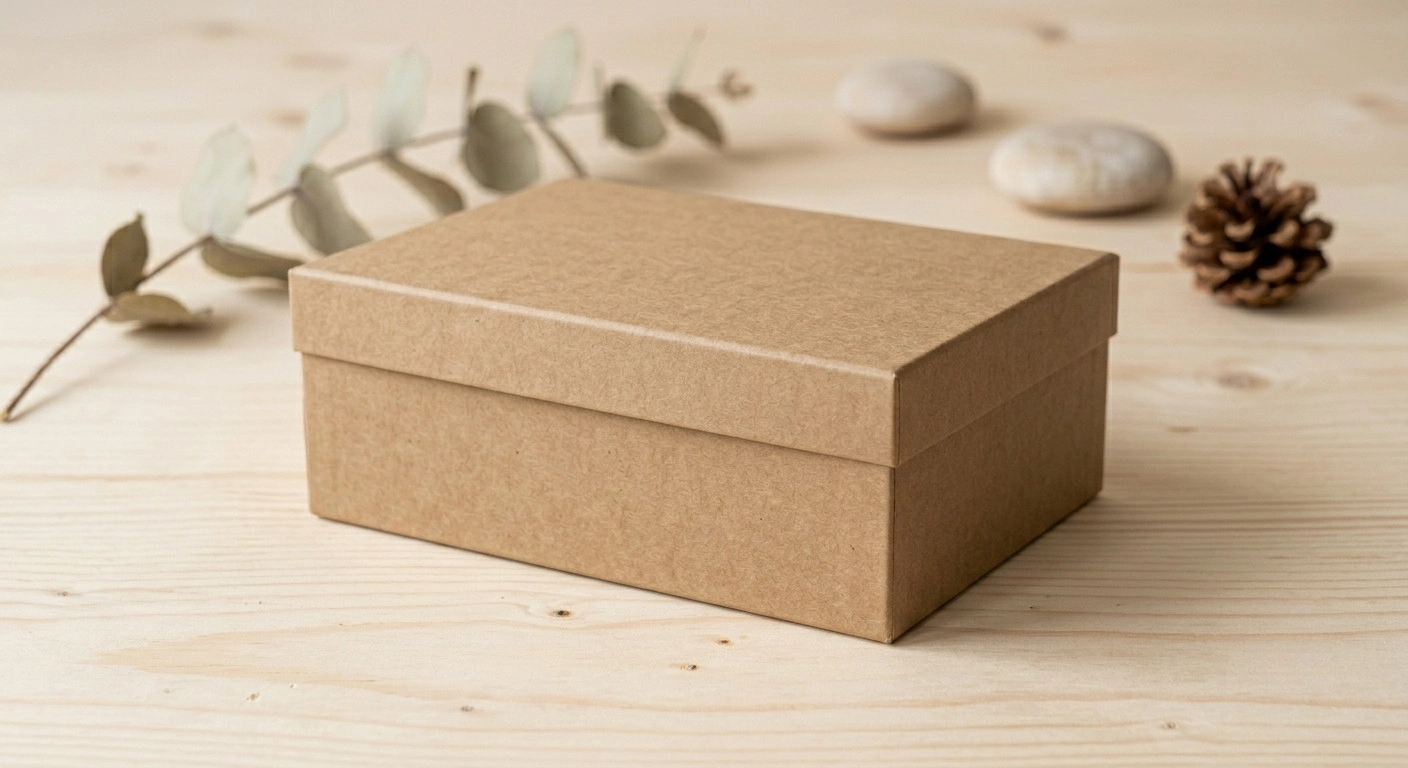
What Are Kraft Boxes?
Kraft boxes are made from kraft paper, which is known for its natural brown look and good tensile strength. Kraft paper is made through the chemical pulping process, where softwood fibers from trees like pine and spruce are treated to create strong paper pulp. This gives kraft paper packaging its firm feel and simple natural finish.
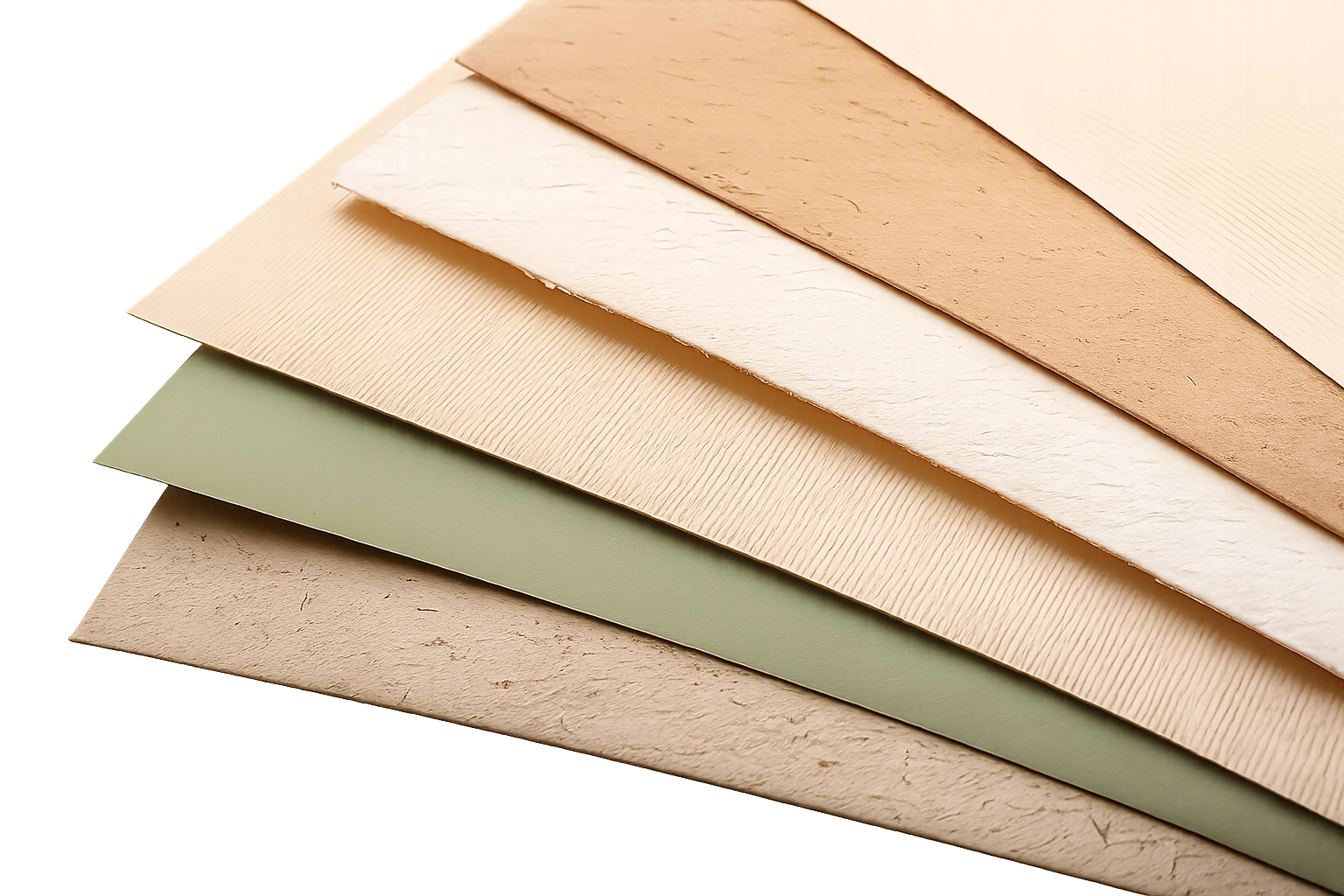
Kraft packaging is common in retail packaging because it looks clean and earthy. Brown kraft paper gives a natural look, while bleached kraft paper gives a lighter and smoother surface for custom printed boxes.
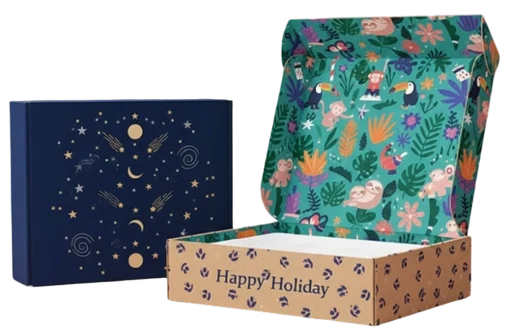
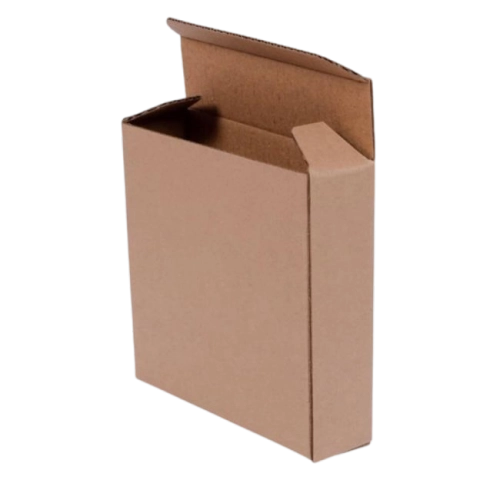
They work well as a lightweight packaging material for cosmetics, food products, small gifts, mugs, jars, and retail shelf packaging. They are also used for folding cartons, mailer boxes, gift boxes, and brand packaging where product presentation matters as much as basic protection.
What Are Corrugated Boxes?
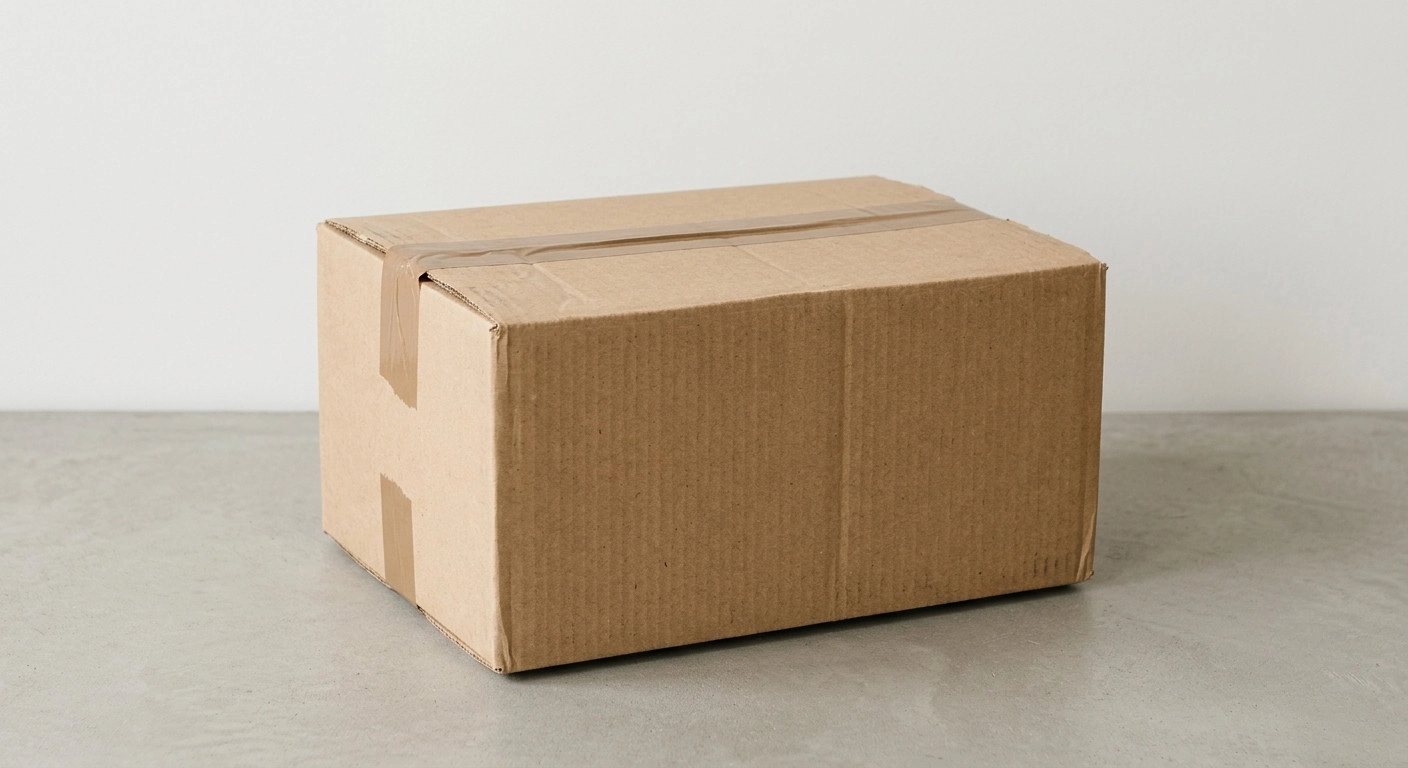
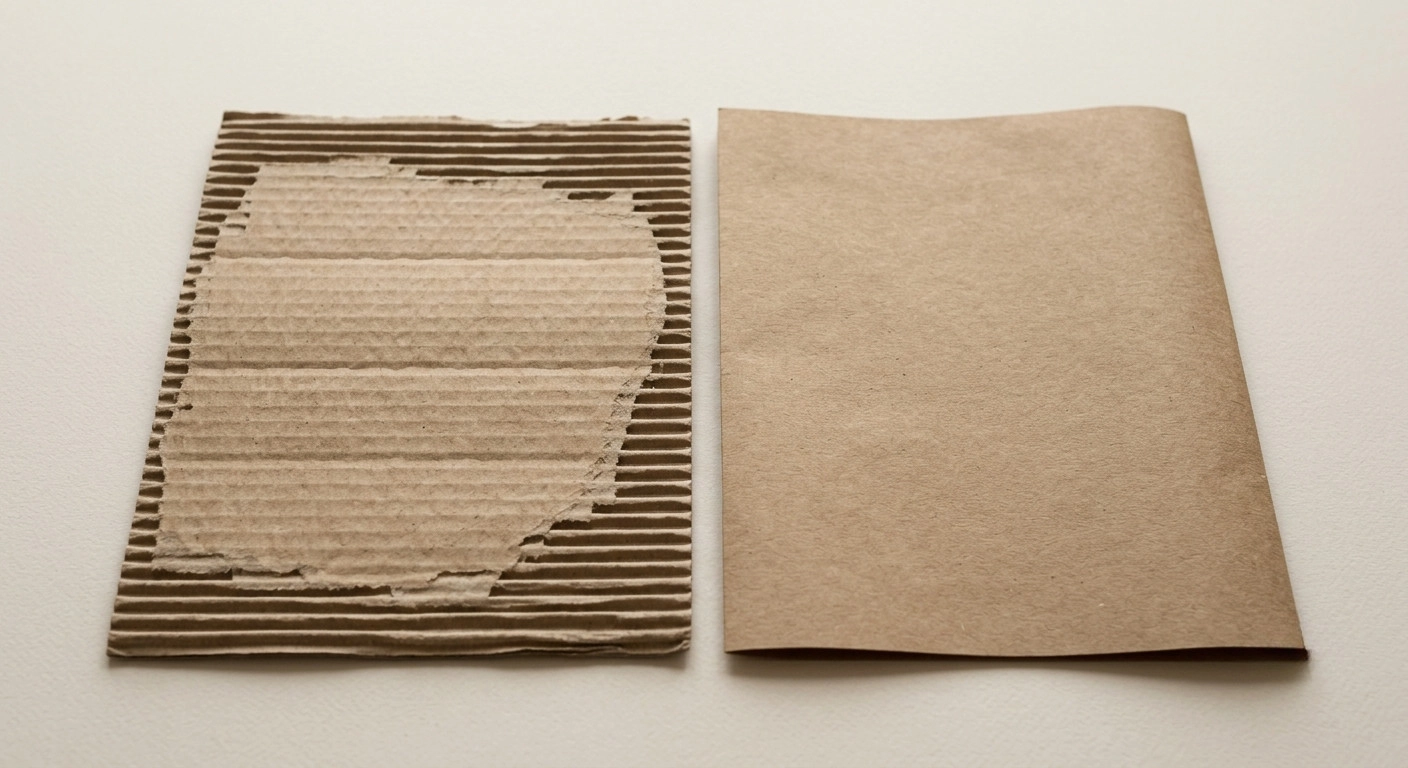
Corrugated boxes are made from corrugated cardboard, also called corrugated fiberboard. This material has a fluted inner layer placed between linerboard sheets. The wavy layer is called corrugated fluting, and it gives the box its strength, cushioning properties, and shock absorption.
Corrugated packaging is used for product shipment, long distance shipping, warehouse storage, freight packaging, and distribution packaging. These boxes are commonly used in the logistics business as they are more resistant to compression force, impact resistance, crushing resistance and stacking pressure than regular kraft boxes. There are different structures of corrugated boxes. A single wall corrugated box has one fluted inner layer.
A double wall corrugated box includes two fluted layers which adds to rigidity and load bearing capacity. Triple wall corrugated boxes are used for heavy duty packaging, machinery packaging, industrial components, bulk products and fragile goods when high shipping protection is required.
Quick Comparison Table
The main difference between corrugated and kraft boxes is their structure and purpose. Kraft boxes are better for light retail packaging and product presentation. Corrugated boxes are better for shipping, stacking, and stronger product protection.
| Feature | Kraft Boxes | Corrugated Boxes |
|---|---|---|
| Main Material | Kraft Paper | Corrugated Cardboard |
| Structure | Single layer construction | Multi layer construction with corrugated fluting |
| Strength | Light to medium strength | Medium to heavy-duty strength |
| Best Use | Retail packaging, food packaging, gift packaging | Shipping boxes, logistics packaging, industrial packaging |
| Protection Level | Basic product protection | Strong shipping protection and shock absorption |
| Thickness Range | 0.2 mm to 0.5 mm | 1.5 mm to 7 mm |
| Sustainability | Recyclable and biodegradable when untreated | Often made with recycled paper fibers and recyclable materials |
| Cost | Usually more budget friendly for small products | Higher cost, but better for reducing shipping damage |
| Best For | Small gifts, food products, cosmetics, artisanal brands | Electronics, machinery, fragile goods, bulk goods, perishable goods |
| Brand Value | Gives a natural and clean look | Gives better packaging performance and safe product delivery |
Main Material Difference
Kraft boxes and corrugated boxes are both made from paper-based packaging materials, however they are manufactured differently. Kraft boxes are made mostly of kraft paper. Corrugated boxes are made from corrugated cardboard, a multi-layer composition of linerboard and corrugated fluting.
This difference influences the packaging performance. Kraft paper offers a good smooth surface, natural texture and strong tensile strength. The corrugated cardboard gives structural strengthening, enhanced cushioning and increase in compression strength. Kraft boxes are commonly used for product packaging, while corrugated boxes are utilized for shipping cartons and protective packaging.
Packaging thickness varies as well. Kraft paper can be thin, typically about 0.2 mm thickness or 0.5 mm thickness depending on the grade. Corrugated cardboard is thicker because of the fluted layer. It may range from around 1.5 mm thickness for thin flute board to about 7 mm thickness for stronger flute grades.
Strength and Protection
Strength is the biggest difference between these two packaging solutions. Kraft boxes offer light to moderate product protection. They protect items from dust, handling marks, and light pressure. They are not made for heavy stacking or rough transportation unless extra packaging inserts or protective inserts are added.
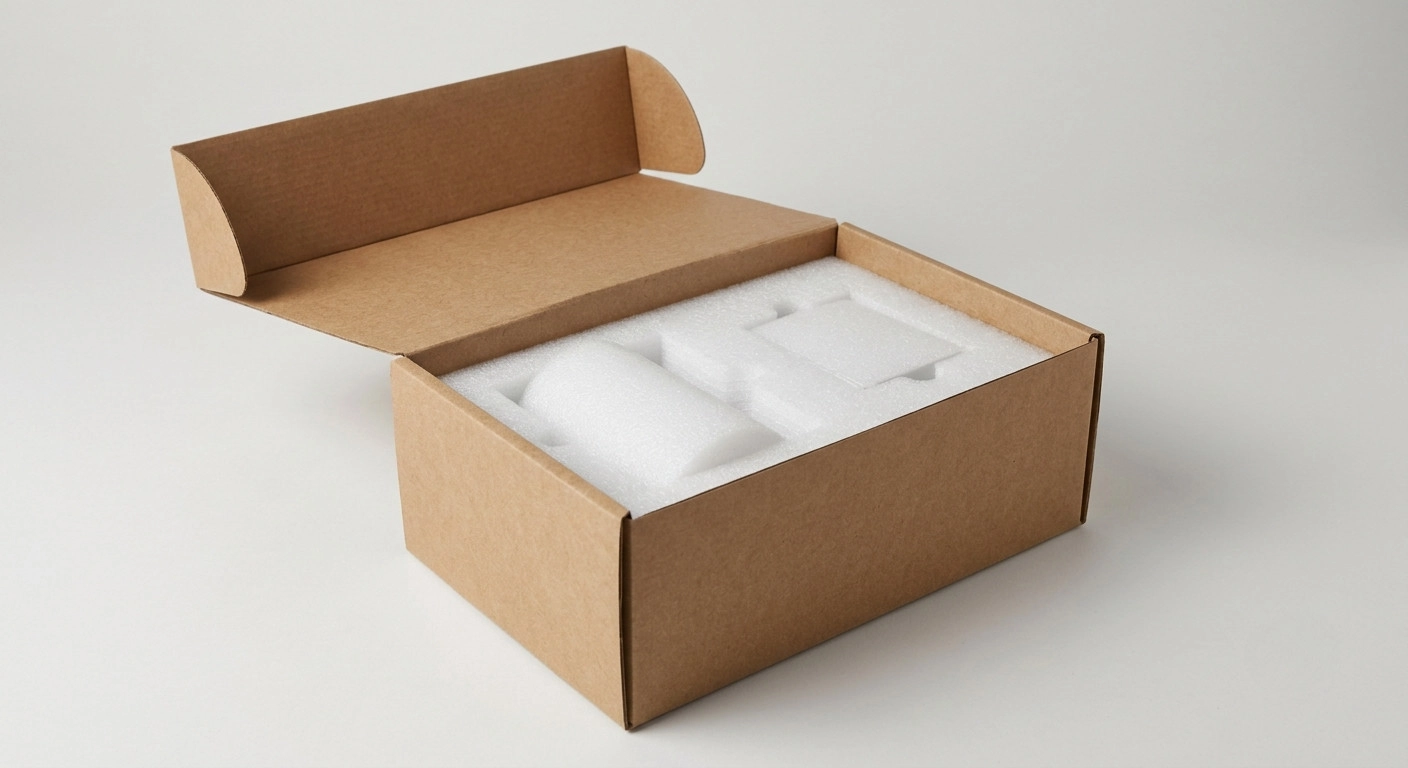
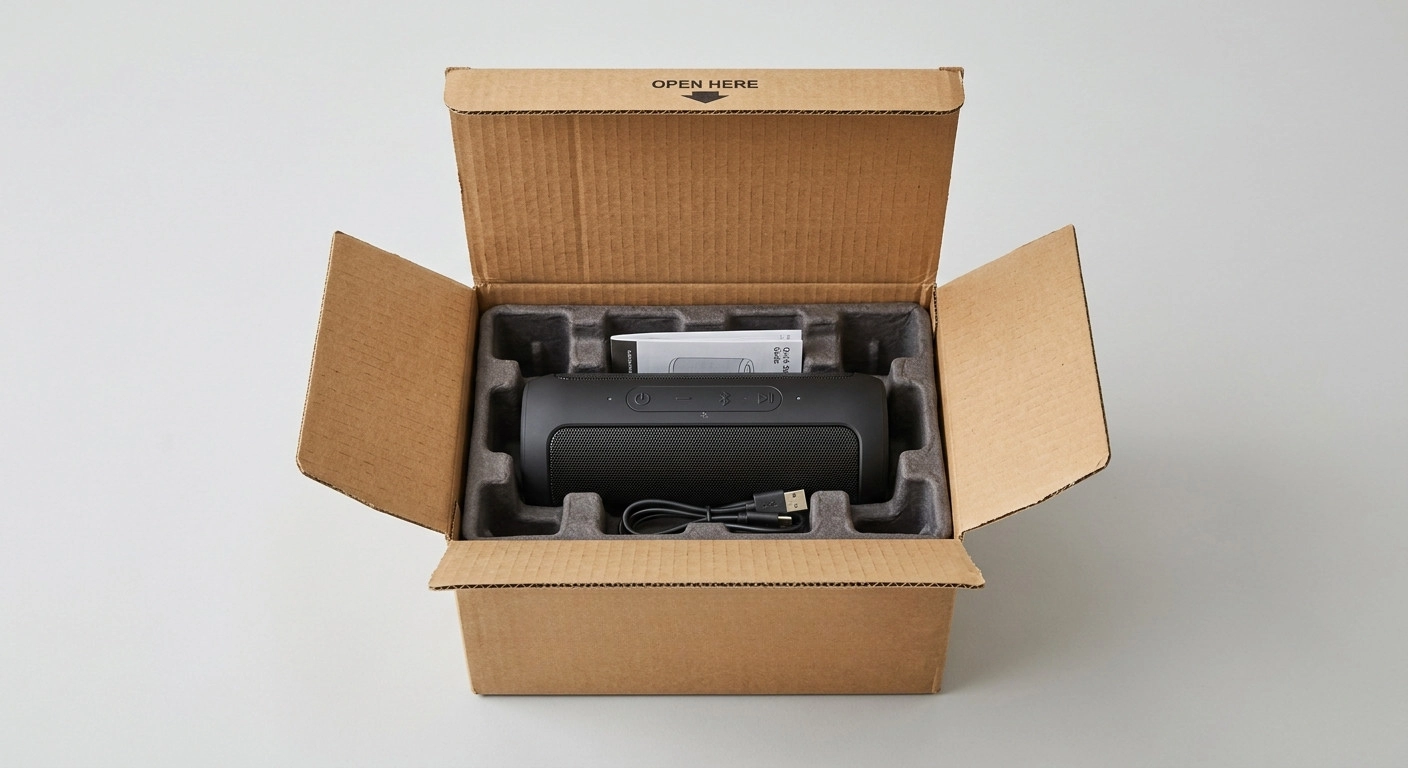
Corrugated boxes offer stronger packaging protection. The fluted inner layer creates cushioning properties that help absorb shock during transportation. This makes corrugated shipping boxes a better choice for electronics packaging, machinery, canned goods, jars, mugs, fragile goods, and perishable goods that need safe product delivery. Corrugated packaging also performs better against environmental stressors during transit. It has stronger puncture resistance, crushing resistance, and impact resistance.
Flute Grades and Box Structure
Corrugated boxes offer more technical packaging options than kraft boxes. Their performance is controlled by flute grades, board thickness and packing dimensions. The standard flute grades are A-Flute, B-Flute, C-Flute and E-Flute. These grades are of different heights, strength and cushioning levels.
Flute is more substantial and offers superior cushioning for fragile products. B Flute offers good puncture resistance. It is typically used for canned foods and retail displays. C Flute is a common choice for shipping boxes because it provides a good mix of strength and cushioning. E Flute is thinner and is good for custom printed boxes, ecommerce packaging and improved unboxing experience. Kraft boxes are simpler in structure. They are easier to fold, print, and shape into mailer boxes, folding cartons, food packaging, and gift packaging. They do not offer the same load bearing capacity as corrugated packaging, but they work well when the product is light and the main goal is clean presentation.
Shipping, Storage, and Delivery Use
Corrugated boxes are the stronger choice for product shipping and product delivery. They are designed for the movement of goods through trucks, warehouses, freight networks, and delivery centers. Their stacking stability helps businesses store bulk goods safely during warehouse storage and transportation. For the logistics industry, corrugated boxes are useful because they reduce product damage. They are common in shipping and logistics, transit packaging, industrial packaging, and logistics packaging. They can be made in custom packaging solutions based on weight, size, and packaging compliance needs.
Kraft boxes are better when the product goes directly to the customer in a retail setting or through light ecommerce packaging. They work well for cosmetics packaging, food packaging, small gifts, and brand packaging. But for long distance shipping, kraft boxes often need outer shipping cartons, protective inserts, or extra packaging inserts.
Cost and Business Value
Kraft boxes are usually more budget friendly for light retail packaging. Their manufacturing process is simpler, and they use less material. This can reduce packaging costs for small items, gift packaging, and retail shelf packaging. Businesses that need cost effective packaging for bulk production often choose kraft boxes when heavy protection is not needed. Corrugated boxes may cost more because they use multi layer construction and more material. But they can reduce shipping costs in another way by lowering product damage and returns. For many businesses, corrugated packaging is a smart packaging investment because it protects higher value goods during transit.
Cost efficiency varies with product type. Kraft packaging might be a better bargain for a tiny soap brand. An electronics company can lose money if it utilizes weak boxes and products arrive damaged. The packaging functionality must be aligned to the product risk and not only to the lowest unit price.
Sustainability and Environmental Impact
Both kraft boxes and corrugated boxes can support sustainable packaging, but their environmental impact depends on sourcing, material mix, coatings, shipping weight, reuse options, and disposal. Kraft paper is often considered eco-friendly because it can be recyclable and biodegradable when it has no heavy plastic coating.
Corrugated cardboard is also widely recycled, and many corrugated boxes use recycled paper fibers. This supports waste reduction, circular economy goals, and green packaging practices. Businesses can also choose FSC Certified Paper to support sustainable sourcing and a more responsible supply chain. Good packaging sustainability means using the right material for the job. A strong corrugated box that prevents product damage may be more sustainable than a weak box that leads to waste.
Best Applications for Kraft Boxes
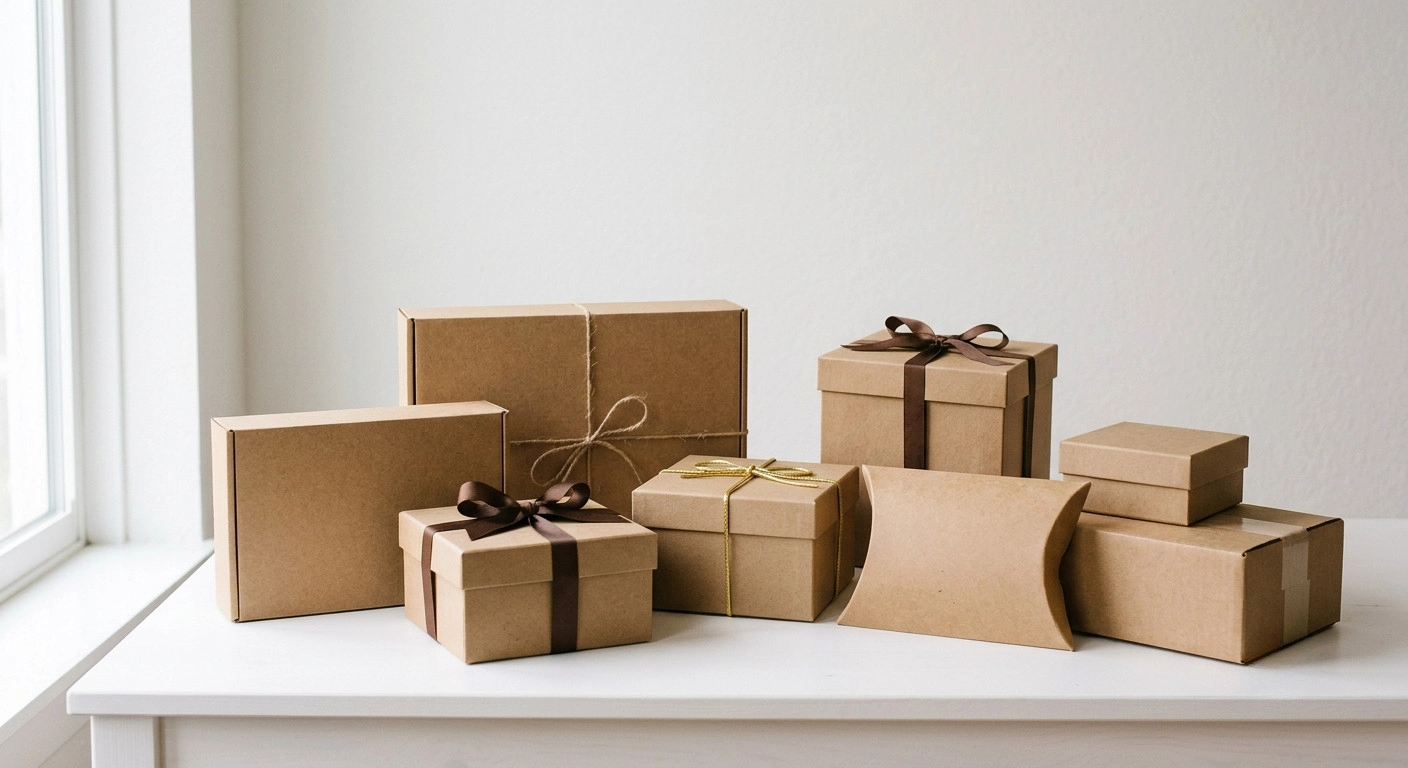
Kraft box applications are strongest in retail and light product packaging. They are a good fit when product presentation, simple design, and sustainable materials matter. Many eco conscious brands use kraft boxes because they give a natural look without needing heavy printing.
Kraft boxes are commonly used for:
- Cosmetics packaging
- Food products and bakery items
- Small gifts and gift packaging
- Mailer boxes for light ecommerce packaging
- Folding cartons
- Retail packaging and retail shelf packaging
- Custom printed boxes with simple brand design
Kraft boxes also support a good unboxing experience. Their natural look works well for handmade goods, organic products, and brands that want simple green packaging without a loud design.
Best Applications for Corrugated boxes
Corrugated box applications are strongest in shipping, storage, and protection. These boxes are the better choice when packaging durability, packaging strength, and packaging efficiency matter more than a light retail look.
Corrugated boxes are commonly used for:
- Industrial components
- Machinery packaging
- Perishable goods
- Bulk goods and canned goods
- Fragile goods like mugs and jars
- Shipping materials
- Freight packaging and distribution packaging
Corrugated boxes are also used in ecommerce when products need to endure handling, stacking and shipping. These include packaging inserts, protective inserts, printed liners, and custom packaging solutions for enhanced protection and brand presentation.
Which Packaging Should Your Business Choose?
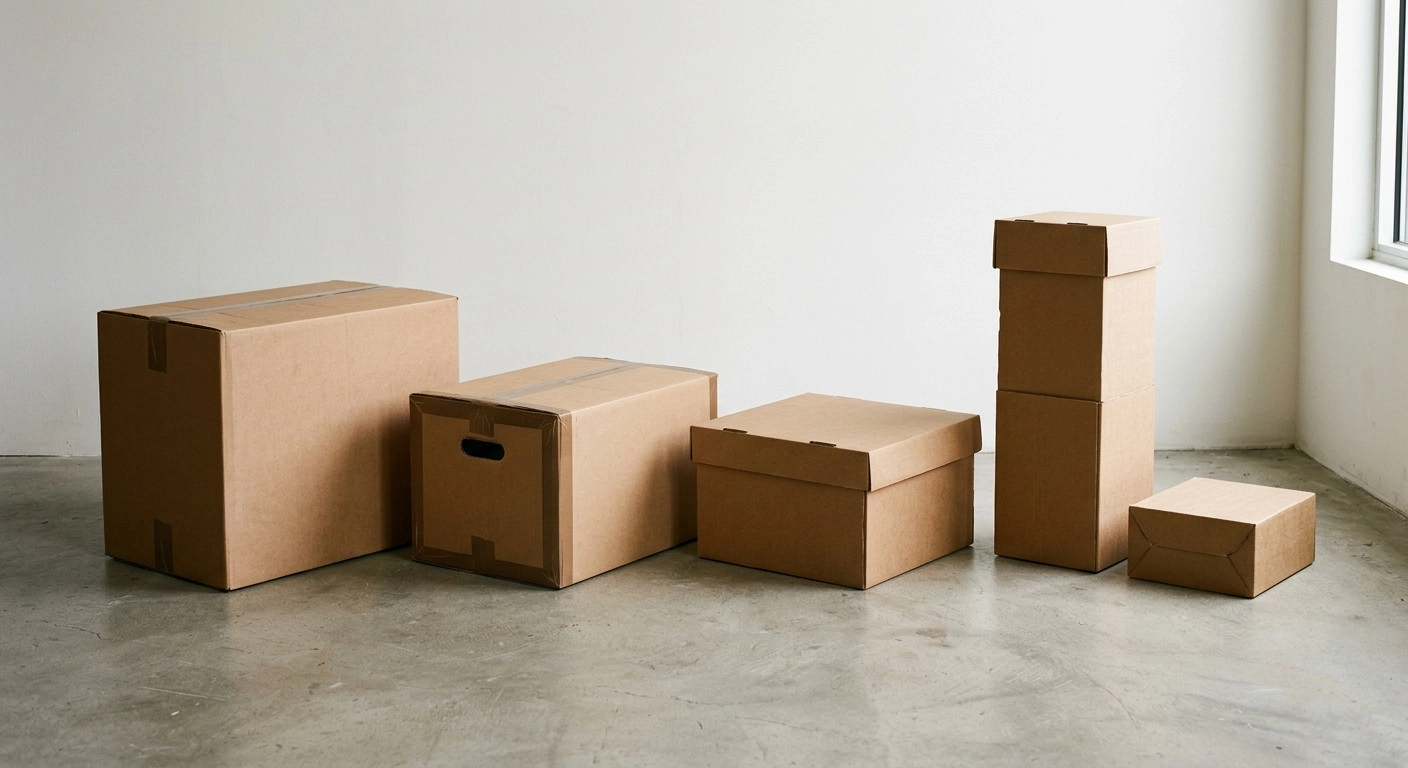
The correct decision depends on product weight, shipping distance, presentation needs, and packaging compliance. Kraft boxes are a superior solution for lightweight products, retail displays, basic food packaging and for brands that desire a clean, natural look. Corrugated boxes are more appropriate for long distance shipment, heavy things, fragile commodities, and products that require strong protective properties.
A clear rule is simple: choose kraft boxes for presentation and light protection. Choose corrugated boxes for shipping protection and heavy duty packaging.
Many businesses use both. A product may sit inside a kraft box for brand packaging, then ship inside a corrugated box for transportation. This gives a better packaging experience while still protecting the product during delivery.