



















Display Boxes vs Showcase Exhibit Boxes: What’s the Difference?
Home » comparisons » Display Boxes vs Showcase Exhibit Boxes: What’s the Difference?
Table of Contents
Get A Free Quote
Display boxes and showcase exhibit boxes both present products in an organized, visible way, but they serve different environments and business goals.
This packaging comparison explains the key differences between display boxes and showcase exhibit boxes, including structure, visibility, durability, setup, cost, and best use cases.
Understanding these factors makes it easier to choose a format that fits the product, location, and presentation goal.

What Are Display Boxes?
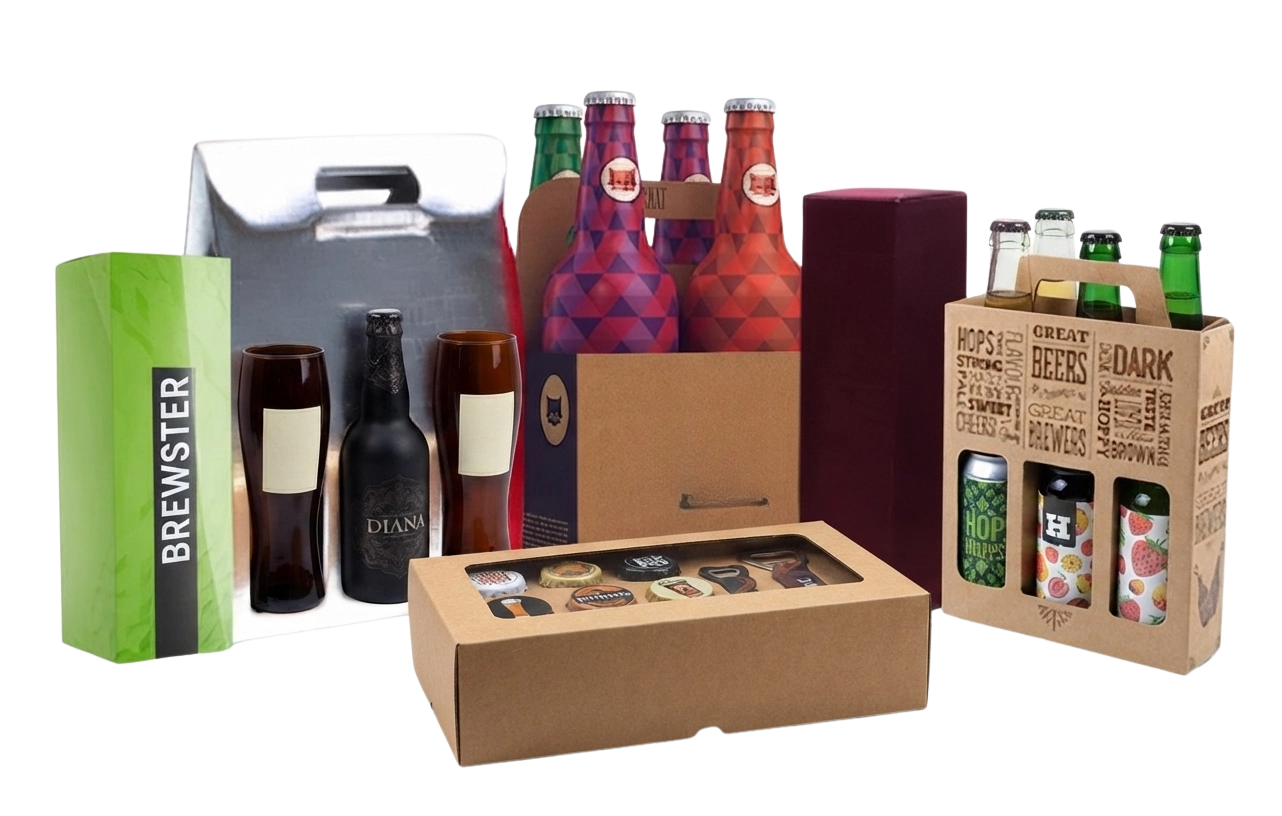
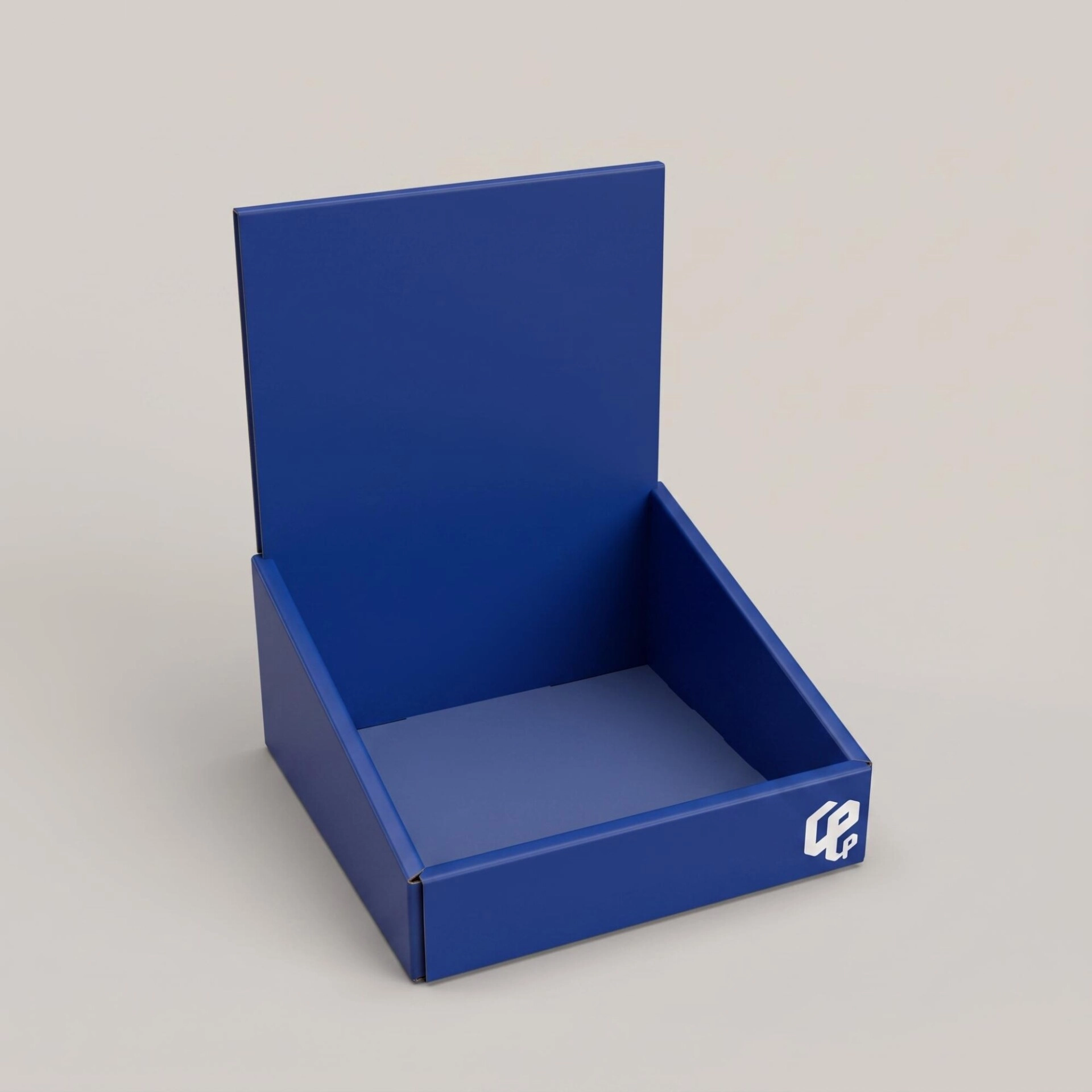
Display Boxes present products clearly in retail settings while keeping them organized and easy to access. Common formats include counter displays, floor displays, PDQ boxes, and open front trays.
What Are Showcase Exhibit Boxes?
Showcase Exhibit Boxes present selected products in trade shows, exhibitions, showrooms, and events. They often use windows, raised platforms, or enclosed sections to create a more controlled presentation.
Display Boxes vs Showcase Exhibit Boxes at a Glance
| Feature | Display Boxes | Showcase Exhibit Boxes |
| Primary use | Retail merchandising and sales | Exhibitions and focused presentations |
| Typical location | Counters, shelves and store floors | Trade shows, showrooms and events |
| Product access | Usually open and easy | Often controlled or enclosed |
| Capacity | Usually multiple products | Often one or several selected products |
| Structure | Trays, tiers, shelves and open fronts | Platforms, windows and enclosed sections |
| Portability | Often lightweight and foldable | Varies with structural complexity |
| Branding | Strong promotional surface area | Presentation focused branding |
| Typical use period | Campaign or ongoing retail use | Single-event or reusable event use |
| Cost | Generally economical at volume | Often higher due to customization |
Purpose and Intended Display Setting
Display packaging works best when customers need convenient access to merchandise. A counter display may hold lip balms beside a checkout, while a floor display may carry packaged snacks in a promotional aisle.
Showcase exhibit packaging supports a different viewing experience. Its purpose is often to isolate an important product, demonstrate craftsmanship, introduce a new item, or create a controlled branded presentation.
They commonly appear in:
- Trade shows and industry exhibitions
- Product launch events
- Brand showrooms
- Temporary promotional exhibitions
- Traveling exhibits
- Premium product presentations
Retail Display Boxes prioritize continuous product movement. Exhibit structures place greater emphasis on how an individual product or collection appears within the presentation area.
Structural Formats and Layout Differences
Display boxes often use open fronts, shelves, tiers, trays, and header panels. PDQ boxes suit counters and shelves, while floor display boxes need stronger bases and vertical support for larger product loads.
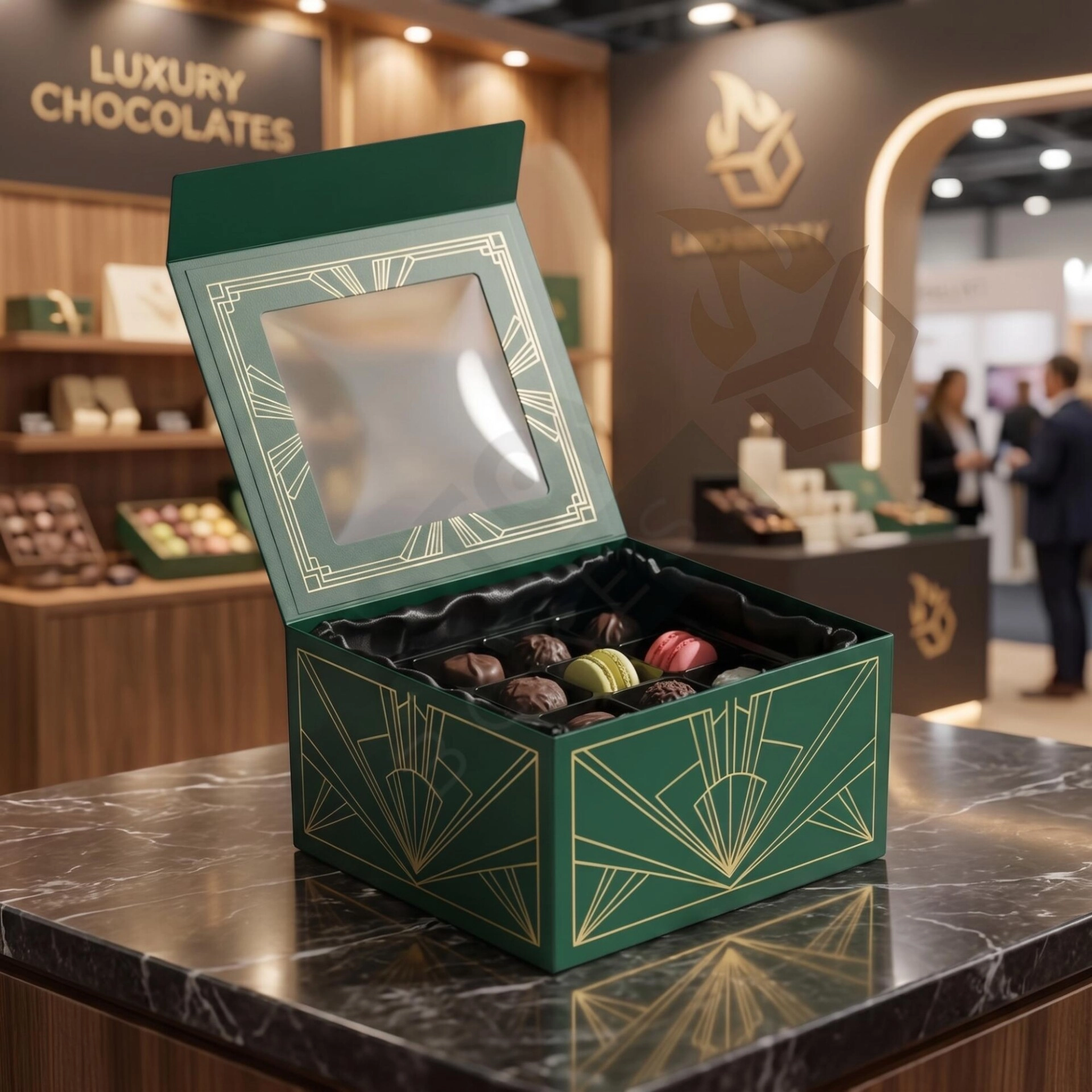
Showcase exhibit boxes may include PET windows, raised platforms, enclosed sections, or deep trays. Some support 360-degree viewing, while others focus attention from a single angle.
Other useful formats include 1-2-3 Bottom Display Lid Boxes for added base strength and 4 Corner Tray with Lid Boxes for organized presentation with covered storage.
Product Visibility and Customer Access
Display boxes usually allow customers to view, compare, and pick up products without assistance. This direct access works well for retail items that customers often examine before buying.
Showcase exhibit packaging provides more controlled access. Customers can view the product clearly, while restricted handling helps protect delicate, valuable, or presentation focused items.
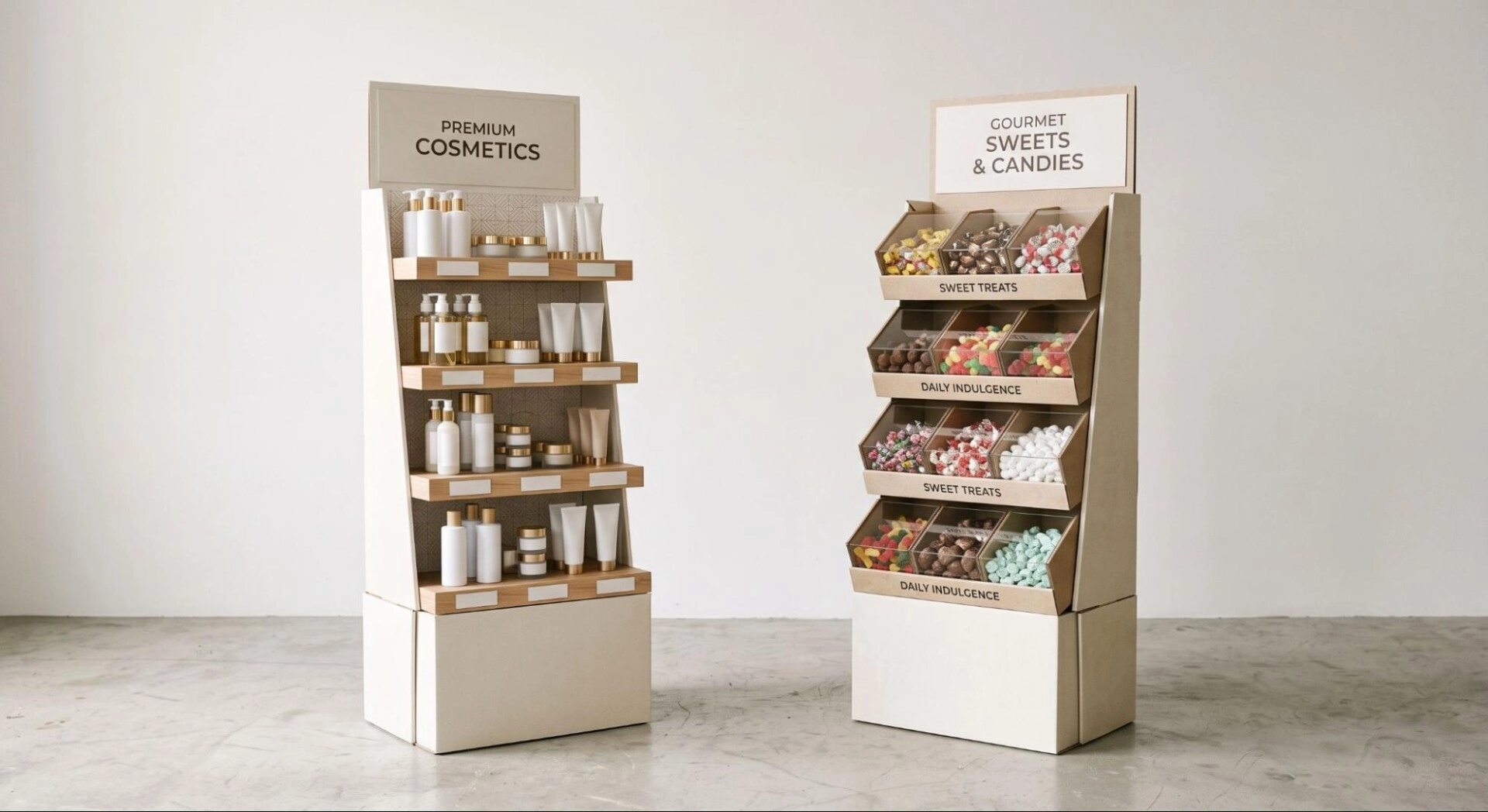
Consider viewing distance as well. Counter displays communicate at close range, while floor and exhibition displays must remain understandable from farther away. Headers, raised sections, and vertical product positioning help direct customer attention.
Product Capacity and Arrangement
Display boxes usually hold several units. Products may sit in rows, stacked sections, individual slots, compartments, or multiple tiers depending on their dimensions.
For example, small cosmetic products may use narrow product slots, while packaged food items can sit in deeper rows. Shelf space optimization becomes important because retailers want useful product capacity without creating an oversized footprint.
Showcase exhibit boxes often carry fewer products. A structure may feature one premium item on a raised platform or several related products arranged with deliberate spacing.
This lower density gives each product more visual importance instead of maximizing inventory capacity.
Stability, Weight Support, and Structural Strength
Display boxes need a stable base and enough shelf strength to carry products without bending, tipping, or shifting. Floor displays and multi tier structures often require reinforced panels because weight is distributed across several levels.
Showcase exhibit boxes may need stronger internal support for electronics, collectibles, samples, or other heavy items. Product weight, placement, and center of gravity should be considered during structural planning to keep the display secure throughout use.
Setup and Portability
Many custom display boxes use foldable or auto locking structures that simplify assembly at retail locations. Staff can open, secure, and load them with minimal tools or preparation. Formats such as a Bag Shaped Auto Bottom Box can further reduce setup steps.
Showcase exhibit boxes may take longer to assemble when they include separate platforms, inserts, panels, or fitted components. Portability also depends on whether the structure can be moved intact or must be partly disassembled between locations.
Branding and Printing Presentation
Both packaging formats provide space for branding, but the message should match the display setting.
Retail displays often use logos, brand colors, product details, promotional messages, pricing, and header graphics to support quick buying decisions. Back panels and side panels can also carry information without reducing product visibility.
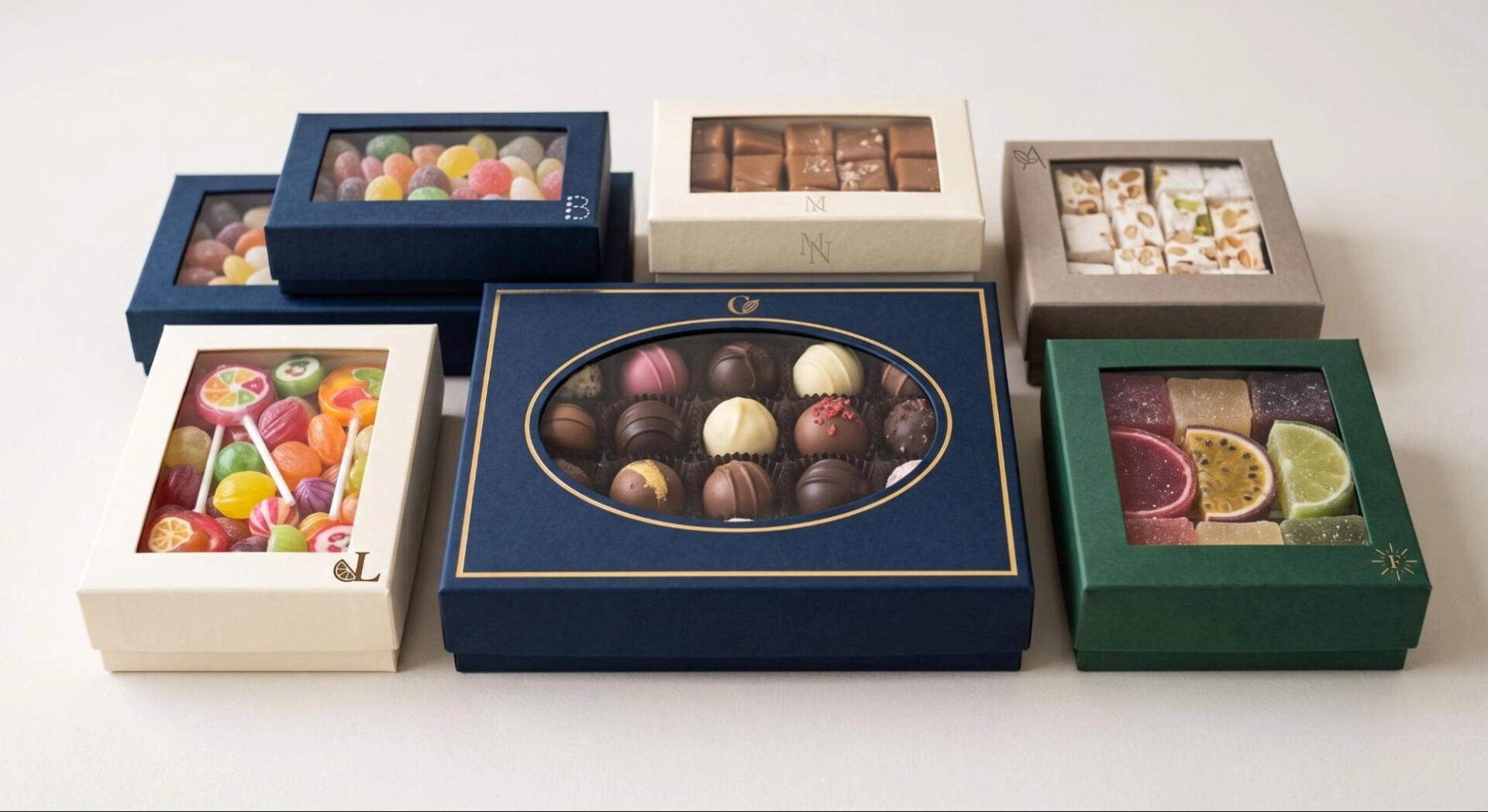
Showcase exhibit boxes usually use a more focused visual approach. Branding often centers on the logo, key product message, and selected graphics so the product remains the main point of attention.
Customization and Product Specific Features
Customization helps each display match the product size, shape, quantity, and placement requirements.
Display boxes can include:
- Fitted product slots
- Dividers and compartments
- Removable inserts
- Product shaped cutouts
- Custom dimensions
Showcase exhibit boxes can include:
- Recessed product areas
- Fitted holders
- Custom mounting points
- Dedicated display sections
- Product specific dimensions
These features keep products arranged consistently and reduce unnecessary empty space.
Materials and Expected Display Life
Material choice affects how a display looks, wears, and performs over time. Paperboard and cardstock work well for short term indoor use, while kraft offers a more natural appearance and supports many recyclable packaging applications.
Corrugated board handles repeated movement and everyday retail wear more effectively. Rigid board suits longer term or presentation focused displays where a cleaner, more refined finish matters. PET can also be added when a transparent protective panel is needed.
For displays used more than once, consider scuffing, edge wear, humidity, and cleaning needs before selecting the material.
Transportation, Storage, and Handling
Display boxes that ship flat can reduce freight volume and make bulk distribution easier across multiple locations. Their lighter construction can also simplify warehouse handling.
Showcase exhibit boxes often need more protective packing during transport, especially when they include rigid panels, windows, or delicate presentation elements.
Reusable versions also require planned storage between events, so packed dimensions, stacking ability, and protection from crushing or surface damage should be considered before production.
Cost and Long-Term Value
Cost should be evaluated across the full display cycle, not only the unit price. Tooling, prototyping, assembly labor, replacement frequency, shipping space, and storage can all affect total spending.
Retail displays usually offer better value for large campaigns because the same design can be produced and distributed across many locations. Showcase exhibit boxes often involve higher development and production costs due to more specialized construction.
For reusable displays, durability can justify a higher upfront investment. Businesses should compare initial cost with expected use frequency, handling demands, and replacement needs before choosing the more economical option.
Which Display Type Fits Different Business Needs?
The best format depends on where the product will appear and what the display needs to accomplish. Retail settings usually require easy access and frequent restocking, while event settings place more emphasis on focused presentation.
| Recommended Setting | Best Use Case | Suitable Format |
| Checkout counter | Small products purchased quickly or added at the point of sale | Display box |
| Retail shelf | Organized presentation of several units within limited shelf space | Display box |
| Seasonal retail area | Temporary promotions that need quick setup and easy replacement | Display box |
| Trade show booth | Presenting selected products to visitors without focusing on direct retail sales | Showcase exhibit box |
| Product launch | Introducing a new or premium item with controlled positioning | Showcase exhibit box |
| Showroom | Ongoing presentation where customers need a clear view of selected products | Showcase exhibit box |
| Exhibition | Displaying valuable, delicate, or presentation focused items with limited handling | Showcase exhibit box |
Some businesses use both formats in different settings. The choice should reflect customer access, product quantity, and the level of presentation control required.
Display Boxes vs Showcase Exhibit Boxes: Which Should You Choose?
The best choice depends on what the display needs to achieve in a real setting.
A cosmetics brand placing lip balms near a checkout needs quick restocking and easy customer access, so a display box makes more sense. A technology brand presenting a new device at a trade show may need controlled handling and a more focused setup, making a showcase exhibit box the better option.
Display boxes generally suit fast moving retail products, seasonal promotions, and multi unit selling. Showcase exhibit boxes work better for launches, demonstrations, collectibles, prototypes, and premium items.
When both seem suitable, ask one question: Is the goal to move products quickly or give selected items more attention? That usually leads to the right decision.
Find the Right Display with Hot Custom Boxes
Hot Custom Boxes can help you choose a display structure that fits your product, setting, and presentation needs. Explore custom options for retail displays or showcase packaging and create a solution built around your requirements.