














Flip Top Boxes vs. Magnetic Boxes: Which Is Better for Your Products?
Home » comparisons » Flip Top Boxes vs. Magnetic Boxes: Which Is Better for Your Products?
Table of Contents
Get A Free Quote
Custom packaging shapes how customers perceive a product before they even open it. The right packaging can increase product value, strengthen brand identity, and influence purchasing decisions. Flip Top Boxes and Magnetic Boxes are two common options in premium product packaging, but they work in very different ways.
Both of these are used as luxury packaging solutions for retail shelves and gifting. This guide compares each box style in such a simple way that you can choose the best packaging solution for your brand.
Flip Top Boxes vs Magnetic Boxes: Quick Comparison
| Feature | Flip Top Boxes | Magnetic Boxes |
| Opening style | Hinged lid | Magnetic closure |
| Feel | Simple and functional | Smooth and luxurious |
| Cost | Lower | Higher |
| Production speed | Faster | Slower |
| Storage | Flat packed | Pre built structure |
| Unboxing | Direct and quick | Slow and premium |
| Best use | Retail goods, gifts, apparel | Luxury products, PR kits, jewelry |
What Are Flip Top Boxes?
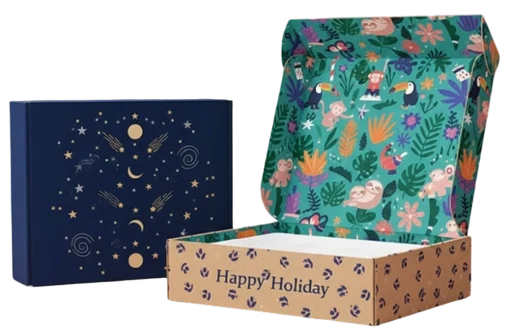
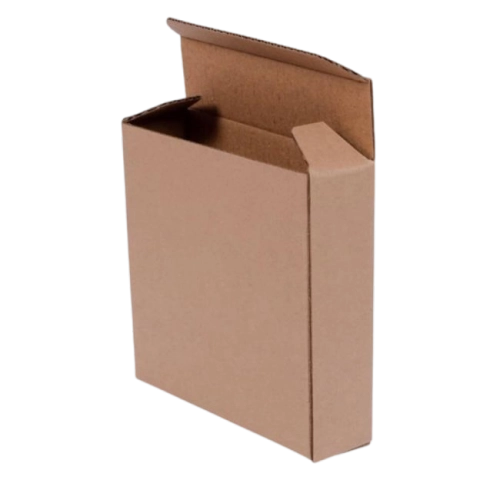
Flip Top Boxes are packaging boxes with an attached lid that opens and closes through an integrated hinge. The lid remains connected to the main box body throughout use, creating a single piece packaging format.

What Are Magnetic Boxes?
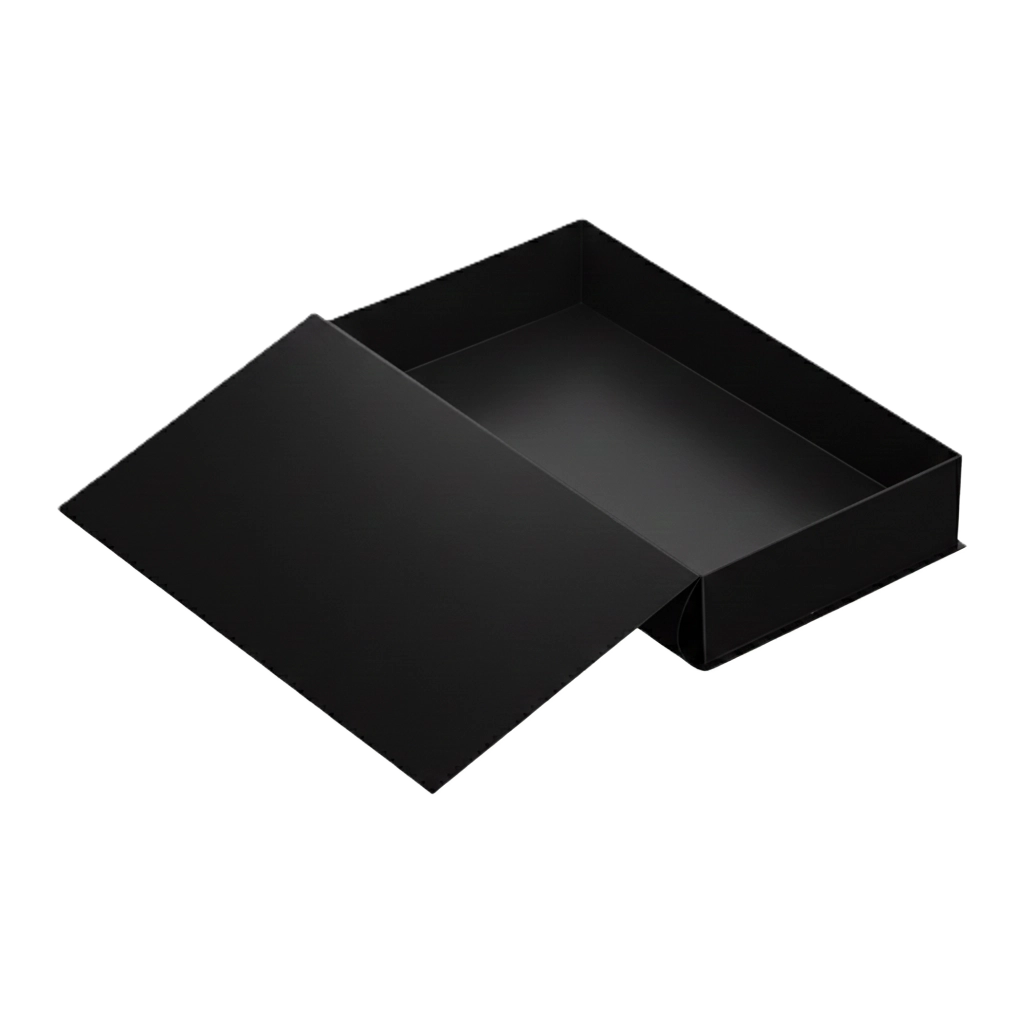
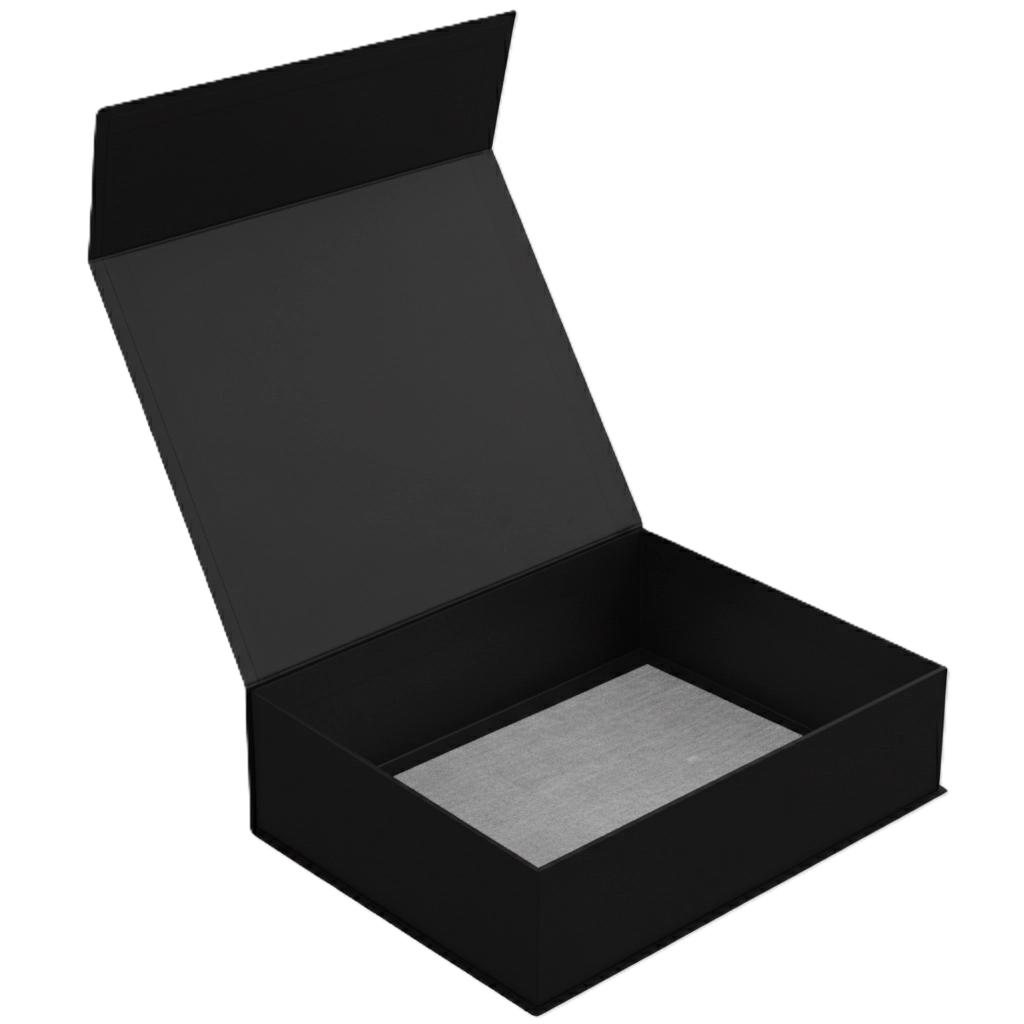
Magnetic Boxes are luxury rigid packaging boxes that use concealed magnets to secure the lid when closed. The magnetic closure creates a distinct packaging style that differs from traditional hinged or tuck top box designs.
The magnets are embedded inside the box walls and are designed for repeated opening and closing cycles. Under normal retail and gifting use, they retain their holding strength for years without affecting closure performance.
Basic Structure And Opening Style
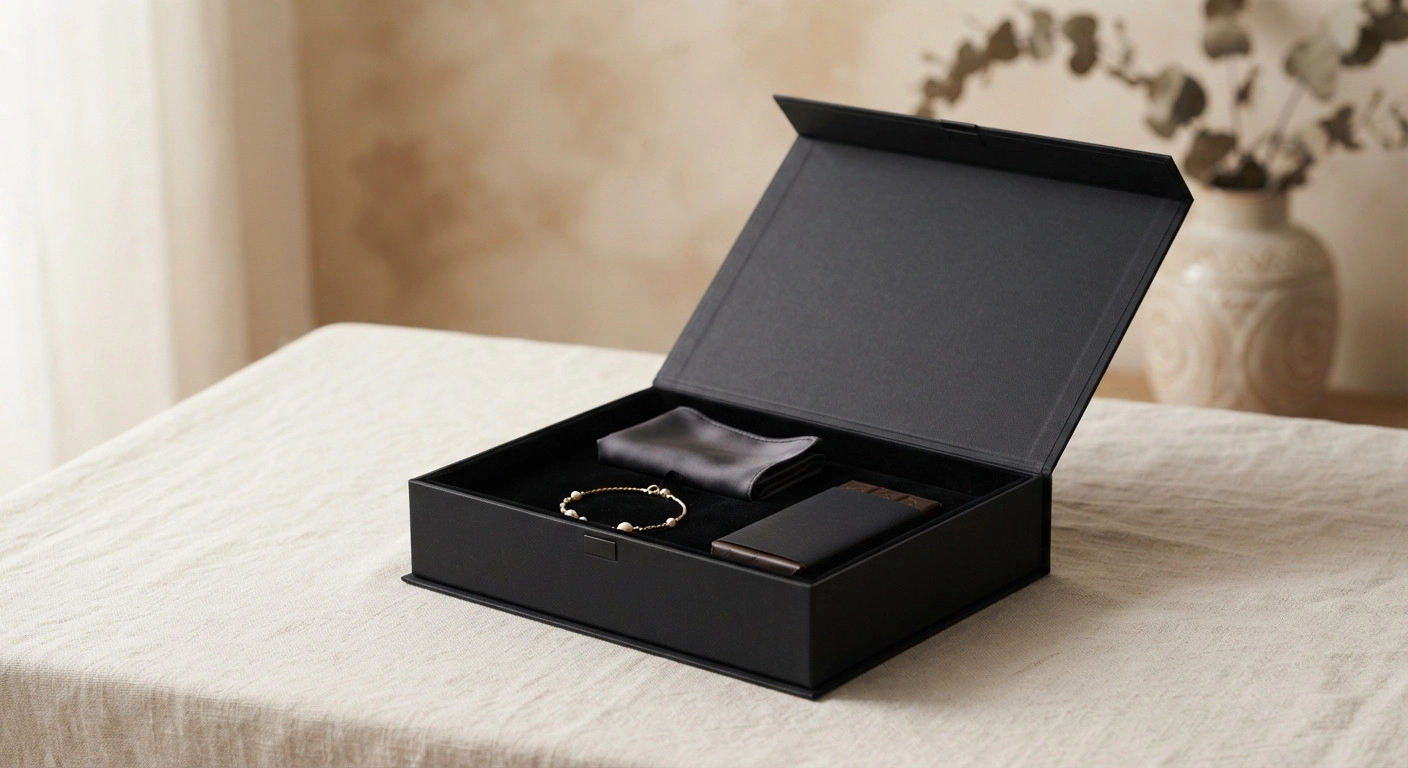
Flip Top Boxes use a hinged lid that is attached to the base. The lid opens in a single motion and closes by folding back into place. This structure is simple and widely used in product packaging where speed and function matter.
Magnetic Boxes use hidden magnets placed inside the flap and base. When the lid closes, the magnets pull it into position. This creates a controlled and smooth closing feel. The opening is slower and more intentional, which adds to the refined appearance.
The difference in opening mechanism changes how customers interact with the product. One focuses on speed. The other focuses on experience.
Durability and Product Protection
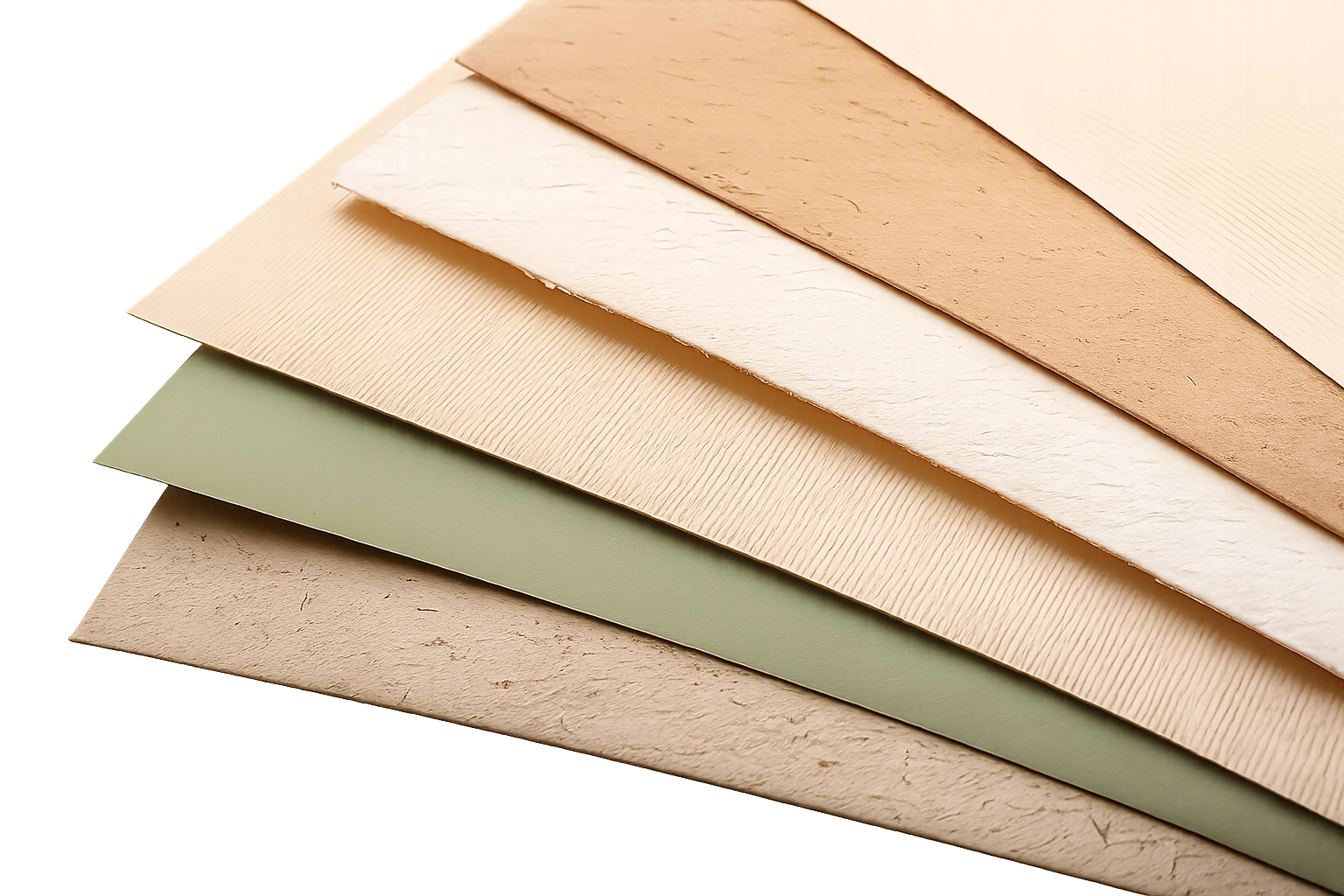
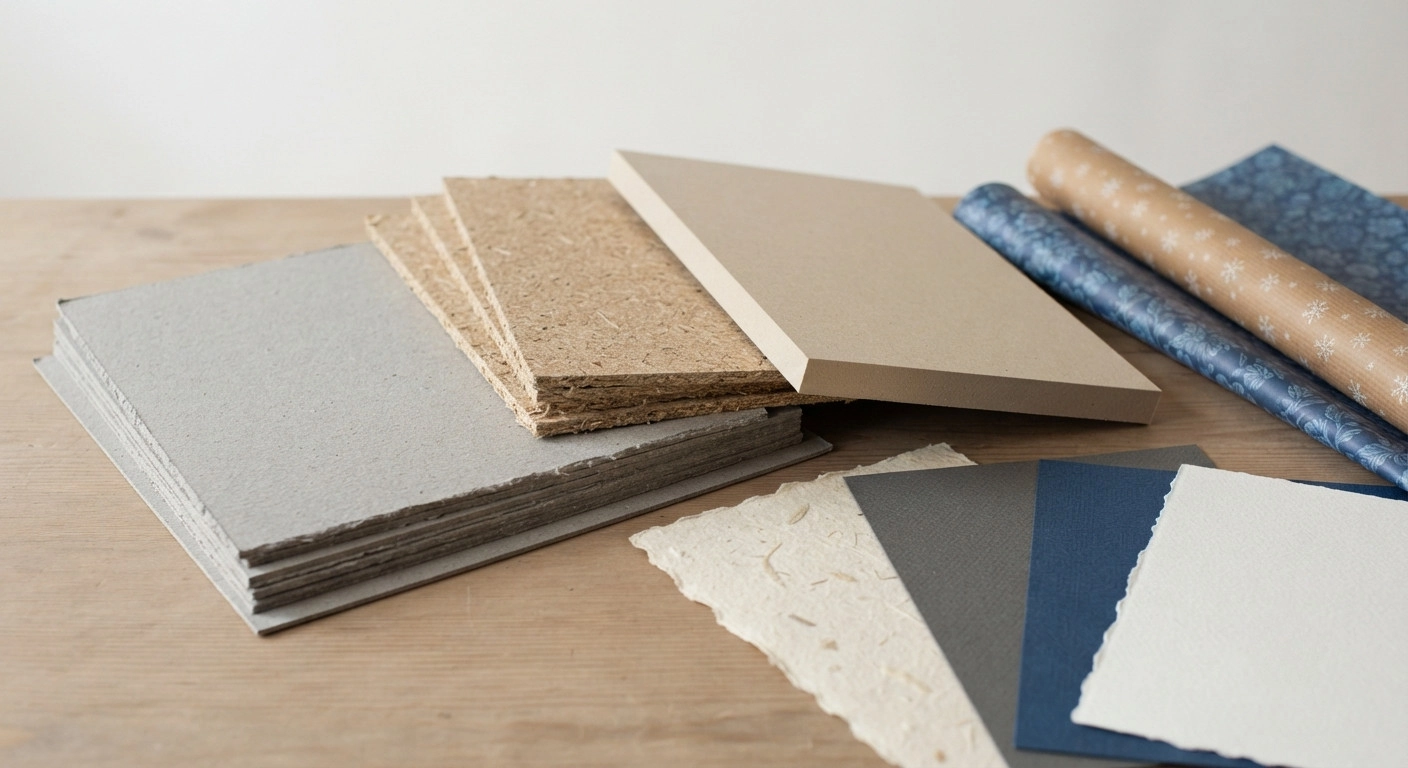
Both packaging types use rigid packaging materials for strength. Common materials include rigid board, greyboard and thick paperboard. These materials help the box keep its shape and protect the product inside.
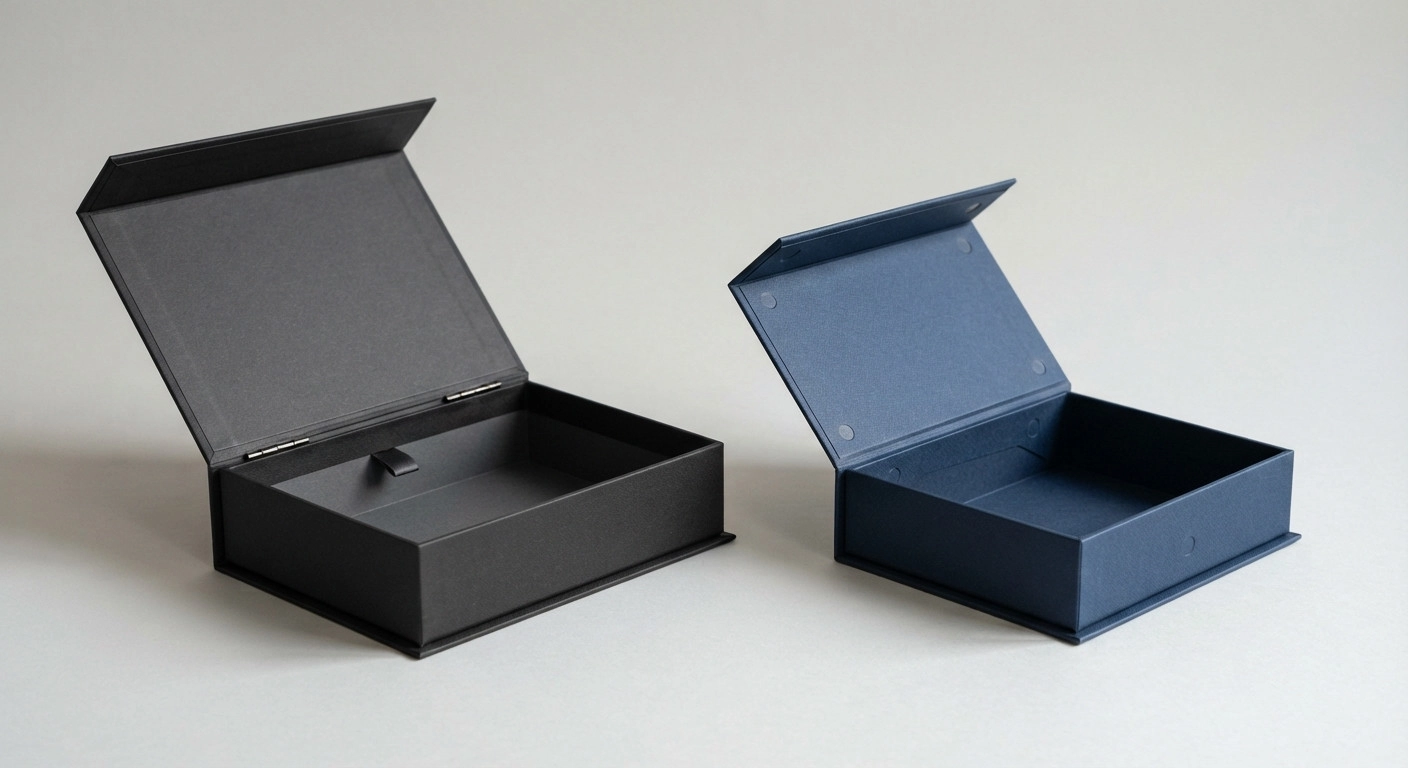
Flip Top Boxes rely more on folding strength and hinge durability. The construction is simpler, which makes them easier to produce at scale.
Magnetic Boxes need precise box construction because the lid must align perfectly with the magnets. Even small errors can affect closure quality. This makes structural design more detailed and controlled. Both styles can use wrapping paper, textured paper, or fabric wrap to improve surface quality and visual appeal.
Printing And Finishing Options
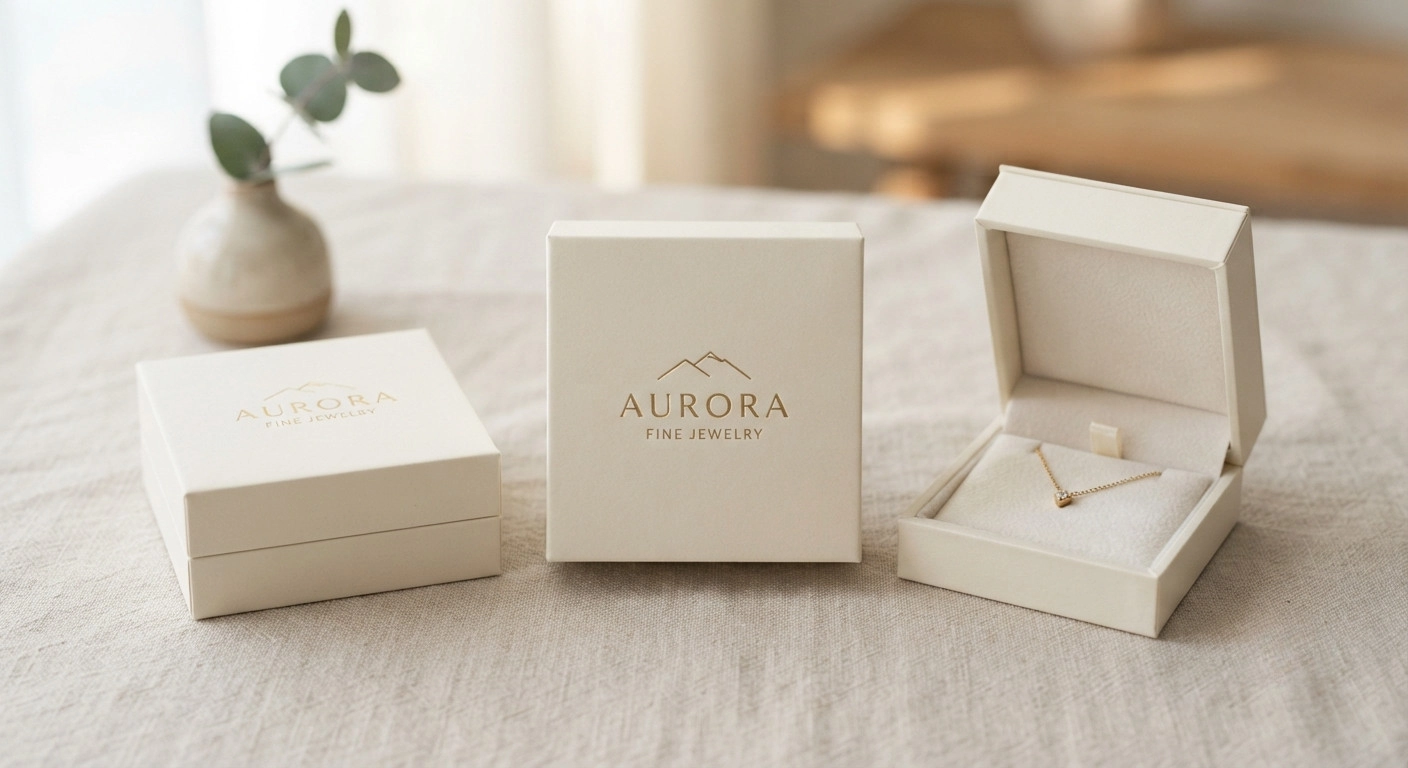
Flip Top Boxes and Magnetic packaging boxes both support the custom printing techniques to strengthen the brand image and product presentation. Businesses use different finishes to enhance presentation and feel while shaping customer perception of quality.
Common finishing options include:
- Foil stamping for logos and key details
- Embossing and debossing for raised effects and pressed-in designs
- Spot UV for selective shine on elements like logos
- Soft touch lamination for a smooth surface feel
Magnetic Boxes often use more luxury focused finishes because they target high end presentation. Flip Top Boxes usually keep printing simple and clean for retail use. The finish directly impacts how premium the packaging feels to customers.
Inserts And Internal Layout
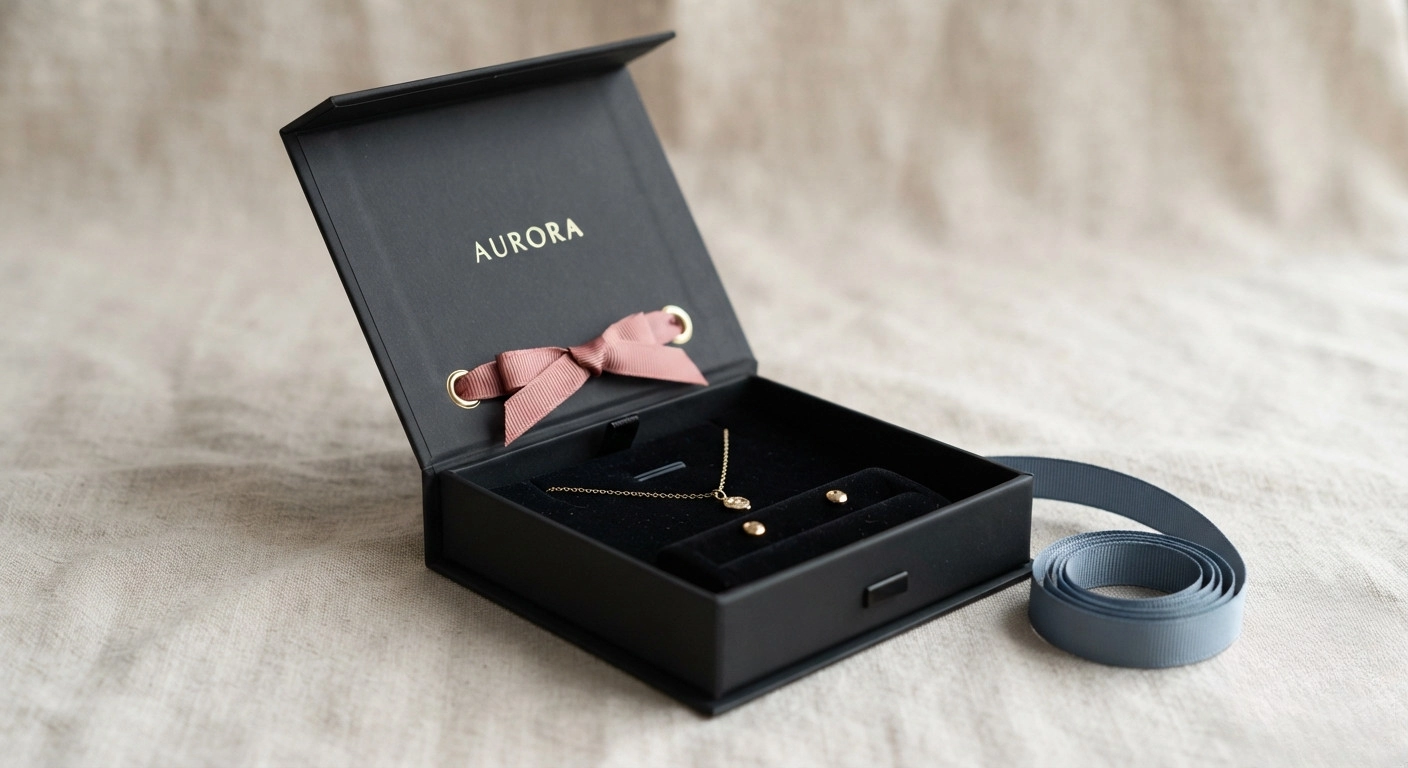
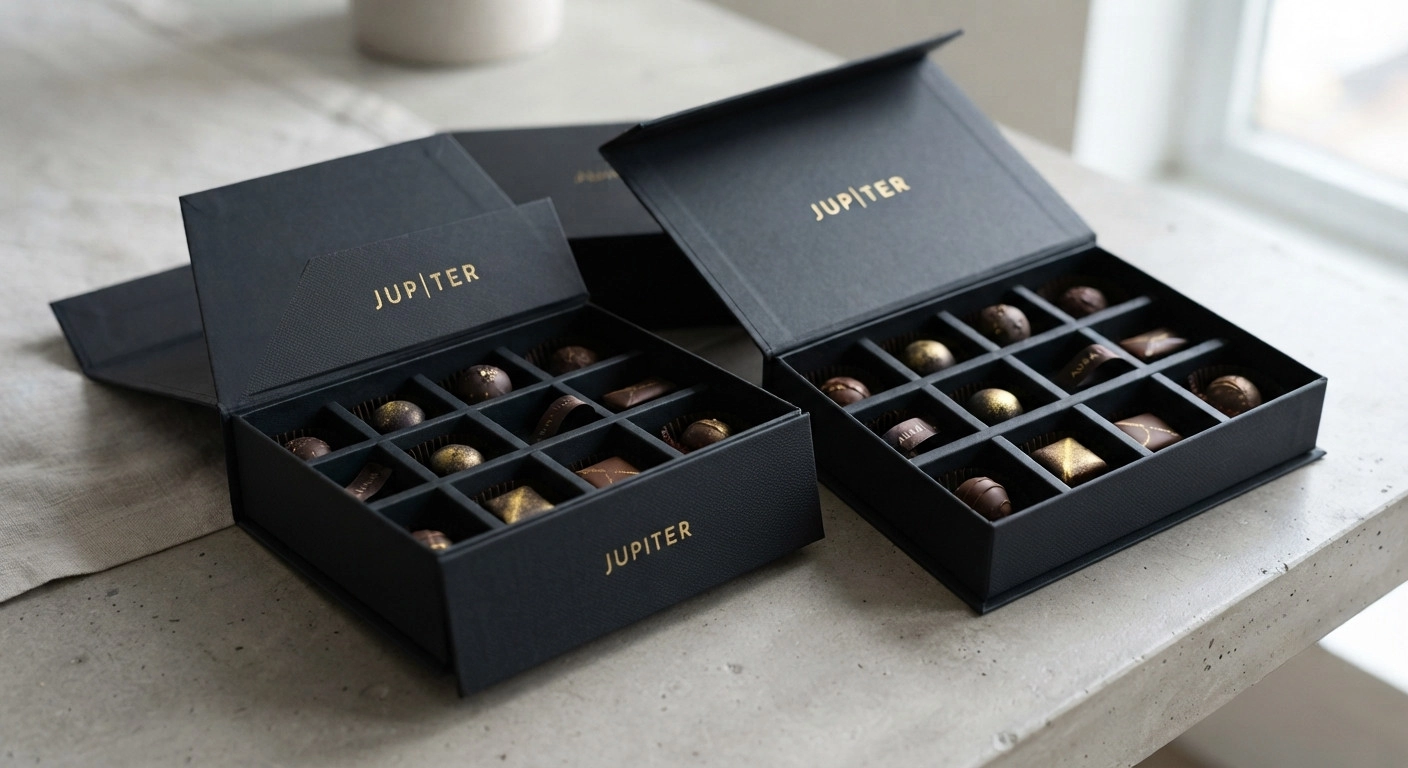
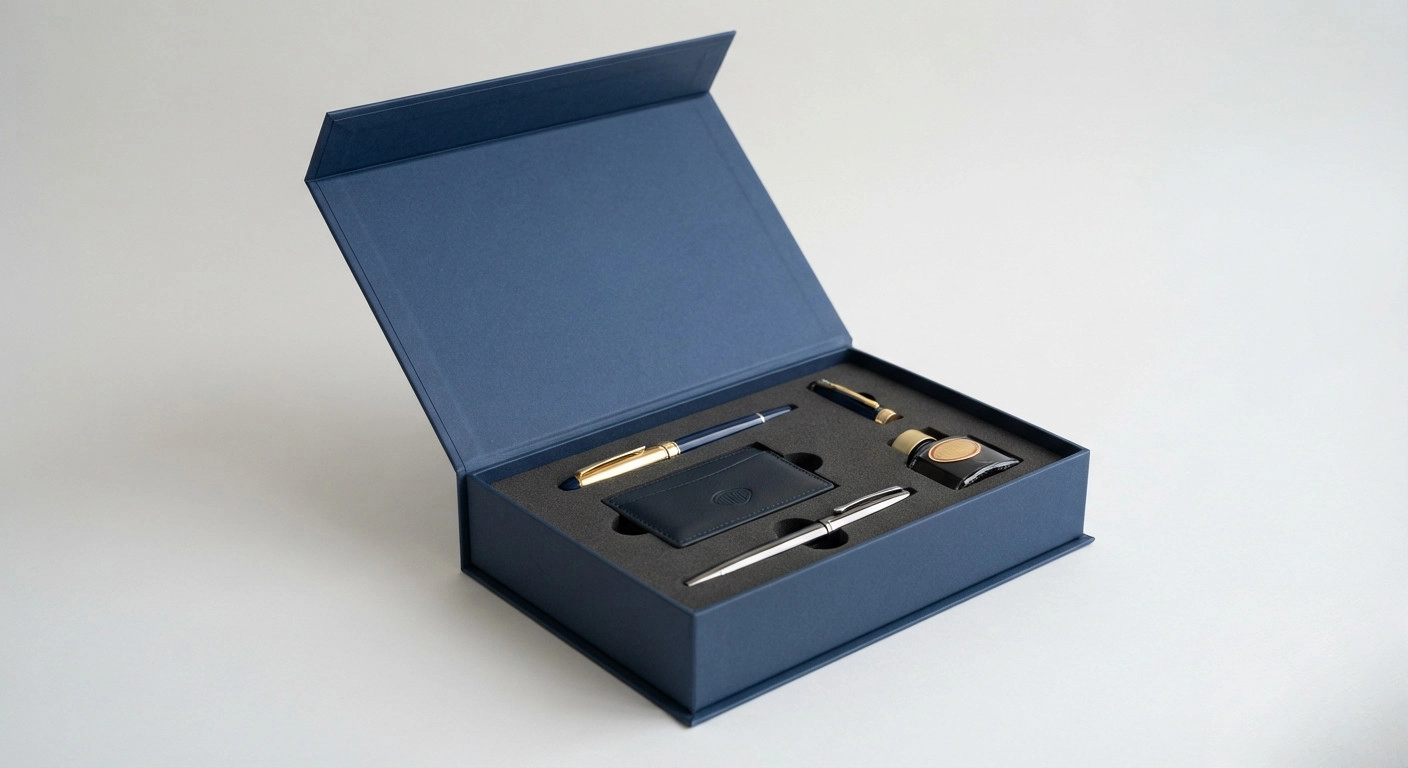
Interior design affects both protection and presentation. Foam inserts, EVA inserts and paperboard inserts are commonly used in both styles. Custom inserts help hold products in place and improve product protection during shipping. Divider inserts are useful for sets or multi-item packaging.
Magnetic Boxes often support more structured insert layouts because of their rigid frame.
Flip Top Rigid Boxes usually have simpler internal layouts that focus on easy placement and removal.
The insert design directly affects the unboxing experience and product reveal.
Unboxing Experience And Customer Impact
Flip Top Boxes create a quick and direct unboxing experience. The lid opens instantly, so the product is revealed without delay. This works well for retail environments where speed is important.
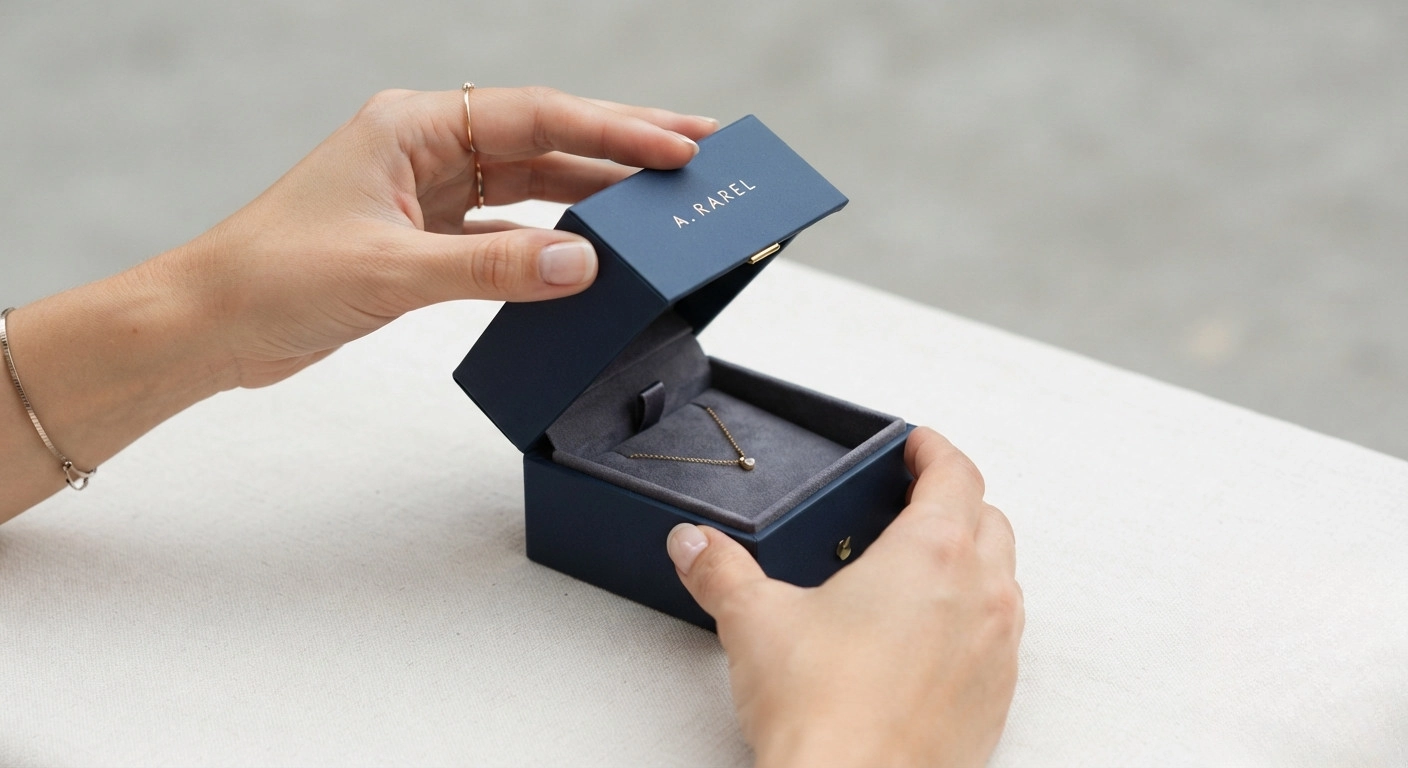
On the other hand, magnetic boxes create a slower and more controlled product reveal. The lid lifts smoothly and closes softly. This adds to the tactile experience and improves the sense of quality.
Customers often associate magnetic closure boxes with higher value because of the controlled motion and solid feel. This improves brand experience and perceived value.
Retail Use And Brand Positioning
Flip Top Boxes are commonly used in everyday retail packaging. They fit well for apparel accessories, candles and general consumer goods. Their main strength is practicality.
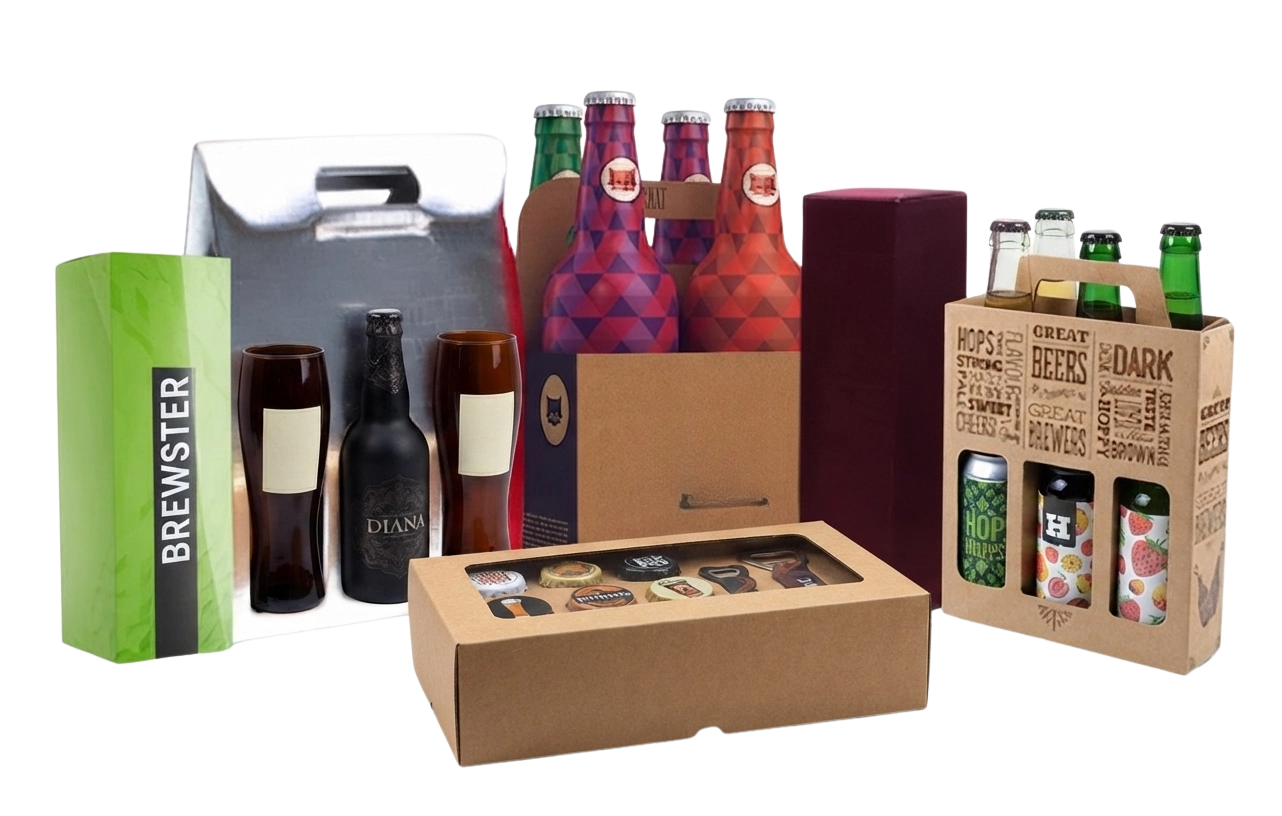
Magnetic Boxes are often used in luxury retail settings. They are common in gift packaging, jewelry, cosmetics, skincare and PR boxes. These industries rely on strong presentation and brand storytelling.
In retail displays, custom magnetic boxes often create stronger shelf presence due to their structure and luxurious appearance.
Production Time and Manufacturing Flow
Flip Top Boxes are easier to manufacture. The assembly process is faster and involves folding and gluing.
This improves production efficiency and supports large production runs.
Magnetic Boxes require more detailed custom packaging manufacturing. Magnets must be placed correctly during assembly and alignment must be checked. This increases production time and quality control needs.
Flip Top Boxes are more cost effective for bulk production. Magnetic boxes require higher production cost but offer stronger visual impact.
Storage, Shipping and Logistics
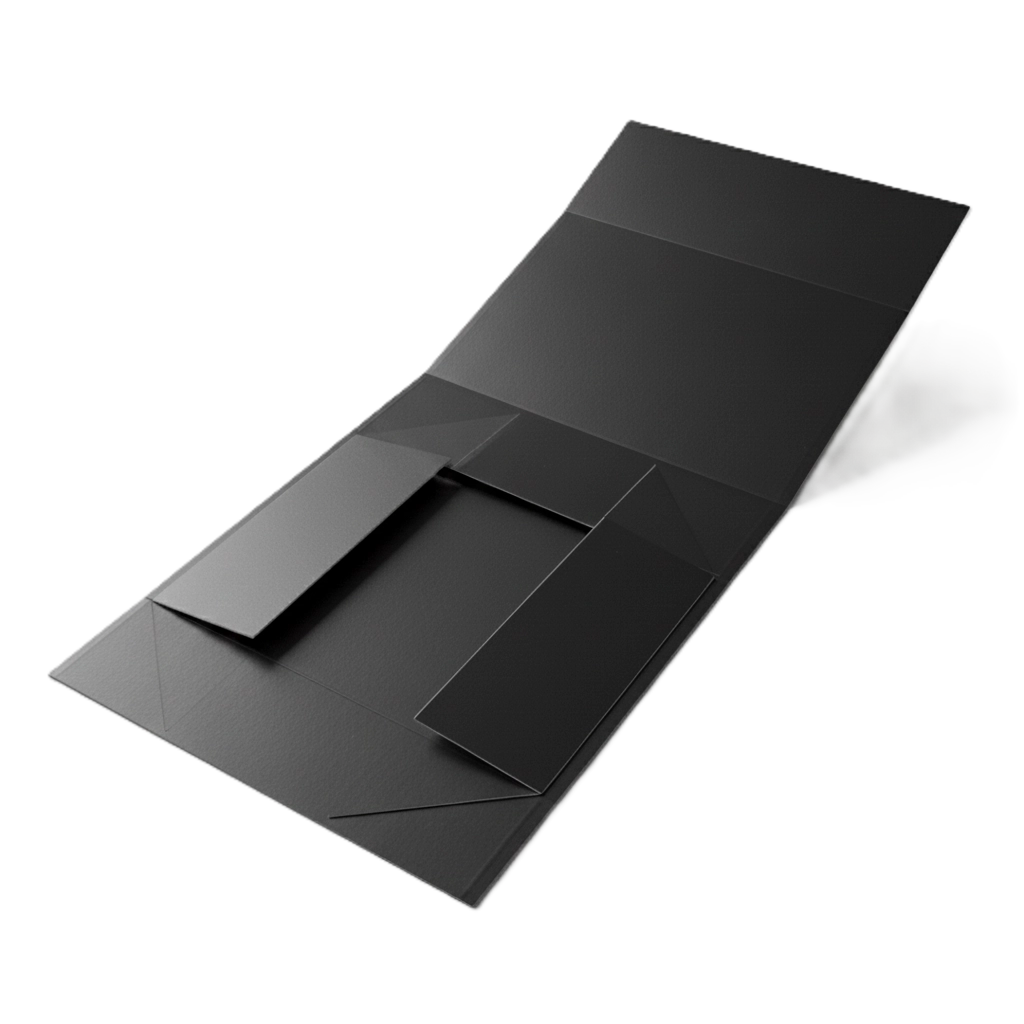
Because Flip Top Boxes are flat packed, they reduce warehouse space and improve storage efficiency. They are also easier to handle in logistics and lower shipping costs.
Magnetic Boxes are usually pre assembled, which increases storage space needs. This can increase shipping and fulfilment costs, especially for large orders.
Both of them use rigid packaging material that gives strong protection to products during transport and storage. But the flip top packaging design is more efficient for warehousing and distribution.
Sustainability and Material Choice
Both packaging styles can support sustainable packaging. Recyclable materials like paperboard, greyboard and FSC certified board are widely used. Flip Top Boxes are often easier to recycle because they use few components. Magnetic Boxes may include magnets, but they can still be designed with eco-friendly packaging materials. Brands focused on sustainability often choose recyclable packaging with minimal surface coating and water based inks.
Cost And Business Considerations
Manufacturers often produce Flip Top Packaging Boxes at lower costs because the structure requires fewer assembly steps.
They are suitable for brands with affordable packaging budgets or high quantity needs. Magnetic Boxes cost more but deliver higher perceived value. They are often used for high margin products where packaging plays a key role in branding and customer experience.
Small batch production often prefers flip top designs. Luxury brands with strong positioning often choose magnetic rigid packaging boxes.
Flip Top Boxes Pros And Cons
Pros
- Faster production timelines
- Lower manufacturing costs
- Flat packed delivery for easier storage
- Suitable for large order quantities
- Simple assembly process
Cons
- Fewer options for complex internal layouts
- Less suitable for premium gifting categories
- Lower perceived product value in luxury markets
Flip Top Boxes Pros And Cons
Pros
- Supports premium and luxury product positioning
- Accommodates detailed insert configurations
- Suitable for gifting, PR campaigns, and limited editions
- Durable magnetic closure designed for repeated use
Cons
- Higher production costs
- Longer manufacturing timelines
- Requires more warehouse space
- Increased shipping and fulfillment expenses
Flip Top Boxes vs Magnetic Boxes: Which One Should You Choose
A skincare brand launching premium gift sets may benefit more from Magnetic Boxes when presentation and exclusivity are important. A clothing retailer processing large order volumes may prefer flip top packaging when the priority is faster packing operations and lower packaging costs.
The right choice depends on the role packaging plays within the business. Custom Flip Top Boxes are often selected for efficiency focused retail operations, while Custom Magnetic Boxes are better suited to premium product categories and gifting applications.