














What Is the Difference Between Kraft Boxes and Cardboard Boxes?
Home » comparisons » What Is the Difference Between Kraft Boxes and Cardboard Boxes?
Table of Contents
Get A Free Quote
Kraft and cardboard boxes are a popular choice for retail, food, gifts, ecommerce and shipping packaging. They may look similar yet they vary in material, appearance, strength, print quality and use.
This guide explains the difference so businesses can choose the best packaging material for their products.
What Are Kraft Boxes?
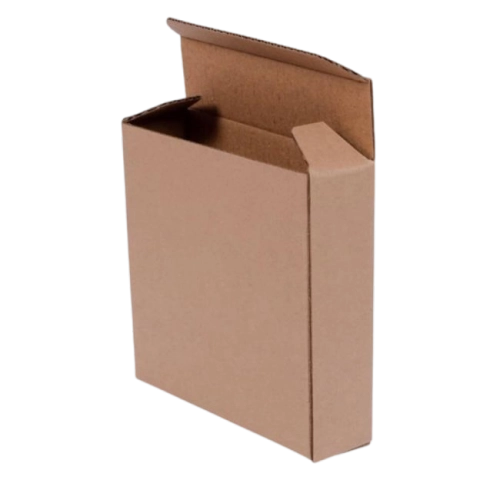
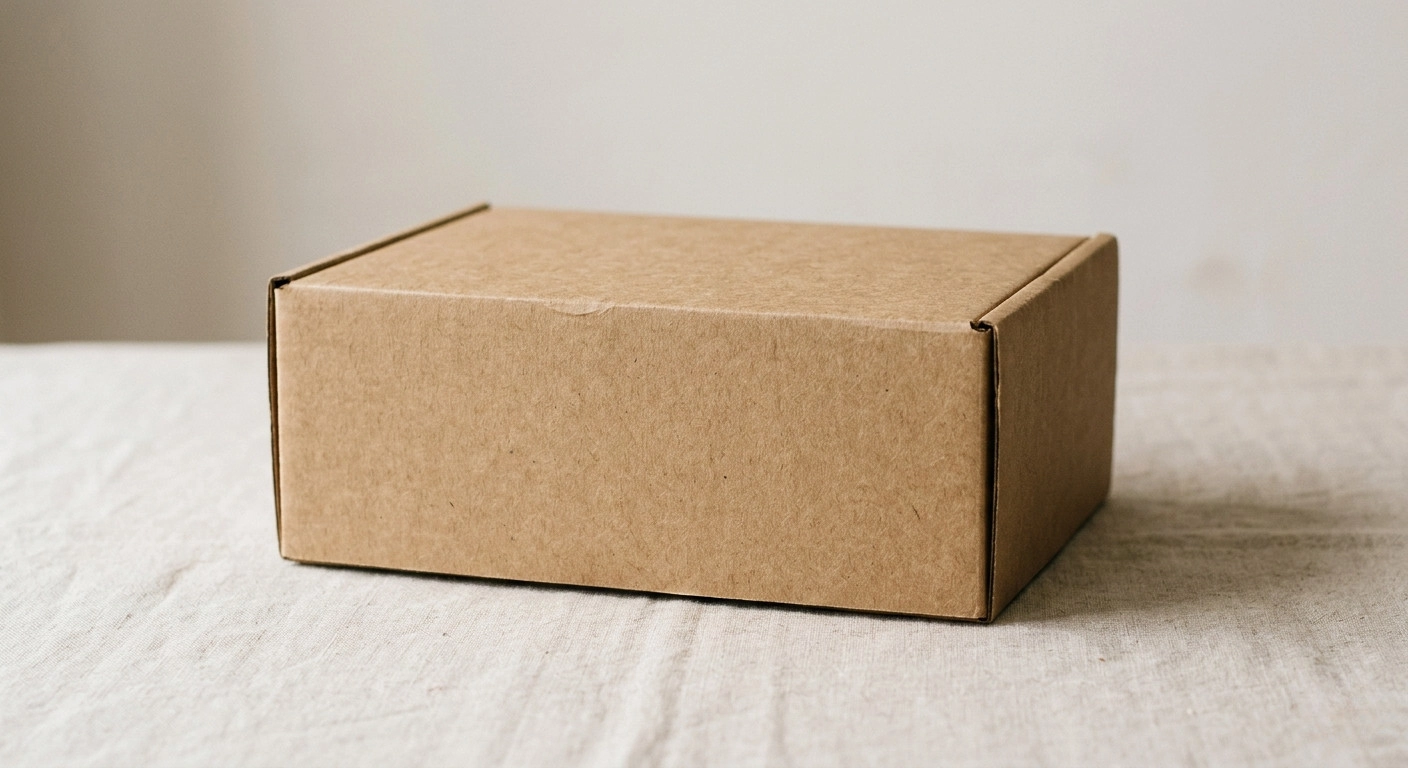
Kraft boxes are made from kraft paper, which comes from wood pulp through the kraft pulping process. During this process, chemical pulping separates cellulose fibers from lignin, creating a strong paper material with good tensile strength and tear resistance.
Most kraft paper retains its natural brown color because it is left unbleached. That gives the kraft boxes a clean and natural look and makes their association with brown paper and sustainable packaging solutions. Kraft packaging boxes are commonly used for packaging handmade products, food packaging, bakery items, cosmetics, soaps, candles, jewelry, gifts and other small retail products. It is the best choice for the companies who prefer biodegradable packaging materials to achieve sustainability. Some options include FSC certified materials or recycled fiber content to help lessen environmental effects.
Kraft boxes are not only naturally looking, but they are also light in weight, easy to customize and are good for small batch packaging requirements.
What Are Cardboard Boxes?
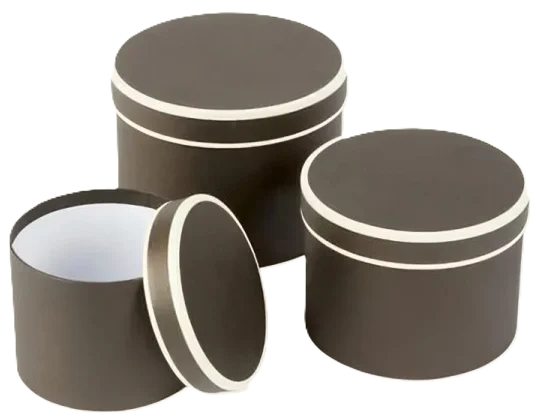
Cardboard boxes are manufactured from paper based materials, but the term covers many types. Cardboard boxes can be made from paperboard, cardboard or fiberboard. This makes cardboard boxes more flexible in use than kraft boxes.
Paperboard packaging is often used for retail packaging, cereal boxes, cosmetic boxes, medicine packaging, and light product packaging. Its smooth surface works well for full color printing, CMYK printing, offset printing, digital printing, and high resolution graphics.
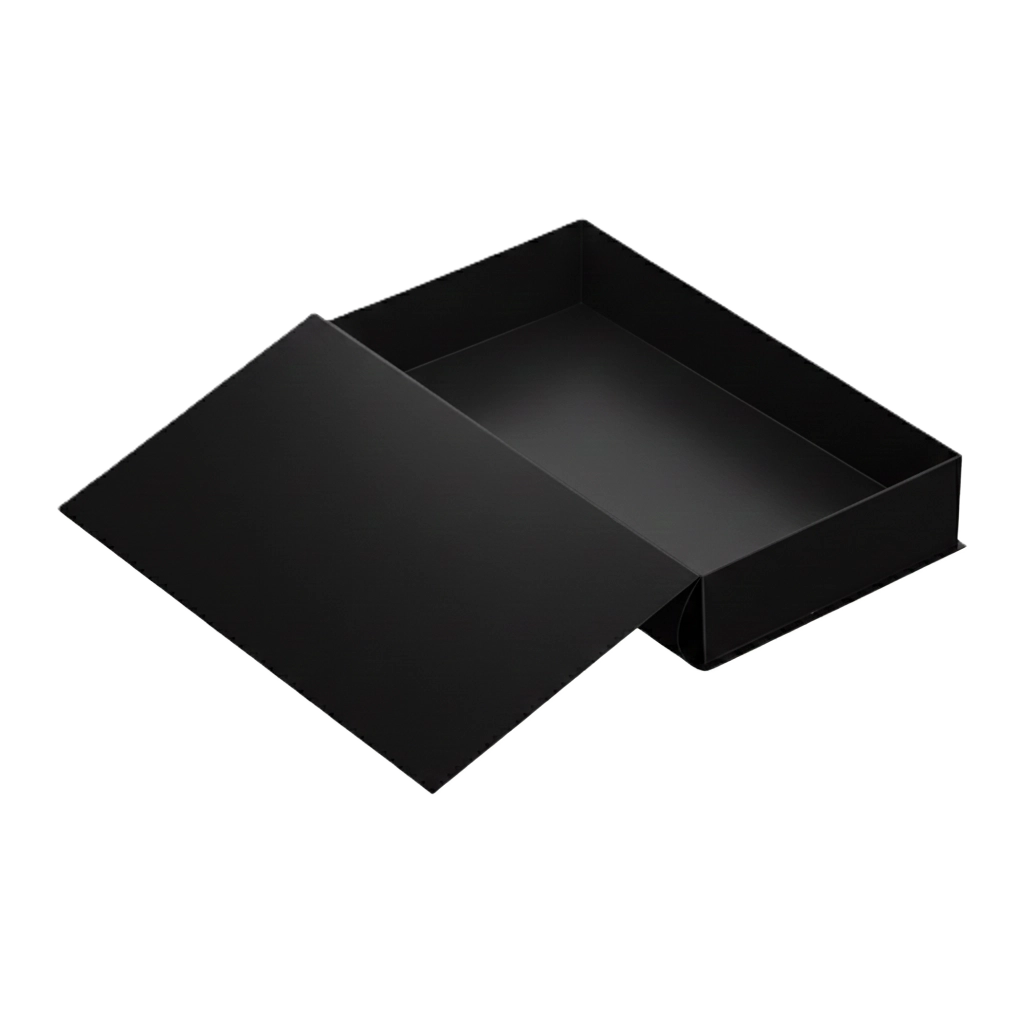
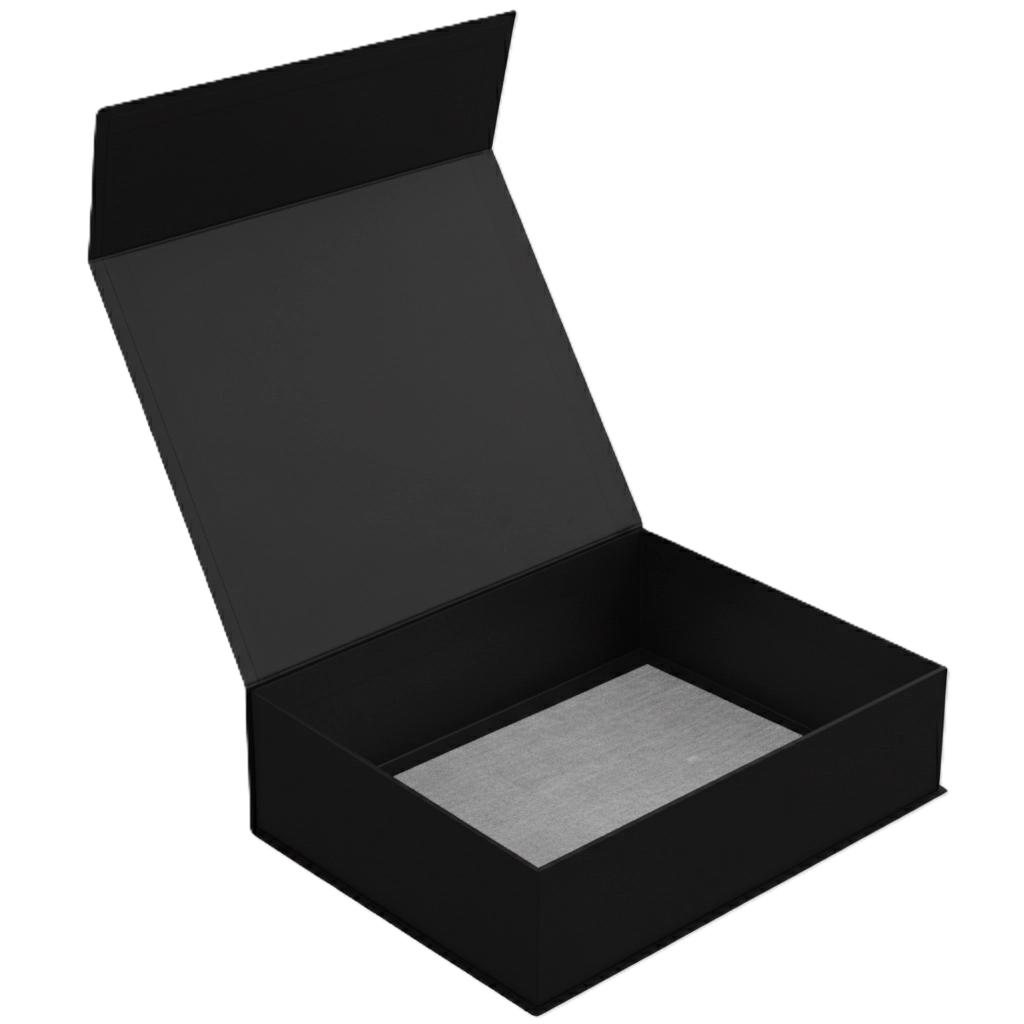
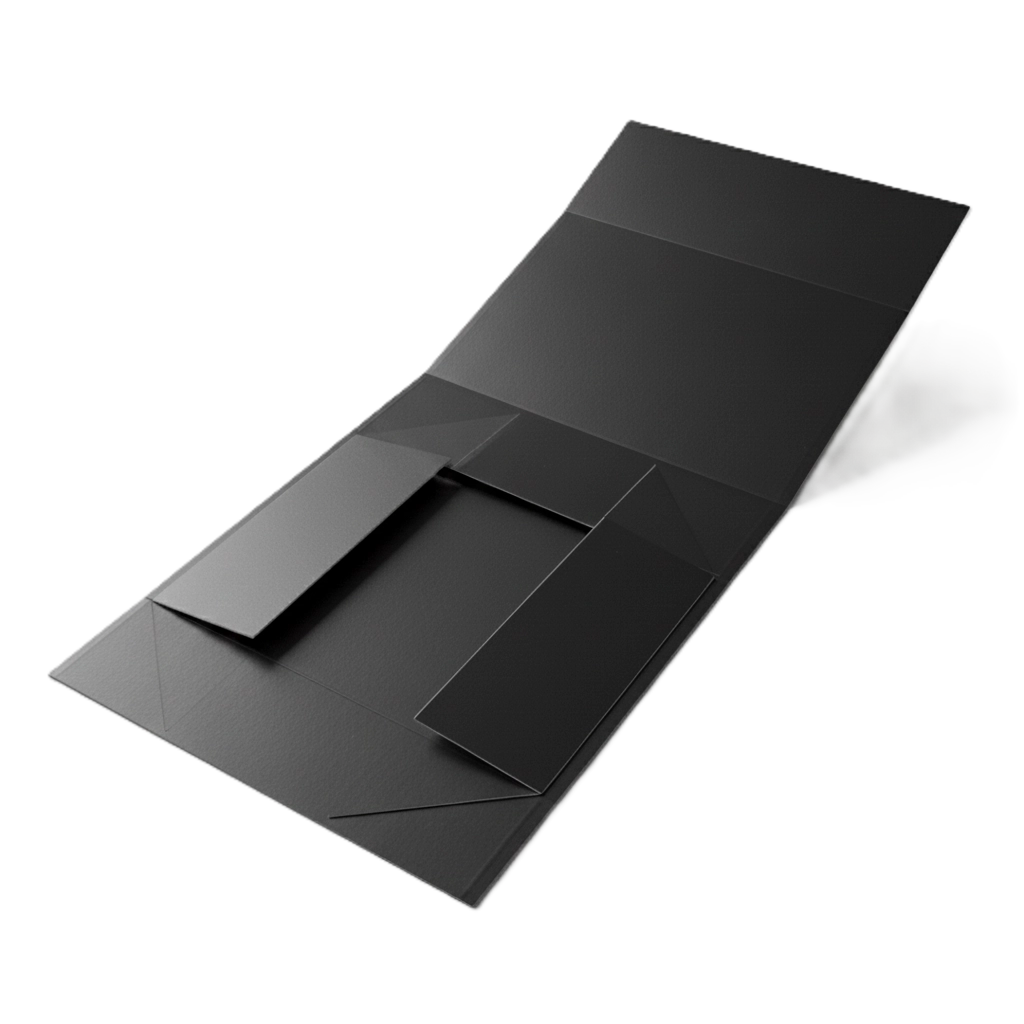
Cardboard boxes can be plain, printed, coated, laminated, or made as premium packaging boxes. They are used for consumer goods, food products, electronics, luxury product packaging, retail display packaging, and mass production.
Cardboard boxes can be plain, printed, coated, laminated, or made as premium packaging boxes. They are used for consumer goods, food products, electronics, luxury product packaging, retail display packaging, and mass production.
In simple words, cardboard boxes cover a large group of packaging solutions. Some are light and made for shelf display. Others are heavy duty packaging options made for strong product protection during transit.
Kraft Boxes vs. Cardboard Boxes: Quick Comparison Table
| Feature | Kraft Boxes | Cardboard Boxes |
| Material | Kraft paper created from wood pulp and natural wood fibers. | Made from paperboard, cardboard, or fiberboard. |
| Appearance | Simple and natural brown surface | Smooth and refined. Can be brown, white, coated, printed or fully branded |
| Best use | Lightweight products, food items, organic products | Retail products, ecommerce shipping, fragile goods |
| Strength | Good strength for light and medium weight products | Can offer higher structural strength |
| Shipping protection | Handles short shipping routes | Better for long distance shipping, freight and transit protection |
| Printing quality | Best for black ink printing or simple logo printing | Best for full color printing, CMYK, offset and high resolution graphics |
| Finishing options | Can use embossing, debossing, foil stamping, die-cut windows and simple coatings | Can use spot UV, soft touch coating, matte and gloss lamination, metallic inks, full bleed printing |
| Sustainability | Recyclable and eco-friendly | Can also be sustainable especially with recycled content or FSC certified materials |
| Cost | Cost friendly for simple and small batch packaging | Cost varies based on board type, printing, finishing and box strength |
| Customization | Good for custom sizes and natural designs | Better for complex or luxurious customization |
Main Material Difference
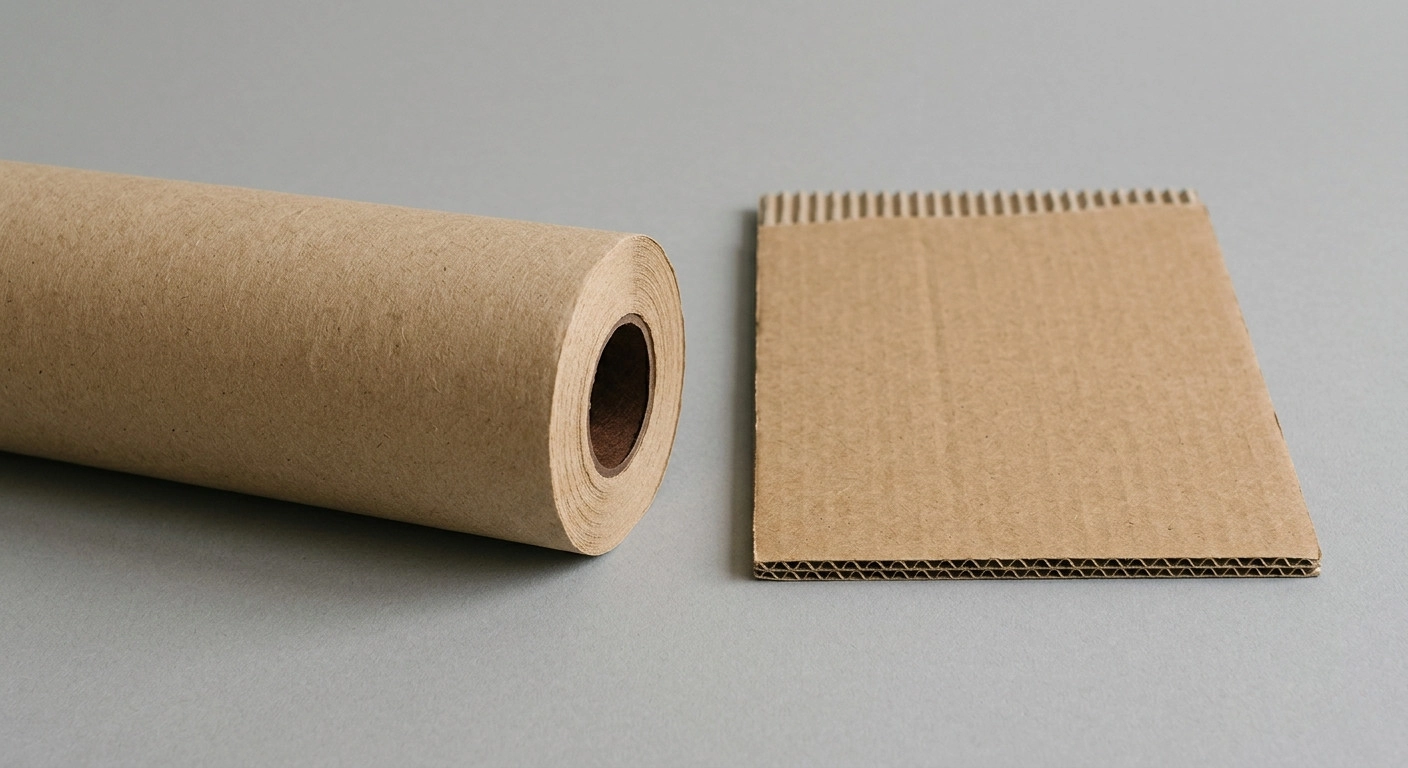
The main difference starts with the material. Kraft boxes are mostly made from kraft paper. Cardboard boxes can be made from paperboard, cardboard, or fiberboard. Kraft paper is known for its natural wood and cellulose fibers. It is usually brown because it is not fully bleached, giving it a simple and eco-friendly look.
Cardboard materials vary more. Paperboard is smooth and lightweight, while fiberboard is thicker and stronger because of its layered construction. This structure improves strength, compression resistance, and durability.
- Kraft boxes are usually made from kraft paper with a natural brown surface.
- Cardboard boxes may be made from paperboard or fiberboard.
- Kraft paper is a popular choice for sustainable packaging and natural branding.
- Paperboard is widely used for custom printed packaging.
This is why kraft boxes often feel more natural, while cardboard boxes offer more structure and printing alternatives.
Strength And Packaging Protection
Packaging protection is a key reason to compare kraft boxes vs cardboard boxes. The product inside decides how much strength the box needs.
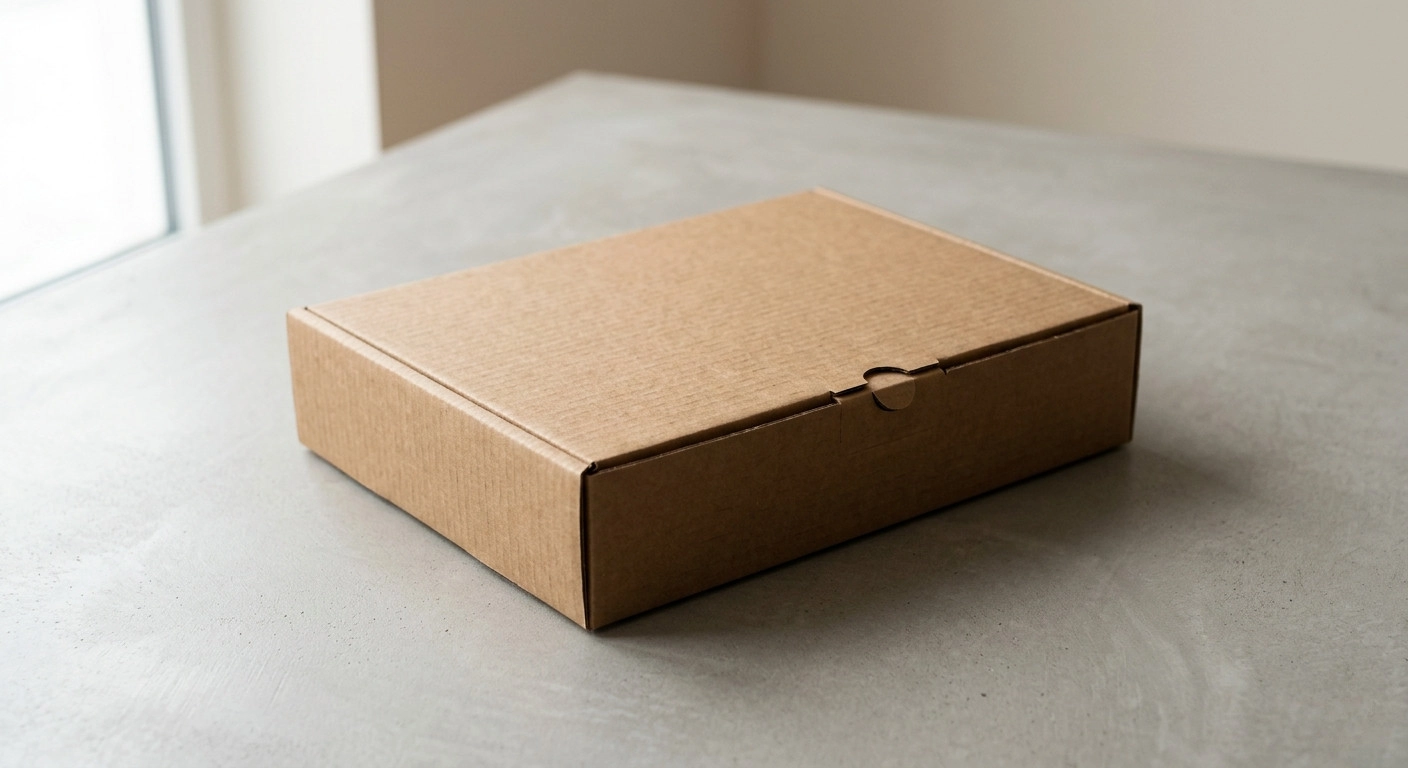
Kraft boxes are strong enough for many light and medium weight products. They offer good tear resistance, tensile strength, and basic durability, making them suitable for retail products that do not face rough shipping conditions.
Cardboard packaging is best for high weighted and fragile products that require extra durability during shipping and storage. They have the ability of shock absorption, impact resistance, vibration resistance and other environmental factors.
For warehouse storage, long distance shipping, frequent handling, and transit, corrugated cardboard packaging boxes are usually safer because they offer better structural engineering and stronger multi panel construction.
In short, kraft boxes are for light weighted packaging whereas cardboard boxes are for packaging of heavy weight products.
Sustainability And Environmental Impact
Both the kraft paper and cardboard boxes support the sustainability packaging goals. But they have differences in their impacts such as material source, coating, printing and recycling options.
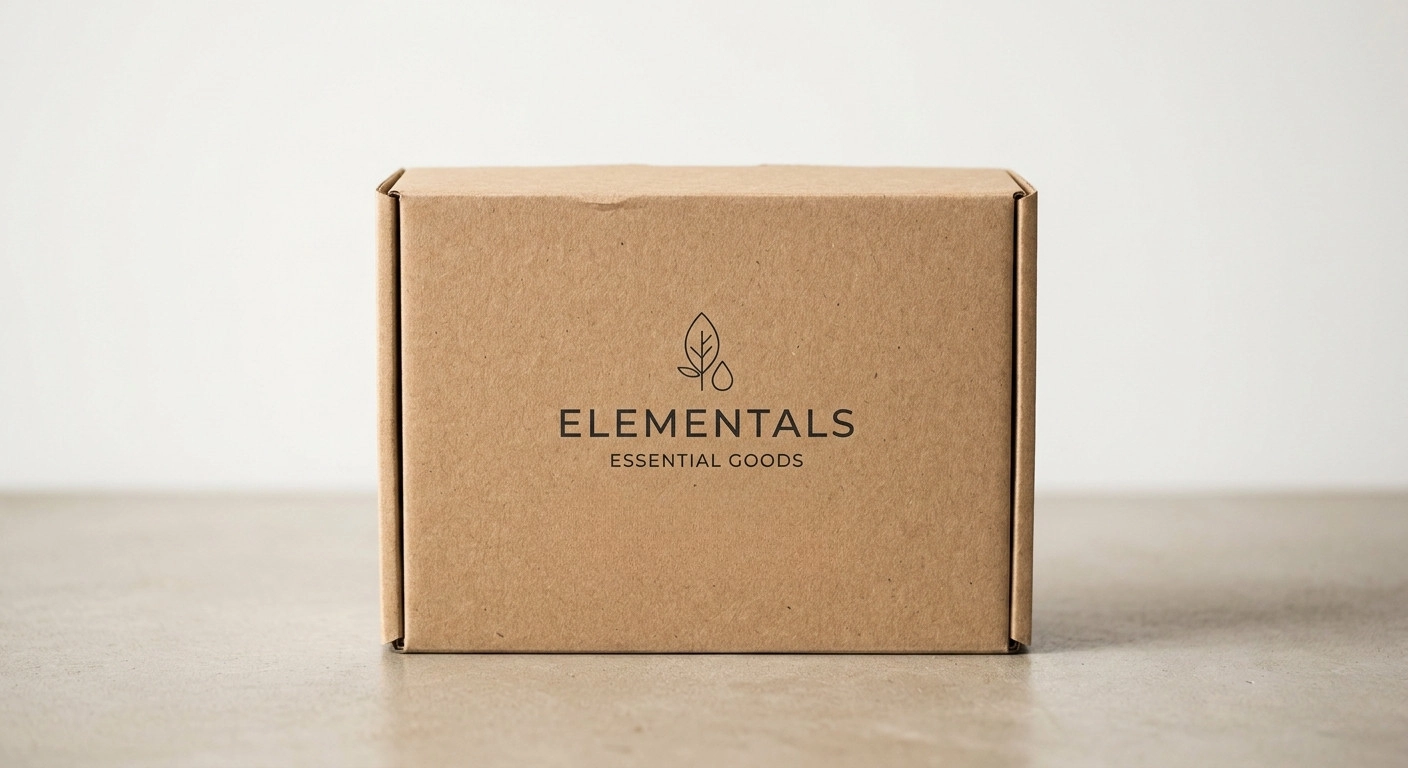
Kraft boxes are often seen as eco friendly packaging because kraft paper is commonly made from natural wood fibers. Many are recyclable, biodegradable, and made with less processing than fully coated packaging.
Cardboard boxes can also be sustainable. Many cardboard boxes include recycled fiber content and can be reused or recycled. Some packaging manufacturers also offer FSC certification and FSC certified materials to support a more responsible supply chain.
Still, sustainability depends on finishing choices. Heavy lamination, gloss lamination, high gloss lamination, metallic inks, UV coating, UV varnishing, and mixed materials can make the recycling process hard.
For reducing the environmental impact businesses should first ask for the material biodegradable materials such as ink type, coating type, and whether the final box fits circular packaging systems. A good sustainable supply chain looks at the full packaging life cycle, not only the outside look.
Printing And Finishing Options
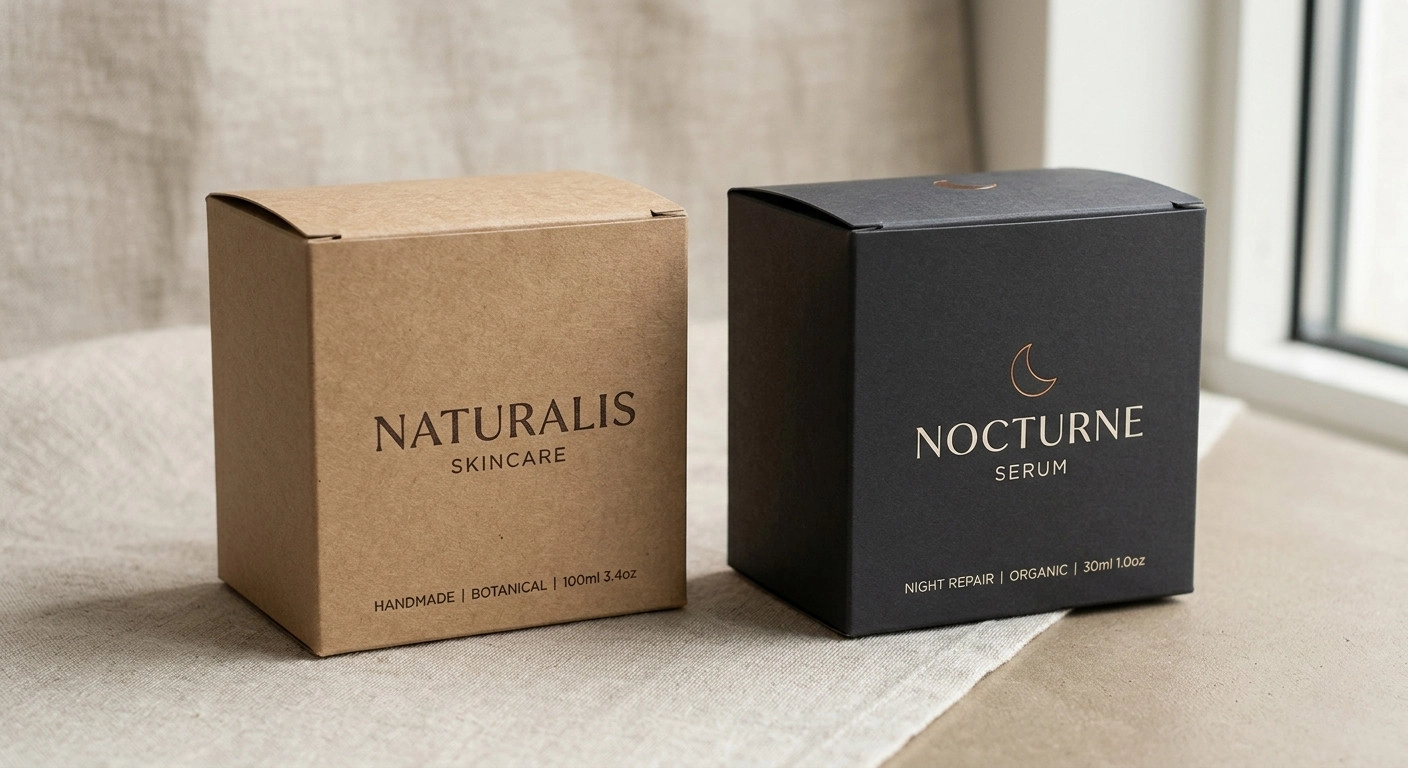
Printing is a key difference between kraft boxes and cardboard boxes. Kraft paper has a brown surface, so colors may look darker or softer, which works well for natural or rustic packaging.
Black ink printing, simple logo printing, product graphics, and minimal packaging design look clean on brown paper packaging. Kraft boxes can also use screen printing, flexographic printing, foil stamping, embossing and debossing, and die cutting.
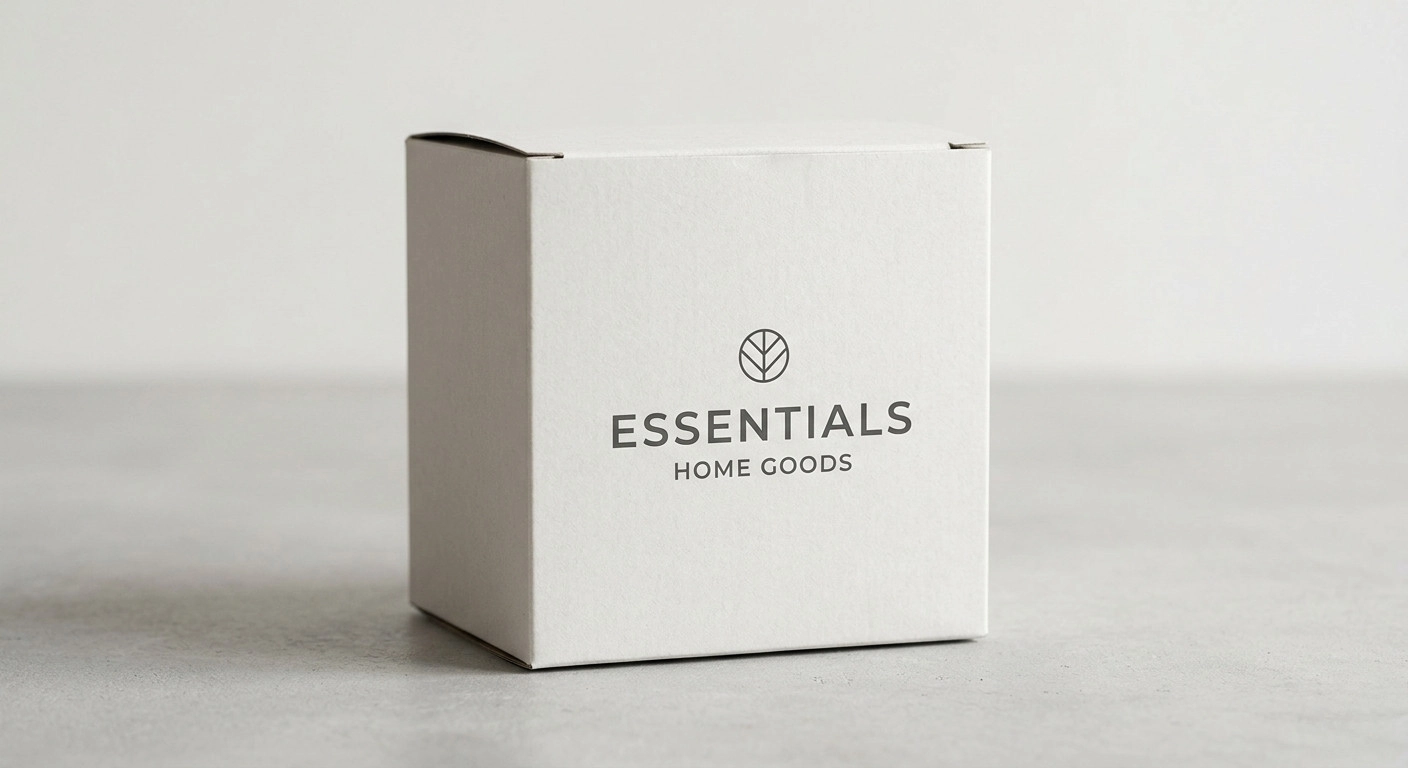
Cardboard boxes offer more printing control with white paperboard or coated board. They work better for full color printing, CMYK printing, offset printing, digital printing, Pantone matching, full bleed printing, high resolution graphics, and accurate color reproduction.
For luxury packaging, cardboard boxes can support spot UV, soft touch coating, matte and gloss lamination, metallic inks, foil stamping, embossing, and debossing. Choose cardboard packaging boxes, when you require bright colors and graphics. And choose kraft boxes for a simple, aesthetic and natural appearance.
Custom Packaging And Design Flexibility
Both kraft boxes and cardboard boxes can be used for custom packaging boxes. The best choice depends on the product size, product weight, display needs, and shipping conditions.
Custom packaging solutions can be included of any size and dimensions, any packaging box style such as cut windows, packaging inserts, custom box design, custom finishes, and engineered packaging. These features help improve packaging performance and the customer experience.
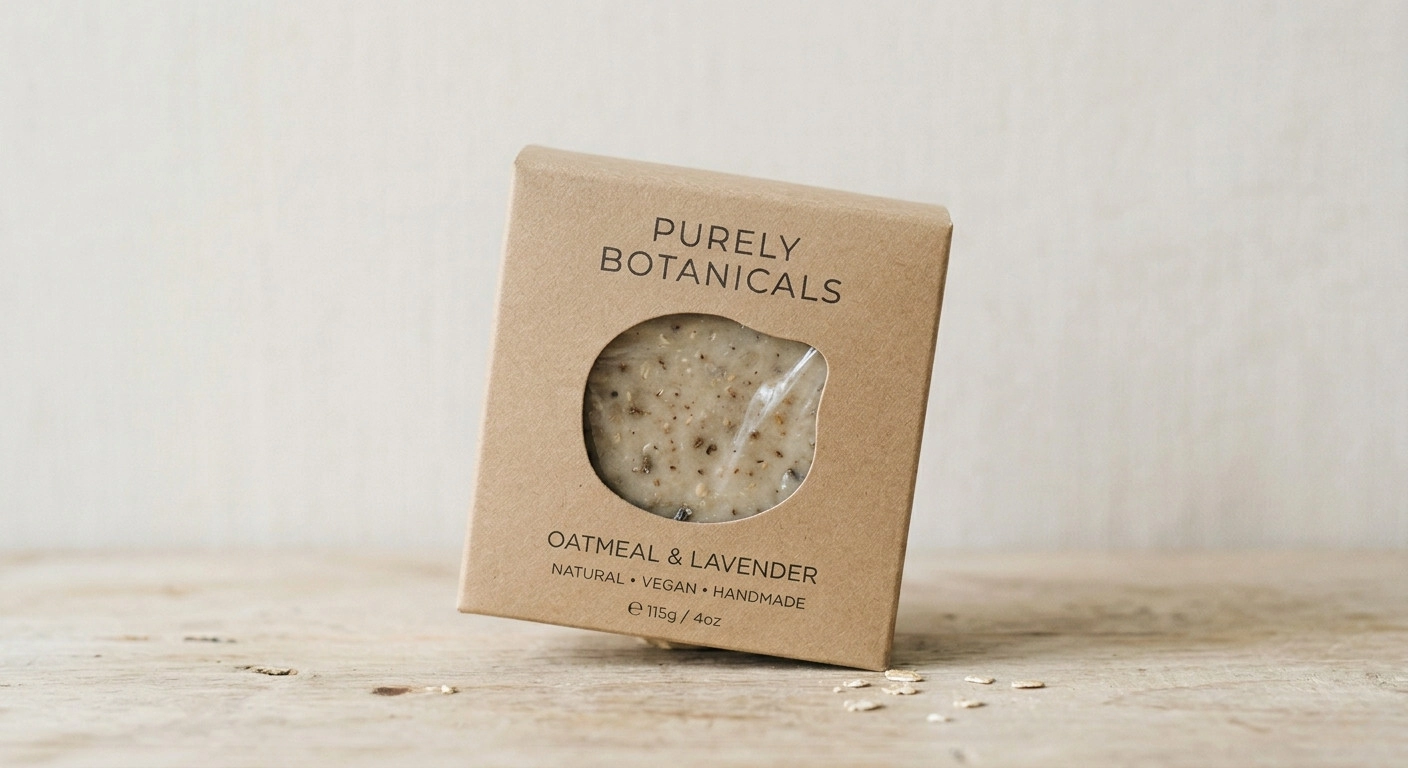
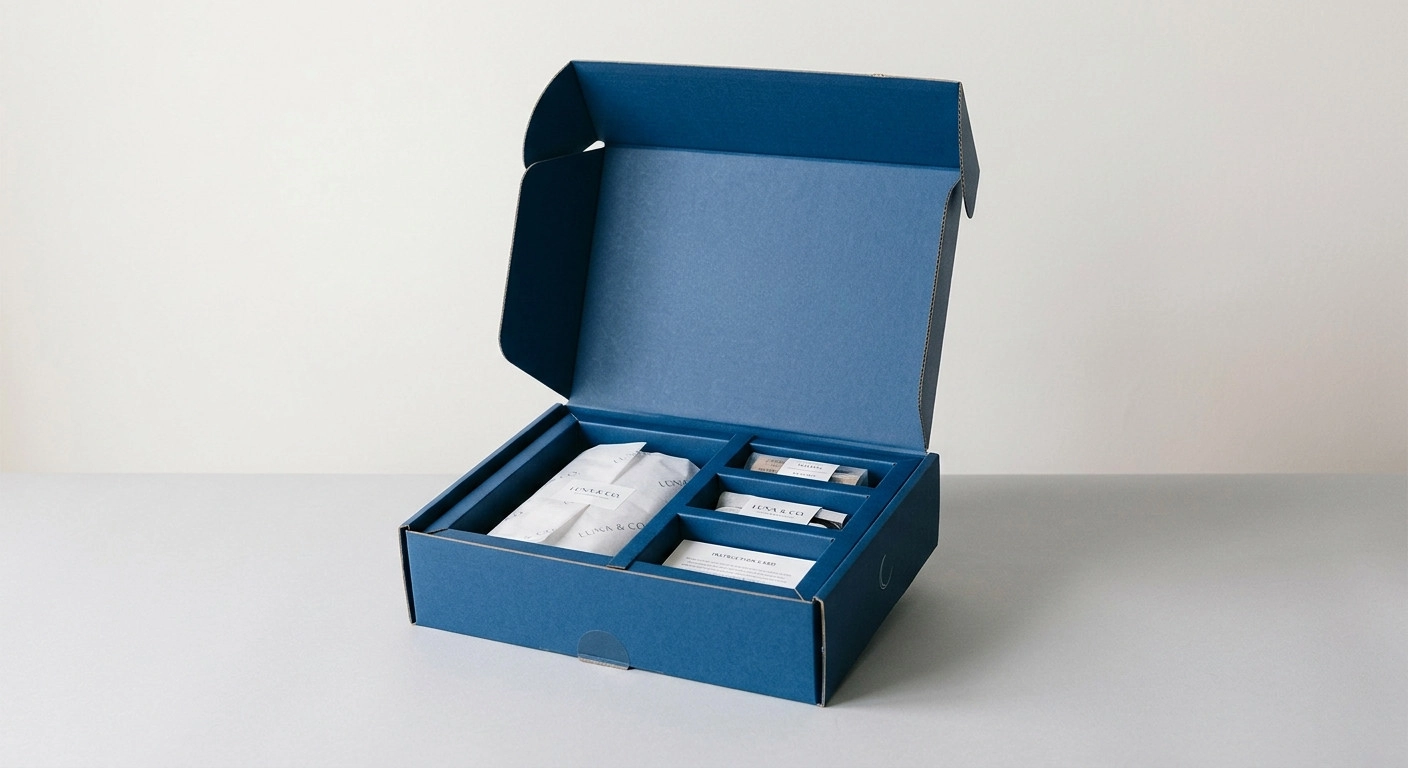
A small soap brand may use a simple kraft sleeve box with logo printing. A candle brand may use a kraft box with a die cut window. A cosmetic brand may use paperboard packaging with full color printing and soft touch coating. An online store may use a cardboard mailer with packaging inserts for better product protection.
Common custom packaging options include:
- Custom sizes for different product shapes and weights.
- Die cut windows for product visibility on retail shelves.
- Packaging inserts for fragile items and better presentation.
- Foil stamping, embossing, debossing, and spot UV for premium packaging boxes.
- Multi panel construction for stronger folding cartons and display packaging.
Good packaging design should not focus only on appearance. It should also support protection, storage, shipping, shelf display, and customer trust.
Best Uses For Kraft Boxes
Kraft paper is the best choice for the products which produce less weight and require less durability while shipping and storage, products such as food or hand made light weighted products. Kraft boxes are ideal for the small businesses as they produce the natural aesthetic appearance and don’t even need heavy printing to feel finished. Many startups use kraft boxes because they are flexible, affordable, and also efficient for branding.
Kraft boxes are known as eco-friendly packaging materials that help to achieve sustainability goals. Good uses for kraft boxes include:
- Bakery boxes, coffee boxes, tea boxes, and food safe packaging materials.
- Soap boxes, candle boxes, jewelry boxes, and handmade product packaging.
- Retail packaging for small stores, gift shops, and natural product brands.
- Small batch packaging for startups testing new products.
- Lightweight packaging for local delivery or short shipping routes.
Kraft boxes are a strong option when the packaging does not need heavy load capacity or high compression resistance.
Best Uses For Cardboard Boxes
Cardboard boxes work well when a product needs more strength, a cleaner print surface, or stronger shipping protection. Since cardboard can include paperboard or fiberboard, it covers many packaging needs.
Paper packaging boxes are best for retail packaging and also for luxury products.
They work well for cosmetics, supplements, medicine boxes, toys, and food cartons. They are also a good choice for brands who need custom printed packaging with strong color reproduction for strong brand visibility.
Cardboard boxes are better for ecommerce shipping boxes, packaging for online stores, warehouse storage, bulk packaging, and long distance shipping. They give better transit protection, freight protection, impact resistance, and compression resistance.
Good uses for cardboard boxes include:
- Ecommerce shipping boxes for online stores and direct delivery.
- Corrugated packaging solutions for fragile or heavy products.
- Retail display packaging with full color printing and product graphics.
- Luxury packaging with lamination, foil stamping, and high resolution graphics.
- Bulk packaging for storage, stacking, and mass production.
Cardboard boxes are usually the safer choice when the product has to move through a longer supply chain.
Cost And Packaging Procurement
The cost will depend on the material, size, print process, finishing, number ordered and box structure. Plain kraft boxes might be cost effective for modest runs, luxury paperboard boxes with foil stamping and soft touch coating cost more. While cardboard shipping boxes are more expensive than light folding cartons, they can help reduce product damage.
Packaging procurement teams should consider more than unit price. Buyers need to consider packaging performance, protection, material quality, printing needs, sustainability and supplier reliability.
A better box can reduce returns, enhance the consumer experience, and protect the brand. Packaging manufacturers may be able to offer cheaper unit prices for mass production at larger volumes. Small batch packaging may be more feasible with digital printing and simple kraft box designs.
Final Thoughts
Kraft packaging boxes are ideal for the brands who require sustainability in their packaging solutions. As kraft paper produces the brown natural aesthetic appeal. That gives a natural appearance. It is best for light weight products. Btw the cardboard is better for providing strong protection. Cardboard works well for shipping products, warehouse storage, ecommerce shipping boxes, and long distance transportation. Paperboard suits retail products, custom printed packaging, and luxury packaging.
Choosing the best packaging material totally depends on product weight, brand style, sustainability goals and overall packaging performance you need to fulfil your business requirements.