













Labels & Stickers vs Hang Tags: What’s the Difference?
Home » comparisons » Labels & Stickers vs Hang Tags: What’s the Difference?
Table of Contents
Get A Free Quote
Labels & stickers and hang tags display branding and useful product information. However, each format attaches differently and serves a distinct purpose.
The right choice depends on the surface, application method, storage environment and information requirements. Cost, durability and customer use also affect the decision.
Labels and Stickers vs Hang Tags: Quick Comparison
The main difference is the attachment method. Labels remain on a surface while hang tags usually come off before or after purchase.
| Feature | Labels and Stickers | Hang Tags |
| Attachment | Adhesive bonds directly to a surface | String, ribbon, cord, pin or fastener |
| Removal | Permanent, removable or repositionable | Usually easy to remove |
| Common materials | Paper, vinyl, polyester, PP and BOPP | Cardstock, kraft paper, fabric and synthetic stock |
| Suitable products | Bottles, jars, boxes, bags and containers | Clothing, accessories, gifts and handmade goods |
| Application | Manual or machine application | Usually attached by hand |
| Information | Ingredients, warnings, codes and product details | Prices, care details, stories and promotions |
| Durability | Depends on the face material, adhesive and coating | Depends on the stock, finish and attachment |
| Typical cost | Efficient for large roll orders | May involve more material and manual labor |
What Are Labels and Stickers?
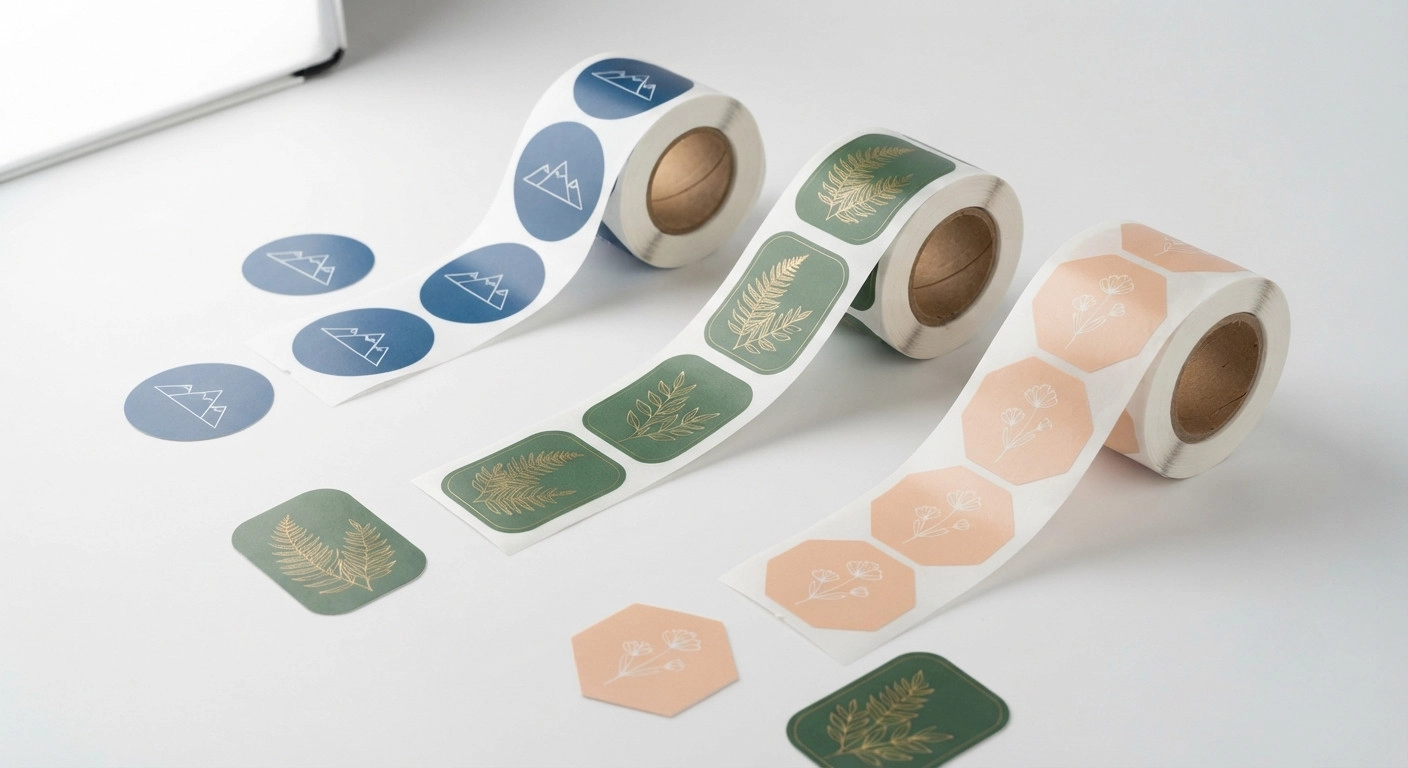
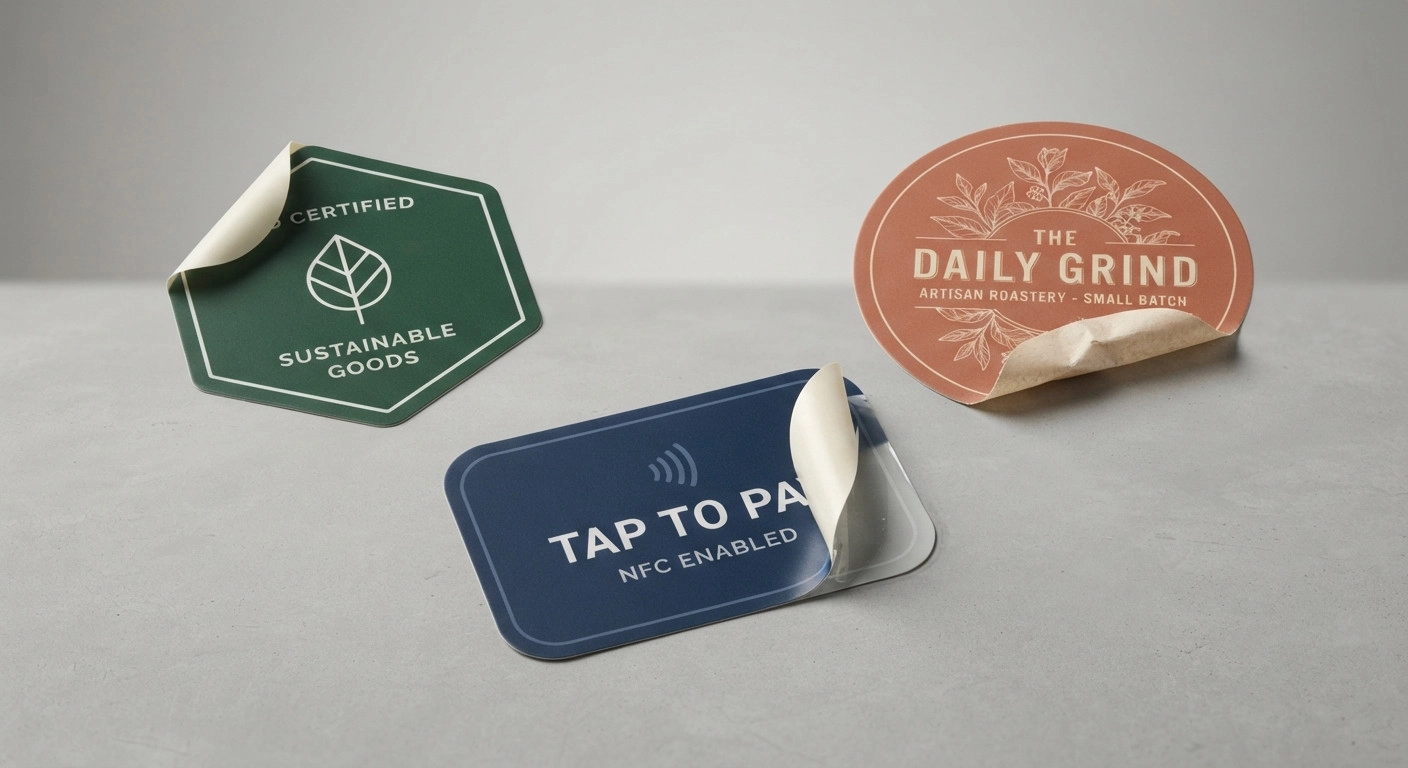
Labels and stickers are printed pieces with adhesive on the back. They attach to products, packaging, cartons, shelves or shipping containers.
A product label usually identifies an item or provides required information. A custom sticker often carries a logo, decorative graphic or promotional message. These terms sometimes overlap because both formats use similar materials and printing methods.
Common options include:
- Pressure sensitive labels: Bond to a surface when pressure is applied
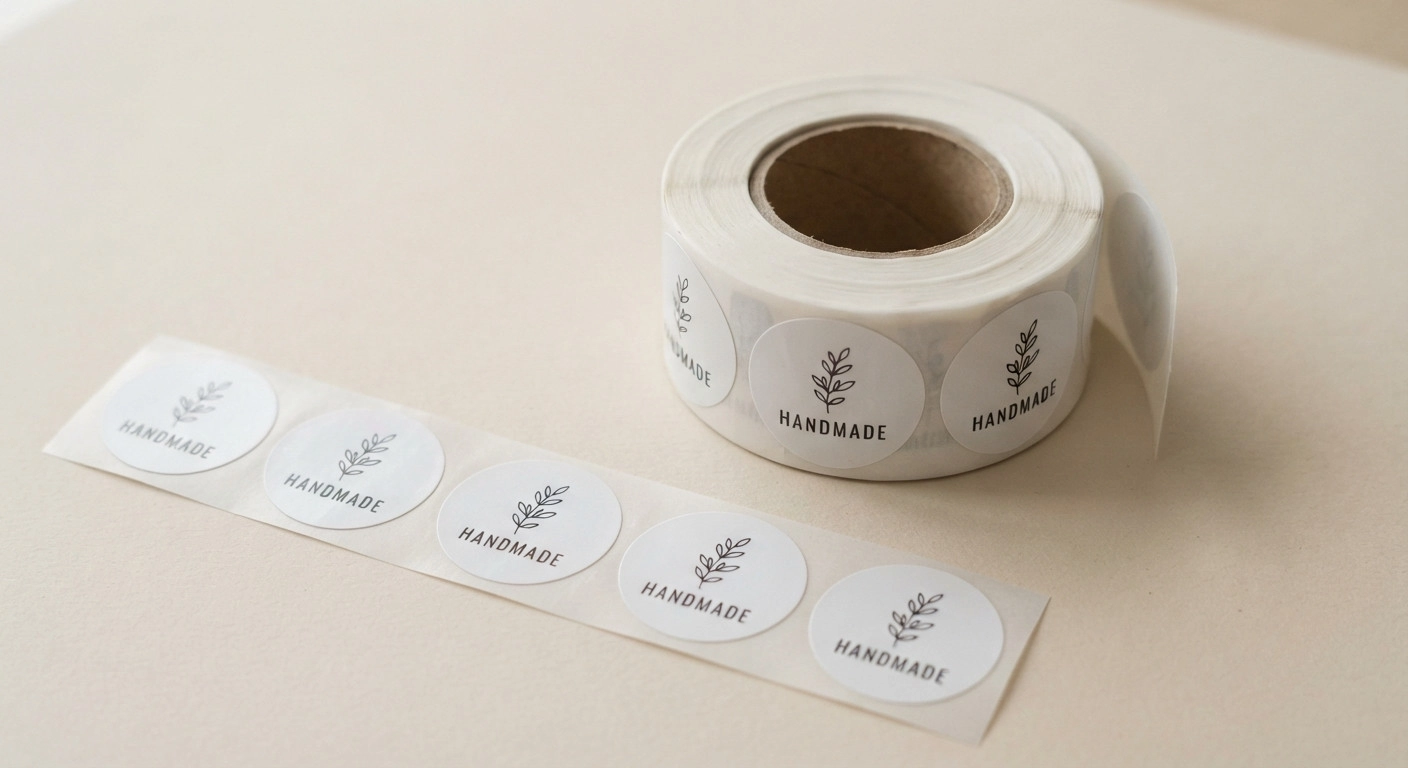
- Roll labels: Come on rolls for dispensers and automatic labeling equipment
- Sheet labels: Appear on flat sheets for short runs and manual use
- Die cut stickers: Follow the outline of a logo, image or custom shape
- Clear labels: Show the container or package through the material
- Tamper evident labels: Leave evidence when someone opens or removes them
- Barcode labels: Carry scannable product or inventory information
- QR code labels: Connect customers to digital content through a smartphone scan
Paper stickers work well for dry indoor settings and temporary promotions. Vinyl, polyester, polypropylene and BOPP film offer greater resistance to moisture and tearing.
What Are Hang Tags?
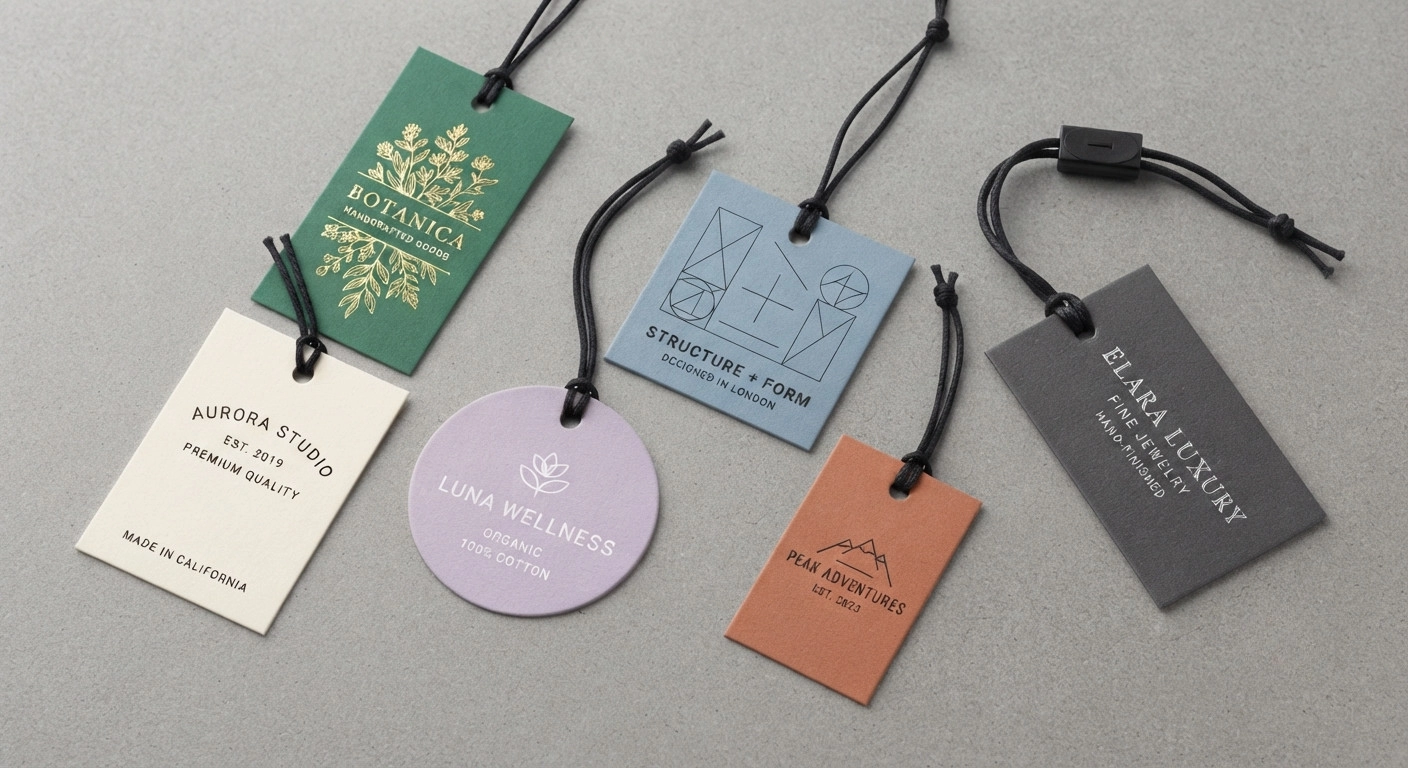
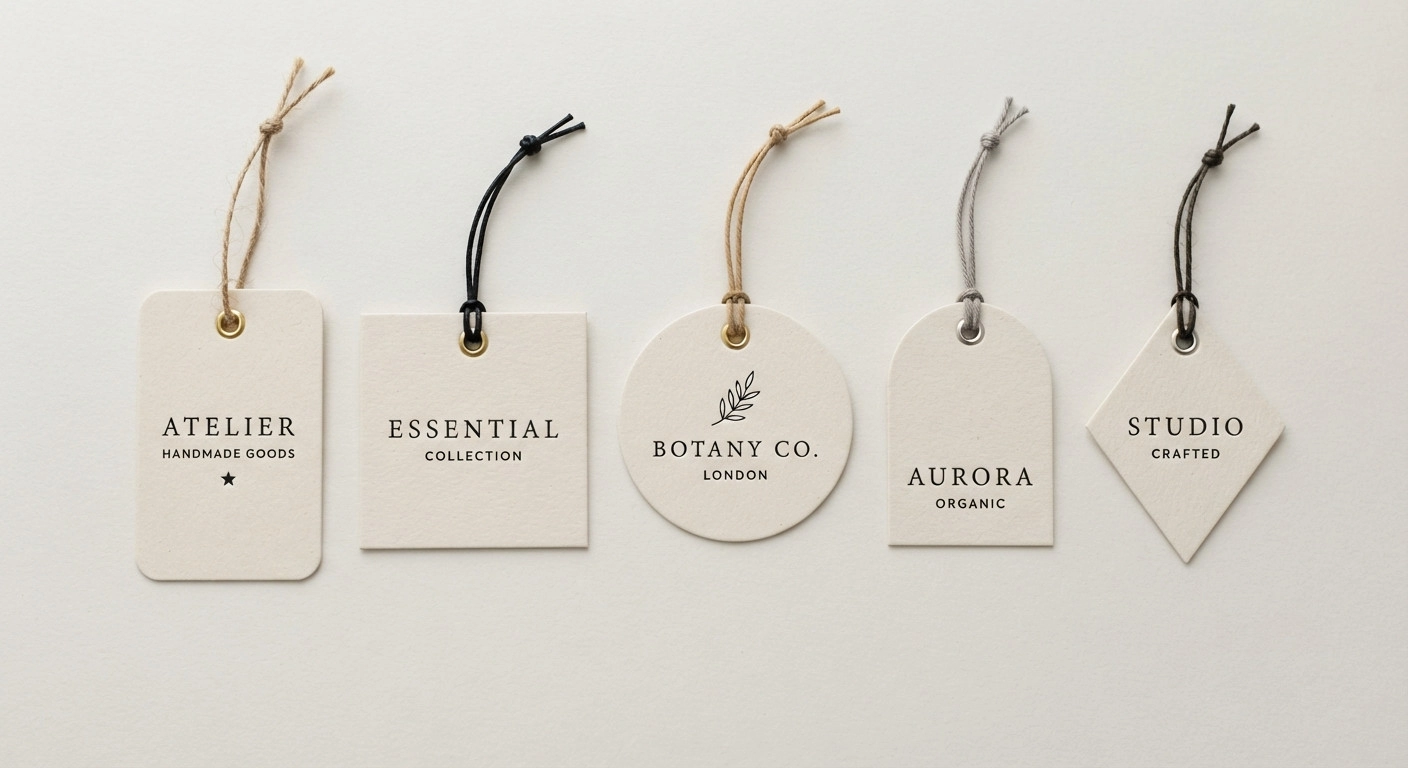
Hang tags are printed cards that attach without adhesive. A hole in the tag holds a string, ribbon, elastic cord, plastic fastener or metal eyelet.
Custom hang tags can present a brand name, price, barcode, care instructions or product story. Their larger print area also allows brands to add information without covering the product.
Popular formats include:
- Swing tags: Hang freely from ribbon, string or cord
- Clothing hang tags: Show the size, price and brand details
- Folded hang tags: Add panels for instructions or longer messages
- Die cut hang tags: Use a custom outline or distinctive shape
- Kraft hang tags: Provide a natural paper look
- Luxury hang tags: Combine thick stock with selected decorative finishes
- RFID hang tags: Include a component that supports contactless identification and tracking
Clothing brands often use cardstock tags with plastic fasteners or strings. A fabric label serves a different purpose because manufacturers usually sew it into the garment for lasting identification.
Attachment Methods and Adhesive Performance
An adhesive must suit the product surface and storage conditions. A label made for smooth cardboard may not bond well to a textured, curved, cold or oily container.
Common adhesive types include:
- Permanent adhesive for lasting attachment
- Removable adhesive for cleaner removal
- Repositionable adhesive for temporary adjustment
- High tack adhesive for difficult surfaces
- Freezer grade adhesive for cold storage
- Heat resistant adhesive for higher temperatures
Brands should test adhesive labels on the actual container before placing a full order. Surface coatings, condensation, temperature and container shape can change how well a label bonds.
Hang tags avoid adhesive compatibility concerns. However, they require a suitable attachment.
Materials for Labels and Stickers
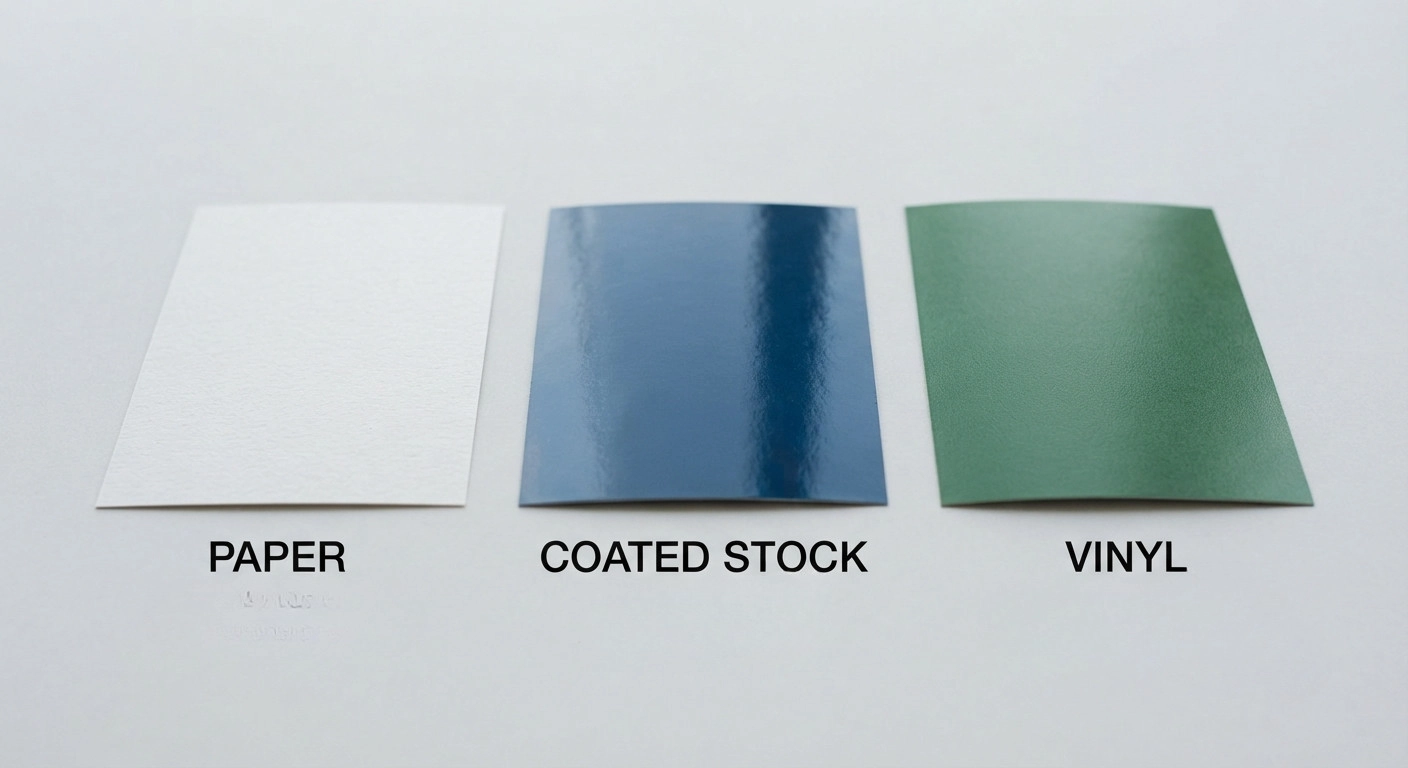
Paper is a practical choice for boxes, dry containers, price labels and promotional stickers. Coated stock offers a smooth printing surface while uncoated paper has a softer and more natural texture.
Synthetic materials work better in demanding settings. Vinyl, polyester, PP and BOPP can suit beverage bottles, cosmetics and personal care packaging where moisture may reach the surface.
Clear film can create a printed-on appearance. The result depends on the clarity of the adhesive, the condition of the container and the compatibility of all materials.
Materials for Custom Hang Tags
Cardstock gives a hang tag enough stiffness for handling and display. Coated white stock supports sharp colors and small text while kraft paper creates a simple natural appearance.
Recycled and FSC-certified paper options are available for both labels and tags. FSC certification indicates that the paper comes from forests and supply chains managed according to Forest Stewardship Council standards.
Thicker paper tags can support foil stamping, embossing and debossing. The selected stock must remain strong enough to hold the punched hole and attachment.

Printing and Finishing Options
The best print method depends on the material, order volume and artwork. Digital printing supports short runs, multiple designs and variable information.
Offset printing can reproduce detailed artwork across larger orders. Flexographic printing is widely used for high-volume roll label production because it prints efficiently on continuous materials.
Available options may include:
- CMYK printing for full-color designs
- Pantone matching for selected brand colors
- Screen printing for compatible materials
- Foil stamping for metallic details
- Embossing for raised design areas
- Debossing for recessed impressions
- Spot UV for gloss on selected sections
- Matte or gloss lamination
- Custom die cutting and rounded corners
Not every process works with every material. A printer should confirm compatibility before production.
Variable Data and Code Readability
Variable data printing changes selected information from one printed piece to another. It can add unique barcodes, serial numbers, batch details, dates or QR codes.
Scannable codes require clear printing and strong contrast. They also need enough blank space around the code so a scanner can identify its boundaries.
Decorative finishes should not interfere with scanning. Heavy texture, glare and poor color contrast may make small codes harder to read. Testing a printed sample helps confirm performance.
Product Details and Compliance Information
Labels usually work better for information that must stay with a product. This content may include ingredients, nutrition facts, warnings, manufacturing dates, batch numbers and safety instructions.
Hang tags suit removable details such as:
- Retail prices
- Promotional offers
- Brand stories
- Seasonal messages
- Gift notes
- Website addresses
- Social media details
- QR codes for additional content
A hang tag should not replace a permanent label when regulations require information to remain attached. Applicable rules may control the wording, position, size and readability of product details.
Businesses should review the requirements for their product category and sales market before approving artwork.
Suitable Uses Across Different Industries
Each industry has different information, handling and compliance needs. Many products use a label and hang tag together because the two formats perform separate jobs.
| Industry | Suitable Labels or Stickers | Suitable Hang Tags |
| Apparel | Packaging seals, size stickers and barcode labels | Prices, collection details and brand stories |
| Cosmetics | Shade, ingredient, warning and batch labels | Gift sets and promotional collections |
| Food and beverage | Nutrition, expiry and bottle labels | Gift baskets and specialty products |
| Candles | Scent, safety and container labels | Care tips and gift messages |
| Jewelry | Small logo seals and inventory labels | Prices, materials and product stories |
| Electronics | Serial, model, warning and security labels | Accessory bundles and promotional kits |
| Pharmaceuticals | Dosage, batch and expiry information | Limited secondary communication |
| Handmade goods | Logo stickers and ingredient labels | Maker stories and care details |
| Ecommerce | Shipping, return and identification labels | Thank-you notes and promotional messages |
Custom product labels help keep essential information visible during storage and use. A removable tag creates extra room for content that customers do not need permanently.
Application Speed and Workflow
Roll labels can support fast application with manual dispensers or automated machines. This format suits businesses that process many identical packages.
Sheet labels are practical for small batches, product testing and manual packaging. They also let a business order several designs on manageable flat sheets.
Most hang tags require individual attachment. This extra step can increase packing time. The actual effect depends on the fastener, product shape and available equipment.
Businesses should test the complete application process before confirming a large order. A format that prints cheaply may still cost more if it slows down packing.
Cost and Production Factors
The printed unit price does not represent the full applied cost. Businesses should also consider adhesive, finishing, die cutting, machine setup and labor.
Roll labels often become more economical at higher quantities. Sheet formats can reduce setup needs for smaller orders. Hang tags require separate attachments and may involve more manual handling.
Special features can increase the price of either option. Thick cardstock, folded panels, metal eyelets, specialty cords and detailed finishing add materials or production steps.
Review these factors before ordering:
- Required quantity
- Reorder frequency
- Manual or machine application
- Number of artwork versions
- Variable barcode or batch information
- Attachment and finishing costs
- Available inventory space
Avoid ordering excessive stock when prices, ingredients or legal text may change. Updated information can make unused labels and tags unsuitable.
Sustainability Considerations
Paper labels and hang tags can use recycled or FSC-certified stock. Water-based inks may also be available depending on the print process and material.
Recyclability depends on the complete package. A synthetic label on a paper box may affect material separation. Plastic cords, metal eyelets and heavy laminates can create similar challenges.
Businesses can reduce unnecessary material by following a few practical steps:
- Match the size to the required information
- Use paper where product conditions allow
- Remove decorative layers that add no useful function
- Pair labels with compatible container materials
- Limit excessive adhesive coverage
- Add disposal instructions when parts need separation
Plastic-free hang tags can complement paper packaging. The tag should still use only enough material to remain secure and readable.
Common Mistakes to Avoid
Choosing a label for its appearance alone can lead to poor adhesion. The surface, temperature and storage environment should guide the material choice.
Other common mistakes include:
- Applying paper labels in wet conditions
- Using permanent adhesive on reusable containers
- Printing with weak contrast
- Placing too much text in a small area
- Attaching heavy tags with weak string
- Covering product details with large stickers
- Starting production without physical samples
- Selecting finishes that reduce readability
Testing should cover application, storage, handling, scanning and removal. A digital artwork proof can check the design but cannot show how the finished product will perform.
Should You Choose Labels, Stickers or Hang Tags?
Choose a label when identification or instructions must stay attached. Product labels work well for ingredients, warnings, barcodes and batch details.
A custom sticker suits promotional branding, package seals and decorative graphics. It can also provide a simple way to place a logo on plain packaging.
Select a hang tag when customers should remove the information. Tags provide more space for prices, care details and brand stories without covering the product.
Some products need both formats. A permanent label can carry required details while a removable hang tag presents marketing information.
Order Custom Labels, Stickers and Hang Tags
A suitable printing supplier can help match the material, adhesive, attachment and print method to the intended use. Share details about the product surface, storage environment, quantity and application process before ordering.
Hot Custom Boxes produces custom labels, stickers and hang tags in different materials, sizes and formats. Contact us with your artwork and product requirements to request a custom quote.