















Magnetic Boxes vs Two Piece Rigid Boxes: Which Should You Choose?
Home » comparisons » Magnetic Boxes vs Two Piece Rigid Boxes: Which Should You Choose?
Table of Contents
Get A Free Quote
Magnetic boxes and two piece rigid boxes use thick board to create durable premium packaging. However, their opening styles, production requirements, storage needs, and costs differ.
This packaging comparison explains which structure better matches your product, fulfillment process, and presentation goals.
Magnetic Boxes vs Two Piece Rigid Boxes at a Glance
The main difference lies in the closure. Magnetic boxes provide an attached hinged lid, while two piece rigid boxes create a complete reveal through a removable lid.
| Factor | Magnetic Boxes | Two Piece Rigid Boxes |
| Structure | Attached hinged lid | Separate lid and base |
| Closure | Concealed magnets | Usually lift-off/friction fit |
| Product reveal | Lid opens behind the product | Lid lifts away completely |
| Assembly | Fixed or collapsible | Usually preassembled |
| Storage | Collapsible versions save space | Fixed structure uses more space |
| Production complexity | Requires accurate magnet alignment | Uses simpler forming and fitting |
| Typical cost | Usually higher | Often lower for comparable specifications |
| Recycling | Magnets may require separation | Usually contains fewer nonpaper parts |
What Are Magnetic Boxes?
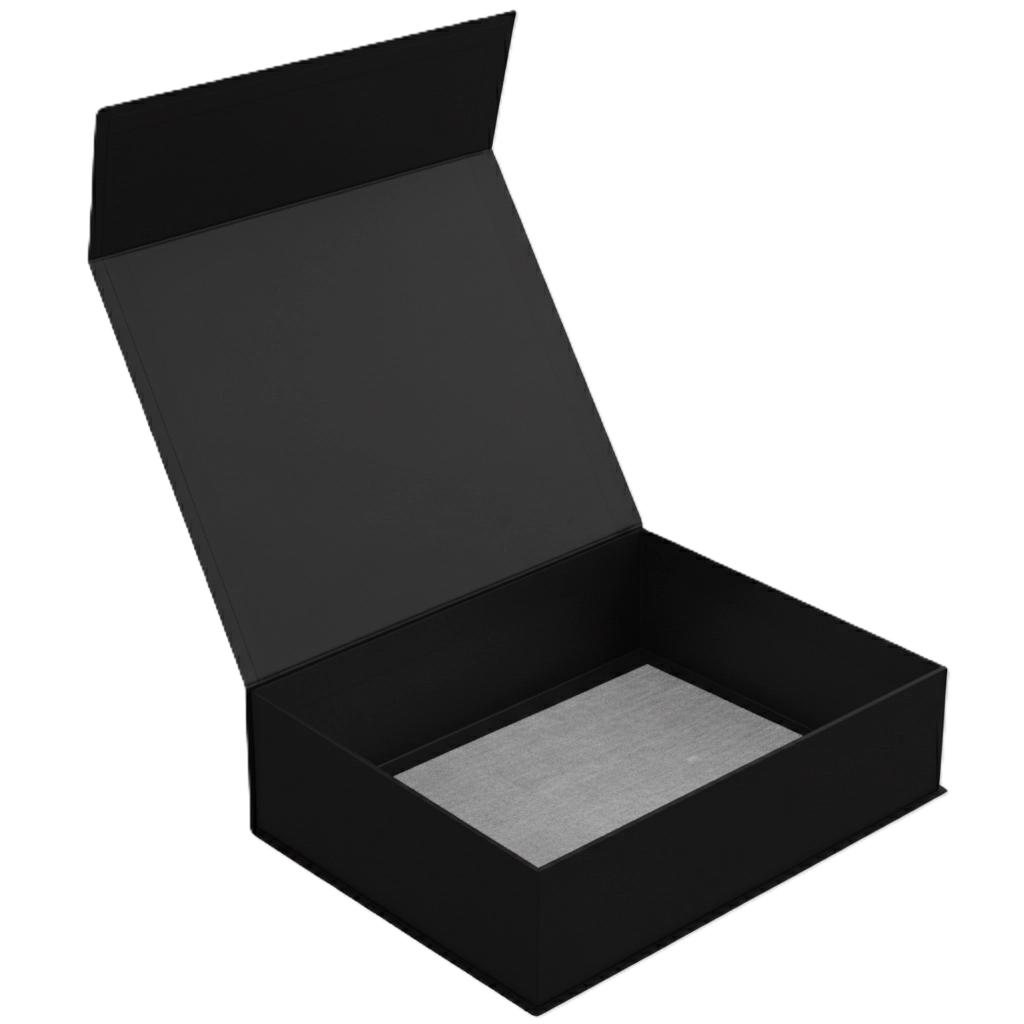
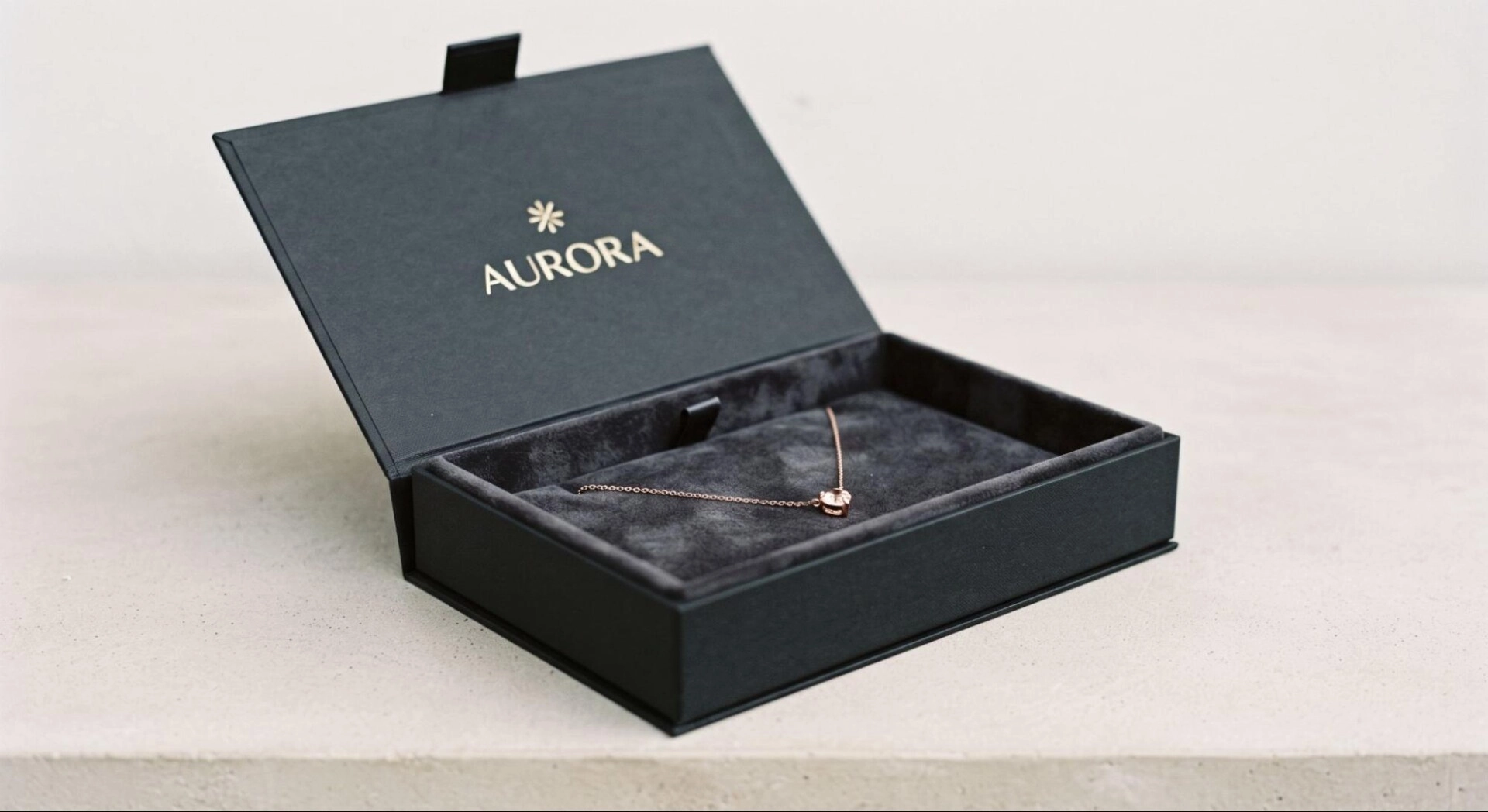
Magnetic boxes are rigid packaging boxes with a hinged lid and concealed magnets inside the front flap and box wall. The attached lid opens in one controlled motion and returns to an aligned closed position.
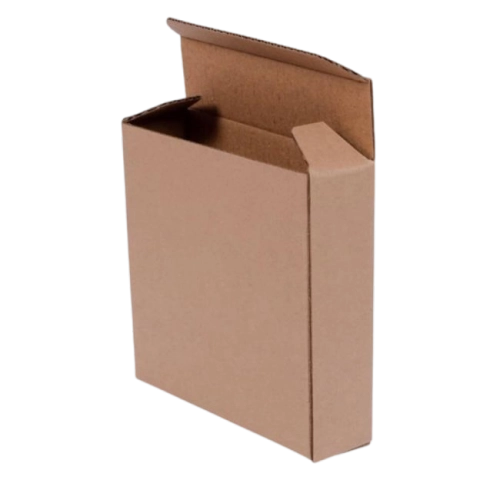
Most Cardboard Gable Boxes arrive flat and require folding before use. Auto bottom designs form the base quickly, while manually locked bottoms can reduce gluing requirements.
What Are Two Piece Rigid Boxes?
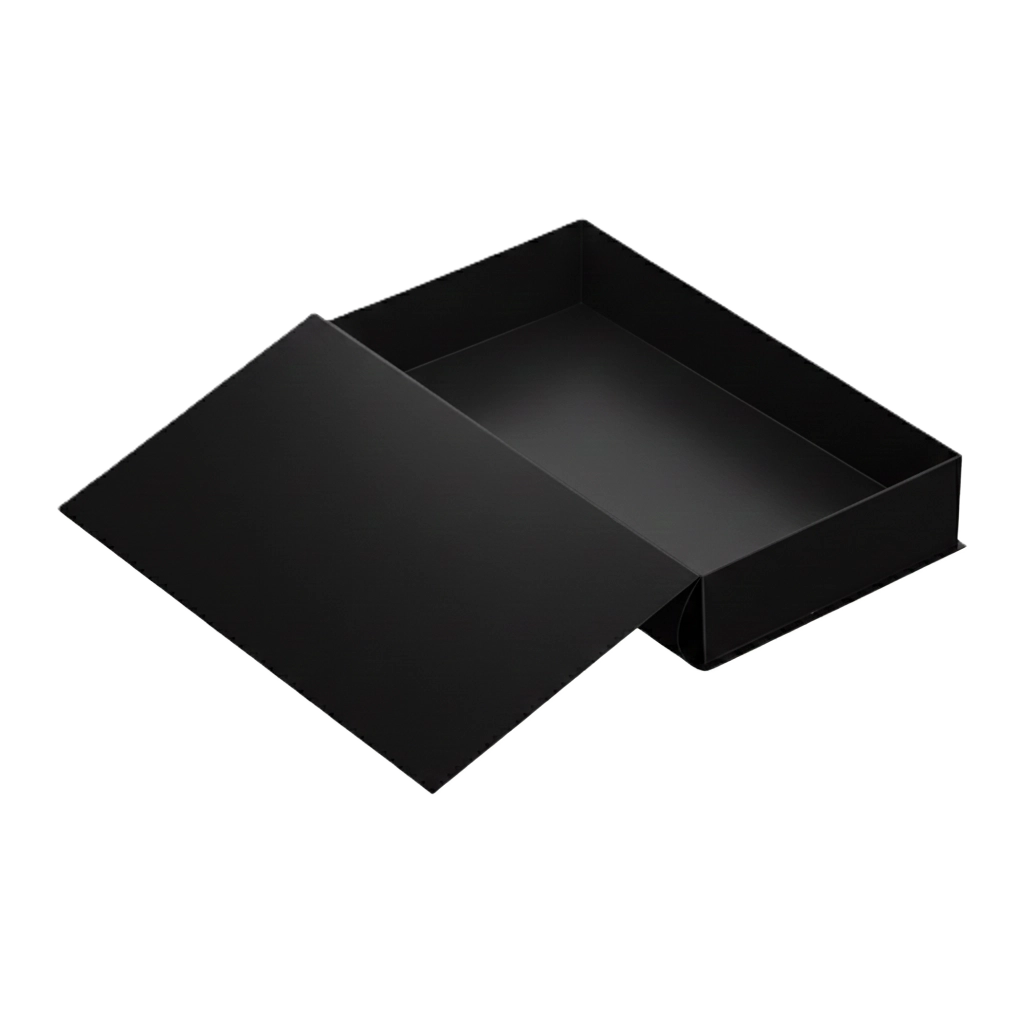
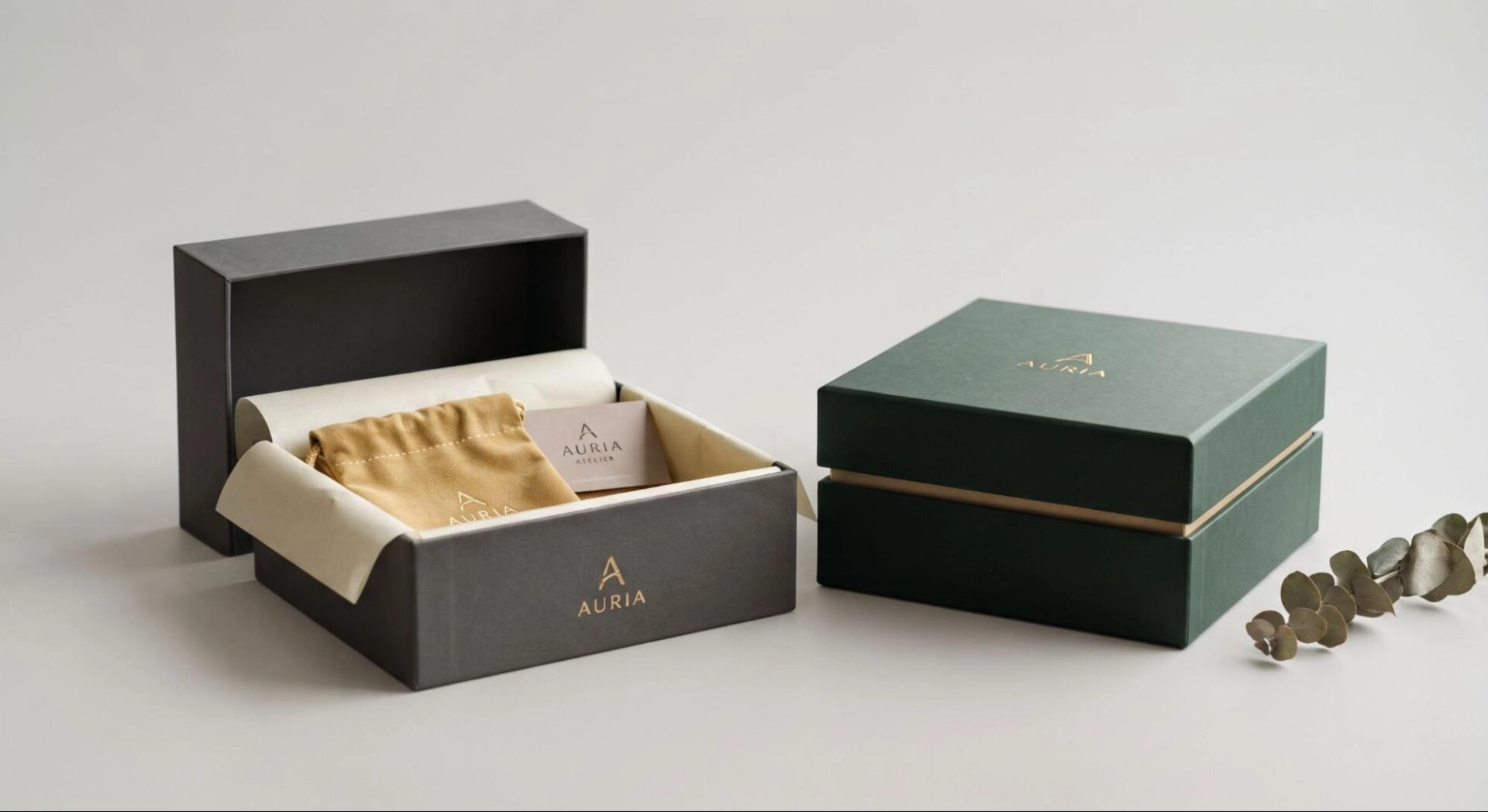
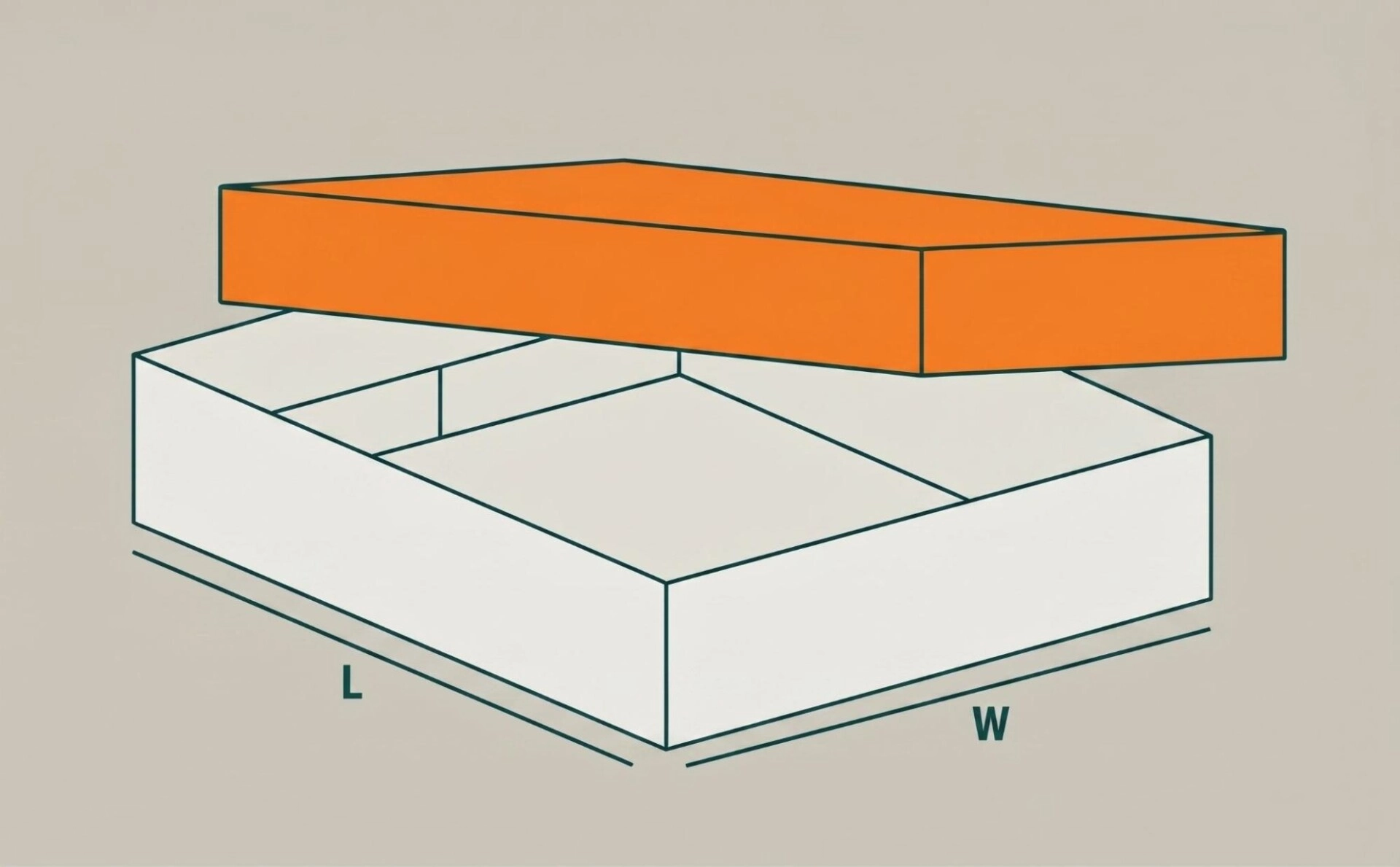
Two piece rigid boxes consist of a separate base and removable lid made from wrapped greyboard or chipboard. The lid fits over the base, typically using a controlled lift-off or friction fit.
Designers can vary the lid depth to control how much of the base remains visible. Full telescopic lids cover most of the base, while partial lids create contrasting bands. Shoulder Neck Rigid Boxes include a raised inner neck that aligns the two pieces and adds another presentation layer.
How Product Dimensions Affect Box Selection
Two piece boxes suit products that benefit from direct overhead placement and a full reveal after removing the lid. Common examples include jewelry, watches, candles, fragrances, chocolates, and fitted cosmetic sets.
Magnetic boxes work well for curated kits and products customers access repeatedly. Their attached lid supports corporate gifts, apparel, electronics, subscription sets, and promotional collections.
Evaluate these measurements before choosing:
- Product length, width, height, and weight
- Clearance needed around the product
- Space occupied by inserts or cushioning
- Product orientation during opening
- Required base and lid depth
- Clearance beneath a hinged magnetic lid
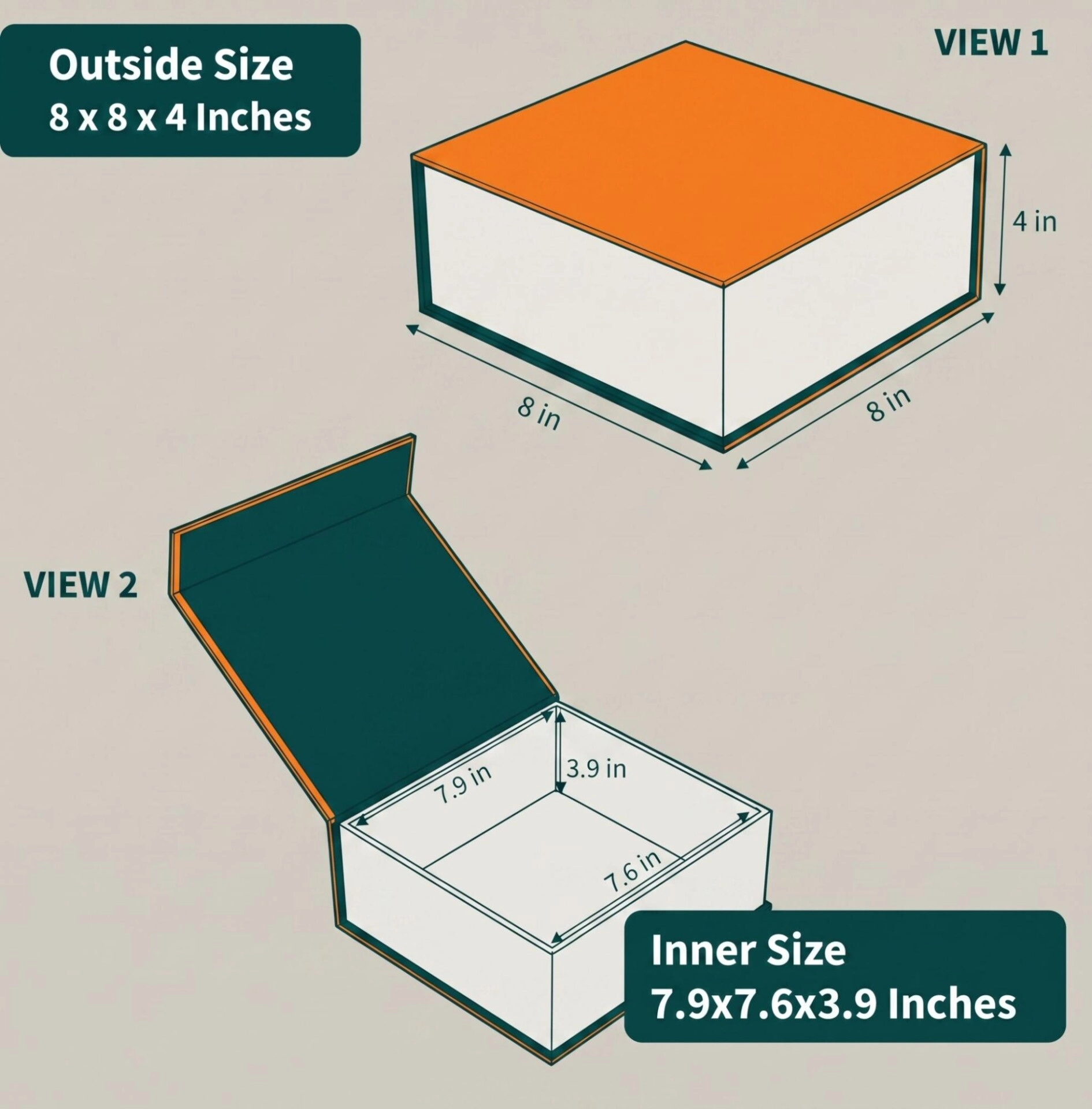
Board thickness, wrapped edges, and inserts reduce usable interior space. Request internal dimensions rather than relying only on the box’s external measurements.
Strength, Durability, and Internal Support
Strength depends on board thickness, corner construction, box depth, and product weight distribution. Two piece rigid boxes distribute stacking pressure through the lid and base, while magnets only secure a magnetic box’s flap and do not increase its load capacity.
Internal components should match the product:
- EVA or foam inserts: Watches, electronics, and fragile items
- Cardboard inserts: Cosmetics, candles, and jars
- Dividers: Multi-item sets
- Molded trays: Precise product positioning
- Edge cushioning: Products vulnerable to impact
Inserts reduce movement but do not strengthen the outer walls. Test the complete filled package when packing heavy or fragile products.
Opening Experience and Product Presentation
Magnetic boxes provide a controlled reveal as the attached lid lifts and remains behind the product. Two piece rigid boxes create a staged unboxing experience because customers remove the lid completely before viewing the contents.
Opening should feel smooth and intentional. Overly strong magnets can resist opening, while an incorrect lid fit may stick or feel loose. Test a finished sample for comfortable opening force, smooth movement, accurate alignment, and consistent performance after repeated use.


Structural Customization Options
Two piece rigid boxes allow changes to lid depth, base height, shoulder position, and visible color contrast. Different paper wraps can distinguish the lid, base, and inner neck without changing the closure.
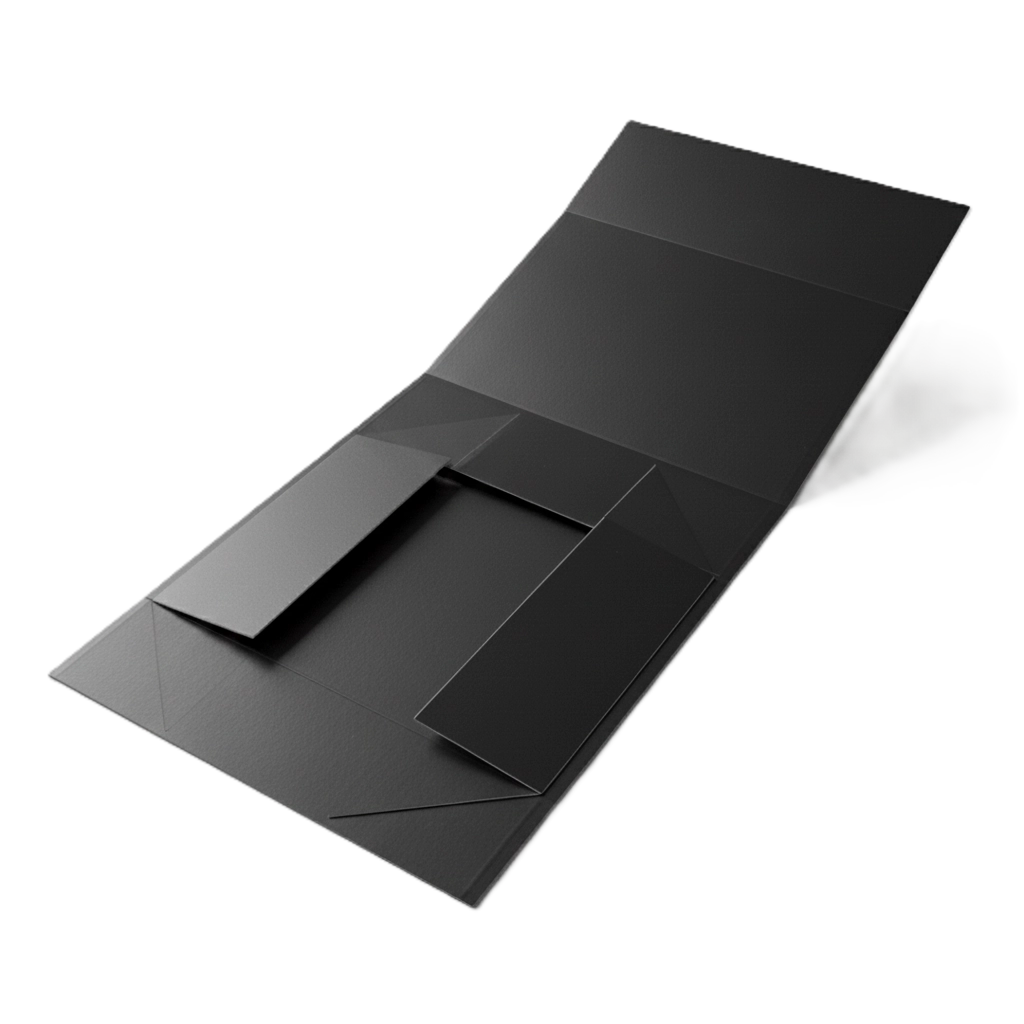
Magnetic boxes offer control over hinge placement, flap length, magnet position, and interior lid depth. Collapsible designs also require carefully planned fold lines, adhesive strips, and forming tabs.
Finalize the product and insert before approving structural tooling. A late change to product dimensions may affect the board, wrap, insert, lid fit, and shipping carton.
Branding and Visual Presentation
Both rigid box styles provide broad surfaces for custom artwork, brand colors, logos, and product messaging. Magnetic boxes also offer an inside lid area that can continue the brand story during opening. Two piece boxes can use contrasting colors across the lid, base, and shoulder to create a layered presentation.
Several printing methods and surface finishes are available to match different artwork, quantities, and brand positions. Important text and logos should remain clear of corners, hinges, folds, and shoulder transitions because wrapped edges may hide or distort them. Always review an assembled proof before approving production.
Packing Speed and Fulfillment Workflow
Preassembled boxes are ready for immediate filling. Magnetic designs keep the lid attached, while two piece rigid boxes require staff to manage separate lids during packing. Collapsible magnetic boxes need forming before products can be inserted.
Run a timed batch trial to compare:
- Box preparation time
- Product and insert placement
- Closing and alignment checks
- Assembly errors
This test reveals which structure fits the existing packing process and staffing capacity.
Common Applications and Use Cases
The best format depends on the arrangement and opening experience required for the product.
| Industry | Suitable Magnetic Box Uses | Suitable Two Piece Box Rigid Uses |
| Jewelry and watches | Multi-item collections and presentation kits | Individual pieces with fitted inserts |
| Cosmetics and skincare | PR kits and complete routines | Perfumes, candles, and gift sets |
| Electronics | Devices with accessories and instruction panels | Compact products with precision trays |
| Apparel | Shirts, scarves, and subscription sets | Smaller accessories and folded garments |
| Confectionery | Curated premium food collections | Arranged chocolates and sweets |
| Corporate gifting | Welcome kits and campaign packages | Executive and commemorative gifts |
| E-commerce | Reusable presentation inside a shipper | Premium product boxes inside shipping cartons |
Storage, Shipping, and E-Commerce Use
Fixed magnetic and two-piece boxes occupy approximately their assembled volume during storage, while collapsible magnetic boxes can ship and store flat.
For e-commerce orders, place either style inside a fitted corrugated shipping carton. Calculate shipping costs using the final parcel dimensions, including cushioning and the outer carton, because these additions can increase dimensional weight.
Compare the Total Packaging Investment
Magnetic boxes often cost more because they require magnets, hinge construction, and precise alignment. Two piece boxes usually have simpler production, although deep lids, raised shoulders, specialty wraps, and fitted inserts can narrow the price difference.
Compare total cost based on:
- Materials and structural components
- Tooling and samples
- Custom inserts
- Packing labor
- Order quantity
- Freight and shipping cartons
Choose the added features only when they improve product use, presentation, or repeat access. Otherwise, a simpler two piece structure may provide better overall value.
Sustainability and Secondary Use
Both formats can use recycled rigid board, FSC-certified paper wraps and inserts. However, foam, fabric, lamination, adhesives, and magnets may affect recycling acceptance. Two piece boxes usually contain fewer materials to separate.
Reuse can reduce early disposal when the box has practical dimensions and durable construction. Magnetic Packaging Boxes suit frequent access, while two piece packaging can store jewelry, documents, gifts, or personal items. Highly product-specific dimensions make reuse less likely.
Common Selection Mistakes
Buyers sometimes select magnetic packaging because of its closing action without confirming whether that feature improves customer use. Others choose two piece boxes without testing lid friction under real production tolerances.
Avoid these common mistakes:
- Measuring the product without allowing for inserts
- Assuming magnets improve structural strength
- Choosing a lid fit that is too tight or loose
- Ignoring assembly labor for collapsible boxes
- Overlooking warehouse space for fixed structures
- Using oversized boxes to suggest higher value
- Approving artwork without a wrapped sample
- Shipping rigid boxes without outer protection
A production-grade prototype can reveal fit, alignment, balance, opening, and packing problems before a full order begins.
Magnetic Boxes vs Two Piece Boxes: Which Rigid Box Should You Choose
Start by identifying the feature that cannot be compromised. If the lid must remain attached, a magnetic box is the clear option. If a removable lid is acceptable, request quotes for both structures rather than assuming one offers better value.
Ask suppliers to price identical dimensions, board thickness, wrap, insert, finish, quantity, and delivery terms. This creates a fair comparison and prevents decorative differences from hiding structural costs.
Approve the final choice only after testing a production-quality sample. Check lid fit, magnet alignment, insert clearance, packed balance, and repeated opening. Select the box that meets these requirements with the lowest total production and fulfillment cost.
Consult an Experienced Packaging Supplier
A supplier should review product dimensions, weight, insert design, opening sequence, fulfillment volume, and shipping method before recommending a structure.
Share your product specifications and intended use with our team at Hot Custom Boxes before selecting a structure. Our packaging engineers can prepare samples for fit, closure, and handling tests, helping you identify practical issues before approving full production.