














Mailer Boxes vs. Tuck Boxes: What’s the Difference?
Home » comparisons » Mailer Boxes vs. Tuck Boxes: What’s the Difference?
Table of Contents
Get A Free Quote
Choosing between mailer boxes and tuck boxes can shape your packaging costs, assembly process, branding and customer experience. Although both styles offer flexible customization, their materials, structures and practical uses differ considerably. However, choosing the wrong style can increase damage, packing time, storage needs, or shipping costs.
This packaging comparison explains those differences clearly. It will help you select a box that fits your product, budget, fulfillment process and brand goals.
Mailer Boxes and Tuck Boxes at a Glance
The following comparison explains the main differences between these two packaging styles.
| Feature | Mailer Boxes | Tuck Boxes |
| Main purpose | Shipping, subscription and promotional packaging | Retail display and lightweight product packaging |
| Common material | Corrugated cardboard | SBS, kraft, recycled, or white paperboard |
| Closure | Self-locking panels and locking tabs | Top and bottom tuck flaps |
| Assembly | Usually tool-free | Manual or automated folding |
| Protection | Strong impact and crush resistance | Basic protection for lightweight products |
| Presentation | Strong unboxing experience | Clean shelf presence |
| Storage | Shipped flat but requires more space | Highly compact when flat packed |
| Typical products | E-commerce orders, electronics, apparel and kits | Cosmetics, food, medicine and small accessories |
Mailer packaging works well when one box must provide both presentation and transit protection. Tuck boxes are often better when products already use secondary shipping packaging.
What Is a Mailer Box?
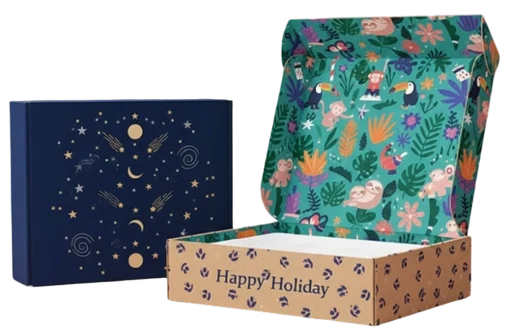
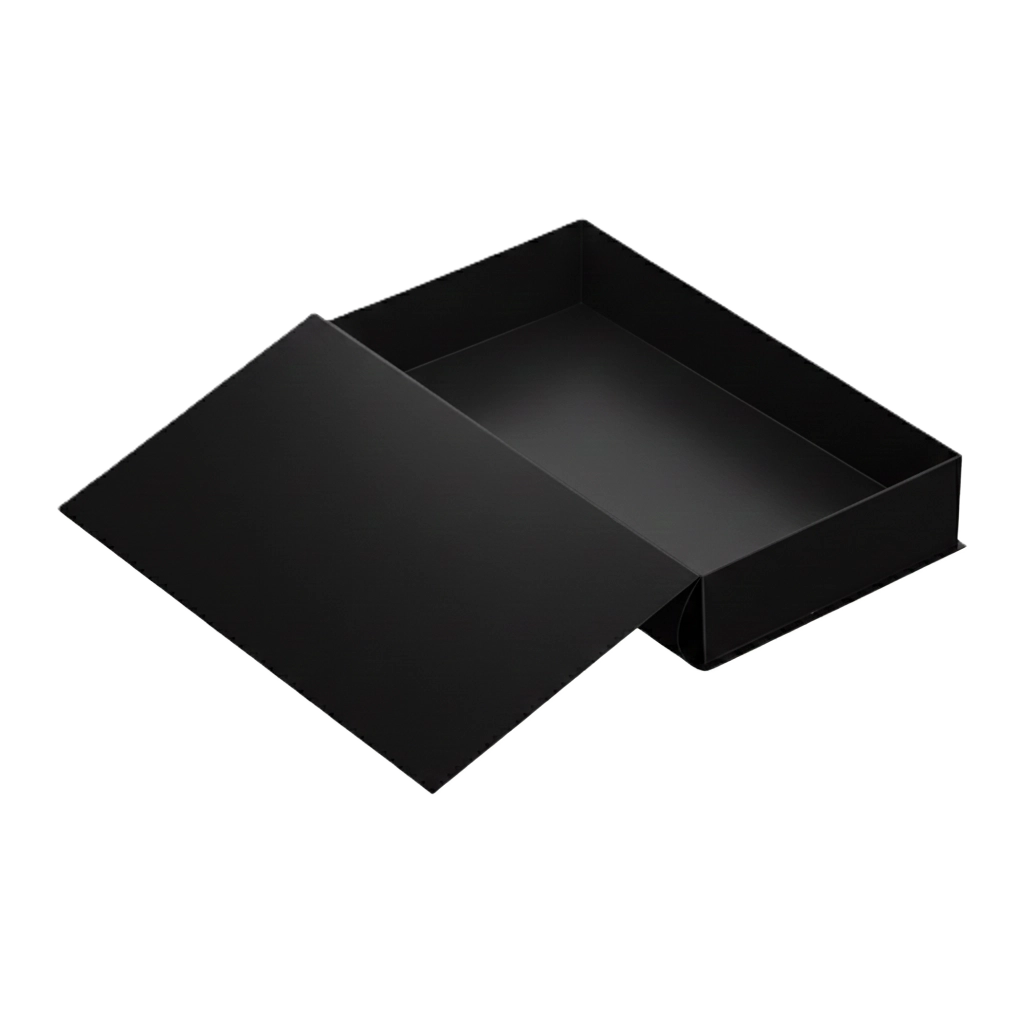
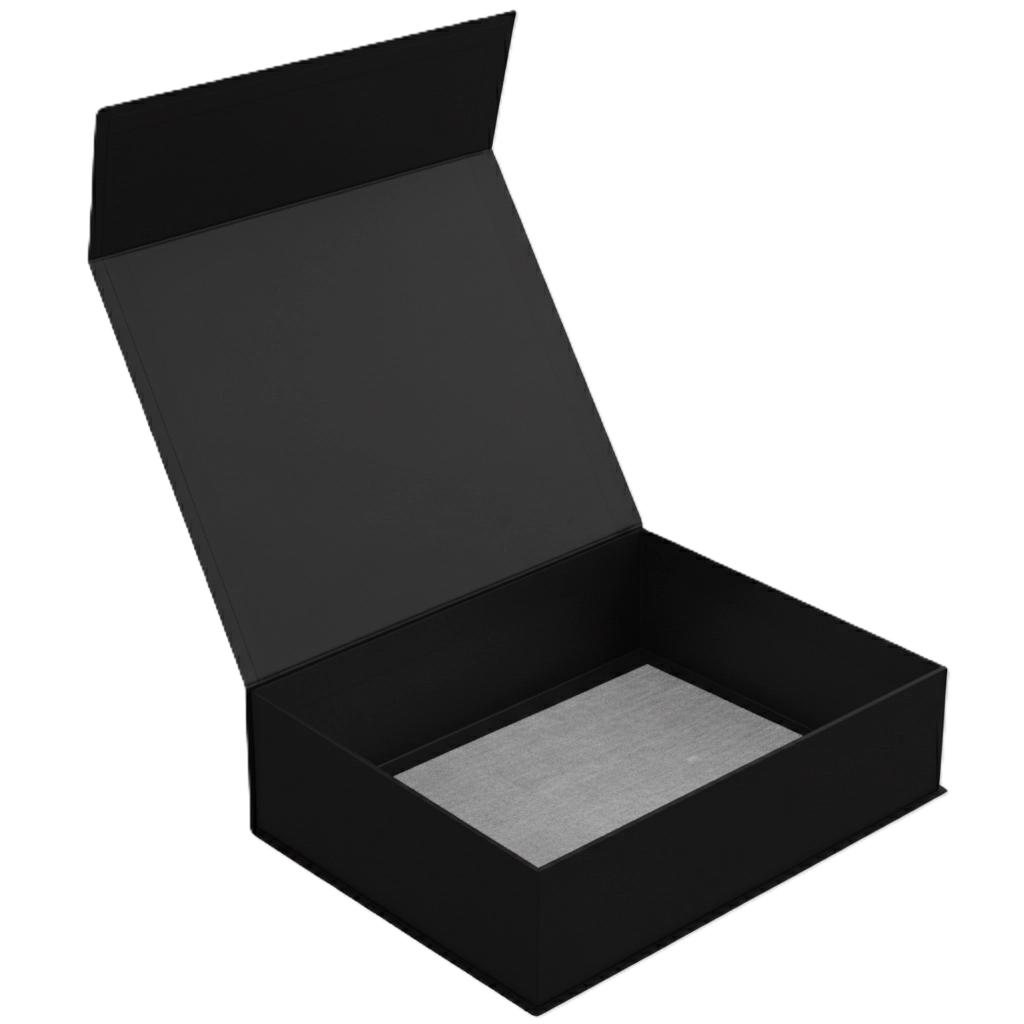
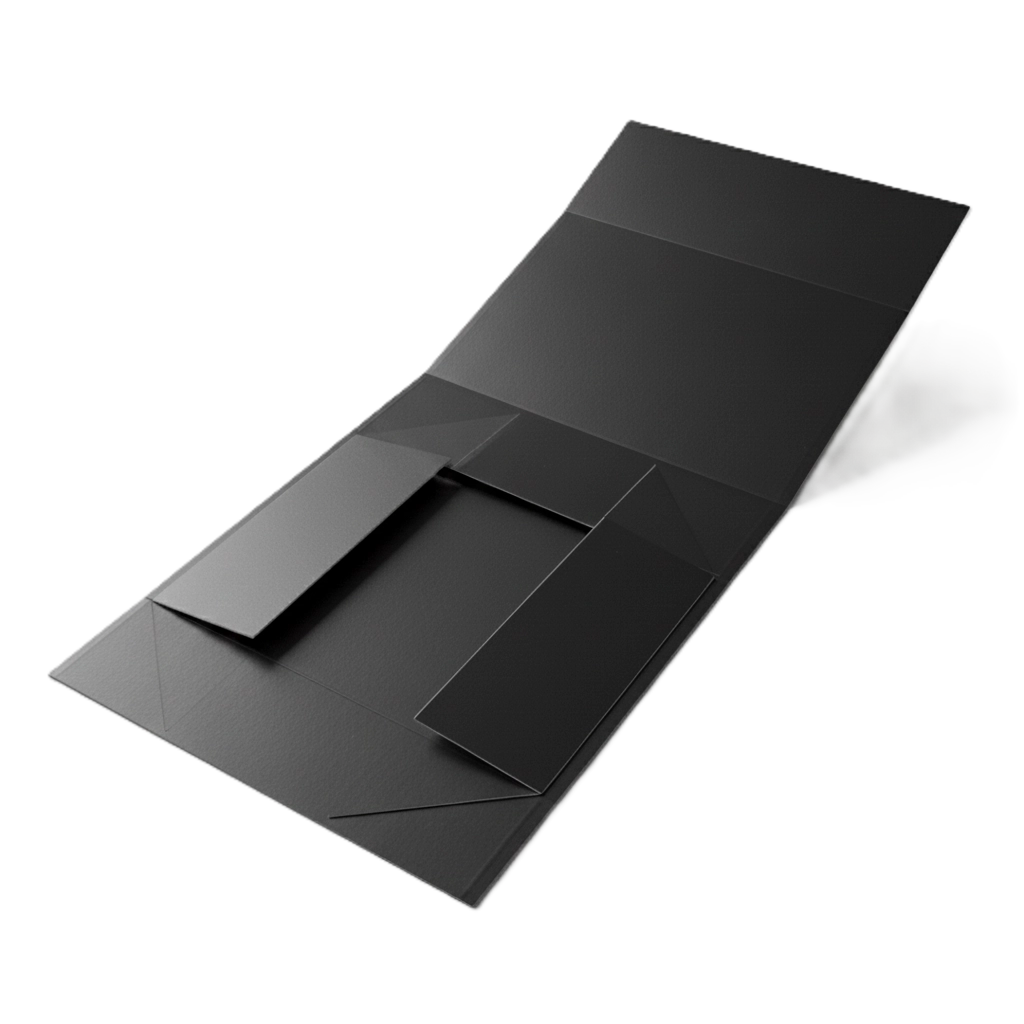
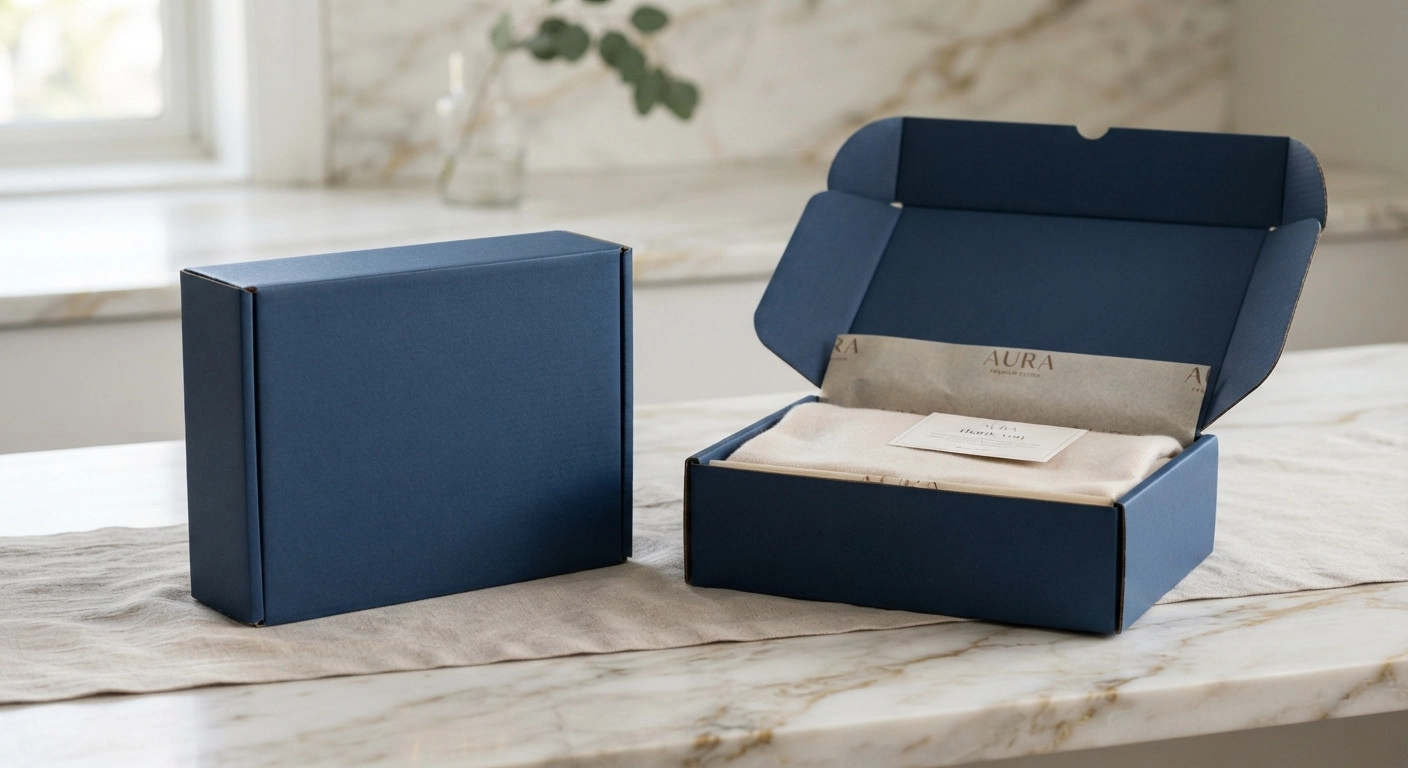
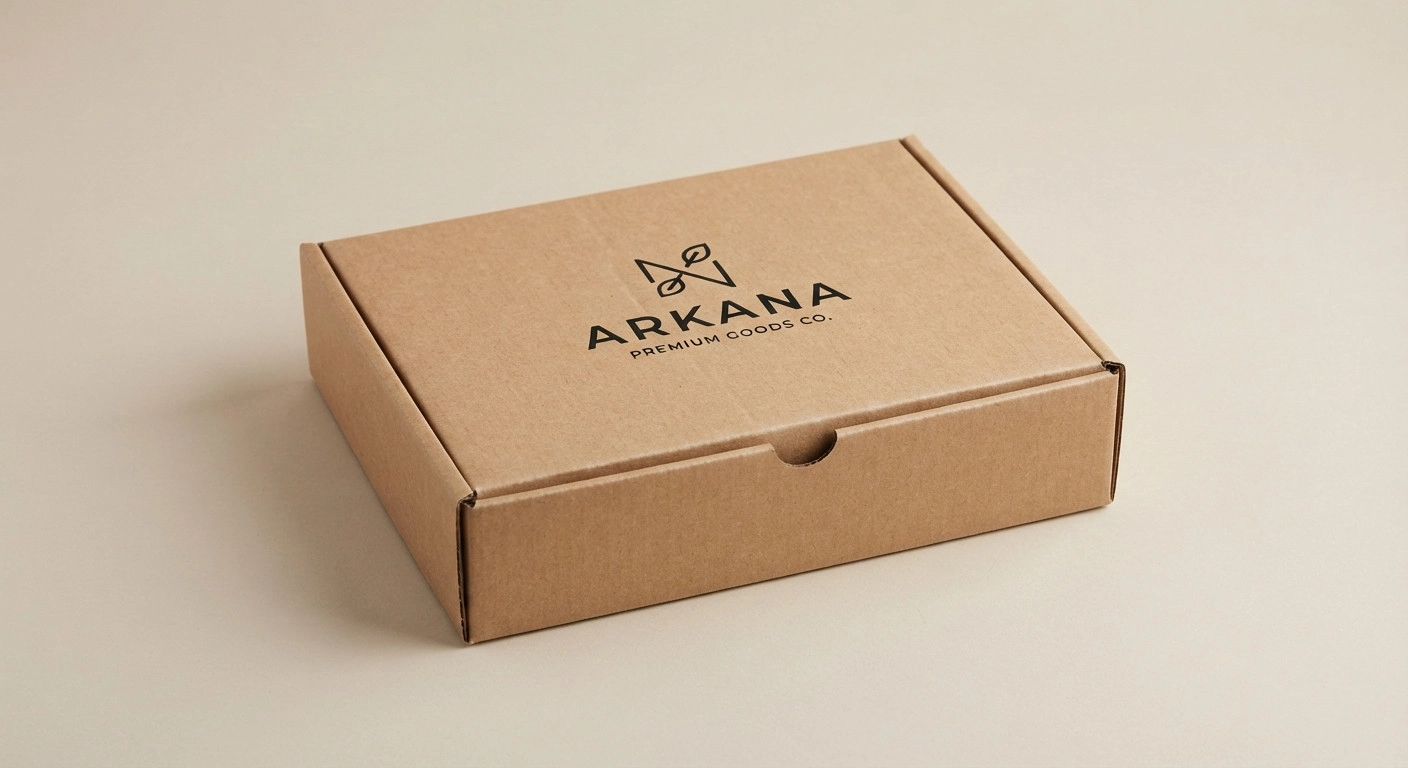
A mailer box is a corrugated package with fold lines, locking tabs and a hinged lid. Most e-commerce Mailer Boxes use a Roll End Tuck Front structure that creates a self-locking closure that often eliminates the need for tape.
Common features include:
- Double-layer side walls
- A front tuck flap and dust flaps
- Tool-free assembly
- Space for inserts or tissue paper
What Is a Tuck Box?
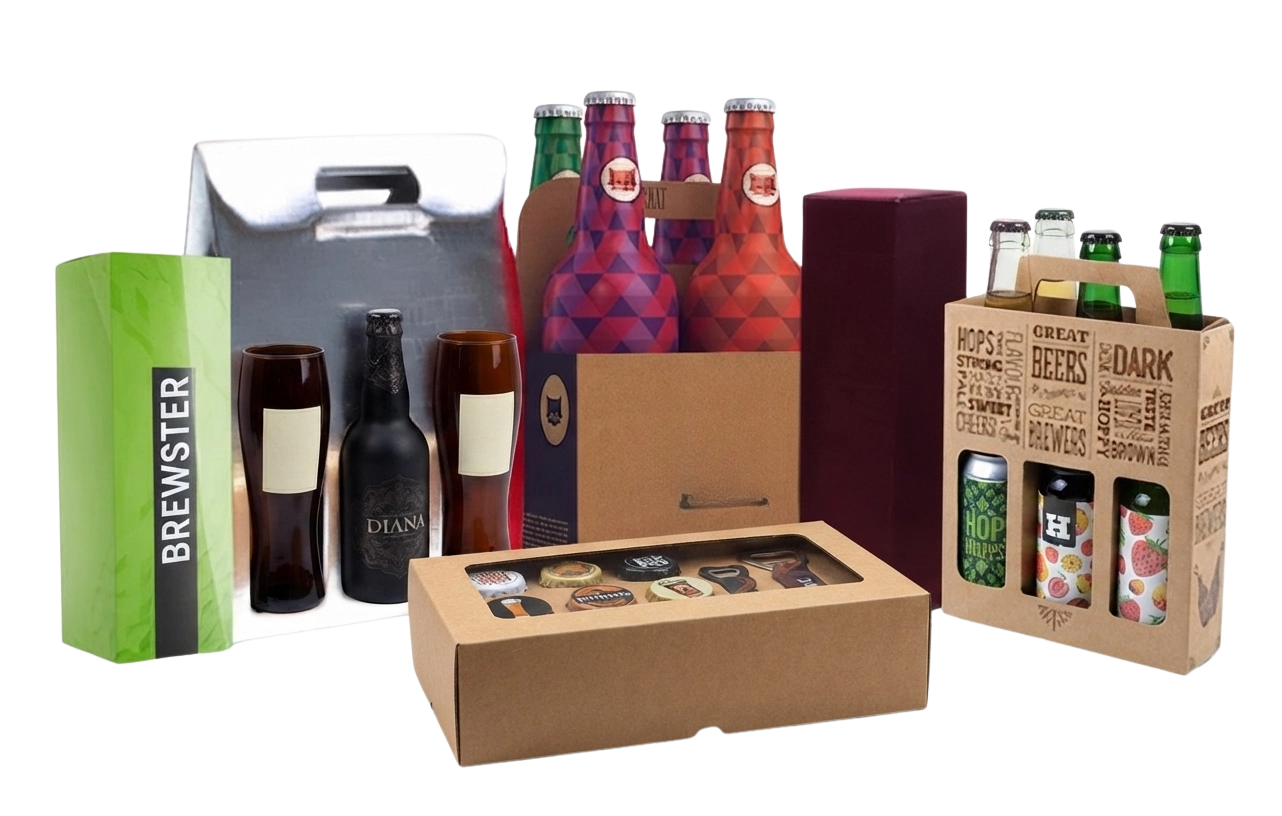
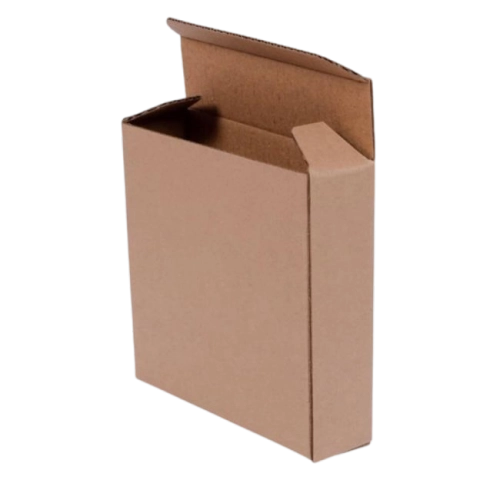
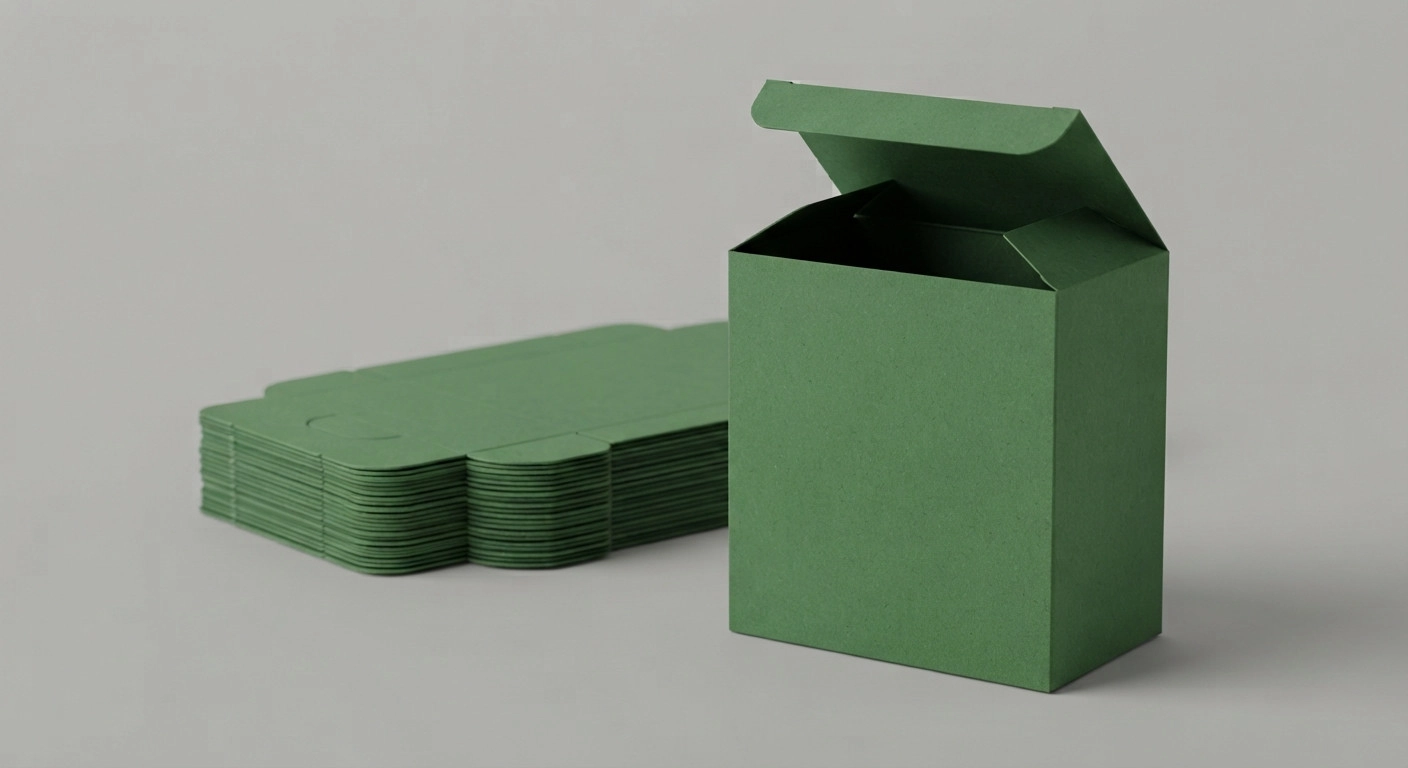
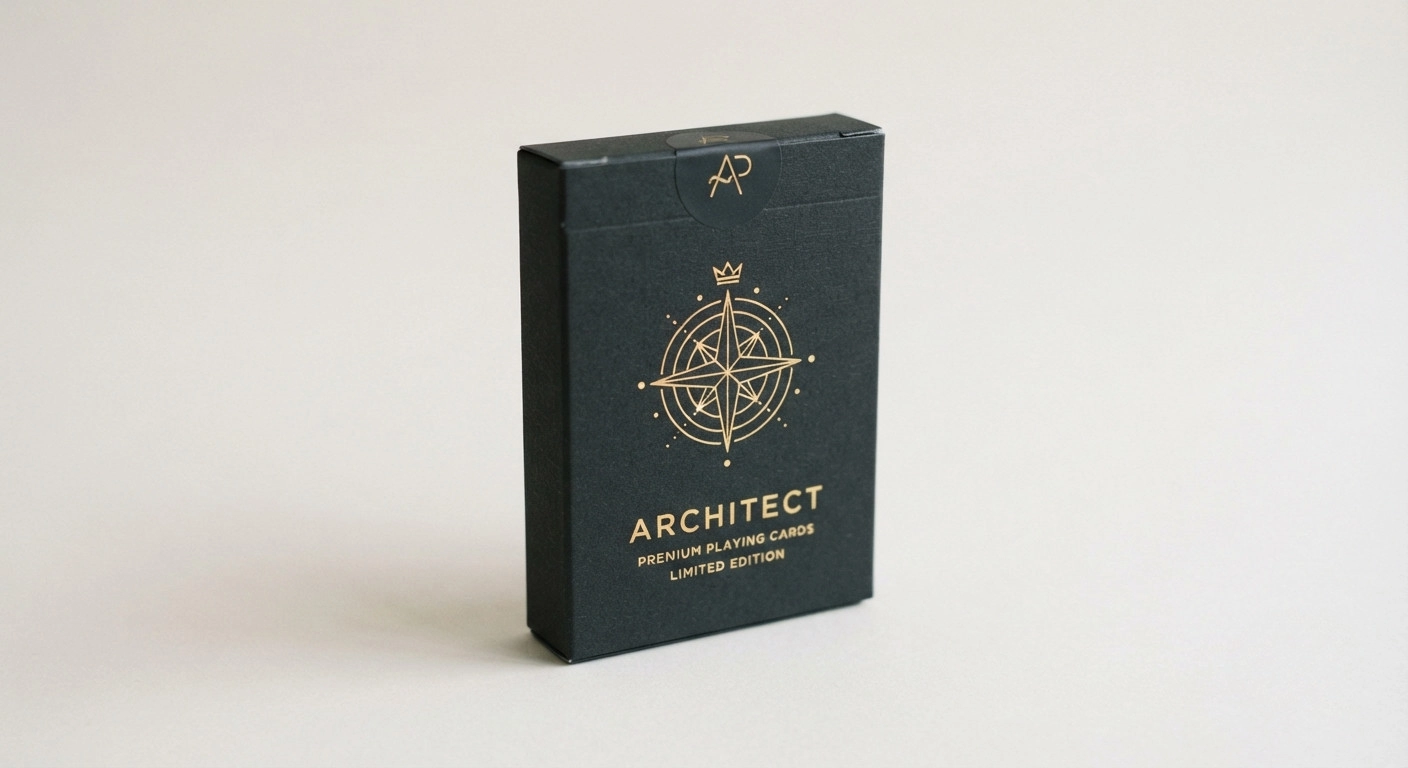
A tuck box is a paperboard folding carton with flaps that fold into the box body. Manufacturers die cut, crease, glue and ship these cartons flat.
Straight Tuck End boxes place both closures on the same side, while Reverse Tuck End boxes position them on opposite sides. A Custom Straight Tuck with Customizable Window also provides a clear product view.
Other structures include:
- Auto Bottom: A pre-glued base that locks as the box opens
- Crash Lock Bottom: Another term for an automatic bottom
- Snap Lock Bottom: Interlocking flaps that form the base
- Custom Tuck End Auto Bottom: A tuck top with a quick-opening base
Tuck Boxes are commonly used for cosmetics, skincare, confectionery, medicine, bottles, jars and tubes.
Also Read: What are Tuck End Boxes: Features And Uses
Structural Strength and Product Protection
Corrugated mailer boxes use layered board for greater strength during handling and stacking. Tuck boxes use thinner paperboard, making them better suited to lighter products. Their performance depends on material thickness, box size, closure style and product weight.
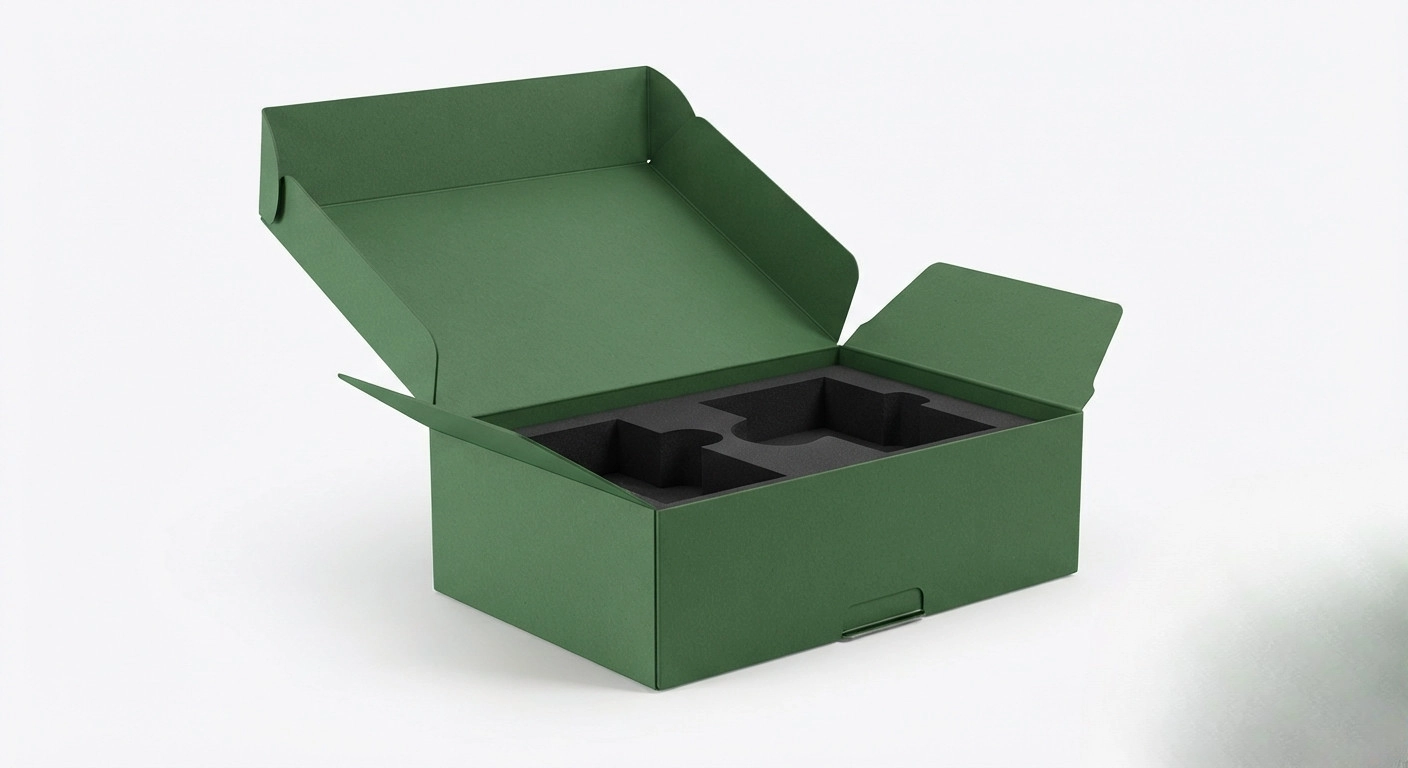
Snap Lock or Auto Bottom designs can strengthen tuck boxes and simplify packing. Fragile products may also need cardboard inserts, foam, dividers, or partitions to reduce movement.
Materials and Flute Selection
Mailer boxes mainly use corrugated board, while tuck boxes use solid paperboard. Each material affects cost, printing quality, protection and sustainability.
Common mailer materials include:
- E flute: A compact flute for e-commerce packaging boxes and premium printing
- B flute: A thicker option with good puncture and impact resistance
- C flute: A heavier shipping material for larger products
- F flute: A thin corrugated grade suited to detailed retail presentation
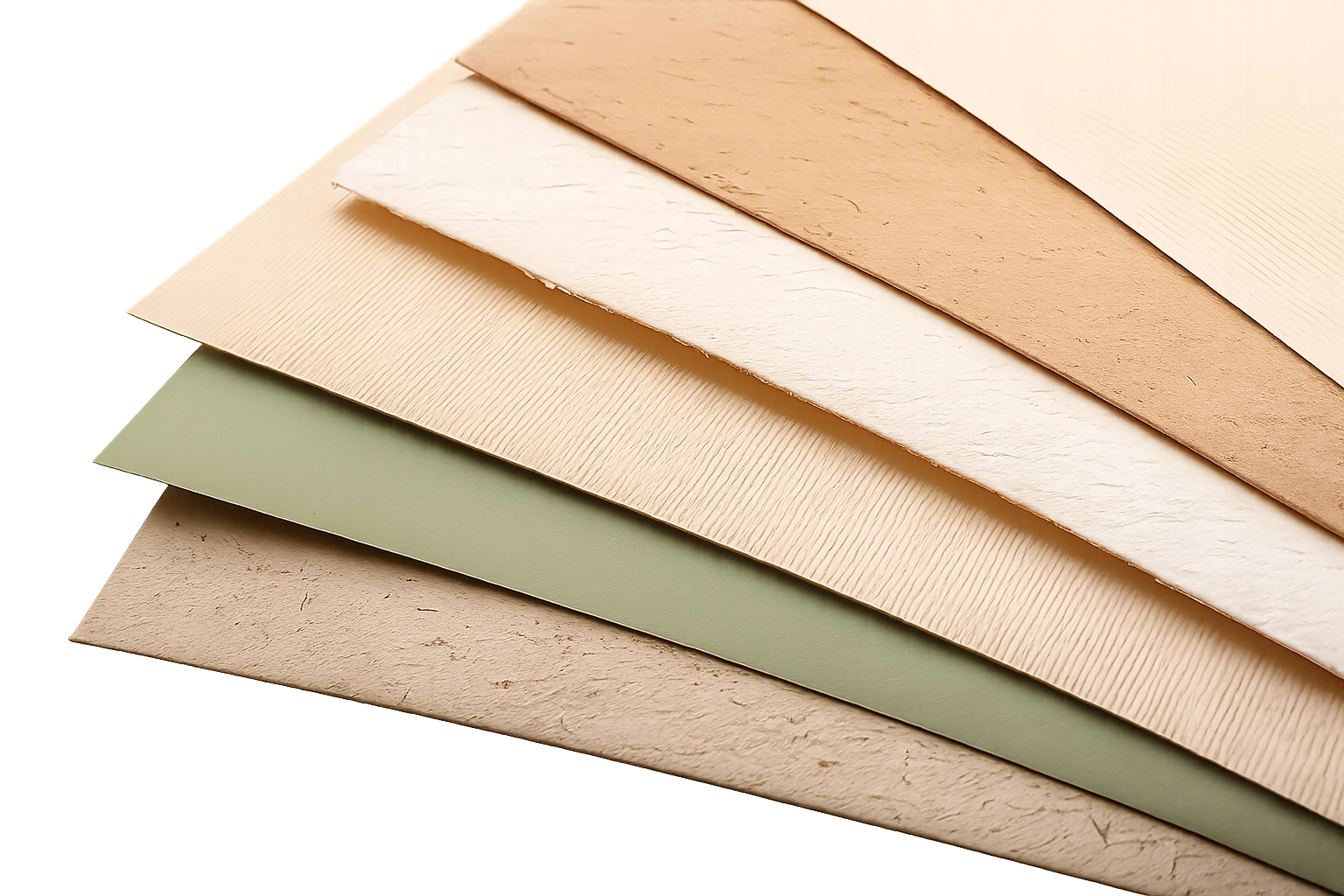
- Kraft corrugated board: A natural brown option used for Kraft Mailer Boxes
- White corrugated board: A bright surface for Colored Mailer Boxes and detailed branding
Common tuck box materials include:
- SBS paperboard: A smooth white board for cosmetics and premium retail products
- Kraft paperboard: An unbleached material with a natural appearance
- White paperboard: A practical surface for full-color printing
- Chipboard: A recycled board used for cost-conscious applications
- Recycled board: A material option that reduces reliance on virgin fiber
Food packaging requires material and coating choices suited to the specific product. Direct food contact, grease exposure, moisture and temperature can change the required construction.
Printing and Customer Presentation
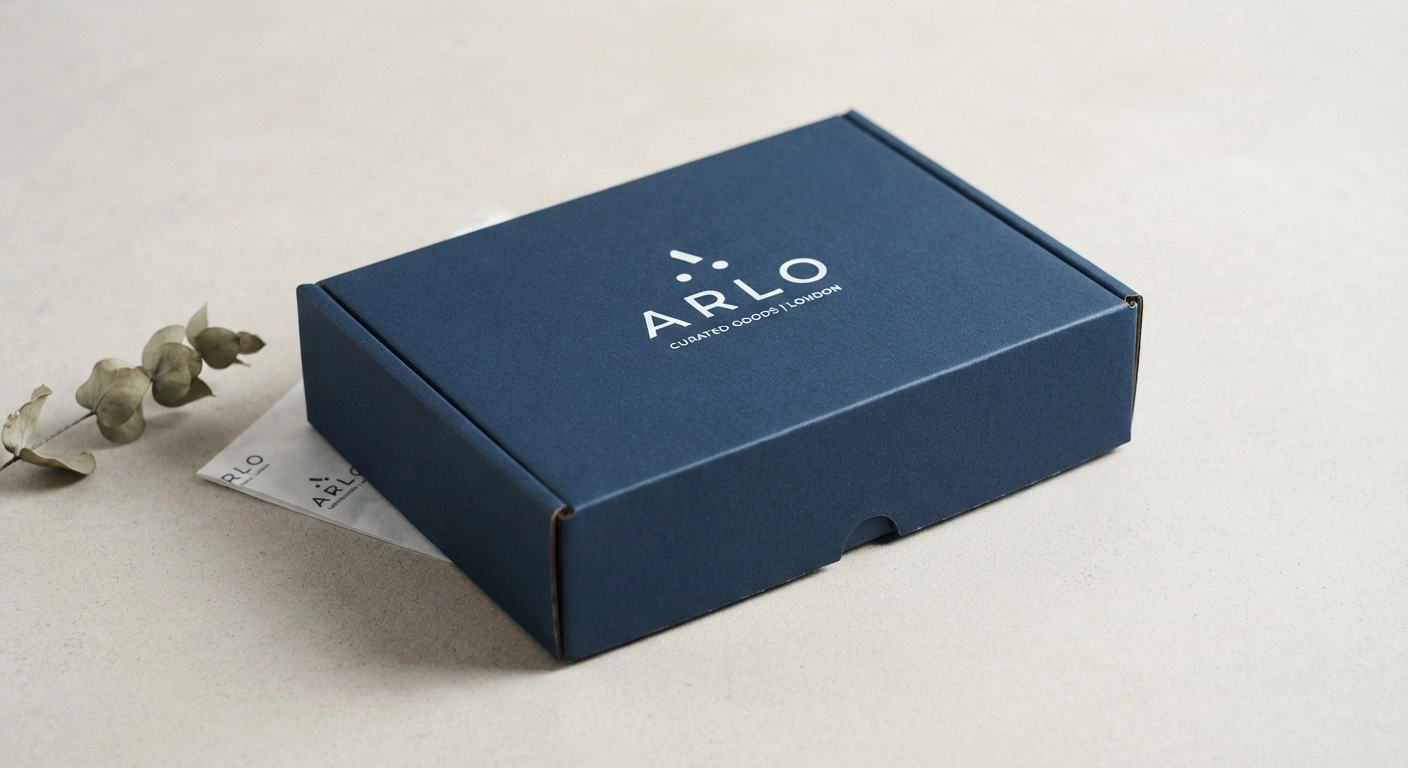
Mailer boxes provide a large printable area inside and outside the package. Interior printing can add instructions, branded messages, or product information to the unboxing experience.
Tuck boxes offer strong shelf appeal because their smooth paperboard supports fine text and detailed artwork. Their compact structure also keeps branding visible on crowded retail displays.
Available printing and finishing methods include:
- Offset printing for detailed, consistent artwork
- Digital printing for prototypes and shorter order quantities
- Flexographic printing for many corrugated applications
- CMYK printing for full-color images
- Pantone matching for controlled brand colors
- Foil stamping, spot UV and embossing and debossing
- Matte or gloss lamination for surface appearance and rub resistance
Finishes affect production and printing costs, so they should support a clear purpose. A premium appearance does not require every available embellishment.
Product Applications and Best Uses
Packaging needs often vary across industries because businesses sell products individually, in sets, or through subscription plans. The table below connects common product formats with a suitable box type based on how each item reaches the customer.
| Industry | Best Uses for Tuck Boxes | Best Uses for Mailer Boxes |
| Beauty & Personal Care | Serums, soaps, makeup, perfumes, skincare | Subscription boxes, PR kit packaging, beauty bundles |
| Electronics | Chargers, cables, earphones, accessories | Devices, accessory bundles, e-commerce orders |
| Fashion | Socks, ties, jewellery, belts | Clothing shipments, subscription boxes, gift sets |
| Food & Beverage | Tea, confectionery, bakery items, spices | Gourmet gift boxes, snack assortments, meal kits |
| Healthcare | Medicine cartons, supplements, wellness products | Wellness kits, home testing kits, subscription packs |
| Corporate Gifting | Individual branded gifts | Welcome kits, event packs, employee gift boxes |
| E-commerce | Retail cartons placed inside outer shipping boxes | Direct-to-consumer shipping, multi-item orders |
| Toys & Games | Card games, action figures, puzzles | Board games, collector editions, online orders |
| Books & Stationery | Notebooks, journals, greeting cards | Book orders, stationery kits, record mailers |
Choose mailer boxes for:
- Multiple products or inserts
- Interior and exterior printing
- Tape-free assembly
- A structured unboxing experience
Choose tuck boxes for:
- Small or lightweight products
- Space-saving flat storage
- Fast manual or automated packing
- Window cutouts and printed product details
Cost, Storage and Fulfillment Considerations
Tuck cartons often use less material and occupy less warehouse space before assembly. Their light weight can also support lower storage and shipping costs.
Mailer boxes generally cost more because corrugated board uses multiple layers and more material. Larger external dimensions may also increase dimensional weight, even when the product itself is light.
A complete packaging cost analysis should include:
- Material and production costs
- Printing plates, dies and setup charges
- Manual assembly or automated packing costs
- Inserts and protective filler expenses
- Warehouse and pallet storage requirements
- Parcel charges based on size and weight
- Product replacement costs linked to transit damage
Wholesale pricing may lower unit costs at higher order quantities. However, ordering too many boxes can tie up warehouse space and leave outdated printed packaging in stock.
Sustainability and Packaging Waste
Both box styles can use recyclable, plastic-free materials, recycled content and FSC-certified paper. However, oversized or unnecessarily heavy boxes still create avoidable waste.
To improve packaging efficiency:
- Match box dimensions to the product
- Limit tissue paper and excess fillers
- Choose paper inserts where practical
- Avoid materials that are difficult to separate
- Use the lightest suitable board
- Add clear disposal instructions
These choices reduce material use and support paper recycling.
Common Packaging Selection Mistakes
One common mistake is using a tuck carton as the only shipping package. Thin folding cartons can crease, open, or crush inside parcel networks without an outer container.
Another error involves choosing corrugated material only by flute name. Board grade, liner weight, ECT value, box dimensions and structural design all influence shipping durability.
Businesses also overlook assembly time. A low-cost Snap Lock Bottom may require more manual work than an Auto Bottom carton, while a complex mailer can slow e-commerce fulfillment.
Finally, oversized packaging increases filler use and dimensional weight. A physical prototype and packing test can reveal these problems before full production begins.
Mailer Boxes vs. Tuck Boxes: Which One Should You Choose?
Mailer boxes and tuck boxes meet different packaging needs, so neither style is always the better choice. Compare product size and weight, assembly time, storage space, inserts, order quantity, delivery method and total packed cost.
Test a sample with the actual product before ordering. Check its fit, closure, unused space and packing speed. Matching these results with customer expectations helps improve packaging efficiency, control costs and create a better experience.
Choose Hot Custom Boxes as Your Packaging Supplier
At Hot Custom Boxes, our team helps you select the right materials, box structure, size and printing options for your products. Contact our team for expert guidance, custom samples and a competitive quote on mailer or tuck packaging.