














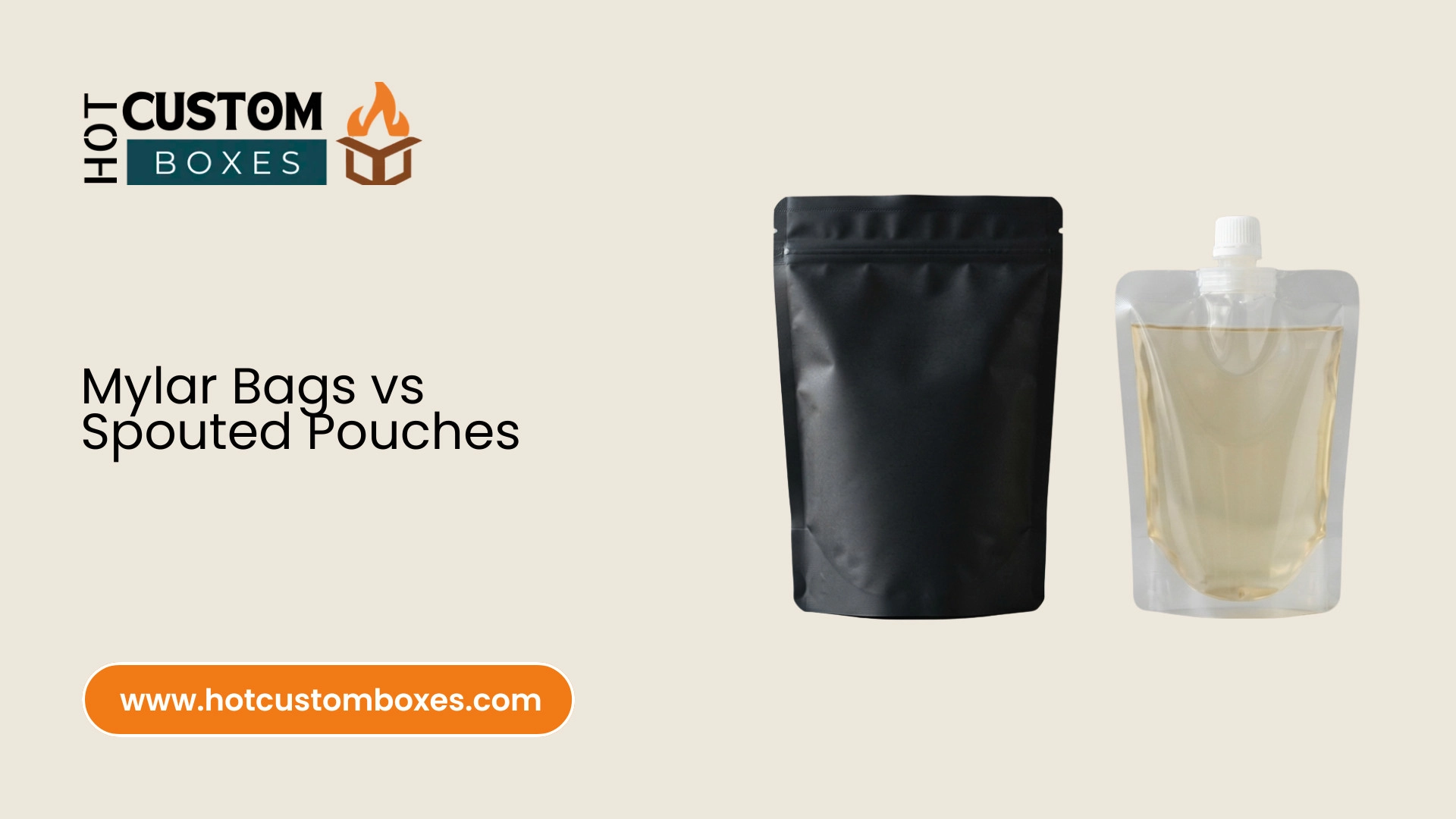
Mylar Bags vs Spouted Pouches: Which Packaging Is Best for Your Product?
Home » comparisons » Mylar Bags vs Spouted Pouches: Which Packaging Is Best for Your Product?
Table of Contents
Get A Free Quote
Choosing the right packaging affects product protection, customer experience, shelf life and overall costs. Two popular flexible packaging options are Mylar Bags and Spouted Pouches.
Both offer strong barrier protection and lightweight designs, but they serve different product needs. Understanding the differences between these packaging formats helps brands select the best solution for their product, market and customer expectations.
What Are Mylar Bags?
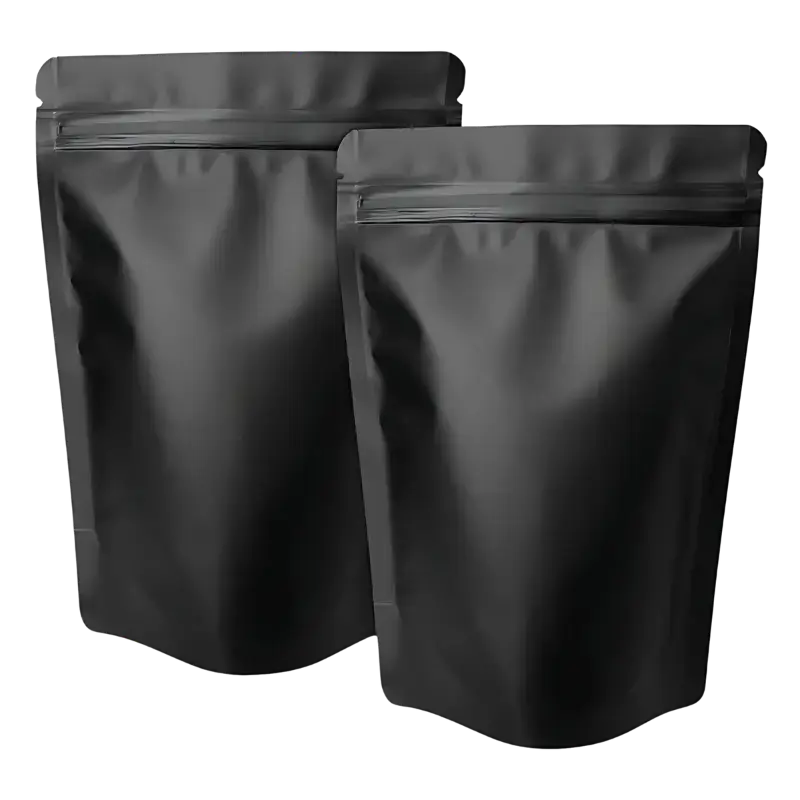
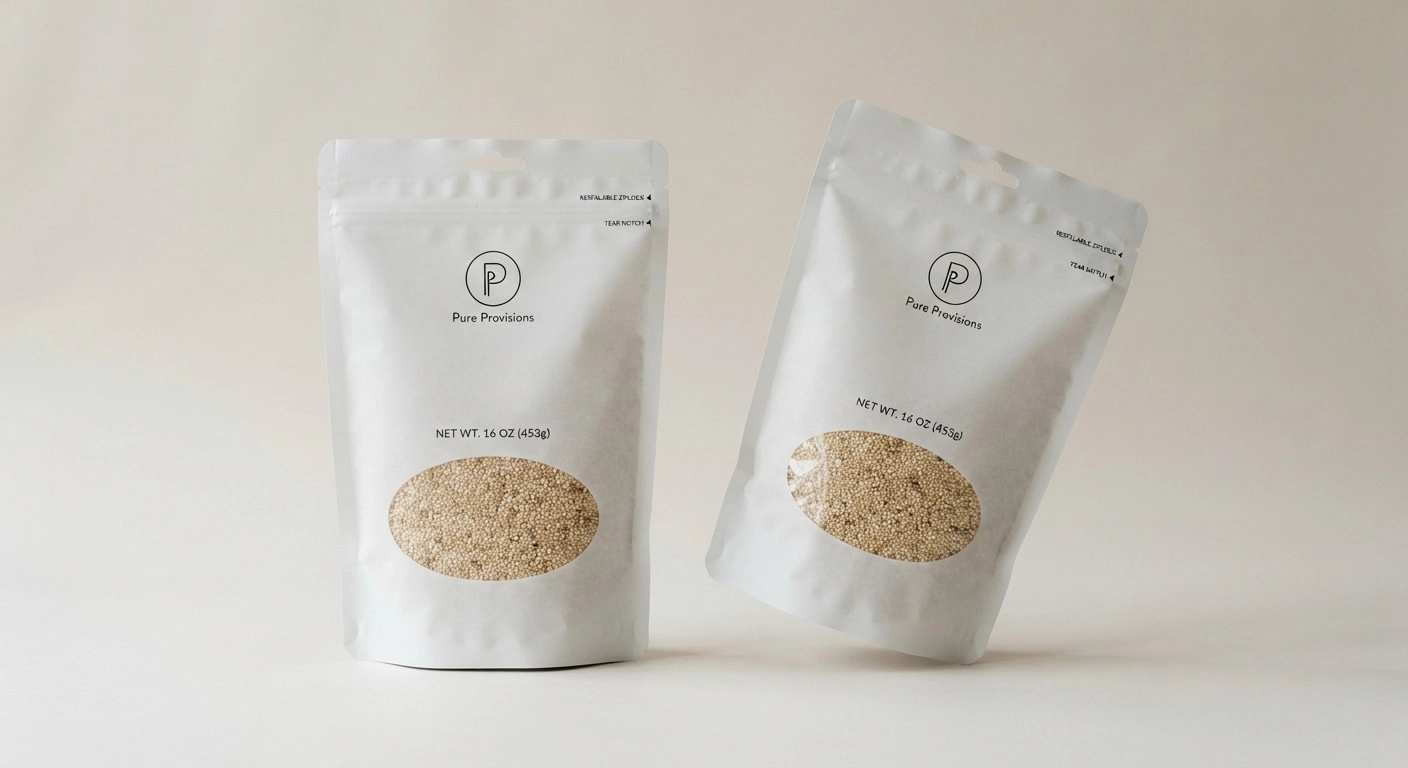
Mylar Bags are flexible packaging solutions made from Mylar film, a polyester material also known as BoPET (biaxially oriented polyethylene terephthalate). Their construction typically combines layers of PET, polyethylene, aluminium foil or other barrier films to improve product protection.
The layered structure helps block moisture, oxygen, light and aroma transfer. Many mylar packaging designs use metallised film or aluminium foil to support longer shelf life and better freshness retention. Mylar Bags are commonly available as:
- Window Mylar Bags
- Gusseted Mylar Bags
- Foil Mylar Packaging
- Resealable Mylar Bags
- Zip Lock Mylar Bags
Common Mylar Bag Applications
Mylar Bags are widely used for coffee, tea, snacks, dried fruits, nuts, pet food, pet treats, powdered products, dry food ingredients, pharmaceuticals and emergency food storage. Their strong barrier properties make them suitable for products that need freshness protection and long-term storage.
What Are Spouted Pouches?
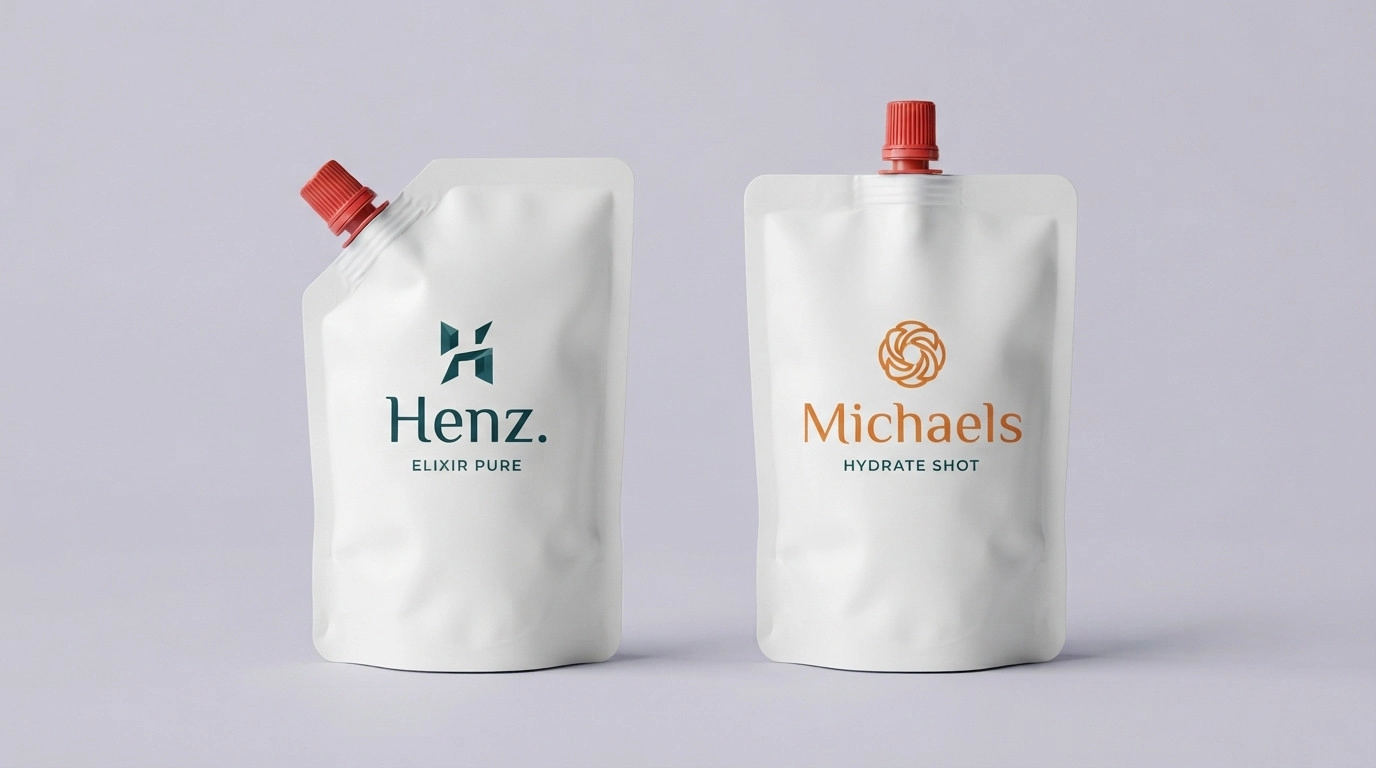
Spouted Pouches are flexible packaging solutions with an attached spout and cap that allow easy pouring, squeezing and resealing. They are made from laminated films such as PET, polyethylene, polypropylene, kraft paper or barrier materials that provide durability and product protection.
Common types include:
- Stand Up Spouted Pouch
- Flexible Spouted Pouch
- Retort Spouted Pouch
- Refillable Pouch
- Resealable Pouch
The addition of a spout and screw cap allows users to pour, squeeze or dispense products without opening the entire package
Common Spouted Pouch Applications
Spouted pouch packaging is widely used for sauces, condiments, juices, beverages, cooking oils, baby food, purees, soups, liquid foods, personal care items and household products. They are a practical choice for products where mess-free dispensing, portability and user convenience are key requirements.
Mylar Bags vs Spouted Pouches: Quick Comparison
| Feature | Mylar Bags | Spouted Pouches |
|---|---|---|
| Best For | Dry products and long-term storage | Liquids and semi-liquid products |
| Main Benefit | Superior barrier protection | Easy dispensing and convenience |
| Structure | Multi-layer flexible bag | Laminated pouch with spout and fitment |
| Closure | Zip lock, heat seal, resealable closure | Spout, cap, screw cap |
| Protection | Excellent moisture, oxygen and light barrier | Strong barrier with liquid handling |
| Durability | High puncture and tear resistance | Good flexibility and leak resistance |
| Storage | Compact and space efficient | Lightweight and portable |
| Shelf Life | Excellent for long-term dry storage | Excellent for liquids when properly sealed |
| Printing Options | Custom printed designs available | Custom printing with strong shelf appeal |
| Common Uses | Coffee, snacks, dried foods | Sauces, drinks, purees |
Material Differences Between Mylar Bags and Spouted Pouches
The biggest difference between these custom packaging options is the material structure.
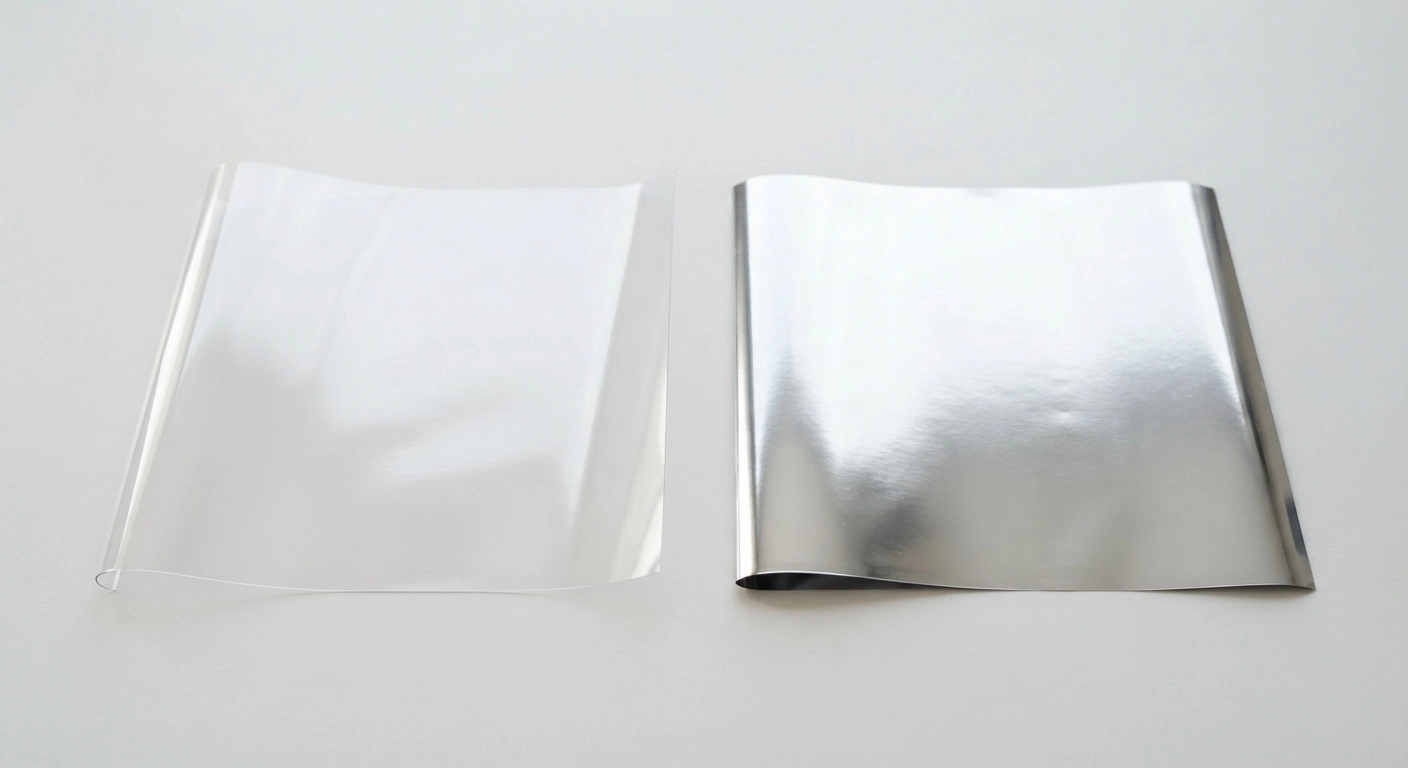
Mylar Bag Materials
Mylar Bags use a multi layer film structure, with each layer serving a specific purpose such as strength, barrier performance or heat sealing. The material combination varies depending on the product, filling process and storage requirements.
Common materials include:
- BoPET (Mylar film)
- PET
- Aluminium foil
- Polyethylene
Spouted Pouch Materials
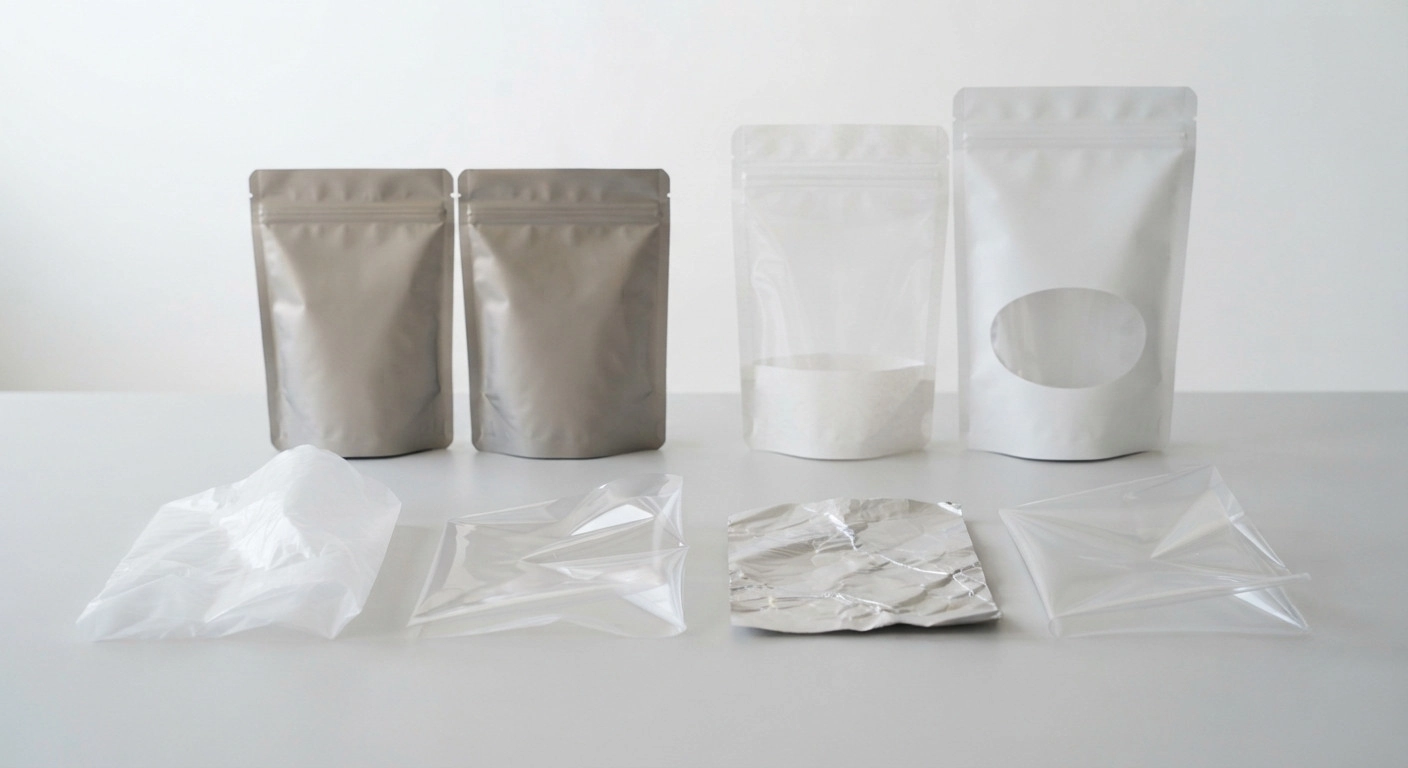
Spouted Pouches use laminated film structures that combine flexible packaging materials with a spout and fitment. The film construction is selected based on the product’s viscosity, filling method and processing requirements. Some applications also require retort compatible materials for high temperature filling or sterilization.
Common materials include:
- PET
- Polyethylene
- Polypropylene
- Laminated films
- Multi layer film structures
Barrier Protection: Which Packaging Protects Products Better?
Both packaging options protect products, but each is designed for a different purpose.
Mylar packaging creates a strong barrier against moisture, oxygen, light, UV rays and odor transfer to help preserve freshness and extend shelf life. Many include an aluminum foil layer for added protection during storage and shipping.
Spouted Pouches are made for liquid and semi liquid products. Strong seals, durable films and secure spout fitments help prevent leaks, reduce contamination and support clean, controlled dispensing. Their resealable design also protects the remaining product between uses.
Durability and Product Protection Comparison
The multilayer structure of Mylar Bags makes them well suited for long term storage and transportation. They offer:
- High puncture resistance
- Strong tear resistance
- Durable heat seals
- Reliable shipping protection
- Space efficient storage
The addition of a spout and cap improves convenience but also makes Spouted Pouches more complex than standard sealed bags. They offer:
- Strong leak resistance
- Flexible handling
- Reliable seals
- Lightweight shipping
- Easy dispensing
Convenience and User Experience
Product protection matters before a purchase, but ease of use becomes more important once the package is in the customer’s hands. The opening, dispensing method and resealing system all influence how convenient the product is throughout its use.
Spouted Pouches simplify portion control by allowing users to dispense only the amount they need before closing the package again. This helps reduce spills and makes them practical where accurate dispensing is important.
Mylar Bags are designed for quick access and repeated storage. Their wide opening makes it easier to remove larger quantities or scoop contents when needed, while resealable closures help keep unused product contained between uses.
Printing and Branding Opportunities
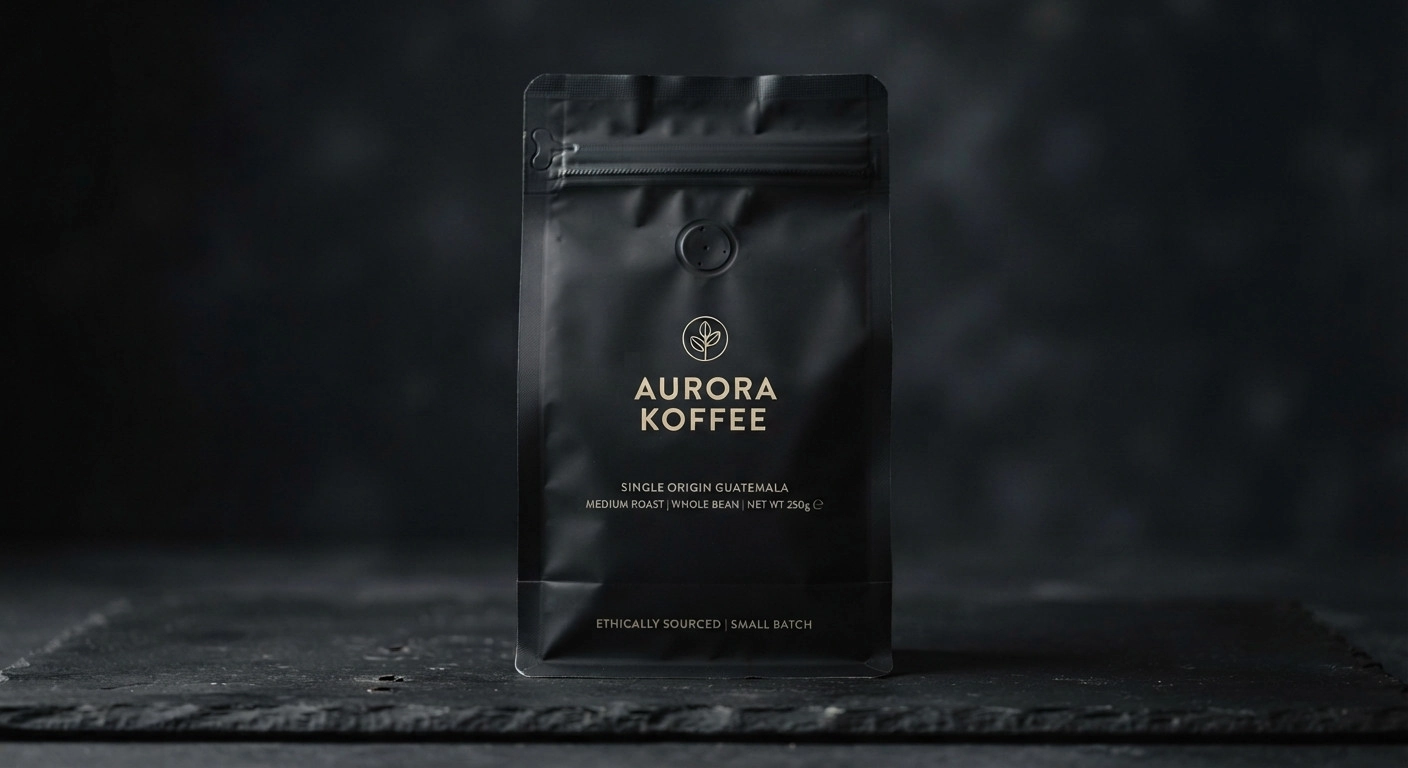
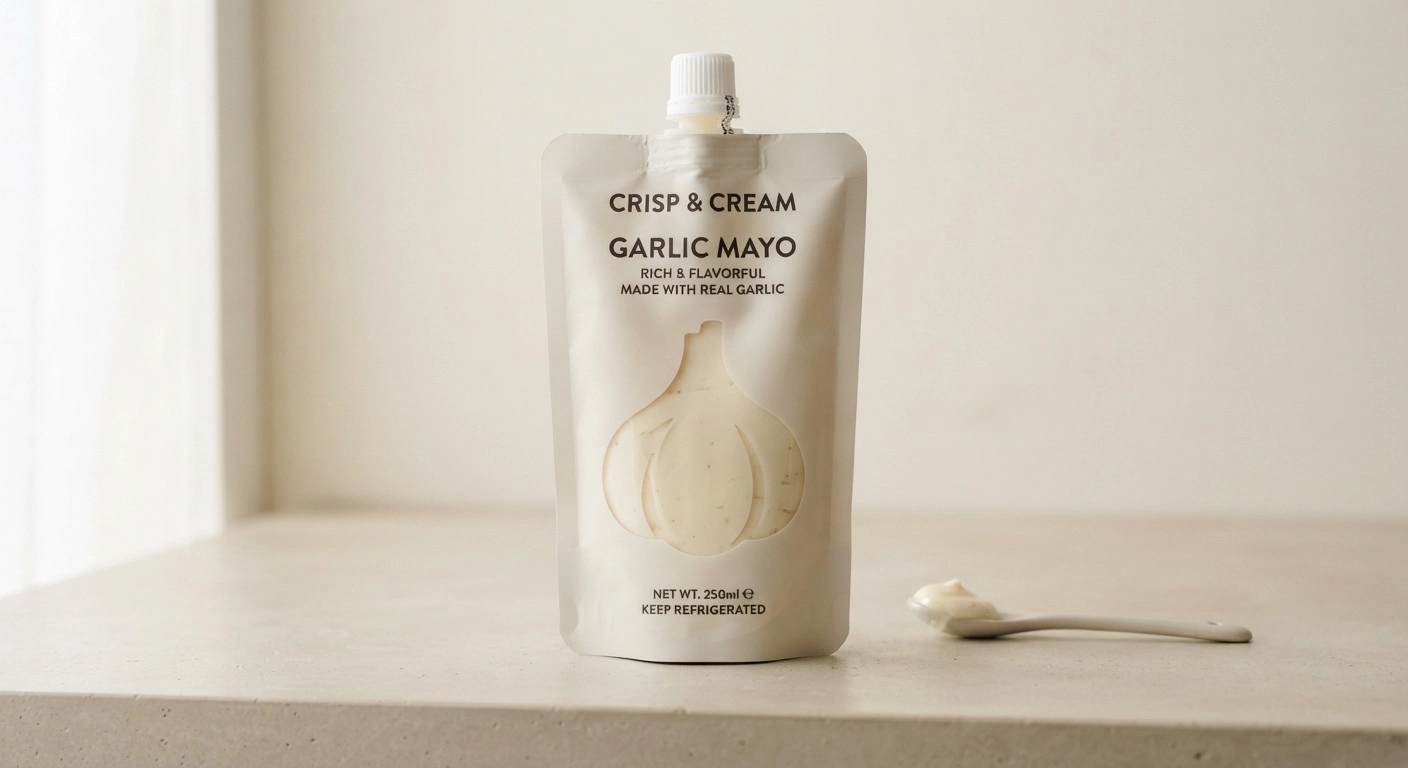
Both packaging formats support custom printing for product identification, regulatory information and brand presentation. The available printing method depends on factors such as order quantity, artwork complexity and production requirements.
Mylar Bags and Spouted Pouches can be printed with high quality graphics, product details and brand colors across the entire package surface. Finishes and structural features can also be incorporated into the design without changing the package’s primary function.
Common printing options include:
- Digital printing
- Flexographic printing
- Rotogravure printing
- CMYK printing
- Pantone color matching
Cost Considerations: Mylar Bags vs Spouted Pouches
The cost of either packaging format depends on material selection, size, printing specifications, order quantity and production requirements. Structural complexity is another factor that affects manufacturing costs.
Mylar Bags generally have lower production costs because they use a simpler package structure. Cost advantages often come from:
- Simpler manufacturing process
- Lower material complexity
- Compact shipping and storage
- No spout or dispensing components
Spouted Pouches typically require a higher investment because of their added structural components and production steps. Cost factors include:
- Spout and cap
- Fitment assembly
- More complex manufacturing
- Additional sealing processes
Consider Mylar Bags when keeping packaging costs low is the primary goal. Choose Spouted Pouches when added dispensing convenience provides enough value to justify the higher packaging cost.
Sustainability Considerations
Sustainability depends on both material selection and package design. Many flexible packages use multiple material layers for barrier performance, but these structures are often more difficult to recycle.
Current packaging developments focus on:
- Recyclable materials
- Monomaterial structures
- Recycled content
- Reduced material usage
Some manufacturers now offer recyclable polyethylene based structures for both Mylar style bags and Spouted Pouches. The most sustainable choice is the one that protects the product while minimizing material waste.
Which Packaging Should You Choose?
Start by considering how your product will be used instead of comparing packaging features alone. Think about whether customers will mainly store the product or use it repeatedly during everyday use.
If the product is poured, squeezed or dispensed during use, Spouted Pouches are generally the better choice. If the priority is efficient storage, distribution and long term product preservation, Mylar Bags are typically the better fit.
Final Decision Guide
Mylar Bags and Spouted Pouches are designed for different packaging needs, so neither is the better choice in every situation. The right option depends on how the product will be stored, transported and used throughout its life cycle.
By matching the packaging format to your product requirements and customer expectations, you can improve product performance, user satisfaction and overall packaging value.