
















Paper Bags vs Plastic Bags: Which Is Better for Your Business?
Home » comparisons » Paper Bags vs Plastic Bags: Which Is Better for Your Business?
Table of Contents
Get A Free Quote
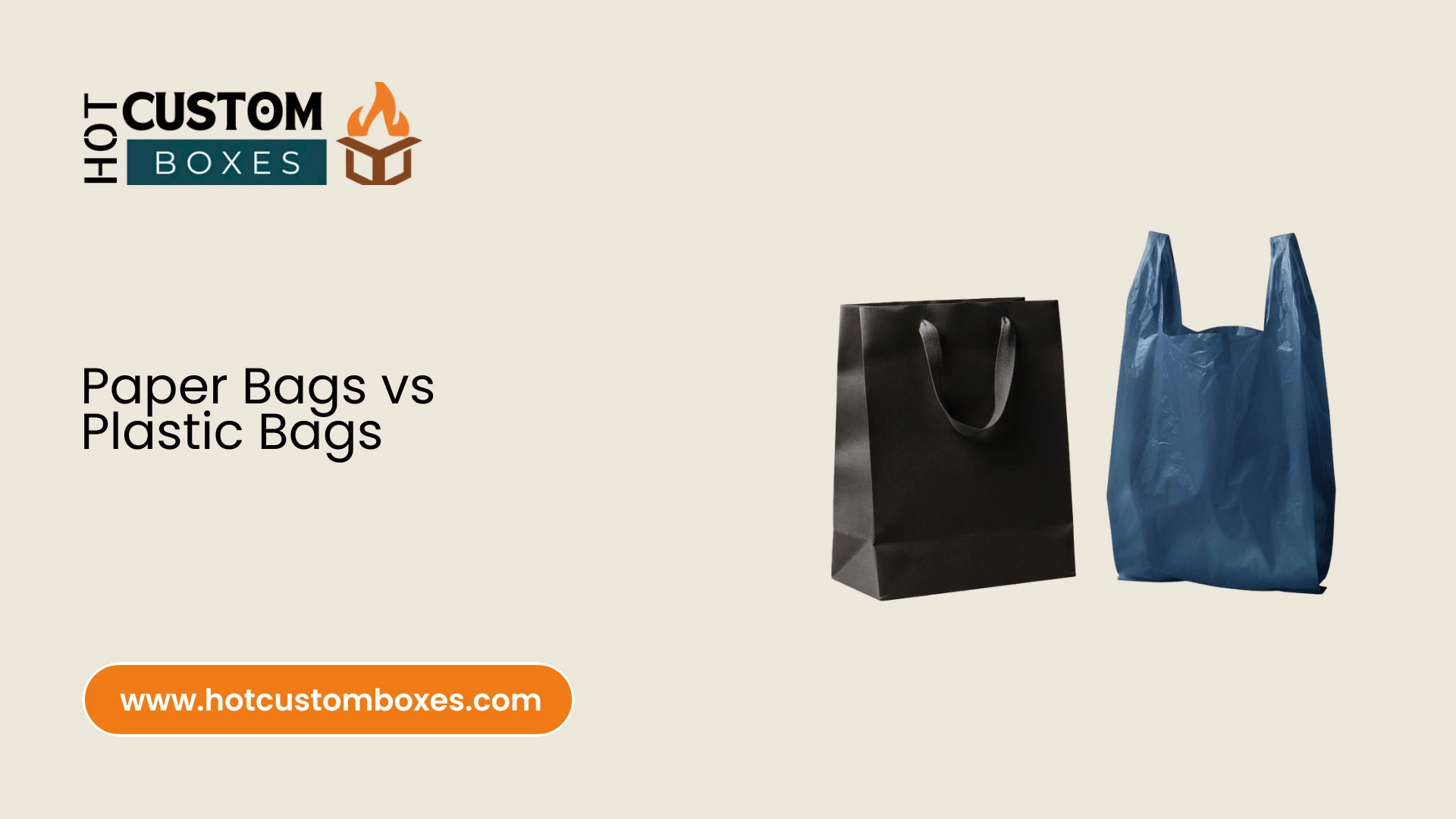
Paper bags and plastic bags meet different packaging needs, so neither material is always the better choice. Paper supports detailed branding and a natural appearance. Plastic offers low weight, moisture resistance and compact storage.
The best option varies based on product requirements, intended use, storage conditions, environmental goals and local regulations. This packaging comparison examines both materials to help you choose the right solution for your business.
Paper Bags vs Plastic Bags: Quick Comparison
This quick comparison highlights the main differences between paper and plastic packaging bags.
| Factor | Paper Bags | Plastic Bags |
| Common materials | Kraft, white, recycled, coated, or uncoated paper | HDPE, LDPE, LLDPE, or polypropylene |
| Carrying strength | Depends on paper weight, folds and handles | High tensile strength for low material weight |
| Moisture resistance | Limited unless treated or lined | Naturally resistant to water |
| Storage space | Requires more space in bulk | Compresses into a small area |
| Printing | Supports detailed graphics and premium finishes | Supports flexographic and selected digital printing |
| Reuse | Possible when kept dry and undamaged | Possible with thicker multi-use construction |
| Recycling | Widely accepted when clean and uncoated | Depends on local film collection programs |
| Common uses | Retail, gifts, bakeries, cafes and takeout | Grocery, produce, frozen products and shipping |
How Paper and Plastic Bags Are Made
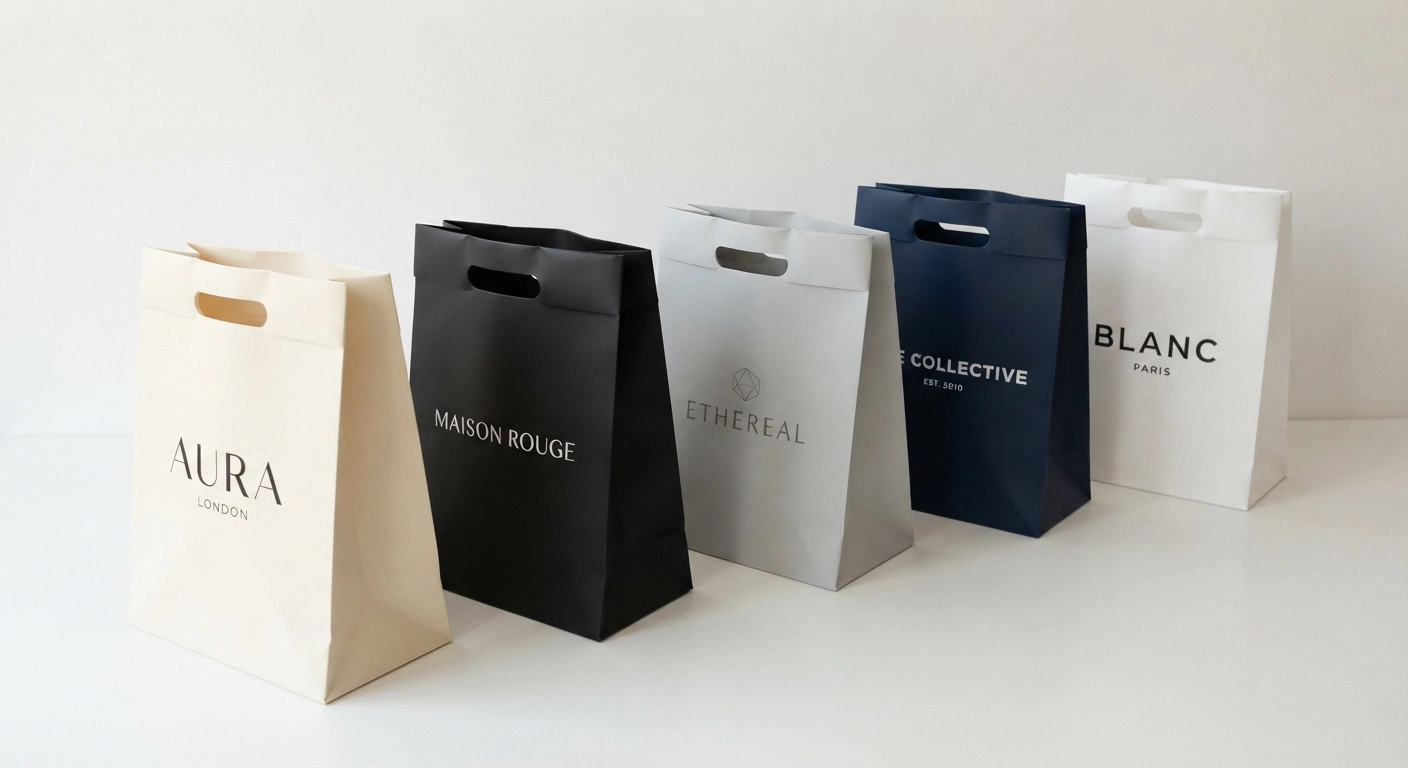
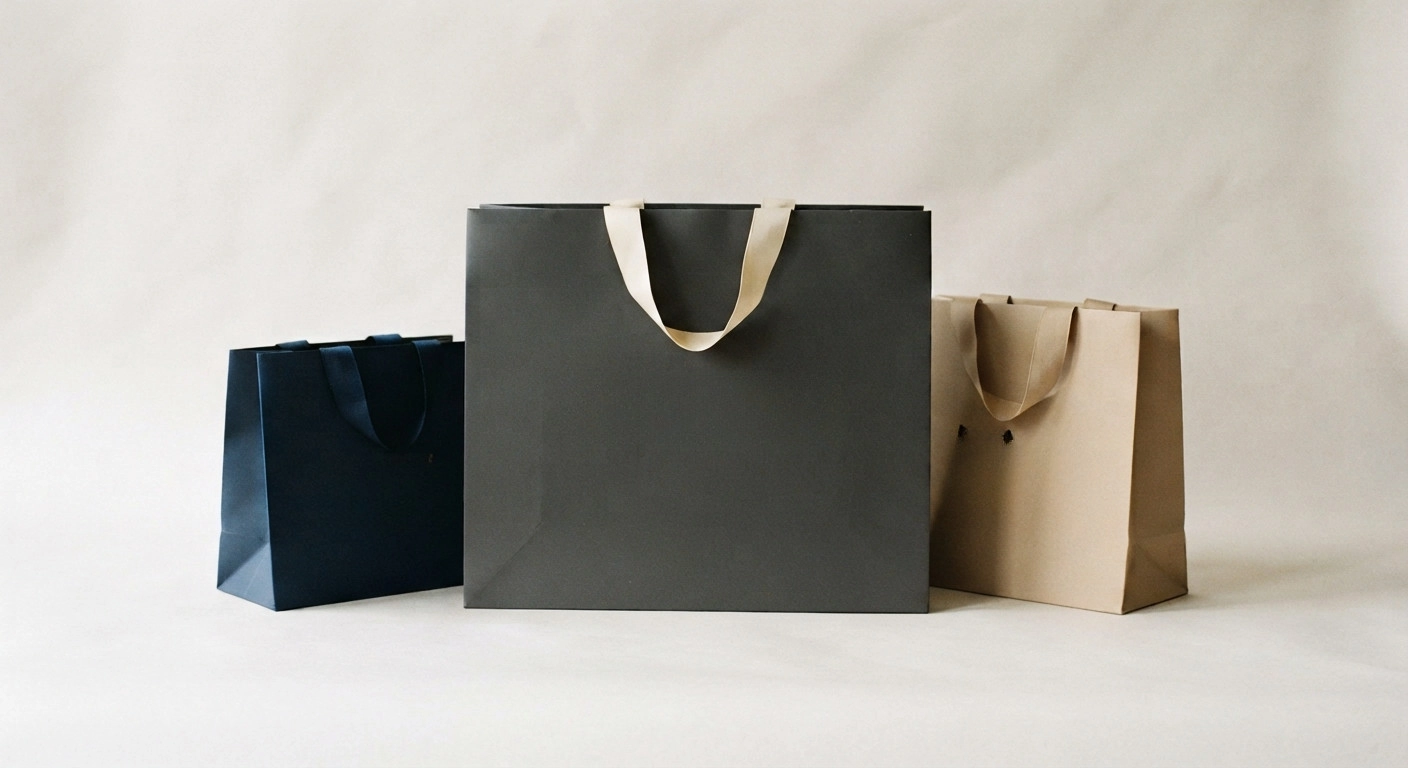
Custom Paper Bags manufacturing starts with paper made from virgin or recycled fiber. Converters print, cut, fold, glue and form the material into flat, gusseted, or square bottom bags. Handles may be twisted paper, flat paper, rope, or die cut openings.
Plastic bag manufacturing uses resin pellets that are melted and formed into film. Blown film extrusion creates a continuous plastic tube, which manufacturers cut, seal, print and convert into finished bags.
Common Materials and Their Uses
Material selection affects appearance, strength, printing quality and disposal options. Businesses should choose the grade based on actual use rather than material name alone.
Paper Bag Materials
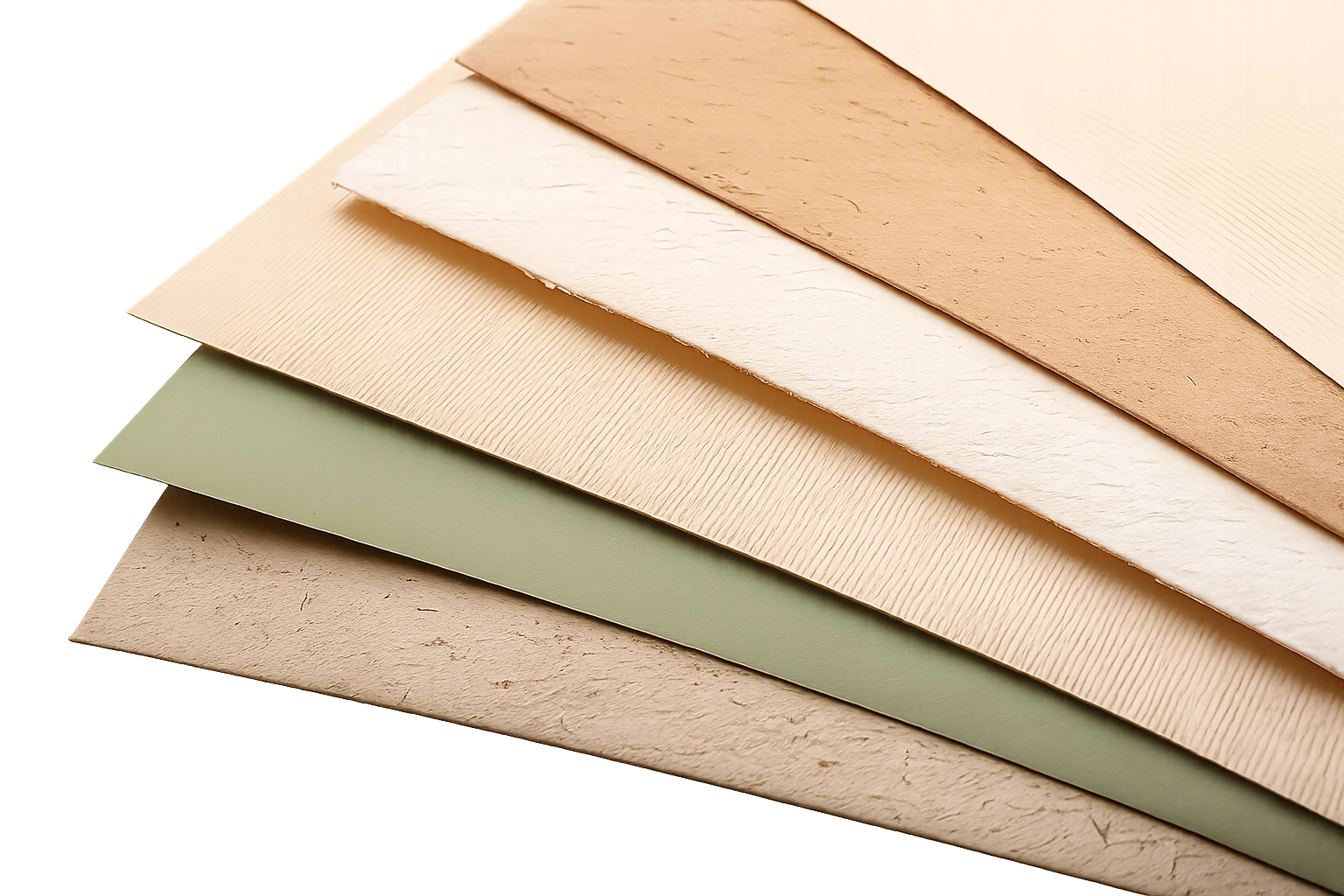
Paper bags are manufactured from materials including paperboard, kraft paper, white paper, recycled paper and coated paper. Each offers a different appearance, print surface and end of life characteristics.
Popular paper bag formats include:
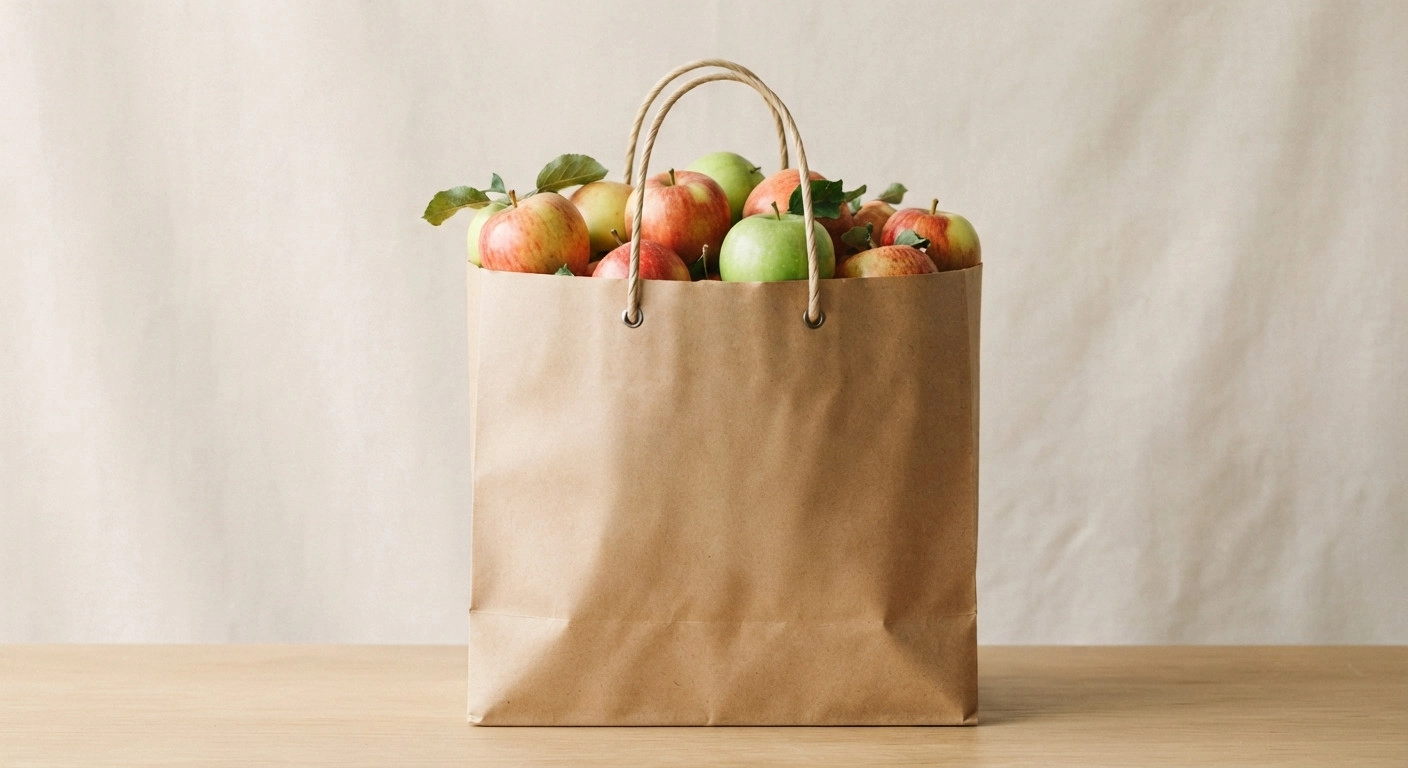
- Paper Shopping Bags with twisted, flat, or rope handles
- SOS bags with square bottoms for groceries and takeout
- Paper Sandwich Bags for bakery items and prepared food
- Pinch bottom bags for dry products
- Small Gift Bags for jewelry, cosmetics, and accessories
- Paper Food Storage Bags for dry or short-term food use
- Popcorn Bags designed for portion serving
Plastic Bag Materials
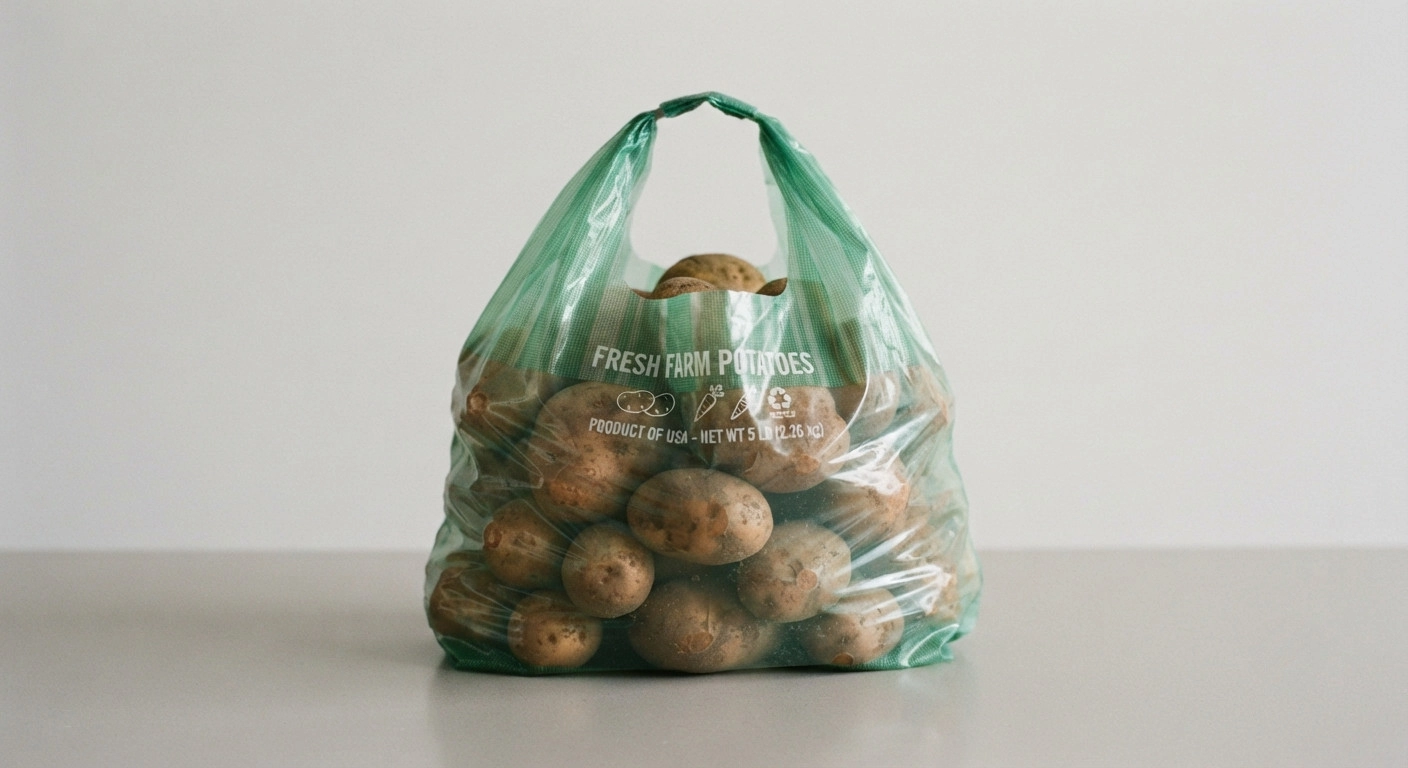
HDPE creates thin, lightweight grocery bags with good carrying strength. LDPE and LLDPE produce softer, more flexible bags that resist punctures and stretching. Polypropylene provides clarity and stiffness for selected merchandise and food applications.
Recycled plastic can reduce virgin resin use, but its suitability depends on product requirements and local regulations.
Common plastic formats include:
- Die cut handle bags
- Patch handle shopping bags
- Produce bags
- Frozen food bags
- Poly bags for apparel and e-commerce
- Thicker multi-use carrier bags
Note: Biodegradable or compostable plastics require careful specification. These terms are not interchangeable, and some materials only break down under certified industrial composting conditions.
Strength, Handles, and Carrying Performance
Plastic bags generally provide high tensile strength at a low weight. They also resist rain, spills, and moisture during short-term handling.
Paper bag performance depends on basis weight, gusset design, bottom construction, adhesive quality, and handle attachment. Reinforced handles and folded top edges can improve weight distribution for heavier products.
Evaluate strength using the actual product rather than an estimated load alone. Sharp corners, bottles, chilled items, and uneven weight can stress a bag differently from a flat test weight.
A bag that holds the weight in a brief test may still fail after swinging, stacking, or extended carrying. Before production, check:
- Total packed weight
- Product shape and sharp edges
- Handle comfort and attachment strength
- Bottom seam or glued base
- Exposure to moisture and grease
- Required carrying distance
- Possibility of repeated use
Product and Food Packaging Performance
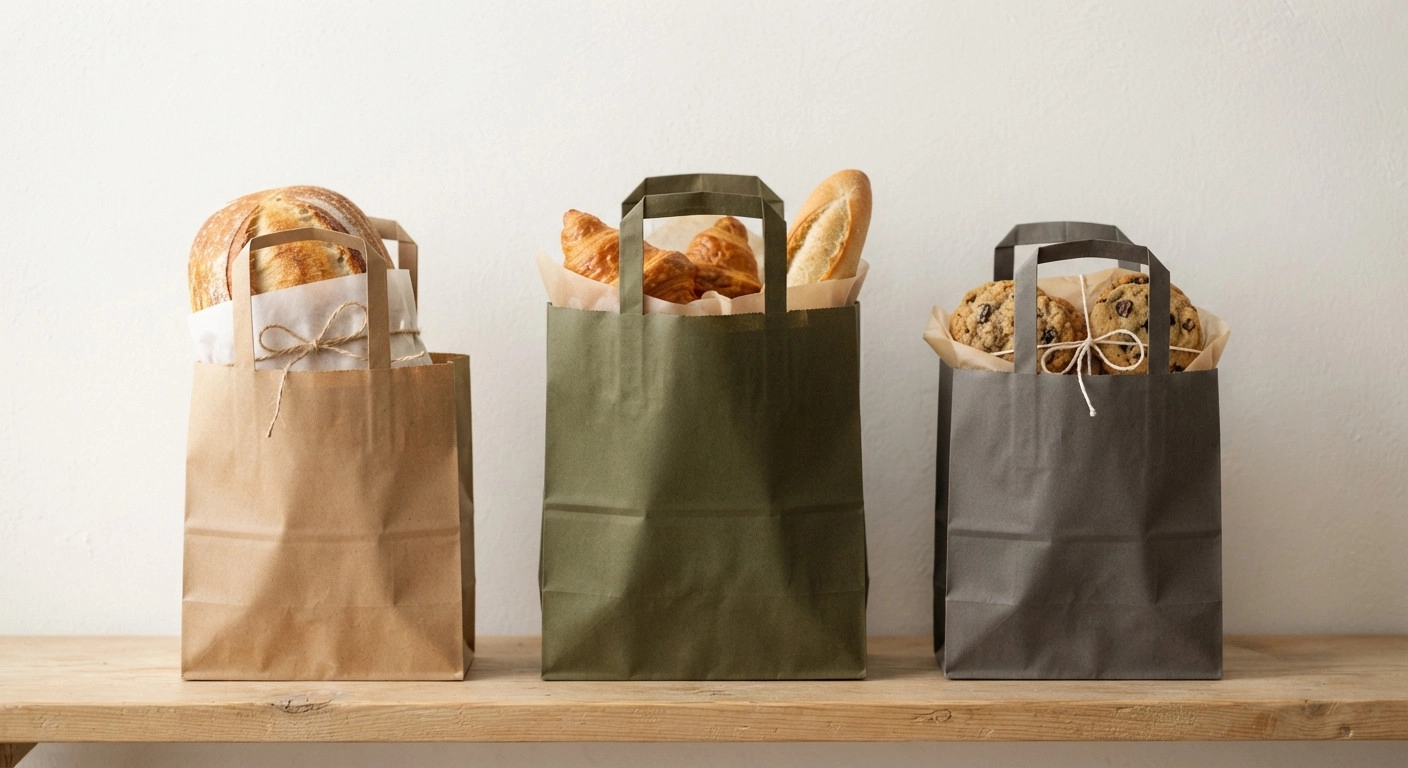
Paper bags work well for dry products, clothing, gifts, baked goods, and short-distance takeaway orders. Their flat or square bottom construction helps products remain upright during packing.
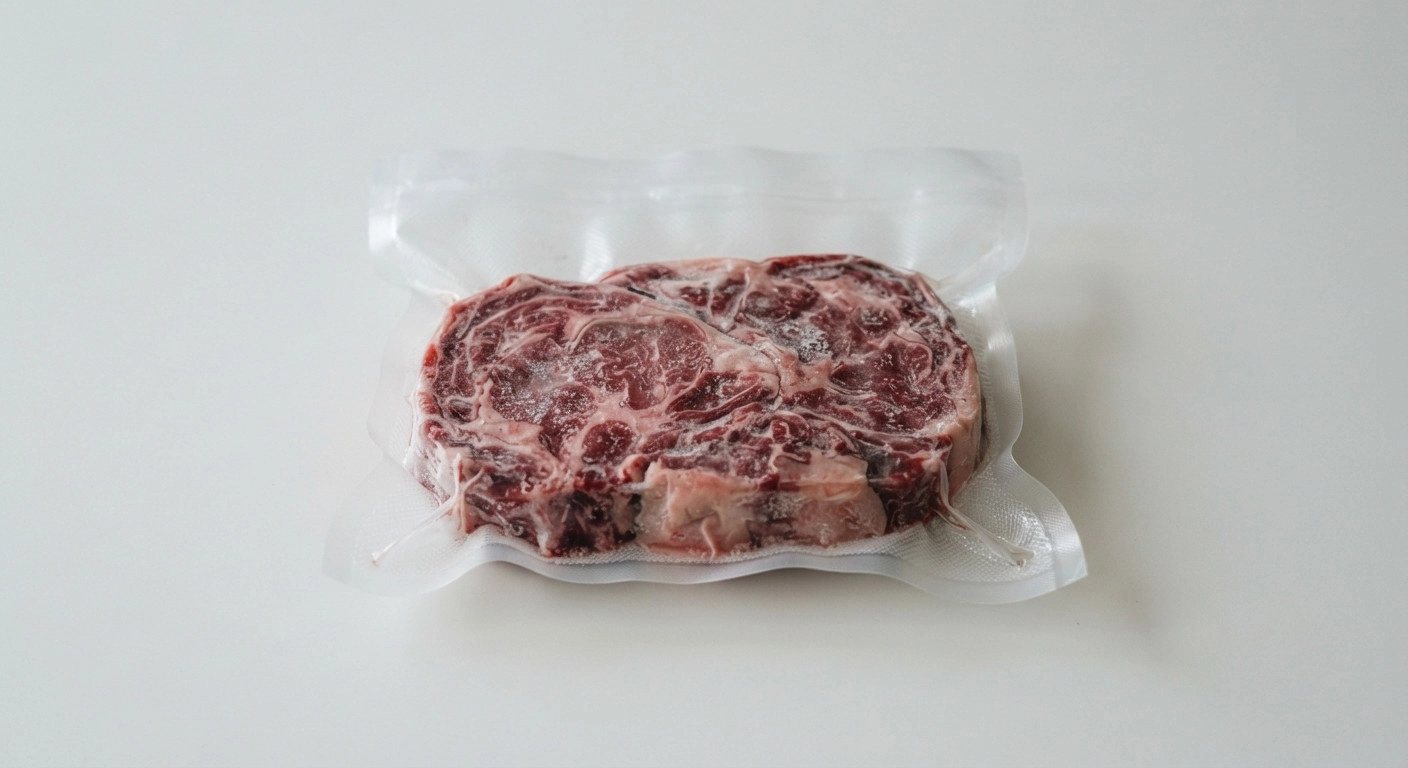
Plastic bags better tolerate wet, frozen, or moisture-prone conditions. Sealed seams can also improve leak resistance, although the bag must use a suitable material and closure for the intended contents.
Food applications require more than choosing paper or plastic. The material, ink, adhesive, coating, and barrier must suit direct food contact where applicable.
Important food packaging considerations include:
- Grease resistance for bakery and fried foods
- Moisture barriers for chilled or damp products
- Ventilation for hot foods that release steam
- Sealed construction for powders or loose items
- Suitable materials for frozen storage
- Clear separation between printed surfaces and food
A paper bag with an unsuitable coating is not automatically better than plastic. Likewise, a standard plastic carrier bag may not meet direct food contact requirements.
Printing and Finishing Opportunities
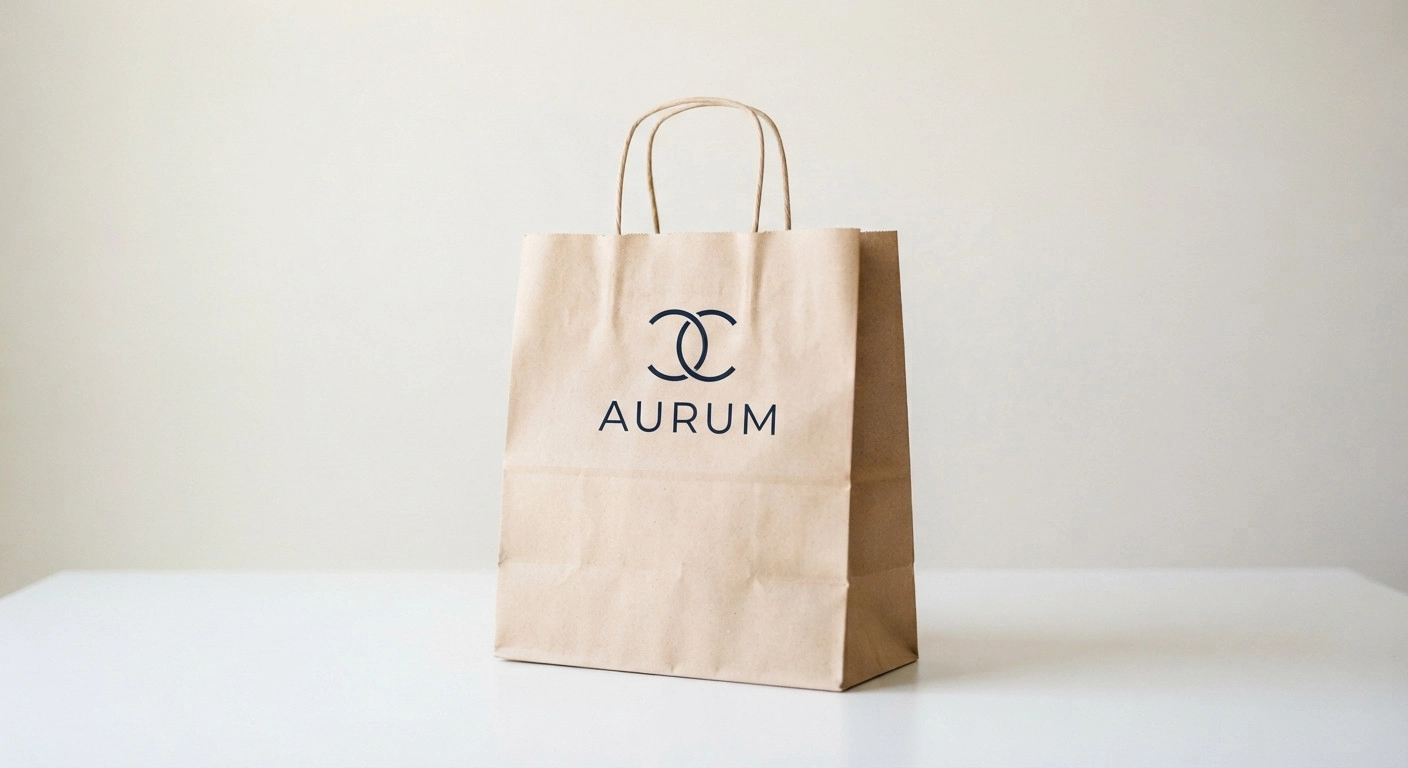
Paper provides a smooth surface for detailed artwork, small text, and custom branding. Offset, digital, and flexographic printing support different order volumes and material types. Compatible paper bags can also include foil stamping, embossing and debossing, spot UV, matte or gloss lamination.
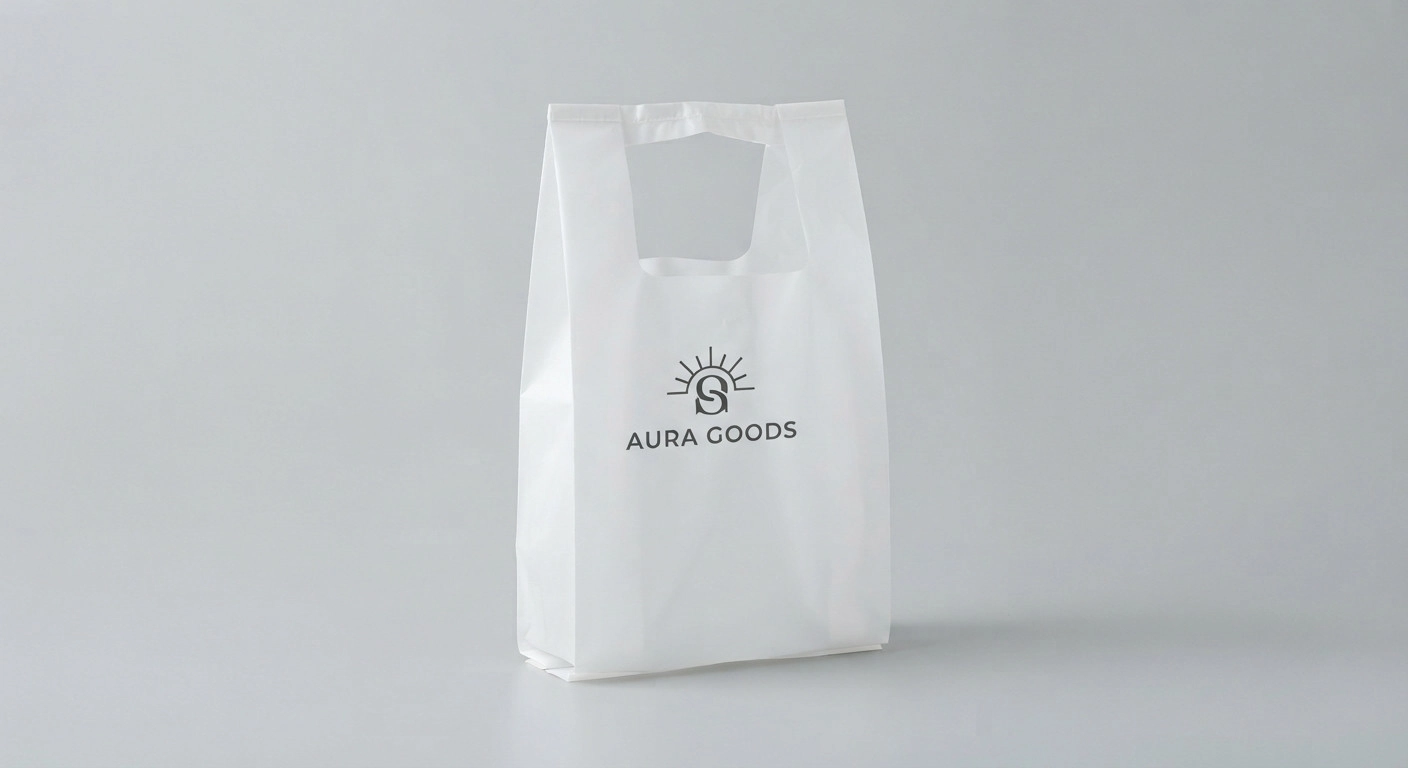
Plastic bags commonly use flexographic printing for logos, patterns, and promotional graphics, although very fine details may be limited by the film material.
Printed Recycled Paper Bags and Imprinted Recycled Paper Bags can reinforce sustainability messaging when supported by accurate material specifications and certifications.
Suitable Bags for Different Business Applications
Each industry has different requirements for weight, moisture, product shape, and customer handling.
| Business Type | Suitable Paper Applications | Suitable Plastic Applications |
| Clothing stores | Branded carry bags and premium Merchandise Bags | Protective poly bags and weather-resistant carriers |
| Grocery stores | Dry groceries, bakery goods, and shelf products | Produce, frozen goods, and moisture-prone items |
| Restaurants and cafes | Takeaway meals, sandwiches, and bakery orders | Sealed items and spill-prone secondary carrying |
| Gift and luxury retail | Rope handle bags and rigid paper handbags | Limited use for protective inner packaging |
| Pharmacies | Boxed medicine and personal care items | Small products requiring moisture resistance |
| Trade shows | Printed promotional bags and event materials | Lightweight carriers for high-volume distribution |
| E-commerce | Branded paper bags inside larger packages | Apparel poly bags and return-ready packaging |
A business may need more than one bag type. A bakery could use food-safe paper for bread, a coated format for greasy pastries, and another carrier for chilled products.
Storage, Transportation, and Fulfillment
Plastic bags compress tightly, which improves pallet use and warehouse storage. Their low weight can also reduce transportation space compared with thick paper carriers.
Paper bags need more storage volume and must remain dry. Handles, gussets, and structured bottoms can prevent them from packing as tightly as flat plastic film.
Warehouse teams should compare:
- Units stored per carton or pallet
- Moisture control requirements
- Time needed to open and pack each bag
- Space used at checkout or packing stations
- Reorder frequency
- Risk of old printed inventory becoming unusable
Storage efficiency matters most for businesses operating small fulfillment areas or distributing bags across many locations.
Consumer Perception and Brand Image
Customers often treat the bag as evidence of how carefully a business manages small details. Clean folds, comfortable handles, balanced proportions, and consistent construction can signal reliability before shoppers reuse or discard the bag.
Material choice should also match the brand’s position. A natural kraft bag may suit an artisan bakery, while a structured white paper carrier may better support a formal gift purchase. Plastic can remain appropriate when customers value convenience, cleanliness, or weather resistance.
Businesses should avoid guessing what customers prefer. Reviews, staff feedback, return reasons, and small packaging trials can reveal whether a bag feels practical and consistent with the brand experience.
Cost Comparison Beyond Unit Price
Unit price alone can make plastic appear cheaper, but it does not show the actual cost of using each bag. Calculate expenses based on a completed customer order rather than the price of one empty bag.
Consider these factors:
- Number of bags needed per order
- Double bagging for heavy or sharp products
- Handle or seam failures
- Packing time at checkout
- Carton, pallet, and warehouse space
- Printing plates and artwork setup
- Local bag fees or compliance costs
- Unsold stock after branding or policy changes
Paper bags may cost more per unit but can replace separate gift wrapping or support higher-value orders. Plastic may reduce storage and transport costs, yet thin film can increase spending when employees need two bags for one purchase.
Test both options using typical and maximum order weights. The more useful figure is the cost per order packed successfully, including labor and failures, rather than the lowest quoted bag price.
Environmental Impact, Regulations, and Material Claims
Paper comes from renewable fiber and is often recyclable when clean and free from incompatible coatings. Recycled content and FSC certification can also support responsible sourcing. Plastic uses fewer materials for many carrying tasks but usually relies on fossil resources and may persist when it escapes waste systems. Film recycling availability varies by location.
Compare environmental performance based on:
- Raw material sourcing and recycled content
- Manufacturing energy and water use
- Transportation weight and volume
- Expected number of uses
- Local recycling or composting access
- Risk of litter and contamination
Businesses should also check local bag bans, fees, thickness rules, recycling requirements, and food contact regulations before ordering. Claims such as recyclable, biodegradable, or compostable must match the material and available disposal system. Certified compostable bags should clearly state whether they require industrial composting.
The practical approach is to reduce unnecessary bags, use the lightest suitable construction, encourage reuse, and choose materials supported by local waste systems.
Common Bag Selection Mistakes
Many businesses choose bags based on appearance or unit price without testing their actual products. This approach can lead to torn handles, grease marks, leaks, or unnecessary double bagging.
Other common mistakes include:
- Using uncoated paper for wet or greasy products
- Selecting thin plastic for sharp or heavy items
- Ignoring storage space before bulk orders
- Adding finishes that conflict with recycling goals
- Making unclear environmental claims
- Ordering one bag style for every product
- Overlooking local bag restrictions and fees
Test samples under realistic weight, moisture, handling, and carrying conditions before full production.
Which Bag Is Better for Your Business?
Choose paper bags for dry products, structured presentation, detailed printing, and locations where customers can recycle paper. Plastic bags suit wet, frozen, leak-prone, or irregular products that require moisture resistance and flexible carrying strength.
Before ordering, test both materials with your heaviest typical purchase. Check handle strength, base stability, packing time, storage needs, and cost per completed order. Confirm local restrictions and available recycling systems because these factors can remove otherwise suitable options.
Use reusable bags only when their strength and design support repeated use. For single-use bags, choose the smallest practical size and lowest material weight that performs reliably.
Choose a Reliable Custom Bag Supplier
At Hot Custom Boxes, we can help you compare paper grades, plastic films, handle styles, printing methods, and bag dimensions. Our team develops custom packaging around your products, order quantity, branding, and handling needs.
Contact us today to discuss your project and request a custom quote for paper or plastic bags.