














Rigid Boxes Vs Cardboard Boxes: A Complete Packaging Comparison Guide
Home » comparisons » Rigid Boxes Vs Cardboard Boxes: A Complete Packaging Comparison Guide
Table of Contents
Get A Free Quote
Custom packaging performs more than just holding the product inside. They provide product protection during storage, handling, and shipping. Packaging is the branding factor that instantly enhances the customer experience. Businesses should evaluate the business requirements and needs before choosing rigid or cardboard boxes.
Both options are widely used in retail as well as in e-commerce packaging, shipping boxes, custom product packaging boxes, and custom packaging solutions. The right box selection depends on your product type, budget, shipping method, design needs, and sales channel.
Rigid Boxes Vs Cardboard Boxes: Detailed Comparison Table
| Feature | Cardboard Boxes | Rigid Boxes |
|---|---|---|
| Material | Usually made from paperboard or corrugated fiberboard. Paperboard is used for folding cartons, while corrugated fiberboard is used for shipping boxes. | Made from thick paperboard, often called rigid board or chipboard. The structure is firm and does not fold flat. |
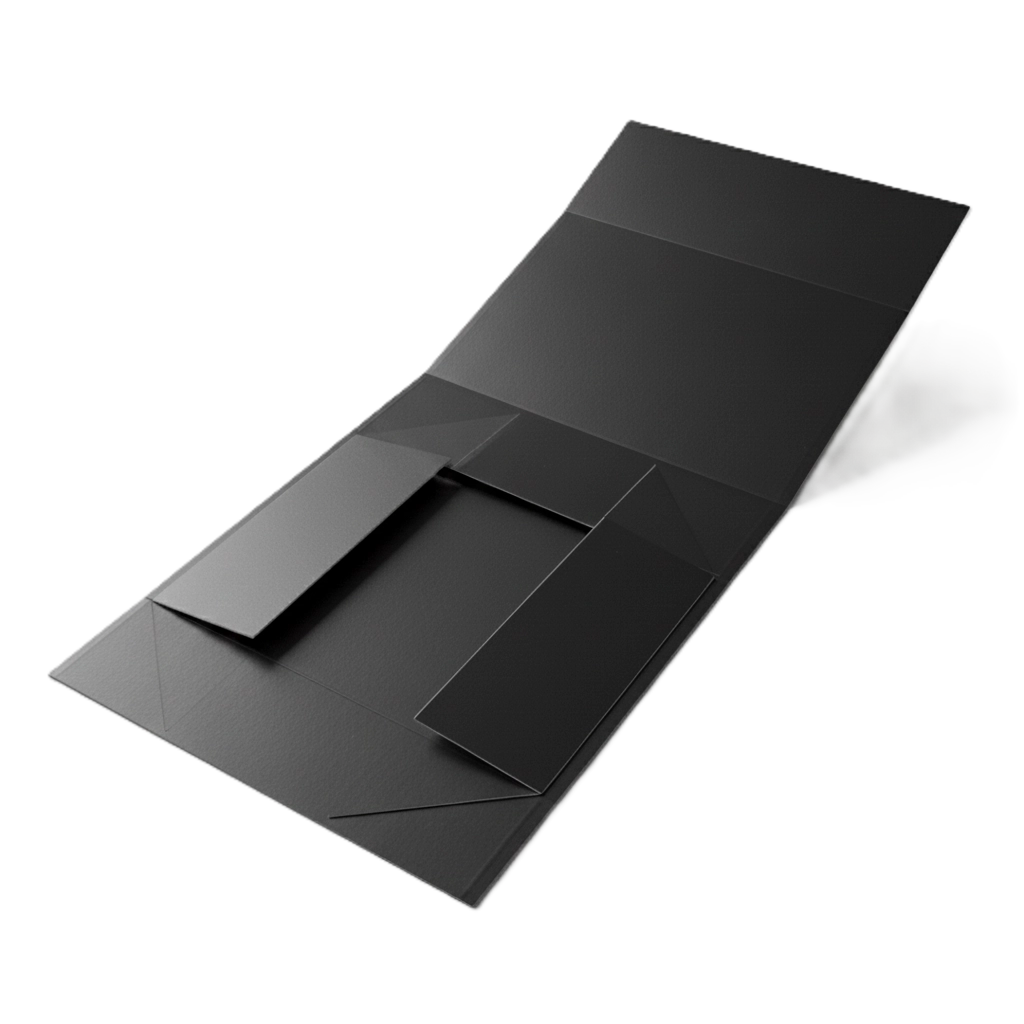
| Structure | Lightweight, foldable, and easy to assemble. Many styles can be shipped flat before use. | Pre-formed, dense, and solid. They keep their shape during handling, storage, and display. |
| Durability | Good for everyday packaging and shipping, especially when corrugated board is used. Double-wall boards can handle heavier products. | Offers strong shape retention and a more substantial feel. Best for products that need a polished presentation. |
| Shipping Usage | Practical for e-commerce, retail shipping, bulk orders, and long-distance delivery. | Often used as an inner presentation box and shipped inside a corrugated outer carton. |
| Storage Efficiency | Takes less space because many styles fold flat. This helps reduce warehouse and freight costs. | Requires more storage space because the boxes are usually assembled before delivery. |
| Costs | More cost-effective for large orders, repeat products, and high-volume packaging needs. | Costs more due to thicker board, added labor, and finishing options. |
| Customization | Easy to print, cut, fold, and size. Suitable for logos, product details, windows, handles, inserts, and dividers. | Supports refined finishes such as foil stamping, embossing, spot UV, textured paper, and magnetic closures. |
| Branding Impact | Works well for clean, practical, and branded packaging. Good design can still create a strong shelf presence. | Creates a more elevated look and feel. Often used when the package is part of the product experience. |
| Sustainability | Often easier to recycle, especially when made from plain paperboard or corrugated fiberboard with minimal coatings. | Can use recycled materials, but mixed components like magnets, foam, or laminated wraps may affect recyclability. |
| Best Use Cases | Everyday goods, food items, apparel, subscription boxes, online orders, and bulk shipments. | Gift sets, display products, boutique retail items, high-end launches, and products where presentation matters. |
| Main Advantage | Affordable, lightweight, scalable, and efficient for shipping and storage. | Firm, polished, and presentation-focused. |
| Main Limitation | May not create the same refined feel as a rigid setup. | Higher cost, more storage space, and less efficient for bulk shipping. |
| Best Choice When | You need practical packaging that protects the product, controls cost, and ships efficiently. | You want the packaging to improve presentation and support a more considered customer experience. |
What Are Cardboard Packaging Boxes?
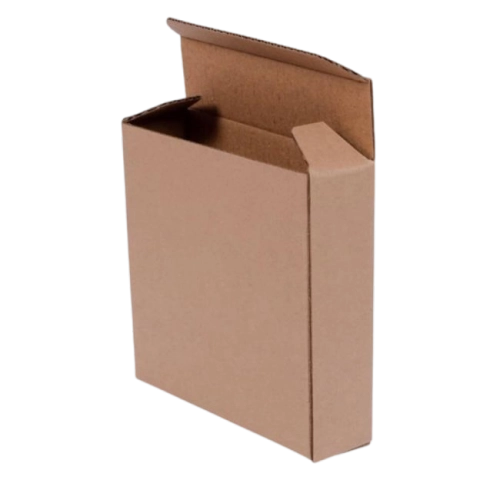
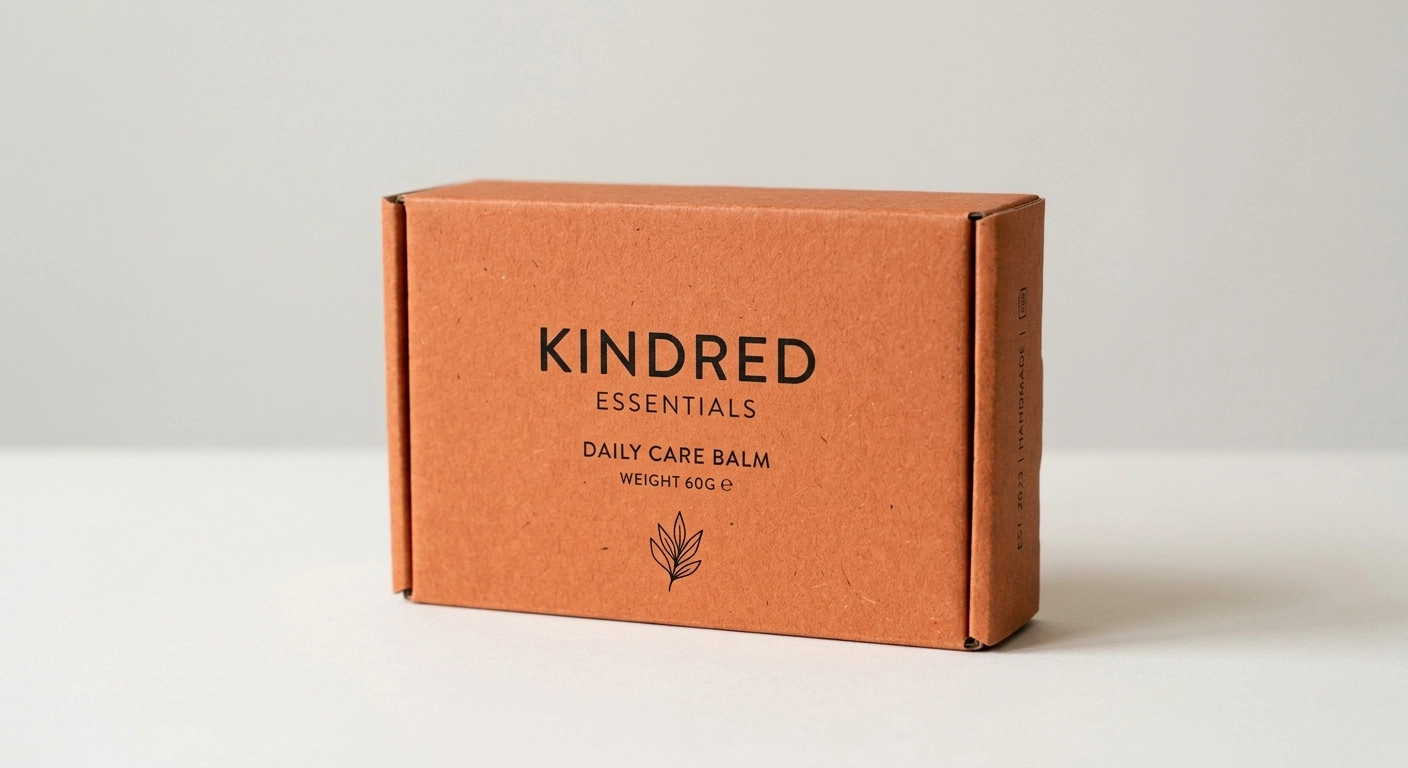
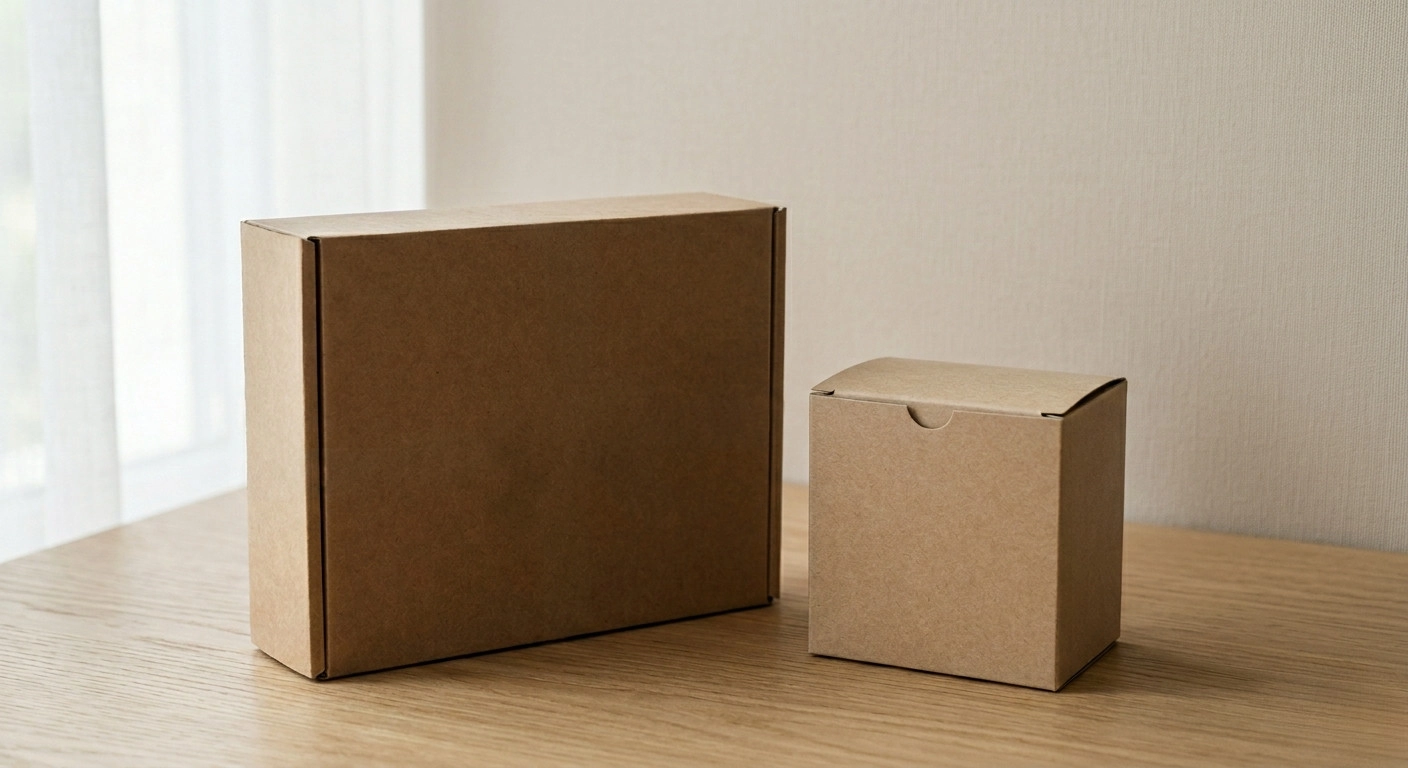
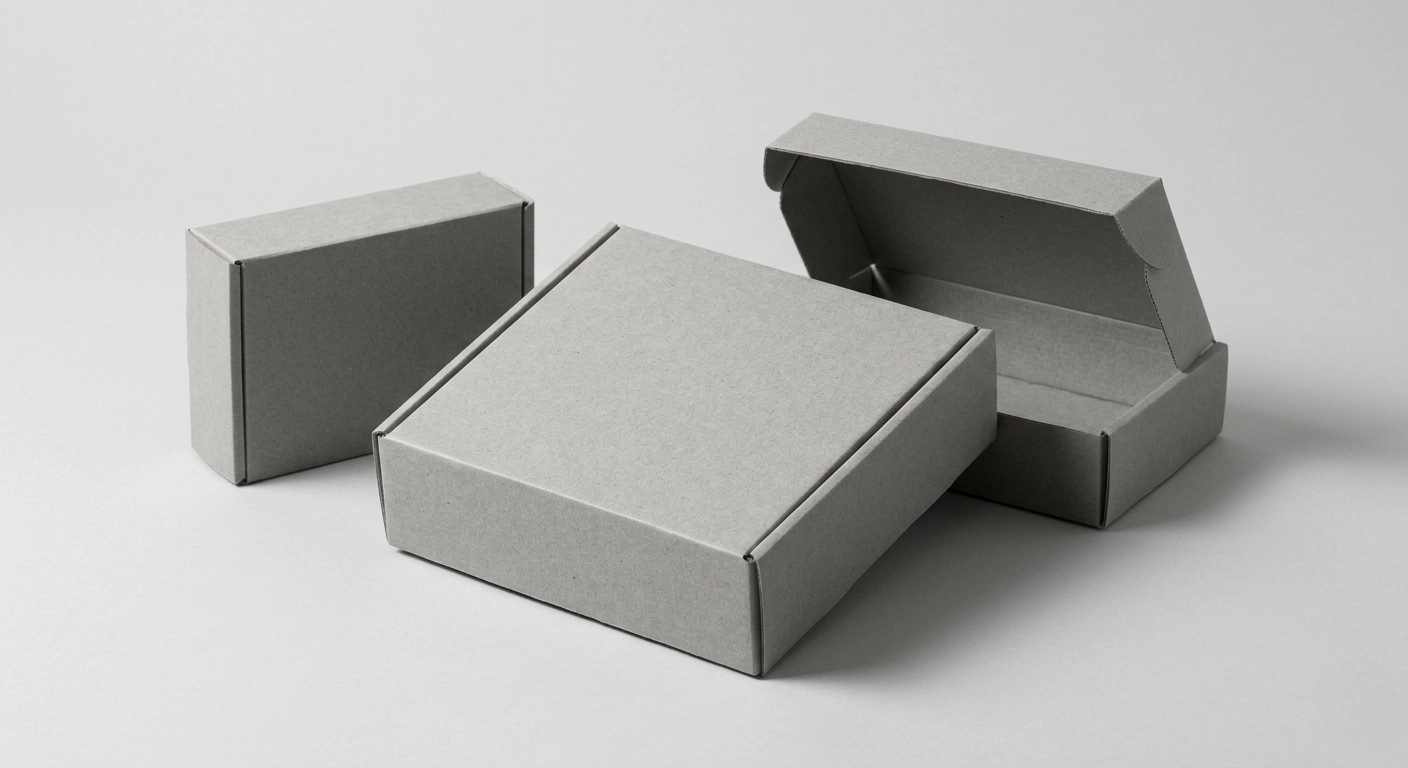
Cardboard is the most general term to understand in the packaging. In packaging, it can refer to different paper-based materials, but the most common types are paperboard and corrugated fiberboard. Paperboard is a thick paper-based material used for folding cartons, paper boxes, and light retail boxes. It is often used for small consumer goods, food items, cosmetics, and product sleeves.
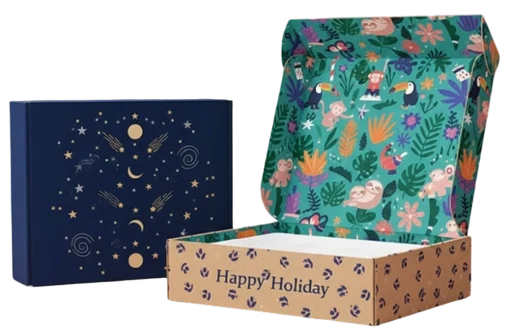
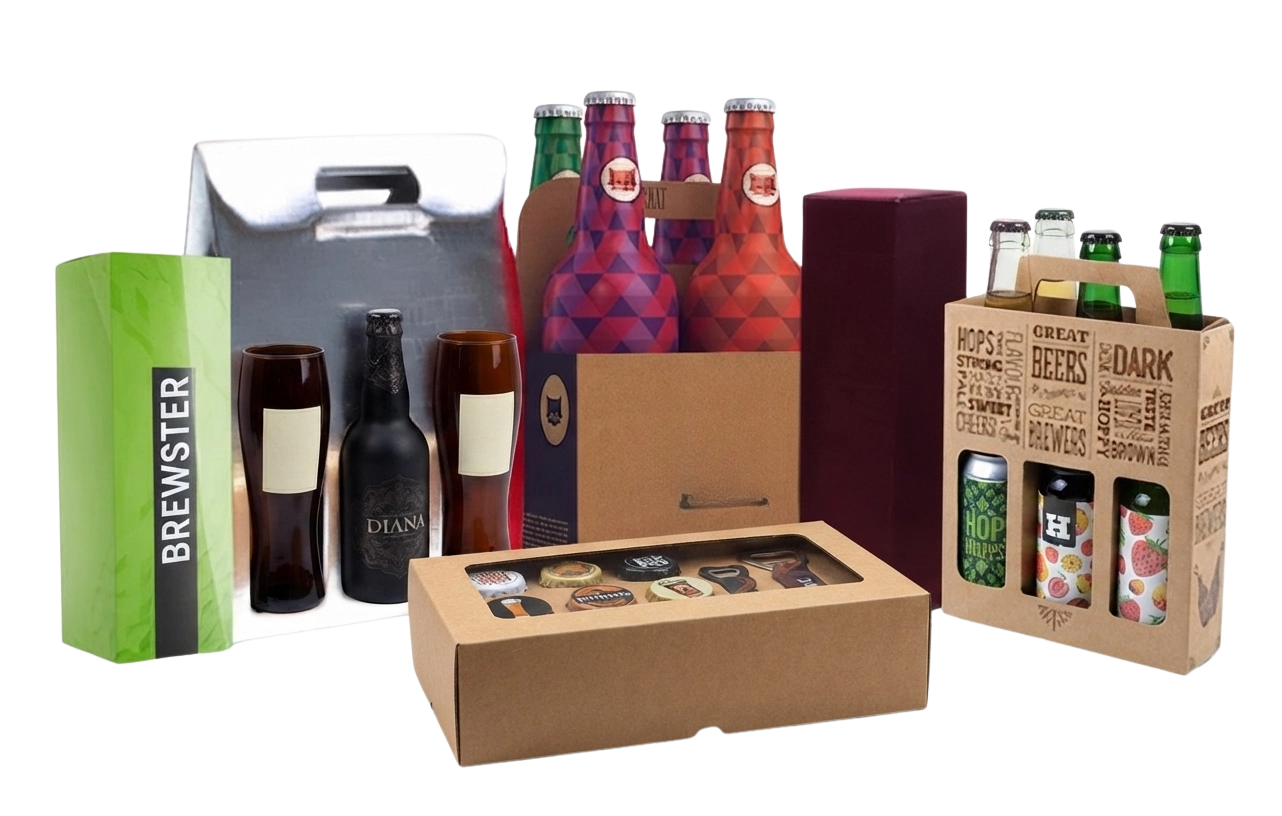
Cardboard packaging is popular for its lightweight structure, customization flexibility, and cost-effectiveness. Many brands use custom cardboard boxes for retail display, shipping, storage, and direct-to-customer orders. These boxes can be printed, folded, stacked, and produced in large quantities with good production efficiency. This type of packaging works well for brands that need practical, flexible, and scalable packaging solutions. Common cardboard packaging types include:
- Folding cartons
- Paper boxes
- Custom corrugated shipping boxes
- Cardboard mailers
- Flat mailers
- Corrugated cardboard boxes
- Boxes with cardboard inserts or dividers
What Are Rigid Packaging Boxes?
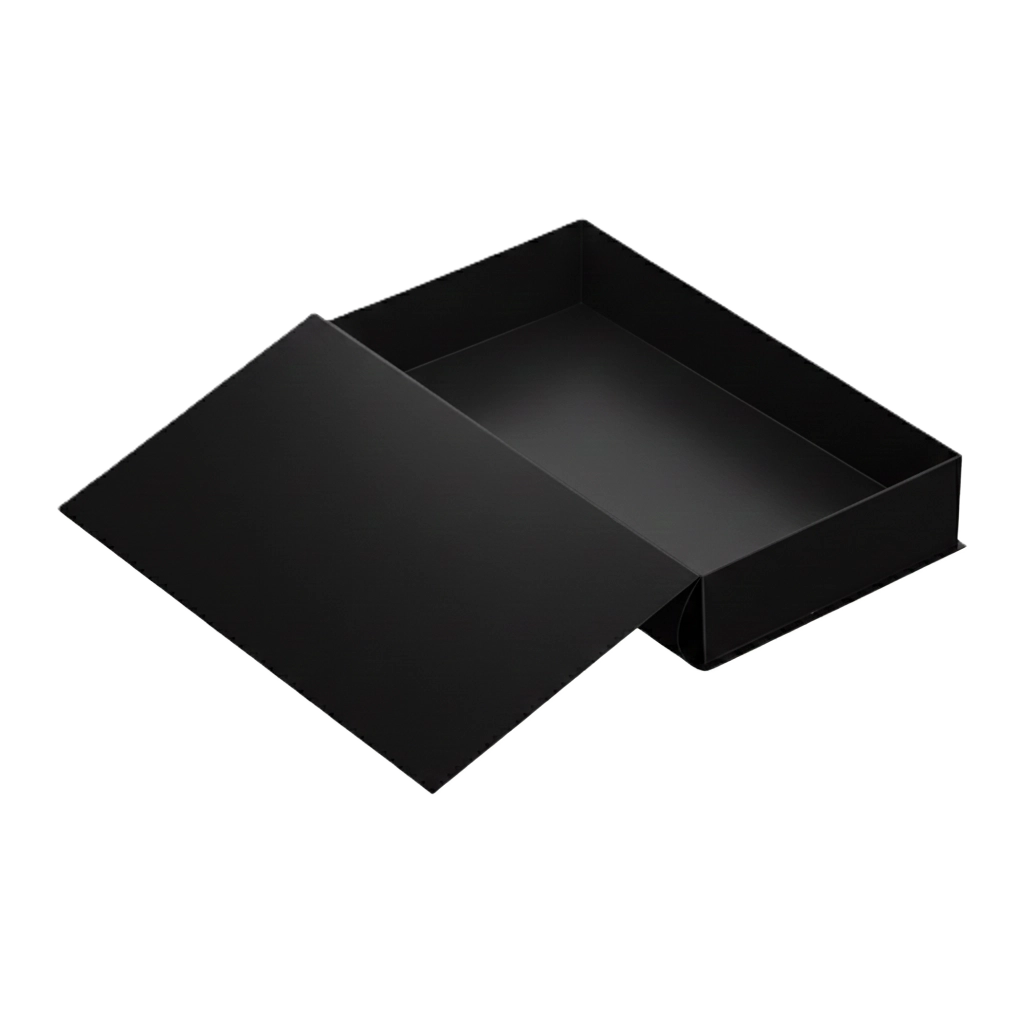
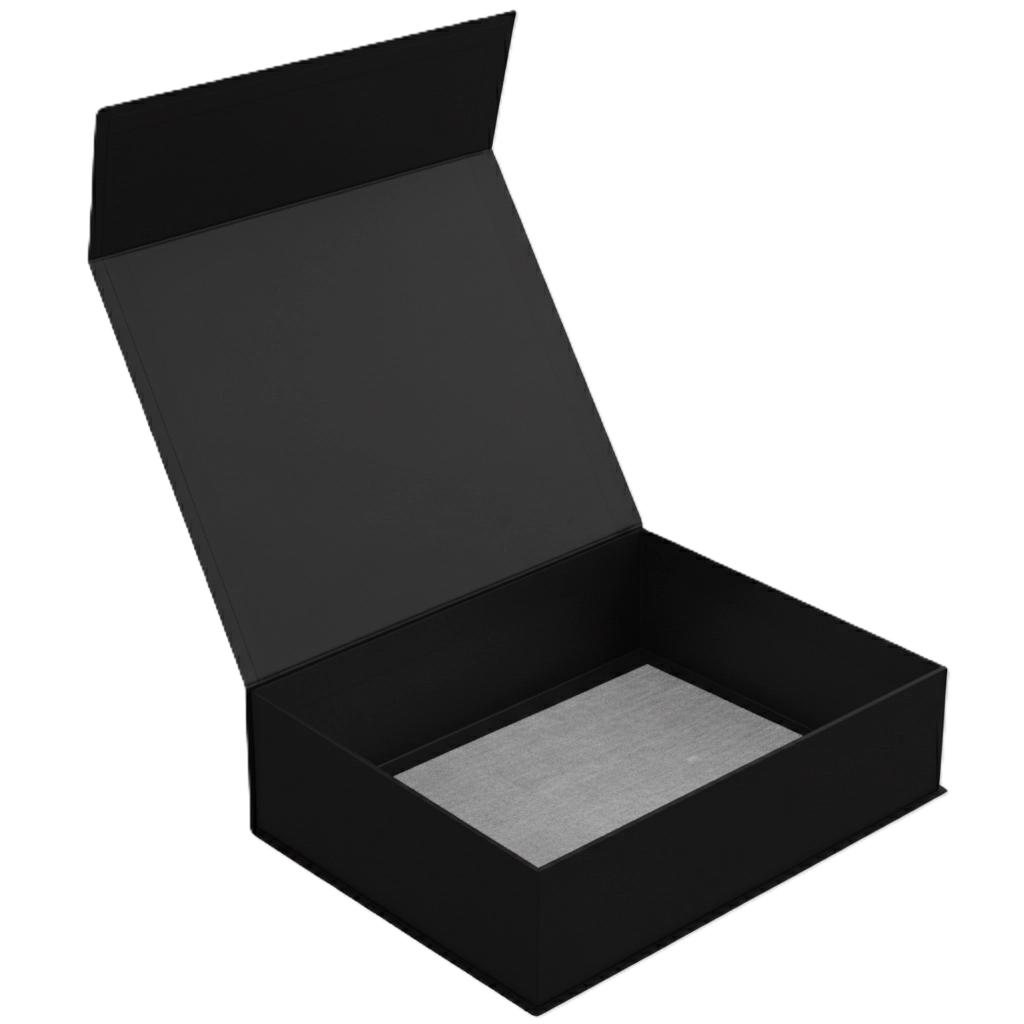
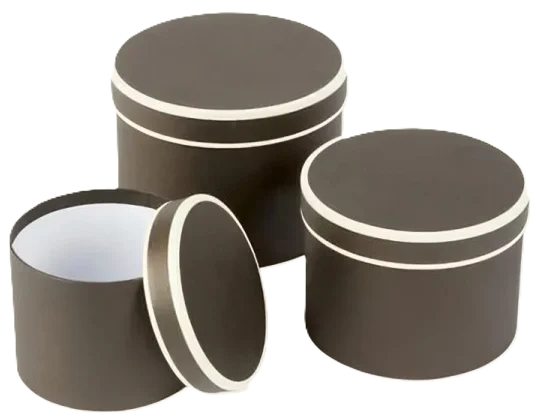
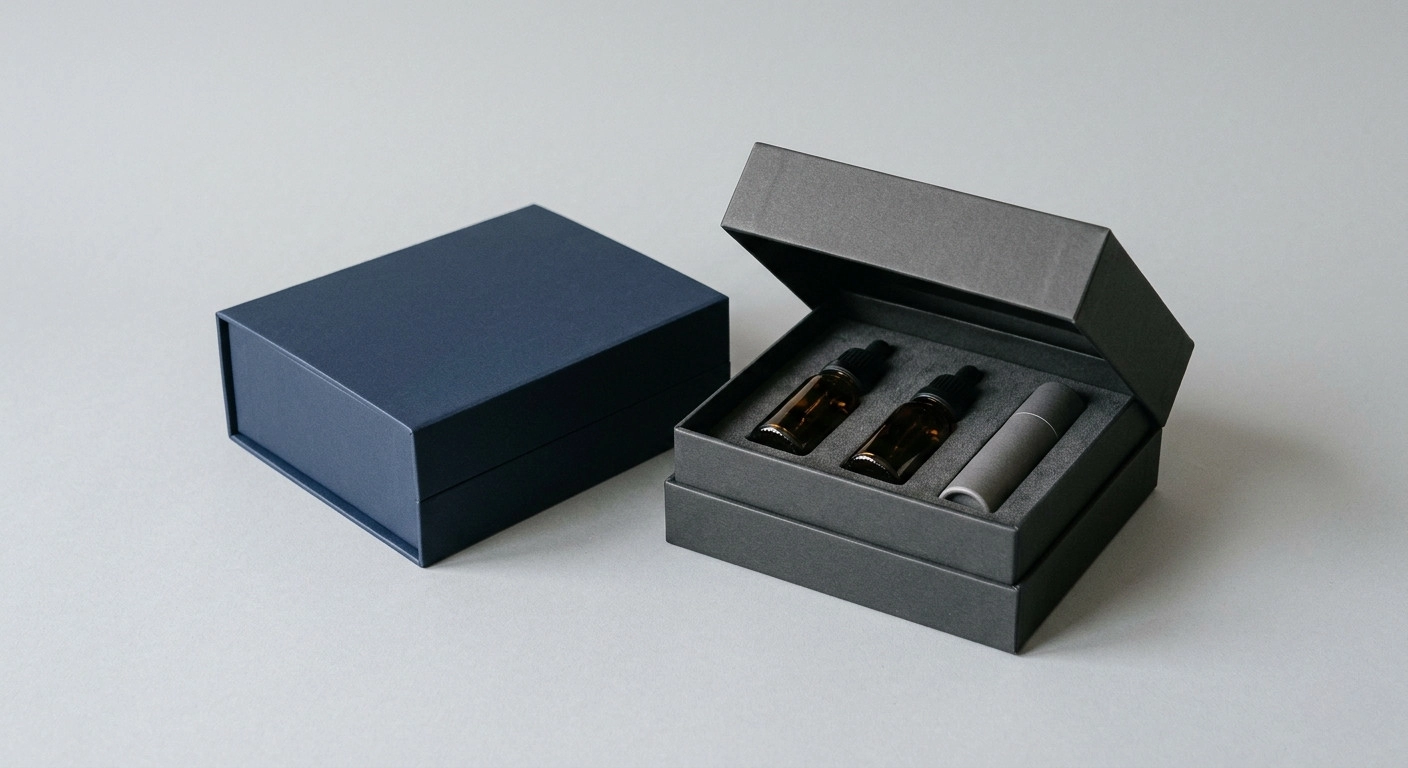
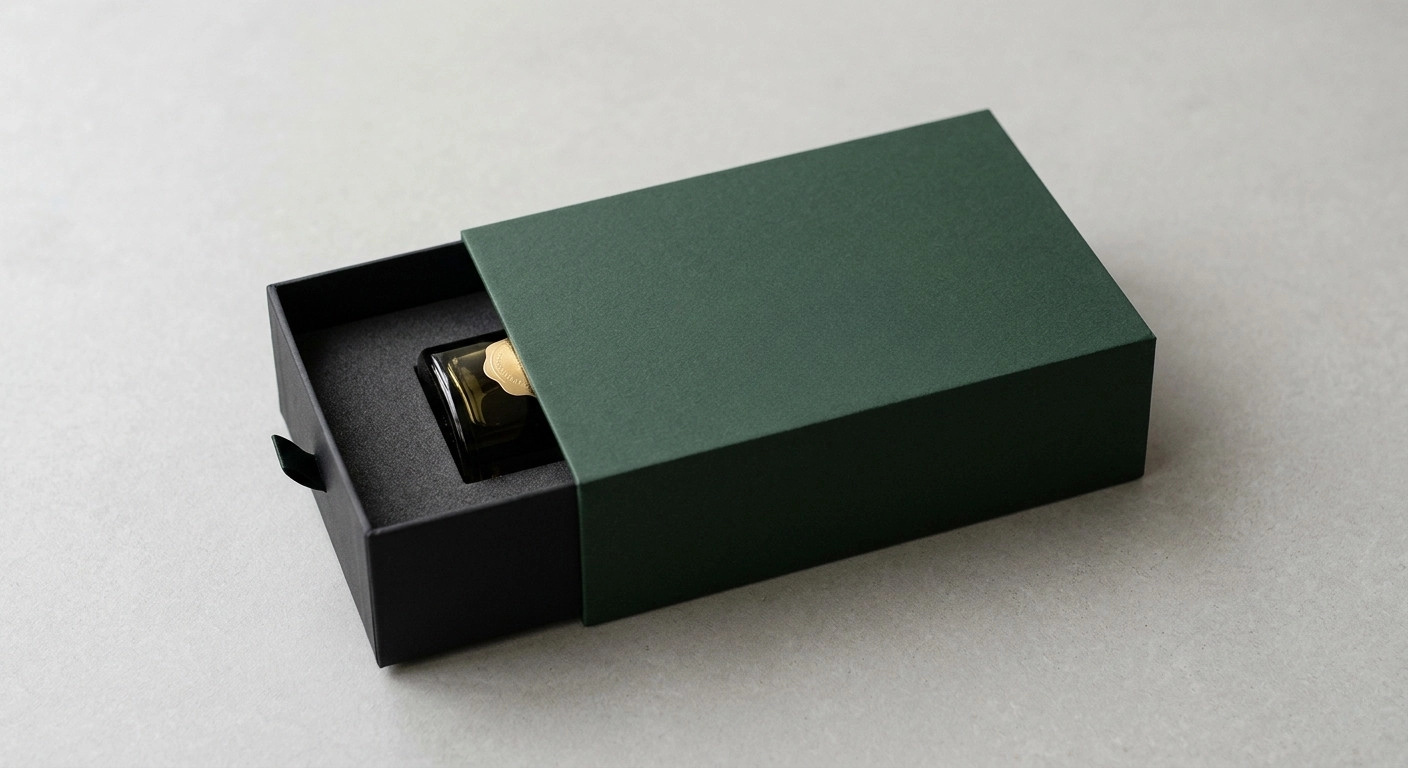
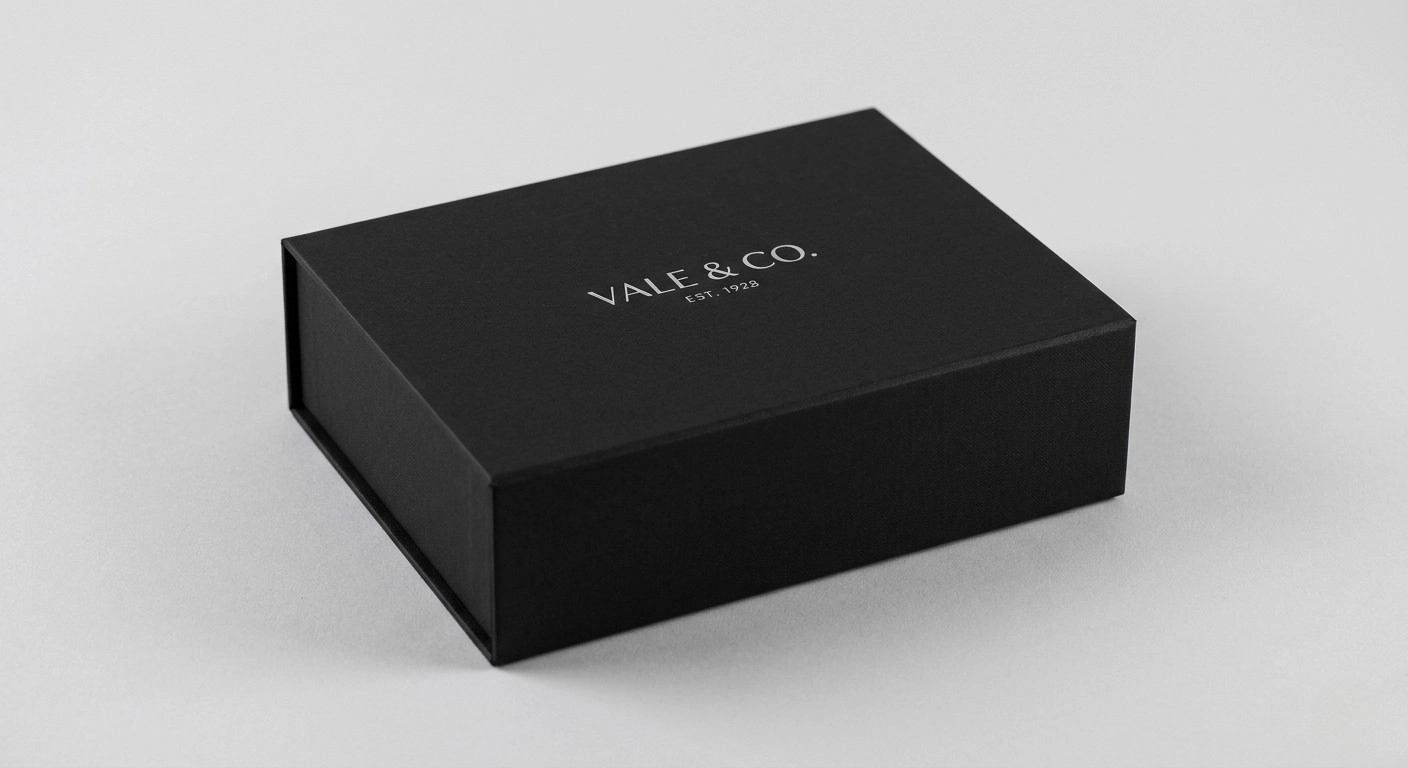
Rigid packaging boxes are made from thick paperboard, often called rigid board or chipboard in the packaging industry. This material is much thicker than standard folding carton paperboard. It gives the box a firm shape and a solid feel. Unlike folding cartons, rigid setups do not collapse flat. They come pre-formed, and maintain their shape during storage, display and handling. This makes them well suited for products in which presentation, structure and perceived quality are important.
Rigid packaging is also used for gift sets, high value retail products, limited edition products and for products sold in boutique or display led channels. Some suppliers may also refer to the term rigid mailers. This could be a stiff paperboard mailer, a mailer style rigid carton or a reinforced flat mailer. Don’t confuse it with a regular corrugated mailer box unless the material and structure are specified in detail. These boxes can have custom foam inserts, molded trays, dividers, or compartments. These details help to secure the product and improve presentation. Popular styles include:
Main Difference Between Rigid Boxes And Cardboard Boxes
The main difference is in structure. Cardboard is generally lighter, more flexible and more functional for everyday packaging needs. They are easy to store, to ship, to print, to produce in quantity. Corrugated versions also offer reliable support during transit and handling. Rigid boxes are thicker and heavier, making them better suited for premium packaging applications where presentation and perceived value are important. They provide a more polished look and are mostly used when the packaging itself is a part of the buying experience.
Cardboard works well when shipping efficiency, low unit cost, and high-volume production matter most. Rigid packaging fits better when product display, gift appeal, and a refined brand image are higher priorities. In many cases, brands use both. A product may sit inside a rigid presentation box, while a corrugated outer box protects it during delivery.
Understanding The Material Differences Between Rigid Boxes And Cardboard Boxes
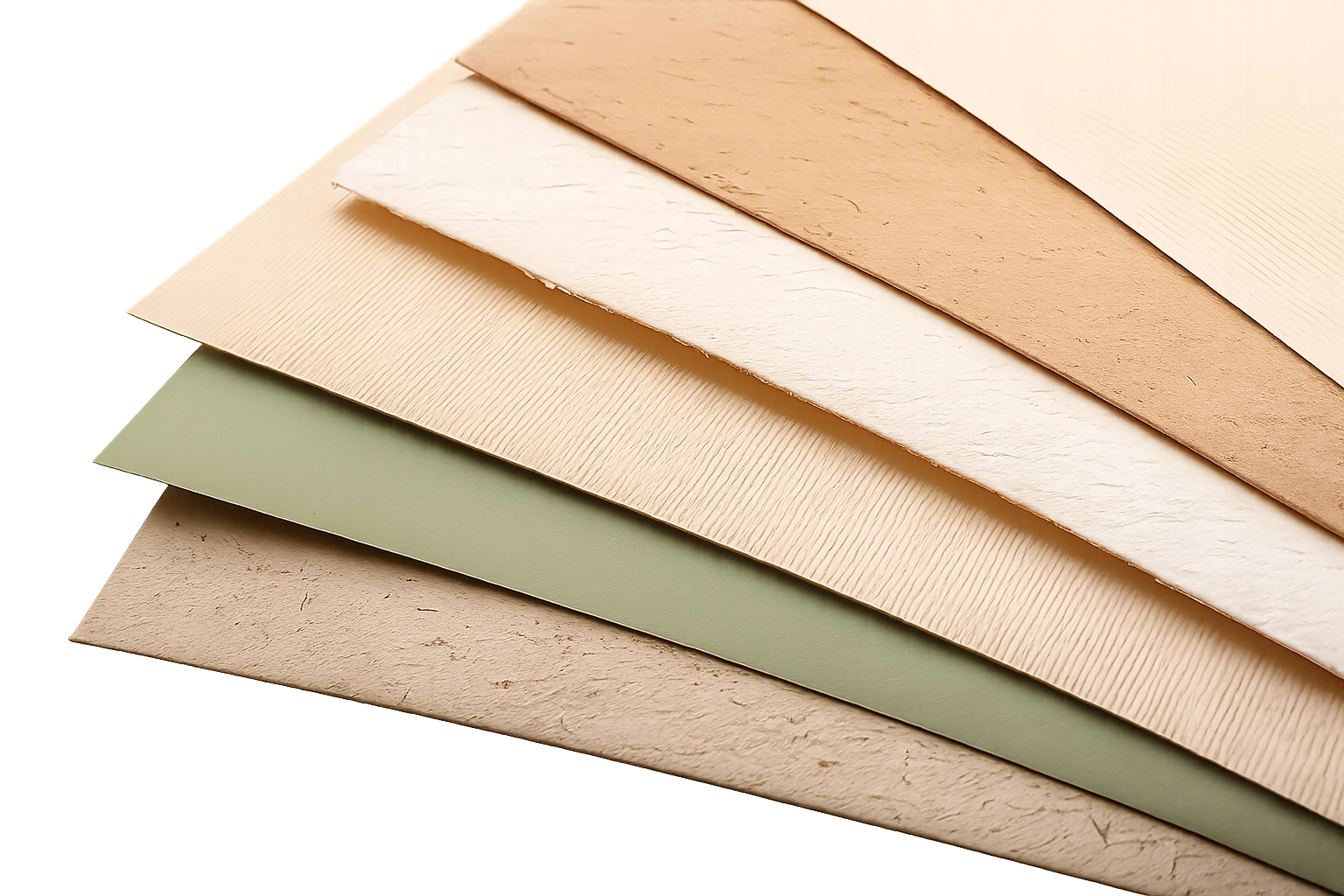
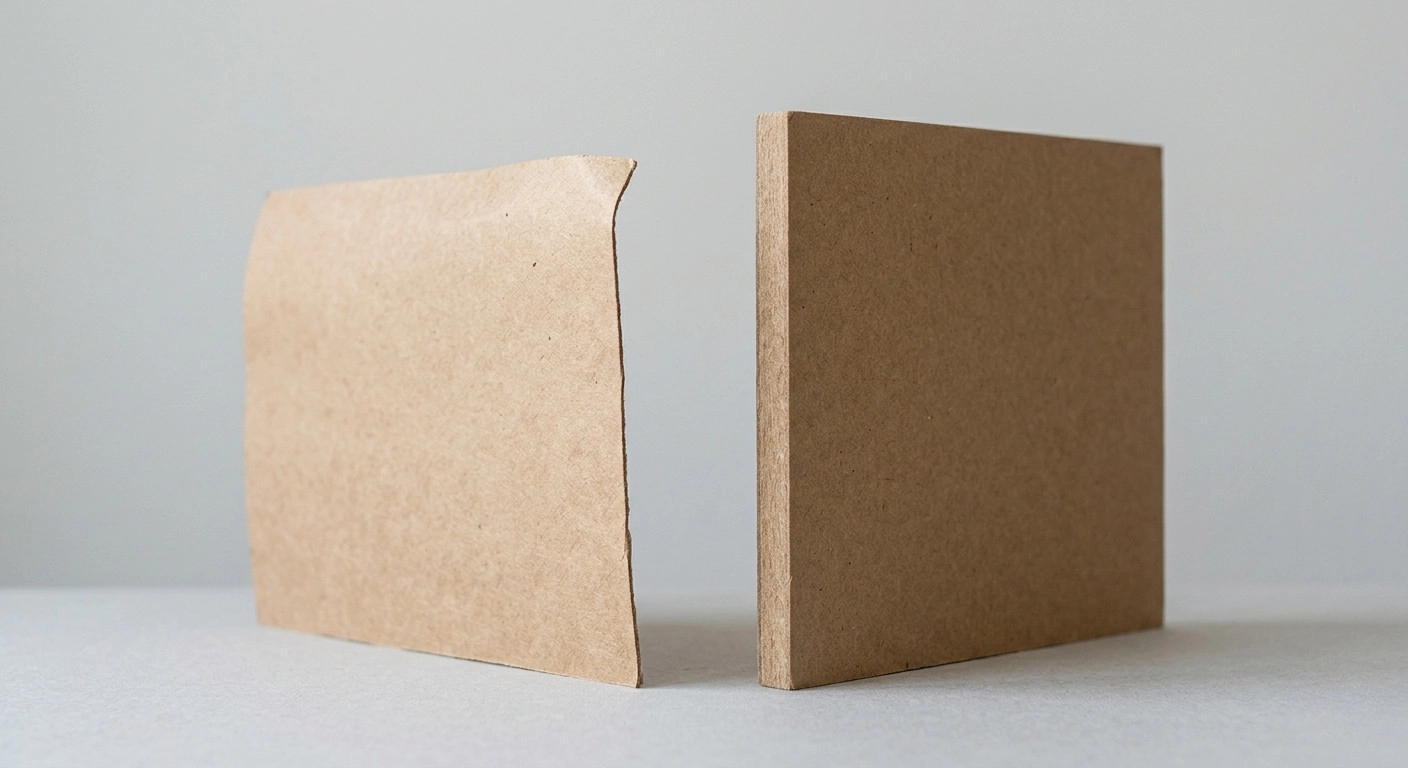
A clear packaging material comparison starts with the base material. Cardboard packaging boxes may use paperboard, corrugated board, or corrugated sheets as well. Paperboard is thinner and smoother, which is useful for folding cartons and printed retail boxes. Rigid packaging uses thick paperboard or rigid board. This board is dense and firm. It does not bend or fold like standard carton material. The result is a box with a stable shape and a heavier hand feel.
Both types of materials are considered eco-friendly for achieving sustainable packaging. The final environmental impact depends on the full structure, not just the base board. Coatings, plastic windows, magnets, foam inserts, and laminated finishes can affect recyclability. For simple retail packaging, paperboard or corrugated fiberboard may be enough. For a more elevated presentation, rigid board creates a firmer and more refined result.
Packaging Strength, Durability, And Product Protection Compared
Packaging durability is dependent on the material quality, type, structure and weight and also affected by the shipping conditions. Corrugated fiberboard gives good cushioning because of its fluted center layer. It helps with shock absorption, stacking, and shipping safety. Double-wall cardboard adds another layer of strength for heavier goods or long-distance shipping.
Paperboard cartons are lighter and work best for items that do not need heavy transit protection on their own. They are often used with inner trays, sleeves, or outer shipping boxes. Rigid boxes offer excellent shape retention. Their thick board resists bending and pressure better than standard folding cartons. They are useful when the item needs a stable presentation box or added support inside a retail package.
Global market data from 2026 highlights this dynamic, showing that paperboard now accounts for 38.0% of the premium and sustainable material type market, driven by rapid retail distribution and a universal consumer preference for established, easily recyclable fiber formats.
Also Read: How Custom Rigid Boxes Improve Product Protection During Shipping
Cost Considerations When Choosing Between Rigid And Cardboard Packaging
Cardboard boxes cost less to manufacture. Because its materials are lighter in weight, the production process is faster as compared to the rigid material. Their flat-shipping design reduces storage requirements, transportation costs, and overall packaging expenses. That makes cardboard packaging practical for:
- E-commerce orders
- Subscription boxes
- Apparel shipments
- Custom bakery packaging boxes
- Snack packaging
- Bulk orders
- High-volume retail items
Rigid packaging boxes cost more as compared to the other paperboard packaging solutions. They use thicker board materials and require additional manufacturing and finishing processes.
Custom boxes designs can be enhanced by using different types of things such as wrapped paper, inserts and applying printing techniques etc.
Examples can be understood by a gift set, collector items or boutique retail products that get benefits from a custom presentation box that feels more substantial. For lower-priced items or repeat orders, custom cardboard boxes are the best one to keep the cost, function and speed stable.
Also Read: Common Mistakes to Avoid When Ordering Custom Rigid Boxes
Shipping And Storage Efficiency For Rigid And Cardboard Packaging
Shipping cost depends on the weight of the packaging, box size and packing speed. Cardboard packaging boxes work well in this area. Folding cartons and flat mailers boxes take up less warehouse space before actual operations. Corrugated boxes are also easy to pack, carry cost and affordable. This helps businesses improve shipping efficiency and streamline packaging operations. It also supports large scale production, bulk shipping for online and retail shipping as well.
Rigid boxes are used to produce the premium appeal. They arrive in good shape. They are generally heavier than most paperboard packaging materials.
These can also increase storage requirements and shipping cost, especially for the large orders and long-distance delivery. For e-commerce businesses, cardboard mailer boxes, corrugated shipper and flat mailers are more practical. For retail display packaging solutions or gift packaging boxes, a rigid setup box may require the extra space and cost.
The Impact Of Packaging On Brand Image And Customer Experience
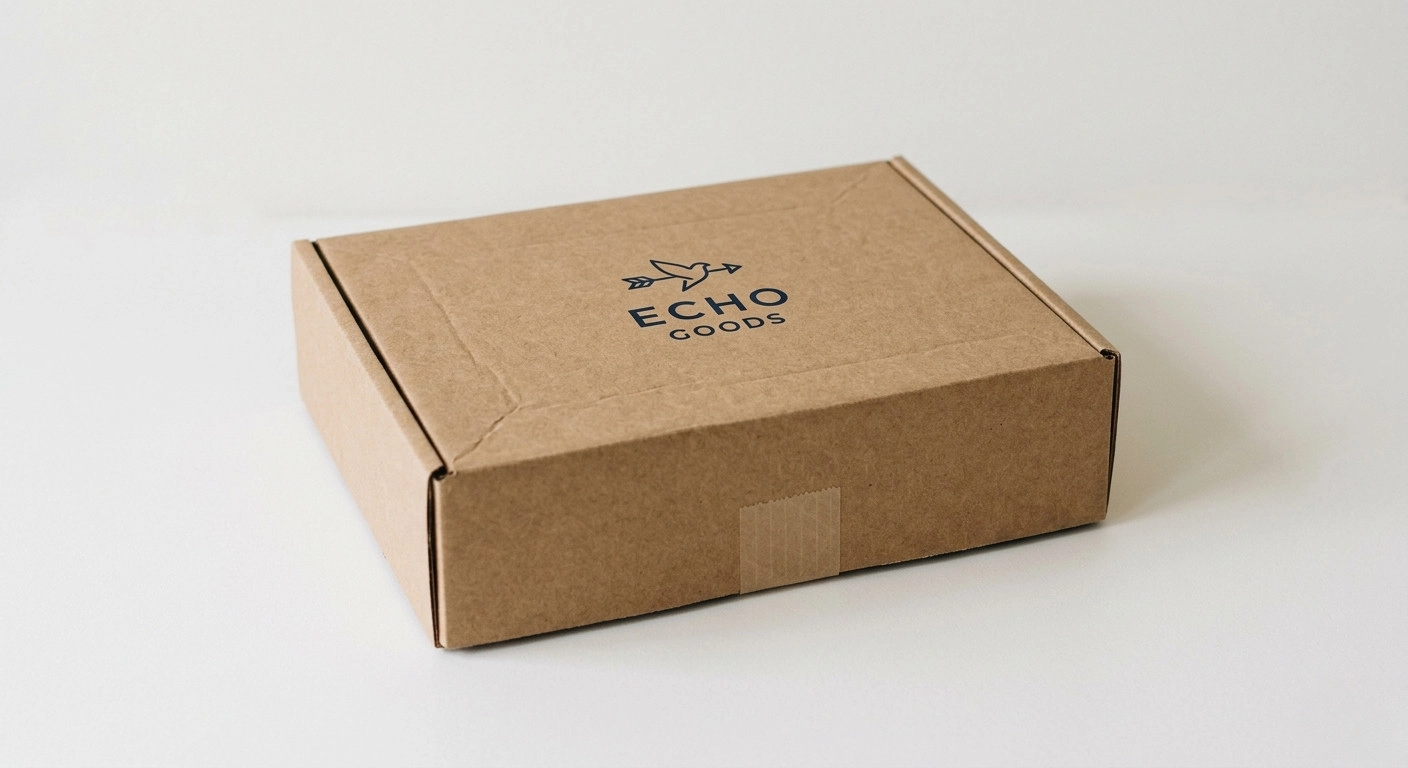
Packaging boxes design affects how customers see the product before they use it. A clean, thoughtfully designed box can ensure the brand identity, customer trust and production presentation at all. Cardboard boxes offer many branding options. They can include logo printing, artwork, graphics, color schemes, product details, and custom layouts. Brands can use digital printing, offset printing, or flexographic printing depending on volume, color needs, and budget.
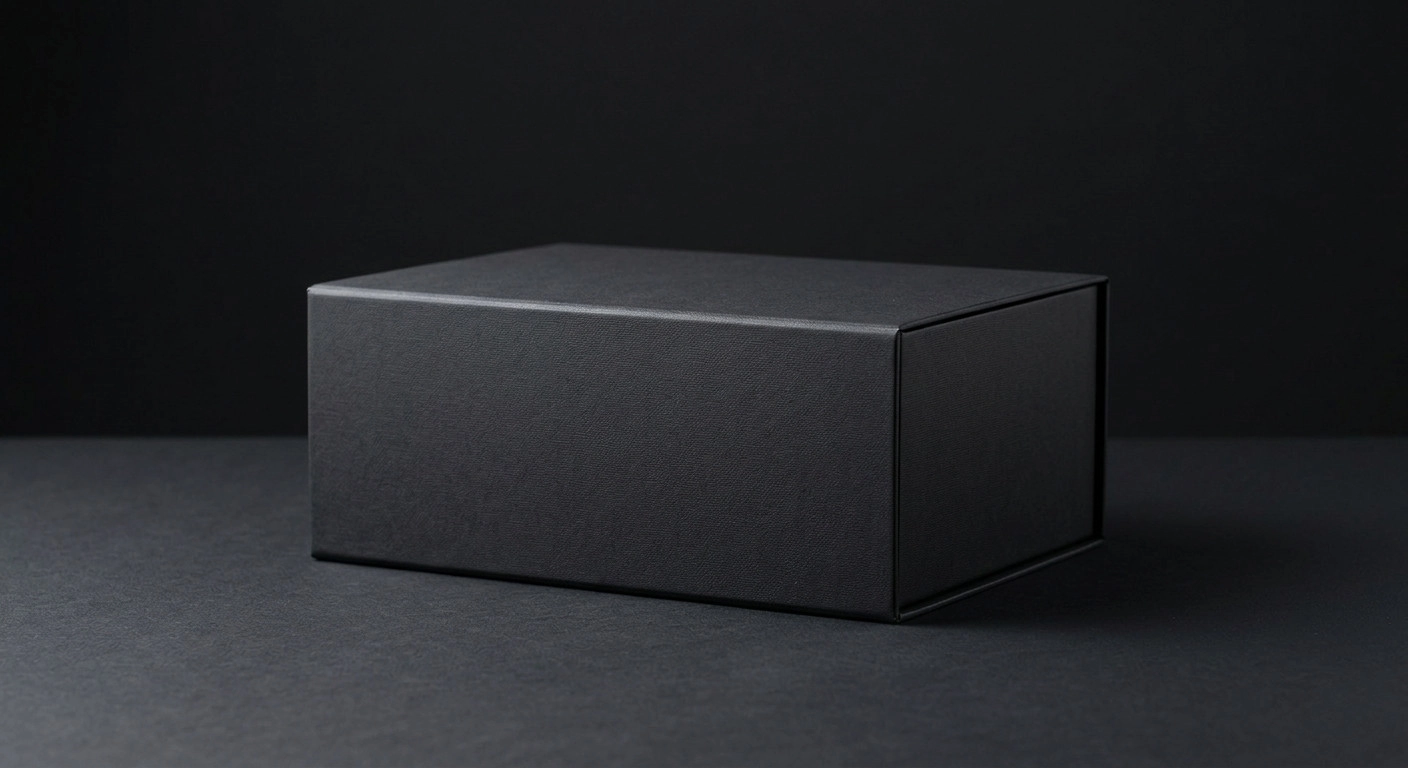
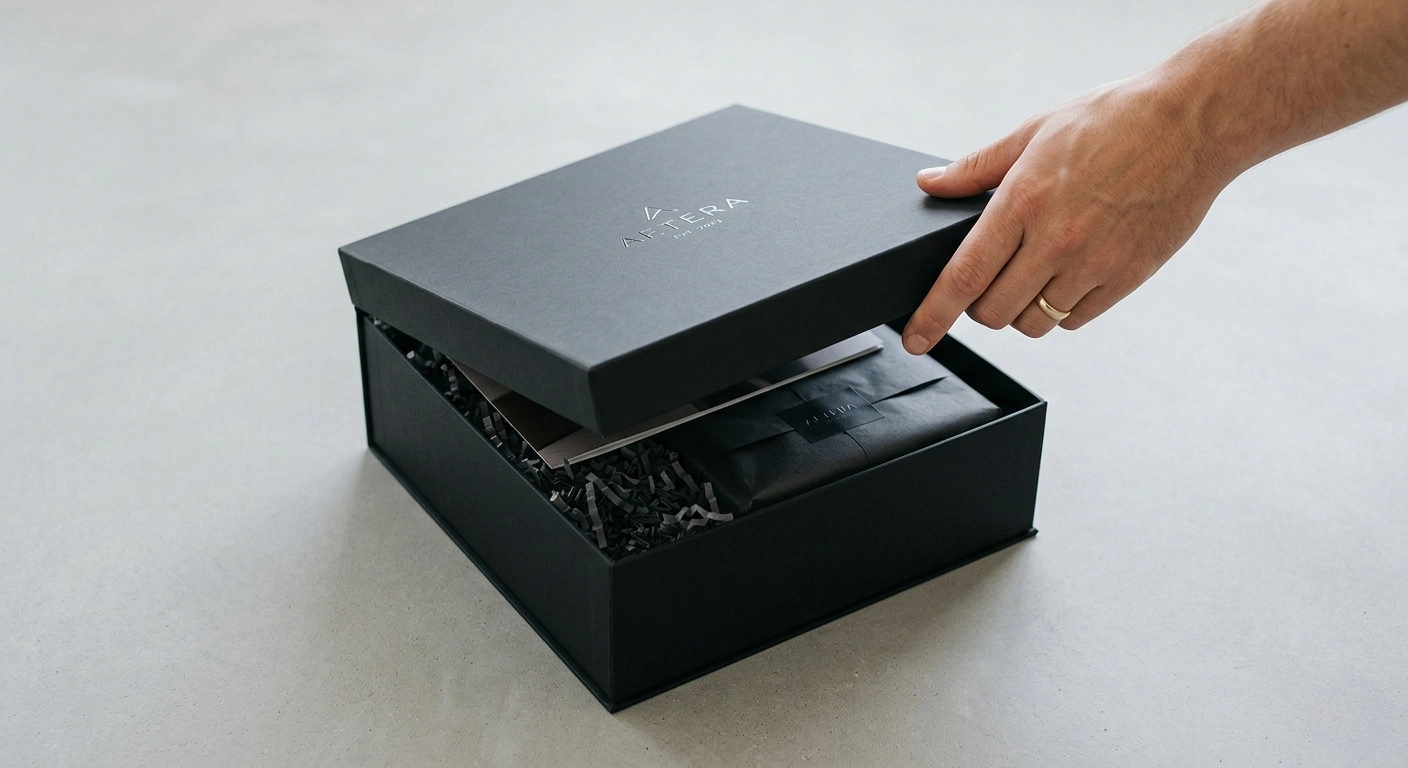
Rigid boxes create a more refined presentation. Their solid structure, smooth wrapped surface, and neat edges can make a product feel more considered. This is why they are common for gift-ready goods, boutique collections, and display packaging. The right choice depends on the buying moment. If the package is mainly used for shipping, cardboard may be enough. If the box is part of the retail experience, a rigid format can make a stronger impression.
Options Of Printing Capabilities And Customization Features
Both materials allow a wide range of packaging customization. Cardboard packaging is easy to cut, fold, print, and shape. Custom cardboard boxes can include:
- Logo printing
- Product information
- Window panels
- Handles
- Custom inserts and dividers for product safety
- Custom sizes and dimensions
- Custom box designs
- Custom colors
There are high-end finishing options that make rigid boxes stand out. Printed rigid packaging can include artwork on wrap paper, foil stamping, hot foiling, embossing and debossing, spot UV coating, matte and gloss lamination, and well detailed color schemes. These features can help with product display in retail shelves and enhance their shelf appeal.
Evaluating The Sustainability Of Rigid And Cardboard Boxes
Sustainable packaging is now a key concern for many brands and modern consumers as they are now well aware of the environmental effects. That’s why they are concerned about sustainability and prefer brands who also take responsibility to reduce the environmental impacts. Cardboard packaging is very suitable to achieve sustainability and make a brand image in the market. It can be made with recycled papers, renewable fibers and water based inks for eco-friendly printing techniques. Corrugated fiberboard has a strong recycling stream in many regions.
Rigid boxes can also be made from eco-friendly materials for sustainable packaging and recycled components. However, some designs include magnets, plastic windows, foam inserts, laminated wraps, or specialty coatings. These mixed materials may make recycling harder. A paperboard and corrugated cartons are really easy to recycle than a complex rigid package solution. That said, rigid boxes are able to be in use by the customer for storage, gifting. Means it supports upcycling and waste reduction.
Brands that care about sustainability should review the full structure, including substrate options, coatings, inks, inserts, and finishes. A good design should balance appearance, performance, and environmental goals.
Best Applications Of Cardboard Packaging Boxes
Cardboard boxes work best when a business needs packaging that is practical, light, affordable, and easy to scale. They are common in retail, e-commerce, food, apparel, and shipping because they balance cost with function. This option is also useful when fast production, low setup time, and storage efficiency are important. Common uses include:
- Everyday consumer products
- Subscription orders
- Apparel and accessories
- Bakery and snack items
- Small electronics accessories
- Organic skincare items
- Bulk products
- Retail shipping
- Fragile items with proper inserts
- Repeat-order packaging
Also Read: Top Industries That Benefit Most From Custom Rigid Box Packaging
Best Applications Of Rigid Packaging Boxes
Rigid boxes work best for products that need a more polished look and a firm presentation structure. They are often used when the package is meant to feel gift-ready or stay visible on a shelf. These boxes are suitable when the packaging appearance plays a direct role in the buying decision. Best suited for:
- Gift sets
- Watches
- Fragrances
- Specialty beauty products
- Glass bottles
- Collector items
- Boutique retail goods
- Tech accessories
- High-value promotional kits proper inserts
- Limited-edition products
Also Read: Top Industries That Benefit Most From Custom Rigid Box Packaging
Best Applications Of Cardboard Packaging Boxes
The best packaging material depends on how the product will be stored, displayed, shipped, and received. Choose cardboard packaging if your business needs a low cost to invest on packaging solutions. It is efficient for the brands that handle many orders and need recyclable and easy to personalize packaging boxes.
Choose rigid packaging if presentation is a major part of the product experience. It can support a more polished display, a sturdier feel, and a more memorable opening moment.
Many businesses do not need to choose only one. A combined solution can work well. For example, a product can be placed in a rigid inner box and then shipped in a corrugated outer carton. This approach supports both appearance and transit safety.