












Round Boxes vs. Rectangular Boxes: Which Packaging Style Is Better?
Home » comparisons » Round Boxes vs. Rectangular Boxes: Which Packaging Style Is Better?
Table of Contents
Get A Free Quote
Choosing between a round box and a rectangular box affects multiple parts of packaging design. Box shapes influence product sizing, internal layout, storage planning, printing requirements, shipping dimensions and production specifications.
Each packaging format follows different structural and manufacturing considerations that can affect how the final package performs across retail, ecommerce and distribution environments.
This packaging comparison examines which box shape is better in areas such as product compatibility, structural design, retail presentation, reusability and production planning.
Quick Comparison Table: Pillow Boxes vs Gable Boxes
| Feature | Round Boxes | Rectangular Boxes |
| Visual style | Distinctive and premium | Structured and practical |
| Product fit | Best for jars, bottles, candles and circular items | Suitable for most product shapes |
| Stackability | Moderate | Excellent |
| Shelf space utilization | Lower | Higher |
| Printing area | Curved artwork and lid printing | Flat panel printing |
| Shipping efficiency | Uses more carton space | Packs closely in master cartons |
| Insert design | Requires careful product centering | Easier tray and divider placement |
| Common uses | Cosmetics, tea, gifts, flowers | Skincare sets, jewelry, food, retail products |
| Reuse value | Strong decorative storage appeal | Practical organization and storage |
| Production cost | Often higher | Usually more cost effective |
If your priority is luxury presentation, round shape boxes are usually the better choice. If your priority is shipping efficiency and lower production costs, rectangular shape packaging is generally the better option.
Box Shapes and Product Presentation
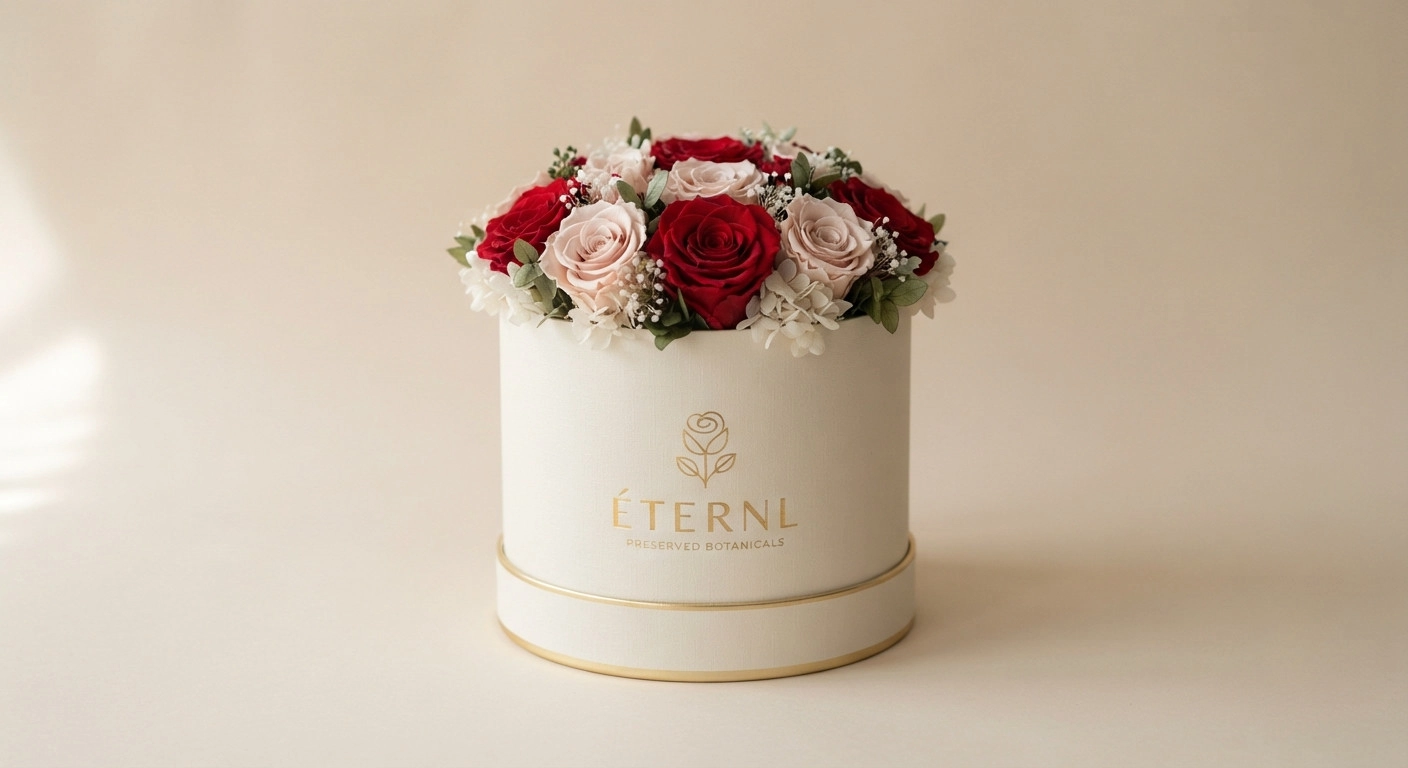
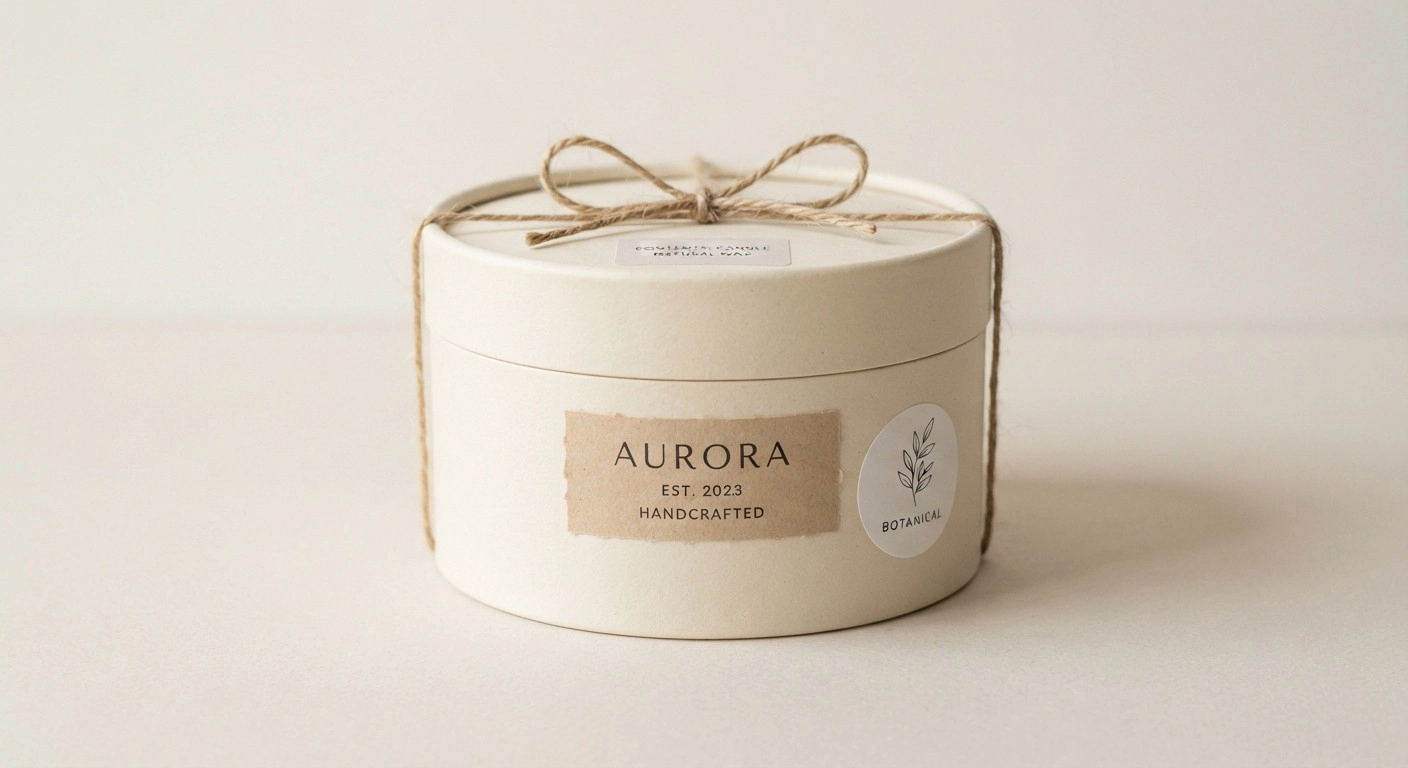
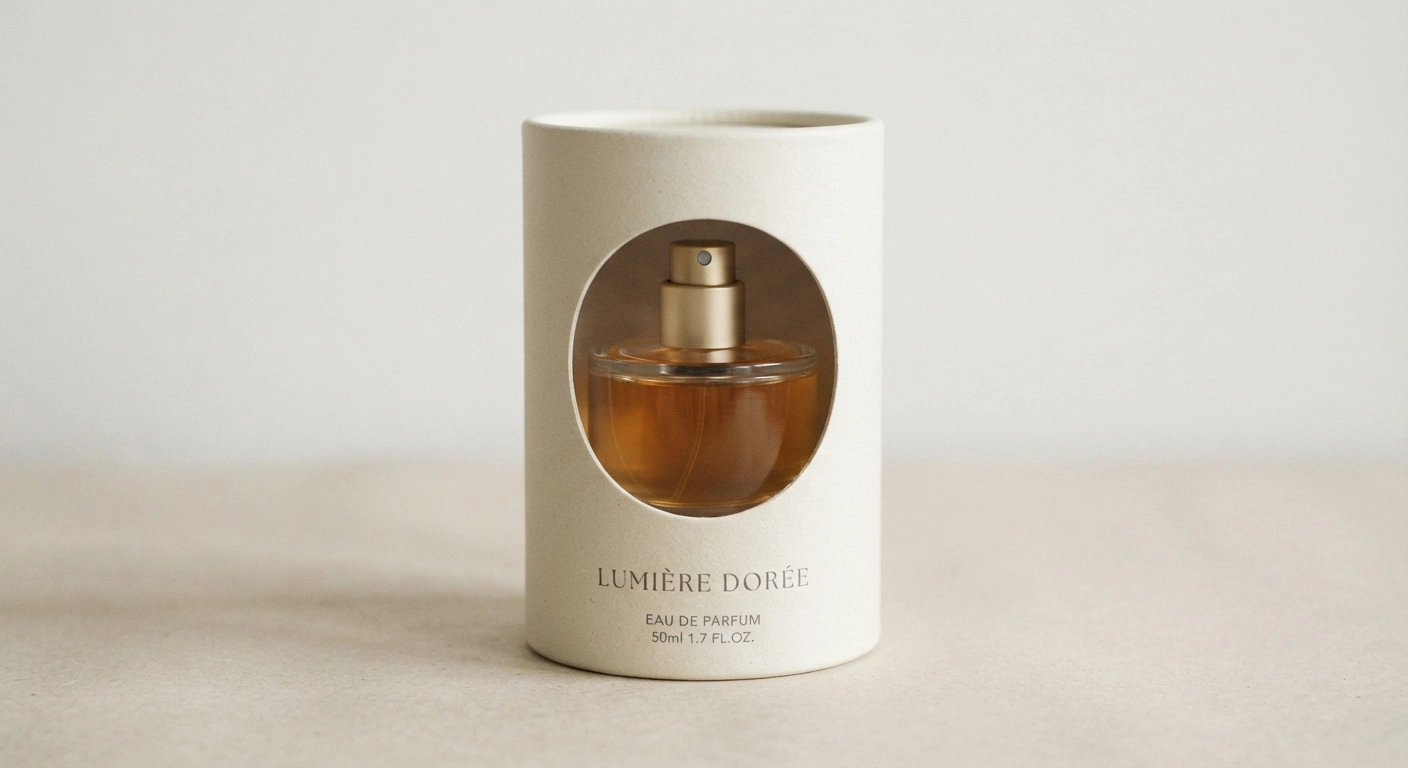
A round shape creates a strong visual impact because it differs from standard retail packaging. A round box can give macarons, artisan soaps, premium coffee beans and premium chocolates a polished appearance. It also works well for countertop display and decorative storage.
Consider round boxes for:
- Artisanal design and luxury packaging boxes
- Preserved flowers and floral gifts
- Jars and reed diffusers
- Tea tins and confectionery
- Wedding favors and event gifts
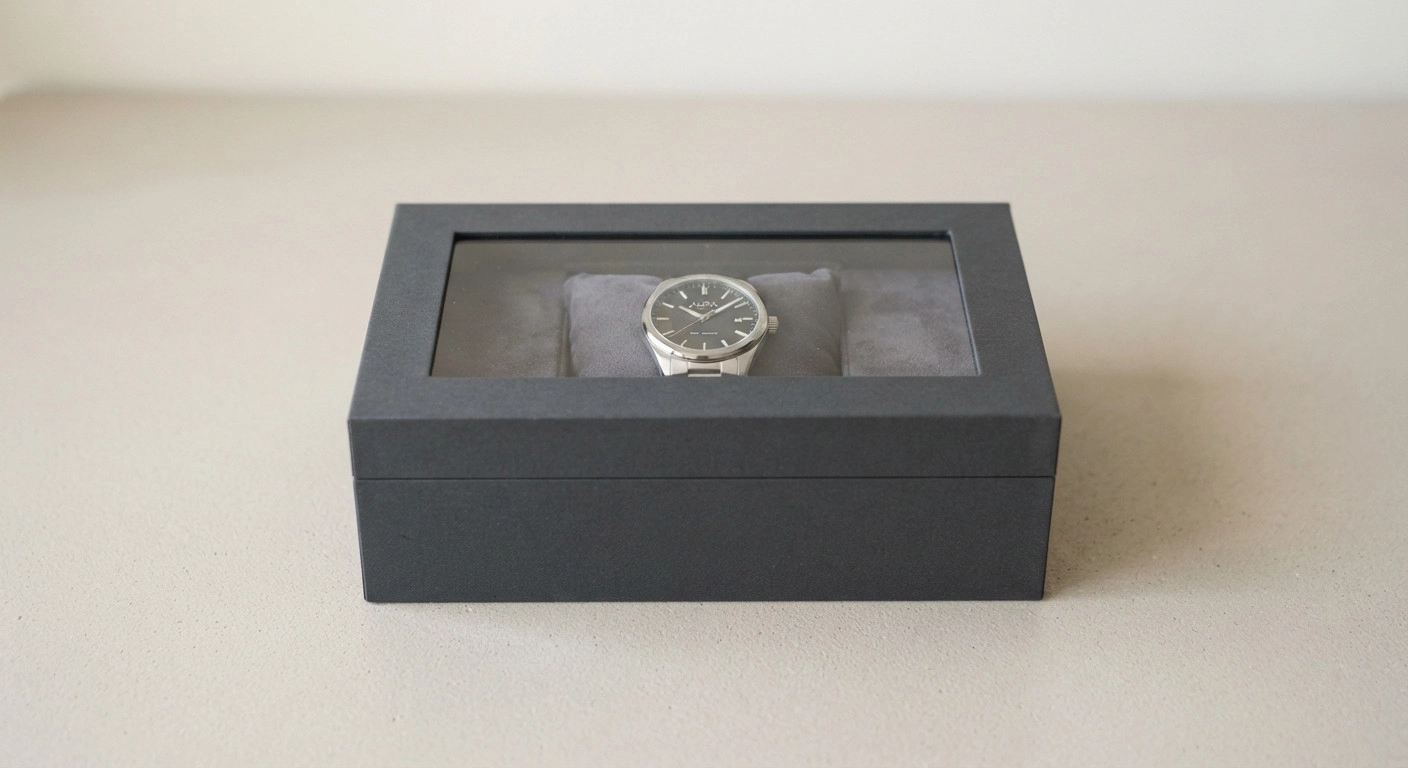
A rectangular shaped box offers clean lines and a structured design. It suits modern design, minimalist decor and shelf ready packaging. Rectangular boxes also provide better visual balance when several products must sit together inside one gift box.
Choose rectangular boxes for:
- Skincare gift sets
- Watch boxes and fashion accessories
- Corporate hampers
- Product collections
- Ecommerce packaging
Product Fit and Dimension Planning
Manufacturing tolerances affect how securely the product fits inside the box and how smoothly the lid closes without creating free space. Size planning should include:
- Product clearance on all sides
- Space below the lid
- Insert depth and cavity sizing
- Bottom pad thickness
- Space for product removal
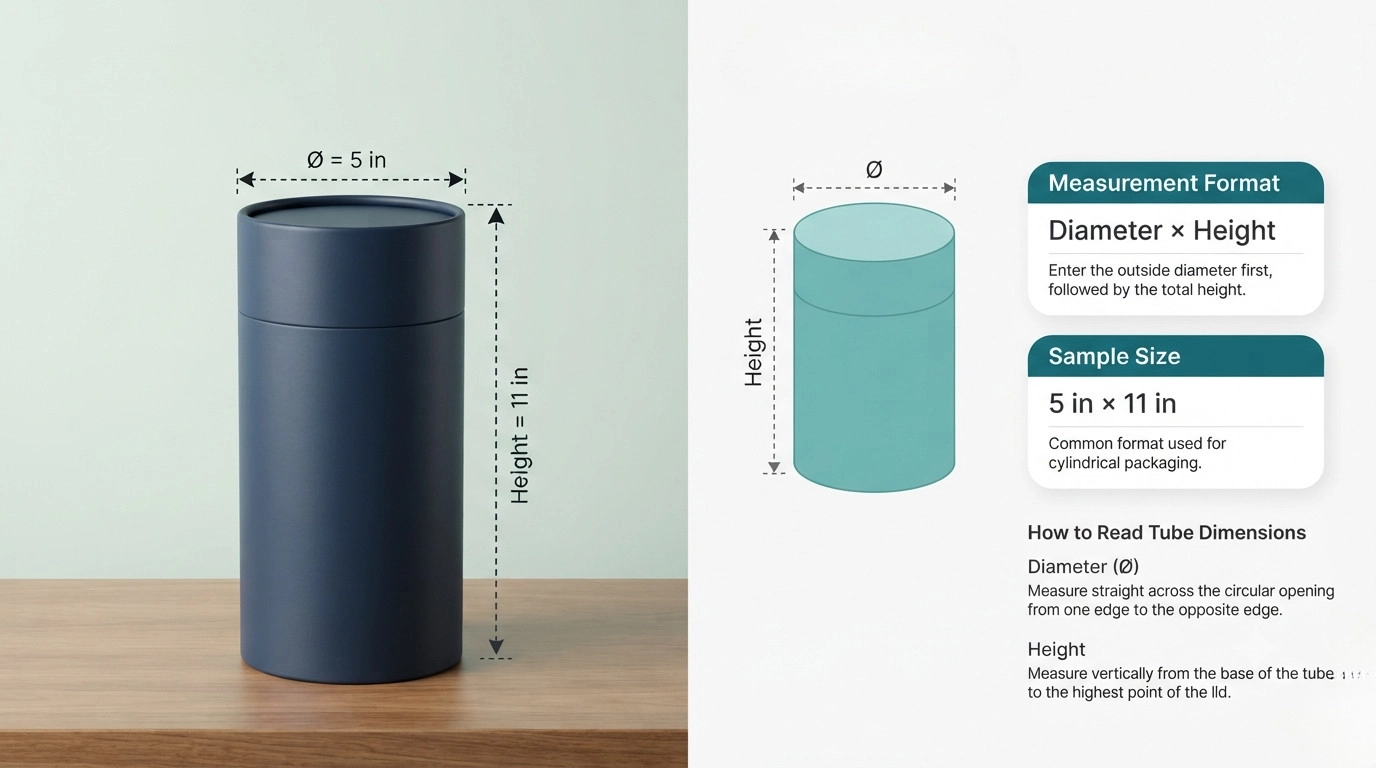
Round boxes are measured using inner diameter, outer diameter, height, lid depth and wall thickness. This makes round boxes ideal when the product itself is cylindrical because there is less unused internal space.
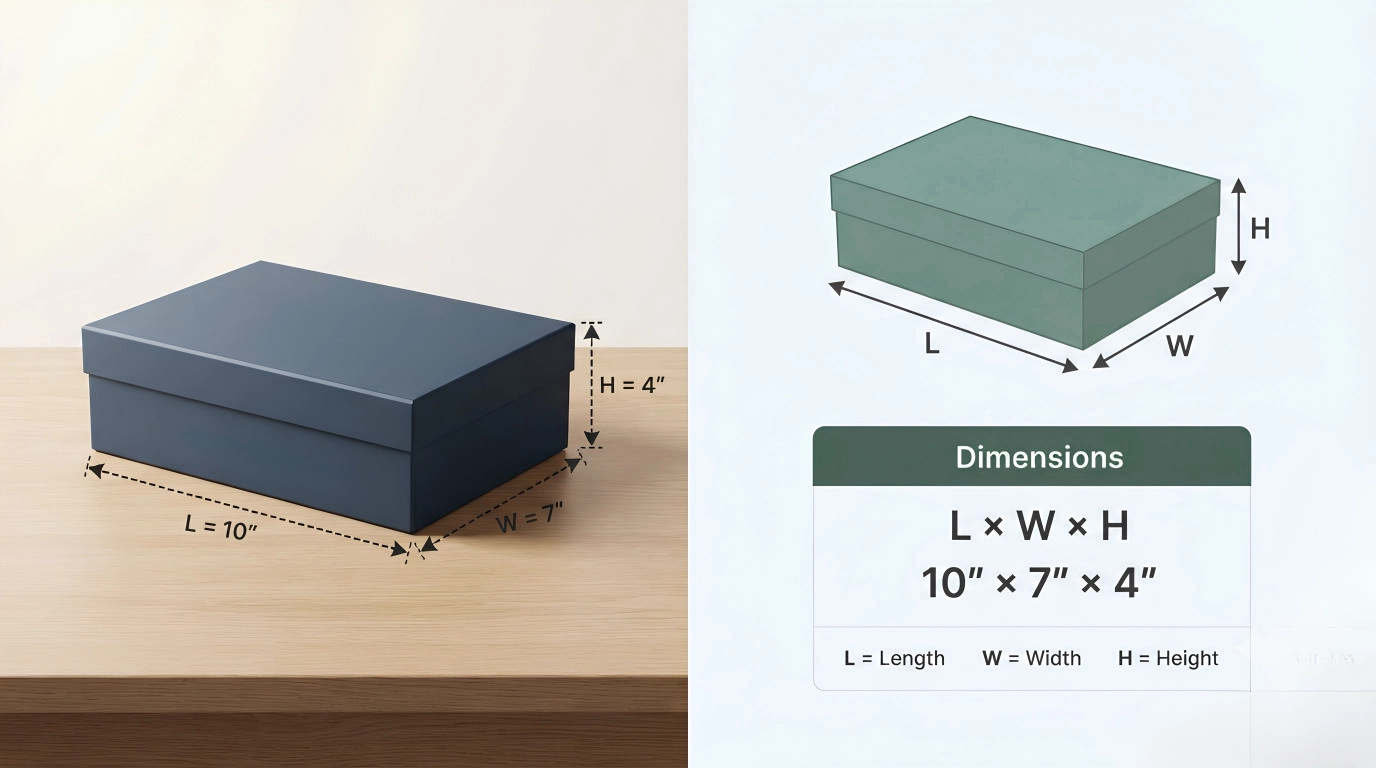
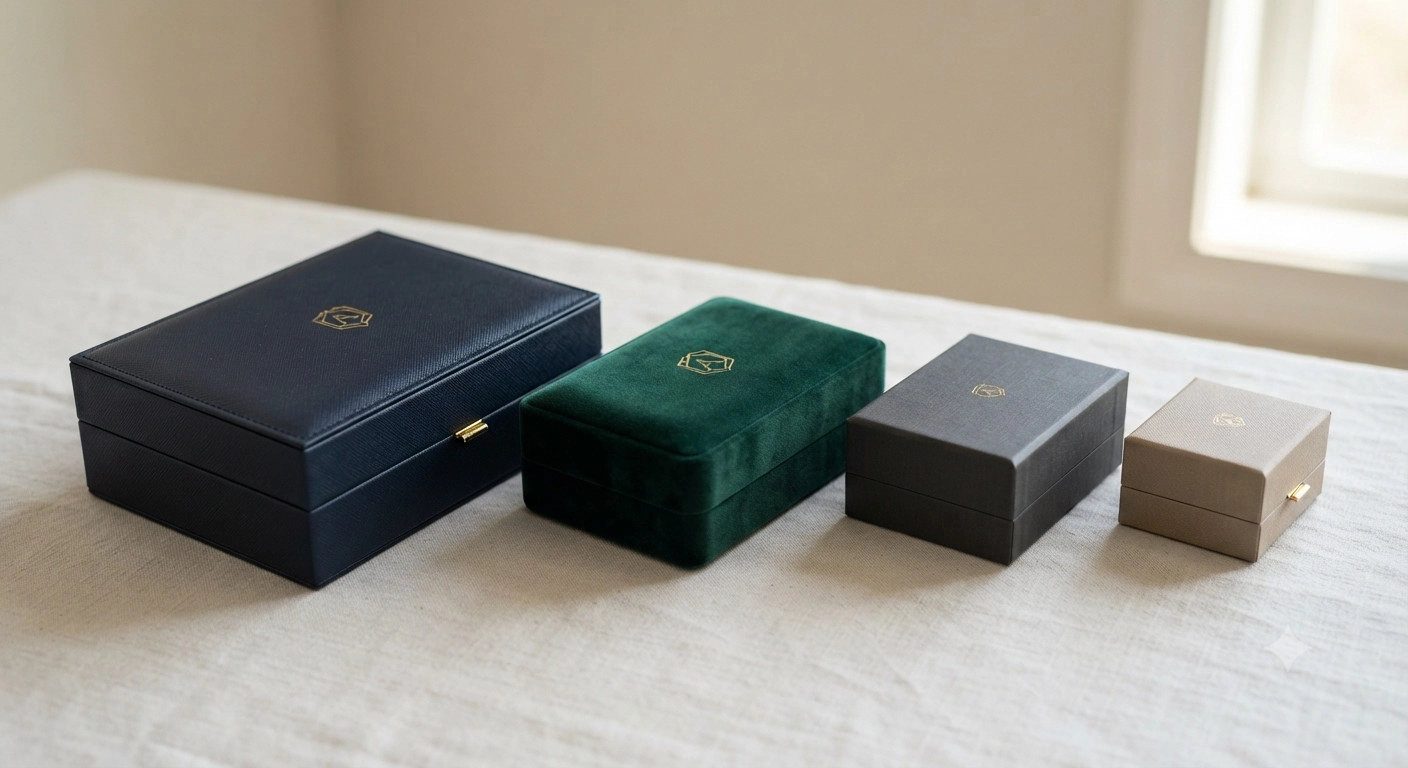
Rectangular boxes use length, width and height, which makes internal layouts easier to plan for product sets and inserts. Multi item kits usually require rectangular boxes with separate compartments to keep products organized.
Structural Design and Insert Options
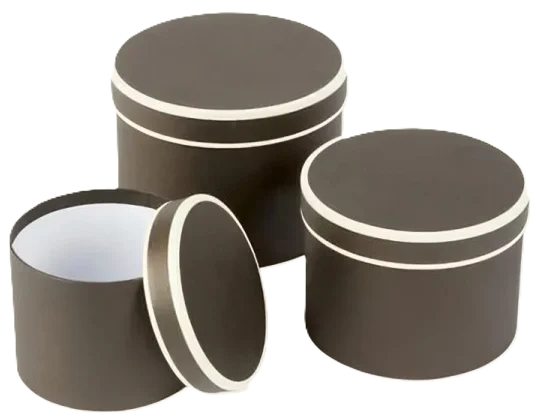
Round rigid boxes typically use lid and base, shoulder neck, or tube constructions. Depending on the closure style, lids may slide on loosely or fit tightly for better retention. Round inserts require more precise alignment.
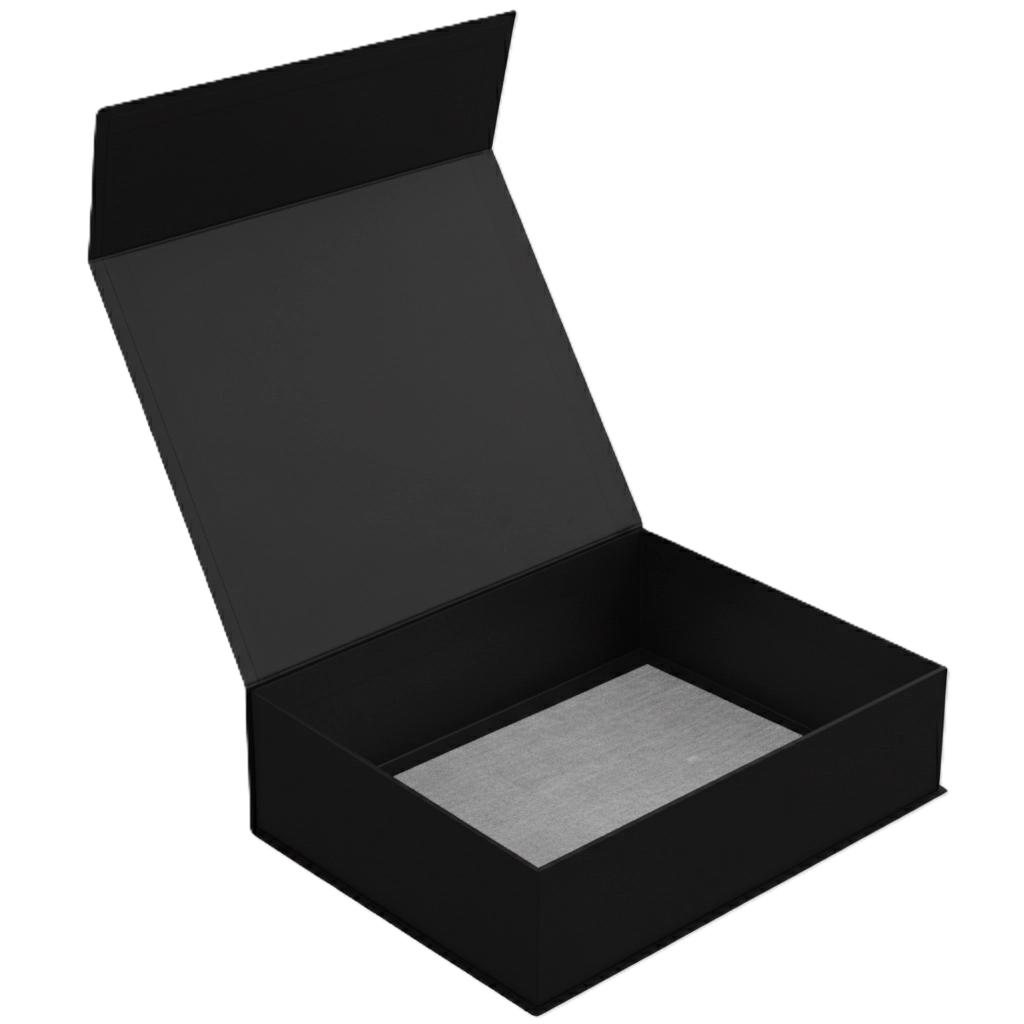
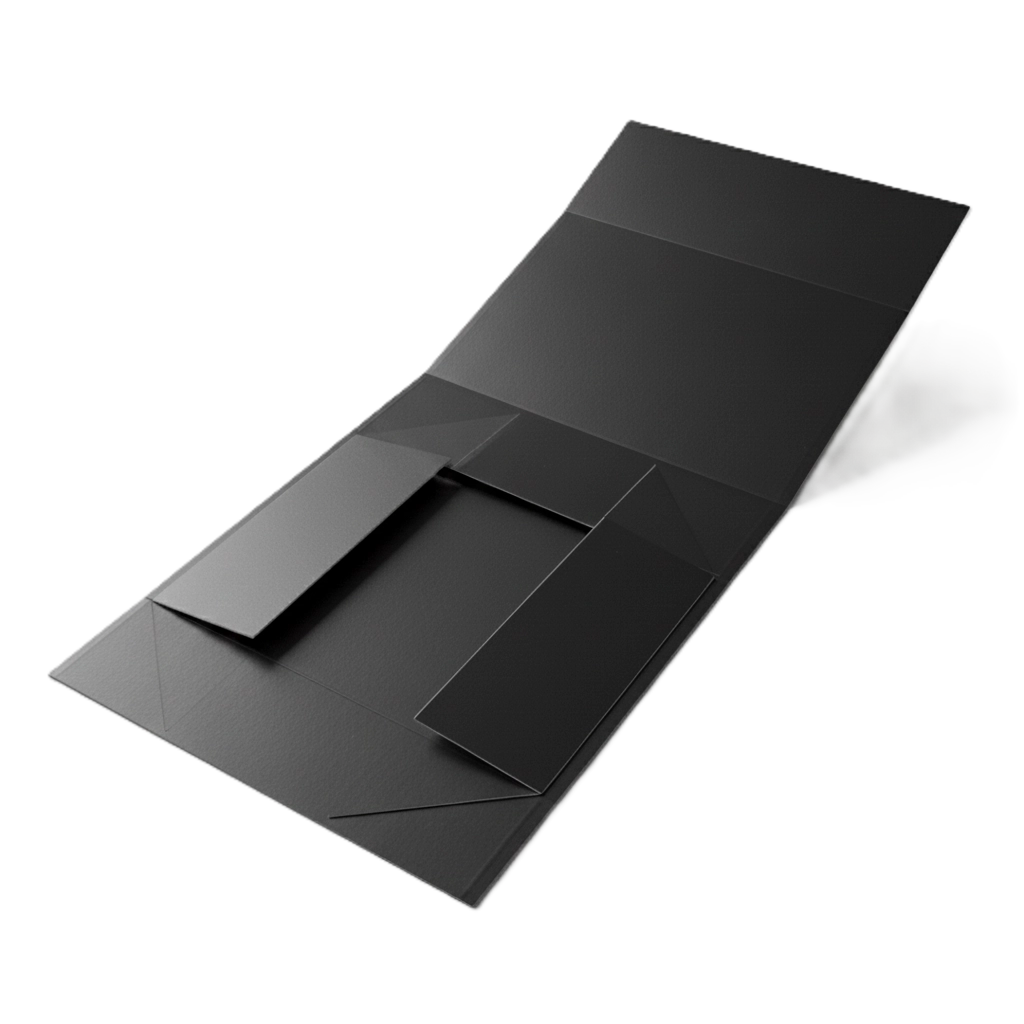
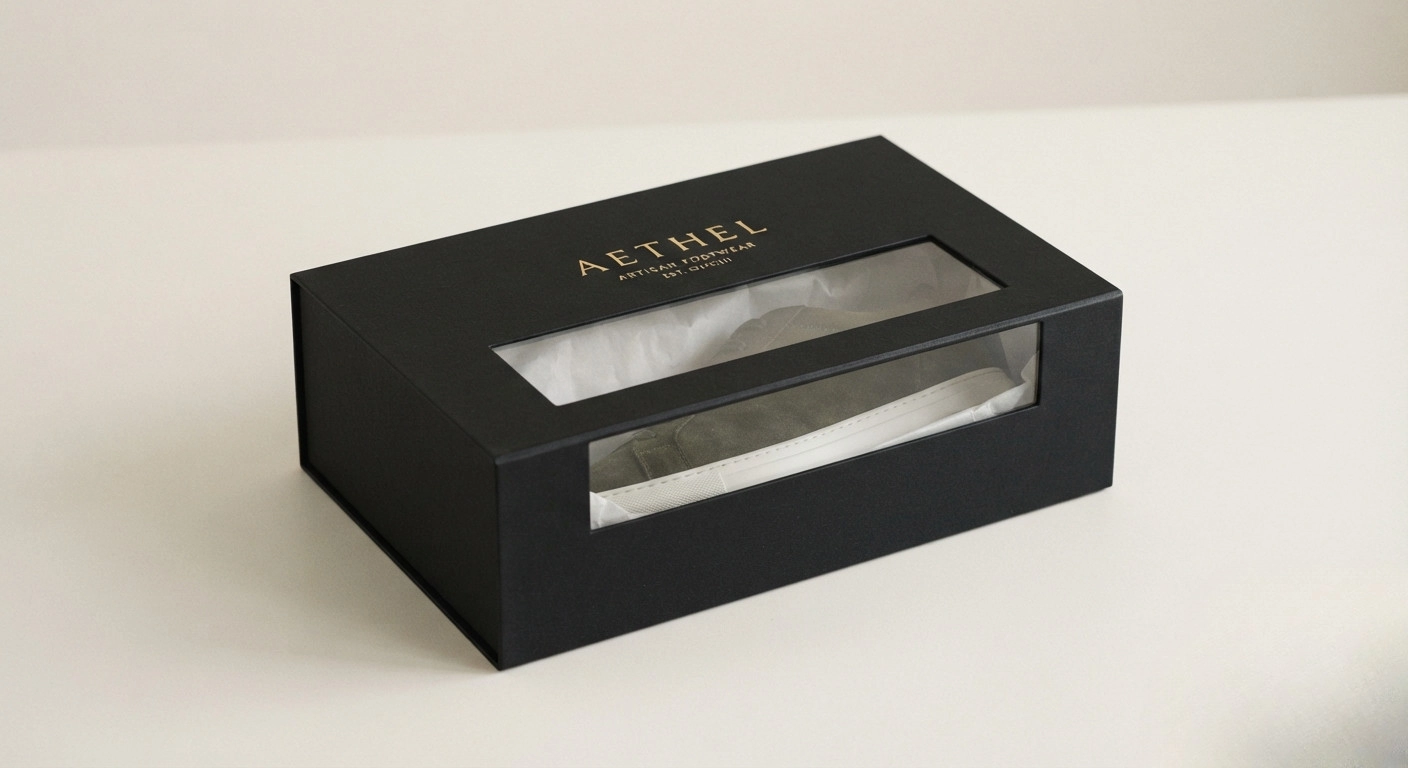
Rectangular rigid boxes support additional formats such as magnetic closures, hinged lids, drawers and compartment trays. Rectangular inserts are generally simpler to manufacture.
Common insert choices include:
- Paperboard for lightweight items like greeting cards, bookmarks.
- EVA for cosmetics and electronics such as wireless earbuds, smart trackers.
- Foam inserts for fragile products like crystal items, glass ornaments.
- Molded pulp works best for ceramic mugs, reusable drinkware.
- Velvet for watches and jewelry like cufflinks.
- Dividers for product assortments such as sauce gift packs, condiment samplers.
- Lift ribbons for easier access
Protection and Packaging Performance
Packaging performance depends more on structure, inserts, and product needs than box shapes alone. Round boxes distribute pressure evenly and reduce stress at corners, while rectangular boxes provide better stacking and load stability during storage and shipping. Factors such as product weight, impact risk, surface protection, moisture exposure, storage conditions, and shipping requirements should guide packaging decisions.
Branding, Printing, and Surface Finishing
Rectangular boxes provide large flat surfaces for graphics, making logo placement and artwork alignment easier.
Round packaging requires artwork to follow the curved surface, with seam positioning becoming an important part of the design. Full wrap graphics can create a continuous appearance, while lid decoration often becomes the main branding area.
Common finishing options include:
- Foil stamping
- Embossing and debossing
- Window cutouts
- Printed paper wraps
- Labels and stickers
Artwork should always follow the approved dieline and printable area before production begins.
Retail Display and Shelf Space
Round boxes create strong shelf presence but leave unused gaps when displayed beside one another. This may reduce shelf space utilization in stores with limited shelf areas.
Rectangular packaging fits efficiently on shelves and supports organized retail displays with easy-to-read flat surfaces.
Round packaging works well when brand perception and product presentation carry greater value than maximum space optimization. Rectangular packaging performs better when retailers need orderly rows, clear product facing, and predictable storage capacity.
Shipping and Freight Efficiency
Rectangular boxes offer better shipping efficiency because they pack closely inside a master carton. This arrangement reduces empty space, shipping volume, and fillers. It also improves warehouse storage and freight planning.
Round boxes create gaps between units. These spaces may require tissue paper, wrapping paper, dividers, or other fillers to prevent movement. Higher carton volume can increase dimensional weight even when the actual weight stays low.
UPS, FedEx, and other carriers may charge based on dimensional weight. Rectangular packaging often supports better freight optimization for bulk shipping.
Tin and Metal Packaging Options
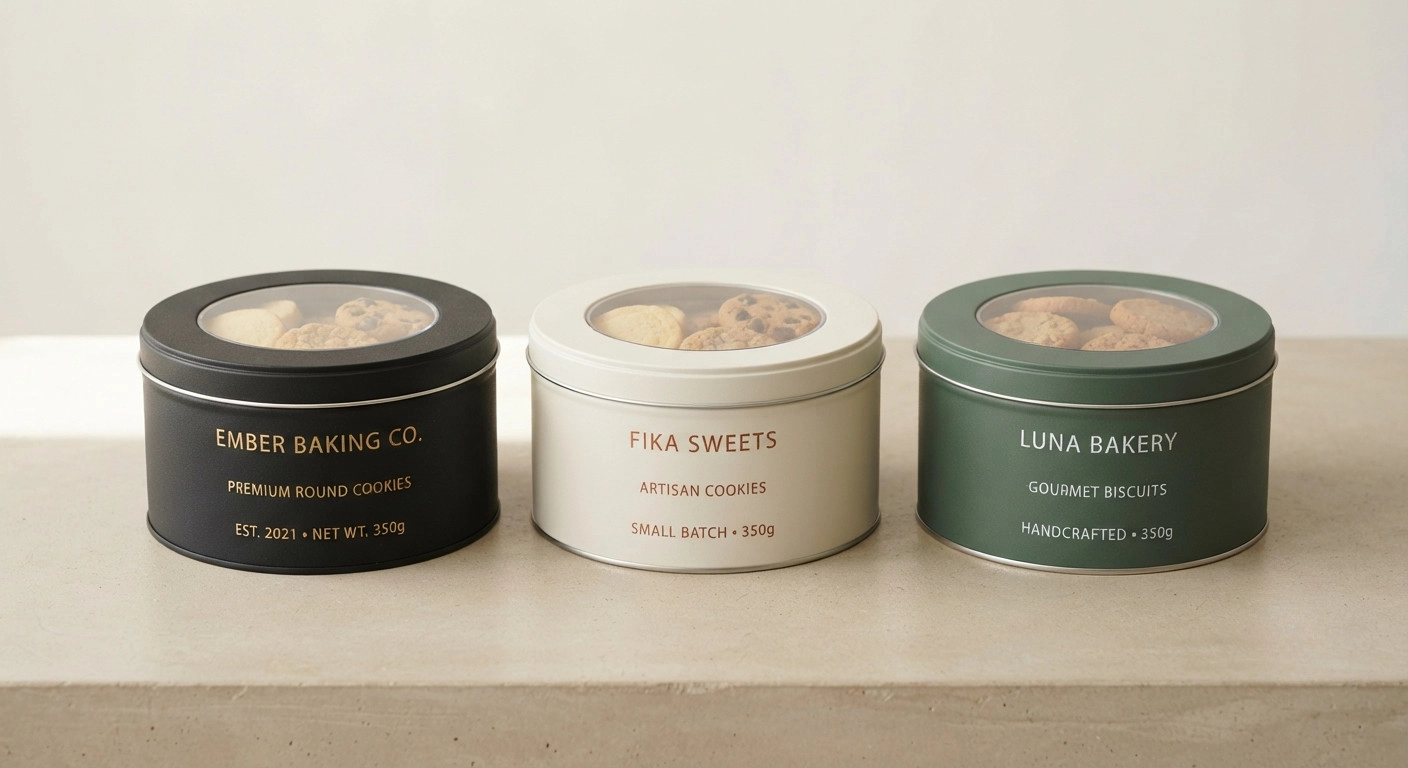
A round tin box is common for tea, cookies, spices, dry fruits, and traditional sweets. Tin packaging offers durability, moisture resistance, and long term reuse. Common formats include tea tins, cookie tins, decorative tins, and airtight containers. Snap on lids allow quick access, while friction fit lids provide a tighter seal.
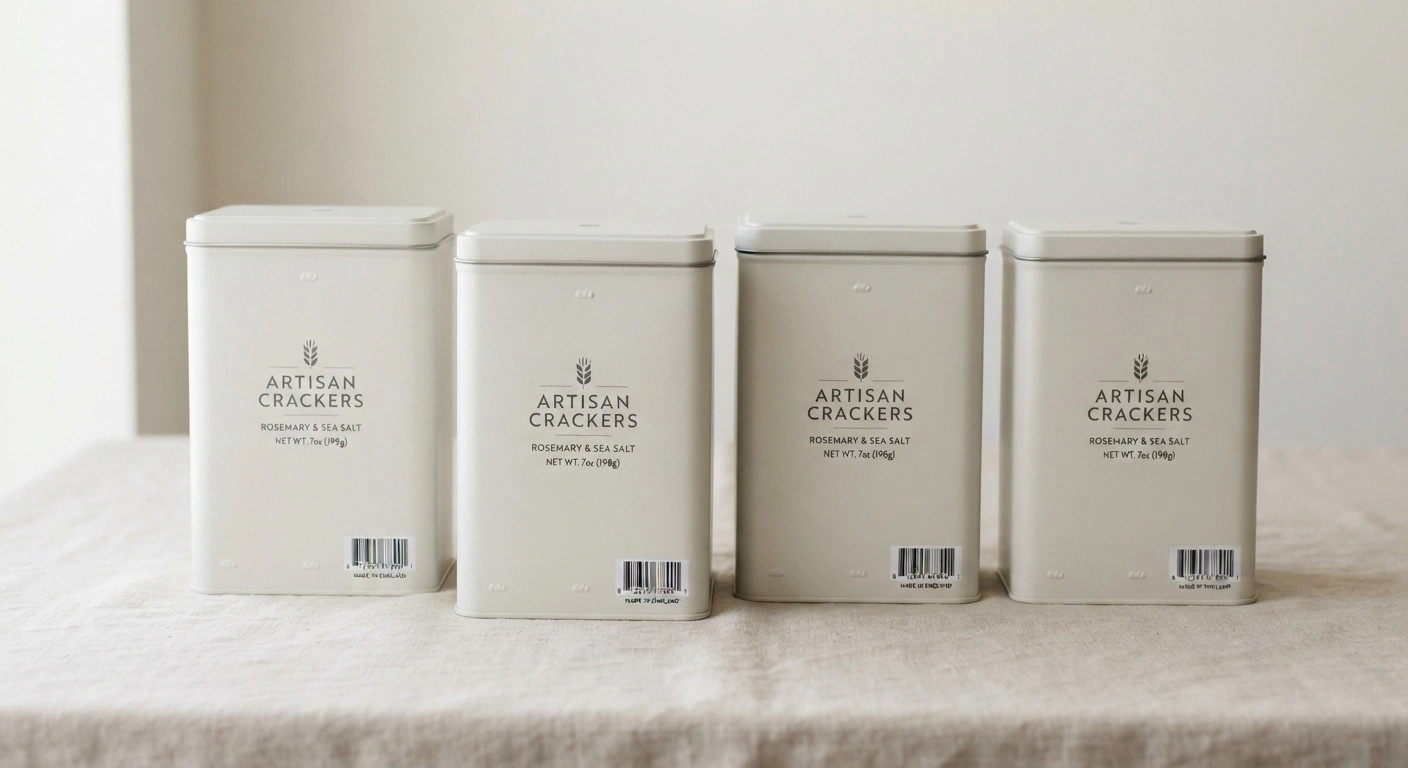
Rectangular tins are better suited for products with straight edges or individually wrapped portions, such as tea bags, crackers, collectible cards, and sewing kits.
Best Product Uses for Each Shape
Round boxes suit products that already have a circular form or benefit from a softer presentation. Examples include mask jars, loose leaf tea, dates, almonds, cashews, pistachios, and flower arrangements.
Rectangular boxes handle a wider product range. They work well for shoes, books, toys, shirts, perfumes, stationery, and confectionery assortments.
Round boxes perform well for:
- Fragrance products
- Cream jars and cosmetic containers
- Floral gifts and preserved flowers
- Tea and spice collections
- Premium gift sets
- Small corporate hampers
Rectangular boxes perform well for:
- Multiple product sets
- Jewelry and fashion accessories
- Retail food assortments
- Skincare gift sets
- Ecommerce products
- Office and event gifts
Reuse and Home Organization
Reusable packaging can extend customer experience after the original product is removed. A round storage box can become a candle holder, indoor plant holder, jewelry organizer, or small accessories.
On the other hand, rectangular packaging supports everyday organization for stationery, cables, cosmetics, and office supplies. The best reusable packaging remains useful without becoming difficult to store.
Production Cost and Order Planning
- Minimum order quantity
- Sampling charges
- Tooling requirements
- Material planning
- Assembly time
- Printing method
- Bulk discounts
- Production lead time
Sampling and Quality Testing
Sample testing confirms whether the chosen shape works in real conditions. A side by side comparison should measure product fit, opening comfort, structural stability, and storage performance.
Useful packaging performance testing includes:
- Fit testing for product clearance
- Opening tests for lid resistance
- Drop tests for impact performance
- Load testing for stacked cartons
- Wear testing for printed surfaces
- Handling tests for customer use
- Volume measurement for freight planning
ISTA packaging testing may be necessary for fragile or export products. Quality control should also verify wall thickness, bottom thickness, lid overlap, usable height, print alignment, and surface finishing. Sample approval should happen before bulk production begins.
Round Box vs Rectangular Box: How to Choose
Choose a round box when visual distinction, cylindrical design, decorative reuse, and premium appearance are central to the product strategy. It works especially well for handcrafted soap collections, scented wax melts and festive ornaments.
Choose a rectangular box when space efficiency, stackability, flat panel branding, and shipping efficiency matter most. This shape supports a wider range of inserts, products, retail displays, and warehouse systems. They work best for smartphone accessories, tie sets, kitchen utensils and stationery items.
Use these questions during product comparison:
- Does the packaging match the product shape?
- How much shelf and storage space is available?
- Will the product ship through ecommerce channels?
- Does the design need detailed printing?
- Will customers reuse the packaging?
- What is the target unit cost?
- Does the box require inserts or dividers?
Final Verdict
The best packaging decisions happen when the box adapts to the product rather than the other way around. A candle, tea collection, or flower arrangement may naturally belong in a round box, while shoes, books, or electronics accessories often fit better in a rectangular format. Comparing physical samples before production can reveal practical differences that drawings and specifications often miss.