














Tin Packaging Boxes vs Cardboard Boxes: Which Packaging Solution Is Better?
Home » comparisons » Tin Packaging Boxes vs Cardboard Boxes: Which Packaging Solution Is Better?
Table of Contents
Get A Free Quote
Production, shipping cost and brand value gets affected directly on the basis of packaging. Cardboard is lightweight and affordable in price. It provides a smooth surface efficient for the printing. It is more efficient for ecommerce, FMCG, and everyday consumer products.
Tin boxes are more durable, and a better option for premium products such as chocolates, biscuits, candles, cosmetics, gift sets, and limited editions products. Selection of right packaging boxes is defined on the basis of product type, budget and business goals
Side By Side Comparison Table
| Feature | Tin Packaging Boxes | Cardboard Boxes |
|---|---|---|
| Material | Tinplate steel | Paper based board |
| Best For | Premium packaging, luxury packaging, gift boxes, cosmetic packaging | Ecommerce packaging, Retail packaging, FMCG packaging, consumer packaging |
| Product Protection | Strong crush resistance, impact resistance, and structural integrity | Good protection when engineered well, but more prone to package deformation |
| Moisture Resistance | Better moisture resistance, humidity resistance, and climate resistance | Weaker in humid environments unless coated or lined |
| Shelf Appeal | Strong retail shelf impact and premium signal | Good shelf appeal with strong graphics and finishes |
| Branding | Better brand recall because customers often reuse the box | Good for printed branding, but usually discarded after use |
| Printing Options | CMYK offset lithography, offset printing, embossing, matte coating, metallic foil printing | Digital printing, screen printing, full color printing, spot UV, matte lamination, die cutting |
| Costs | Higher per unit cost and possible tooling cost | Lower unit cost and easier to scale |
| Shipping Weight | Heavier | Lighter |
| Storage | Requires more space | Requires less space due to flat pack |
| Sustainability | Strong recyclability, steel recycling, tin recycling, and reusable packaging value | Strong cardboard recycling and fibre recycling streams |
| Best Fit | Premium brands, heritage brands, retail hero SKUs, gift boxes | Mass retail, ecommerce, wholesale packaging, everyday consumer goods |
What Are Tin Packaging Boxes?
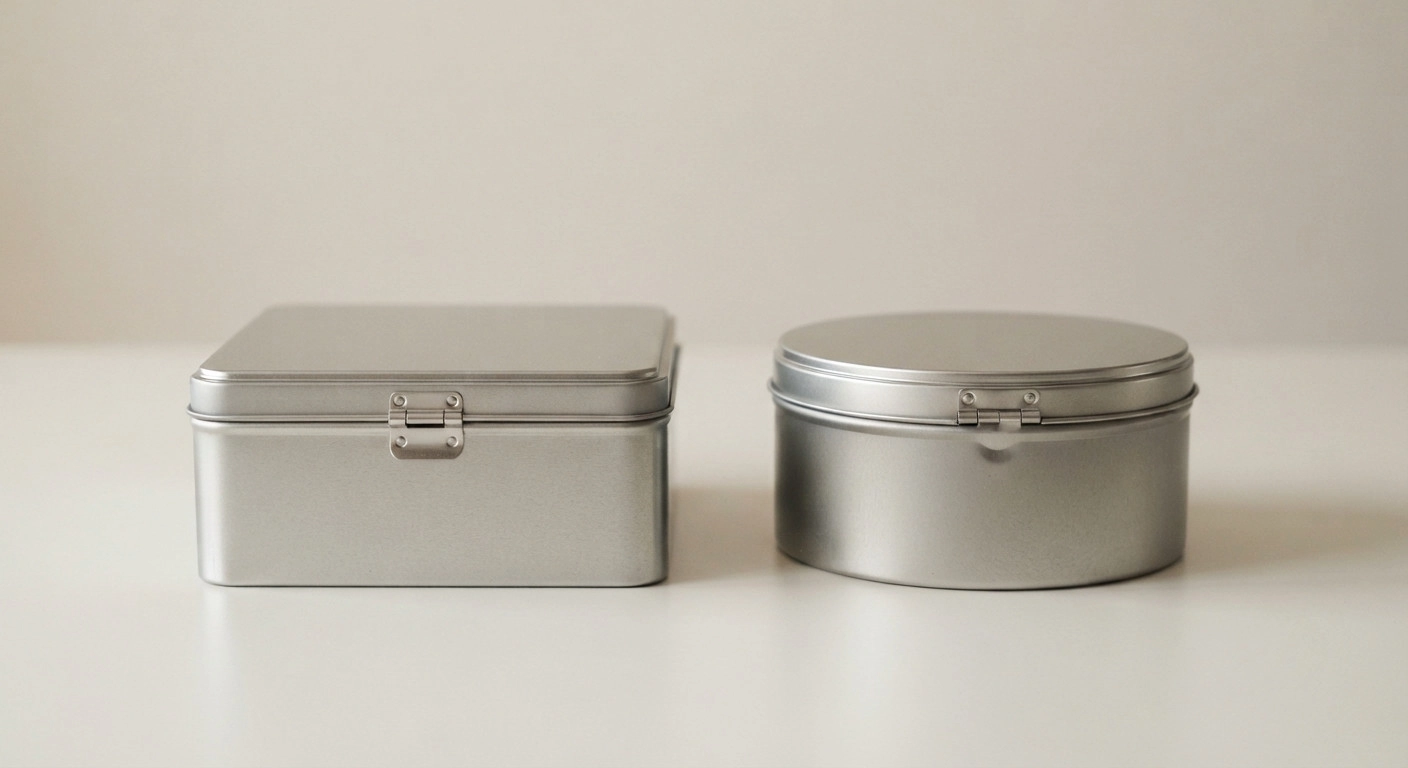
Tin packaging boxes are made from tinplate. Tinplate is thin steel coated with tin. This gives the package strength, a smooth print surface, and better resistance than plain steel. This material is part of metal and steel packaging. It is used when brands want stronger protection for products and a more premium customer experience.
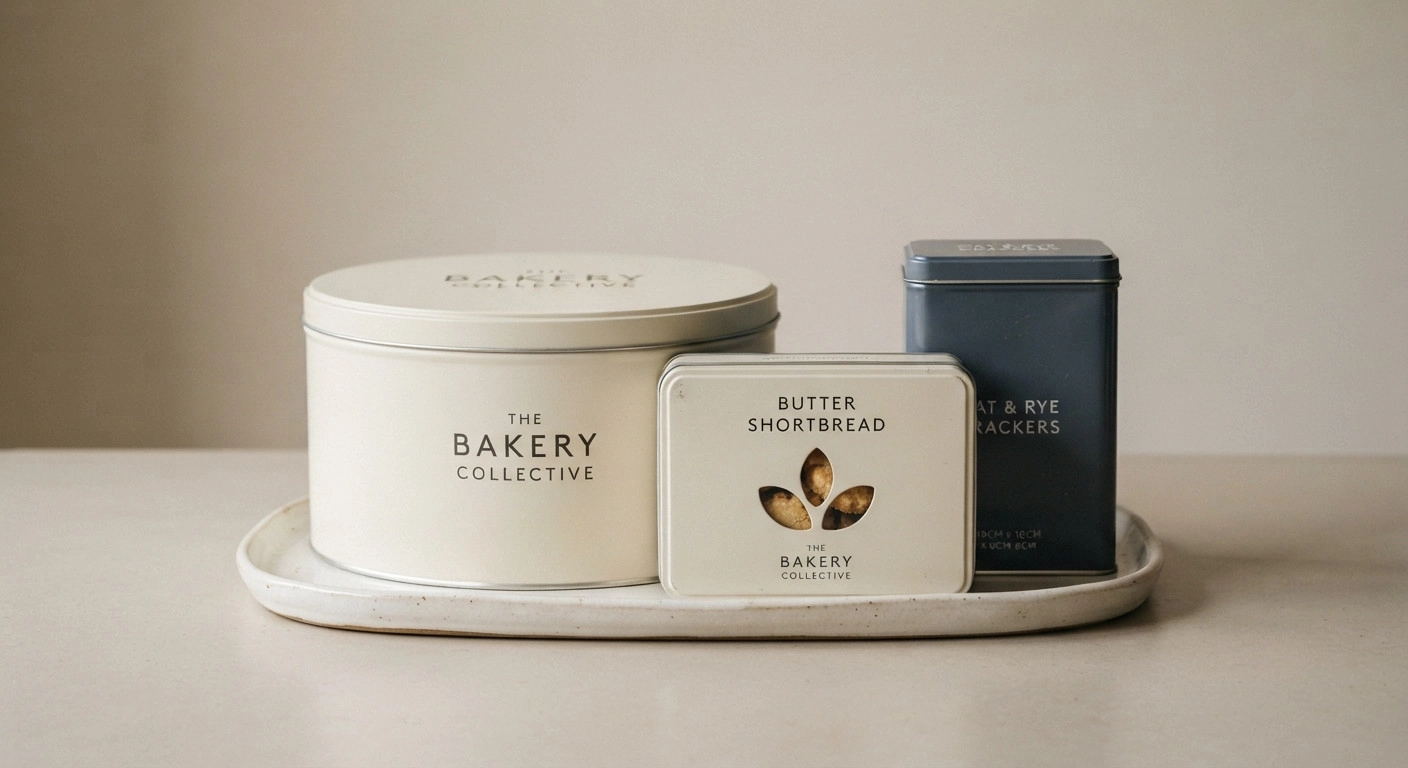
Common formats include round tin boxes, square tin boxes, hinged lid tin boxes, sliding drawer tin boxes, decorative tin containers, metal gift boxes, and reusable gift sets. Its characteristics have led to tin being the preferred material for food packaging, confectionery packaging, chocolate boxes, biscuit packaging, candle boxes and cosmetic packaging.
What Are Cardboard Boxes?
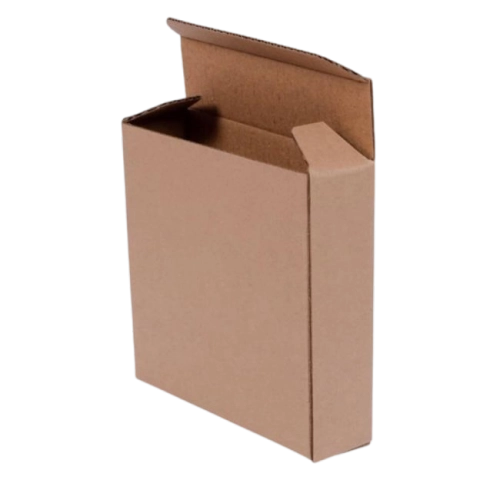
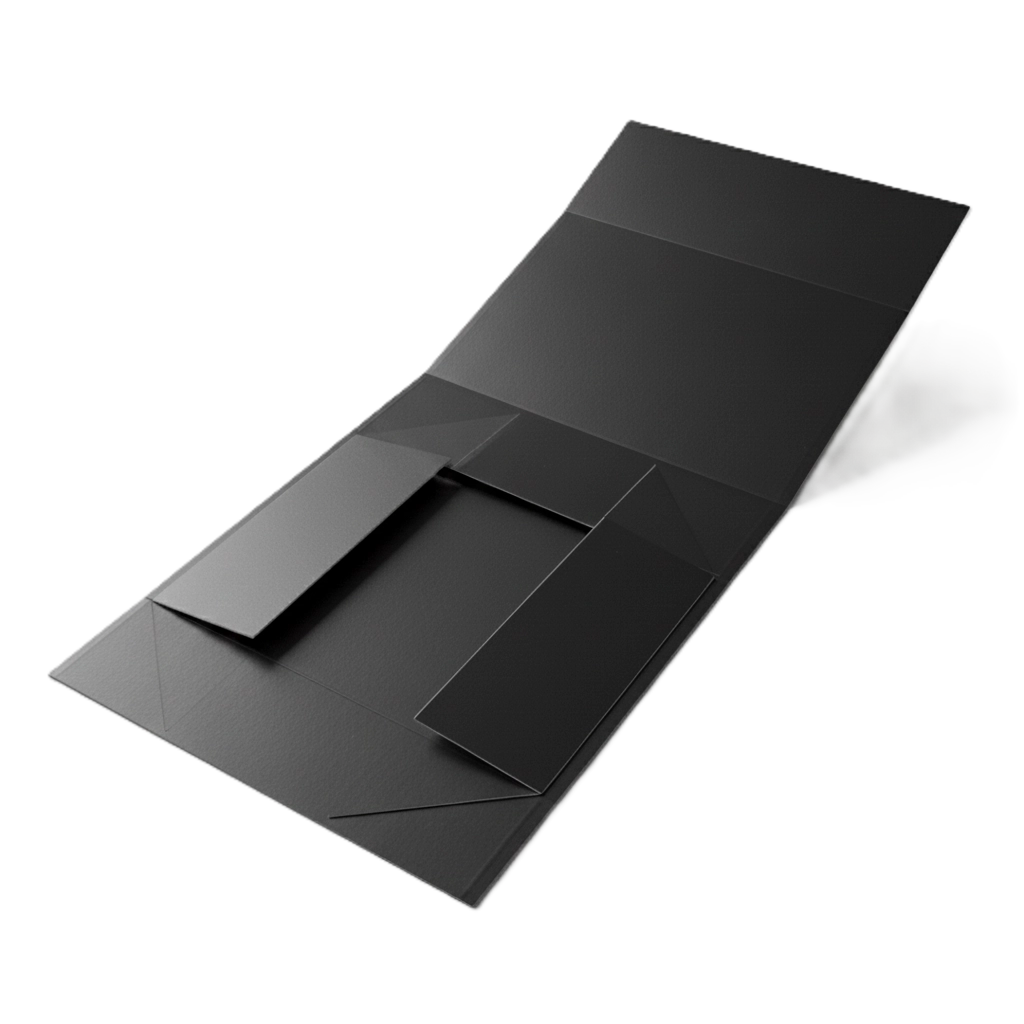
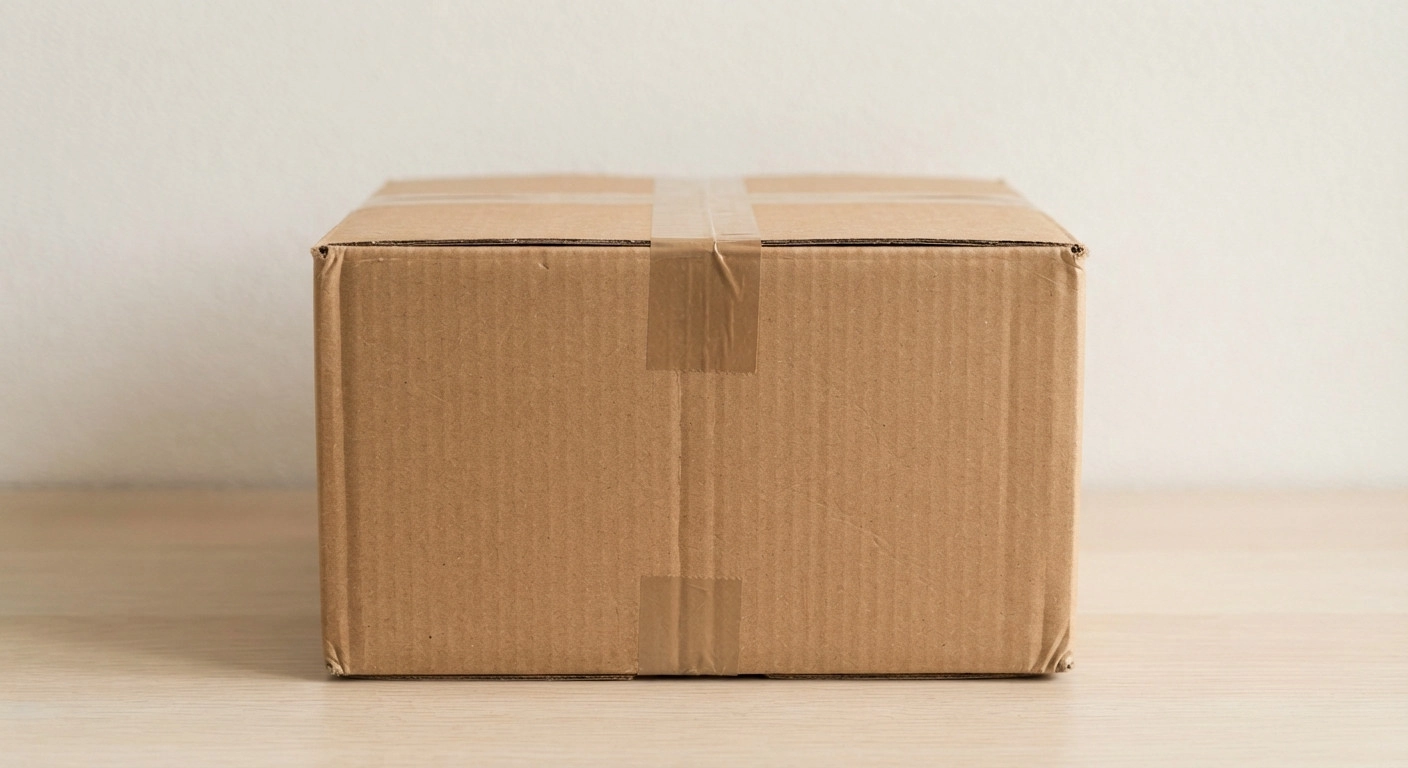
Cardboard boxes are made from paper based materials. They are widely used in product packaging, wholesale packaging, retail packaging, and consumer goods packaging. Cardboard is popular because it is light, easy to print, and simple to ship. It can also be folded flat, which helps with warehouse storage and shipping economics.
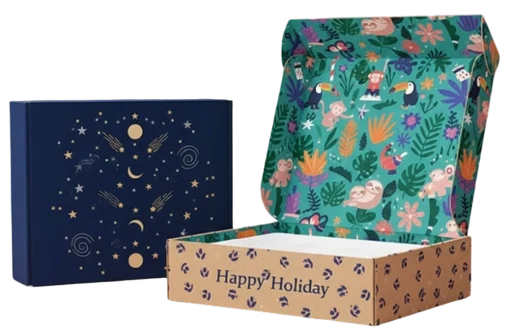
Cardboard can be used in many forms. These include folding cartons, mailer boxes, sleeves, inserts, retail shelf display boxes, rigid boxes, and rigid set up boxes. Cardboard packaging is also common in mass retail because it supports high volume production, fast design changes, and lower packaging cost.
Product Protection and Packaging Durability
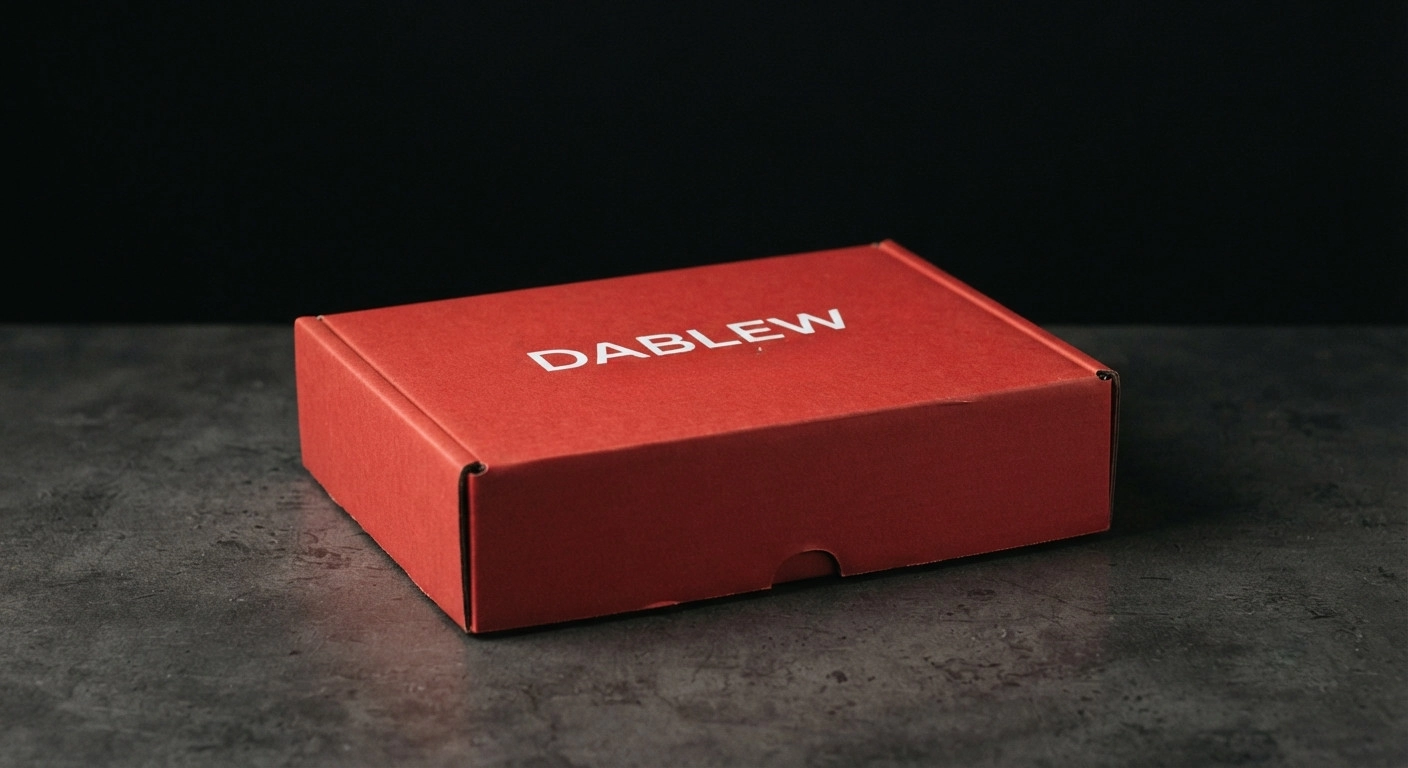
Tin packaging generally provides stronger protection against crushing and deformation during transport. This matters when products move through retail distribution centers, courier networks, warehouses, and different distribution channels. Each handling step increases the risk of transit damage, shipping damage, and stacking damage.
Cardboards can protect products well when the structure is designed correctly. Strong board grades, inserts, dividers, and outer cartons can improve transit performance. Good packaging engineering also helps reduce common packaging failure modes. Cardboard also has some limits such as it gets bent, crushed and can lose strength in humid storage.
Moisture, Climate, And Storage Conditions
Moisture resistance is one of the biggest differences between these packaging solutions.
Tin packaging boxes are better in humid environments and in climate zones where cardboard could soften. The right liner or closure design can also help address moisture ingress protection issues with tinplate packaging. It is often a better fit for luxury food brands, bakery packaging, confectionery packaging, and gift packaging that must look clean on arrival.
Cardboard can work well in such conditions but it may need some coating, inner wraps or may special barriers. These layers ensure the batter packaging performance. If your product is sensitive to humidity, storage time, or retail handling, tin may offer better shelf performance.
Branding, Shelf Appeal, And Consumer Experience
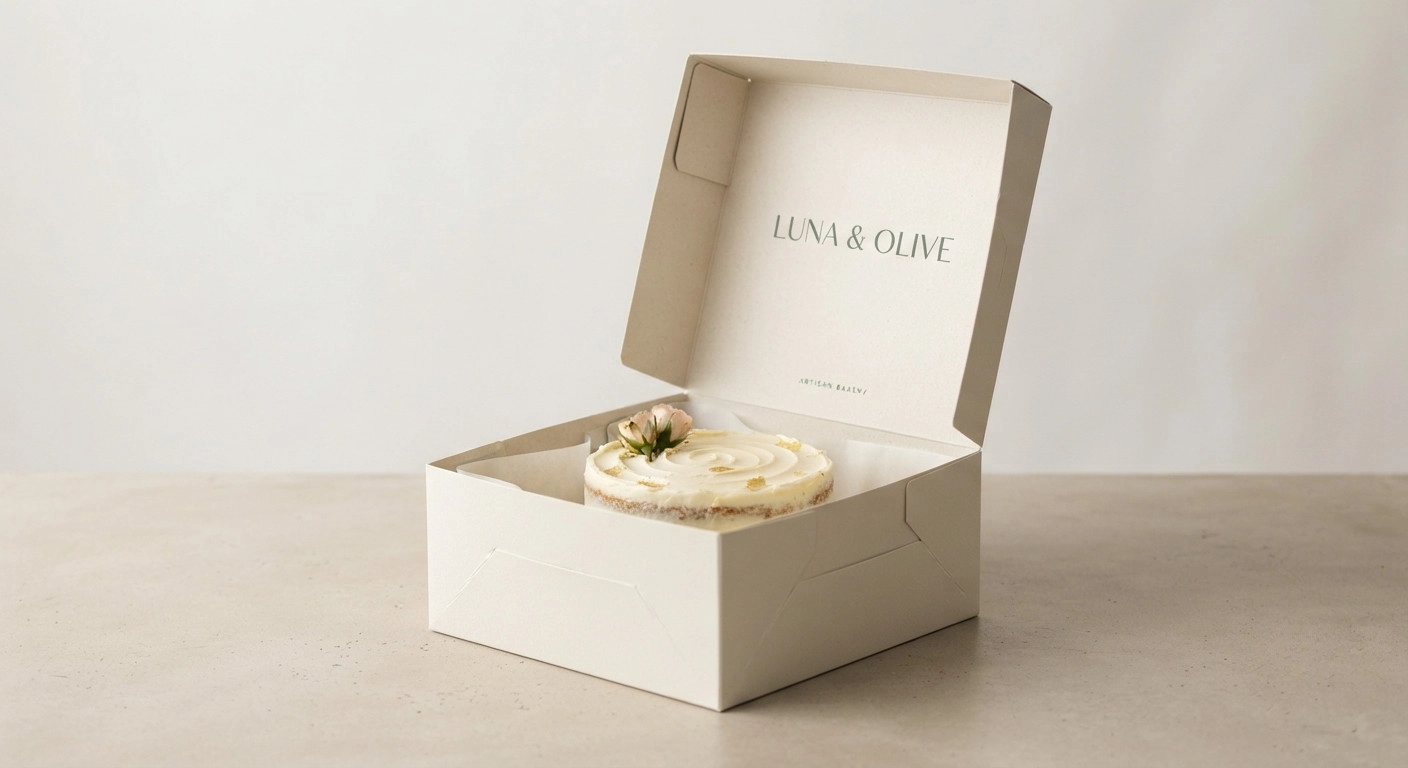
Packaging affects how people judge a product before they use it. Tin packaging creates a strong premium signal. It feels solid, smooth, and reusable. This supports premium positioning and stronger perceived value. A decorative tin container can stay with the customer for months. It may sit on a kitchen shelf, office desk, vanity, or gift display.
Cardboard boxes can also look good. Strong packaging design, full color printing, clean typography, and quality packaging finishes can create strong retail shelf impact.
The difference is tactile experience. Tin feels more durable and gift worthy. Cardboard feels lighter and more practical. For luxury packaging and product presentation, tin usually has the stronger unboxing experience.
Printing And Surface Detail
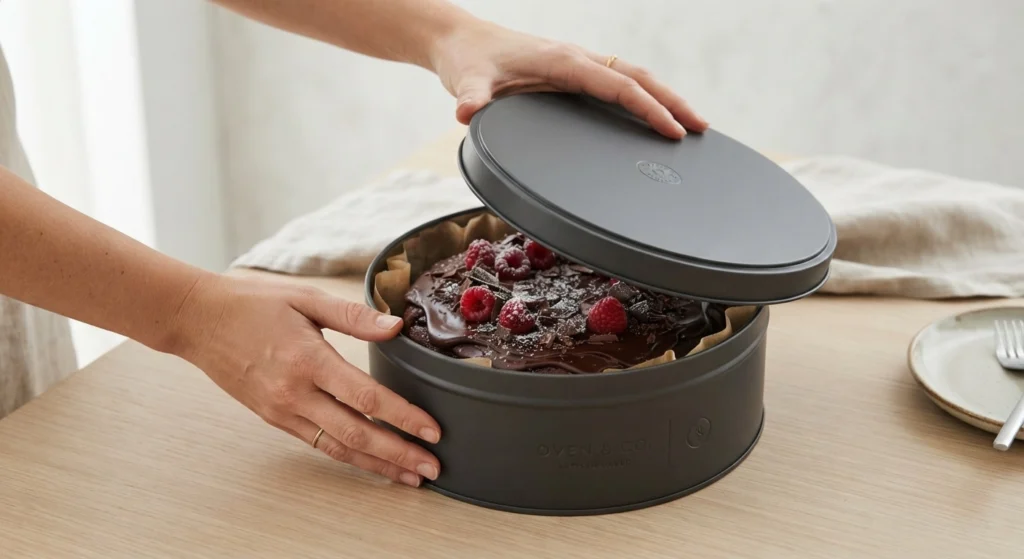
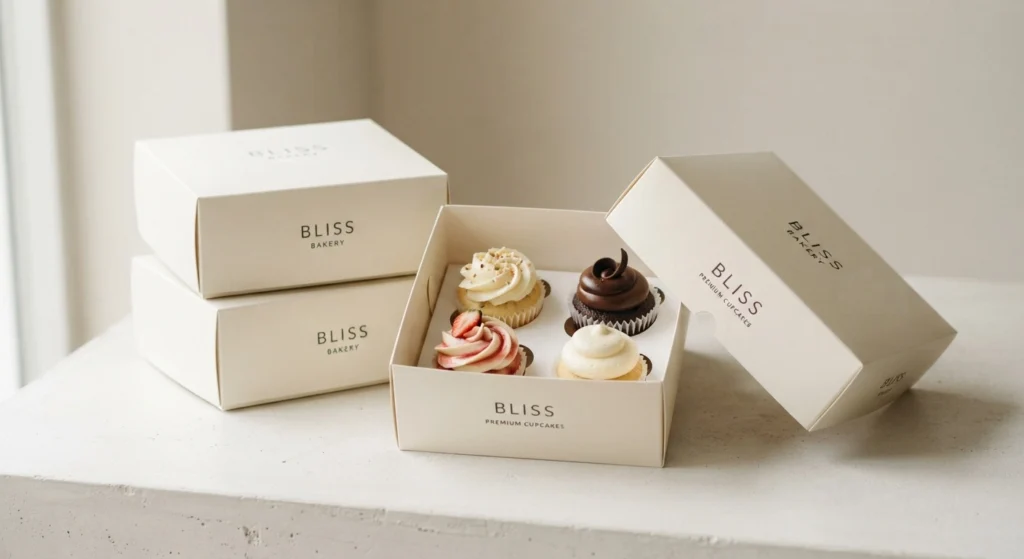
Tin and cardboard both are the same to produce good results in printing but at the end they give a different appeal. Tin packaging works well with offset printing, pantone color matching, embossing, matte coating, and metallic foil printing. These finishing techniques give custom tin boxes a cleaner and more luxury look. Cardboard packaging is good to work with digital printing, full color printing, spot uv, matte lamination, and die cutting.
Sustainability And Recycling
Both options can support sustainable packaging, but they have different strengths.
Cardboard is made from renewable eco-friendly materials and stays in fibre recycling streams. Cardboard is a good option for eco-friendly packaging as cardboard recycling is widely practiced in many markets.
Tin supports sustainable metal packaging because steel has strong material recovery value. Steel recycling and tin recycling are supported by scrap metal infrastructure in many regions. Cardboards usually have a shorter life. It is often recycled or thrown away soon after opening. But its lighter shipping weight can reduce freight emissions compared with heavier metal packaging.
The best choice depends on the full environmental footprint. Brands should consider raw material impact, freight emissions, packaging reuse, recycling rates, end of life recovery, material recovery, and plastic waste reduction.
Compliance And Packaging Regulations
Food safe packaging is not only about the outer material. It depends on the full structure, inner contact layer, coating, ink, and product use. Tin is the perfect option for food packaging solutions as they need correct liner or coating. This is especially good for products that have oil, acid, moisture or strong flavors.
Cardboard can also be used in the food packaging with some inner wraps, trays or coating. Bakery, chocolate, biscuit packaging and confectionery packaging often use a mix of paperboard and food safe inner materials. Brands also need to watch packaging regulations and sustainability regulations. Extended Producer Responsibility (EPR), EPR Compliance, and EPR Economics can affect cost in some markets.
Cost, Moq, And Packaging Roi
Cardboard is usually cheaper than tin. It has a lower unit cost, lower per unit cost, and lower upfront packaging cost. This makes it easier for brands with tight margins, high order volume, or price sensitive customers. Cardboard also gives more MOQ flexibility for custom packaging orders.
Tin costs more. Custom tin boxes may need tin molds and tooling cost. This is common when brands want a custom shape or size. The cost can improve with wholesale tin packaging boxes, high volume production, and existing mold runs. Using an existing shape can reduce cost and speed up production.
To compare fairly, brands should look beyond the first price quote. Packaging ROI should include product lifecycle, transit damage, refund requests, customer retention, repeat purchases, and cost per impression.
Shipping And Warehouse Performance
Cardboard has a clear logistics advantage. It is lightweight, stackable and often shipped flat before use. This saves shipping weight, freight costs and warehouse storage requirements.
The tin is heavier and rigid. It takes up more space and may raise freight costs. That’s important for mass retail suppliers and ecommerce brands shipping at scale.
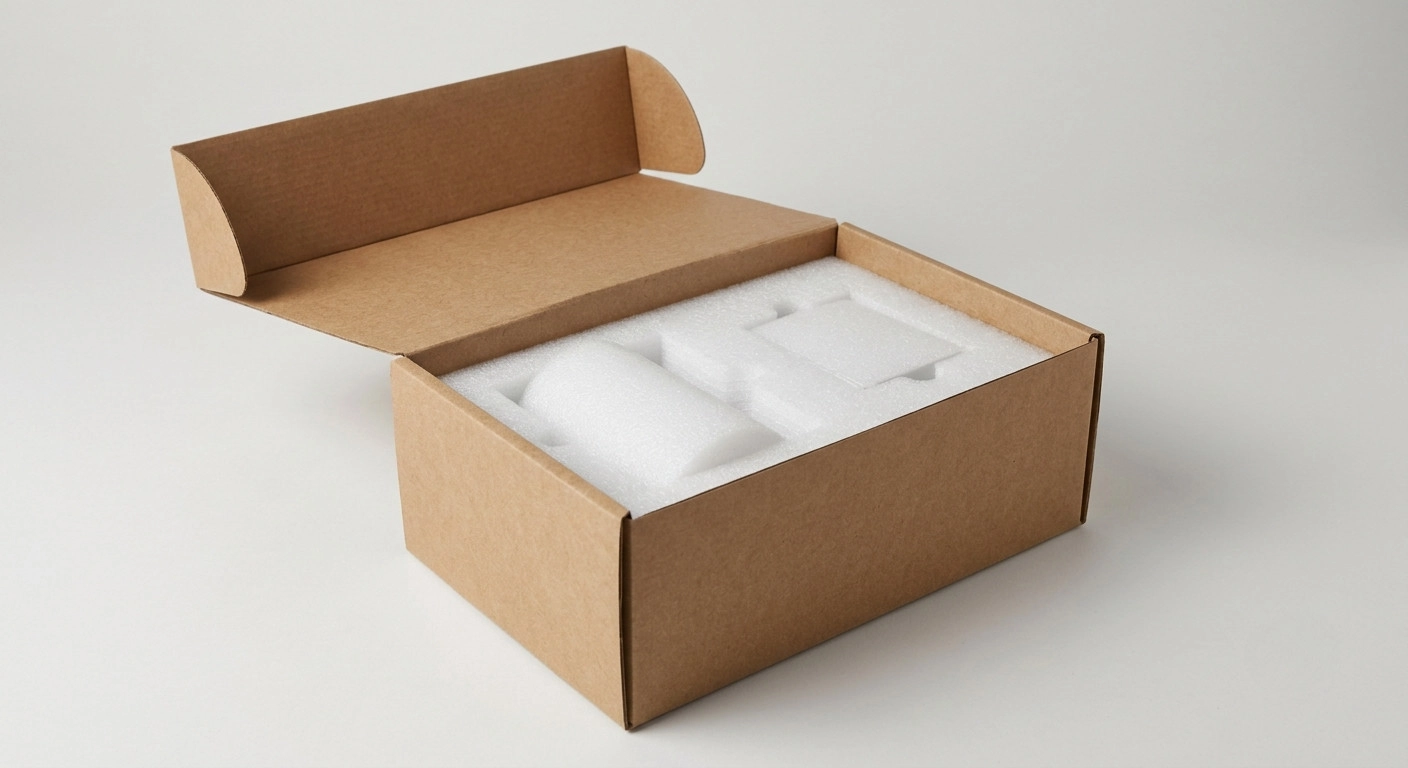
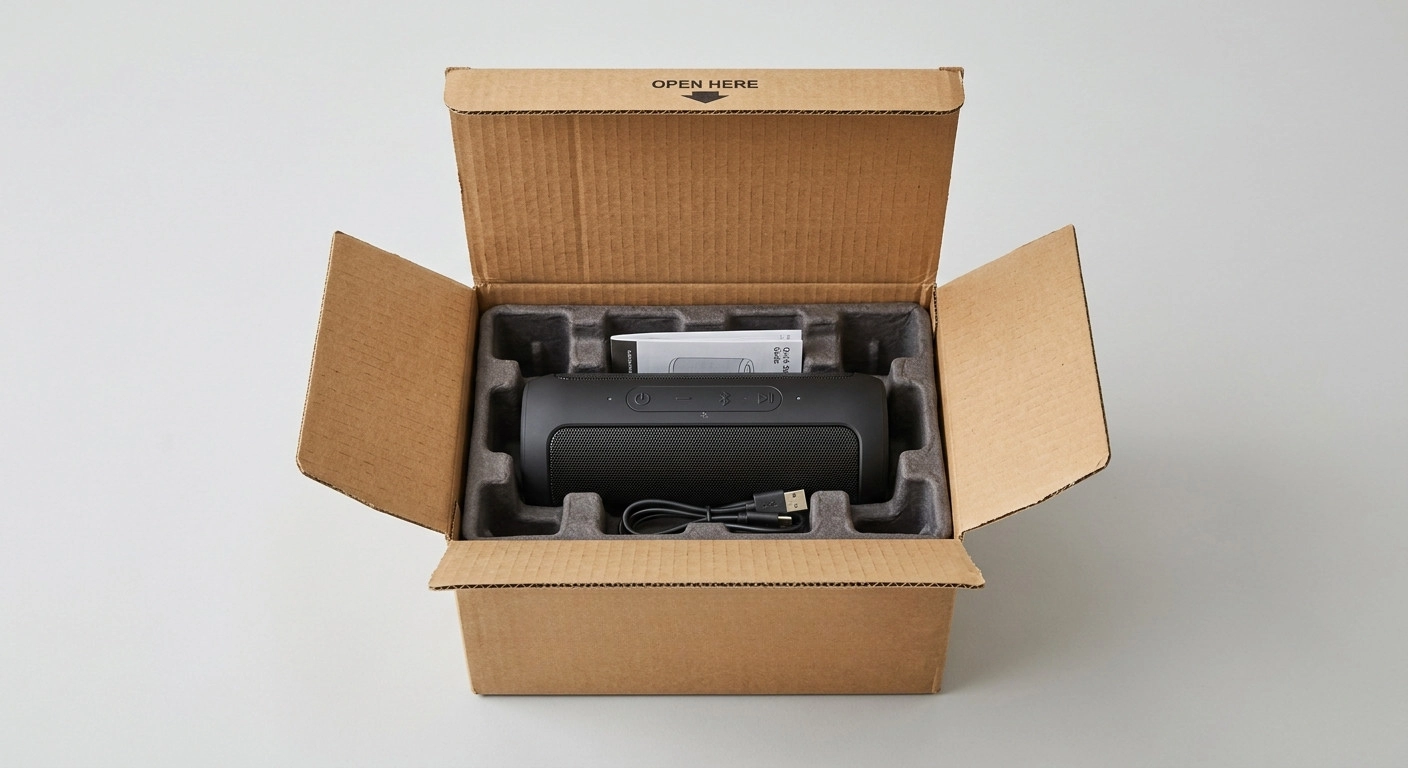
Tin generally provides superior resistance to crushing and deformation, although engineered corrugated packaging can provide excellent shipping protection at lower cost and weight.
The right choice depends on the product risk. If the product is light, dry, and low value, cardboard may be better. If the product is fragile, premium, or gift based, tin may reduce damage and improve the final customer experience.
Best Product Categories For Tin Packaging
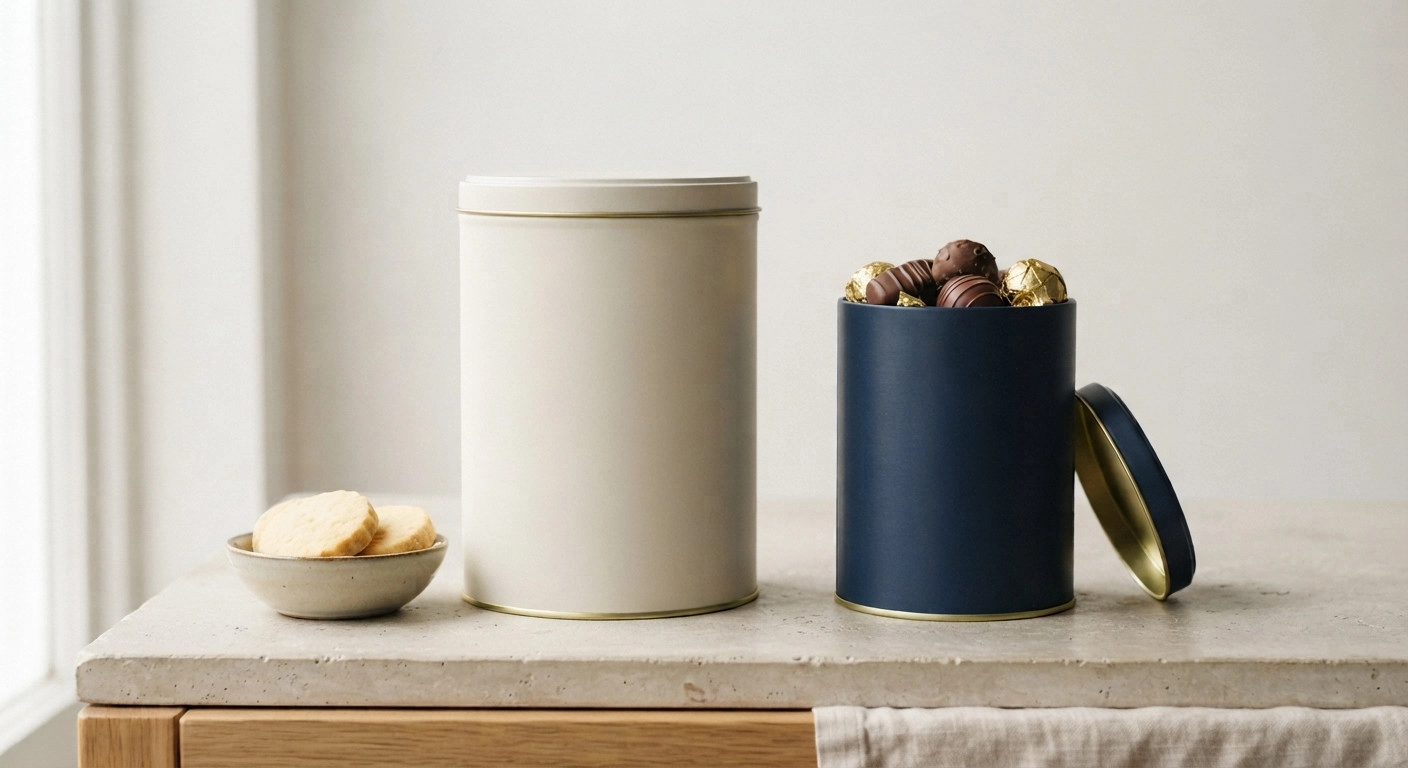
Tin packaging boxes work best when the package adds value to the product. Tin is also useful for promotional packaging because the container can stay with the customer long after the product is used. They are a strong fit for:
- Food products such as tea, coffee, cookies, biscuits, and chocolates.
- Candle packaging and cosmetic boxes where the pack must look gift worthy.
- Gift Sets, metal gift boxes, and reusable gift sets.
- Heritage brands that want a classic and lasting look.
- Seasonal limited editions and retail hero SKUs that need strong shelf appeal.
Best Product Categories For Cardboard Boxes
Cardboard boxes work best when cost, speed, and shipping efficiency matter most. They are a strong fit for everyday retail packaging solutions, ecommerce packaging, FMCG packaging and high volume wholesale packaging.
Cardboard is also useful for brands that change artwork often. It works well for short campaigns, new product launches, and custom packaging orders with lower order sizes.
Brand and business prefer to choose rigid packaging who want to promote their brand values through product presentation.

How To Choose The Right Packaging Material
Use Tin Packaging Boxes when:
- The product needs better crush resistance or moisture resistance.
- The brand wants luxury positioning and stronger shelf appeal.
- The package should be reused by the customer.
- The product is sold as a gift or limited edition.
- Higher packaging cost can be supported by the margin structure.
Use Cardboard Boxes when:
- Low unit cost matters most.
- Shipping weight needs to stay low.
- The package must be stored flat.
- Artwork changes often.
- The product does not need heavy duty protection.
Need Help Choosing The Right Packaging?
At Hot Custom Boxes, we help brands plan and manufacture packaging that fits the product and the customer experience. Whether you need tin boxes, cardboard boxes, custom printed packaging, or full packaging consultation our team can help you every step of the way from material selection to final production.
Visit our contact page to discuss your packaging needs and get expert help with packaging consultation and manufacturing.