














Table of Contents
Get A Free Quote
Food can lose freshness when oxygen, moisture, light or unwanted odors enter its packaging. Supplements may deteriorate, coffee can lose its aroma and small hardware can corrode when stored incorrectly. Mylar packaging bags fix these problems by combining suitable packaging materials with protective barrier features. Their performance makes them useful for household storage, retail packaging and numerous commercial products. However, their effectiveness depends on the film structure, seal quality and compatibility with the contents.
In this guide, we explain the major advantages of Mylar bags, how these pouches work and which products they can protect.
Provide a Strong Protection from Oxygen
Oxygen contributes to oxidation, which can change a product’s flavor, color, aroma and nutritional quality as well. High barrier Mylar packaging solutions slows oxygen entrance and limits exposure after the Mylar pouch has been sealed.
This protection benefits products such as roasted coffee, dried foods, spices and certain supplements. An oxygen absorber can remove some oxygen remaining inside a sealed bag when it is appropriate for the product. However, the packaging must have a reliable barrier and secure seal.
Protect Products From Moisture
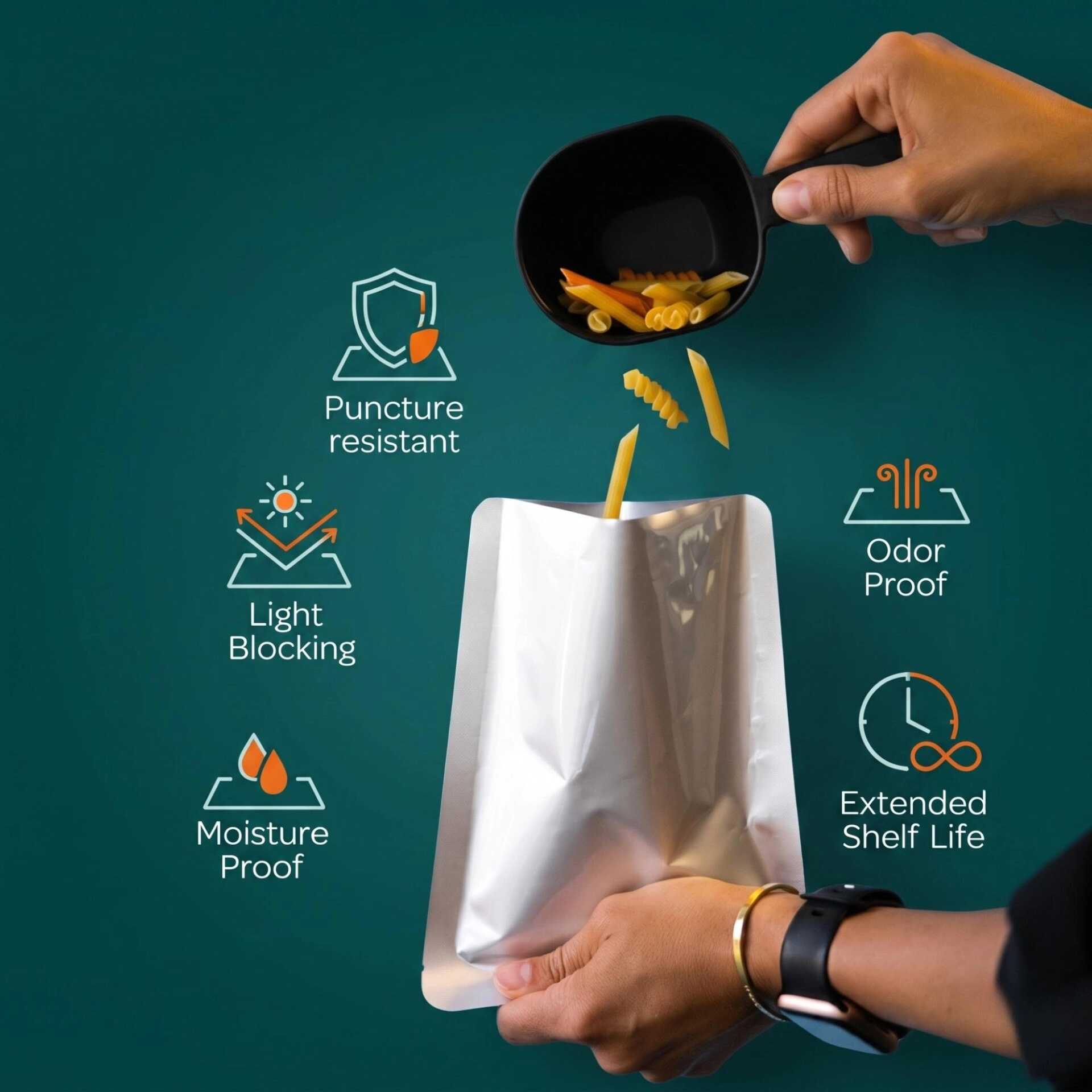
Humidity can make powders clump, dry snacks soften and moisture sensitive products affected. A properly selected laminate limits the movement of water vapor through the packaging. This helps flour, powdered supplements, dehydrated foods and other dry products maintain their texture.
Moisture resistant packaging does not make wet food safe for room temperature storage. Products must have an appropriate initial moisture level and undergo any necessary commercial processing before packing. Storage conditions and proper sealing are equally important.
Block Light and UV Exposure
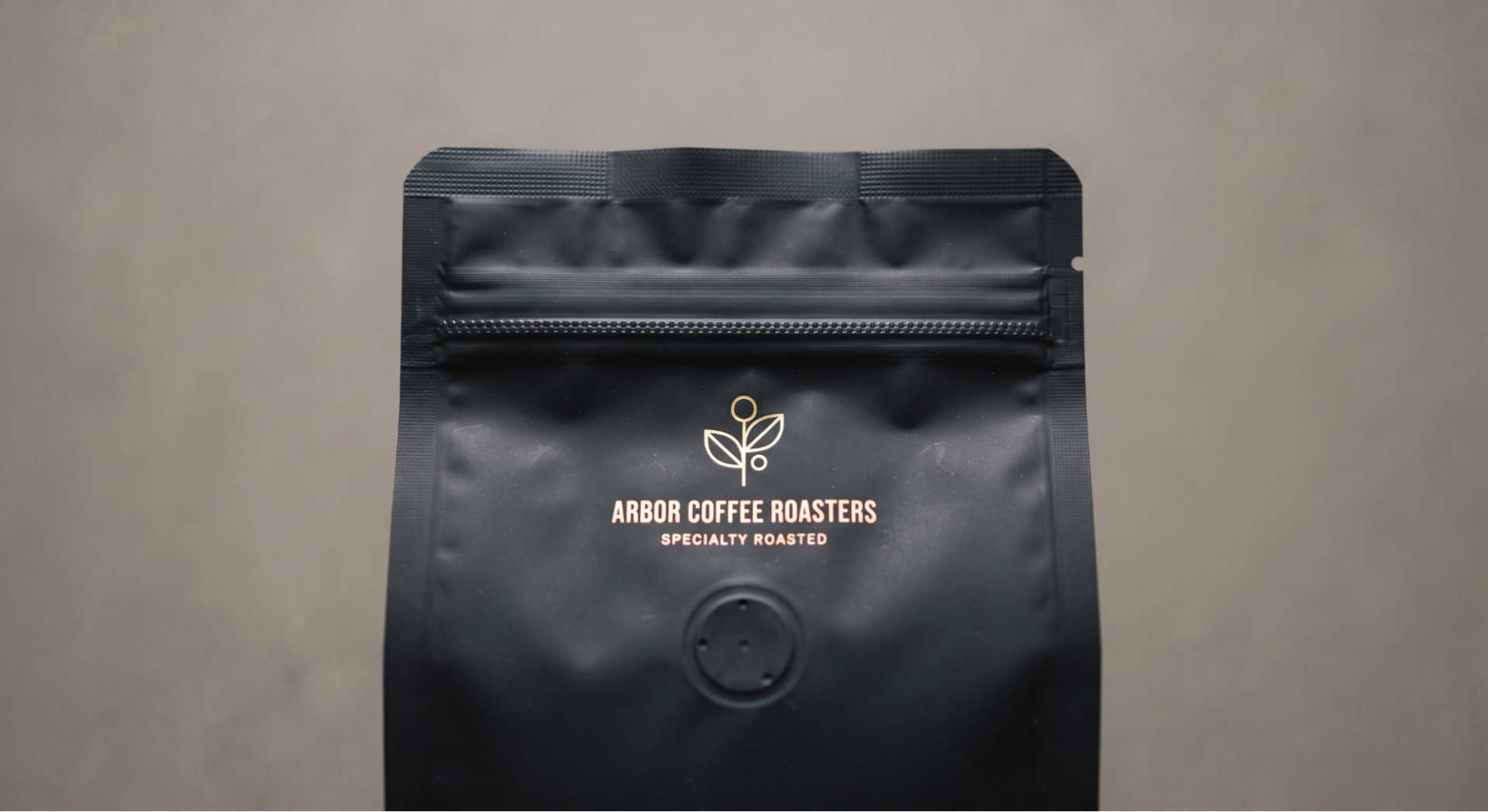
Light can accelerate oxidation and affect the color, flavor or nutrients of sensitive products. Opaque aluminum foil and certain metallized barrier layers prevent much of this exposure. Mylar bags are more useful for coffee, tea, herbs, spices, supplements and light sensitive ingredients.
Not every pouch provides complete light protection. Transparent sections and product windows allow light to enter. Brands should balance product visibility with the amount of protection required by the contents.
Help Extend Product Shelf Life
By limiting oxygen, moisture and light exposure, Mylar food storage bags can slow several causes of deterioration. This may help products remain usable longer than they would in low barrier packaging.
No single shelf life applies to every food or packaged product. Initial moisture, fat content, processing, sanitation, temperature and seal quality all affect the outcome. Low moisture and low fat dry foods generally perform better in long term storage than fresh, moist or oily foods. Shelf life claims should always be based on reliable testing.
Preserve Flavor and Aroma
Coffee, tea, spices and herbs contain aromatic compounds that can escape through unsuitable packaging. They may also absorb external smells during storage. Properly specified barrier films reduce this transfer and help preserve the intended sensory qualities.
A secure seal is essential because aromas can escape through small gaps even when the film itself provides strong protection. Resealable closures also help consumers limit exposure after opening, although repeated use will gradually introduce fresh air into the package.
Support Secure Heat Sealing
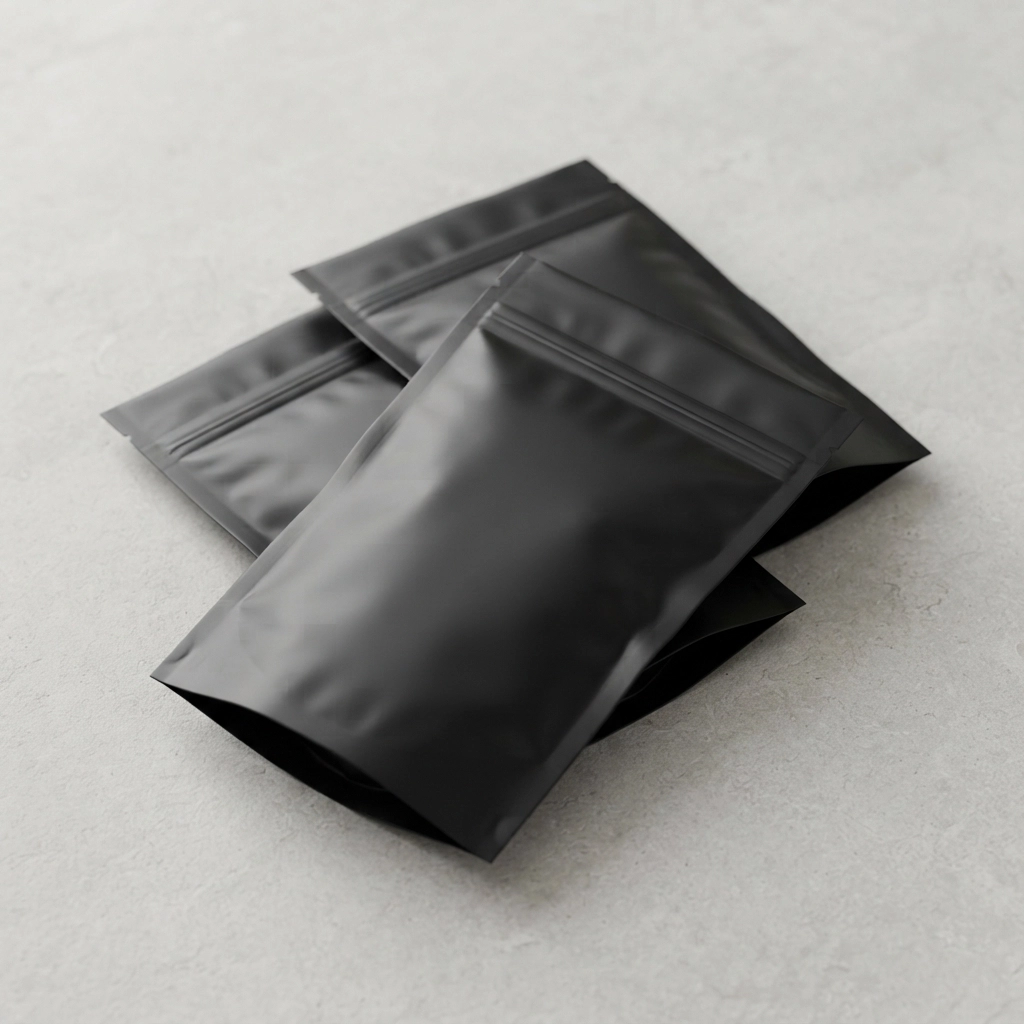
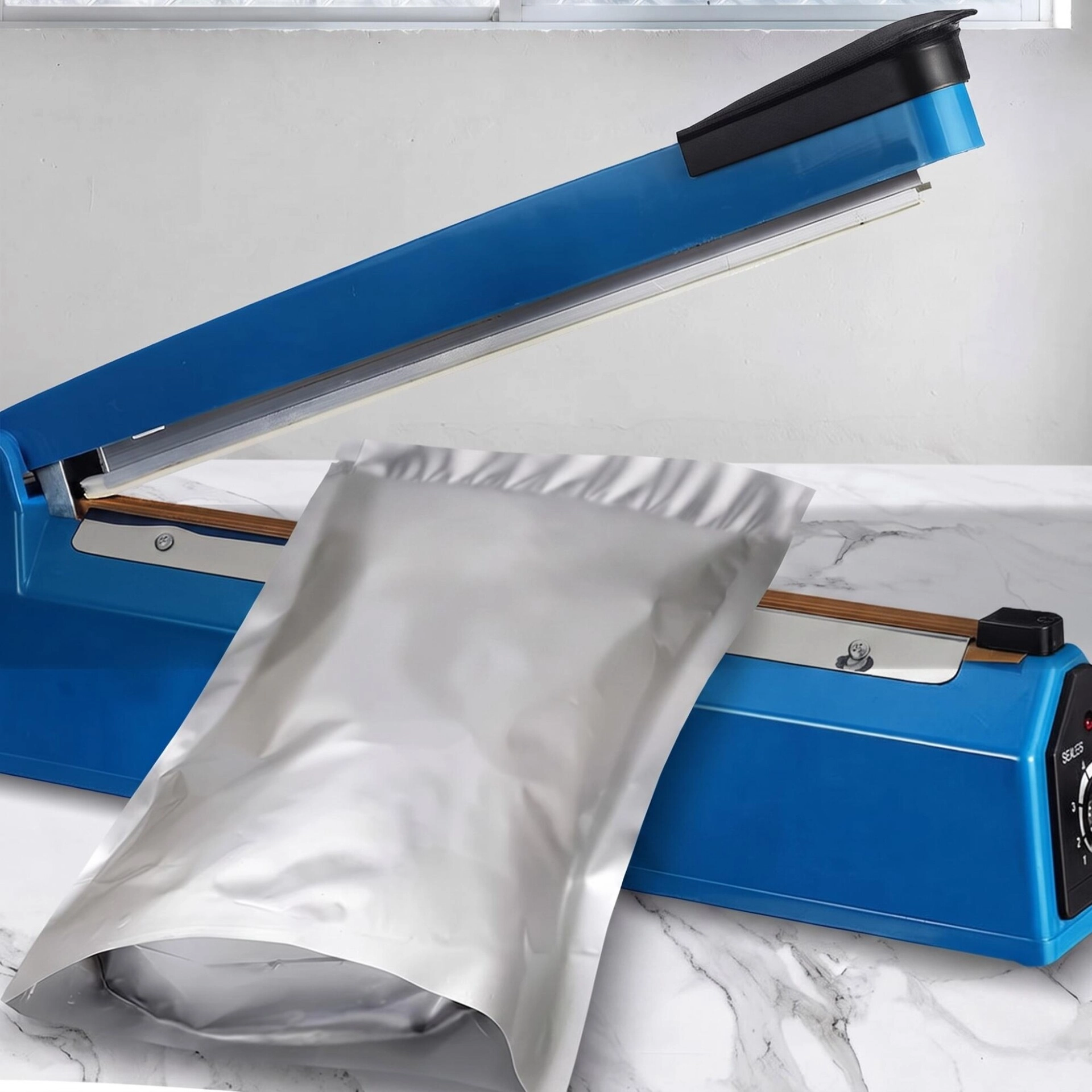
Heat sealing bonds the inner sealant layers together and creates a secure primary closure. A complete seal helps protect the contents during storage, retail handling and transportation. It can also provide evidence that the package has not been opened before purchase.
The sealing surface must remain clean, flat and free from wrinkles. Food particles, powder, oil or folds can create channels through which air enters. The correct temperature, pressure and dwell time depend on the bag’s material structure and sealing equipment.
Offer Resealable Convenience
Resealable Mylar bags often include press to close zippers. Consumers can open the package, get the required amount and close it again.
A zipper provides convenience but may not replace the original heat seal. Many retail pouches are heat sealed above the zipper to protect the unopened product. After removing the top section, the customer can use the zipper for repeated access.
Resist Tears and Punctures
Polyester and other laminated films can provide greater tear and puncture resistance than thin single layer bags. This durability helps packaging withstand filling, transportation, stacking and everyday handling.
Resistance levels still vary according to material structure and thickness. Products with sharp edges may require a stronger laminate, internal protection or a rigid secondary container.
Reduce Packaging and Shipping Weight
Flexible pouches generally weigh less than glass jars, metal tins and many rigid plastic containers. Reduced packaging weight can make cases easier to handle and may lower transportation weight, particularly across large order quantities.
Lightweight construction should not automatically be described as environmentally friendly. A complete environmental assessment must consider raw materials, manufacturing, transportation, product protection and end of life options. Mylar bags can reduce material and shipping requirements in some applications, but results depend on the packaging system.
Save Storage and Shelf Space
Empty flexible bags occupy little extra space compared with preformed rigid containers. Filled Mylar pouches can also fit efficiently inside cartons, buckets, pantry cabinets and shipping cases. This may improve space utilization for both businesses and household users.
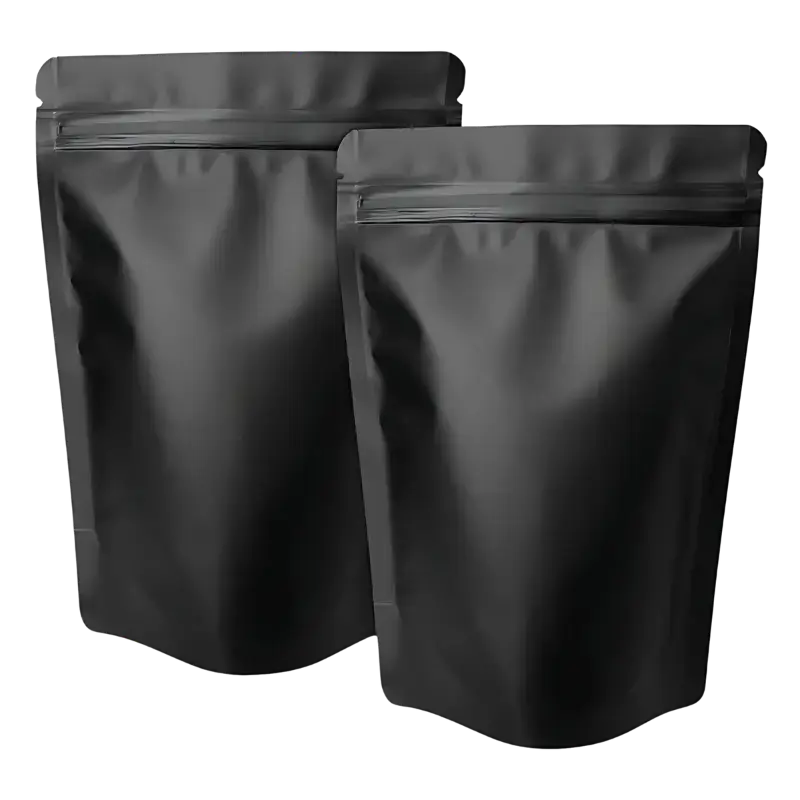
Flat pouches work well for compact products and samples. Stand up pouches use a bottom gusset to create a stable retail presentation. Side gusset mylar bags expand to accommodate larger product volumes while remaining relatively compact before filling.
Accommodate Different Product Quantities
Manufacturers can produce Mylar packaging bags in sizes ranging from small sample packets to larger bulk storage formats. This flexibility allows businesses to create trial portions, individual servings, standard retail packs and wholesale quantities.
Correct sizing can reduce unused material and excessive headspace. It also helps the package support the product without stretching or distorting. Buyers should consider fill weight, product density, expansion requirements, seal clearance and the space occupied by closures when selecting dimensions.
Serve Multiple Products and Industries
The uses of Mylar bags extend beyond food storage. Dry food brands use them for rice, pasta and snacks. Coffee companies value aroma protection while supplement businesses use them for powders, tablets and serving portions. Suitable structures may also package pet treats, cosmetics, electronic components, hardware and documents.
Each application has different requirements. Electronics may need static control while sharp hardware requires puncture resistance. Food, pharmaceuticals and regulated products require compliant contact materials, labeling and closures. Child resistant features only qualify when the complete package has passed applicable testing.
Support Custom Printing and Branding
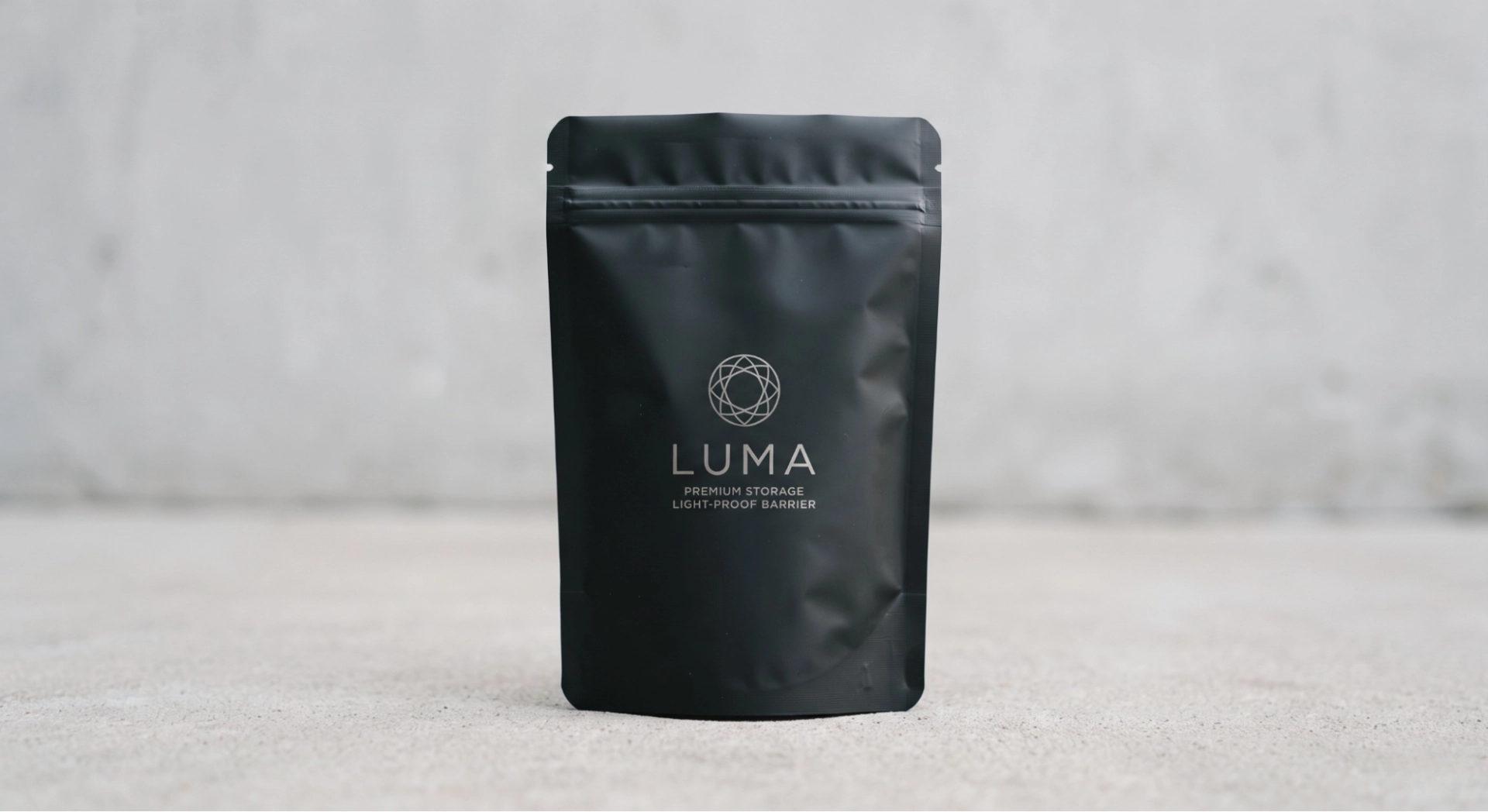
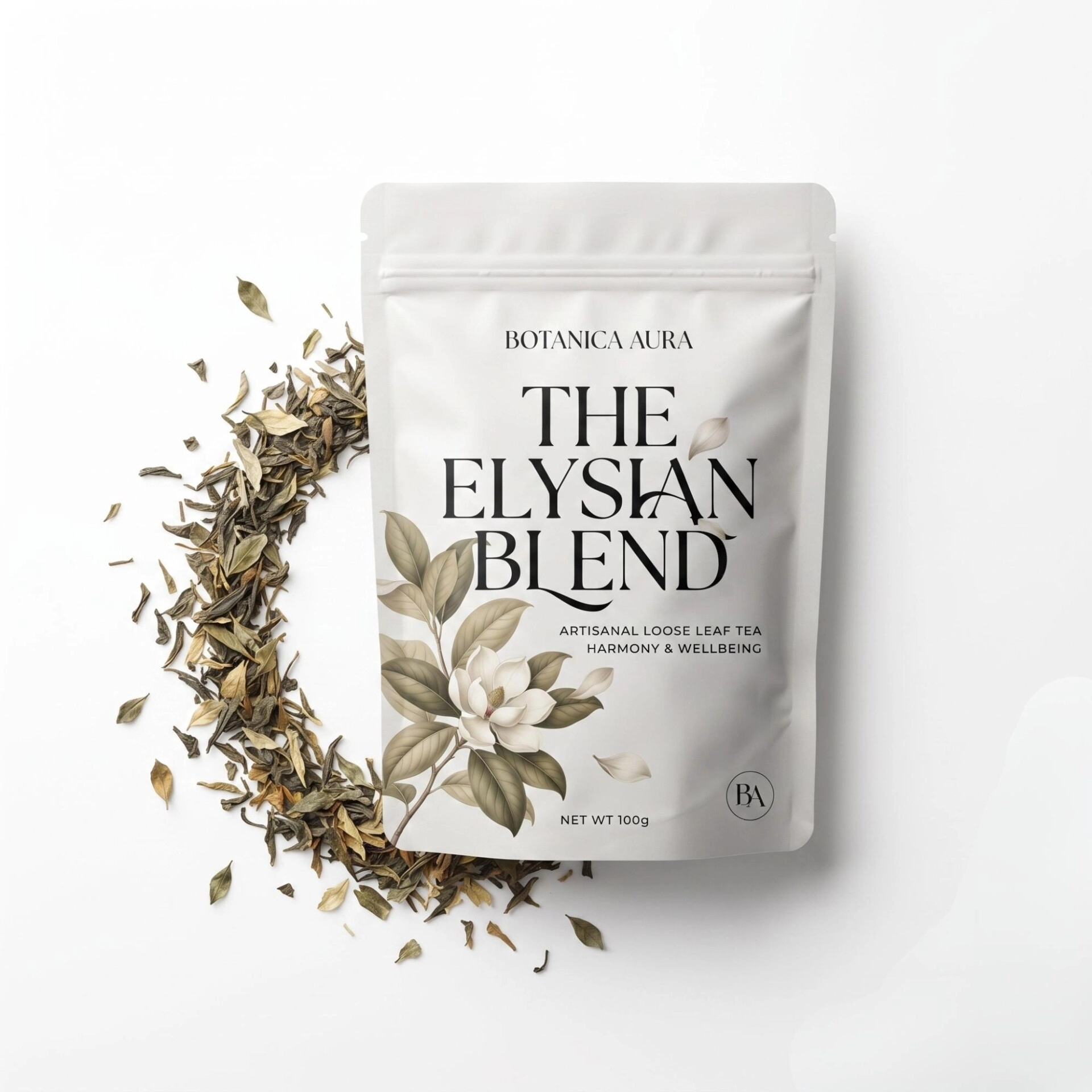
Custom printed Mylar bags can carry logos, colors, product names, preparation instructions and brand messaging. They may also provide space for barcodes, ingredients, nutritional information, warnings, batch codes and legally required statements.
Available printing methods depend on order quantity, artwork and film construction. The ink and any coating must remain compatible with the laminate and intended application. Important information should stay readable after filling, sealing and normal handling. Regulatory details must also follow the requirements that apply to the specific product.
Improve Retail Presentation and User Convenience
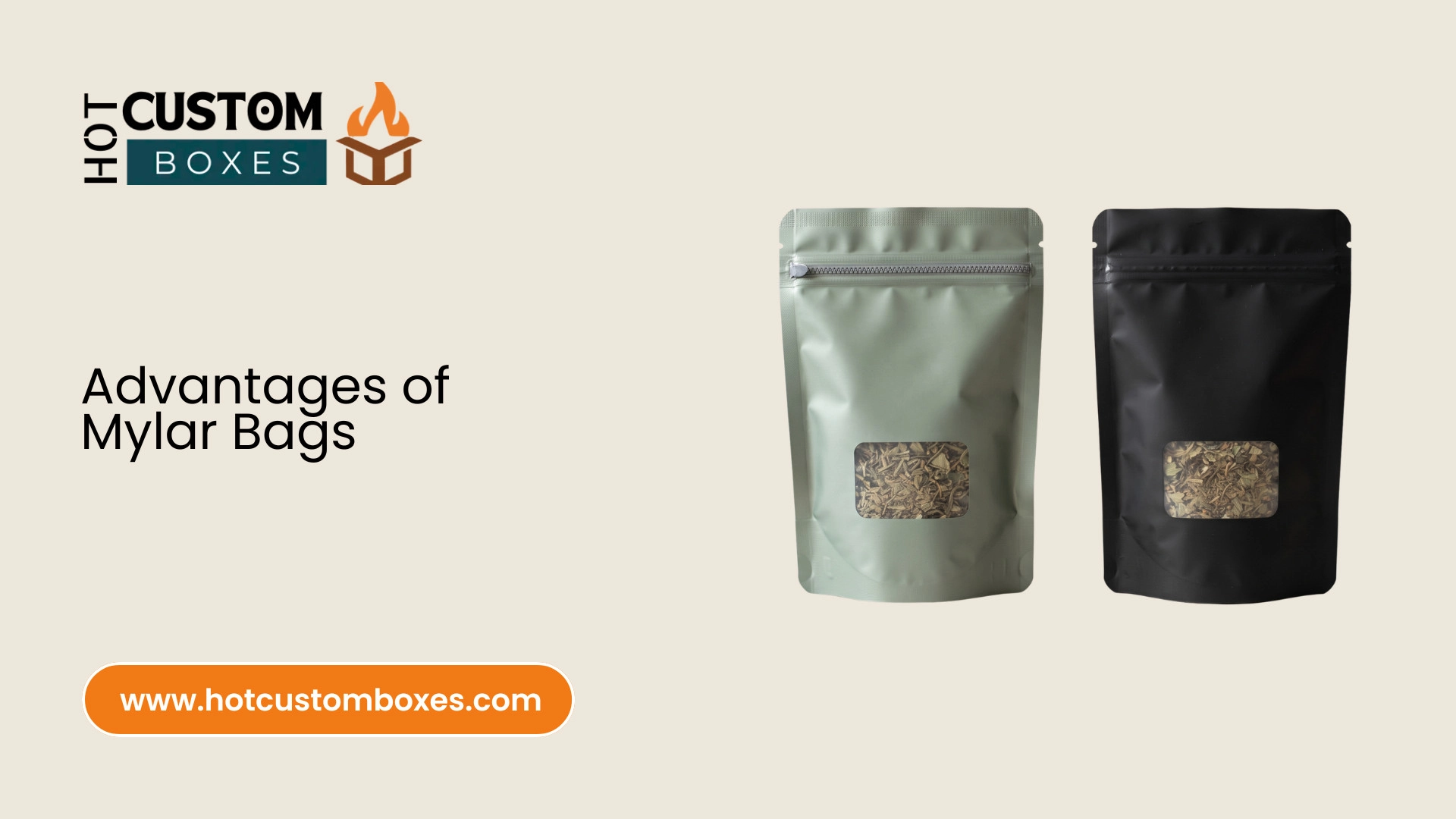
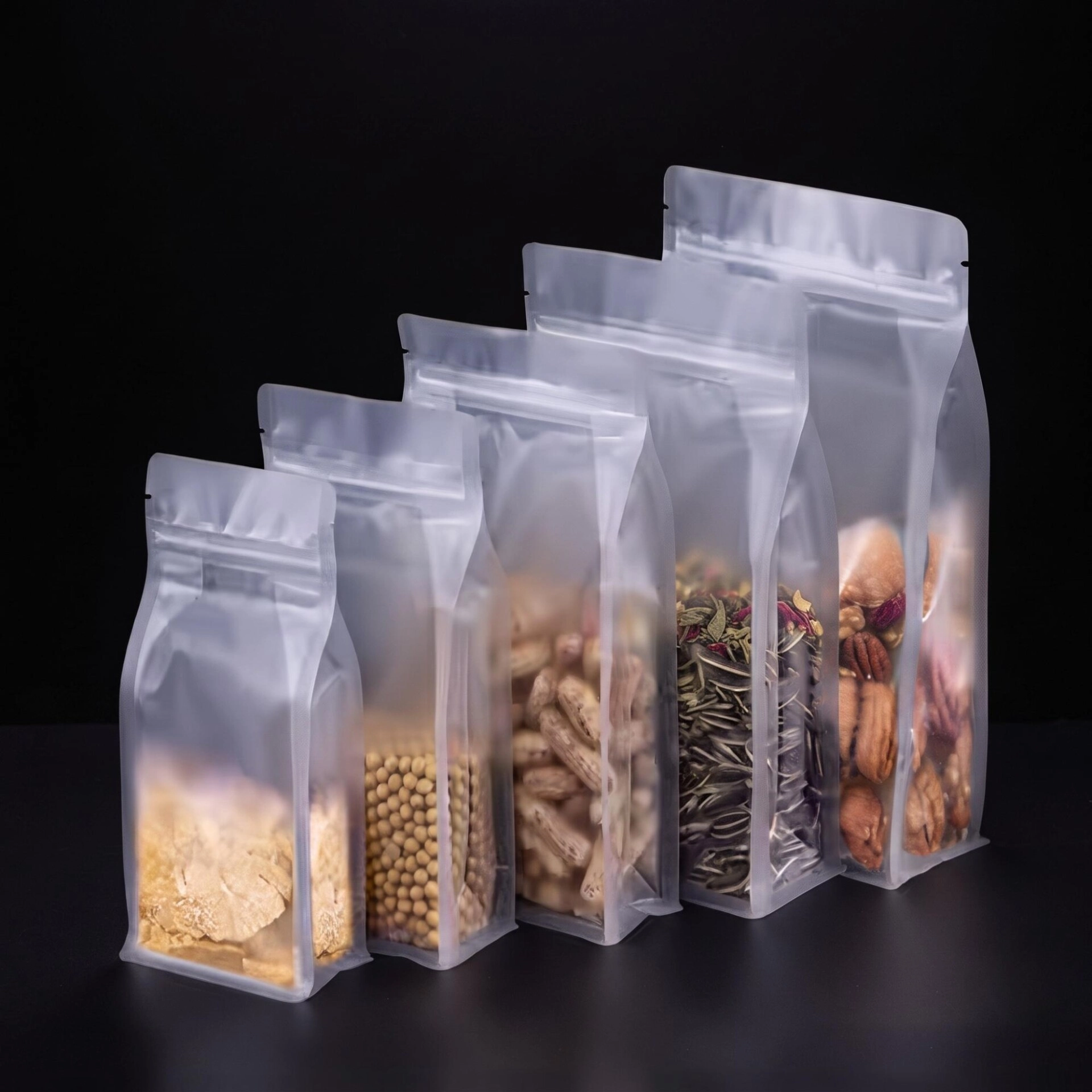
Stand up gussets allow pouches to remain upright on retail shelves. Hang holes support peg displays while tear notches provide a defined opening point. Zippers make repeated access easier and transparent windows let customers view the contents.
These features should reflect how buyers will store and use the product. A large window may reduce light protection while an oversized pouch can appear underfilled. Matte, gloss and metallic finishes influence appearance but should not interfere with labeling, sealing or package performance.
Help Reduce Product Waste and Long Term Costs
Suitable barrier packaging may reduce losses caused by staleness, moisture exposure, aroma loss, contamination and handling damage. Longer usable life can help households preserve bulk purchases and allow businesses to reduce damaged or unsellable inventory.
Cost effectiveness depends on the value of the contents, order quantity and required protection. A high barrier structure may cost more than basic packaging but could provide better value for sensitive products. Businesses should compare total packaging performance instead of choosing an option based only on unit price.
Which Products Are Suitable for Mylar Bags?
Here is the comparison table about which Mylar bag’s material suite which products and what should be the main considerations while choosing the material for your product:
| Product Category | Suitable Examples | Main Packaging Consideration |
|---|---|---|
| Dry staples | White rice, beans, pasta and oats | Initial moisture, seal quality and storage temperature |
| Powdered products | Flour, drink mixes and milk powder | Moisture protection and a clean seal area |
| Coffee, tea and spices | Coffee beans, loose tea and dried herbs | Oxygen, light and aroma barrier |
| Retail snacks | Crackers, dried fruit and pet treats | Fat content, texture and resealable access |
| Supplements | Powders, tablets and capsules | Food contact suitability and required labeling |
| Nonfood products | Documents, hardware and electronic parts | Puncture, corrosion and static protection |
Limitations of Mylar Bags
Most conventional Mylar pouches combine several materials. These multilayer laminates may not be accepted through curbside recycling programs and are generally not biodegradable. Their lightweight structure does not make every design recyclable, compostable or environmentally preferable.
Flexible bags also provide limited protection from rodents and sharp contents. Weak seams and contaminated heat seals may allow air or moisture to enter. Standard structures are not automatically suitable for liquids, oily products or hot filling.
Food contact suitability must be verified for the complete material structure. Similarly, a zipper does not automatically make packaging child resistant. Only closures and finished packages tested against the relevant requirements should carry that claim.
How to Choose the Right Mylar Bag
Start by evaluating the product’s moisture, oil content, shape, weight and sensitivity to oxygen or light. Define the expected storage period and conditions before comparing materials. Food businesses should obtain documentation confirming that the complete structure is appropriate for direct contact with the intended product.
Review the laminate construction, barrier performance and puncture resistance rather than relying on thickness alone. Select dimensions that accommodate the fill volume, gusset and sealing area without creating excessive headspace. Then choose between a zipper, heat seal or tested child resistant closure.
Printing must leave enough room for branding, instructions, traceability codes and required labeling. Product compatibility, drop, leakage and seal tests should be completed under realistic conditions. Requesting and testing samples before placing a large order can reveal problems that specifications alone may not show.
Common Mistakes to Avoid
Common mistakes include packing products with excessive moisture and assuming every shiny pouch provides equal protection. Selecting a bag only by its thickness can also overlook the importance of laminate composition and barrier performance.
Oxygen absorbers must match both the product and available headspace. They should not be used with sugar or salt because they can cause these products to harden unnecessarily. Oxygen absorbers also cannot make moist foods safe for room temperature storage.
Powder, oil and wrinkles in the sealing area may produce leaks. Users should keep filled bags away from sharp surfaces and place long term supplies inside rigid containers where rodents are a concern. Businesses must avoid unsupported shelf life claims and verify applicable food contact, safety and labeling requirements.
Looking for Custom Mylar Packaging? Let’s Get Started
The advantages of Mylar bags make them useful for many dry foods and selected commercial or household products. Businesses exploring properly designed or custom printed flexible packaging can consult Hot Custom Boxes while comparing structures, closures and product requirements.
Frequently Asked Questions
Mylar bags can offer better oxygen, moisture and light protection. While regular plastic bags may be suitable for short term storage or products that do not need high level protection.
There is no universal storage period. Shelf life depends on the food’s moisture, oil content, processing, packaging barrier, seal quality and storage temperature. Properly packed low moisture and low fat dry foods generally last longer than moist foods, nuts and other products containing significant natural oils.
Oxygen absorbers are useful for some dry foods intended for extended storage, but they are not efficient for any product type.
Fresh produce, moist homemade foods and products with high fat or oil levels should not be stored for long term room temperature storage. Examples include brown rice, oily nuts and inadequately dried meat.
Many Mylar bags can be heat sealed when they include a compatible inner sealant layer. Pouches with zippers can also be closed repeatedly after the original heat seal is removed.
Many properly sealed Mylar bags resist water and moisture vapor, but saying that every bag is completely waterproof would not be correct. Punctures and open zippers allow water to enter.
Yes. Mylar films may resist ordinary tears and handle damage, but they are not rodent proof.
Most Mylar bags use multilayer materials that are difficult to separate. They may not be accepted by local curbside recycling programs and are generally not biodegradable. Disposal options vary by material structure and location.
The appropriate thickness depends on product weight, sharpness, handling conditions and storage period. Thickness can improve puncture resistance but does not independently determine oxygen or moisture protection.