














Table of Contents
Get A Free Quote
Hemp shipping boxes play an important role in how hemp products reach customers in safe condition. These boxes are not just containers. They support custom hemp packaging needs for brands that sell CBD products, hemp oil, tinctures, serums, pre rolls, organic hemp soap, and botanical skincare products.
Packaging materials hold great importance in product protection, durability of packaging, and for the overall reliability. Many businesses choose to use hemp shipping boxes made from cardstock, paperboard, or corrugated cardboard. These materials provide a nice balance between strength and appearance. The material used in a box also influences how well products fare through e-commerce shipping and the supply chain.
Understanding Cardstock in Hemp Packaging
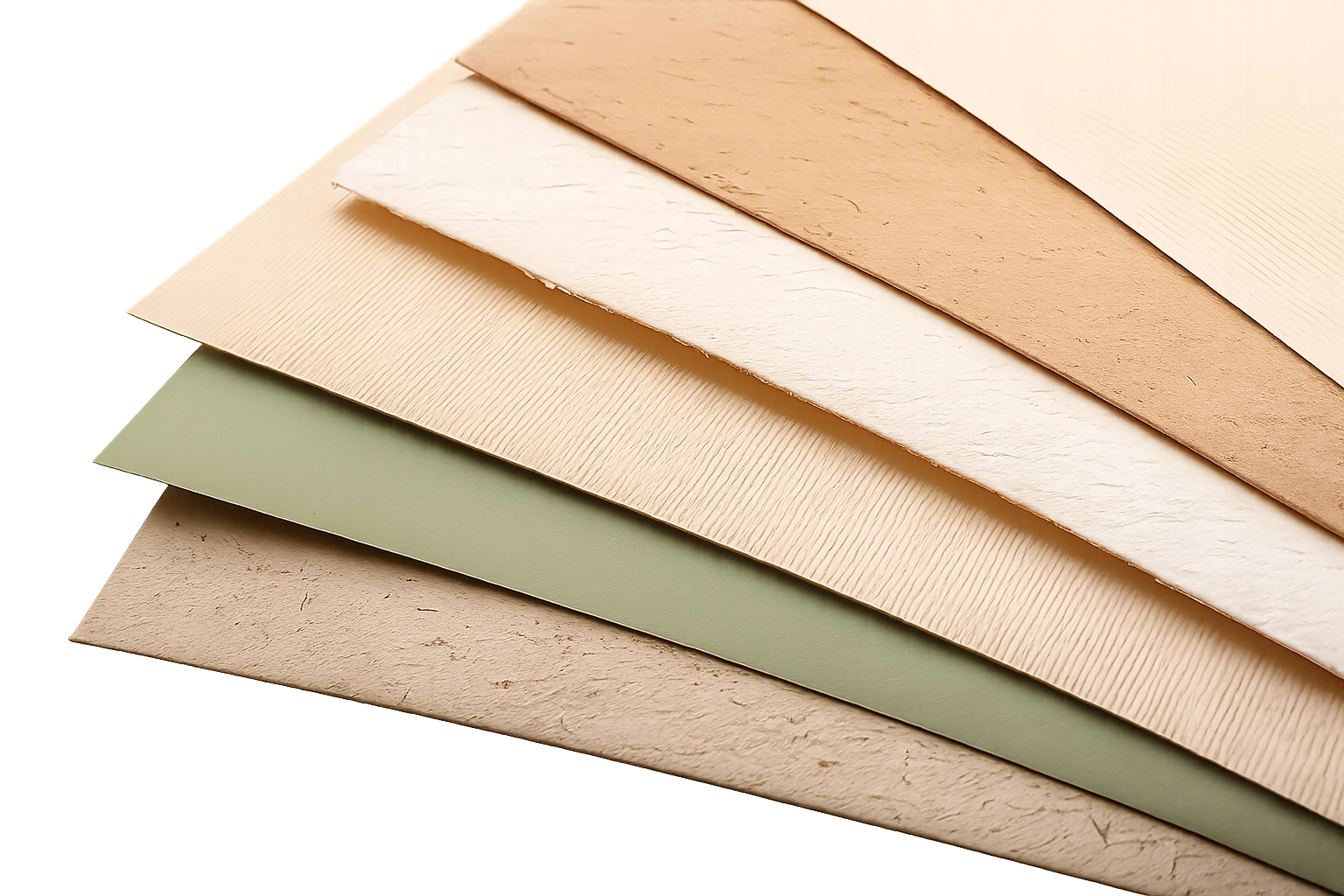
Cardstock is a thick paper based material used in packaging design for custom printed hemp boxes. It sits between standard paper and heavy corrugated fiberboard. Most cardstock comes from wood pulp or recycled paper materials, making it a flexible option for sustainable packaging.
Brands choose cardstock for retail packaging and hemp product packaging because it supports high resolution graphics and strong branding. It also improves product presentation on dispensary shelves and in retail packaging environments where shelf appeal matters.
Common Materials Used in Hemp Shipping Boxes
Different packaging materials offer different levels of strength, protection, and visual appeal. The material selected for hemp packaging depends on the product’s shipping requirements, branding goals, and budget considerations. Common materials used in hemp boxes include:
- Kraft paperboard for natural-looking, eco-friendly packaging and simple branding applications.
- Solid bleached sulfate (SBS) is a popular choice for high-quality printing. It provides a clean surface for sharp graphics and helps create a premium retail look.
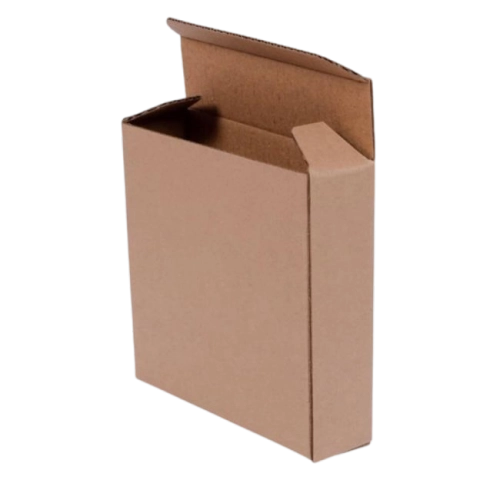
- Corrugated cardboard and corrugated fiberboard for enhanced transit protection, using fluted layers, corrugated medium, and linerboard to improve shock absorption and reduce product damage during shipping.
- Double-wall and triple-wall corrugated materials are designed for heavy-duty packaging. These materials provide greater strength and better stacking performance when products require extra support during storage and shipping.
- Chipboard and bux board for cost-effective, lightweight packaging solutions, commonly used for smaller hemp seed boxes, CBD hemp oil packaging, and internal packaging components.
Strength and Protection Factors
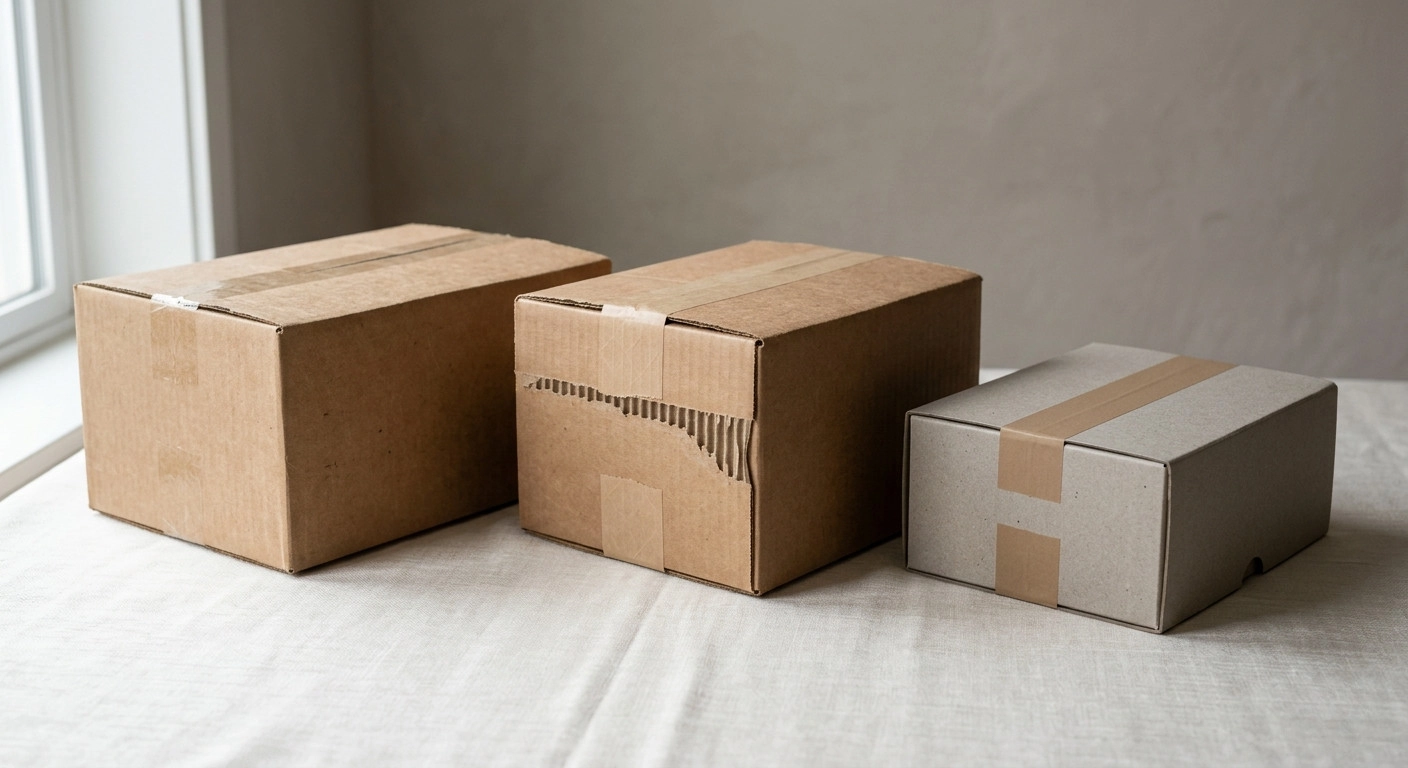
Packaging strength depends on how well the material supports product protection during shipping. Structural support is important for fragile items like glass dropper bottles used in tinctures and serums. Without proper shock protection, even small impacts can cause damage.
Corrugated structure plays a major role in protective packaging. E flute and B flute are commonly used for custom hemp boxes because they balance thickness and print quality. Single wall structures work for light items, while double wall and triple wall options are used for heavy duty packaging that needs stronger packaging performance.
Key factors that improve protection include:
- Multi layer corrugated material increases resistance during stacking and movement
- Tighter fluting improves cushioning for glass based products like tinctures
- Reinforced corners reduce risk of edge damage during transit
- Moisture resistant coatings help maintain packaging reliability in humid conditions
Moisture resistance and tear resistance also matter. These factors help maintain packaging reliability in different climates and storage conditions. A strong shipping box material reduces risk and improves product safety across the supply chain.
Cardstock Weight and Thickness Selection
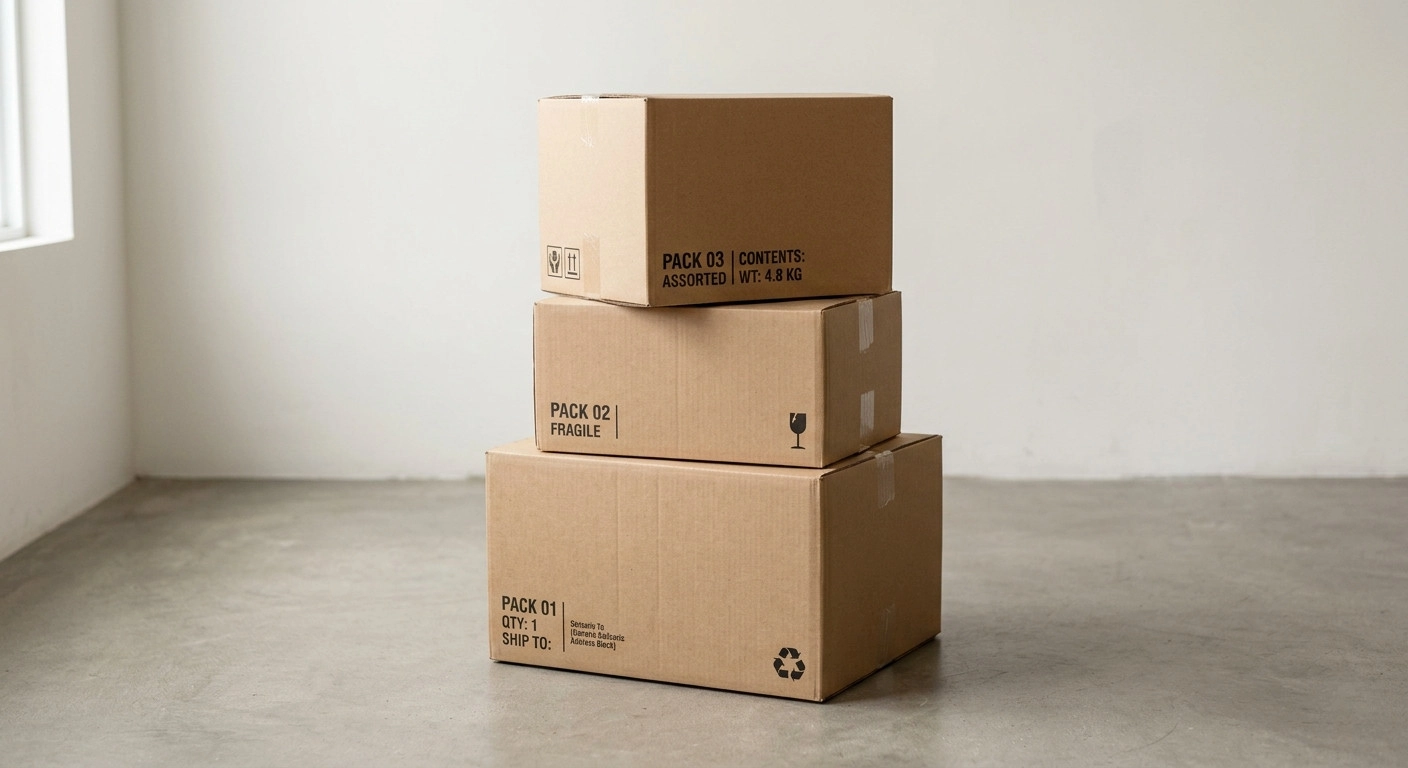
Cardstock thickness is measured in points (PT) and grams per square meter (GSM). Common options include 16pt cardstock, 24pt cardstock, and 28pt cardstock. Each level affects packaging durability and structural integrity.
Lower GSM materials are suitable for lightweight custom hemp packaging designed for small hemp products. Heavier GSM materials are stronger, and are a better choice for bulk shipments or premium CBD products. Box size also plays an important role in material selection, as larger packaging requires additional structural support to help prevent bending or damage.
Practical selection points include:
- 16pt cardstock works well for lightweight retail packaging and sample products
- 24pt cardstock provides balanced strength for standard shipping boxes
- 28pt cardstock supports heavier loads and improves stacking performance
- Higher GSM sheets reduce warping during long distance transport
Brands often test cardstock and material selection to match product weight and shipping strength. The right balance helps reduce waste while maintaining protection and visual quality.
Printing and Branding on Hemp Shipping Boxes
Printing transforms simple shipping boxes into strong branding tools. Custom printed boxes use CMYK printing to achieve accurate colors and detailed visuals. Ink absorption varies based on material, especially with kraft paper and paperboard.
High resolution graphics improve brand identity and make products more attractive on retail shelf appeal displays. Packaging design also includes artwork placement to highlight key product details like CBD hemp oil concentration or hemp oil benefits.
Finishing options such as matte and gloss lamination, soft touch lamination, foil stamping, spot UV, and embossing improve visual quality. These finishes enhance product presentation and create a premium feel for eco conscious practices in branding.
Also Read: Embossing vs. Debossing: Which Works Better?
Sustainability in Hemp Packaging Materials
Sustainable packaging is now a key focus for hemp products and CBD products. Many brands use recyclable packaging and biodegradable materials to reduce environmental footprint. Materials like kraft paperboard and recycled paper materials support eco friendly packaging goals.
FSC certification from Forest Stewardship Council ensures responsible sourcing of wood pulp. Soy based inks and water based inks also reduce environmental impact while maintaining print quality.
Eco friendly hemp boxes support long term eco conscious practices and help brands connect with customers who value sustainability in custom hemp packaging.
Logistics and Real World Performance
Hemp shipping boxes must perform well in real conditions like e-commerce shipping and warehouse handling. Packaging reliability depends on how well materials hold up during stacking, vibration, and long transit routes.
In retail environments, packaging design affects how products appear on dispensary shelves. Strong retail packaging improves trust and encourages purchase decisions. Brands that invest in better packaging materials often see improved customer experience and fewer product returns.
Protective packaging also supports compliance in regulated markets where CBD shipping boxes must meet safety and presentation standards. Strong packaging reduces losses and improves overall supply chain efficiency.
Choosing the Right Cardstock for Your Needs
Selecting cardstock for hemp shipping boxes depends on product type, weight, and branding goals. Lightweight items like organic hemp soap may use lower GSM paperboard or chipboard. Fragile items like glass tinctures need stronger corrugated material with higher structural support.
Brands selling premium CBD products often prefer solid bleached sulfate (SBS) for clean printing and strong visual appeal. Kraft paperboard works better for natural branding styles focused on sustainability.
The final decision has to be a balance between packaging durability, product protection and visual branding needs. Testing of different packaging materials allows you to find the best fit for long term packaging performance.