
















Table of Contents
Get A Free Quote
The hemp industry keeps expanding as more companies offer oils, tinctures, gummies, skin care products and other wellness items. As the market grows, packaging is now as important as the products themselves.
Hemp shipping boxes serve more than just to deliver the product from one place to another. They give protection to the items during transportation that supports the branding while meeting the sustainability requirements.
It is also important to understand that hemp shipping boxes are not boxes made from hemp fibers. They are shipping boxes designed for hemp based products. Since these products have different shipping needs, businesses must choose packaging materials carefully.
The right materials improve product safety, reduce waste, and create a better customer experience. Let’s look at the most common materials brands use today.
Corrugated Cardboard Is the Most Common Choice
Corrugated cardboard is an industry standard and the most common material used for hemp shipping boxes. It is strong, lightweight, and affordable, which makes it suitable for everyday shipping.
The material contains several layers, including a fluted center layer called a corrugating medium. This structure improves impact resistance and helps protect products from damage during transit.
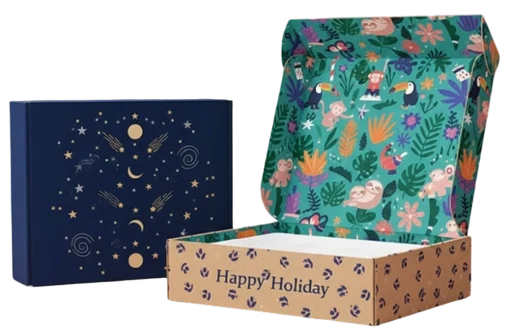
Many businesses use corrugated mailer boxes for CBD shipping boxes, subscription packaging, and direct to consumer orders. It also allows easy brand customization without adding too much weight to the package.
Kraft Paper Creates a Natural and Clean Appearance
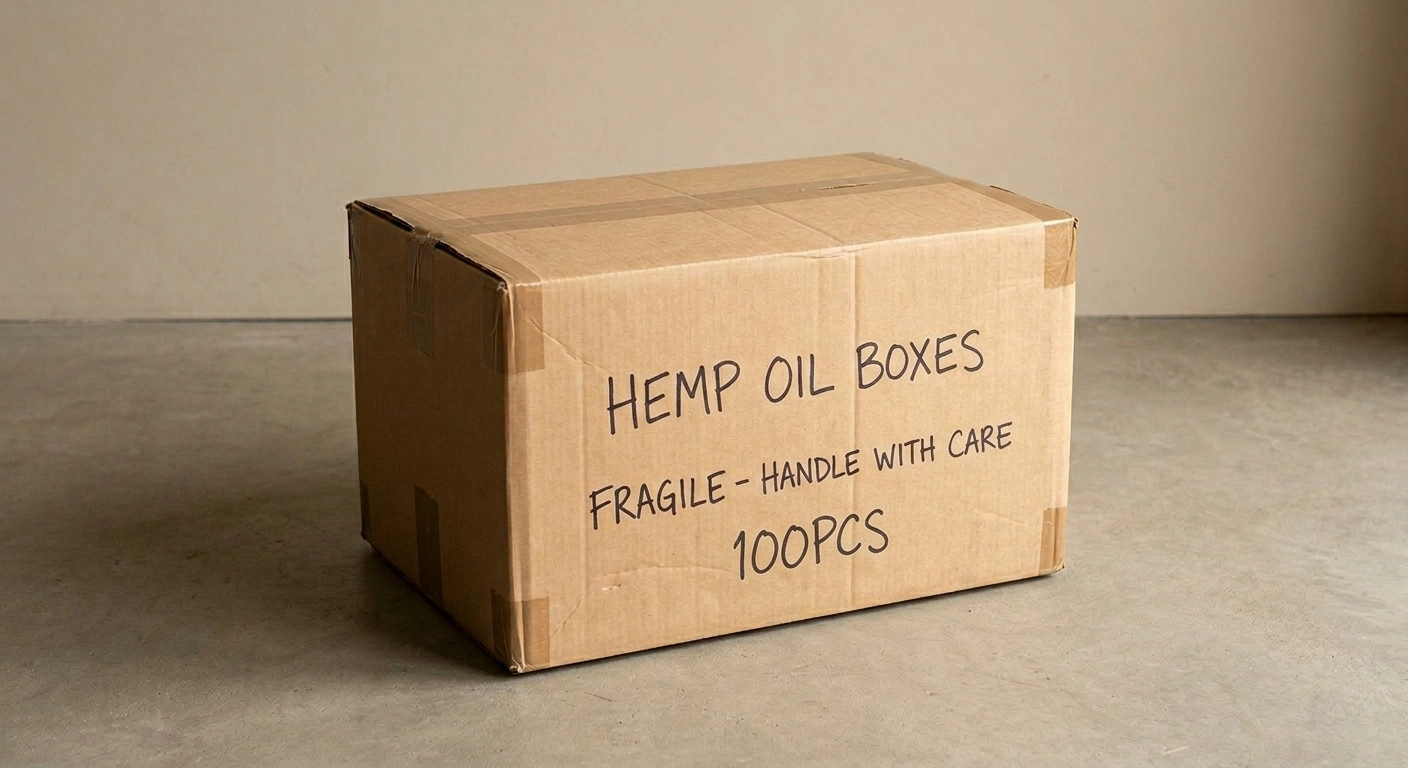
Brands increasingly select kraft paper for its clean and natural appearance. It helps create a packaging style that feels authentic and approachable. Its visual simplicity also aligns well with modern branding preferences.
Many companies opt for kraft mailer boxes to attract eco conscious consumers who prefer simple and responsible packaging. The material is light-weight, strong and easy to recycle.
Brands also like kraft paper because it supports clean designs and keeps packaging simple without sacrificing functionality.

Cardboard and Paperboard Have Different Jobs
Many people use cardboard and paperboard as if they are the same thing. They are not.
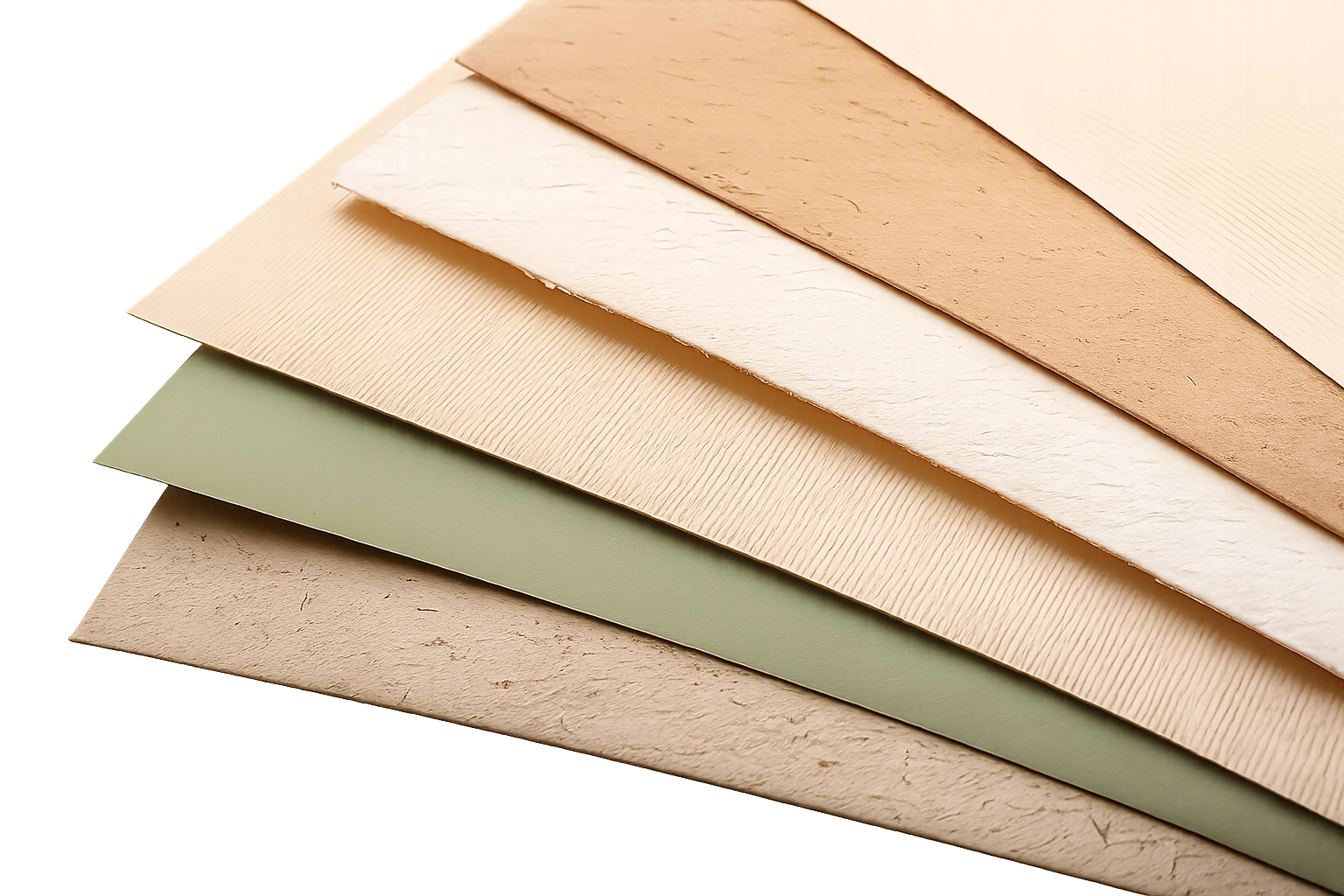
Cardboard is commonly used for lightweight protective layers and secondary packaging. Paperboard, on the other hand, has a smoother and thinner structure.
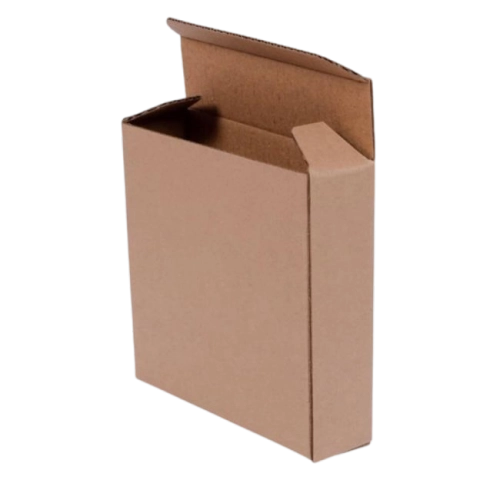
You will often see hemp paper boxes made from paperboard because the material creates a cleaner presentation. This makes paperboard a popular choice for custom hemp boxes intended for retail display and branded packaging.
Many brands place their products inside paperboard boxes first before adding an outer shipping box. This creates a two layer system that protects the product while also improving the customer experience. For example, cbd oil boxes may use paperboard for product presentation while a stronger shipping box protects everything during transit. This combination has become common throughout the industry.

Rigid Paperboard Is Used for Premium Products
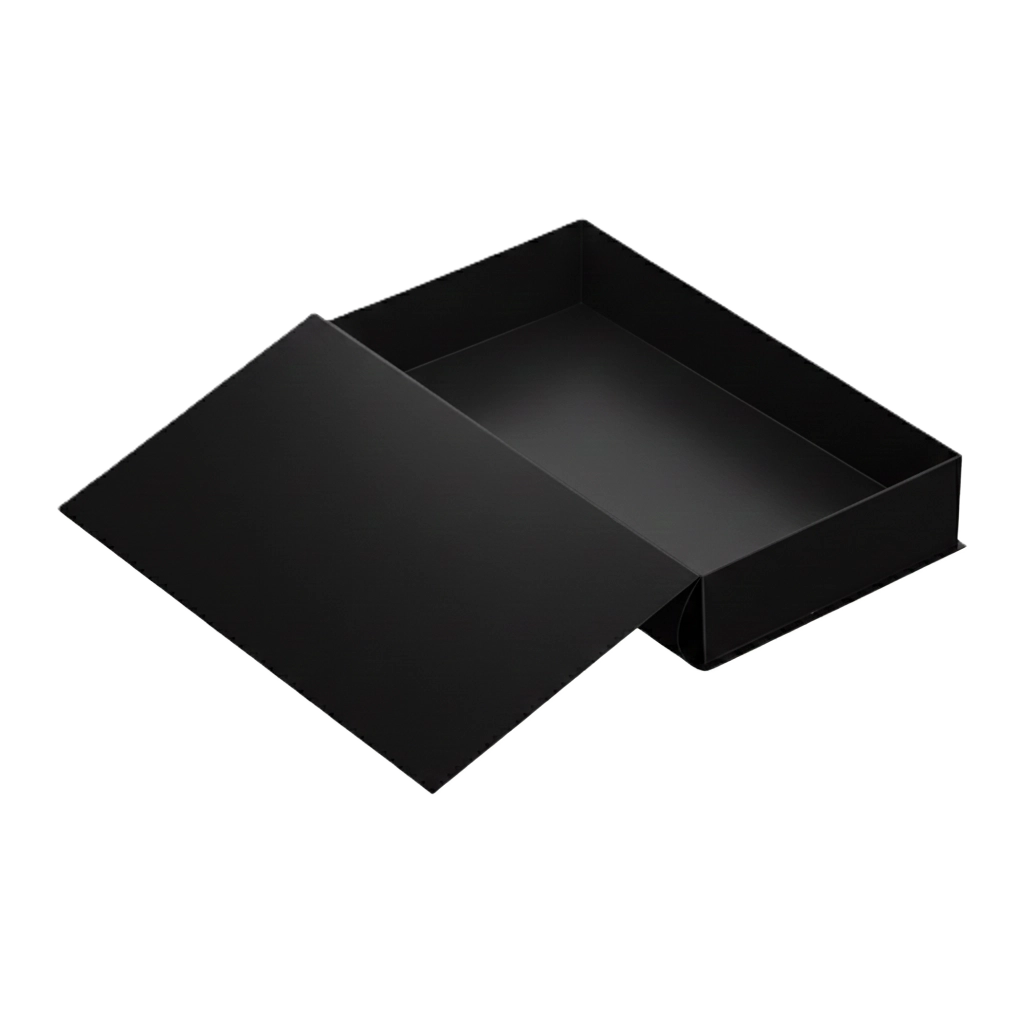
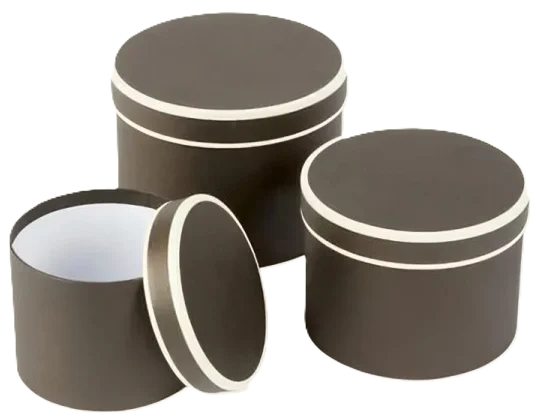
Not every product can rely on standard packaging. Some brands sell luxury gift sets or high end wellness products that require extra protection. In these cases, rigid paperboard is often the preferred choice. It is thicker and more durable than standard paperboard. The material also gives products a premium feel without looking excessive.
Many businesses choose rigid paperboard for special edition hemp oil boxes and gift collections. It creates a more substantial feel that enhances the unboxing experience. Although it comes at a higher cost, brands often view it as a valuable option for premium products.
Recycled Materials Are Becoming More Important
Modern customers prefer to choose the brands who take responsibility to fulfil the requirements of sustainability. This is why many brands now use recycled paper and recycled cardboard in their packaging solutions. These materials reduce the need for new raw materials and support the circular economy. Instead of producing new resources every time, existing materials are reused and repurposed.
Many companies also look for post-consumer recycled content. This means the material comes from products that people have already used and recycled. Customers notice these details. Environmentally responsible packaging can influence their buying decisions. Brands that clearly communicate these efforts often earn stronger trust from their audience.
Additional Materials Help Protect Products During Transit
Even the strongest shipping box cannot do everything on its own. Products can still move around inside the package during transportation. This is where additional protective materials become necessary. Protective inserts help keep products in place. They keep the bottles from colliding together when they are shipped.
Void fill paper fills in the gaps and minimises unnecessary movement. Custom foam inserts add an extra layer of protection for fragile products. Many brands have also started using honeycomb paper packaging as an alternative to plastic bubble wrap. It expands into a protective structure while remaining easy to recycle. These materials improve product protection during transit without creating excessive waste.

Sustainable Printing Materials Also Matter
People often focus on the box itself and forget about everything that goes on the surface. Printing materials matter too. Many businesses use water based inks because they contain less harmful substances. Soy based inks are another popular option because they are derived from renewable sources. Some brands use natural coatings to improve durability without heavy reliance on synthetic chemicals.
Laminates can also be added where moisture resistance is required. But companies are sceptical of them because some laminates can make recycling more difficult. The goal is not simply to create attractive packaging. It is to create packaging that remains functional and responsible from beginning to end.
Why Certifications Have Become More Valuable
Consumers are asking more questions about the products they buy. They want clear proof that companies are making responsible choices. Certifications help provide that assurance.
Many businesses source materials with FSC Certification because it confirms that the paper comes from responsibly managed forests. Companies also invest in recyclable packaging and biodegradable packaging to reduce their environmental footprint. These decisions support broader supply chain sustainability efforts while helping businesses meet changing customer expectations. Eco conscious consumers are becoming a larger part of the market every year.
Choosing the Right Combination of Materials
No single material can do everything. Most businesses build a packaging system rather than relying on one solution. A shipping box may use corrugated cardboard for strength, paperboard for presentation, and paper cushioning for added protection. Custom hemp shipping boxes are often designed this way as every product has different needs. A pouch of gummies doesn’t require as much support as a glass bottle. A subscription box may require a different structure than a retail product on a store shelf. The best packaging solutions balance durability, sustainability, appearance, and cost.
Also Read: Choosing the Right Cardstock for Custom Hemp Shipping Boxes
Get Custom Hemp Shipping Boxes That Combine Protection and Sustainability
As customer expectations grow, businesses find it necessary to offer functional, long-lasting and eco-friendly packaging. Hot Custom Boxes provides custom hemp shipping boxes for businesses of all sizes looking to balance product protection, brand presentation and sustainable packaging goals. Let our team help you design packaging that protects your product and improves your brand identity.