












The Complete Manufacturing Process of Custom Rigid Boxes
Home » The Complete Manufacturing Process of Custom Rigid Boxes
Table of Contents
Get A Free Quote
Custom rigid packaging boxes are popular for their durable structure, premium appeal and reliable product protection. Custom rigid boxes are mainly used in industries such as cosmetics, electronics, jewelry, food items, personal care products and luxury items that need more care and protection. Unlike regular standard packaging boxes, rigid packaging boxes are strong enough and do not collapse flat.
They keep their shape and give the product a solid appeal. The manufacturing process of custom rigid boxes is included in several processes which ensures the packaging box’s durability and quality. It involves material selection, board cutting, wrapping, printing, assembly and many more. Each step contributes to the durability, appearance and user experience of the packaging box.
A well made rigid box does more than hold a product. It protects products during handling and shipping. It also improves brand presentation on shelves and during unboxing. For premium products, the box often creates the first real impression before the product is used.
What Makes Rigid Boxes Different
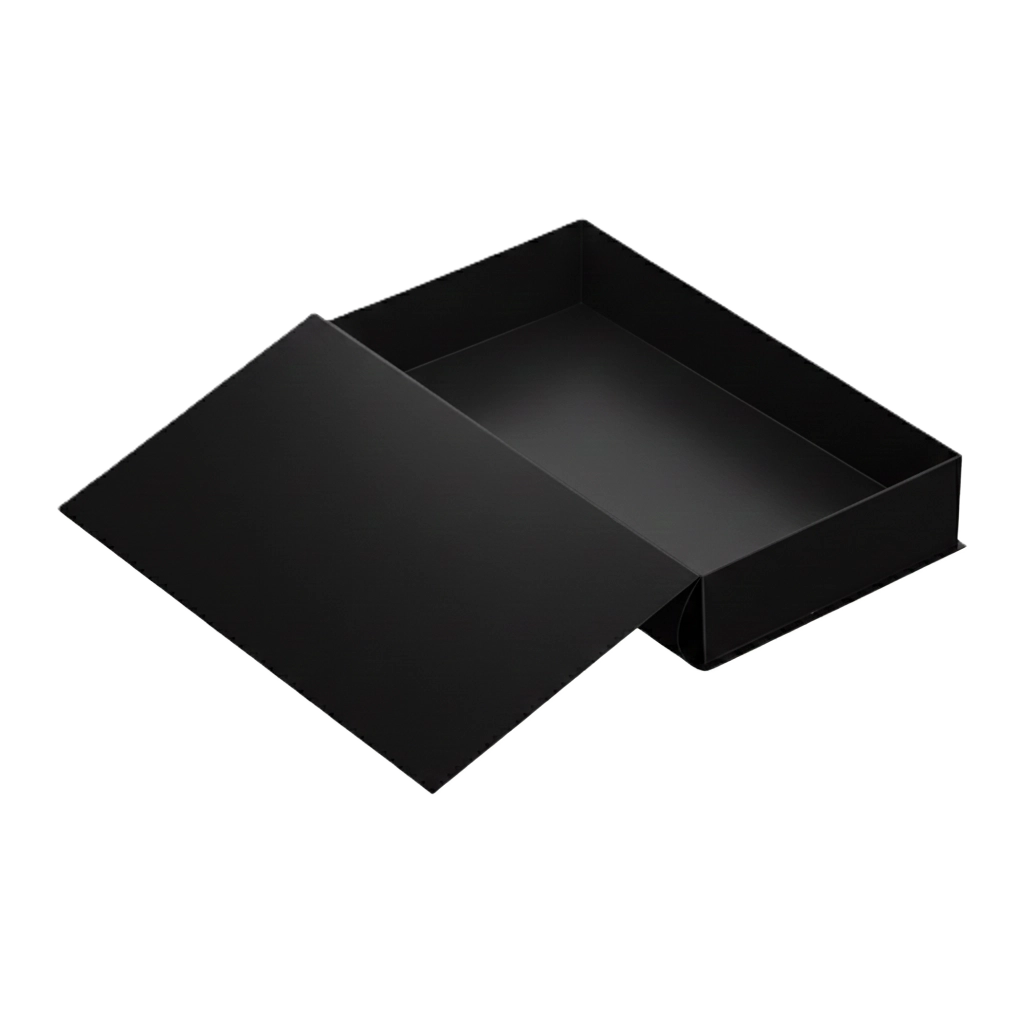
Rigid boxes are made from thick board materials. This gives them a firm body and strong edges. They are commonly wrapped with printed paper, textured paper, specialty paper, fabric or other decorative wrapping materials.
The major difference between rigid boxes and folding cartons is the durability in structure. Folding cartons are thin and can be shipped flat. Custom rigid packaging boxes are made from sturdy materials that help them to be in shape even in harsh environmental effects. That keeps them safe while shipping and storage. Rigid packaging boxes are ideal for premium products to give them a luxury packaging experience. Custom rigid boxes are ideal for the luxury products that require extra care and protection along with premium appeal. They are ideal for fragile items, gift products, luxury retail items, and products that need a clean display.
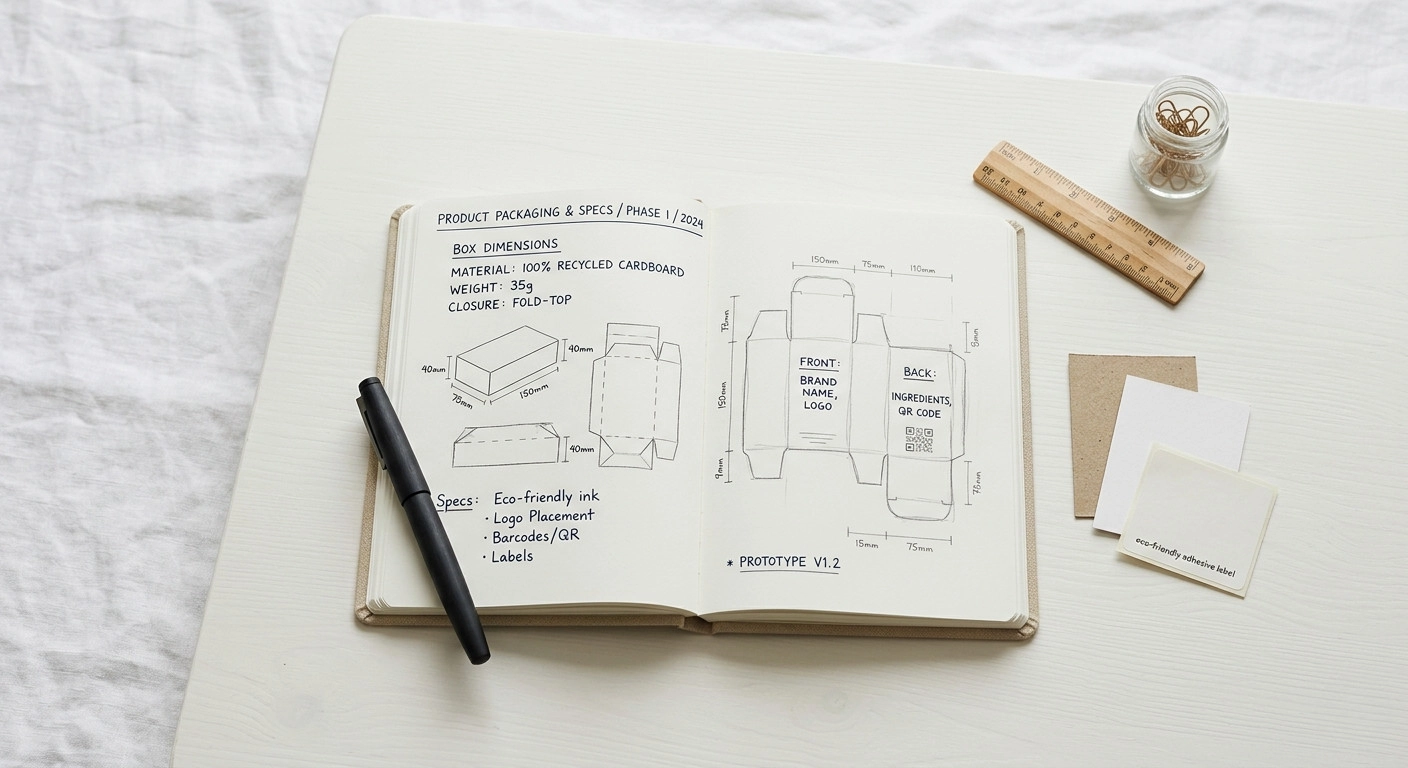
Step 1: Product Specifications and Packaging Planning
The process starts with understanding the product. The manufacturer reviews the product size, weight, shape, material, and level of fragility. A glass bottle needs different protection than a cream jar. An electronic device needs a different insert than a jewelry item.
The purpose of the box is also defined at this stage. Some brands need strong shipping protection. Others need a luxury display box for retail shelves. Many brands need both.
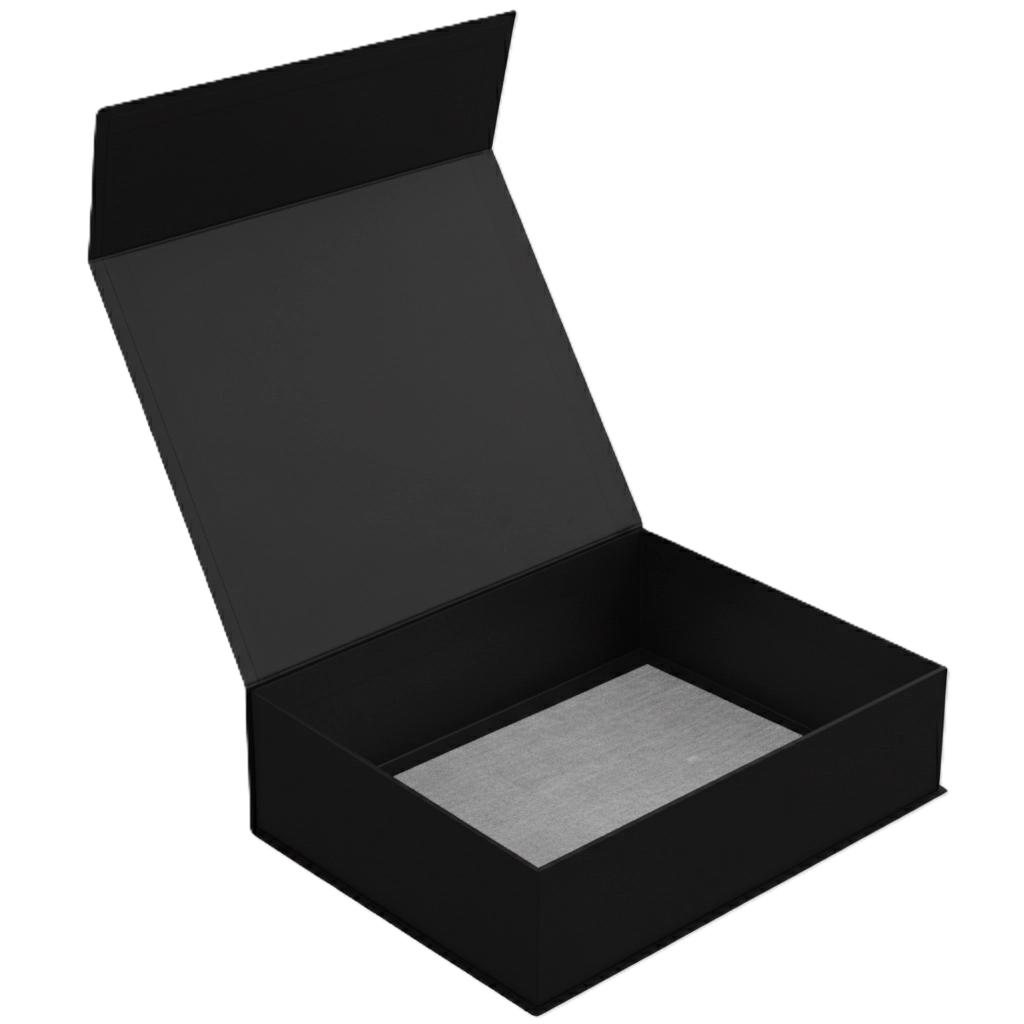
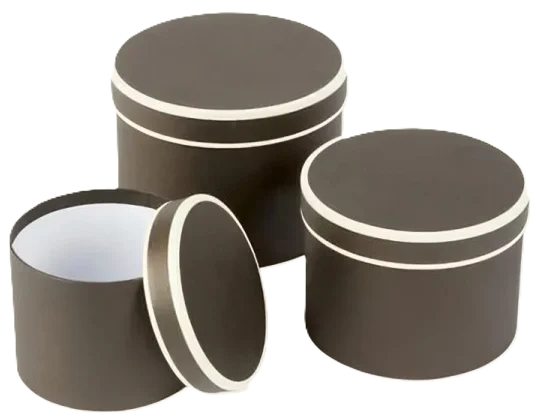
This stage also covers the box style. Common options include lid and base boxes, magnetic closure boxes, drawer boxes, shoulder neck boxes, book style boxes, and round rigid containers.
Good planning helps avoid problems during production. It also improves cost control, material use, and final packaging quality.
Step 2: Structural Design and Dieline Creation
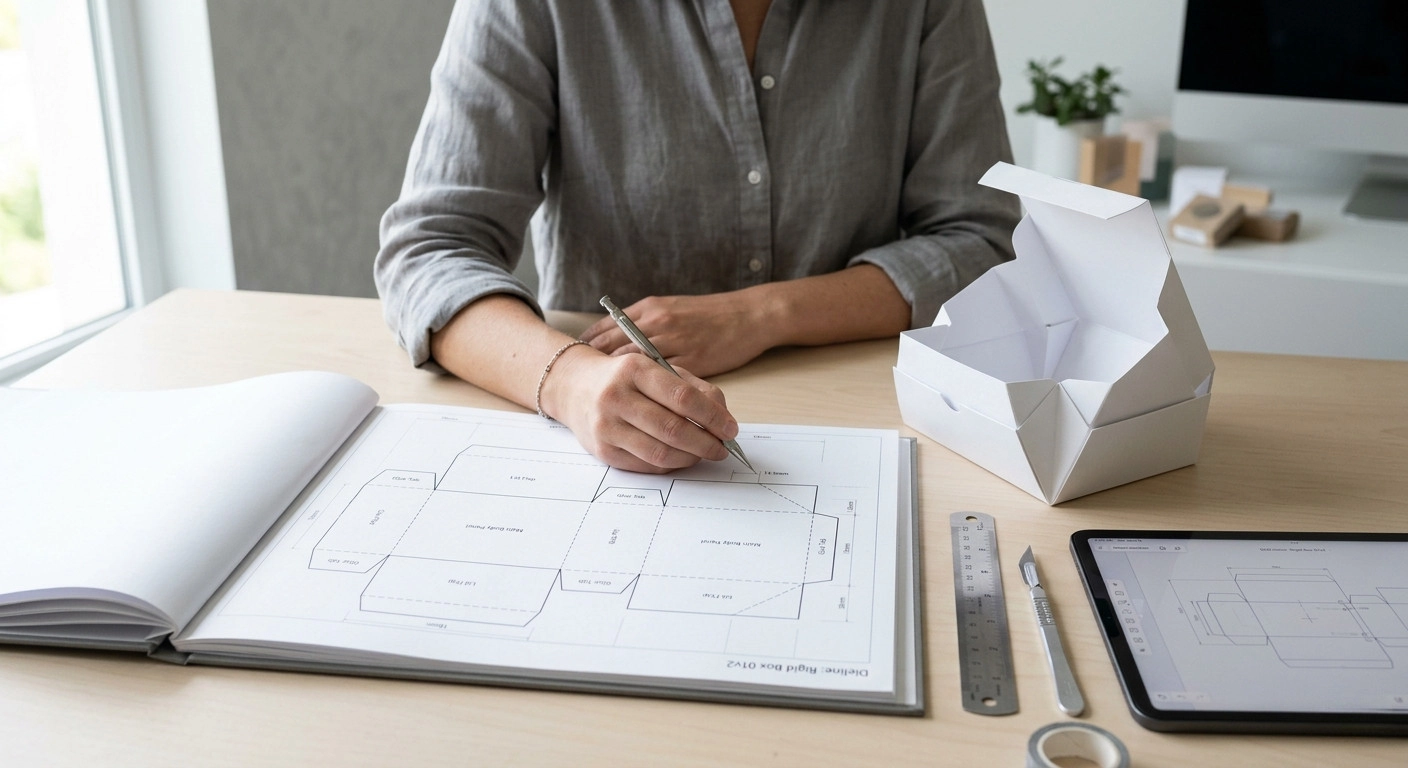
After product study, the structural design is created. This includes the size of the box body, lid, side walls, bottom panel, inserts, and closures.
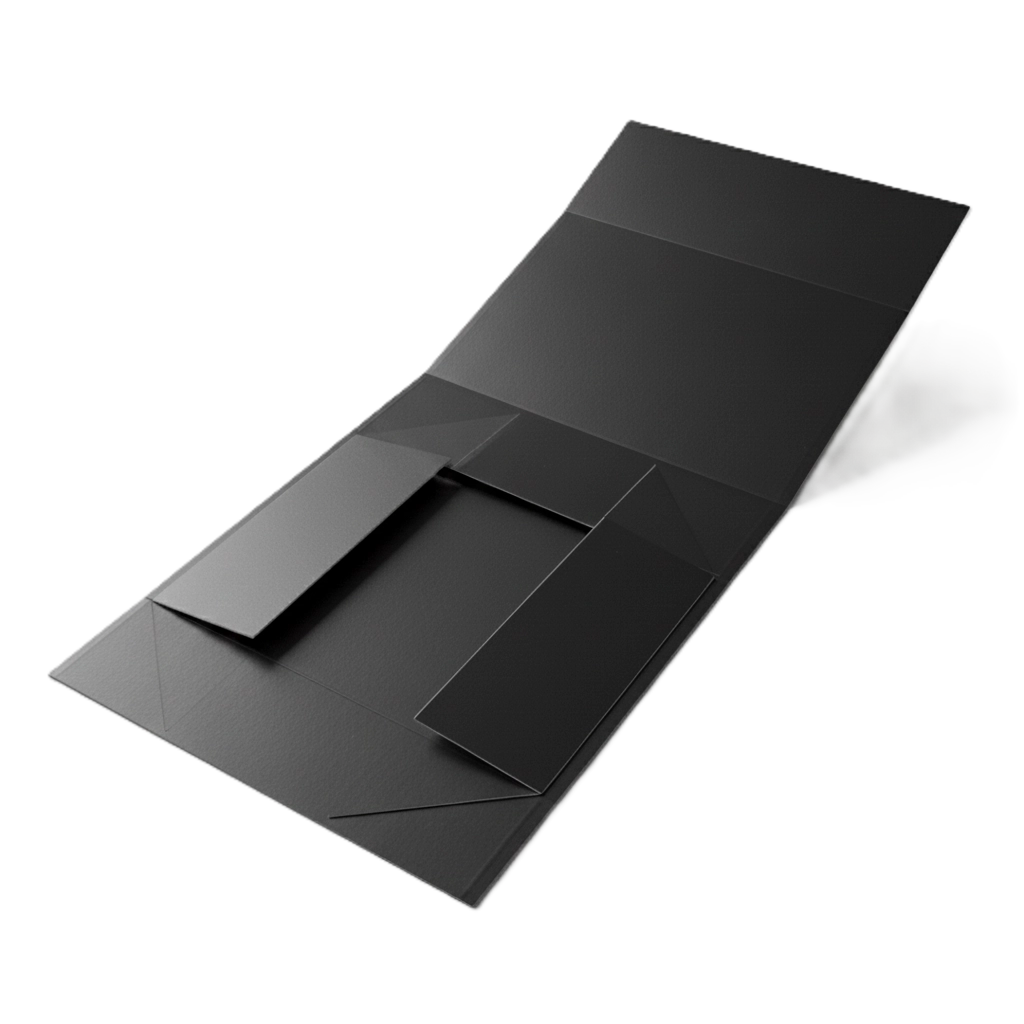
A dieline is prepared before production starts. It acts like a technical guide for cutting, folding, wrapping, and assembly. The dieline shows exact measurements and placement areas for board pieces and wrapping paper.
This stage is important because rigid boxes need dimensional accuracy. If the measurements are wrong, the lid may not fit well. The product may move inside the box. The corners may look uneven. A proper dieline keeps the structure clean and consistent.
Structural design also affects product protection. Heavy products need a thicker board. Fragile products may need custom inserts. Luxury products often need a stronger body and cleaner finish.
Materials Used in Custom Rigid Box Manufacturing
Material selection is one of the most important parts of rigid box production. The selection of right material for packaging boxes ensures expected result in durability, premium appeal and good quality. It helps to enhance the customer experience and give strong brand recognition in the crowd of competitive markets.
Paperboard
Paperboard is thicker than normal paper and offers better strong protection. In rigid box manufacturing processes, paperboard is commonly used to create the main box structure or internal support layers structure.
Paperboard is popular because it is easy to cut, shape, wrap. Also convenient for the printing. It works well with many finishing options. It gives the expected result while working with matte lamination, gloss lamination, embossing, foil stamping, and spot UV.
Thick paperboards can be selected on the basis of product needs. Suppose small cosmetic boxes may use lighter paperboards. Larger gift boxes or electronic packaging may need thicker paperboard for better strength.
Greyboard
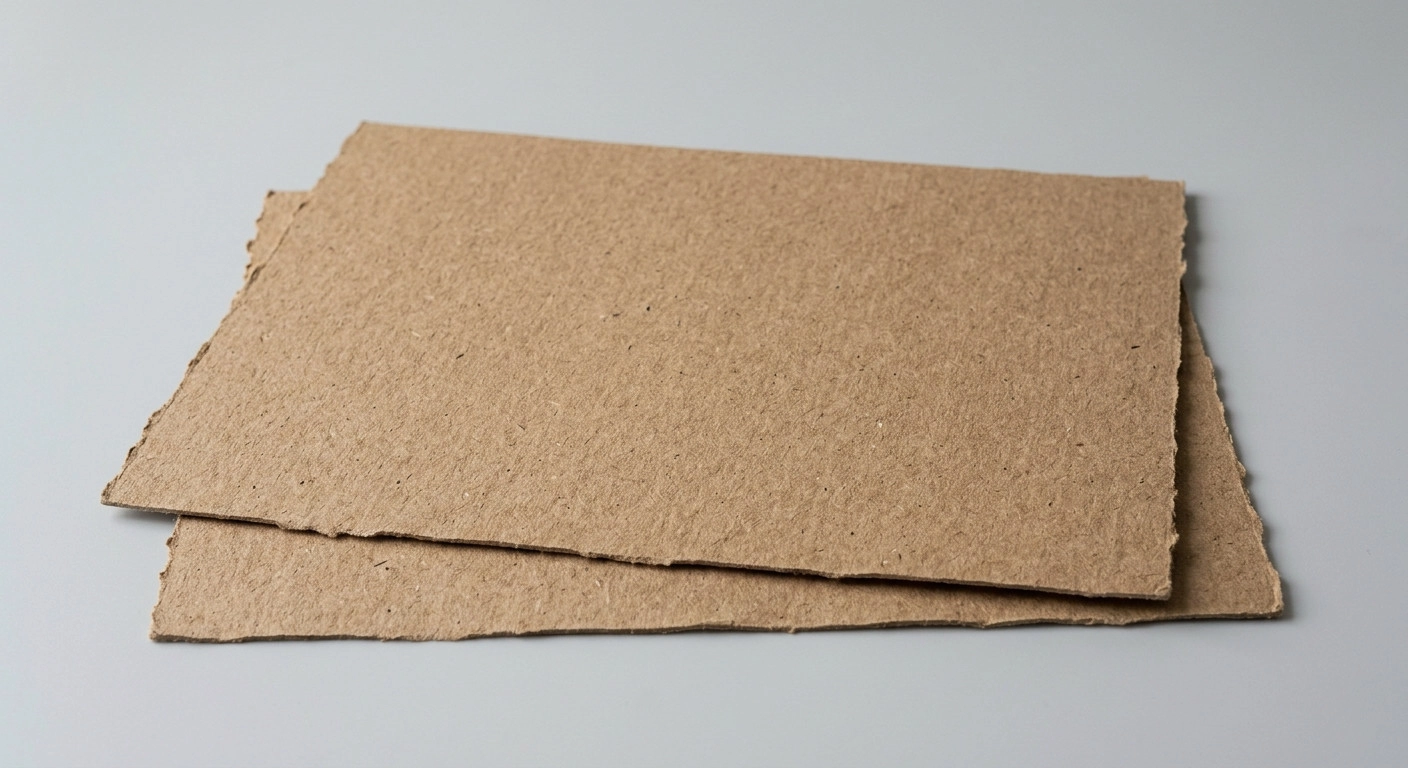
Grayboard is a dense board used in many custom rigid boxes. It is usually made from recycled paper fibers. It has a firm body and strong compression resistance.
Greyboard is often used as the core structure of luxury rigid boxes. It gives the box its shape, weight, and solid feel. The outside surface is usually covered with printed or decorative paper because the grayboard itself has a plain look.
This material is suitable for boxes that need strong walls, stable corners, and long lasting structure. It is often used for perfume boxes, gift boxes, watch boxes, cosmetic boxes, and electronics packaging.
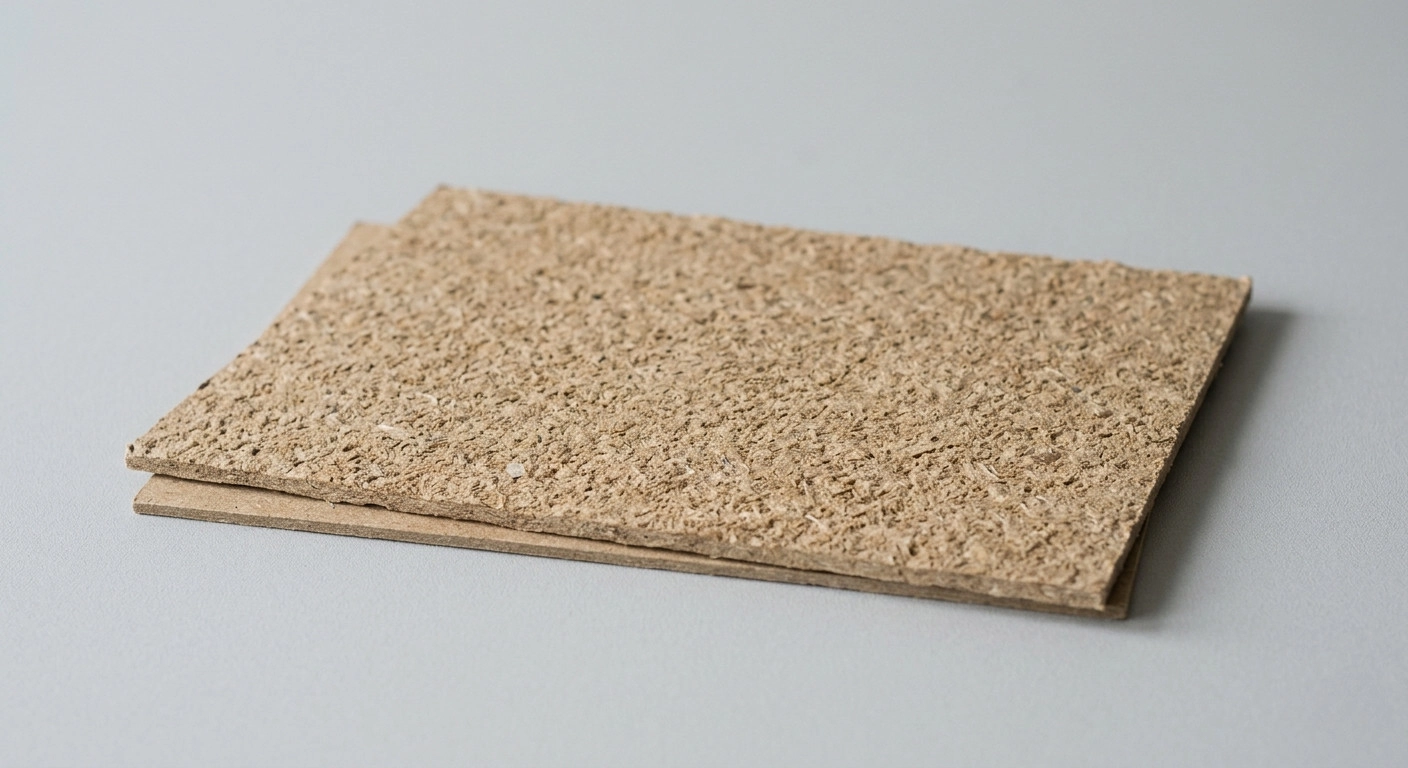
Chipboard
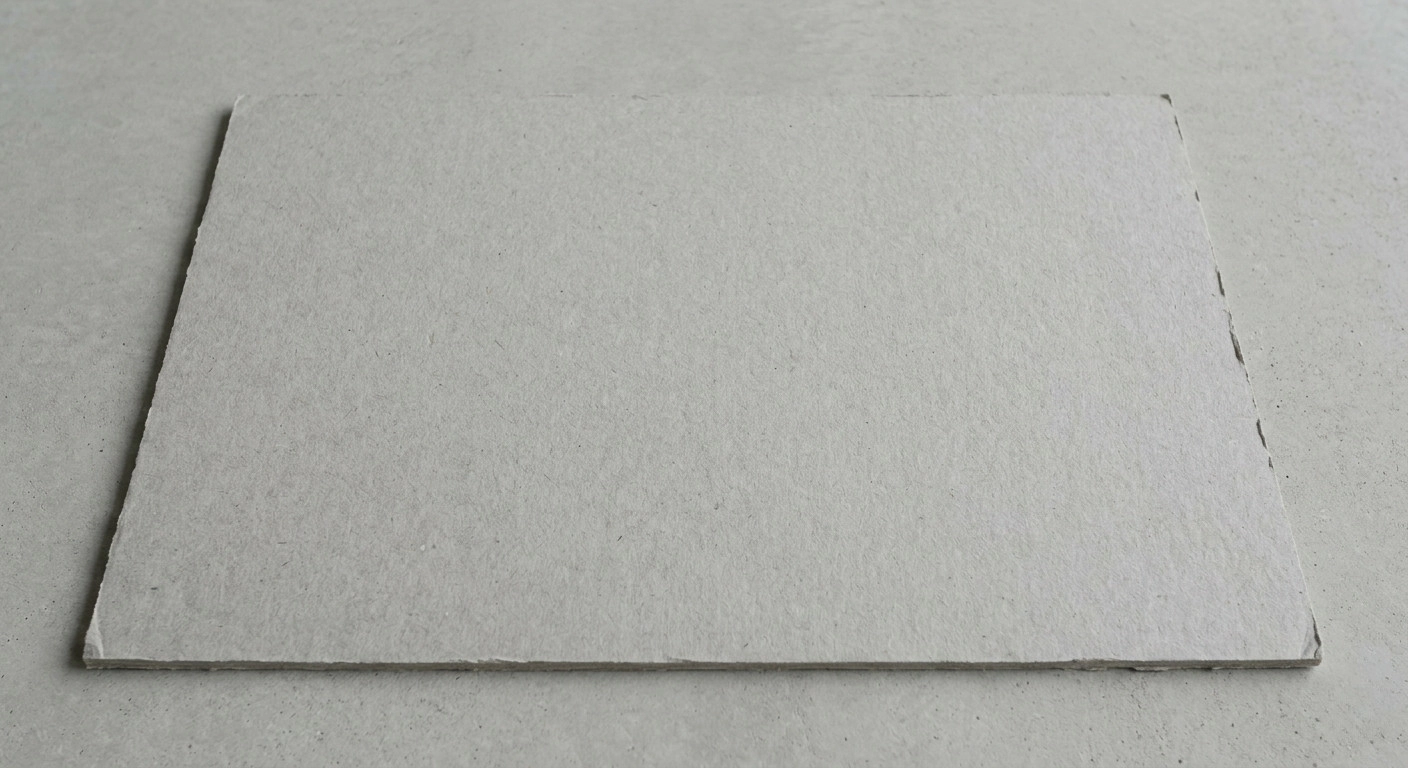
Chipboard is another common board material used in packaging manufacturing. It is made from pressed paper fibers and is known for its stiffness and cost control.
Chipboard can be used for rigid box bodies, lids, trays, and inserts. It is available in different thickness levels. A thicker chipboard provides better strength and durability.
This material is useful for brands that need solid packaging without using very expensive substrates. It performs well when paired with quality wrapping paper and good finishing.
Cardboard
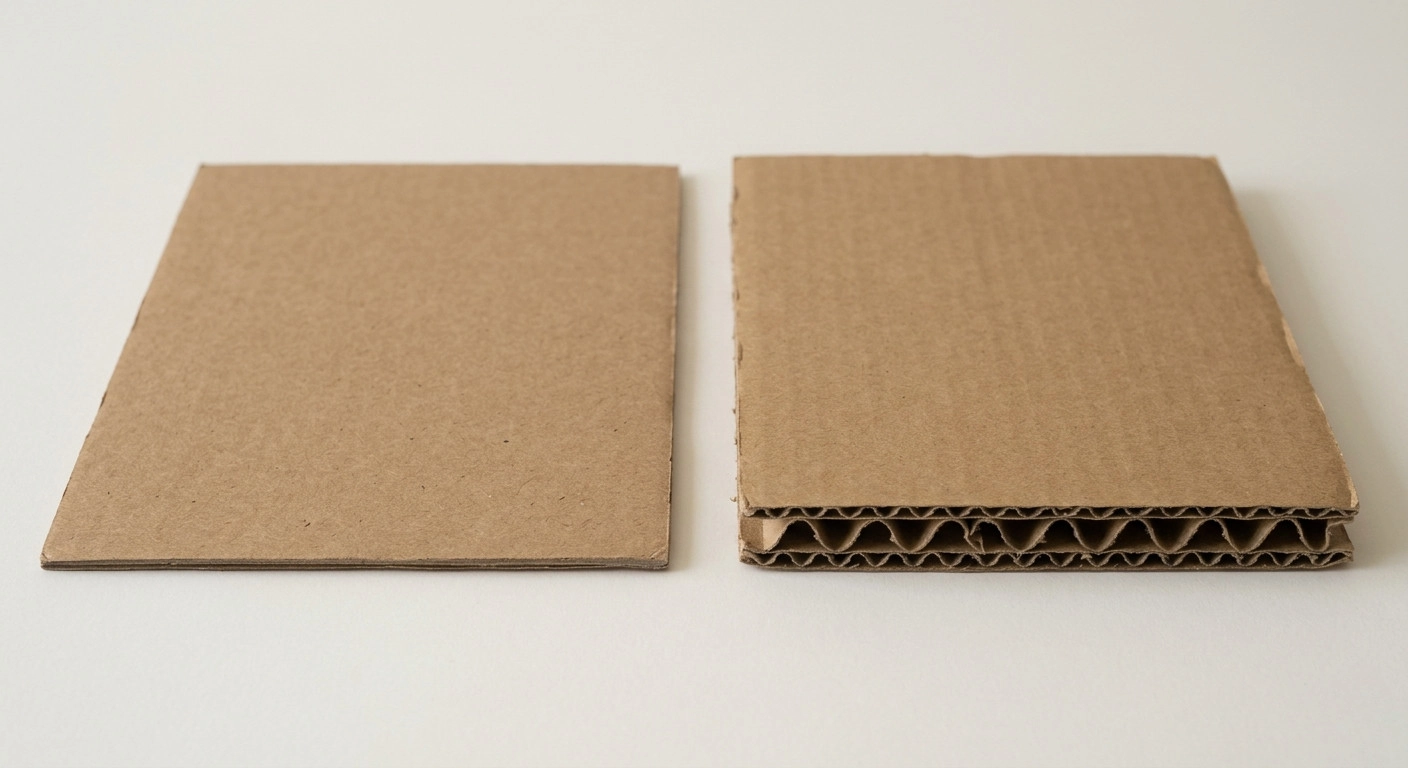
Cardboard is a general term often used for thick paper based packaging material. In the production of rigid boxes, the word cardboard may lead to different board types. Such as paperboard, greyboard or chipboard. For custom rigid packaging boxes cardboard must be thick and strong enough. That it can keep the box shape maintained. Well thin cardboard is not suitable for premium rigid packaging because it can bend, crush or easily can lose structure.
Good quality cardboard supports safe handling, better shelf presence and stronger product protection from external environmental impacts. It is also easy to pair with printed wraps, textured paper, fabric covers, and luxury finishes.
Corrugated Board
Corrugated board is made with a fluted layer between flat liner sheets. It is mostly used for shipping boxes, but it can also be used in some protective packaging designs.
In rigid box manufacturing, corrugated board is not usually the first choice for luxury retail boxes. It has a different look and texture. Well, it is efficient for inner support, shipping protection, or heavy product packaging solutions. It gives resistance from cushioning and other environmental impacts. It is helpful when the product must travel long distances or face handling pressure during delivery.
Interior Materials and Inside Box Components
The inside of a custom rigid packaging box is also very important as the outside. It protects the product, improves presentation and creates a clean unboxing experience for the customers. Interior packaging materials are selected based on the product’s factors such as size, weight, shape and level of protection that is required to that product.
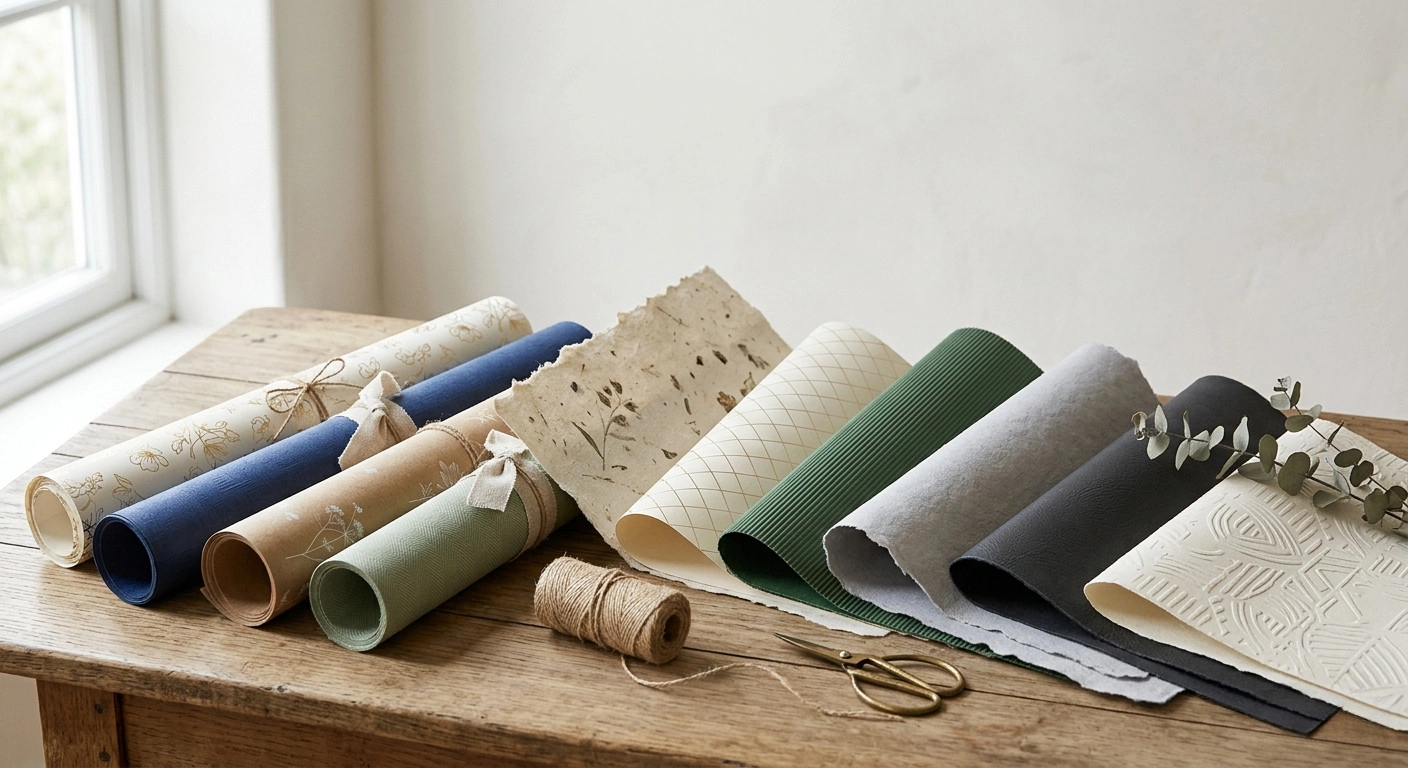
Decorative Packaging Wrap Paper
Wrapping paper creates the visible outer surface of the rigid box. It can be printed, textured, matte, glossy, soft touch, or specialty coated.
This material is glued over the board structure. It hides the plain board and gives the packaging its final look. A luxury rigid box often depends heavily on the quality of its wrapping paper.
Good wrapping paper should resist scuffs, fold cleanly around corners, and should be able to hold color perfectly after printing. Poor wrapping paper does not fulfil those requirements like may wrinkle, tear, or show glue marks.
Specialty Papers and Textured Papers
Specialty papers are used when brands want a more premium feel. These papers may have linen texture, leather texture, soft touch coating, pearl finish, or natural fiber patterns.
Textured paper adds depth to the box surface. It also improves the hand feel of the packaging. This is common in rigid jewelry boxes, perfume boxes, gift packaging, and high end cosmetic boxes.
Specialty papers need careful handling during wrapping. If pressure is too high, the texture may flatten. If glue is not applied properly, the surface may prominent the marks. That gives the bad appeal.
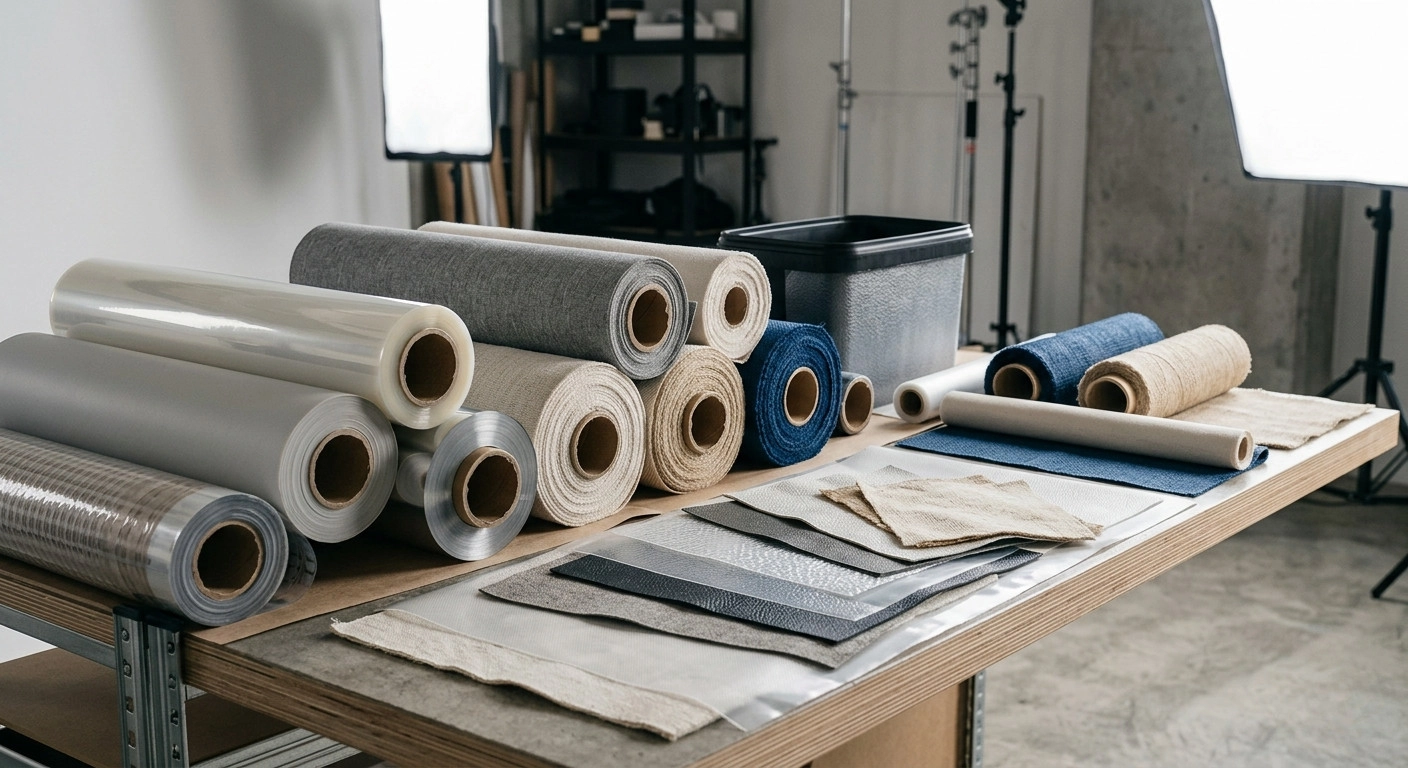
Fabric and Specialty Films
Some luxury rigid boxes use fabric, velvet, satin, or specialty films as outer or inner covering materials. These materials provide a premium presentation and are commonly used for watches, jewelry, perfumes, and gift products.
In addition fabric can be used inside the box to protect luxury and high-end quality products. Specialty films can be used outside the box to create shine, texture, or added surface protection.
These materials require skill to handle the environmental impacts. They may need special adhesives for more durability and slower assembly to avoid wrinkles, stains, or uneven edges.
Inserts and Inner Support Materials
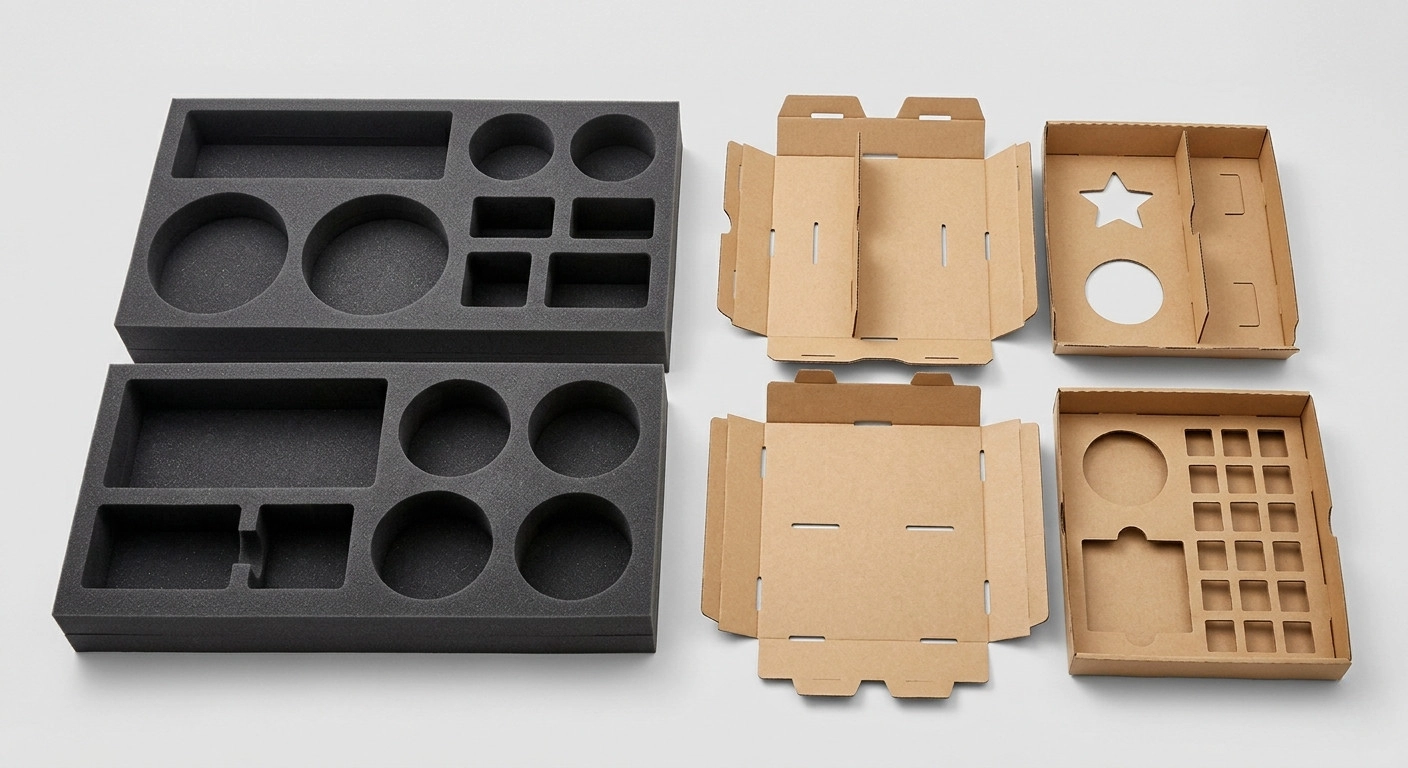
Inserts help keep the product secure inside the rigid box. They can be made from paperboard, molded pulp, foam, plastic, fabric covered board, or polypropylene.
The insert material depends on the product. Glass bottles may need firm inserts. Electronic items may need shaped trays. Cosmetics may need dividers or product holders.
A good insert improves product protection and presentation. It keeps the product in place and makes the unboxing experience cleaner.
Adhesives
Adhesives hold the box parts together. The most common options are included in hot melt glue, cold glue, water based glue, pressure sensitive tape, and water activated gummed tape.
Choosing the right adhesive option depends on the board, wrapping paper, production speed, and final use of the box. Poor glue selection can make weak joints, lifted edges, or visible marks. That can damage the entire functionality of the box. And this can affect the brand reputation.
Good adhesive application improves structural integrity. It also keeps the wrapping smooth and secure around corners and edges.
Step 3: Material Inspection and Preparation
Before starting the production. Checking all materials is the smart action to make the entire process smooth. Check wrapping paper for color, texture, print quality, and surface consistency as well so that the production process runs without any hassle.
Moisture control is very important because paper based materials react to humidity. If the board gets too dry, it can crack easily. same if it gets too much moisture, it can warp up quickly. Proper conditioning can help to maintain the stability while cutting and wrapping.
This step reduces waste and prevents production defects. It helps to keep consistency in batch quality.
Step 4: Cutting and Board Shaping
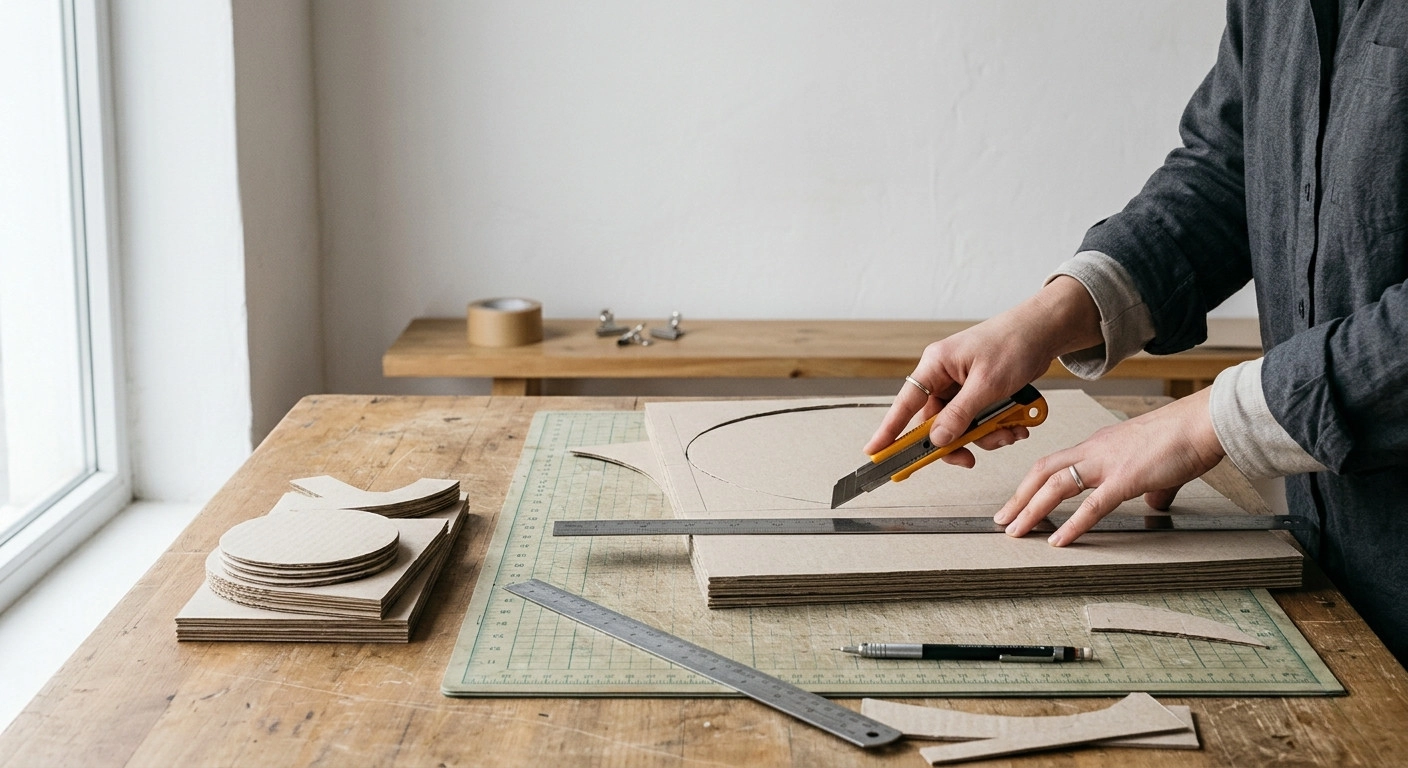
Cut the selected board into the required shapes. That piece may include the box base, its lid, side panels, bottom panels, insert parts or many other pieces depending on the box design. Manufacturers use many cutting machines to get the required shape such as cutting machines, steel rule dies, rotary cutters, or laser cutting systems. This method depends on the packaging box design, order size, and required precision as well.
Cutting accuracy is critical. If the board pieces are even slightly wrong, the final box may have poor corners, weak edges, or bad lid alignment.
Step 5: Printing and Finishing
Before applying the wrapping paper on the board, it is passed through the printing process.
This allows the brand logo, colors, graphics, product details, and design patterns to appear on the final box surface to produce the actual design.
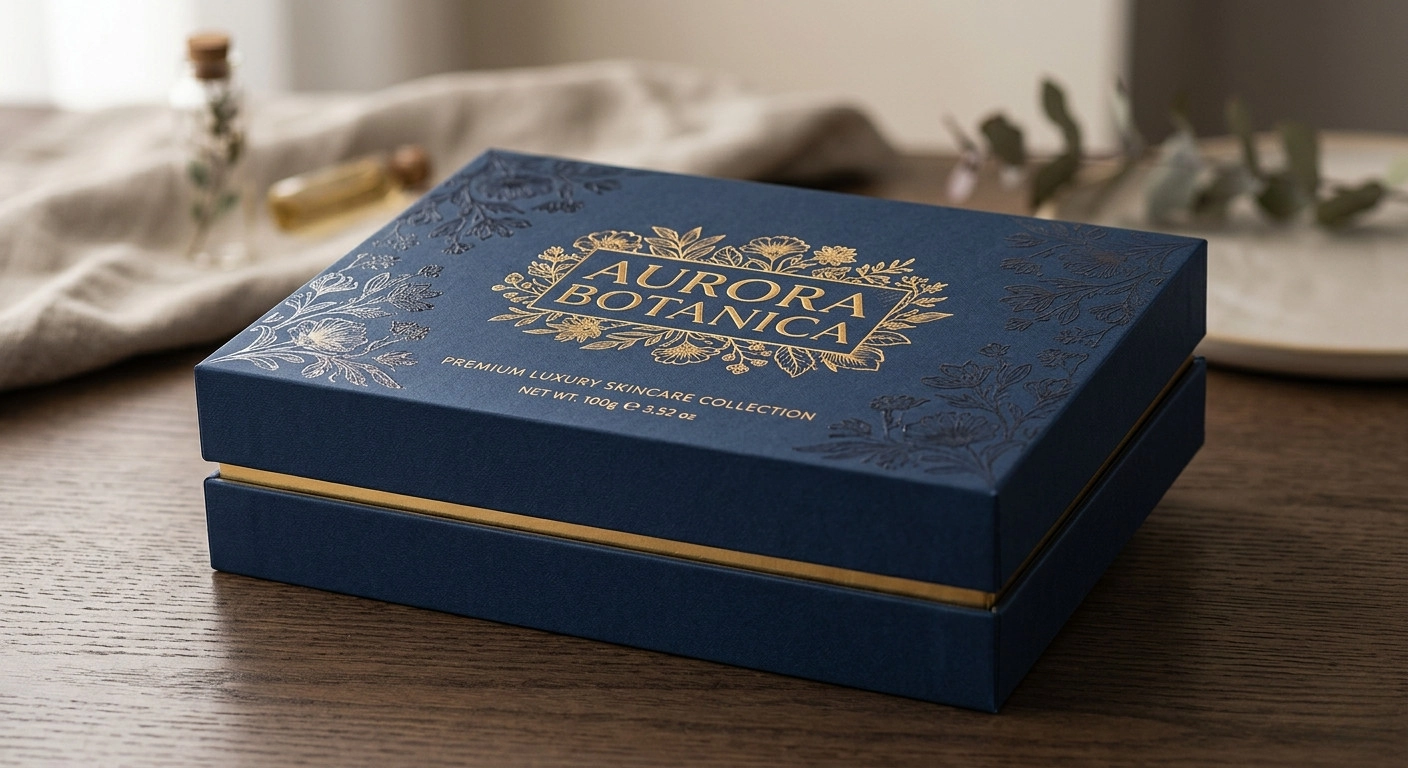
After printing, finishing may be added. Some famous finishing techniques are matte and gloss lamination, foil stamping, embossing and debossing, and spot UV also.
Matte lamination gives a smooth surface that produces a luxurious feel. Gloss lamination adds the shiny effect. Foil stamping creates metallic detail. Embossing raises specific parts of the design. These finishes help improve shelf presence and brand perception.
Finishing must be applied with care. Affordable finishing can create bubbles, peeling, uneven shine, or rough edges. Which negatively affects the overall presentation of the packaging box.
Step 6: Wrapping the Board
Board wrapping is where the rigid box starts to look finished. Printed and decorative paper get glued over the board accordingly. The paper is folded around the edges and corners to produce a clean surface.
This step can be done even by hand, by machine, or through both of them. Luxury boxes often need careful manual work, especially around corners and closure areas.
The wrapping must be smooth and properly aligned. Wrinkles, glue marks, lifted corners, and uneven edges can lower the quality of the box.
Step 7: Box Assembly
After wrapping, the box parts are assembled. The base, lid, inserts, closures, and inner panels are joined together.
Assembly may include magnetic closures, ribbon pulls, drawer sleeves, or lid attachments. The goal is to create a box that gives strong durability, opens smoothly, and holds the product inside securely.
If inserts are used, they are placed inside the box at this stage. The insert must fit properly and keep the product stable without making removal difficult.
Step 8: Quality Control
Quality control happens during the production and after it also. During production, teams check cutting accuracy, wrapping alignment, glue strength, and surface quality.
Final inspection checks the full box. This includes size, lid fit, corner strength, surface finish, insert fit, color consistency, and overall appearance.
Some boxes may also be tested for compression strength, drop resistance, scuff resistance, and moisture resistance. These tests help to confirm that the packaging can handle the environmental impacts during shipping and storage as well.
Quality control is very important because rigid packaging boxes are commonly used for premium products that require extra care and protection. So testing is important because a small defect can affect the entire presentation.
Conclusion
The manufacturing process of custom rigid boxes requires careful planning and controlled production. It starts with product study and structural design. Then the selection of suitable rigid board, wrapping paper, inserts, adhesive and all other materials that are required.
Proper sizes and material thickness are also important to check before starting the production.
Materials such as paperboard, greyboard, chipboard, cardboard, corrugated board all play a role in the final quality of the box. Each material must support the product, brand, and user experience.
After material selection, the process moves through cutting, printing, finishing, wrapping, assembly, and inspection. When each step is handled properly, the final box is strong, clean, attractive, and ready for premium product packaging.
Hot Custom Boxes is a trusted choice for custom rigid box manufacturing, offering high-quality materials, advanced production techniques, and fully customized packaging solutions for different industries. Our experienced team works closely with businesses to help them choose the right rigid packaging styles, materials, finishes, and inserts based on their product requirements, branding goals, and budget to ensure durable and premium packaging results.