












How to Choose the Right Material for Custom Rigid Boxes
Home » How to Choose the Right Material for Custom Rigid Boxes
Table of Contents

Get A Free Quote
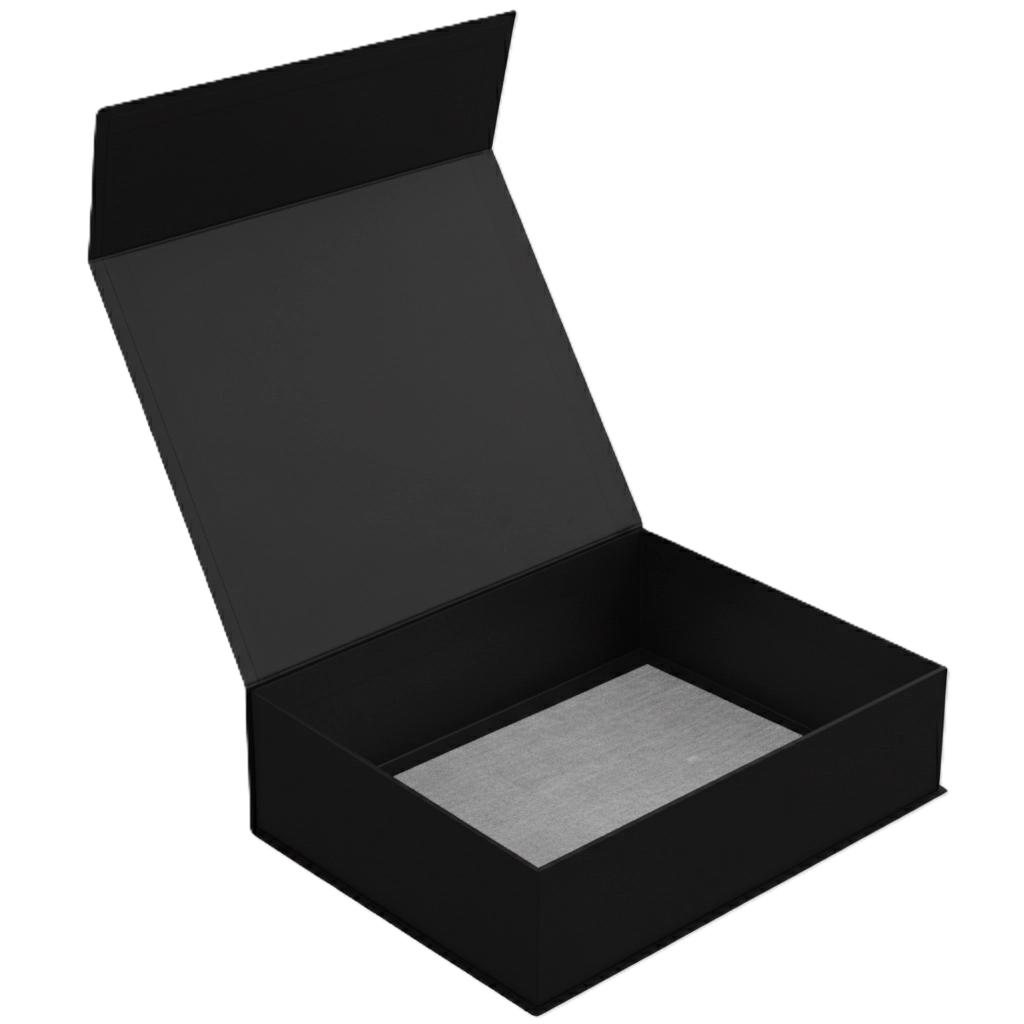
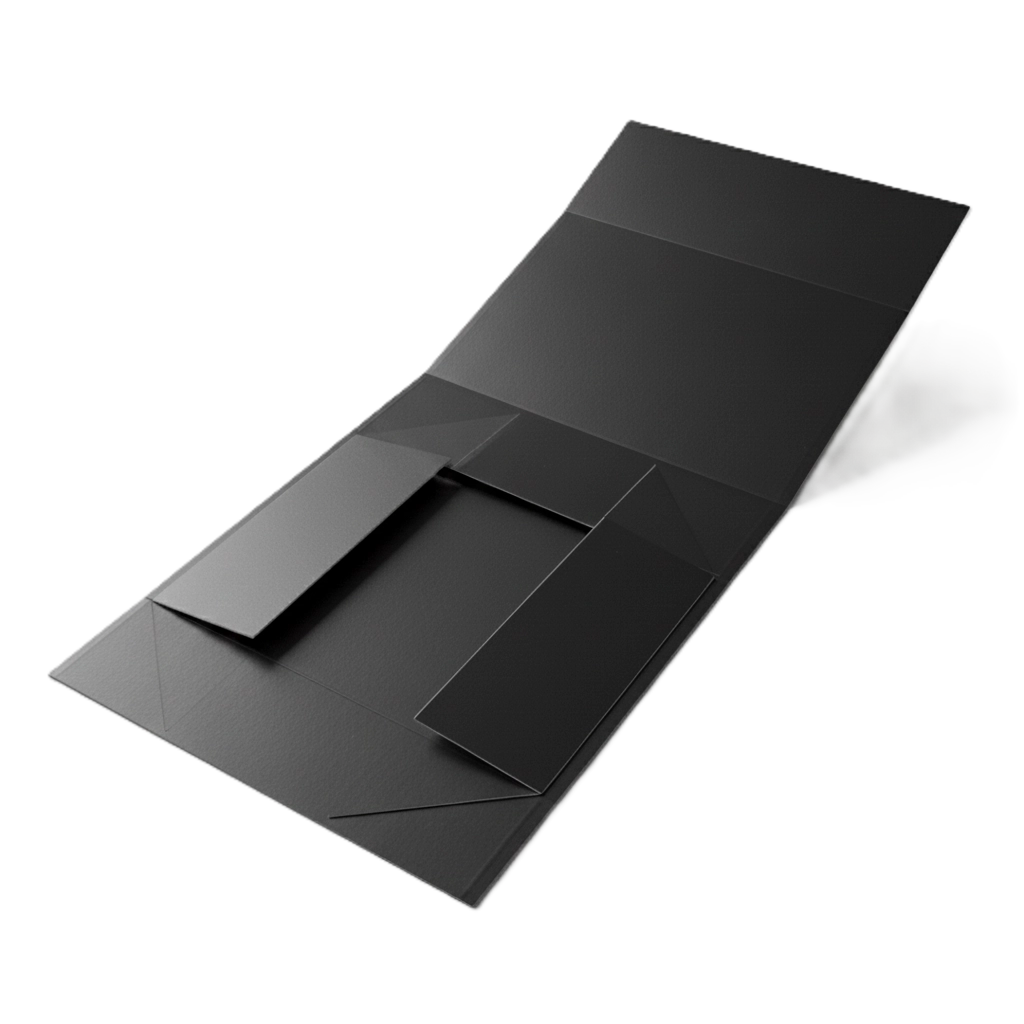
Choosing the right material for custom rigid boxes is one of the most important decisions in packaging design. The material affects durability, appearance, cost, sustainability, and the overall customer experience. It also shapes how customers see your brand.
Today, businesses use rigid packaging boxes for more than protection. It supports brand identity, improves shelf appeal, and creates a strong unboxing experience. Luxury brands, electronics companies, cosmetic businesses, and luxury retailers all depend on premium packaging to leave a lasting impression.
The right packaging materials help products stay safe during shipping while also giving customers a premium feel. Whether you need jewelry boxes, flip top boxes, or retail packaging boxes, the material choice directly impacts quality and performance. This guide explains the most common rigid box packaging materials and how to choose the best option for your business.
Why Material Choice Matters in Rigid Box Packaging
Material choice affects how your packaging looks, feels, and performs. A box may look good in photos, but if the material is weak, it can bend, crush, or fail during shipping. Poor material can also make printed designs look dull or uneven.
High quality materials improve product protection and help prevent damage. They also support luxury packaging experience by giving boxes a solid and refined structure. The box should make the product look valuable before the customer even opens it.
Good rigid packaging should do three things. It should protect the product, support the brand image, and create a better customer experience. The right material helps with all three.
Main Materials Used for Custom Rigid Boxes
Different packaging materials serve different types of rigid boxes. Some are better for strength. Some are better for printing. Some are better for shipping. Others are chosen for sustainability or luxury appeal.
Chipboard
Chipboard is one of the most common materials used in custom packaging and rigid setup boxes. It is made from compressed recycled paper fibers and offers excellent rigidity.
Chipboard is popular because it creates a strong structure while keeping packaging lightweight. It is widely used for luxury rigid boxes, cosmetics packaging, electronics boxes, and rigid jewelry boxes.
Some benefits of chipboards include:
- Strong and durable structure
- Smooth surface for printing
- Cost effective for premium packaging
- Supports embossing & debossing, foils, gloss finish, and matte finish
- Works well with soft touch lamination
Laminated chipboard adds another protective layer to improve durability and appearance. It gives the box a cleaner finish and better resistance against scratches and moisture.
Many luxury brands use paperboard rigid boxes made with chipboard because they combine strength with premium presentation.
Paperboard
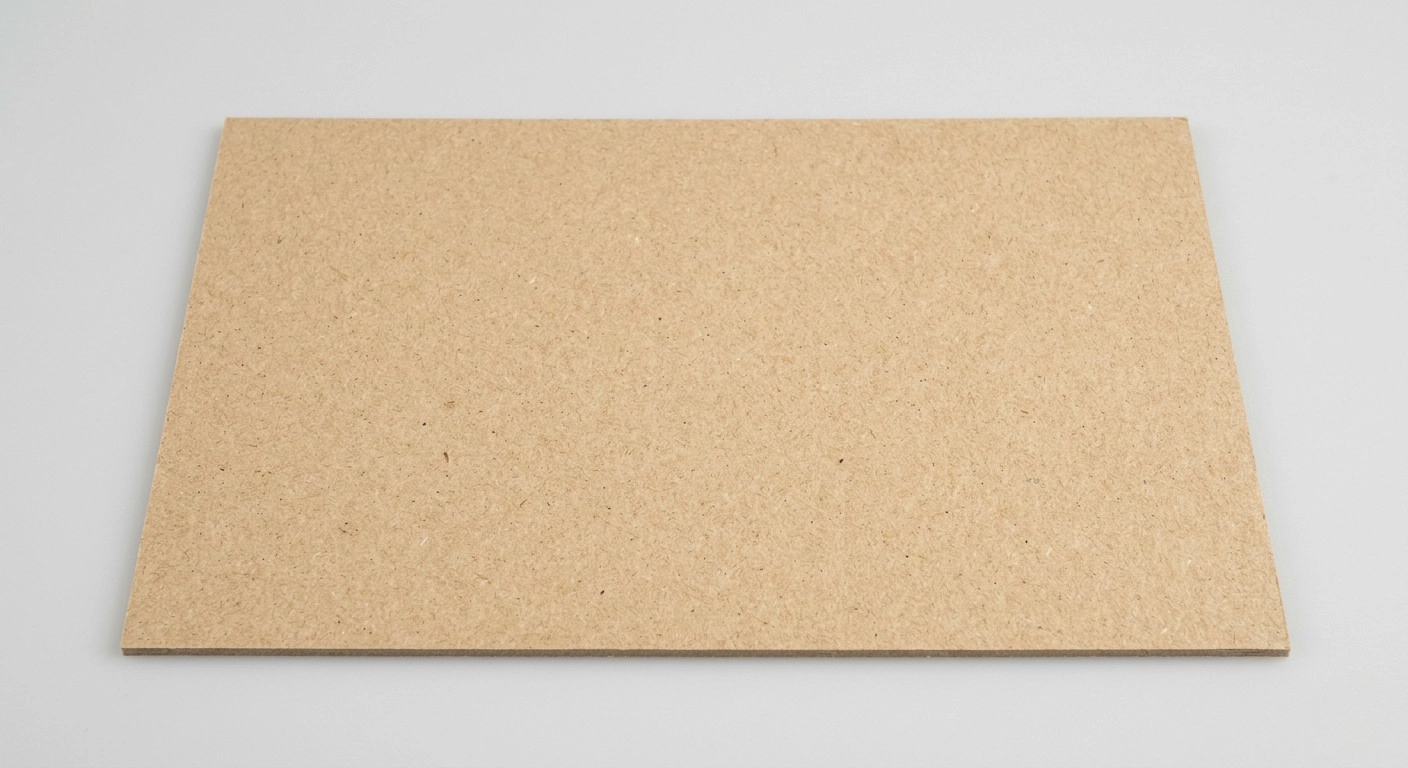
Paperboard is a flexible and printable packaging material for luxury packaging. It is lighter than chipboard but still useful for many rigid box styles. It is lighter than chipboard but still provides a clean structure for products that do not need heavy board strength.
Paperboard is popular because it offers a smooth printing surface and keeps packaging lightweight. It is widely used for cosmetics boxes, skincare packaging, food packaging, stationery boxes, wellness products, and small retail packaging.
Some benefits of paperboard are:
- Lightweight structure for easy handling and shipping
- Smooth surface for sharp printing
- Good option for colorful artwork and product branding
- Cost effective for retail and premium packaging
- Suitable for custom shapes, folds, and inserts
- Works well with premium finishing options like gloss finish, matte finish, foil stamping, embossing, and debossing
- Supports soft touch lamination for a more premium feel
Additional paperboard options include:
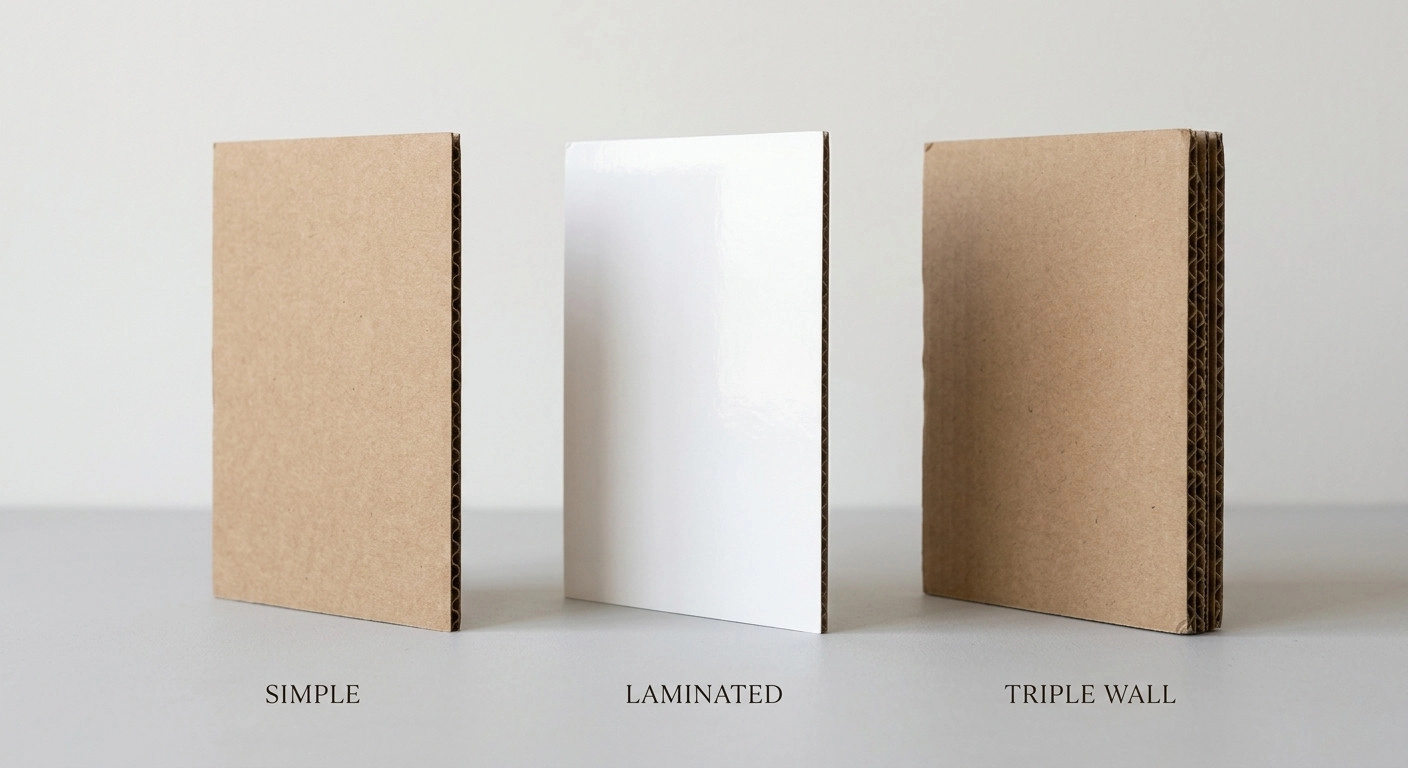
Triple Wall Paperboard
Triple wall paperboard adds extra strength through multiple paper layers. It is a good choice for heavier products, large rigid boxes, gift sets, and shipping protection boxes. It helps the packaging hold its shape under pressure and gives better stacking support.
Laminated Paperboard
Laminated paperboard includes a protective surface layer that improves durability and appearance. It gives the box a cleaner finish, sharper print quality, and better resistance against scratches and light moisture.
Many brands use paperboard rigid boxes because they offer a balance of print quality, lightweight structure, and professional presentation. When paired with the right finish, paperboard can support both luxury packaging and sustainable packaging goals.
Corrugated Cardboard
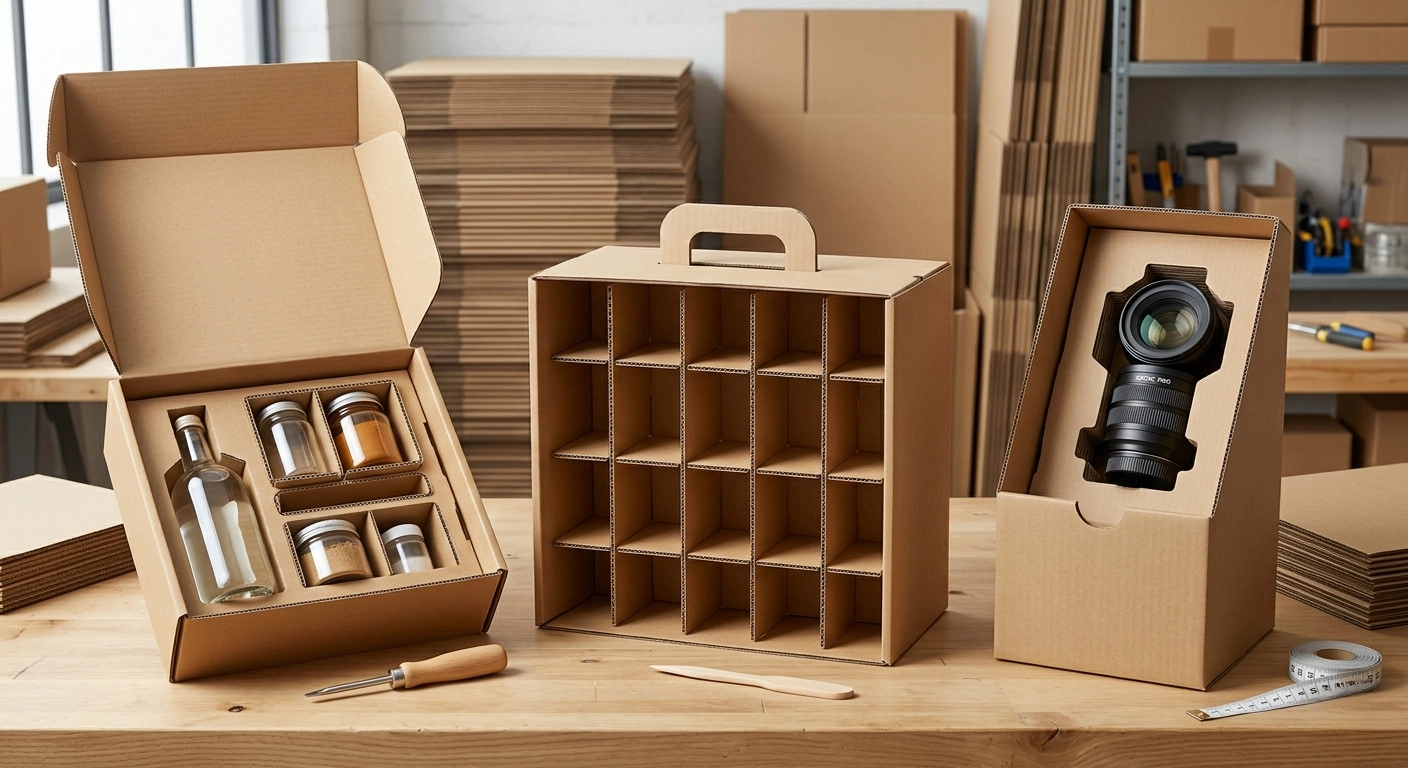
Corrugated Cardboard is widely used when products need extra shipping protection. Unlike standard paperboard, corrugated boards contain layers with a flute structure between them. This design improves cushioning and durability.
Corrugated packaging is ideal for products that may face rough handling during transportation.
Below are some advantages of corrugated board
- Excellent shock absorption
- Strong stacking strength
- Better shipping durability
- Lightweight packaging material
- Cost efficient for bulk orders
Corrugated cardboard may not always feel as premium as chipboard, but it can be upgraded with printed wraps, coatings, and custom inserts. This makes it useful for corrugated luxury packaging.
Recycled Paper
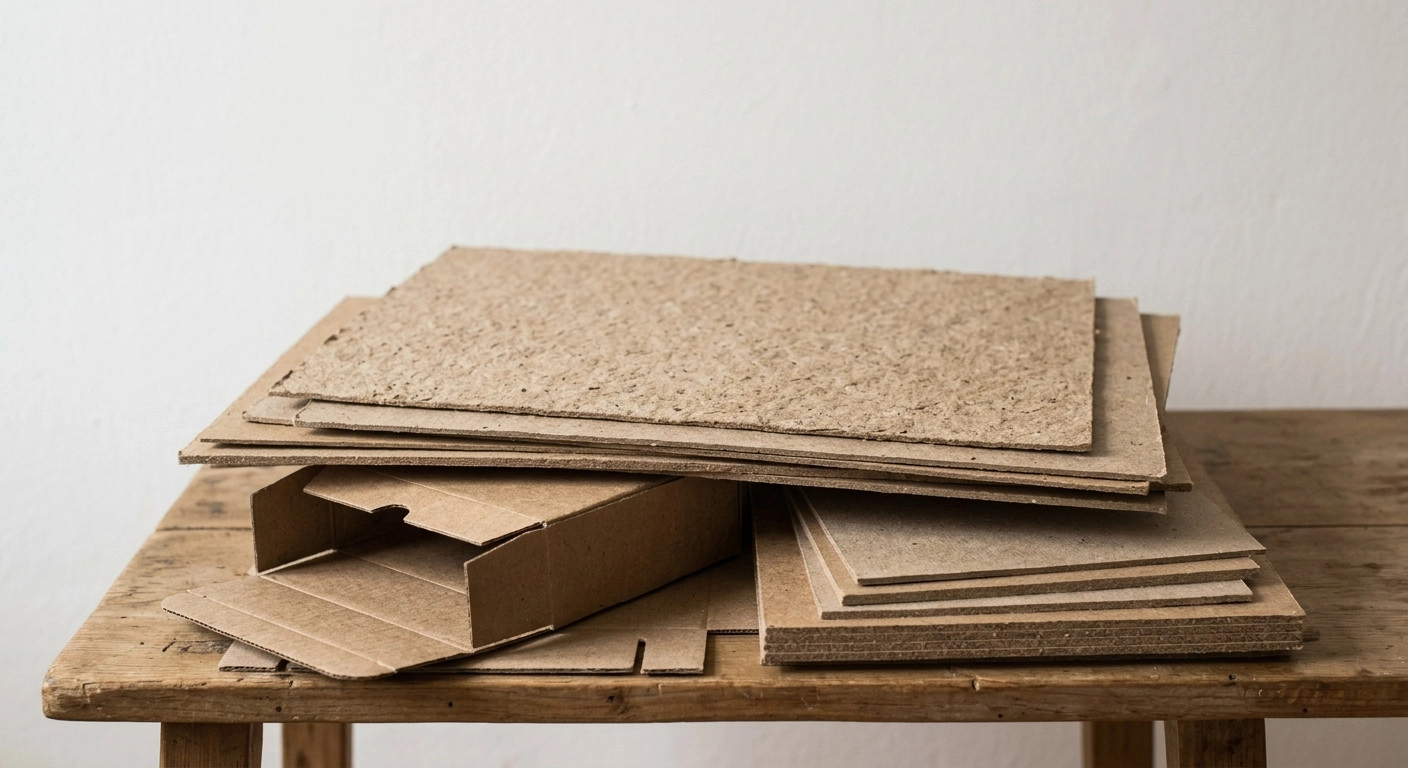
Recycled paper is a smart choice for brands that want sustainable packaging. Made of recovered paper material can be used as a wrap, liner or part of the box design. This material is great for brands looking for a natural, simple and responsible look. It is often used for organic products, handmade items, wellness goods, candles, skin care and eco focused gift sets. Recycled paper doesn’t have to look cheap.
A good quality recycled paper can still look crisp and professional. It can also support simple printing, embossing and natural textures.
Recycled paper is not always the strongest material on its own. It is often used in combination with chipboard, paperboard or cardboard inserts for rigid boxes. This makes the box strong and also a more sustainable surface.
Insert and Support Materials for Rigid Box Packaging
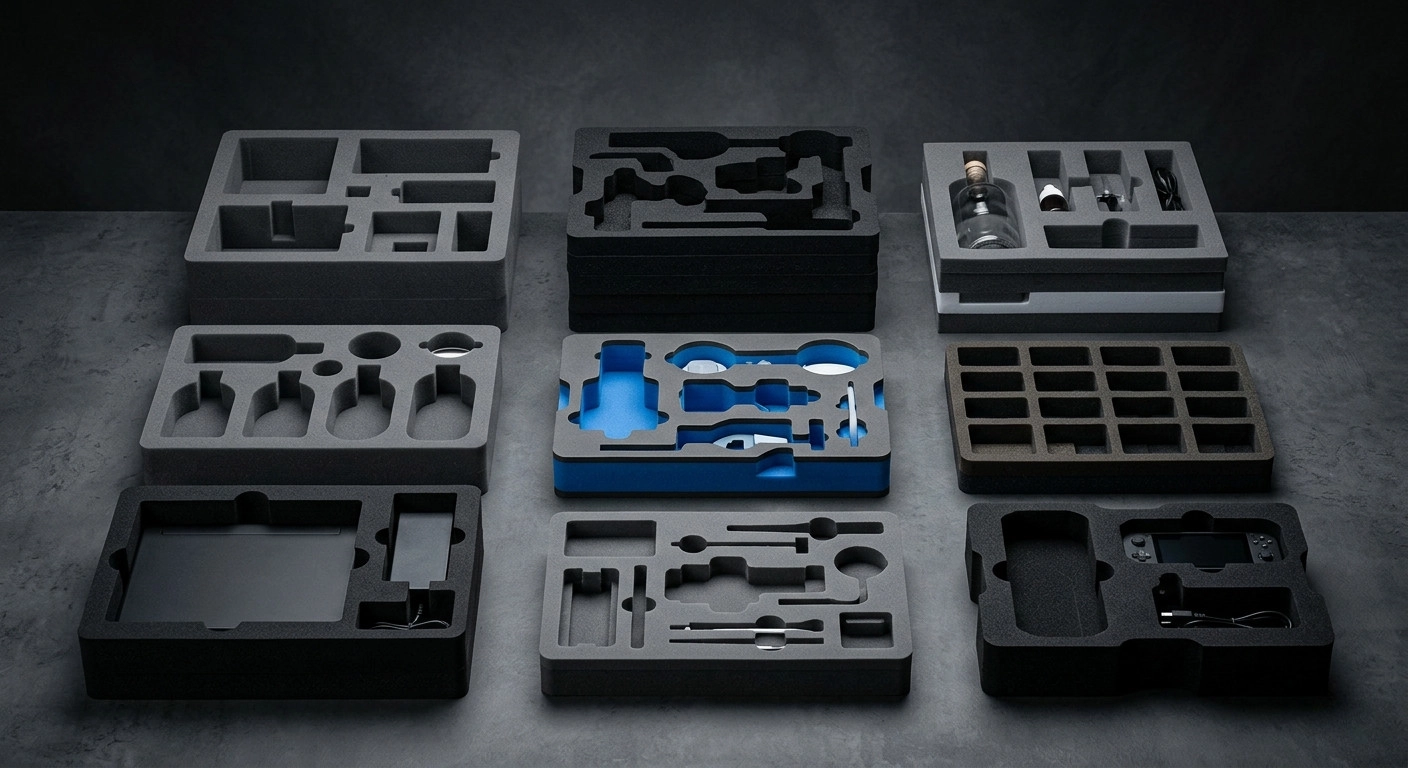
The outer box is important, but the inside of the box matters too. Inserts hold products in place, reduce movement, and improve the unboxing experience. Certain products require additional internal protection. Materials like foam core help secure delicate items inside the box.
Common protective insert materials include:
Foam Core
Foam core is a lightweight insert material used to support products inside custom rigid boxes. It can be cut to match the shape of the product.
This material works well for electronics, perfumes, glass bottles, luxury cosmetics, and gift sets. It keeps products secure and helps prevent movement during handling.
Foam core also gives the inside of the box a clean and organized look. This can improve the customer experience.
The main concern is sustainability. Foam inserts are not always the best choice for eco-friendly packaging. Brands that want sustainable packaging may prefer cardboard inserts.
Cardboard Inserts
Cardboard inserts are one of the best paper based options for holding products in place. They are easy to customize, print, fold, and shape and work well for cosmetics, candles, bottles, gift sets, stationery, food items, and retail kits along with helping organize the product and keep it secure inside the box.
Cardboard inserts also support sustainable packaging goals. They are often easier to recycle than foam or plastic inserts.
A well designed cardboard insert can also improve brand image. It makes the inside of the box look planned, clean, and professional.
Polystyrene Foam
Polystyrene foam is used when strong cushioning is needed. It helps absorb shock and protect fragile products during shipping.
This material is often used for delicate items, glass products, electronics, and high value goods. It is lightweight and can be shaped to fit the product.
Polystyrene foam works well for protection, but it is less eco friendly than paper based options. Many brands now use it only when strong impact protection is necessary.
If sustainability is a major goal, consider cardboard inserts or molded paper alternatives.
Plastic Sheeting
Plastic sheeting can be used as a protective layer inside rigid box packaging. It may help protect products from moisture, dust, or surface contact.
It can also be used for clear display windows or inner product covers. This works well when customers need to see part of the product before buying.
Plastic sheeting should be used only when it serves a clear purpose. If a paper based material can do the job, that may be a better choice for sustainable packaging.
How to Choose the Best Material for Your Product
Choosing the right material starts with the product itself. Every product has different needs, so the packaging should be chosen with care.
Start With Product Weight
Product weight is one of the first things to check. Heavy products need stronger materials. Chipboard, triple wall paperboard, and corrugated board are better choices for heavier items.
Light products may work well with paperboard, recycled paper wraps, or lightweight packaging material.
If the material is too weak, the box may bend, tear, or lose shape. If the material is too heavy, it may raise costs without adding real value.
Think About Product Fragility
Fragile products need stronger protection. Glass bottles, electronics, candles, and delicate gift items need both a strong outer box and a secure insert.
Corrugated cardboard, foam core, polystyrene foam, and cardboard inserts can all help reduce damage. The right choice depends on the product, shipping method, and sustainability goals.
Match the Material to Your Brand Image
Material should match the way your brand wants to be seen. A luxury brand may need laminated chipboard or laminated paperboard. A natural brand may need recycled paper and cardboard inserts.
Packaging should feel connected to the product. A premium perfume should not feel like it came in a weak box. An eco-friendly soap brand may not need glossy plastic finishes.
Consider Printing Needs
Material should match the way your brand wants to be seen. A luxury brand may need laminated chipboard or laminated paperboard. A natural brand may need recycled paper and cardboard inserts.
Packaging should feel connected to the product. A premium perfume should not feel like it came in a weak box. An eco-friendly soap brand may not need glossy plastic finishes.
Review Shipping Needs
Shipping changes everything. A box that sits on a store shelf has different needs than a box shipped across the country.
Products that need shipping protection may need corrugated cardboard, corrugated rigid packaging, sturdy cardboard packaging, or strong inserts.
If your product is sold online, do not choose material based only on appearance. Choose material that can survive delivery.
Check Sustainability Goals
If sustainability is important to your brand, choose materials that reduce waste and avoid unnecessary plastic.
Recycled paper, paperboard, and cardboard inserts are useful choices. They can support a clean look while reducing the need for foam and plastic.
Sustainable packaging should still be strong enough to protect the product. Damaged products create waste too.
Balance Budget and Quality
Good packaging should fit your budget, but it should not put your product at risk. A cheaper material can become more expensive if it causes damage, returns, or poor customer experience.
Choose the material that gives the best balance of strength, appearance, print quality, and cost.
Also Read: A Complete Buyer’s Guide to Choosing Custom Rigid Boxes for Your Brand
Best Material Choices by Product Type
The best material for manufacturing rigid boxes depends on the product’s weight, fragility, shipping needs, and brand presentation. Use the table below to match common product types with suitable packaging materials
| Product Type | Recommended Material | Why It Works |
|---|---|---|
| Jewelry | Chipboard or laminated chipboard | Strong, compact and premium |
| Cosmetics | Paperboard or laminated paperboard | Smooth print and clean finish |
| Perfumes | Laminated Chipboard with inserts | Supports glass bottles and luxury appeal |
| Electronics | Chipboard with foam core | Adds structure and product support |
| Glass Items | Corrugated board with inserts | Gives better cushioning and shipping safety |
| Gift Sets | Rigid chipboard with cardboard inserts | Keeps items organized and secure |
| Organic Products | Recycled paper and cardboard inserts | Supports sustainable packaging |
Final Thoughts
Choosing the right material for custom rigid boxes depends on the product, level of protection, brand image, printing requirements, shipping method, budget and sustainability plans.
Luxury rigid boxes are best made from chipboard. Paperboard is light weight and easy to print. Corrugated board is better for shipping protection. Recycled paper promotes sustainable packaging. Inserts such as foam core, plastic sheeting and cardboard inserts help keep products secure in the box.
The best material should protect the product, fit the brand and improve the customer experience. When done right, rigid packaging is more than a container. It increases the value of the product.
Looking to upgrade your packaging materials? Get in touch with Hot Custom Boxes for expert support. We’ll help you choose packaging solutions that offer the perfect mix of protection, visual appeal, and cost-efficiency for your business needs.