












The Step-by-Step Process of Making Custom Hemp Packaging Boxes
Home » The Step-by-Step Process of Making Custom Hemp Packaging Boxes
Table of Contents
Get A Free Quote
The packaging industry is changing fast. People care more about the environment. Many businesses are moving away from plastic and other synthetic materials. They want better options. Hemp stands out as a strong choice. It grows fast and needs little water or chemicals. It produces tough, biodegradable fibers. Hemp packaging supports the planet and makes business sense. It lasts long and gives products a clean, natural look.
Custom hemp packaging boxes offer clear benefits. They protect products during shipping. They improve the unboxing experience. They show customers that your brand values the environment. Whether you sell cosmetics, food, or luxury goods, hemp packaging can improve how your product looks and help lower your carbon footprint.
Hot Custom Boxes is a trusted provider of hemp packaging. The company makes high quality boxes with care and a focus on sustainability. When you understand how these boxes are made, from hemp farms to the final product, you see the real value behind every order.
Why Hemp Packaging Is a Smart Choice for Businesses
Hemp packaging offers several benefits of hemp packaging for businesses. It is biodegradable, renewable, and requires fewer chemicals compared to traditional materials. Businesses benefit from its durability during shipping, strong shelf presence, and positive environmental impact. By switching to hemp packaging, companies not only reduce their carbon footprint but also build trust with eco-conscious customers.
Step 1 - Sourcing Sustainable Hemp
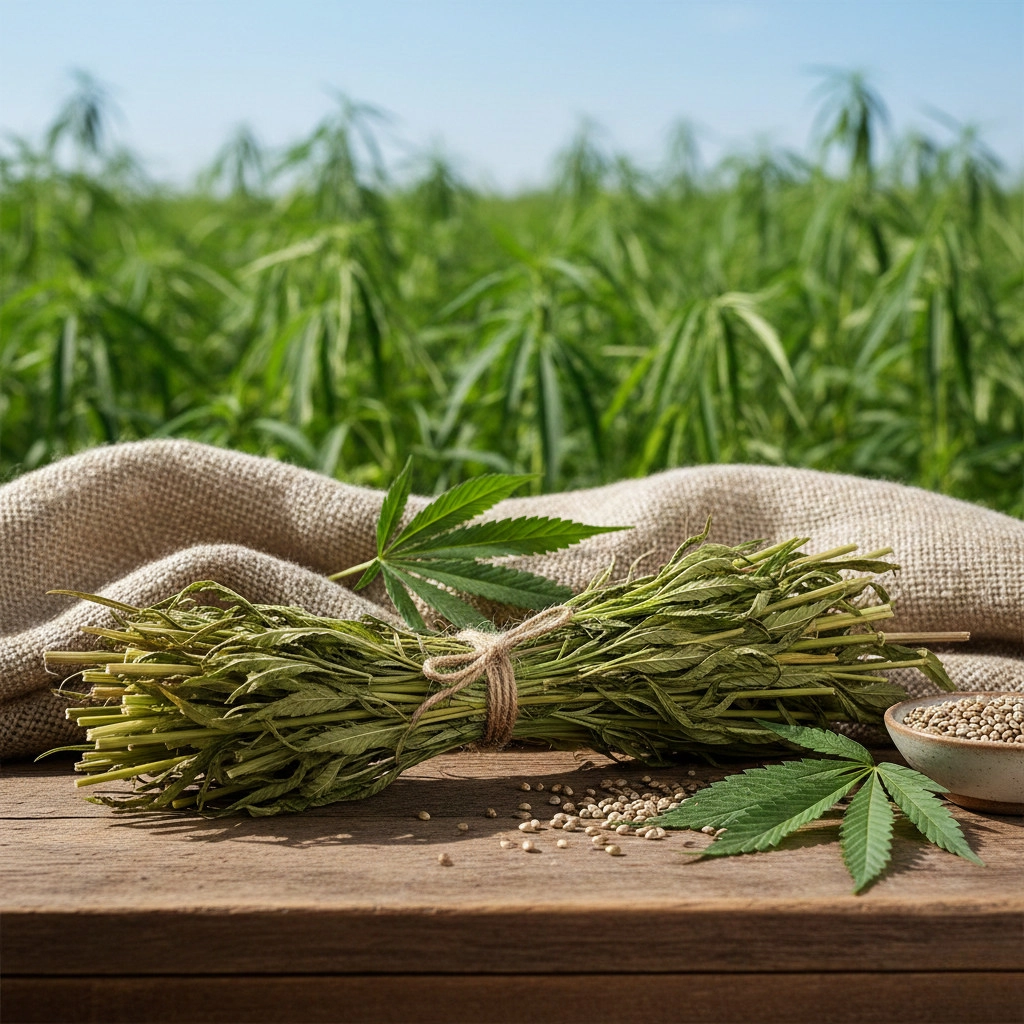
Every hemp packaging box starts on a farm. Farmers grow hemp with care and use earth friendly methods. The plant does not need much water compared to cotton. It also fights with many pests on its own. That means farmers use fewer chemicals. This makes hemp a cleaner option for the environment.
The type of hemp they grow actually matters. Farmers choose plants that produce long and strong fibers. These fibers are ideal for paper and packaging. Soil quality, weather, and farming practices all play a role in how strong the fibers turn out. Responsible sourcing ensures the hemp is grown without harmful chemicals. This helps protect both the land and the people who use the final product.
Step 2 - Harvesting Hemp Stems
Hemp plants are ready for harvest in about 70 to 90 days. Timing matters. If farmers cut them too soon, the fibers are weak and not fit for strong packaging. If they wait too long, the fibers turn stiff and hard to work with.
Workers cut the stalks near the ground. They leave them in the field to dry. This step is called retting. During retting, moisture and small living organisms break down the outer layer of the stalk. This helps release the useful fibers inside. The process uses very few chemicals, so it stays eco friendly from the start.
Step 3 - Separating Hemp Fibers
After retting and drying, the stalks go through decortication. This is a machine process that separates the long outer fibers from the woody inner core, called the hurd. The machines break the stalks and pull out the strong fibers. These fibers work well for paper and packaging. The fibers are then cleaned to remove any leftover plant matter.
They are soaked in water to soften them. Next, they are combed to line them up and remove short or weak pieces. What remains is a clean and even batch of long hemp fibers. These fibers are ready to turn into pulp. Careful prep makes the final packaging stronger and more reliable.
Step 4 - Pulping Hemp Fibers
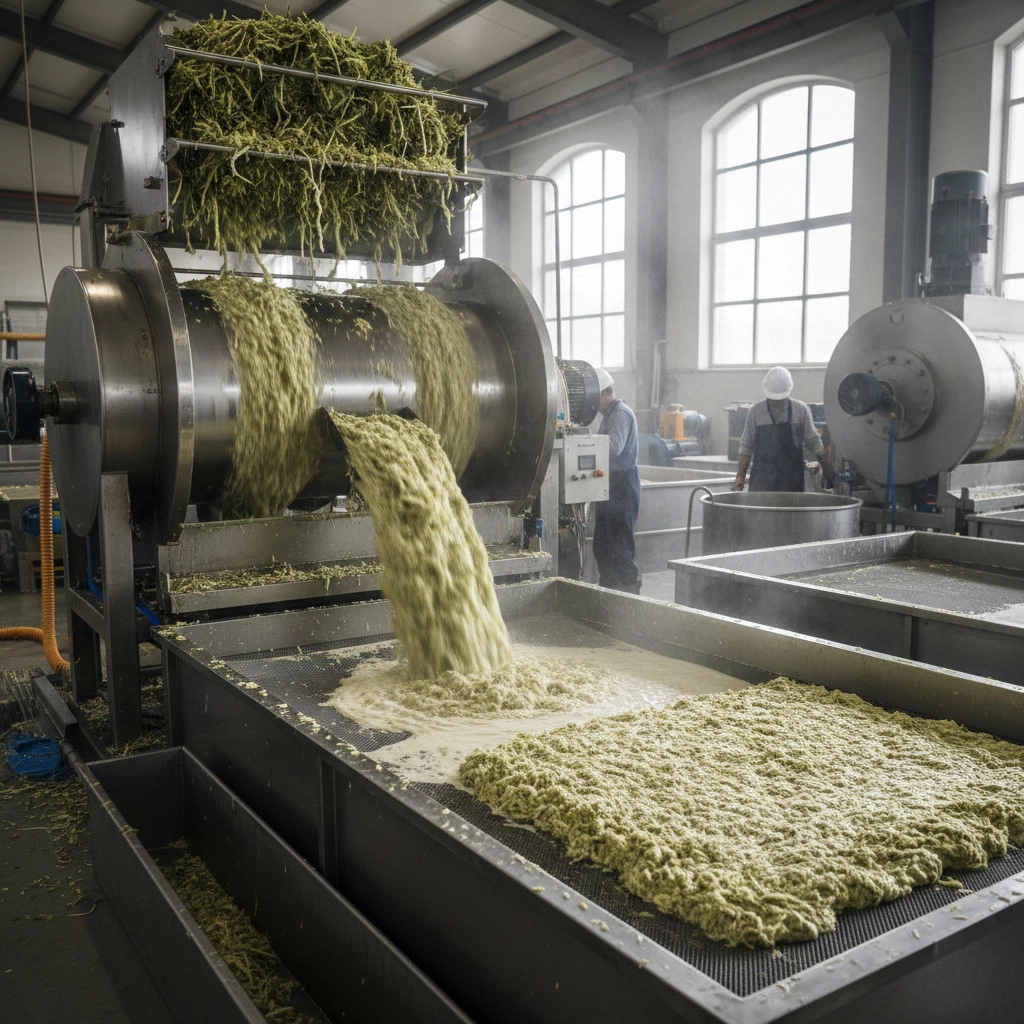
After the fibers are prepared, they are turned into pulp. This pulp is the base material for hemp paper. The fibers are mixed with water and broken down. This is done through mechanical beating or mild heat with water-based chemicals. The goal is to separate the cellulose strands and create a smooth, even slurry.
Hemp pulping is gentler than wood pulping. Wood pulping often uses strong chemicals such as chlorine bleach. Hemp processing creates less toxic wastewater and is better for the environment. The pulp remains thick and fibrous. It keeps the natural strength of the hemp fibers. This strength makes hemp packaging very durable.
Step 5 - Forming Hemp Paper Sheets
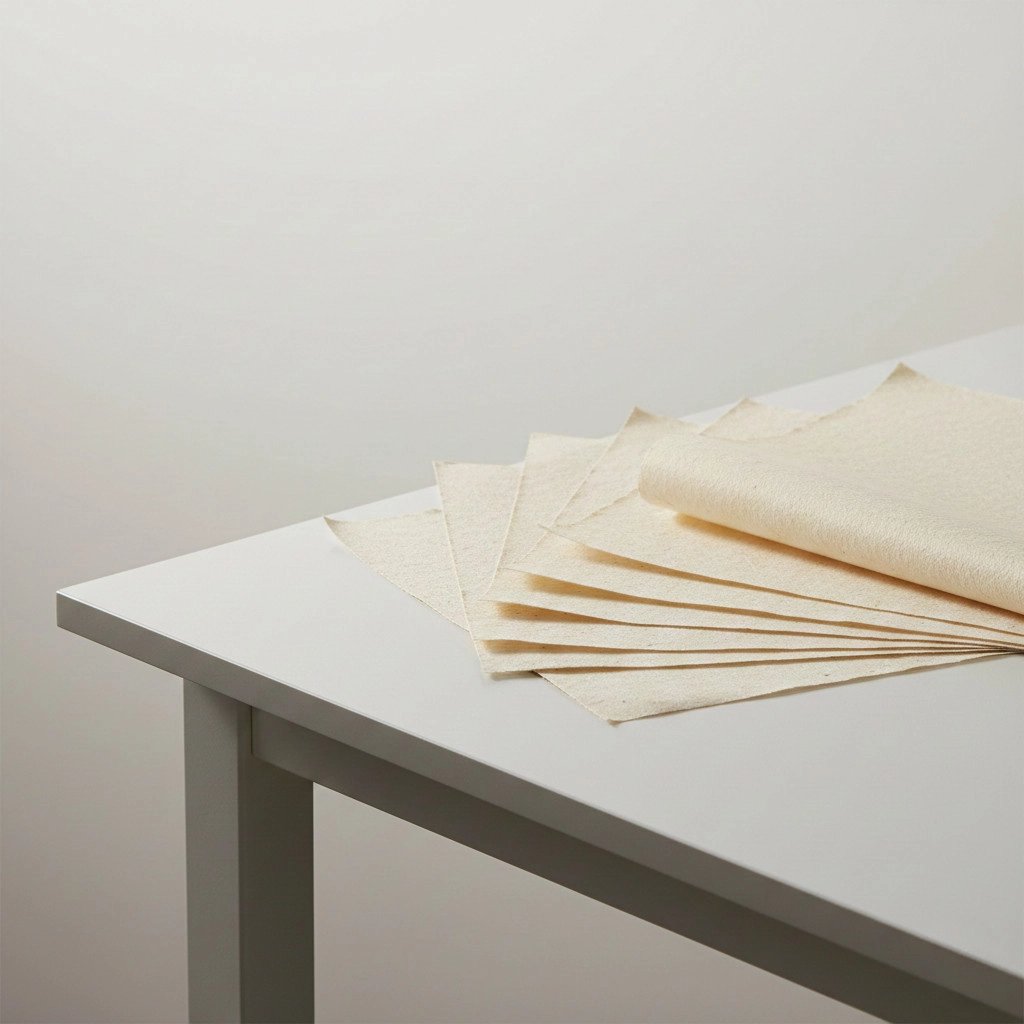
The pulp is now ready to form sheets. In factories, workers spread the pulp over a flat screen or wire mesh. Water drains away, and the fibers bond together. The sheets are pressed to remove more water. Then they pass through heated rollers or drying rooms to create a flat, firm surface.
Hemp paper made this way is stronger than wood paper of the same weight. It does not tear easily. It handles moisture and daily wear well. These traits make it a solid choice for durable packaging. Hemp paper is also naturally acid-free. It does not yellow or break down over time. This makes it a good option for premium or long-lasting packaging.
Step 6 - Planning the Box Design
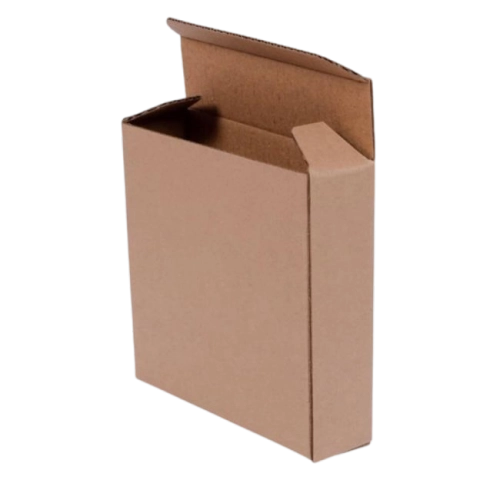
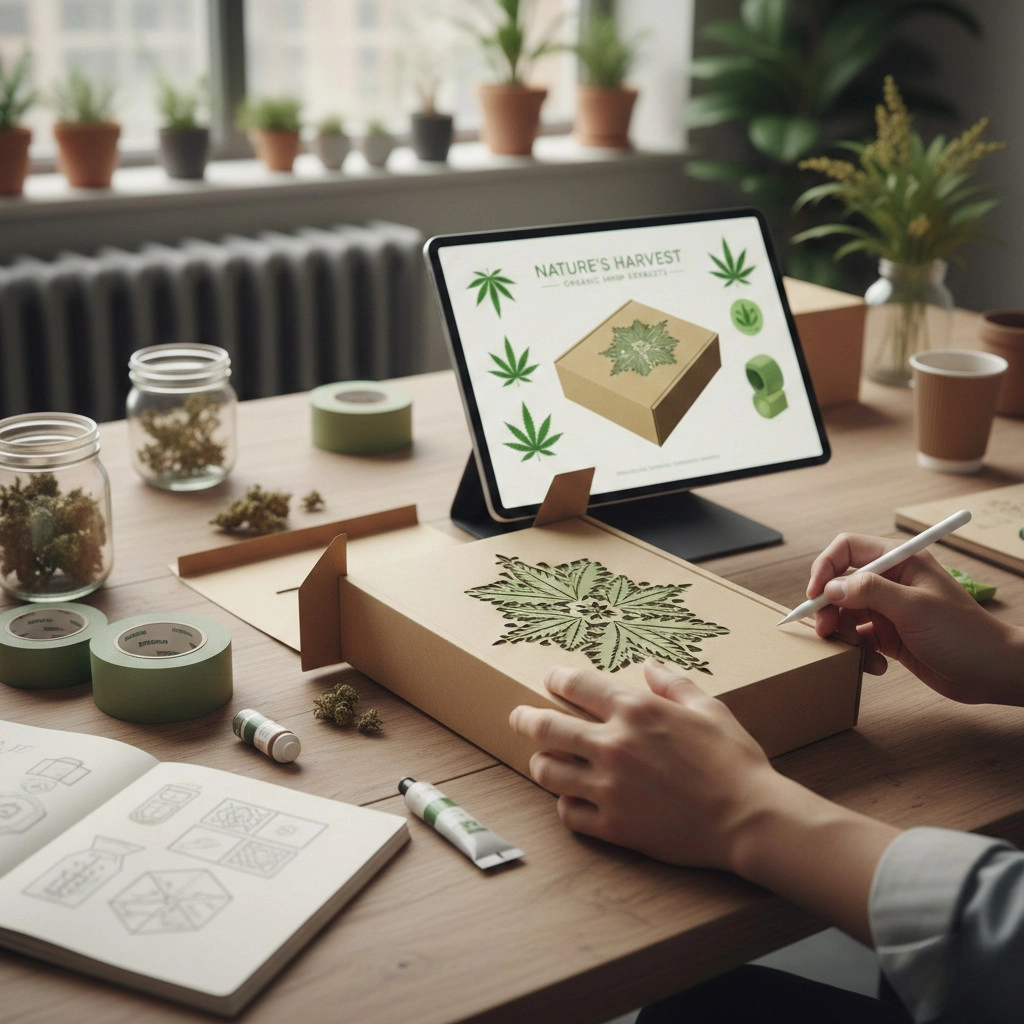
With the hemp paper ready, the manufacturing process enters the creative phase. Before any sheet is cut, the box design must be planned carefully. This includes hemp boxes dimensions like length, width, and height. It also covers special structural features like tuck tops, auto-lock bases, window cutouts, internal dividers, or handles.
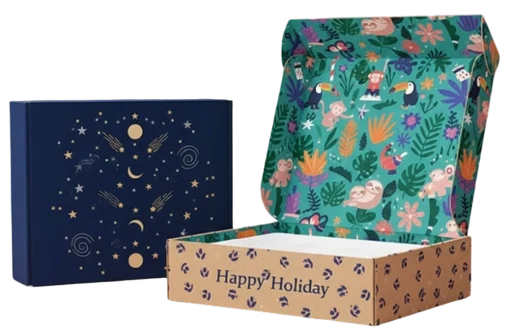
The unique hemp packaging design styles also focus on the visual layout. This means choosing where the logo will go, how the text will appear, and what colors or images will be used. Getting this stage right is very important. Design mistakes can waste materials and delay production. Working with an experienced packaging partner helps balance function and appearance, creating a box that is both attractive and practical.
Step 7 - Printing and Branding
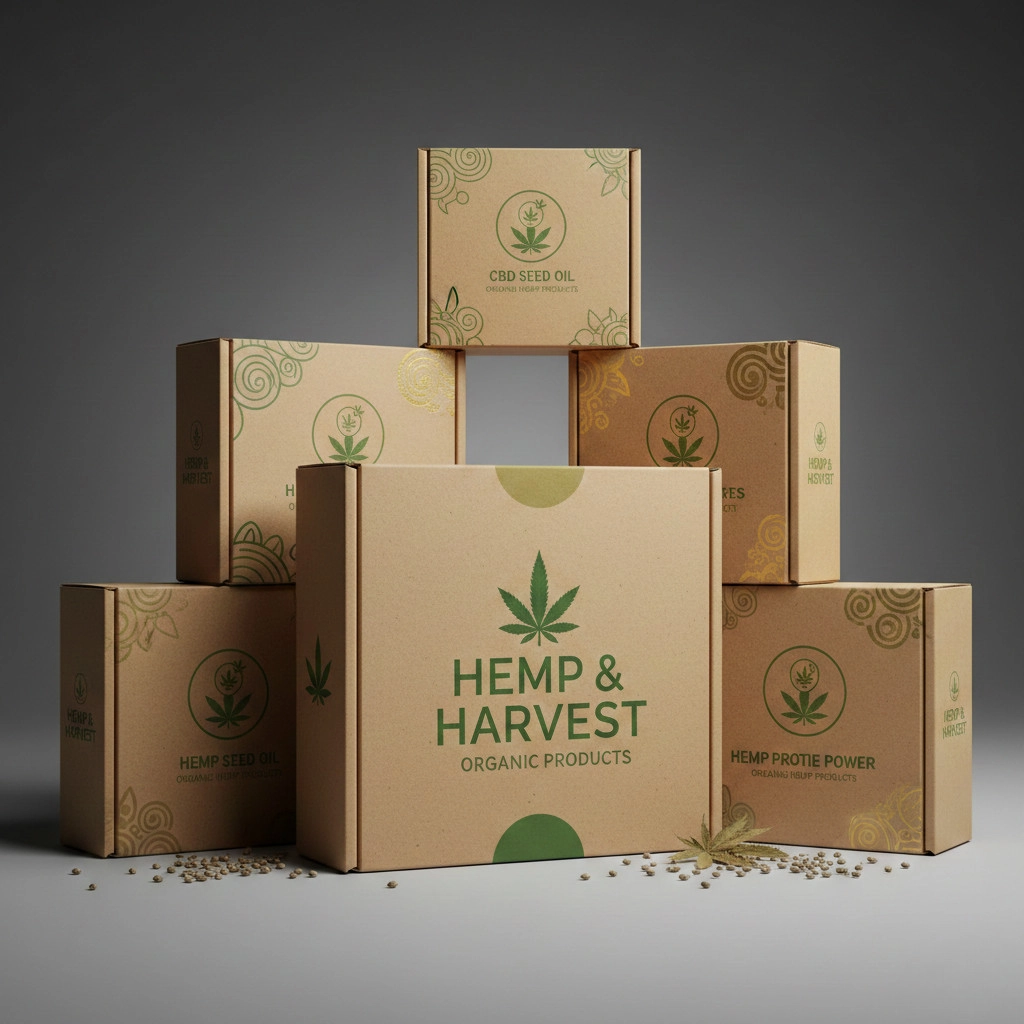
Once the design is finalized, it is time to print it on the hemp paper. Hot Custom Boxes use eco-friendly inks, like soy-based or water-based inks. These inks make bright and true colors. They also create less pollution than regular inks.
The inks print logos, product details, graphics, and other brand elements. Hot Custom Boxes use advanced printing machines. They make sure every part of the design is clear and exact. Whether the design has photos, detailed patterns, or simple bold text, the print looks perfect. Good printing is not only about looking nice. It also shows professionalism and helps customers trust the brand.
Step 8 - Cutting and Die-Cutting
After printing, the hemp paper sheets go into cutting machines. For normal rectangular boxes, big cutting machines trim the sheets to the right size. For special shapes or designs, die-cutting is used. A metal die, which is like a sharp mold, presses into the sheet to cut exact shapes with clean edges.
Die-cutting also makes score lines. These are small impressions that show where the box will fold. Score lines help the box fold neatly and correctly. This makes the box look good and stay strong. Accurate cutting at this stage stops misalignment, rough edges, and weak folds.
Step 9 - Folding and Gluing the Boxes
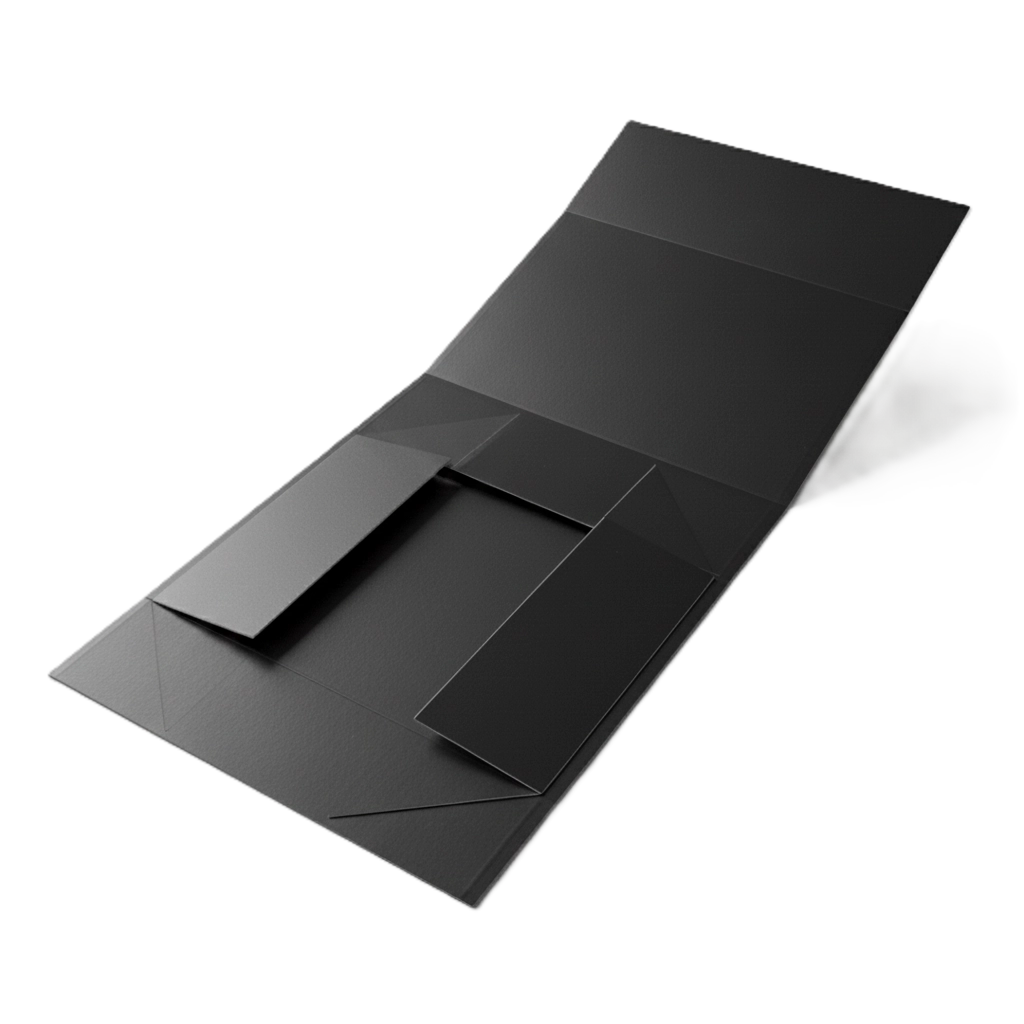
Once the die cut blanks are ready, the boxes are folded along the score lines into their final shape. Automated machines fold each panel in the right order to form the box. At the same time, plant based adhesives are added at key points to hold the box together.
Plant based or water based glue is important for eco friendly packaging. Traditional adhesives can contain solvents or synthetic chemicals that are hard to remove during recycling. Plant based glue breaks down naturally. This keeps the hemp box biodegradable and compostable.
The gluing process must be precise. Too much glue creates a messy look. Too little glue leads to weak seams that may not support the product weight.
Step 10 - Adding Finishing Touches
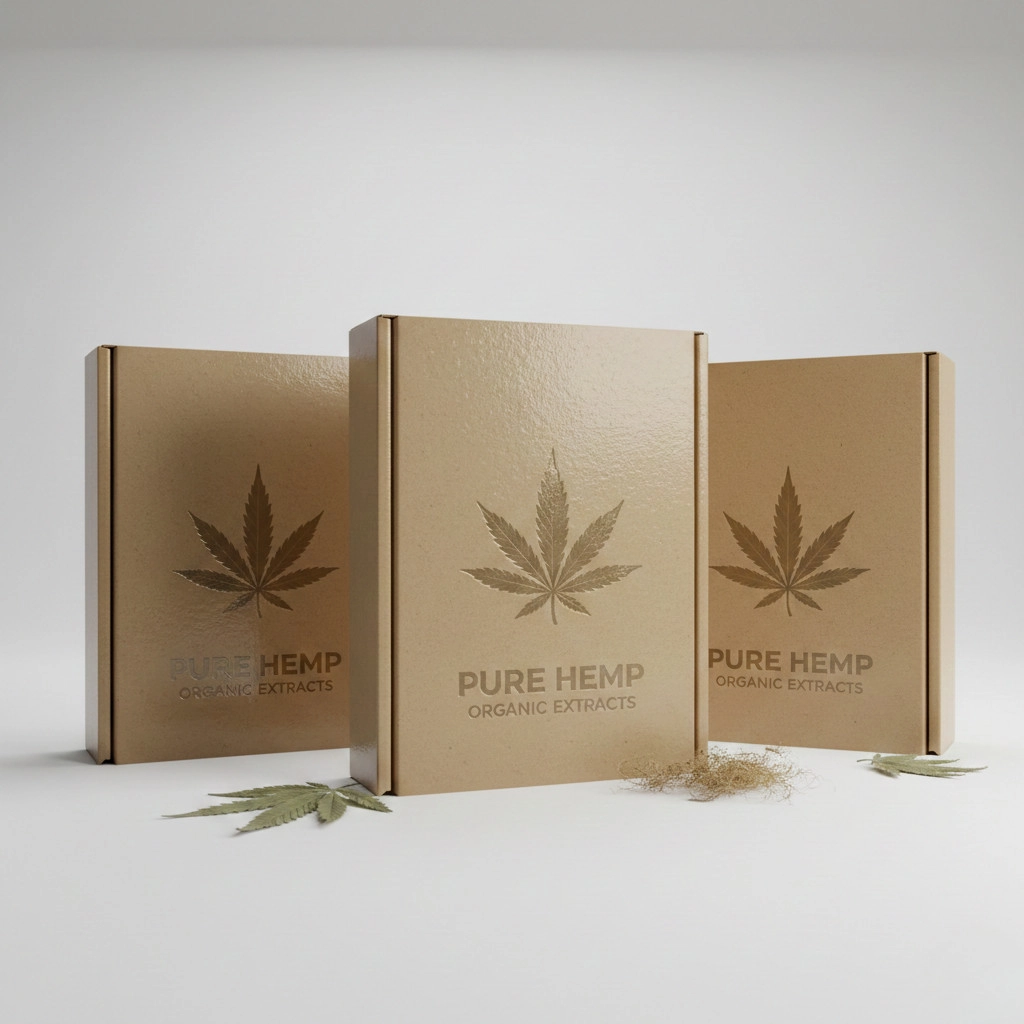
The boxes work well. The final details make them stand out. You can choose custom hemp box coating and finishing options. Matte lamination gives a smooth, clean look. Gloss lamination adds shine and brightness. Soft touch coating feels smooth and pleasant to hold.
You can also add design features to draw attention. Embossing raises parts of the design, such as logos or borders. This creates a clear 3D effect. Foil stamping adds metallic colors like gold or silver. Spot UV coating makes certain areas glossy. This creates contrast against matte surfaces. These finishes give the packaging a high quality look and help your brand get noticed.
Step 11 - Quality Control and Drying
Before any box leaves the factory, it is checked carefully. Each box is looked at for mistakes like smudges, misprints, or uneven ink. The folds and glued parts are tested to make sure the box is strong. The size of the box is checked to match the design.
The printed surfaces are left to dry in controlled conditions. This makes sure the ink does not smear, fade, or stick to the product. Boxes that do not pass the check are fixed or removed. Only perfect boxes are sent to the client.
Step 12 - Packing and Shipping
After quality checks, the hemp boxes are ready to ship. Extra items like insert trays, foam padding, ribbon pulls, magnetic closures, or tissue paper can be added if the client wants. These are put inside the boxes before packing.
The boxes are packed carefully to save space and reduce waste. Shipping materials are chosen to be eco-friendly, often recycled or recyclable. Once shipped, the hemp boxes arrive ready to hold products and reach customers.
Elevate Your Brand with Custom Hemp Packaging - Get Started Today!
If you want packaging that shows your brand values, Hot Custom Boxes can help. From design to delivery, our team provides high-quality hemp packaging. Contact us today and see how custom hemp packaging can boost your brand.