














Gable Boxes vs Paper Bags: Which Is Better for Packaging?
Home » comparisons » Gable Boxes vs Paper Bags: Which Is Better for Packaging?
Table of Contents
Get A Free Quote
Gable boxes and paper bags both combine paper based construction with convenient carrying. However, their shapes, closures, packing methods and product compatibility differ considerably.
This packaging comparison explains how to select the right format based on your product and daily operations.
Gable Boxes vs Paper Bags: Quick Comparison
The main difference is structural. A gable box forms a stable container with a peaked top and integrated handle. A paper bag expands around its contents and may remain open or use a folded closure.
| Feature | Gable Boxes | Paper Bags |
| Structure | Defined box shape with enclosed panels | Flexible bag with flat or gusseted sides |
| Typical materials | Paperboard, cardboard, kraft, or corrugated board | Kraft, white, coated, or recycled paper |
| Closure | Tuck flaps, locking tabs, or integrated top | Open, folded, adhesive, or tied |
| Product fit | Best for measured products and organized sets | Adapts to varied and irregular shapes |
| Assembly | Requires folding before filling | Usually supplied ready to open |
| Presentation | Structured and gift ready | Simple and practical |
| Storage | Ships flat but requires assembly | Compresses efficiently in cartons |
| Common applications | Meals, gifts, favors, kits and bakery sets | Merchandise, groceries, takeaway and baked goods |
What Are Gable Boxes?
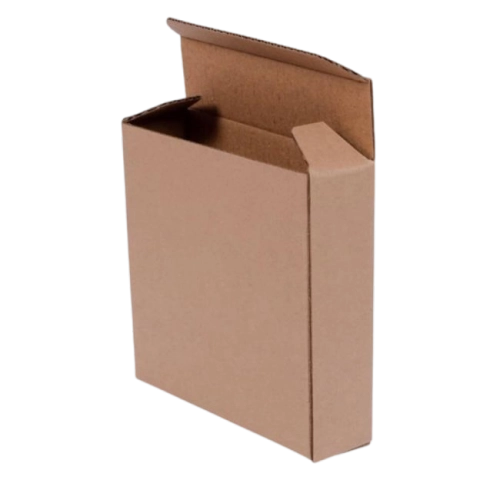
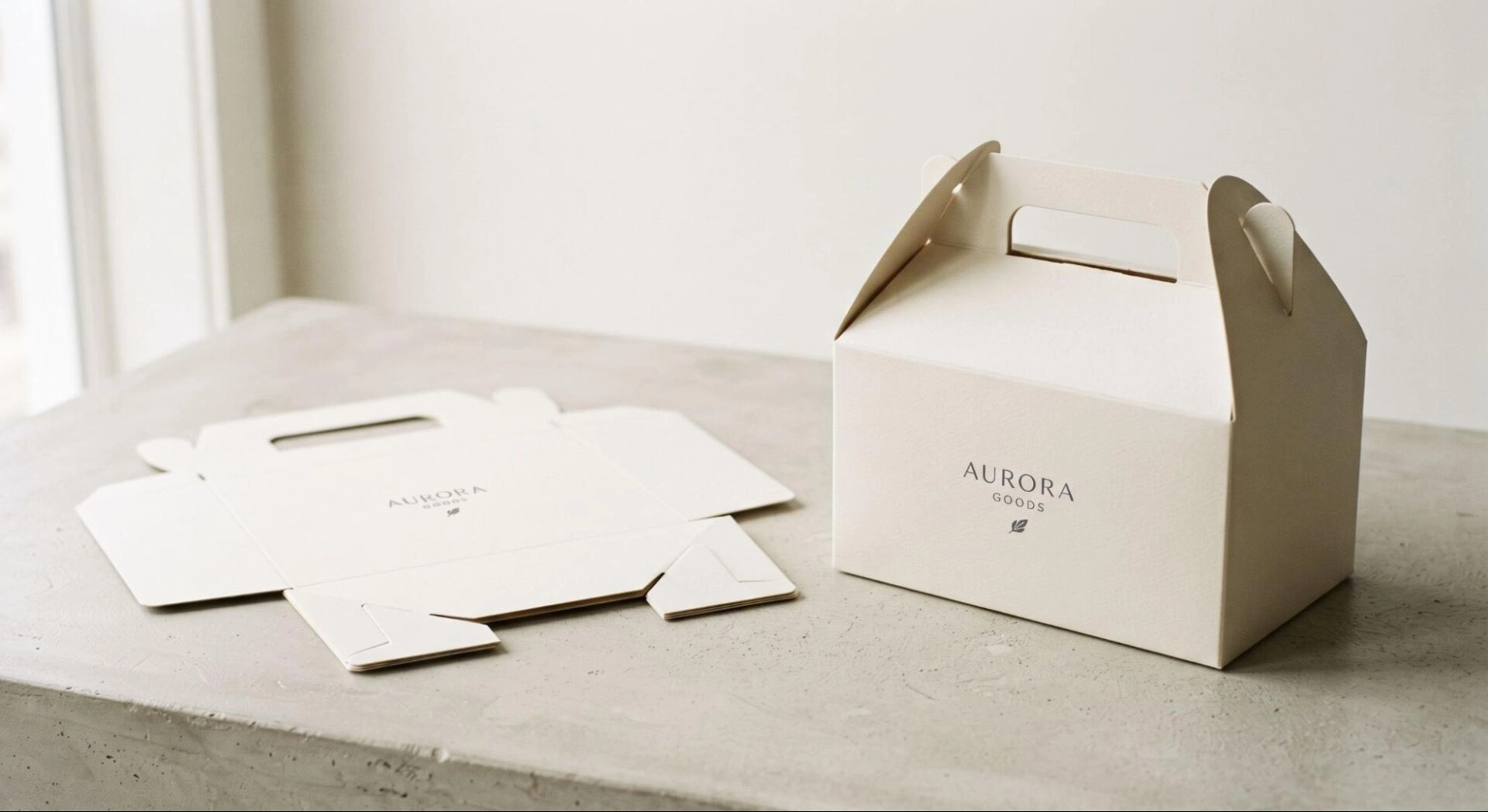
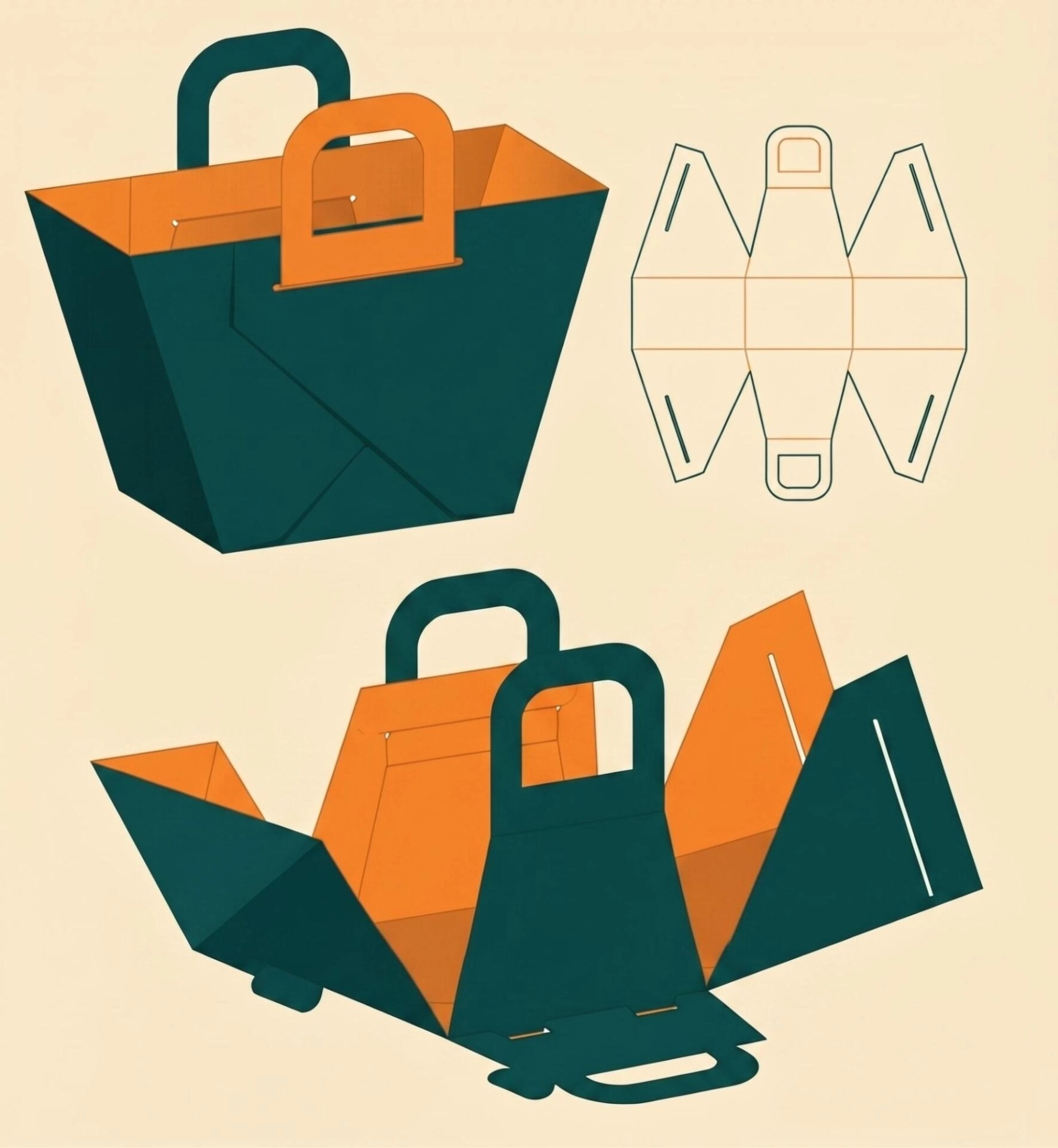
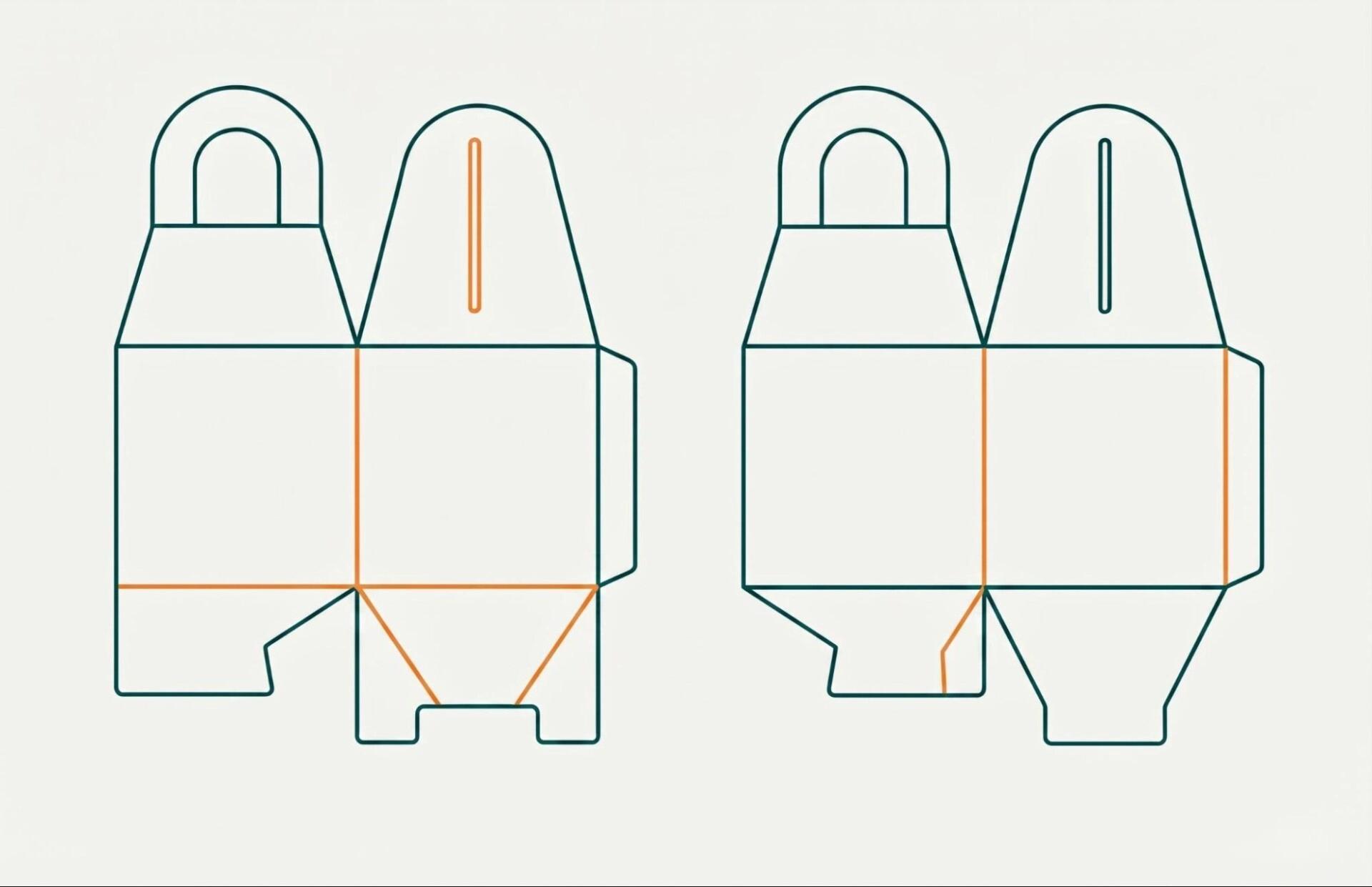
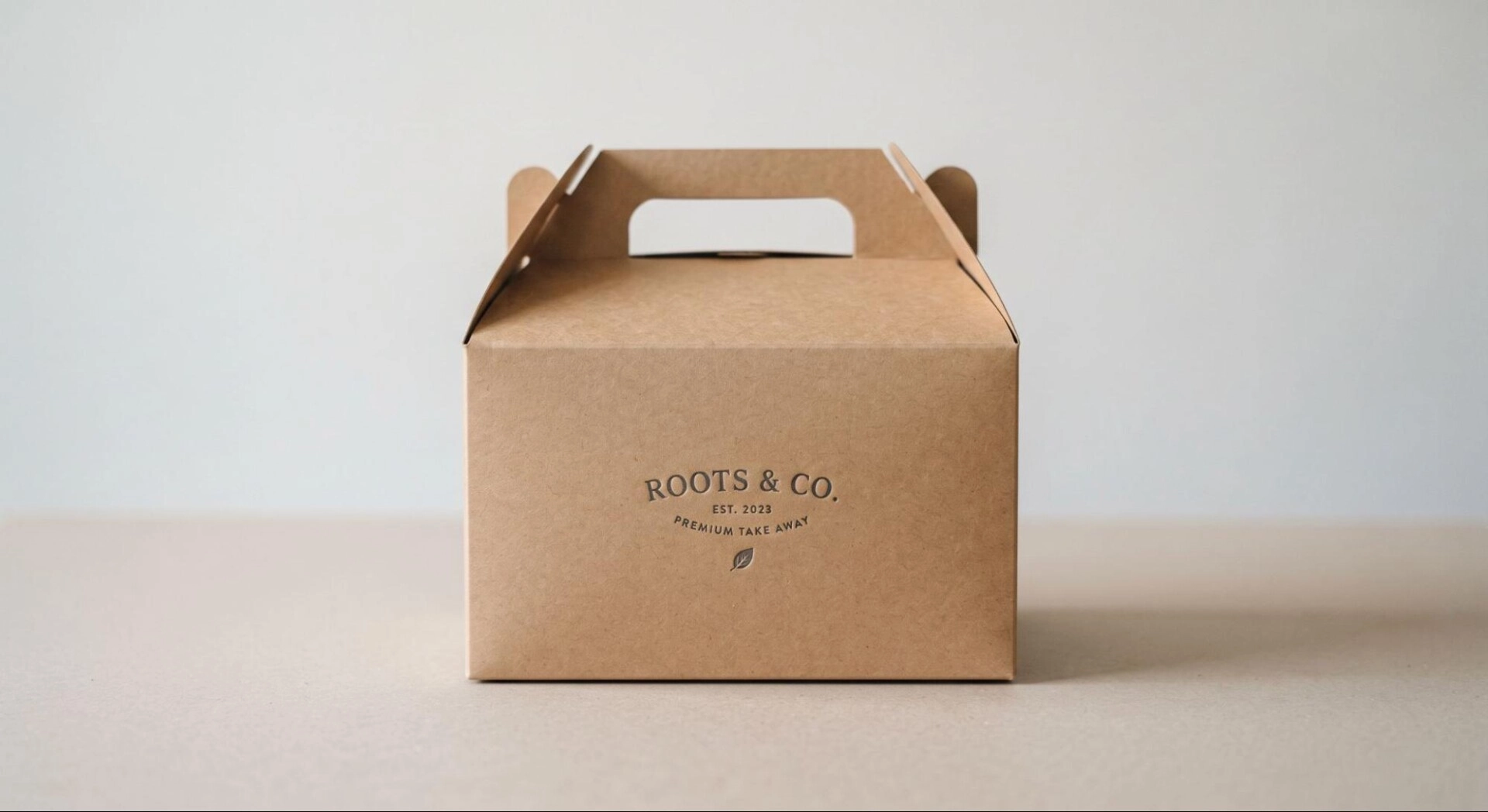
Gable boxes are one piece folding containers with a square or rectangular base, enclosed sides and a peaked top. Their upper panels meet to create built in handles, while tabs or slots secure the closure.
A typical structure may combine polyester for strength, a metallized layer or aluminum foil for barrier performance and polyethylene for heat sealing. The exact composition varies by product requirements.
Most Cardboard Gable Boxes arrive flat and require folding before use. Auto bottom designs form the base quickly, while manually locked bottoms can reduce gluing requirements.
What Are Paper Bags?
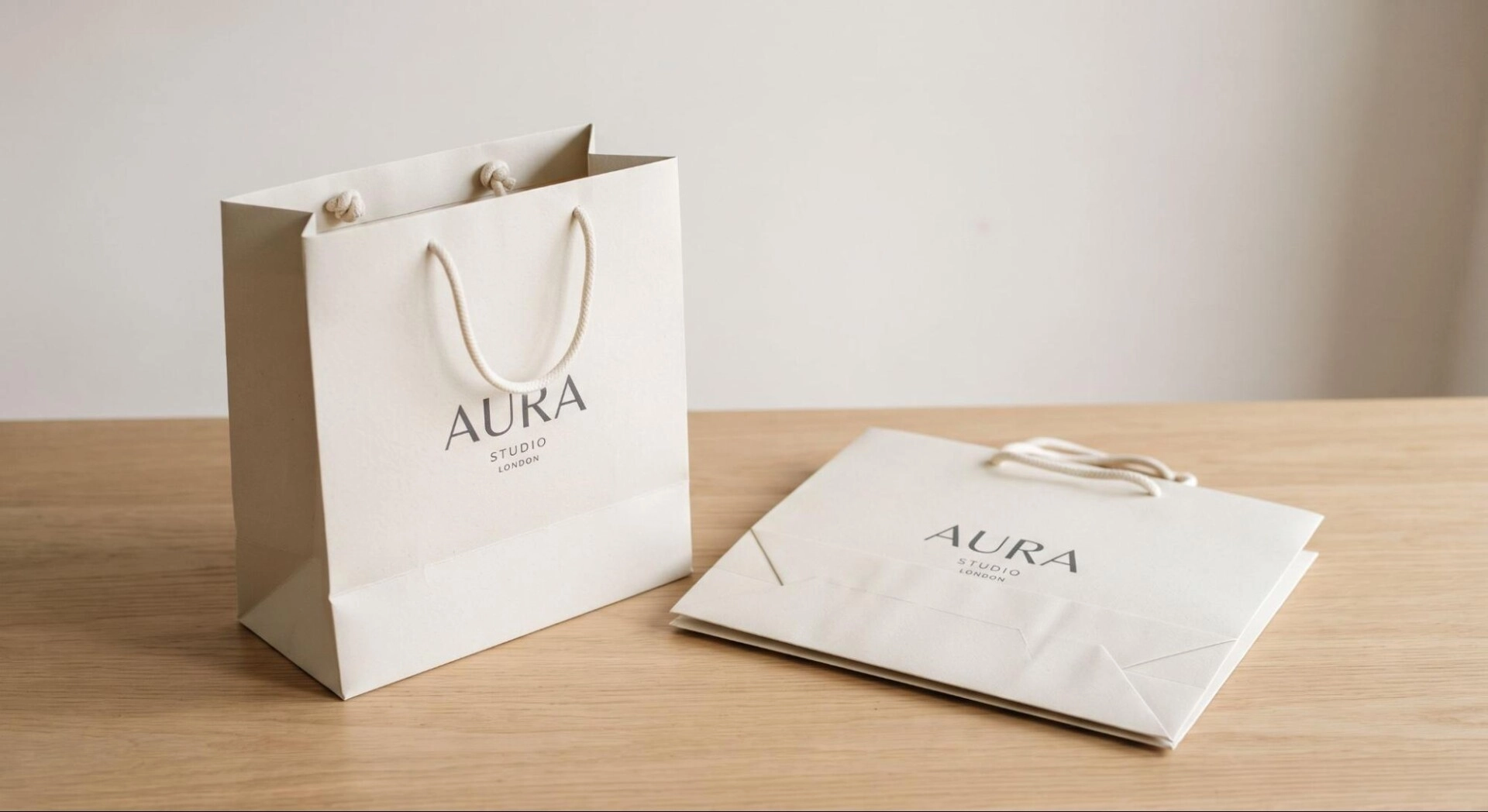
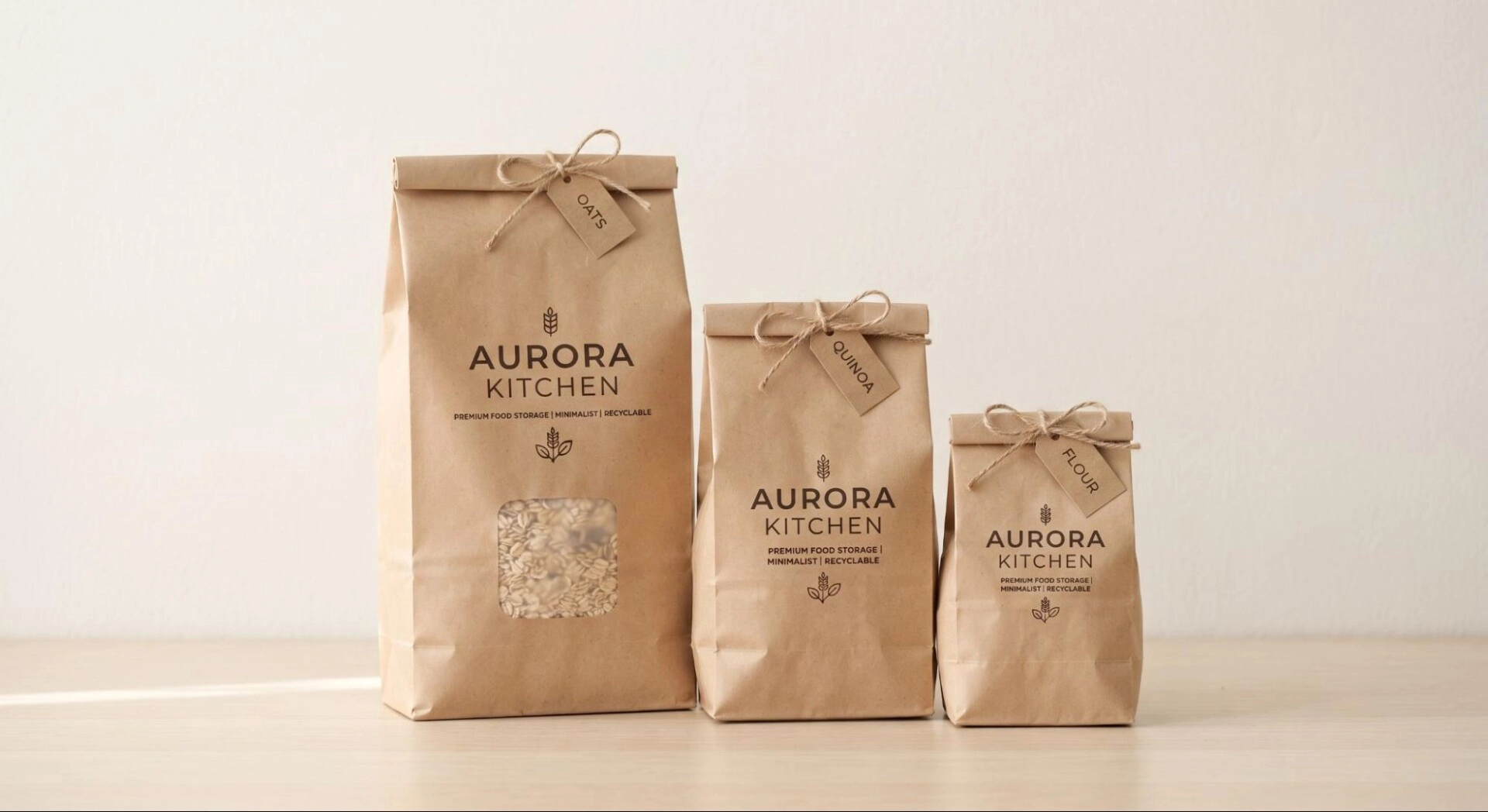
Paper bags are flexible paper based packages formed from a sheet of paper with folded sides and a sealed or folded base. Unlike rigid packaging, their shape can adjust to the contents, making them suitable for products with different sizes and shapes.
Paper bags come in flat, gusseted and square bottom designs. Flat bags suit lightweight items, gusseted bags provide more capacity and square bottom bags stand upright for easier filling and display.
They may have open, folded, or closed tops with twisted paper, flat paper, rope, or die cut handles based on the intended use.
Product Shape and Dimensional Fit
Custom Gable Boxes maintain fixed dimensions after assembly, creating a defined space that keeps products organized and upright. The internal length, width and height should allow enough room for the product without creating unnecessary empty space.
Paper bags adapt more easily to products with varying shapes and sizes. Gussets can increase the usable width as the bag fills, while the bag height and base dimensions determine how much it can accommodate.
When comparing fit, consider:
- Product length, width and height
- Required internal clearance
- Bag gusset and base dimensions
- Product arrangement and orientation
- Foam inserts or dividers that reduce usable space
Also Read: What Are Dimensions? A Complete Breakdown Of Length, Width, And Height
Materials and Structural Strength
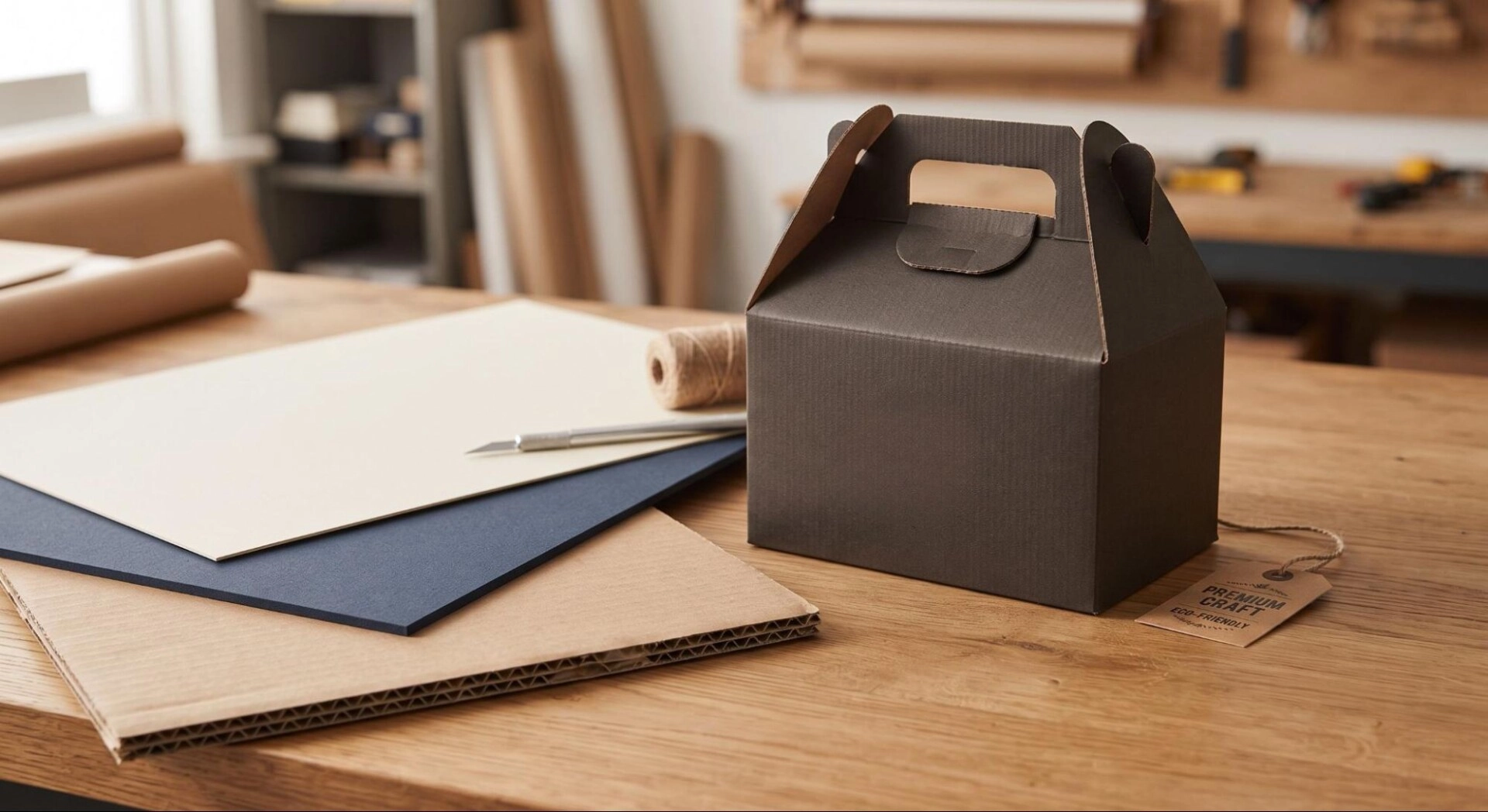
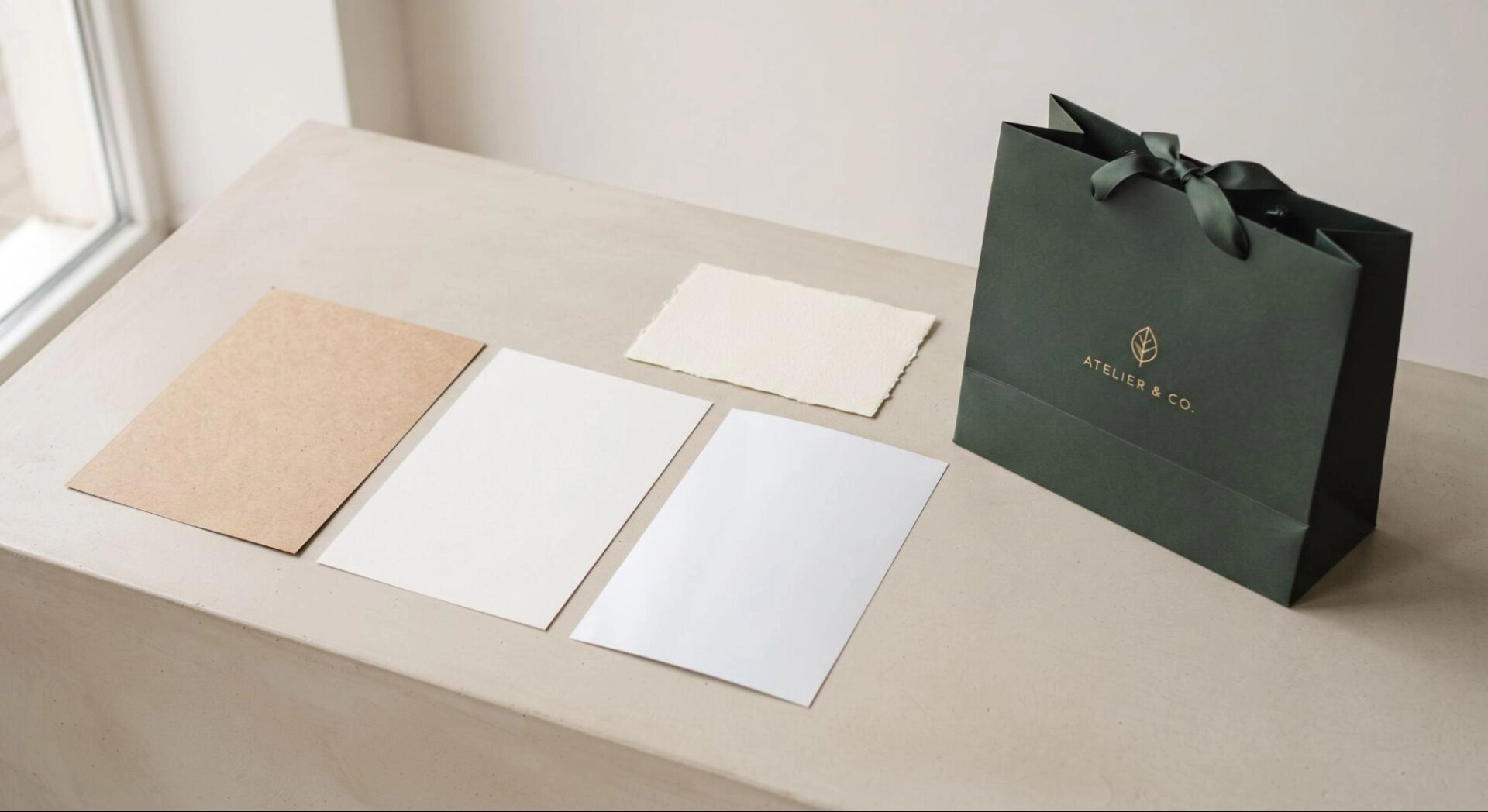
Gable boxes commonly use paperboard, cardstock, or corrugated board. Paperboard suits lightweight products, while corrugated board provides better compression and puncture resistance for Heavy Duty Gable Boxes. Custom Paper Bags use kraft, white, recycled, coated, or uncoated paper, with strength depending on paper weight and fiber quality.
Both formats can weaken when exposed to moisture, grease, or condensation. Select the material based on product weight, handling conditions and required strength. Test the finished package with the actual product to check lifting, carrying and repeated handling.
Handles, Closures and Packing Speed
Gable boxes work well when products need to stay enclosed during carrying. Their integrated handles make them easy to hand over to customers, while the top closure keeps the contents contained after packing.
Paper bags usually open faster at checkout or service counters. Open tops support rapid loading, while folded tops or adhesive seals provide limited closure where needed.
Operational differences include:
- Gable boxes require assembly but keep contents enclosed
- Paper bags reduce setup time during fast service
- Rope handles improve presentation but add material and cost
- Twisted paper handles suit common retail purchases
- Auto bottom gable boxes can shorten assembly time
- Adhesive closures may slow bag reuse after opening
Businesses should also conduct a timed packing trial. A small difference per order can create meaningful labor costs during high volume service
Food and Takeaway Applications
Food packaging should match the product and how it will be served. Gable Food Boxes suit meals, bakery assortments, and takeaway combinations that benefit from a structured package. Paper bags work well for bread, pastries, sandwiches, and individually wrapped items.
Paper Food Storage Bags are useful for dry or lightly packaged foods, while greasy or moist products may need grease resistant paper or an inner package. For either format, consider food contact, product temperature, moisture, grease, and leakage before choosing the packaging.
Branding and Product Presentation
Gable boxes provide defined panels that keep logos, brand names, and product information easy to position and see. Their structured shape also creates a more organized presentation, making them suitable when the package itself is part of the product experience.
Paper bags offer a simpler branding surface that works well for logos, store names, and basic brand messaging. Their flexible shape can make branding less consistent after filling, especially around folds and gussets.
Choose gable boxes when structured presentation and visible branding are priorities. Choose paper bags when practical branding and quick recognition matter more than a fixed presentation.
Also Read: How Custom Packaging Boosts Brand Image
Applications Across Different Businesses
Product type and sales setting usually determine the more practical format.
| Business | Suitable Gable Box Use | Suitable Paper Bag Use |
| Bakeries | Assorted pastries, cookies, and gift sets | Bread, individual pastries, and wrapped items |
| Restaurants | Meal combinations and catering packs | Quick takeaway and separately sealed food |
| Gift shops | Gable Gift Boxes for arranged collections | Paper Gift Bags for varied purchases |
| Events | Gable Favor Boxes and Gable Party Boxes | Welcome materials and promotional items |
| Apparel stores | Small accessories or gift sets | Clothing and flexible merchandise |
| Grocery stores | Specialty food collections | Paper Grocery Bags for mixed purchases |
| Corporate gifting | Branded kits with organized contents | Simple event giveaways |
| E-commerce | Inner presentation for selected product sets | Lightweight inner packing, not parcel shipping |
Neither option normally replaces a shipping carton for parcel delivery. Carrier handling requires packaging designed for distribution conditions.
Storage, Assembly, and Total Cost
Paper bags are usually supplied ready to open, so they need little preparation before use. Gable boxes ship flat and save storage space, but they require assembly space and labor before filling.
Gable packaging boxes may increase handling costs because of assembly, while paper bags can reduce preparation time. Compare the costs based on:
- Package size and material cost
- Storage and carton space
- Assembly labor
- Packing time
- Order quantity and unused inventory
- Assembly and preparation requirements
Sustainability, Reuse, and Disposal
Both formats can use recycled content or fiber from FSC-certified sources. Clean paper packaging is often recyclable, although plastic windows, laminated finishes, grease, and food residue can affect recycling acceptance.
Gable boxes can be reused for storage or gifting when their structure remains intact. Paper bags can also support repeated carrying when the base and handles remain durable. Printed Recycled Paper Bags can help meet recycled content goals when the finished package supports the intended claim.
To reduce material waste, choose suitable dimensions, avoid unnecessary coatings, and limit mixed materials where practical. Sustainability claims should reflect the actual materials and construction of the finished packaging.
Common Packaging Selection Mistakes
Businesses sometimes choose gable packaging for visual appeal without considering assembly time or handle clearance. Others select paper bags without testing whether the base can support concentrated weight.
Avoid these common errors:
- Measuring the product without allowing space for closure
- Ignoring handle strength during filled testing
- Using untreated paper for greasy or damp contents
- Adding windows without reviewing recyclability
- Expecting either format to handle parcel shipping alone
- Ordering one size for products with very different volumes
- Approving artwork without assembling a printed sample
Prototype testing reveals fit, balance, packing speed, and carrying problems before full production.
Gable Boxes vs Paper Bags: Which Packaging Should You Choose?
Choose gable boxes when structure and presentation matter most, such as for set meals, gift collections, and bakery assortments. Choose paper bags when speed and flexibility matter more, especially for clothing, groceries, bakery items, and mixed purchases.
Consider how each format fits your daily workflow, including filling, carrying, storage, and order volume. The right choice depends on how well it balances structure, speed, flexibility, and presentation for your business.
Consult a Reliable Packaging Supplier
A knowledgeable supplier should review product dimensions, weight, packing volume, handling conditions, and intended use before recommending either format. Our team at Hot Custom Boxes can provide structural guidance and samples for realistic testing before production.