

















Packaging vs Labeling: A Detailed Comparison
Home » comparisons » Packaging vs Labeling: A Detailed Comparison
Table of Contents
Get A Free Quote
Choosing how a product should be presented involves more than picking a box or adding a label. Businesses also need to think about protection, product information, storage, shipping, compliance and the way customers interact with the item.
A clear packaging comparison helps separate the role of the package from the role of the label. Understanding where each one adds value makes it easier to plan materials, design, production and product presentation without spending on features that do not solve a real need.
This guide explains how packaging and labeling differ across protection, information, branding, logistics, cost and everyday use so you can decide where each deserves the most attention.
What Is Packaging?
Packaging is the box, pouch, bottle, jar, bag, carton, wrap or other structure surrounding a product. It includes primary, secondary and tertiary packaging used for containment, presentation and distribution.
Its main functions include:
- Containing products and preventing leakage or loss.
- Protecting goods from impact, moisture, contamination and handling damage.
- Supporting stacking, storage, transportation and product security.
- Creating a practical format for opening, dispensing, closing or resealing.
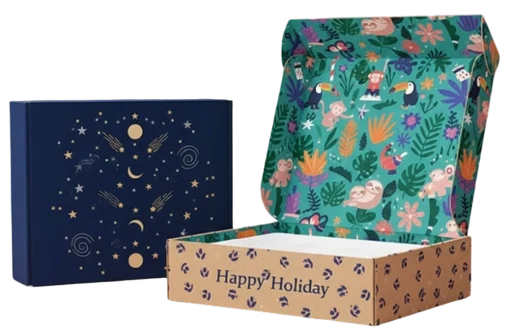
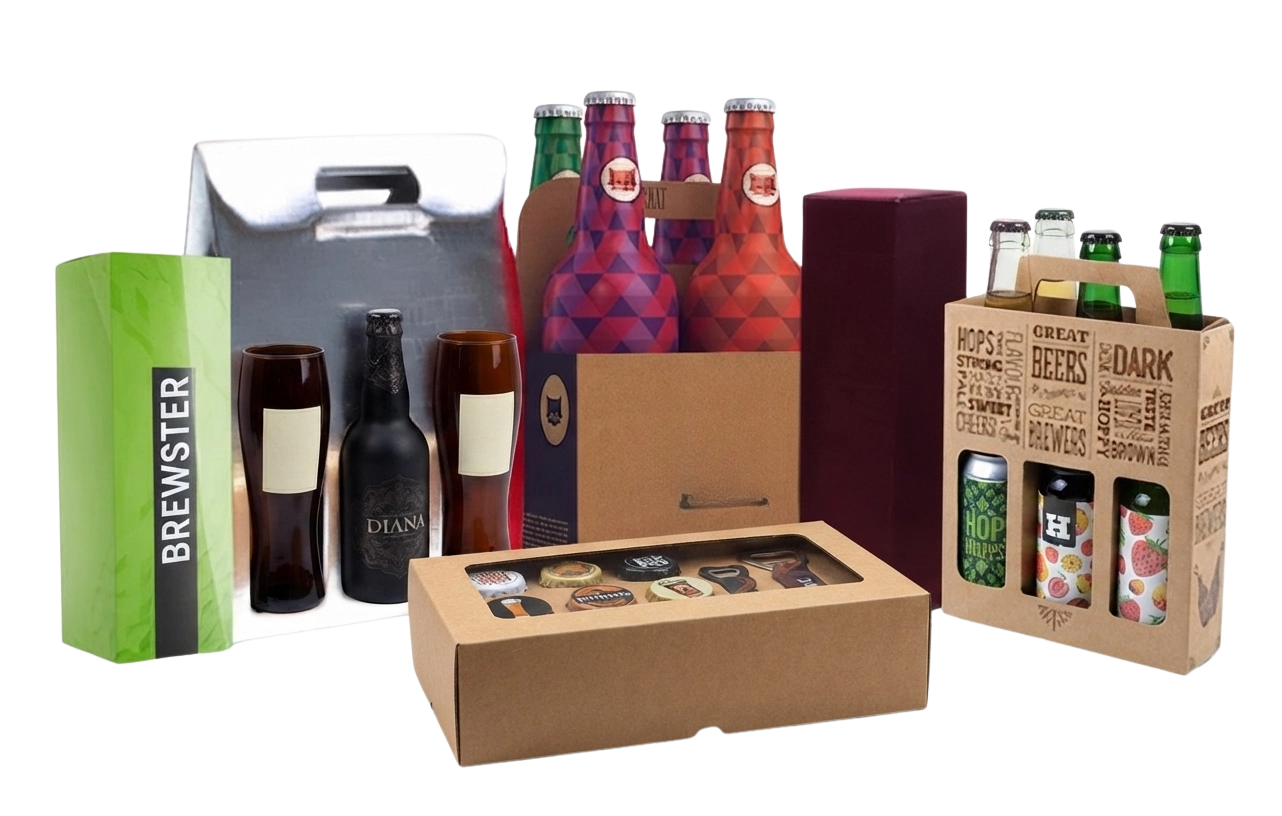
Custom Product Boxes can be designed for protection, storage or presentation, while premium formats like Gift Boxes may place more emphasis on appearance and the opening experience.

What Is Labeling?
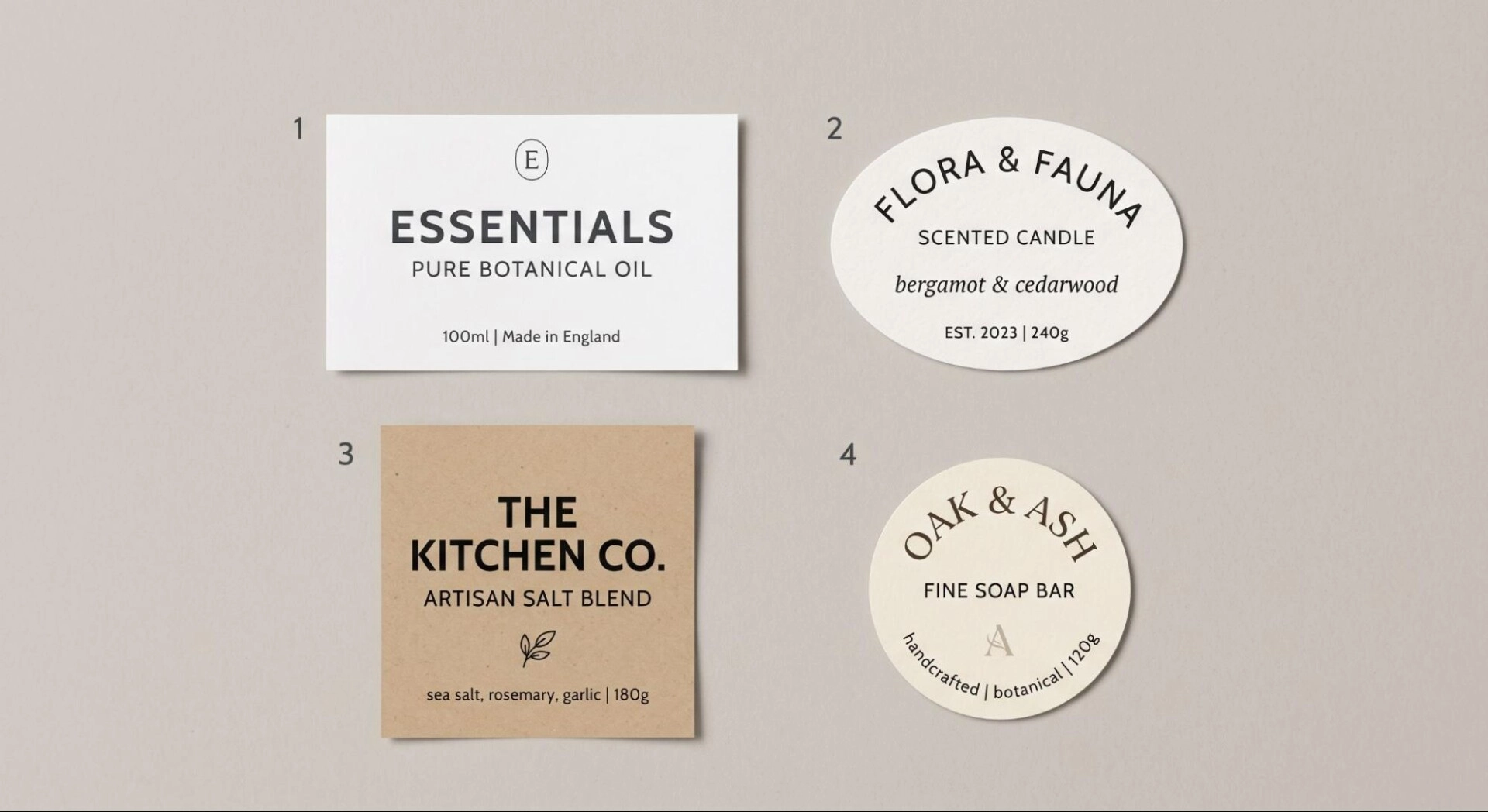
Labeling is the information applied to a product or its packaging through printed labels & stickers, tags, sleeves or direct printing. Product labeling helps customers, retailers and warehouse teams identify a product and understand important details.
Labels may show:
- Product name, brand name, quantity, ingredients or product features.
- Directions, storage instructions, safety warnings and expiration dates.
- Barcodes, QR codes, batch numbers or other traceability information.
Business Labels usually carry product details, while Business Stickers may be used for branding, sealing or simple product identification.
Packaging vs Labeling at a Glance
| Factor | Packaging | Labeling |
| Main purpose | Contain, protect, handle, transport and present | Identify products and communicate information |
| Physical form | Boxes, bags, pouches, bottles, jars, wraps | Labels, tags, stickers, shrink sleeves |
| Protection | Provides structural or barrier protection | Usually provides little physical protection |
| Branding | Offers larger areas for visual design | Works within a smaller defined area |
| Customization | Size, shape, structure, inserts, openings, closures | Size, shape, adhesive, placement, artwork, variable data |
| Changeability | Structural changes may require new tooling | Information can often be updated more easily |
Physical Protection vs Product Information
Packaging prevents physical damage during shipping, storage and handling. A glass bottle in a weak carton can still break even when the label says “fragile.”
Corrugated walls, foam inserts, secure closures and moisture barriers help reduce crushing, movement, leakage and contamination.
Instead, labels manage information. If a product doesn’t have information on allergens, expiration date, how to store it or warnings, it could make an undamaged product unsafe or unsuitable.
Barcodes help control inventories, while batch numbers make it easier to track products if there is a recall. The packaging preserves the product intact. Labelling helps people to recognise, treat and use it correctly.
Brand Presentation and Shelf Appeal
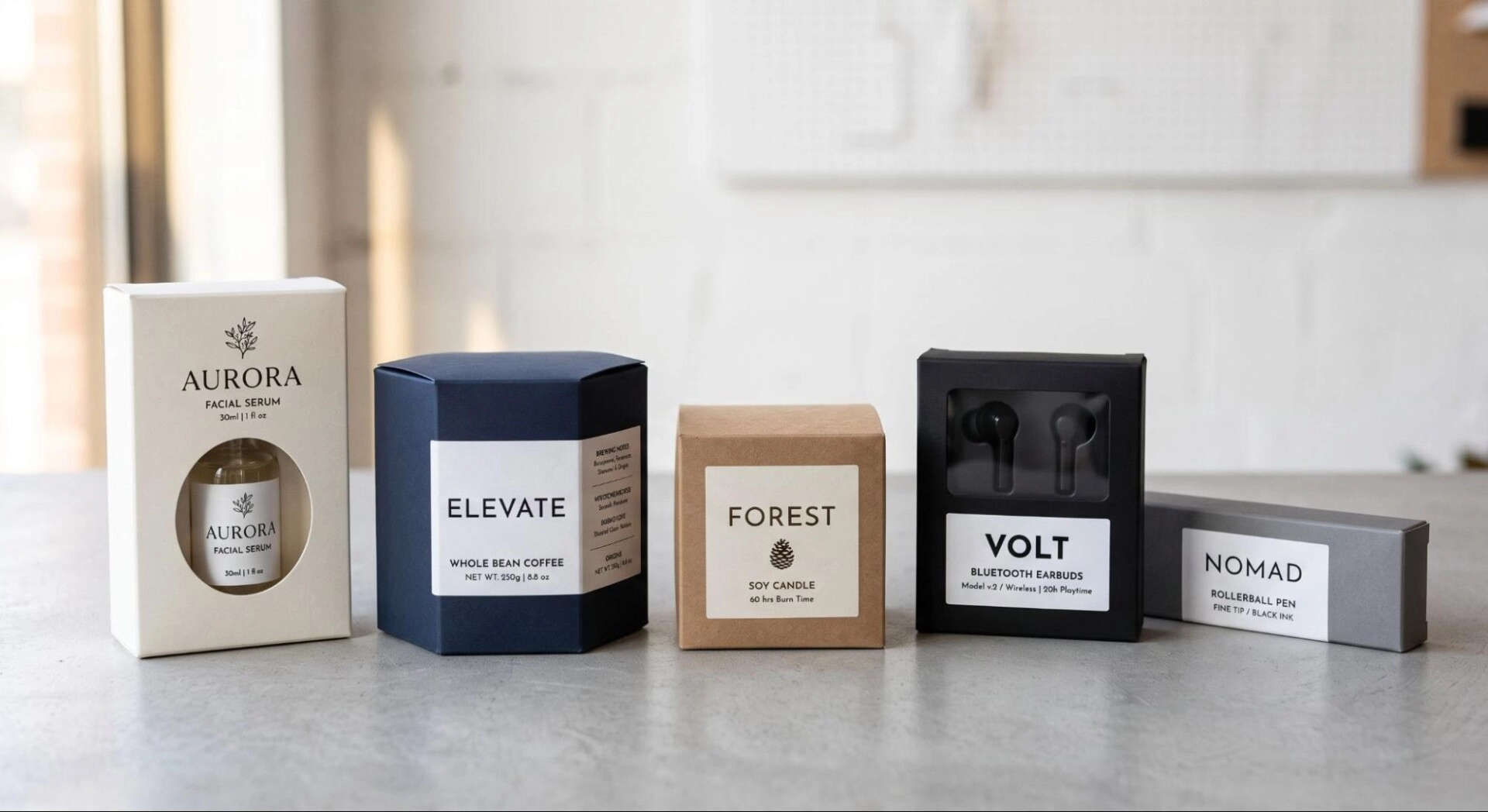
Packaging gives brands more visual and structural space to shape product presentation. Color, typography, logos, graphics, product imagery, materials and opening style can work together to create strong shelf appeal.
Labels have less room, so hierarchy and readability become more important. Customers should quickly distinguish the brand, product name and key details.
Both should follow the same visual system. Kraft packaging creates a different brand image from a coated carton with metallic foil and a glossy label.
Also Read: How Custom Packaging Boosts Brand Image
Materials and Customization Options
Material choice depends on how the product will be stored, handled, shipped and presented. Paperboard works well for many retail packages, corrugated board adds shipping strength, rigid board supports premium presentation and glass or metal suits products that need durable containers.
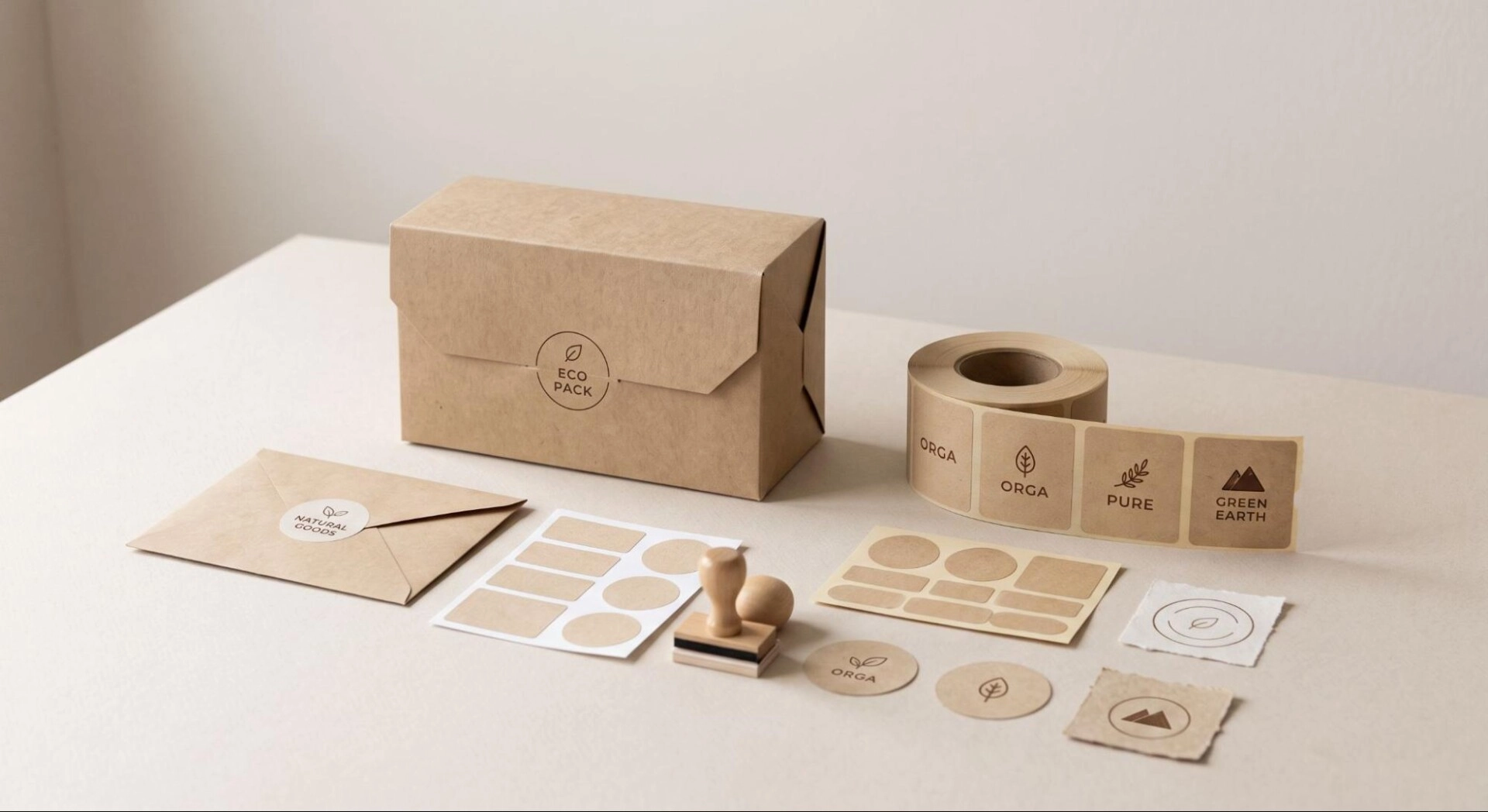
Label materials must match the surface and environment. Paper labels suit many dry applications, while synthetic stocks can perform better around moisture, oils or frequent handling.
Customization also differs between the two. Packaging can change in size, shape, openings, inserts, handles or closures, while labels are usually customized through size, shape, placement, adhesive type, artwork and variable details such as batch numbers or dates.
This gives labels an advantage when product information changes often, while the main package can remain the same.
Regulatory Information and Compliance
Labels often carry the product details required by law, such as ingredients, nutrition facts, safety warnings, net quantity, manufacturer information and expiration dates.
Requirements vary by product category and market. For example, there are strict requirements on where and in what format nutrition facts, ingredient lists, allergen labels and net quantity information must be on packaged foods.
Businesses should confirm current labeling requirements before finalizing artwork to avoid compliance issues, reprints or delays.
Handling, Storage, Shipping and Customer Use
Packaging affects how easily a product can be stored, moved, stacked and shipped. Poorly sized or weak packaging can increase damage, waste storage space or make handling more difficult.
Labels support identification during distribution. Barcodes, shipping labels and handling instructions help warehouse teams and carriers scan, sort and route products correctly.
For customers, packaging affects opening, closing, dispensing and access, while labels provide the instructions needed to use or store the product properly.
Production, Application and Replacement
Packaging production can involve cutting dies, forming, gluing, assembly, filling, sealing and packing. Structural changes may affect machinery, line speed, warehouse space or shipping dimensions.
Labels are produced separately and then applied manually or with labeling equipment. Accurate position, surface condition, application pressure and production speed can affect appearance and scan performance.
Labels are often easier to update when information changes, especially when businesses can keep the same package and replace only the printed label.
Cost and Operational Value
Packaging costs can include materials, structural design, tooling, printing methods, finishing, inserts, assembly, storage and shipping weight. Labeling costs may include stock, adhesive, printing, finishing, dies, variable data, labor and application equipment.
Unit price alone can be misleading. Businesses should also consider production speed, warehouse space, damaged goods, replacement needs and labor when comparing total cost.
When Should Packaging Receive More Attention?
Packaging deserves greater priority when physical performance or presentation creates the biggest product risk.
Focus first on packaging when:
- The product is fragile, heavy, liquid, perishable or easily contaminated.
- Shipping protection and stacking strength are important.
- The package needs inserts, dispensing, resealing or tamper evidence.
- Premium retail presentation is central to the product position.
For ecommerce, Corrugated Shipping Boxes or Mailer boxes may matter more than decorative labeling.
When Should Labeling Receive More Attention?
Labeling becomes more important when accurate information, product identification or frequent updates drive the decision.
Give labeling greater attention when:
- Ingredients, batches, dates, sizes or product variants change often.
- Regulations require specific warnings or mandatory information.
- Barcode scanning and traceability are important.
- Several products share the same basic packaging structure.
Custom labels can provide flexibility without changing the whole package.
Packaging vs Labeling: Which Should You Prioritize?
Prioritize the part that solves the bigger business risk first. Protective packaging is needed for a glass skincare bottle sold online prior to further label enhancements, as breakage leads to returns, replacement costs, and a bad customer experience.
A food product with several ingredients, allergens, nutrition details and date codes may need more attention on labeling. Even strong packaging cannot prevent compliance or customer confusion if required information is missing or difficult to read.
Retail products frequently require a different balance. When there are several similar products on the shelf, the packaging makes the most visual impact while the label allows the consumer to compare the different types, sizes or features.
For products that change frequently, such as seasonal flavors or limited editions, keeping the package consistent and updating the label can be more practical. The best choice depends on what would cause the greater problem if it failed: protection, information, compliance, identification or presentation.
Key Takeaways
- Packaging is mainly responsible for containment, protection, handling, transport and physical presentation.
- Labeling mainly provides identification, instructions, warnings, branding and traceability.
- Packaging usually has more influence on shipping performance and structural protection.
- Labels are often easier to change when information or product variants change.
- Both should be planned together to support production, compliance, logistics and customer use.