














Plain Boxes vs Printed Boxes: How to Make the Right Packaging Choice
Home » comparisons » Plain Boxes vs Printed Boxes: How to Make the Right Packaging Choice
Table of Contents
Get A Free Quote
Choosing between plain boxes and printed boxes involves more than branding. This packaging comparison looks at the practical factors that matter most, including protection, order volume, budget, sales channel, storage needs and packaging changes.
Plain packaging usually costs less and gives businesses more flexibility. Printed packaging adds branding and product information directly to the box. Neither is automatically better. The stronger choice is the one that fits how the packaging will actually be used.
What Is the Difference Between Plain Boxes and Printed Boxes?
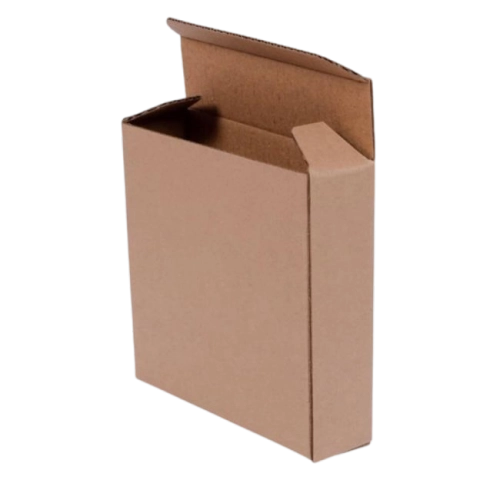
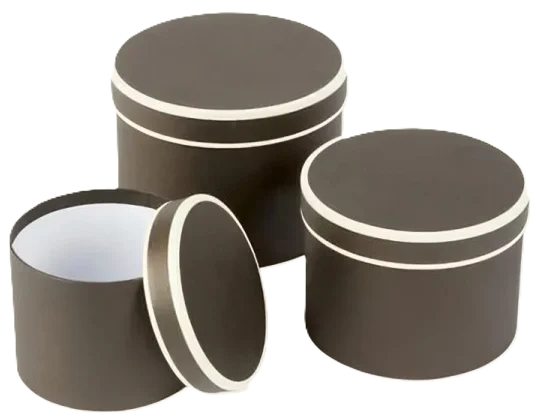
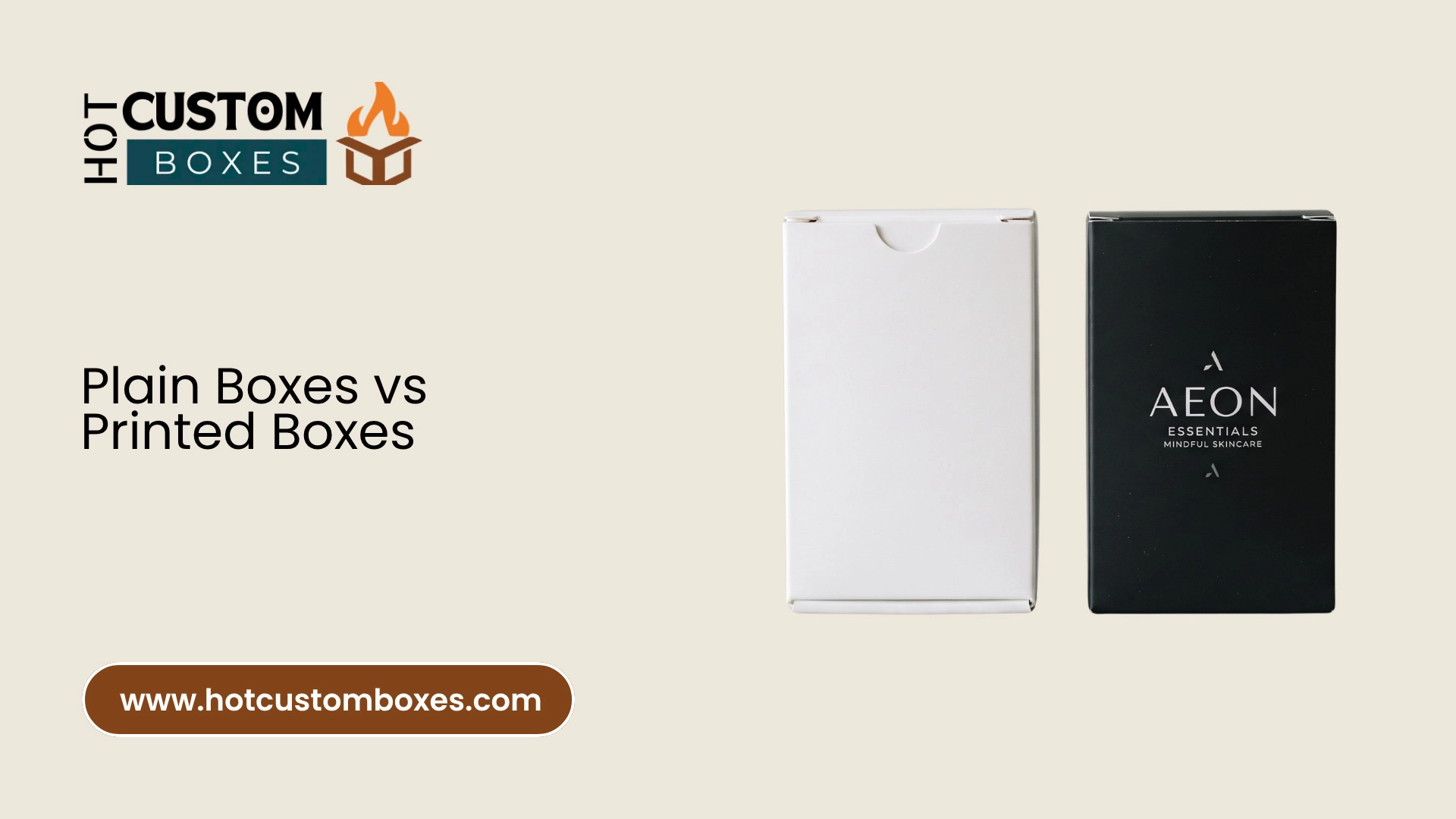
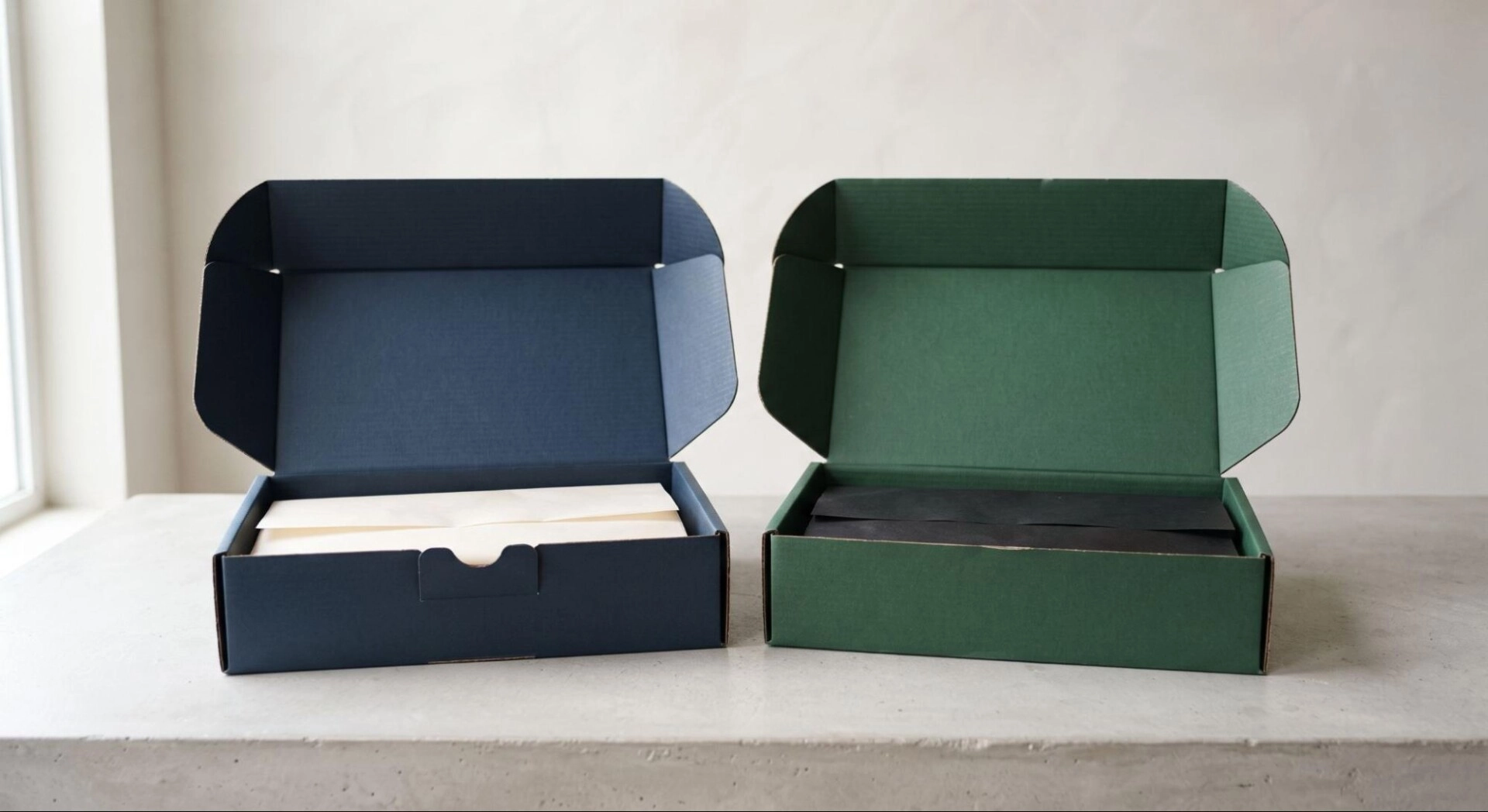
Plain Boxes have no custom graphics, logos or product specific artwork. Businesses can use them as they are or add labels, stickers or branded tape when needed.
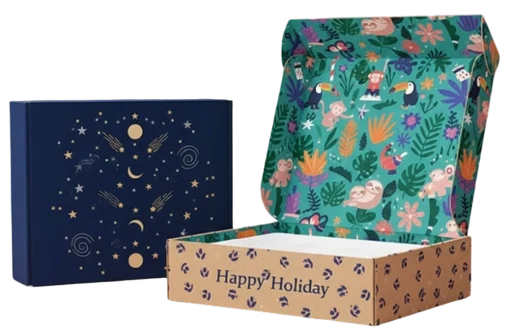
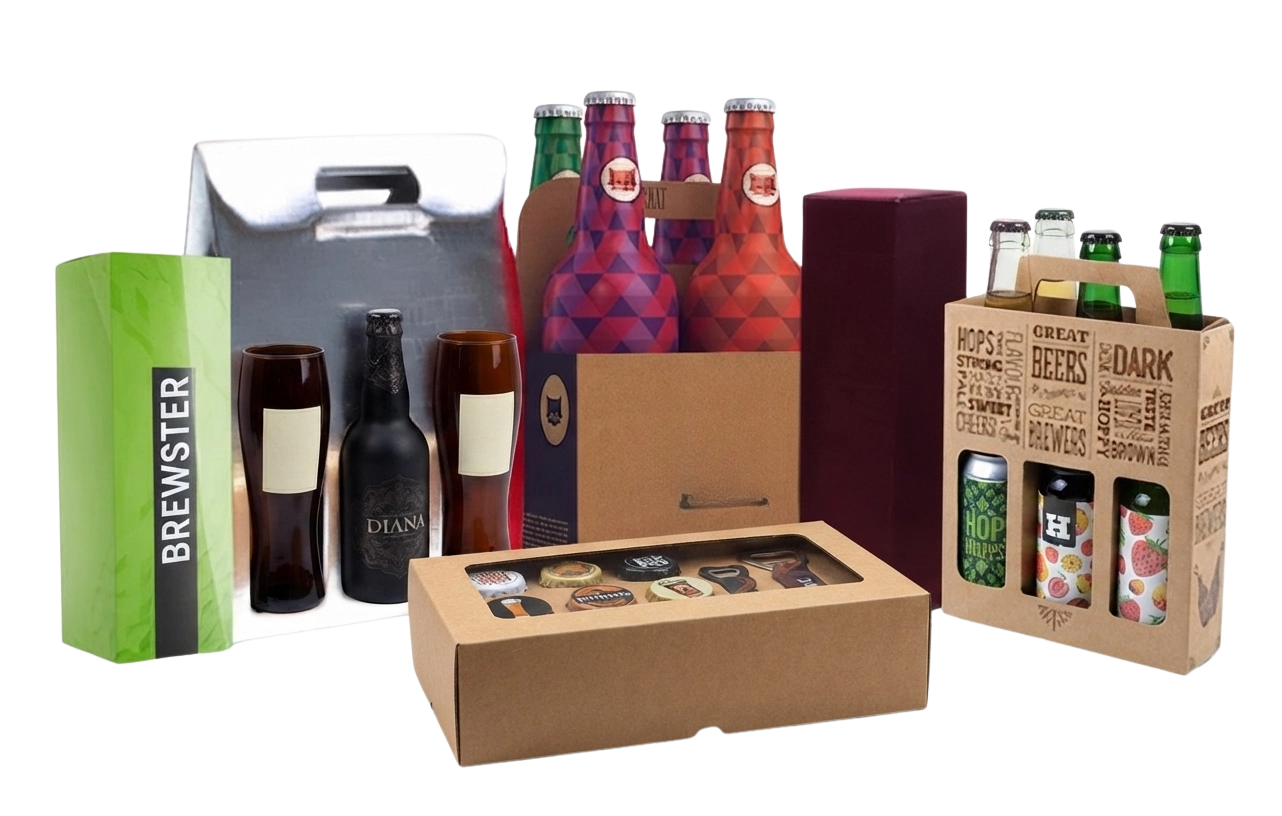
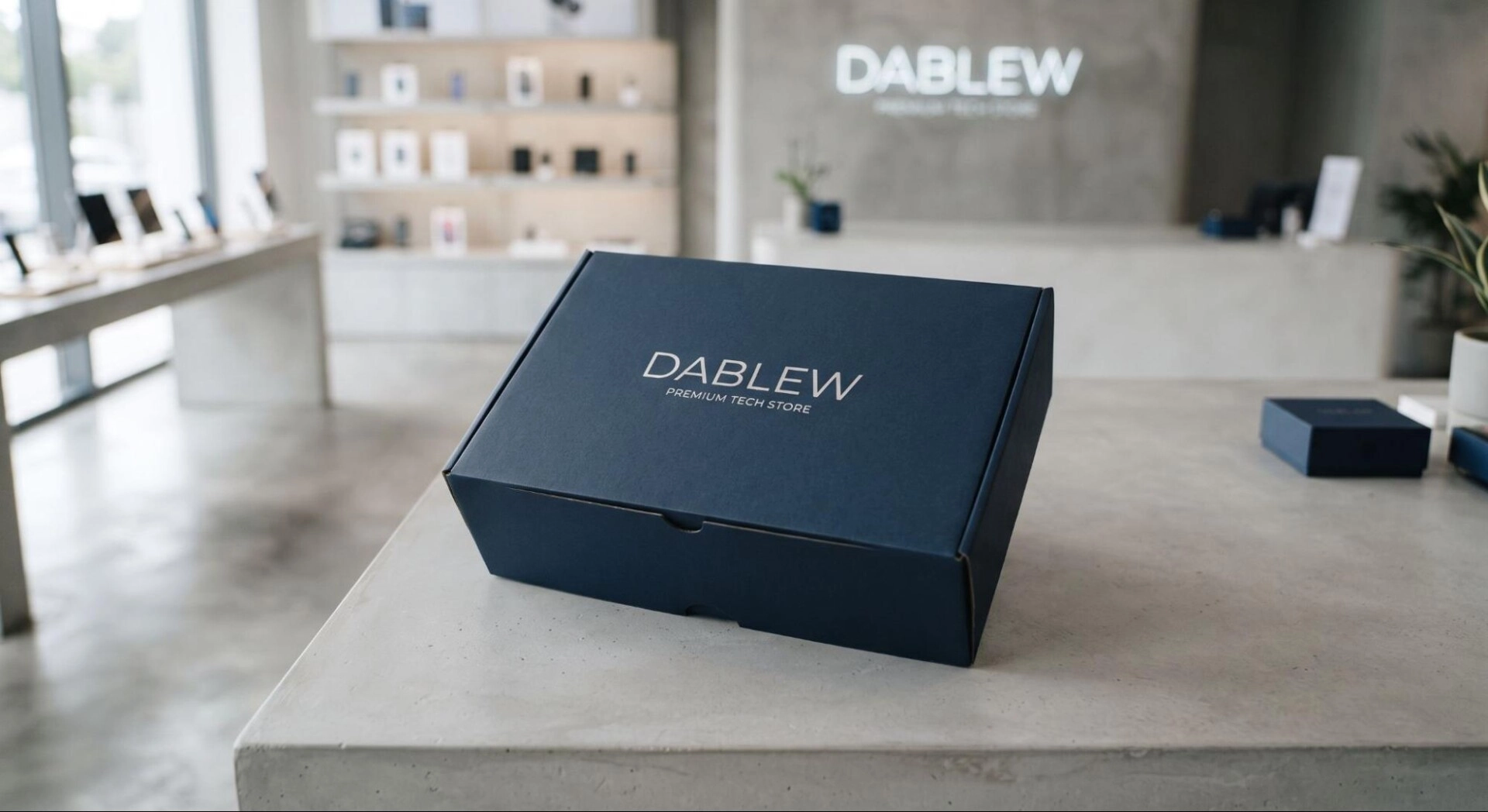
Printed Boxes include branding, graphics or product information directly on the product packaging. This creates a more consistent presentation and reduces the need for separate branding elements during packing.
The main difference is flexibility versus built-in branding. Plain packaging is easier to adapt across products while printed packaging is better suited to businesses that want a finished branded presentation from the start.
Plain Boxes vs Printed Boxes: Quick Comparison
| Factor | Plain Boxes | Printed Boxes |
|---|---|---|
| Initial cost | Usually lower | Usually higher because of print setup |
| Branding | Added separately if needed | Printed directly on the box |
| Short runs | Often practical | Digital printing can suit shorter runs |
| Inventory flexibility | High | Lower when artwork or SKUs change |
| Lead time | Often shorter | May require proofing and print production |
| Customer presentation | Basic | Better suited to branded retail packaging or ecommerce use |
Product Protection Depends More on Structure Than Printing
Printing does not make a box stronger. Product protection depends mainly on board strength, box design, product fit and the conditions the package faces during storage and transit.
Corrugated board is commonly used for shipping because its structure can provide compression strength and stacking performance. SBS and kraft paperboard suit many lighter retail cartons. A recycled board can also perform well when its grade matches the product.
Check these structural factors in both plain and printed packaging:
- Board grade and thickness
- Compression and stacking needs
- Puncture resistance
- Internal fit and empty space
- Need for inserts or dividers
Compare Total Packaging Cost, Not Just the Box Price
Plain boxes usually cost less upfront and work well for test launches, smaller orders, or products that change often. Printed packaging boxes require more preparation, so their cost-per-unit usually improves as order volume increases and setup costs are spread across more units.
- Minimum order quantities and expected reorder volume
- Printing and setup costs
- Labels, tape, or other branding added to plain packaging boxes
- Labor required during packing
- Storage space and inventory holding costs
- Risk of unused printed stock after artwork, SKU or product changes
Optimize the box structure first, then assess whether printing provides enough branding or operational value to justify the added cost.
Printed Boxes Add Value When Presentation Matters
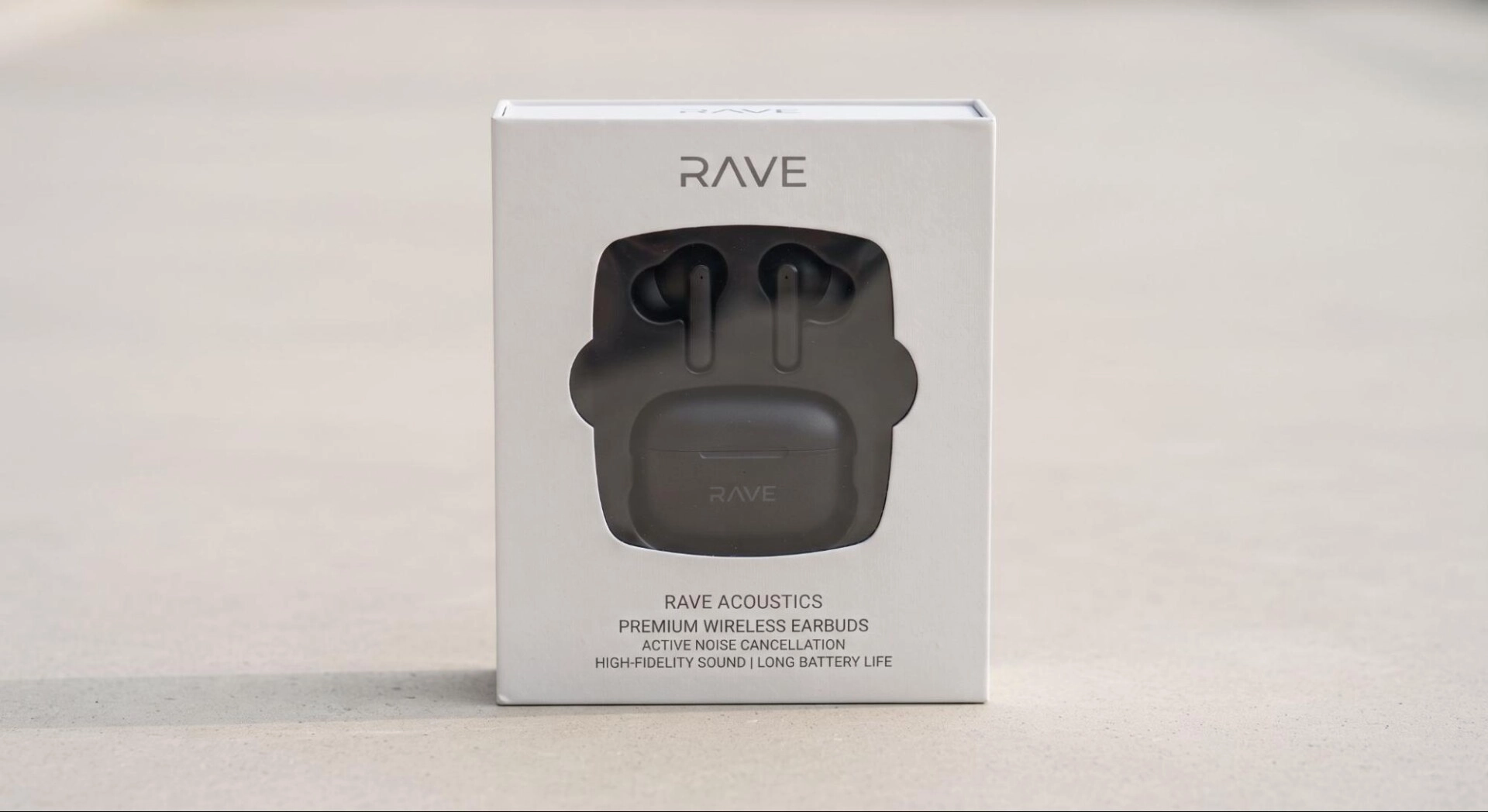
Printed boxes turn packaging into a controlled brand and communication surface. Logos, brand colors, product details, barcodes, QR codes and graphics can all be built into the packaging design.
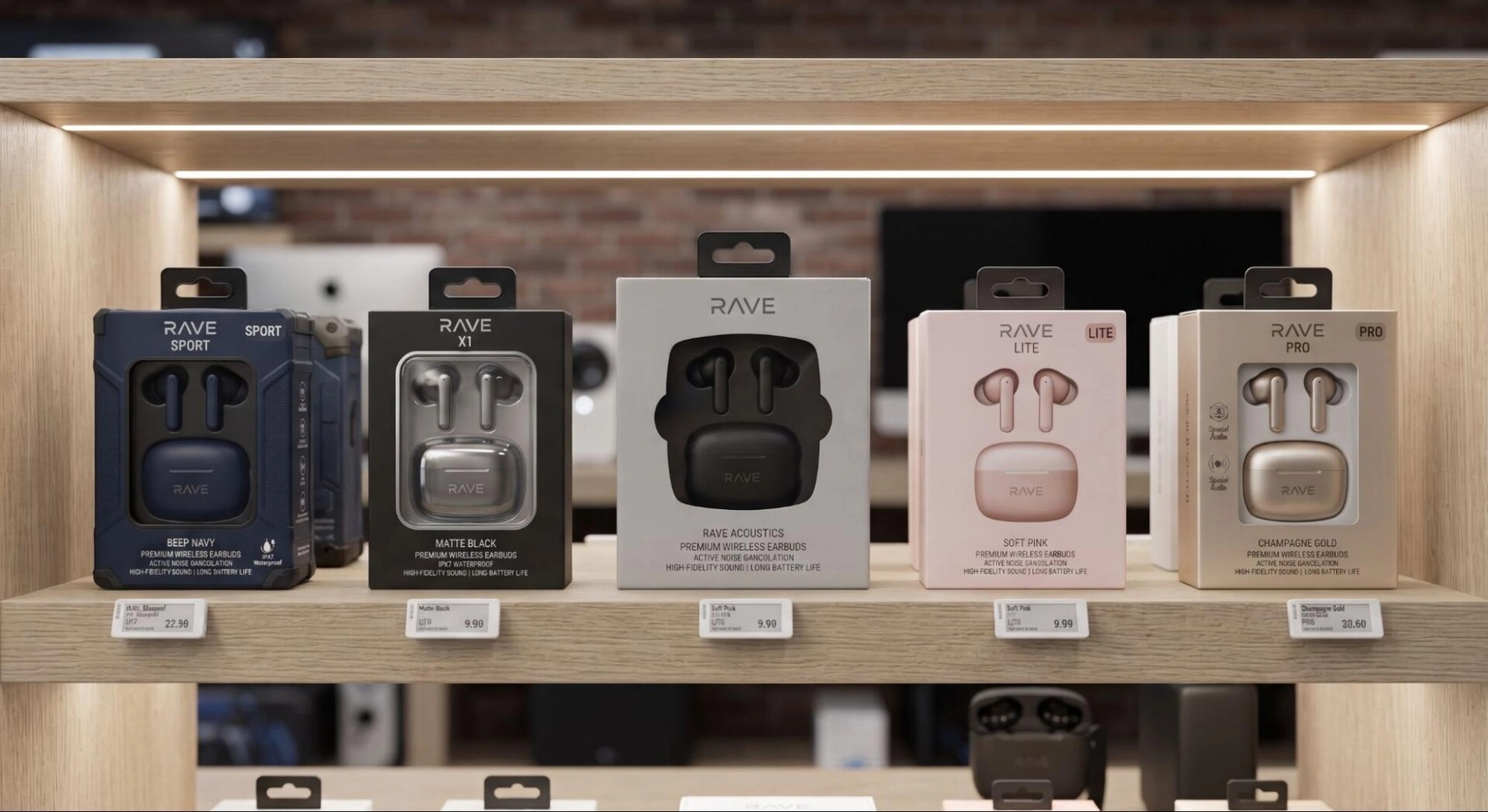
This matters most when the box is visible at the point of sale or arrives directly in a customer’s hands. In retail, consistent graphics help shoppers identify products quickly on crowded shelves.
In ecommerce and subscription packaging, the box often creates the first physical interaction with the brand.
Custom printing can support:
- Consistent brand identity
- Faster product recognition
- Clear product or handling information
- Stronger shelf and delivery presentation
- Visual consistency across product lines
Plain Boxes Improve Inventory Flexibility
Plain boxes can simplify operations when several products share dimensions. A business can stock one box and change labels, stickers or inserts by SKU instead of holding separate printed cartons.
This works especially well for:
- Test products and temporary lines
- Frequently changing SKUs
- Wholesale distribution
- Internal shipping
- Low volume products
- Businesses that update branding often
Printed packaging needs tighter inventory planning. A new logo, barcode or product statement can make older stock difficult to use. For stable products, preprinted boxes can speed packing because branding is already applied.
Consider Sustainability Across the Packaging Lifecycle
Both plain and custom printed boxes can support eco-friendly packaging when they use responsibly sourced, recyclable or recycled materials.
The bigger difference often comes from added treatments. Heavy laminations, plastic windows, foil layers and some coatings can make recycling more difficult. Simpler finishes and easily separable components generally improve end of life recovery.
Evaluate sustainability by looking at the full package, including materials, finishes, recyclability and how easily customers can dispose of it correctly.
Hybrid Packaging Can Balance Cost and Branding
The choice does not have to be fully plain or fully printed. Hybrid branding can create a useful middle ground.
Common options include:
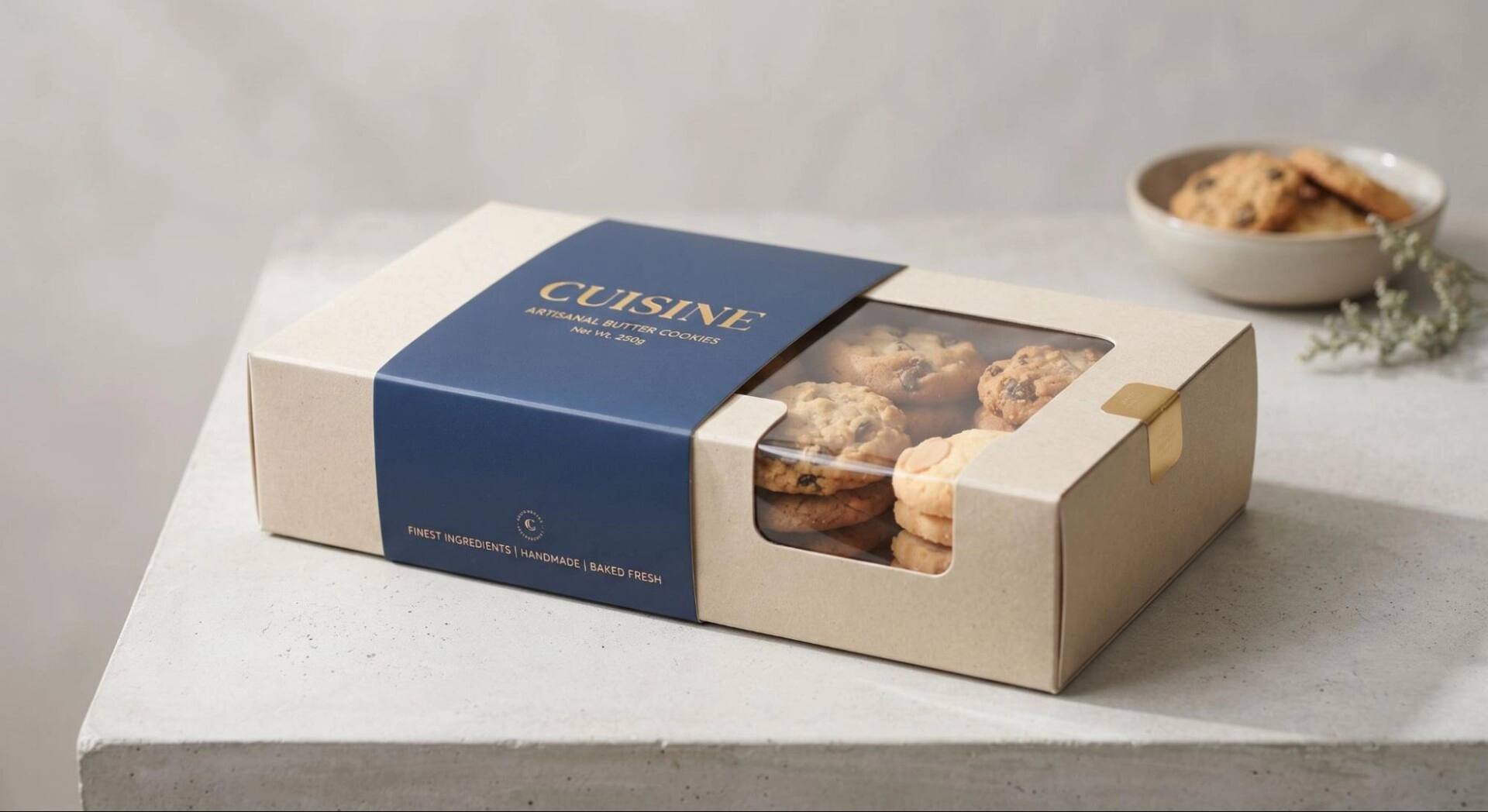
- Plain boxes with sleeves or custom labels and stickers
- Kraft cartons with branded stamps
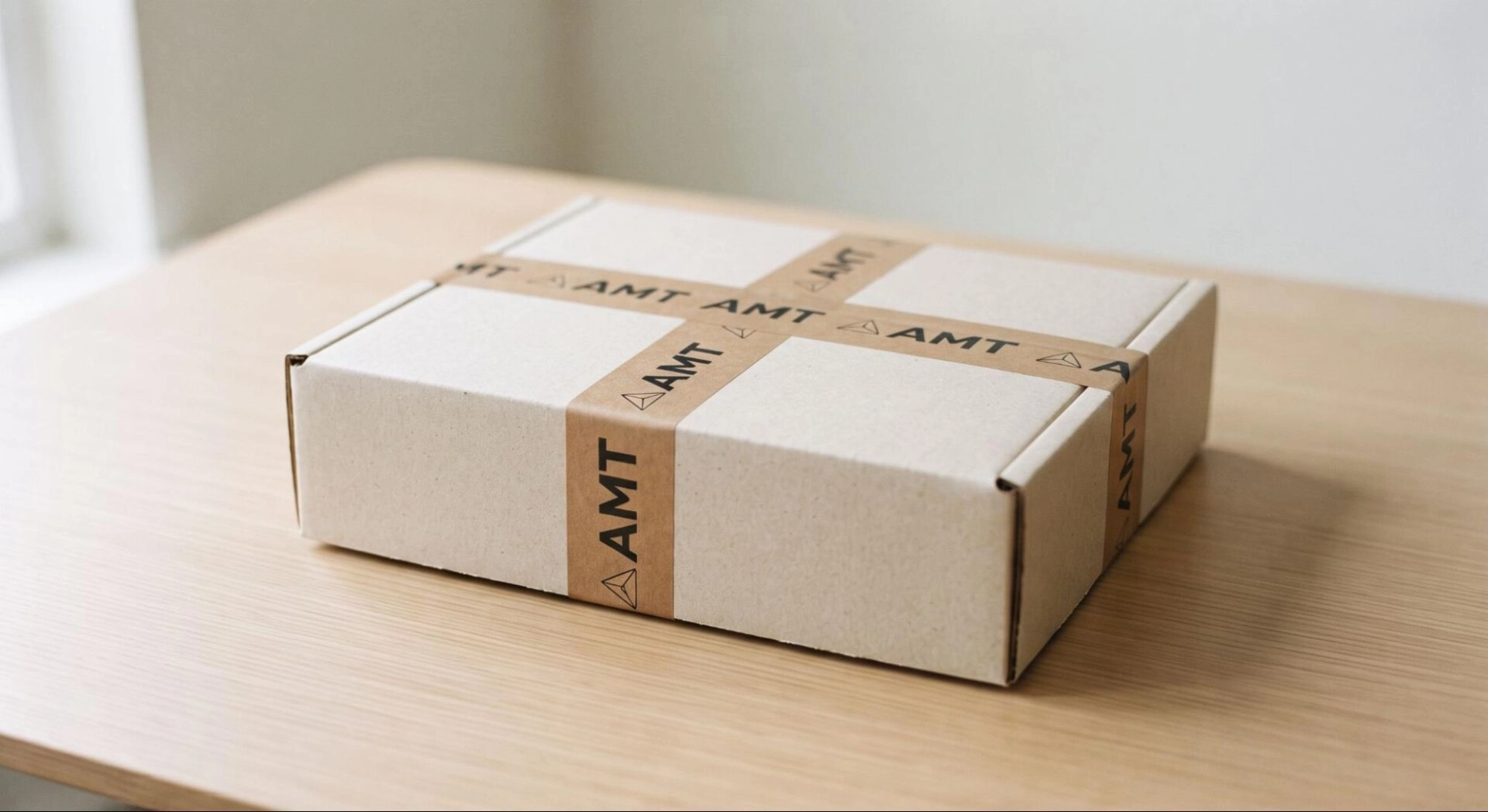
- Plain mailers with printed tape
- Printed inserts inside an unprinted shipping box
This approach can suit startups, seasonal products and businesses testing a new packaging design. It keeps the main box flexible while adding recognizable branding.
Also Read: Packaging vs Labeling: A Detailed Comparison
How to Choose Between Plain and Printed Boxes
- Start with protection. Match board strength and box structure to product weight, fragility, stacking pressure and shipping conditions. For example, a glass product may need stronger corrugated construction even if the outer box is fully printed.
- Match packaging to order volume. Plain boxes are often safer for test launches or uncertain demand. Printed boxes make more sense when sales volumes are predictable enough to use the inventory before branding or product details change.
- Consider where customers see the box. Retail, ecommerce, subscription and gift products benefit more from printed presentation than cartons used only for warehouse transfers or wholesale distribution.
- Check how stable your SKUs are. A business that changes flavors, sizes or seasonal designs frequently may gain more flexibility from one standard box with replaceable labels rather than separate printed inventory for every SKU.
- Calculate the real cost per packed order. Include setup, labels, packing labor, storage, freight and unused stock. A cheaper box can become more expensive if it requires extra handling or creates excess inventory.
- Review end of life performance. Favor packaging that customers can easily identify, separate and recycle. Complex mixed materials may undermine an otherwise recyclable box.
- Print only when it serves a clear purpose. Direct printing is most valuable when it improves identification, product communication, shelf presentation, or the customer experience rather than simply adding decoration.
Choose a Supplier That Supports the Right Packaging Decision
A reliable packaging supplier should help you evaluate structure, order volume, branding needs, and production requirements before you commit to a box style. Clear guidance at this stage can prevent unnecessary cost, unsuitable materials, or packaging that does not fit the product well.
Our team at Hot Custom Boxes works with businesses on custom packaging projects and can help assess whether plain, printed, or hybrid packaging is the more practical fit for a specific product and use case.