













Top Closure vs Bottom Closure Boxes: Which Is Best for Your Products?
Home » comparisons » Top Closure vs Bottom Closure Boxes: Which Is Best for Your Products?
Table of Contents
Get A Free Quote
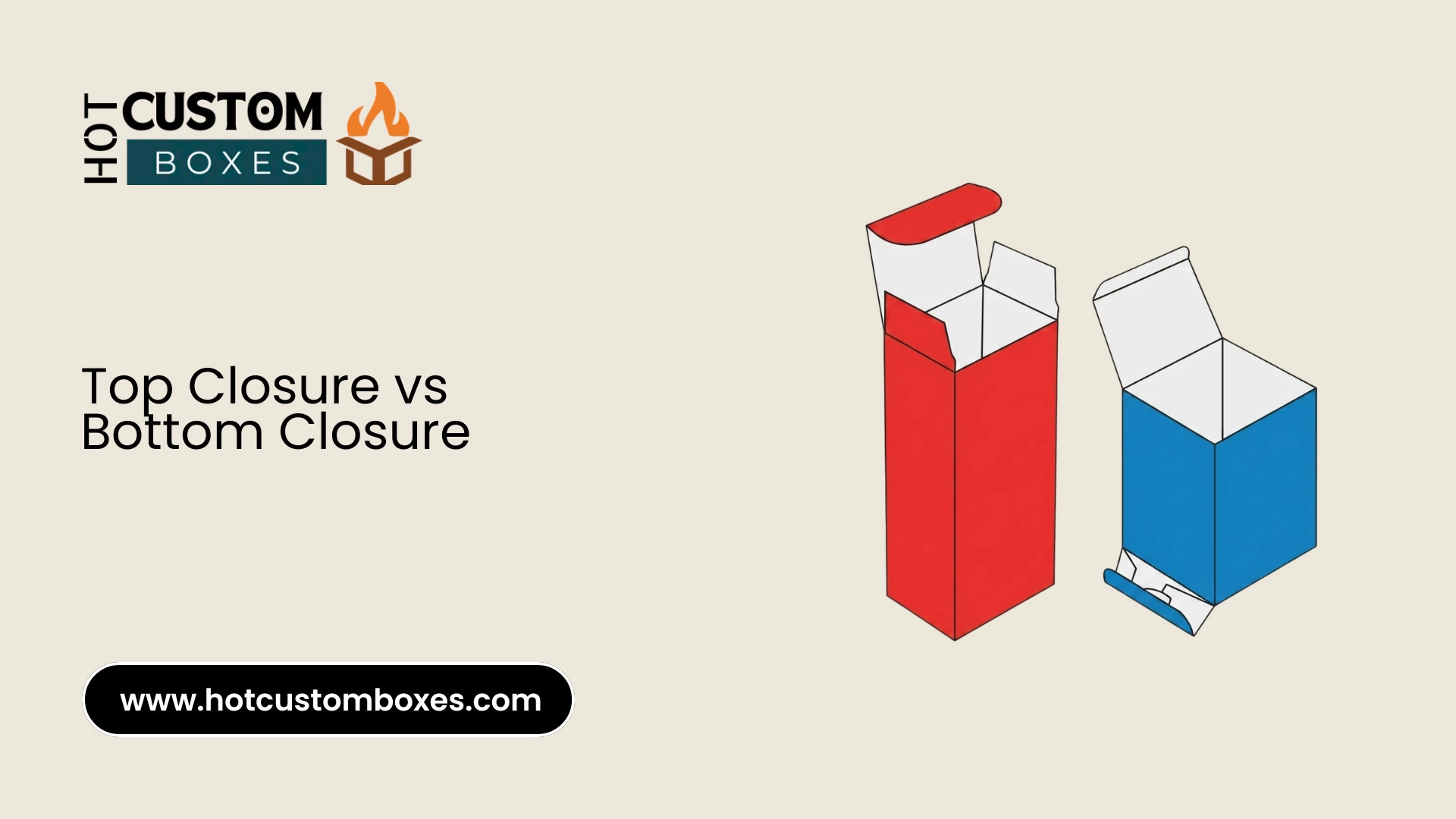
Top and Bottom Closure boxes serve different functions within a folding carton, but they work together to determine how efficiently a package is assembled, filled, handled and opened.
Understanding the role of each closure helps businesses choose a carton structure that matches both their product and production process.
This packaging comparison explains the key differences between Top Closure and Bottom Closure, along with the factors that matter most when selecting the right closure style.
Quick Comparison: Top Closure vs Bottom Closure
A top closure controls how users open and close the package. A bottom closure forms the base that supports the product’s weight. Many folding cartons use both, such as a tuck top combined with an Auto Bottom.
| Feature | Top Closure Boxes | Bottom Closure Boxes |
| Primary role | Provides product access and secures the opening | Supports the product and forms the box base |
| Common styles | Straight Tuck End, Reverse Tuck End, Tuck Top, Locking Flap | Auto Bottom, Snap Lock Bottom, 1 2 3 Bottom, Seal End |
| Assembly focus | Simple top flap closure | Manual or pre glued bottom assembly |
| Main consideration | Ease of opening and product access | Load capacity and packing efficiency |
| Best for | Products opened repeatedly or displayed on shelves | Products requiring stable support during storage and shipping |
| Reusability | Often easy to reopen and close | Usually intended to remain locked after packing |
| Performance impact | Improves usability and presentation | Determines structural strength and assembly speed |
What Are Top Closure Boxes?
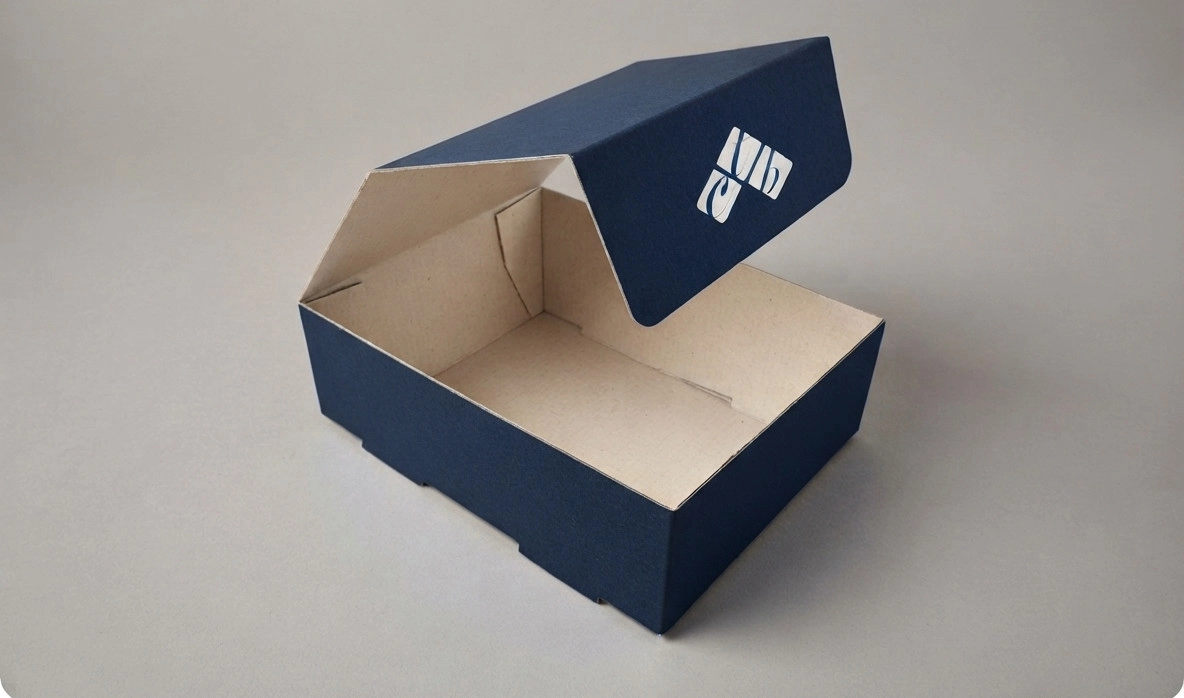
Top Closure Boxes use flaps or locking panels to close the package from the top, allowing products to be packed and accessed from above.
Most folding cartons use a tuck flap that folds into the front panel, while dust flaps help cover the opening and improve product retention.
Common top closure styles include:
- Straight Tuck End (STE): Top and bottom tuck flaps fold in the same direction.
- Reverse Tuck End (RTE): Top and bottom flaps fold in opposite directions.
- Tuck Top: A hinged lid that tucks into the front panel.
- Friction Lock: Tabs or side cuts help secure the tuck flap.
- Locking Flap: Extra locking tabs improve closure security.
Some products use reinforced designs such as Double Wall Tuck Top or Tuck with Bellow Dust Flap Lock for added protection, while tray and lid structures use specialized top closure systems.
What Are Bottom Closure Boxes?
Bottom Closure Boxes form the base of the carton and support the product during storage, shipping and handling. The closure style affects assembly speed, load capacity, and overall structural performance.
Common bottom closure styles include:
- Auto Bottom (Crash Lock Bottom): A pre-glued base that locks automatically when opened.
- Snap Lock Bottom (1 2 3 Bottom boxes): Four flaps interlock manually to create a secure base.
- Seal End: End panels are permanently glued for automated packing lines.
Many folding cartons combine a tuck top with either an Auto Bottom or Snap Lock Bottom to balance product access with dependable base support. Reinforced options, such as Full Flap Auto Bottom, provide additional strength for heavier products.
How Closure Design Affects Box Strength
The bottom closure has the greatest impact on box strength because it supports the product’s weight. Auto Bottom and Snap Lock designs distribute pressure across overlapping panels, making them more suitable for heavier products than simple tuck bottoms.
Top closures contribute by keeping the carton securely closed during handling and stacking, but overall performance also depends on the board grade, box dimensions and product weight.
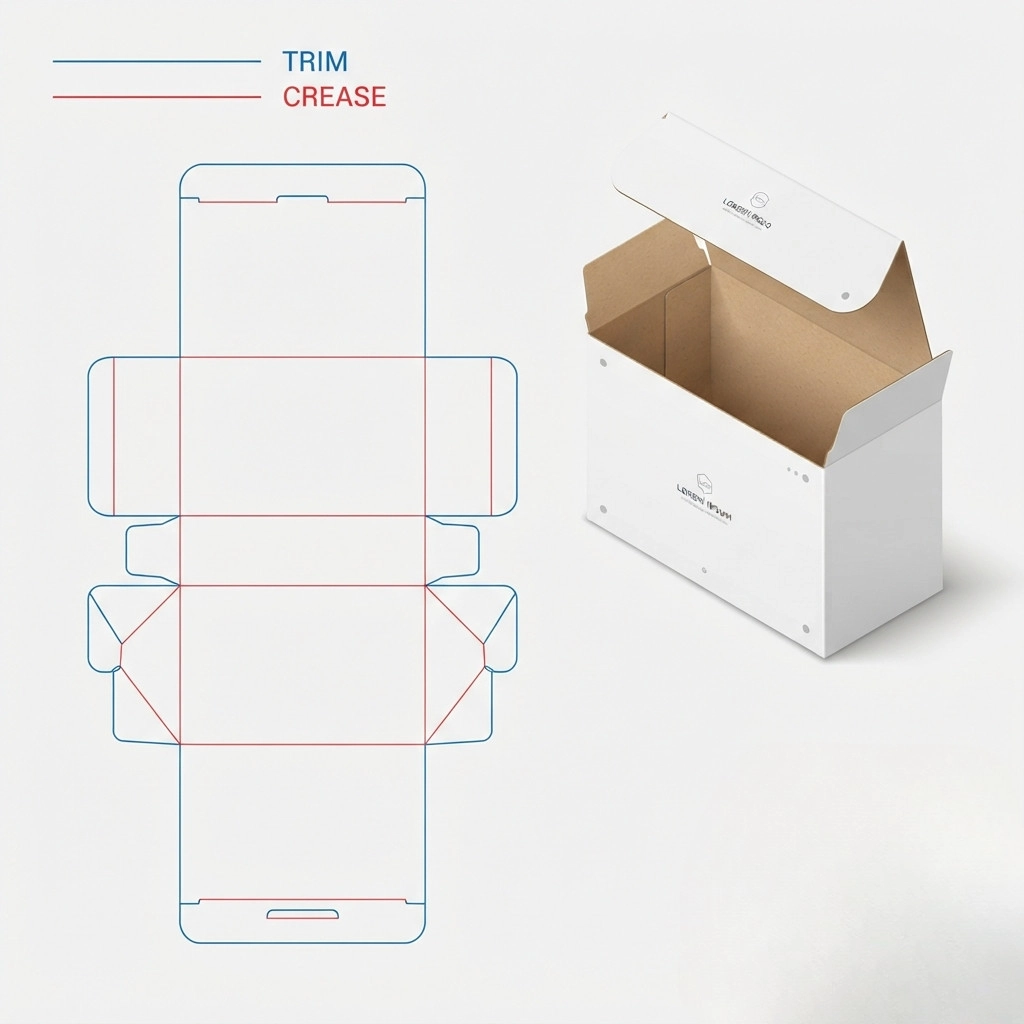
When selecting a closure, consider:
- Product weight and weight distribution.
- Board material and thickness.
- Bottom flap overlap and locking design.
- Box dimensions and stacking conditions.
- Inserts or dividers for fragile products.
For glass, electronics and other delicate items, protective inserts remain essential because the closure secures the carton, while the cushioning protects the product from movement and impact.
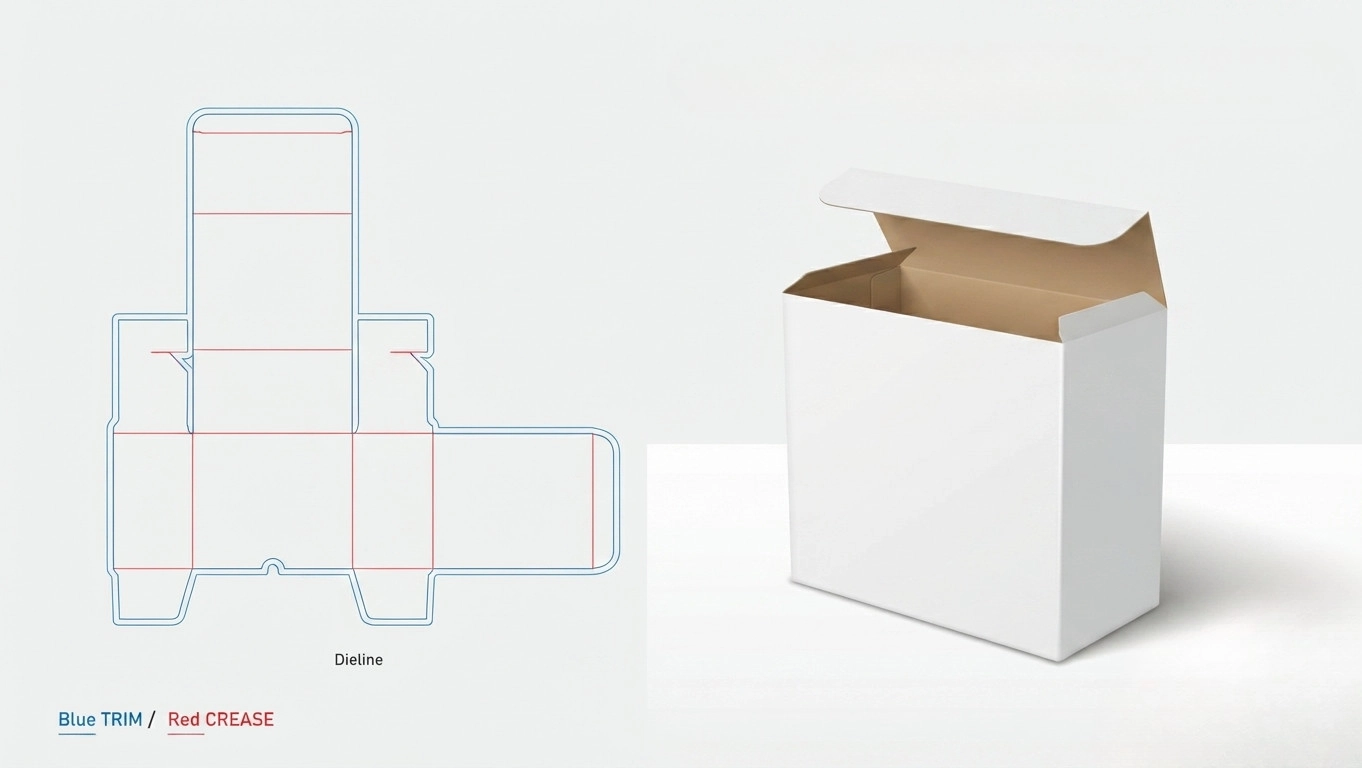
Common Board Types for Folding Cartons
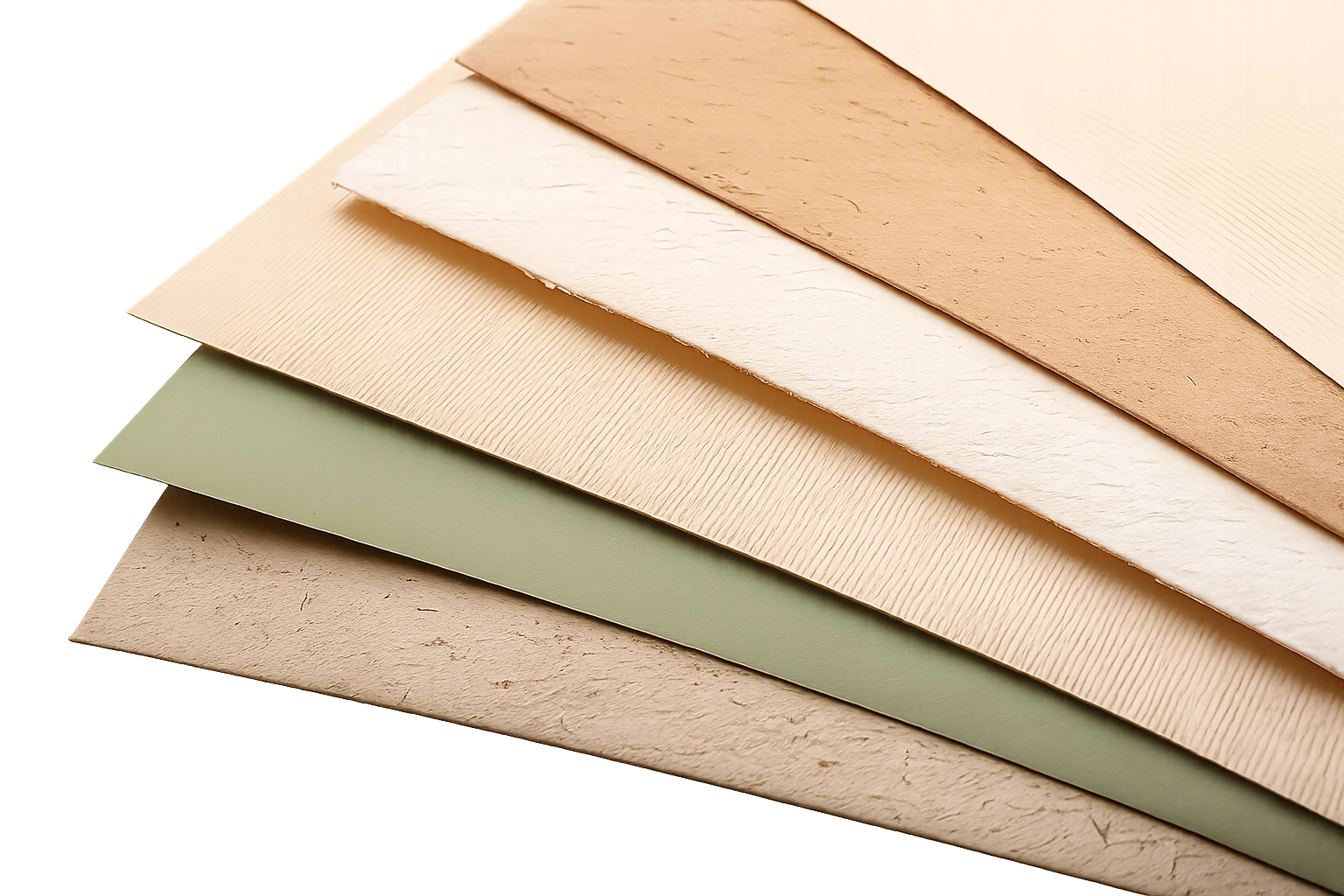
The material used for a folding carton has a greater impact on its performance than the closure style. Select the board based on the product’s weight, printing requirements, storage conditions, and level of protection needed during shipping and handling.
SBS paperboard is commonly used for cosmetics, pharmaceuticals, and other retail products that require high quality printing. Kraft paper offers a natural appearance, while recycled cardboard material helps meet sustainability goals. Corrugated board is better suited to larger or heavier products because it provides greater compression strength and rigidity.
For food packaging, the board may also require food safe barriers or coatings depending on the product and its packaging requirements.
Assembly Differences Between Common Closure Styles
Closure design directly affects packing speed and labor requirements. Top tuck closures are quick to assemble and provide convenient product access, while bottom closures vary depending on their locking mechanism.
Auto Bottom boxes open and lock in one step, making them suitable for high volume packing lines. Snap Lock Bottom designs require manual folding but can reduce production costs for shorter runs.
When comparing closure styles, consider:
- Assembly time
- Manual or automated packing
- Equipment compatibility
- Risk of incorrect assembly
- Overall labor costs
Most folding cartons ship flat to save storage space, although pre glued designs require slightly more room than standard cartons.
Printing Considerations Around Folds and Flaps
Top and bottom closure boxes support offset, digital and flexographic printing on most paperboard and corrugated materials. Common finishing options include matte or gloss lamination, foil stamping, embossing & debossingandSpot UV.
For the best appearance, keep important artwork away from fold lines, locking tabs and glue areas. The closure style can also influence the unboxing experience. Tuck top designs allow easy reopening, while perforated seals provide visible evidence of tampering.
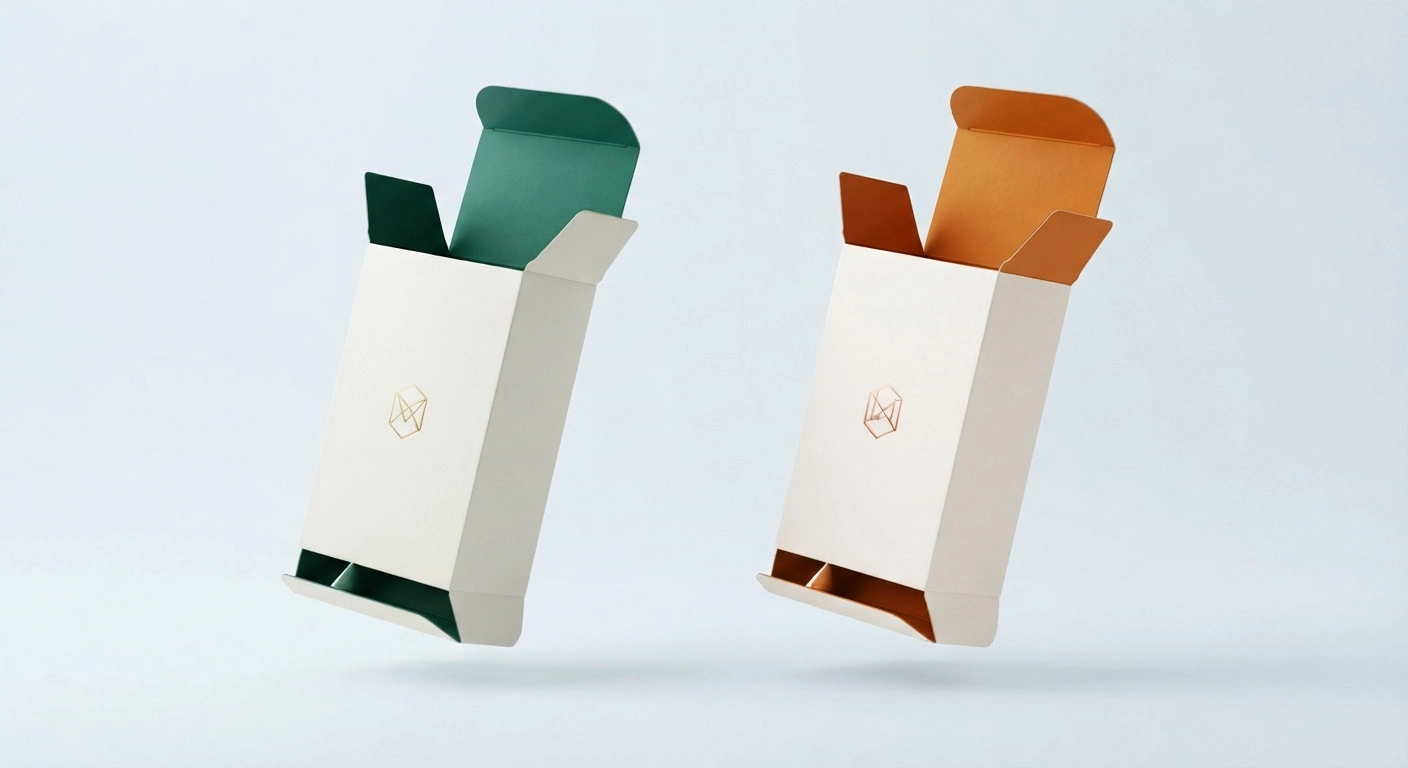
Suitable Closures Across Different Industries
Closure needs vary across industries because product weight, packing volume and customer access differ. The table below connects common products with practical closure combinations.
| Industry | Example Products | Suitable Closure |
| Cosmetics | Serums, creams, perfume and makeup |
STE or RTE for light items, Auto Bottom for glass containers |
| Food and confectionery | Tea, chocolates, bakery items and sealed snacks |
Tuck top with Snap Lock or sealed ends where required |
| Pharmaceuticals | Bottles, blister packs and healthcare products |
Tuck closures or perforated sealed designs |
| Electronics | Cables, chargers, earphones and accessories |
Tuck End Auto Bottom with a fitted insert |
| Apparel | Socks, ties, scarves and fashion accessories |
Straight or Reverse Tuck End |
| Jewelry | Earrings, bracelets and small gift items |
Tuck top with cardboard or foam inserts |
| Corporate gifting | Welcome products and promotional sets |
4 Corner Tray Tuck Top or reinforced folding boxes |
| E-commerce | Product sets and direct-to-consumer orders |
Corrugated tuck top structures or cartons inside shipping boxes |
How Closure Style Affects Packaging Costs
The lowest box price does not always result in the lowest packaging cost. Assembly time, material selection, storage, shipping efficiency and inserts all affect the total cost.
Auto Bottom boxes typically cost more to produce because of their pre glued construction, but they can reduce labor in high volume packing. Snap Lock Bottom boxes are usually more economical for manual assembly and smaller production runs.
An oversized box increases material use, protective filler and shipping costs regardless of the closure style. Fortunately, both closure styles can be produced with recyclable and FSC certified materials. To improve material efficiency:
- Use box dimensions that closely fit the product.
- Select the lightest board that provides adequate strength.
- Replace plastic inserts with paper based alternatives where suitable.
- Choose finishes that support recyclability.
- Test prototypes before full production.
Common Closure Selection Mistakes
Many packaging issues result from selecting a closure without considering the complete packing process. A closure that works well for one product may create problems for another with different handling or distribution requirements.
Before placing a production order, test the filled carton for assembly speed, closure security, product fit, stacking performance and shipping durability. Small adjustments at the prototype stage can prevent costly production and fulfillment issues later.
Common mistakes include:
- Choosing a closure that is incompatible with existing packing equipment.
- Ignoring how often the package needs to be opened and closed after purchase.
- Selecting a box structure before confirming the product’s final dimensions.
- Using complex locking styles that slow manual packing without adding practical value.
- Overlooking shipping and stacking conditions during distribution.
- Failing to account for product movement inside the carton.
- Skipping prototype testing with the actual product and packing process.
Which Closure Style Should You Choose?
Start by identifying the requirement that has the greatest impact on your packaging process. If packing speed is the priority, an Auto Bottom structure can improve production efficiency. If manual assembly and lower manufacturing costs matter more, a Snap Lock Bottom may be the better choice. Products that require frequent access also benefit from top closures designed for easy opening and reclosing.
Rather than selecting a closure in isolation, evaluate it as part of the complete carton design, including the material, dimensions and packing method. A structure that matches your product, production process and distribution requirements will deliver better performance than one chosen solely for its unit cost or appearance.
Work With an Experienced Packaging Supplier
At Hot Custom Boxes, we help businesses select folding carton structures that match their products, packing methods and distribution requirements. Our team can recommend suitable closure styles, materials, dimensions, printing options and finishes based on your packaging goals.
Request a custom quote to compare Top Closure and Bottom Closure box styles and develop packaging that improves packing efficiency, product protection and overall packaging performance.