













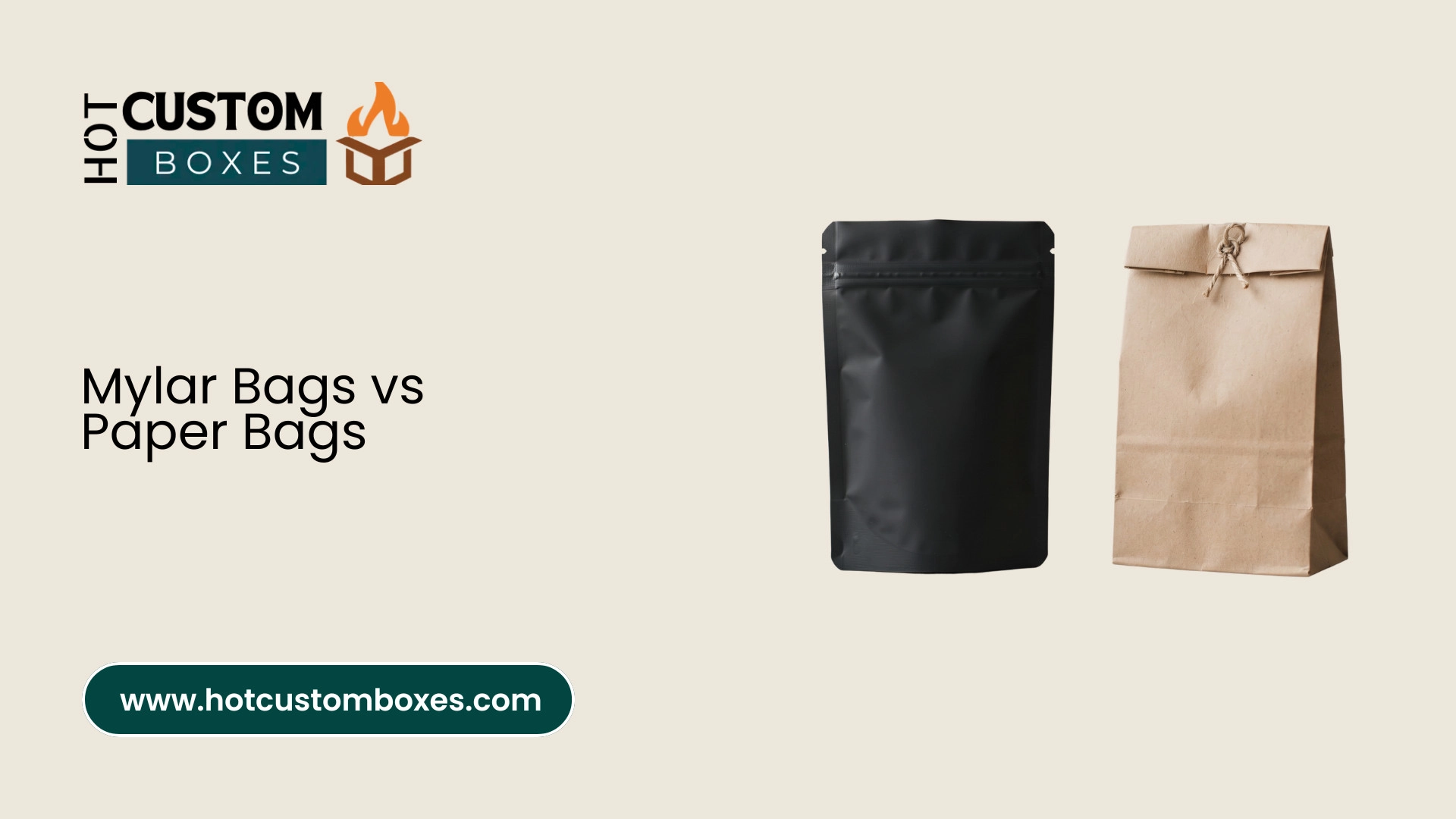
Mylar Bags vs. Paper Bags: Which Packaging Is Better?
Home » comparisons » Mylar Bags vs. Paper Bags: Which Packaging Is Better?
Table of Contents
Get A Free Quote
Packaging plays a key role in product storage, handling and shelf life. The right material depends on what the product needs during filling, storage, transport and use.
Mylar bags and paper bags are common options with different material properties. This packaging comparison looks at barrier performance, storage conditions, filling requirements, product shelf life and total cost.l
Mylar Bags vs. Paper Bags at a Glance
This comparison shows where each format usually performs best.
| Factor | Mylar Bags | Paper Bags |
| Main structure | Flexible laminated films | Paper fibers formed into sheets |
| Moisture resistance | High with suitable films and seals | Limited unless coated or lined |
| Oxygen and odor barrier | Moderate to high depending on structure | Low without a barrier layer |
| Light protection | High in opaque or metallized pouches | Varies by paper thickness |
| Resealability | Zippers and heat seals available | Folded or adhesive closures |
| Typical uses | Coffee, snacks, supplements, pet food, and dry goods | Retail purchases, bakery items, takeout, and merchandise |
| Recycling | Difficult for many multilayer structures | Often recyclable when clean and uncoated |
| Storage | Compact and lightweight | Flat packed but bulkier |
| Product visibility | Clear panels or windows available | Window cutouts require an added film |
What Are Mylar Bags?
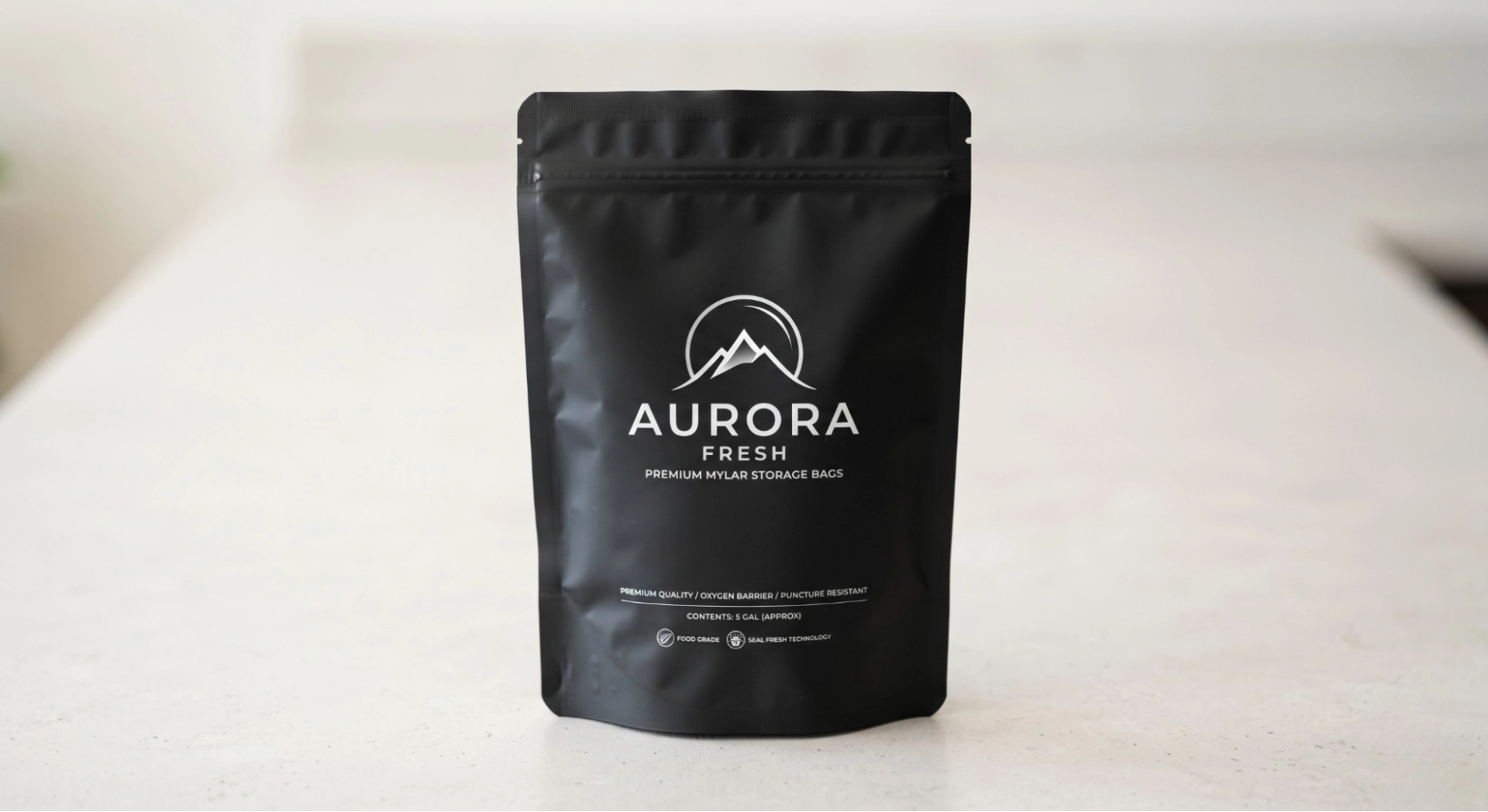
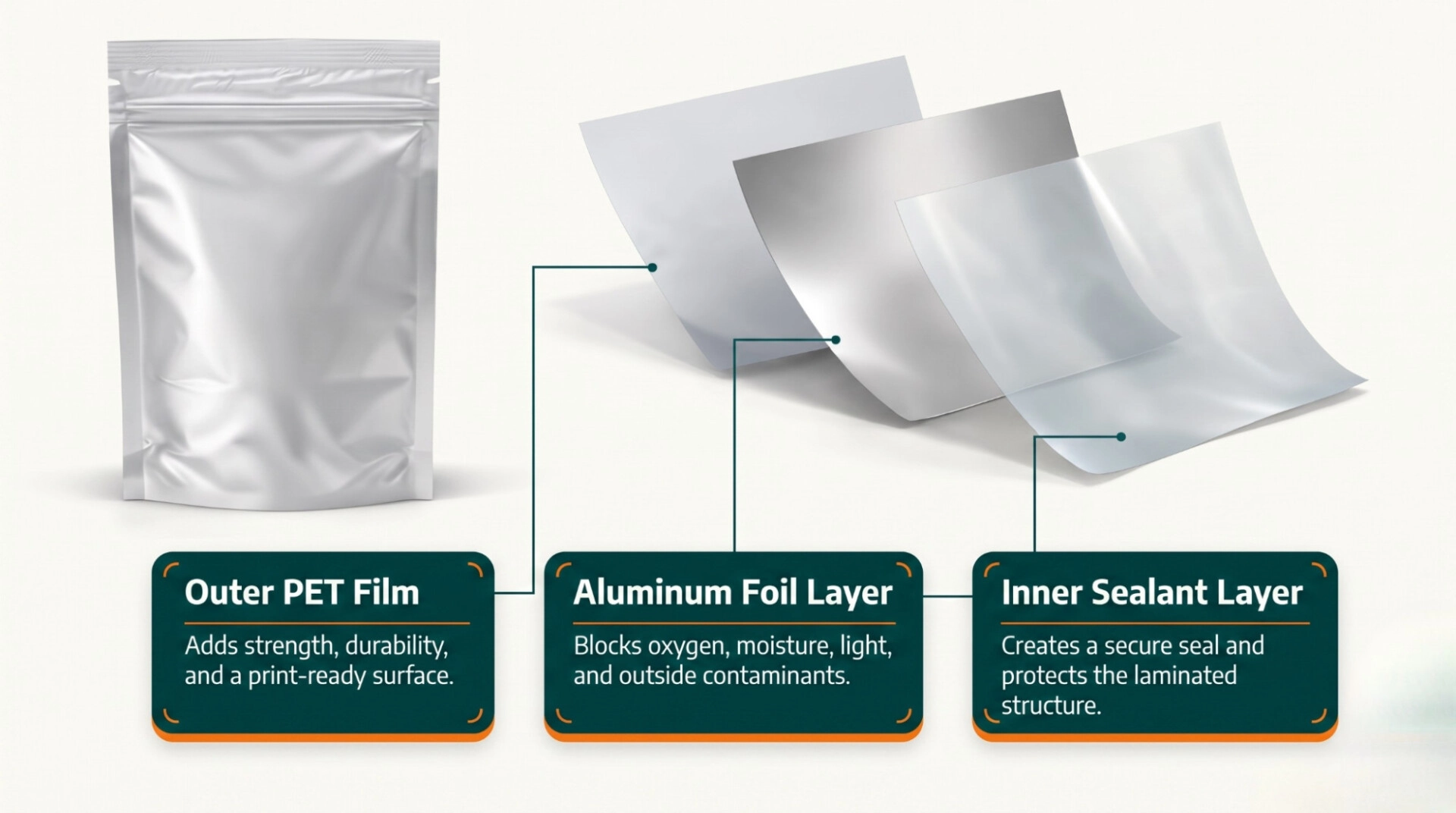
Mylar is a trade name associated with polyester film, also called polyethylene terephthalate or PET. In packaging, “Mylar bag” commonly describes a pouch made from laminated films rather than one layer of PET alone.
A typical structure may combine polyester for strength, a metallized layer or aluminum foil for barrier performance and polyethylene for heat sealing. The exact composition varies by product requirements.
Common Mylar formats include:
- Flat pouches: Suit samples and single portions
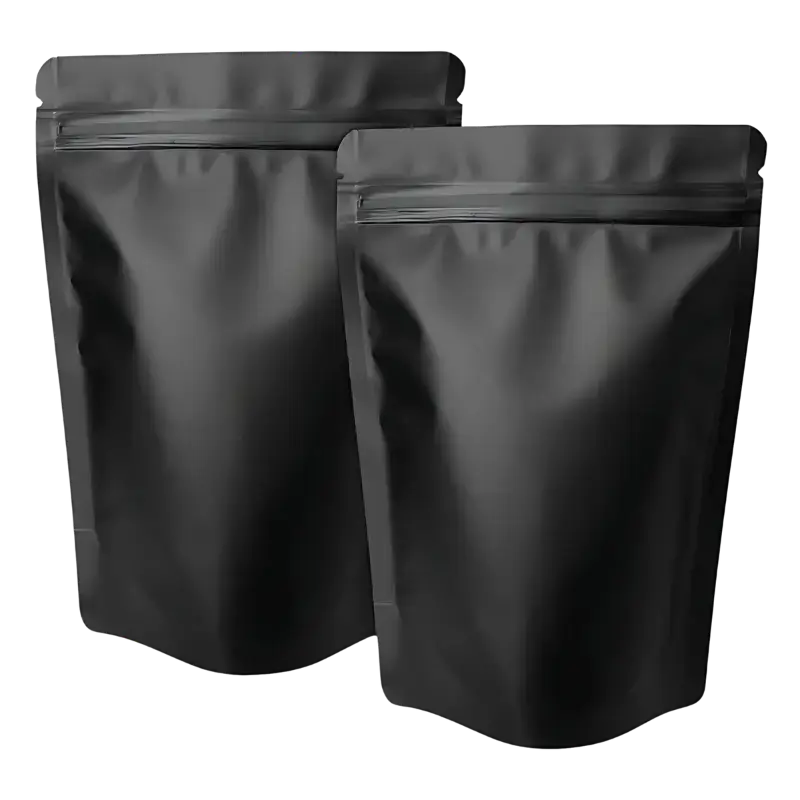
- Stand up or Gusset Mylar Bags: Provide more capacity and remain upright
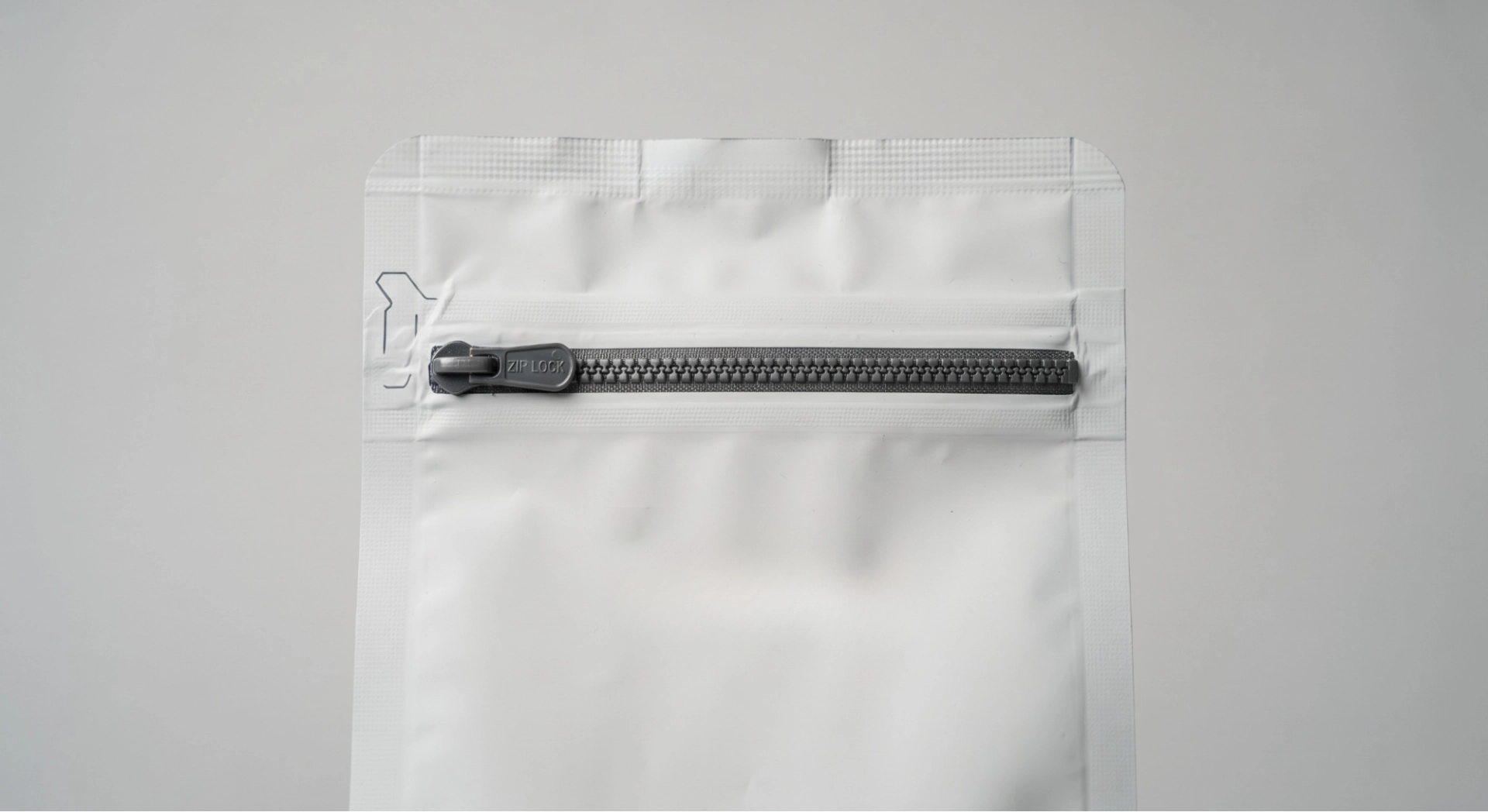
- Resealable Mylar Bags: Support repeated opening with press to close zippers.
- Clear or Window Mylar Bags: Allow customers to view the packaged product
Food Storage Mylar Bags may also include tear notches, hang holes, degassing valves, or heat sealed edges. These features should match the filling process and expected shelf life.
What Are Paper Bags?
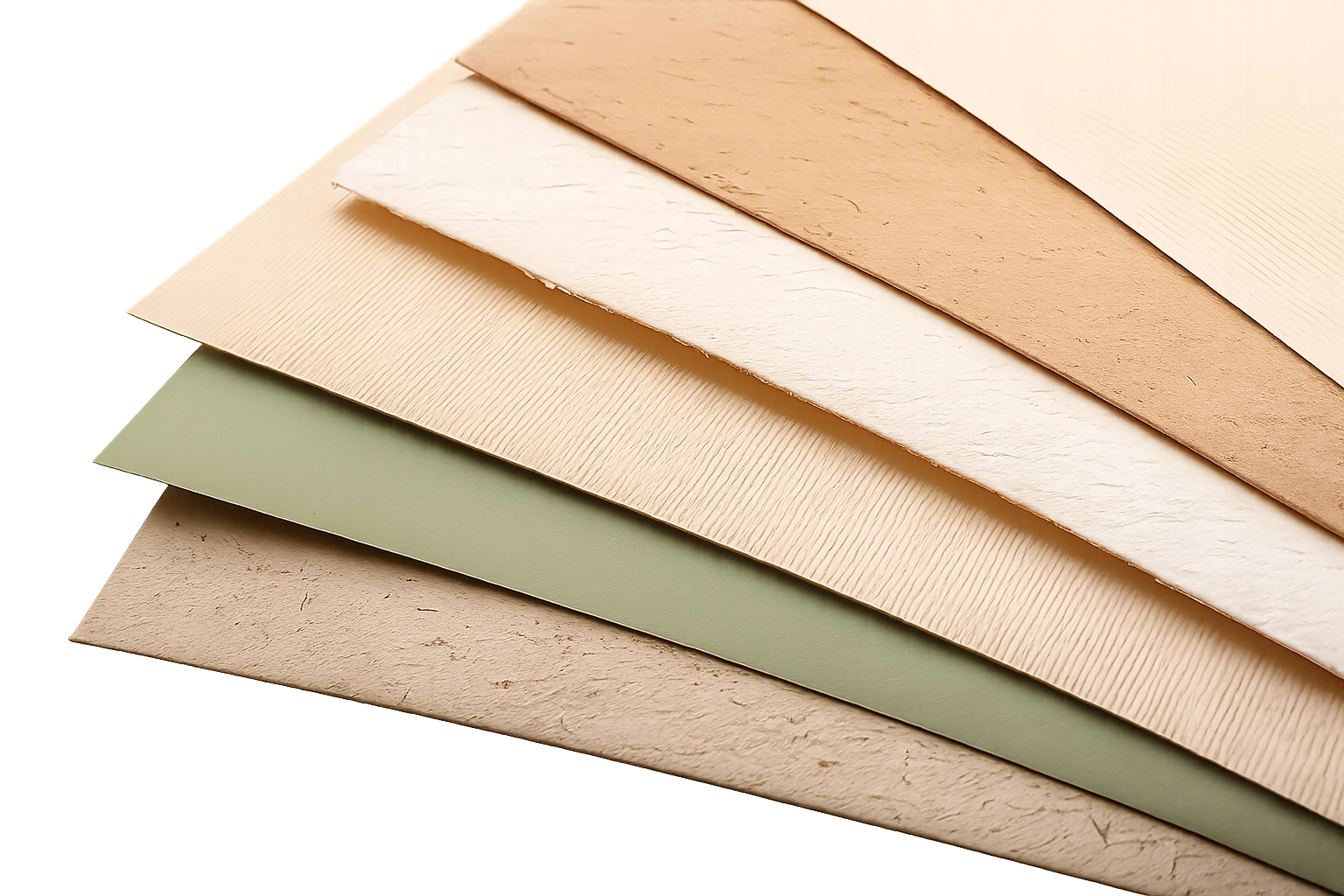
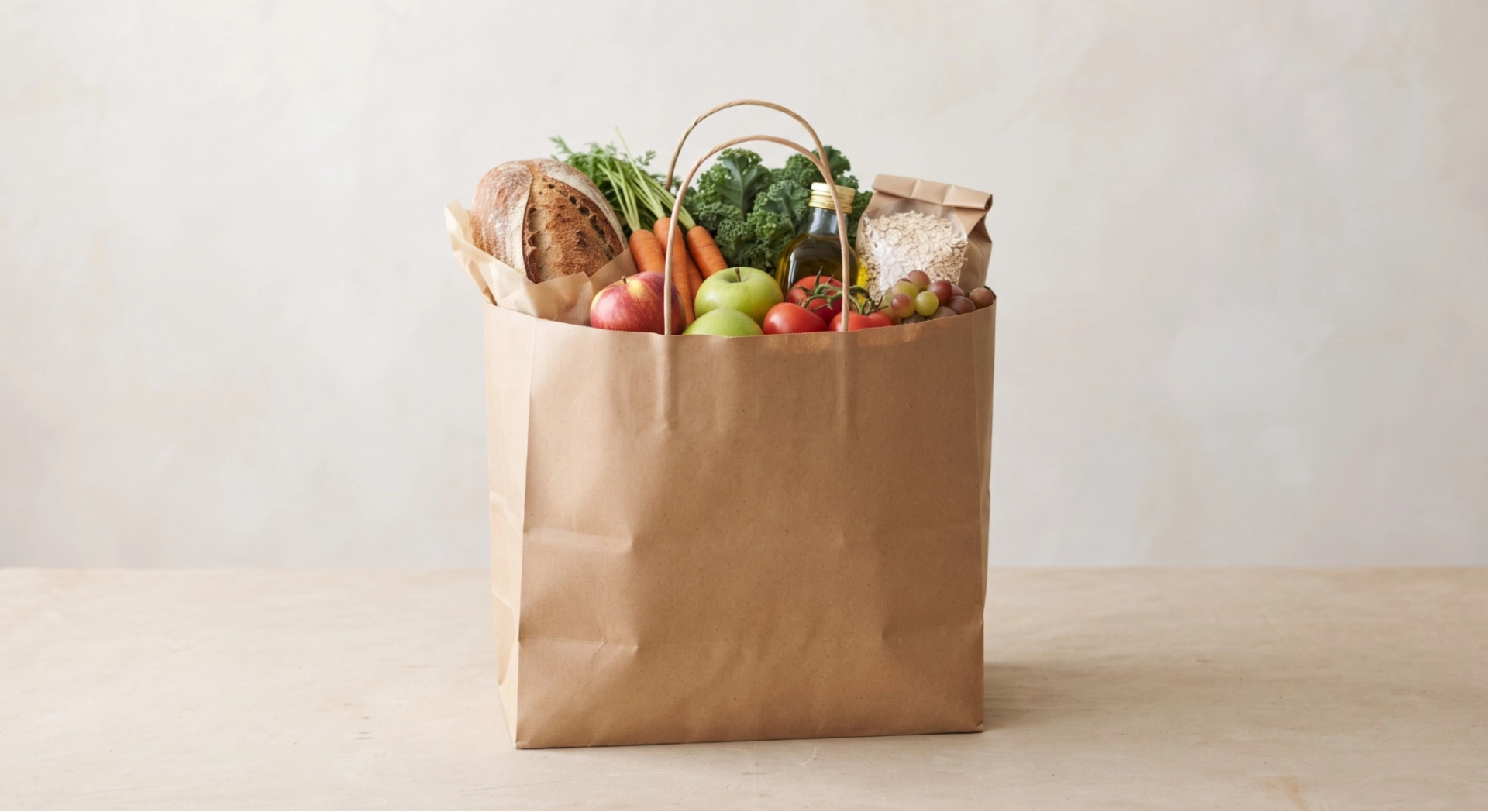
Paper bags are fiber based packages made from kraft, white, recycled, coated, or uncoated paper. Their performance depends on paper weight, fiber quality, base construction, gussets, adhesives and handles.
Printed Paper Bags suit merchandise, gifts, bakery goods and products with separate primary packaging. Paper Food Storage Bags may need food safe grease or moisture barriers.
Before choosing one, assess product weight, exposure conditions, carrying distance and recycling requirements.
Material Structure and Barrier Performance
Laminated pouches commonly sold as Mylar bags can provide strong protection against moisture, oxygen, light, grease and odors. Their barrier performance depends on the film type, thickness, lamination and seal quality.
Metallized or foil structures are suited to air and light sensitive products, while transparent films and windows improve product visibility with less light protection.
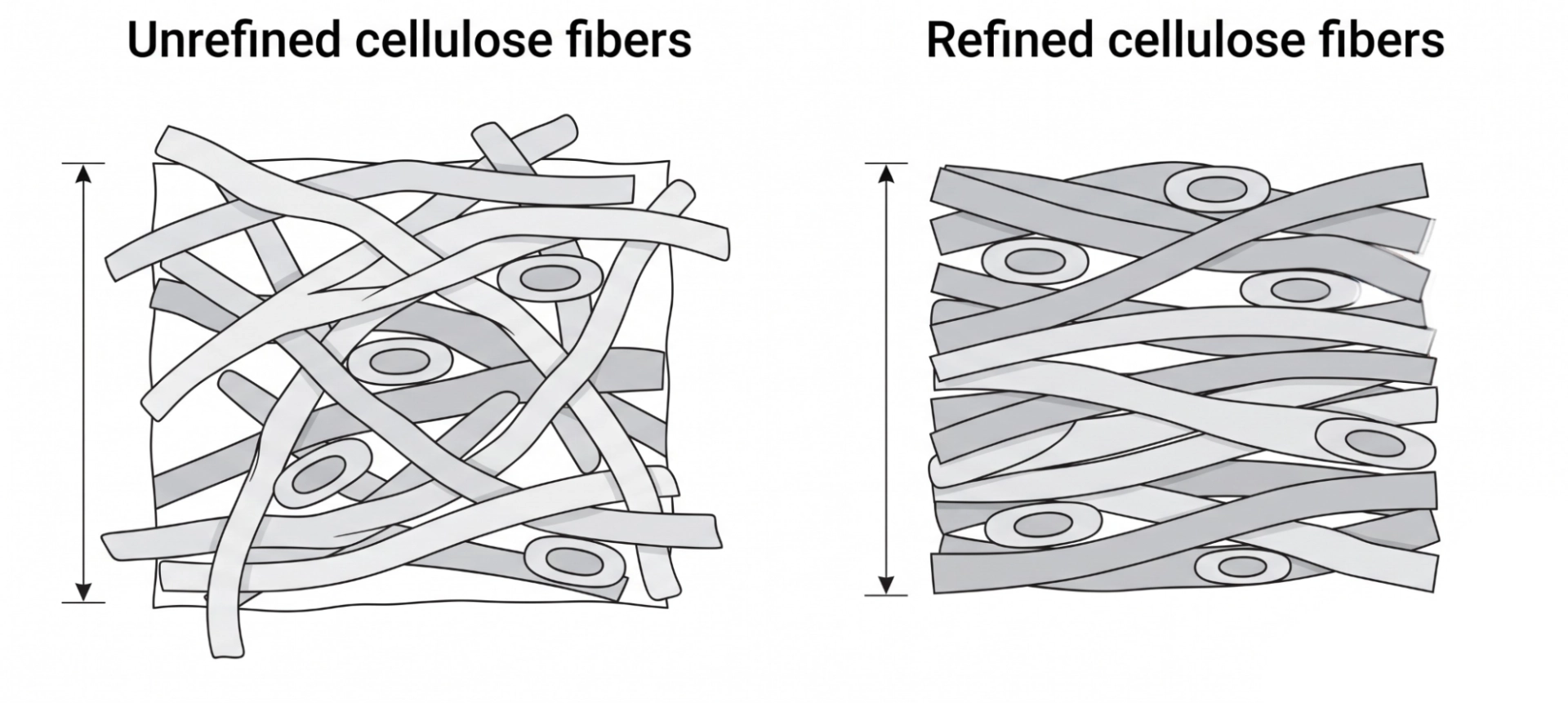
Paper has a porous fiber structure. It breathes naturally but can absorb moisture, oils and fats unless it receives a suitable coating or liner. This makes untreated paper less suitable for long term storage of sensitive products.
Choose Mylar when the product requires:
- Strong moisture or oxygen control
- Aroma and odor retention
- Heat sealed closure
- Protection from light
- Extended storage after filling
- Resistance to grease or oils
Choose paper when the product requires:
- Short term carrying or storage
- Breathability
- Easy opening
- A structured base
- Simple recycling where facilities accept clean paper
- A natural paper texture
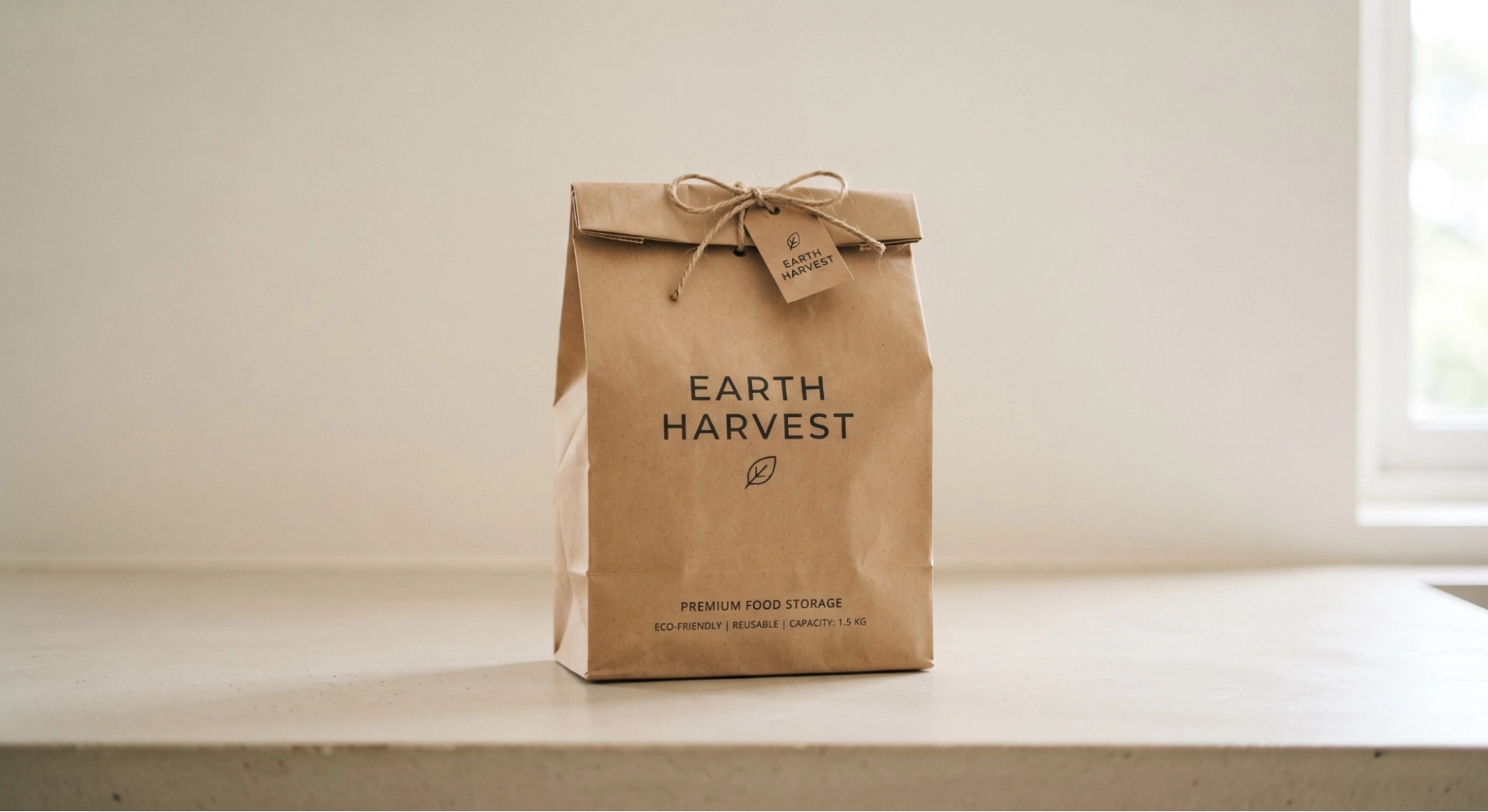
Kraft Mylar Bags combine a kraft exterior appearance with internal film layers. They look paper based but may remain difficult to recycle because the layers cannot be separated easily.
Strength, Closures, and Customer Use
Mylar pouches resist tearing, punctures, and repeated handling, but seal quality remains critical. Sharp products may require thicker film, while paper bag strength depends on paper weight, gussets, folded bases, adhesives, and reinforced handles.
Closure options include:
- Heat seals: Create a secure initial closure
- Zippers: Allow repeated opening and closing
- Tear notches: Make sealed pouches easier to open
- Folded tops: Suit quick service paper bags
- Adhesive strips: Provide basic opening evidence
- Handles: Improve carrying convenience
A zipper alone does not provide tamper evidence. Sealed products often need a heat seal above the zipper.
Product Applications by Industry
Product condition and expected storage time should guide the format. The same business may need both materials for different stages of sale.
| Industry | Suitable Mylar Applications | Suitable Paper Applications |
| Coffee and tea | Whole beans, ground coffee, and aroma-sensitive blends | Takeaway purchases and individually wrapped tea |
| Snacks and confectionery | Nuts, dried fruit, chocolate, and Candy Mylar Bags | Bakery counter sales and short term serving |
| Pet products | Dry food, treats, and supplements | Boxed or sealed products carried after purchase |
| Health and wellness | Powders, vitamins, and shelf stable supplements | Merchandise and customer carry bags |
| Restaurants and bakeries | Sealed dry ingredients and prepared snack products | Bread, pastries, sandwiches, and takeaway orders |
| E-commerce | Samples, refill packs, and compact goods | Branded inner packaging and order presentation |
Child Resistant Mylar Bags require a tested child-resistant closure and applicable certification. A zipper or thick film alone does not make a package child resistant.
Filling, Storage, and Fulfillment
Mylar bags arrive flat and use little warehouse space. Automated or manual filling may require pouch opening, product dosing, zipper closing, and heat sealing equipment.
Paper bags also ship flat but structured handles and square bottoms increase carton volume. Their simple opening can speed up checkout, bakery, and takeaway packing.
Before selecting a format, review:
- Filling temperature and product condition
- Required seal or closure method
- Packing speed per employee or machine
- Available warehouse space
- Shipping weight and pallet volume
- Finished package stability during display
- Reorder quantities and artwork changes
A stand up pouch may save storage space before filling but require support during product dosing. Paper bags often remain open during loading, which can simplify fast service.
Compare Total Packaging Costs
Custom paper bags may have lower material complexity, while Mylar pouches include film, lamination, zipper, and heat seal costs. However, the cheapest empty bag may not deliver the lowest total cost.
A complete comparison should include:
- Printing and production setup
- Closures, valves, windows, and handles
- Filling equipment and labor
- Storage and transportation
- Minimum order quantity
- Product loss from staling, moisture, or leaks
- Customer complaints and replacements
- Unsold inventory after artwork changes
Mylar may provide better value when barrier performance prevents product loss or supports a longer usable shelf life. Paper can remain more economical when products already have primary packaging or only need a short term carrier.
Sustainability and End of Life
Paper uses renewable fibers and may contain recycled or FSC-certified material. Clean, uncoated paper often fits established recycling systems, while multilayer Mylar bags can be harder to recycle because they combine PET, PE, foil, inks, and adhesives.
Sustainability depends on material use, sourcing, production resources, reuse, product waste prevention, and local recovery options. A kraft appearance does not guarantee recyclability or biodegradability. Compostable claims also require certification and access to suitable composting facilities.
Food Safety and Regulatory Requirements
Food packaging must meet applicable contact and labeling rules. Required information may include ingredients, allergens, nutrition facts, net weight, batch details, and expiry dates. Material and recycling claims must describe the finished package accurately.
Cannabis packaging requirements vary by location and may include child-resistant closures, tamper evidence, opacity, warnings, and approved labeling. Confirm all rules before production.
Common Selection Mistakes
Businesses often choose Mylar because it appears durable without confirming the actual barrier structure. A pouch supplier should provide material composition and performance details appropriate to the product.
Other common errors include:
- Using untreated paper for greasy or damp products
- Assuming every metallized pouch blocks oxygen equally
- Treating a zipper as a complete initial seal
- Adding a clear window without reviewing barrier changes
- Selecting film thickness without testing sharp contents
- Making unsupported recyclable or compostable claims
- Ordering full production before filling and seal trials
Which Packaging Should You Choose?
Base the decision on what could make the product unsellable. Choose Mylar when exposure to air, humidity, light, grease, or odors may affect quality during storage. Paper is more practical when packaging only needs to carry dry goods, hold short-term purchases, or present an already sealed product.
Test both formats using the actual product and expected storage period. Review seal performance, packing time, customer access, local disposal options, and cost per sellable unit. Combine them only when Mylar provides a necessary barrier and the paper bag serves a separate carrying or presentation purpose.
Partner with Experienced Packaging Supplier
A supplier should review your product, expected storage period, packing process, and order volume before recommending a format. Our packaging engineers at Hot Custom Boxes can assess these details, explain the available options, and provide samples for practical testing before production.