














Table of Contents
Related Products
Get A Free Quote
Choosing a window box material starts with your product’s needs. The board must carry its weight and stay firm around the opening. The transparent panel must provide a clear view and remain securely attached. Both materials also need to suit your storage conditions, printing plans and budget.
In custom window packaging boxes, the board and window work together. A board that looks good may lack the strength your product needs. A clear film may show the contents well but perform poorly in damp storage.
Learning how to choose the right material for window packaging boxes means comparing the complete construction. Start with what the product needs, then narrow your options before ordering.
1. Identify Your Product’s Packaging Requirements
Before asking for material recommendations, prepare a short product brief. Include the packed weight, product size, storage conditions and delivery method. This gives your supplier a clear basis for suggesting suitable board and window film.
Focus on these questions:
- How heavy is the packed product?
Include every item and insert. The base must carry the full load without sagging. - What could damage the contents?
Identify risks such as crushing, movement, scratching or contact with moisture. - How much visibility do you need?
A larger window leaves less supporting board. Ask whether the remaining panel will stay firm. - Where will the box be stored?
Explain whether it will face refrigeration, humidity, grease or changing temperatures. - How will it reach the customer?
A box collected from a bakery faces different demands from one shipped through a parcel network.
Use these answers when choosing the right window packaging boxes for your business. A lightweight retail item may need a good printing surface first. A glass candle needs stronger support, even if its packaging also requires a premium appearance.
2. Compare Different Materials for Window Packaging Boxes
Once you know the required performance, compare suitable board grades. The best materials for window packaging boxes meet those needs without adding unnecessary cost or weight.
Cardboard for Lightweight Products
Consider folding cardboard when your product is light and needs a printable retail carton. It may suit small accessories, wrapped treats and lightweight beauty products.
Choose a smooth, coated grade when fine text and detailed artwork matter. Check a packed sample for firmness around the window.
“Cardboard” is a broad description, so confirm the actual grade before approving it.
Kraft Paperboard for Natural-Looking Packaging
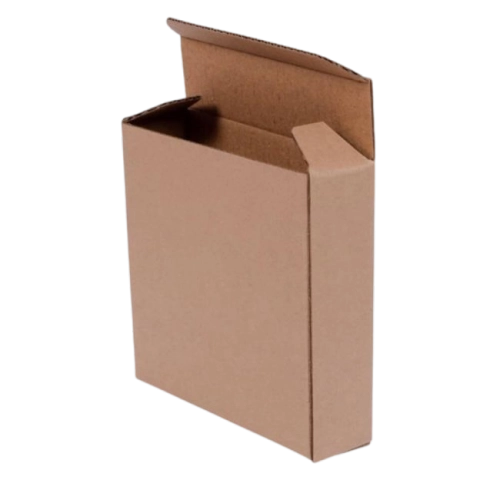
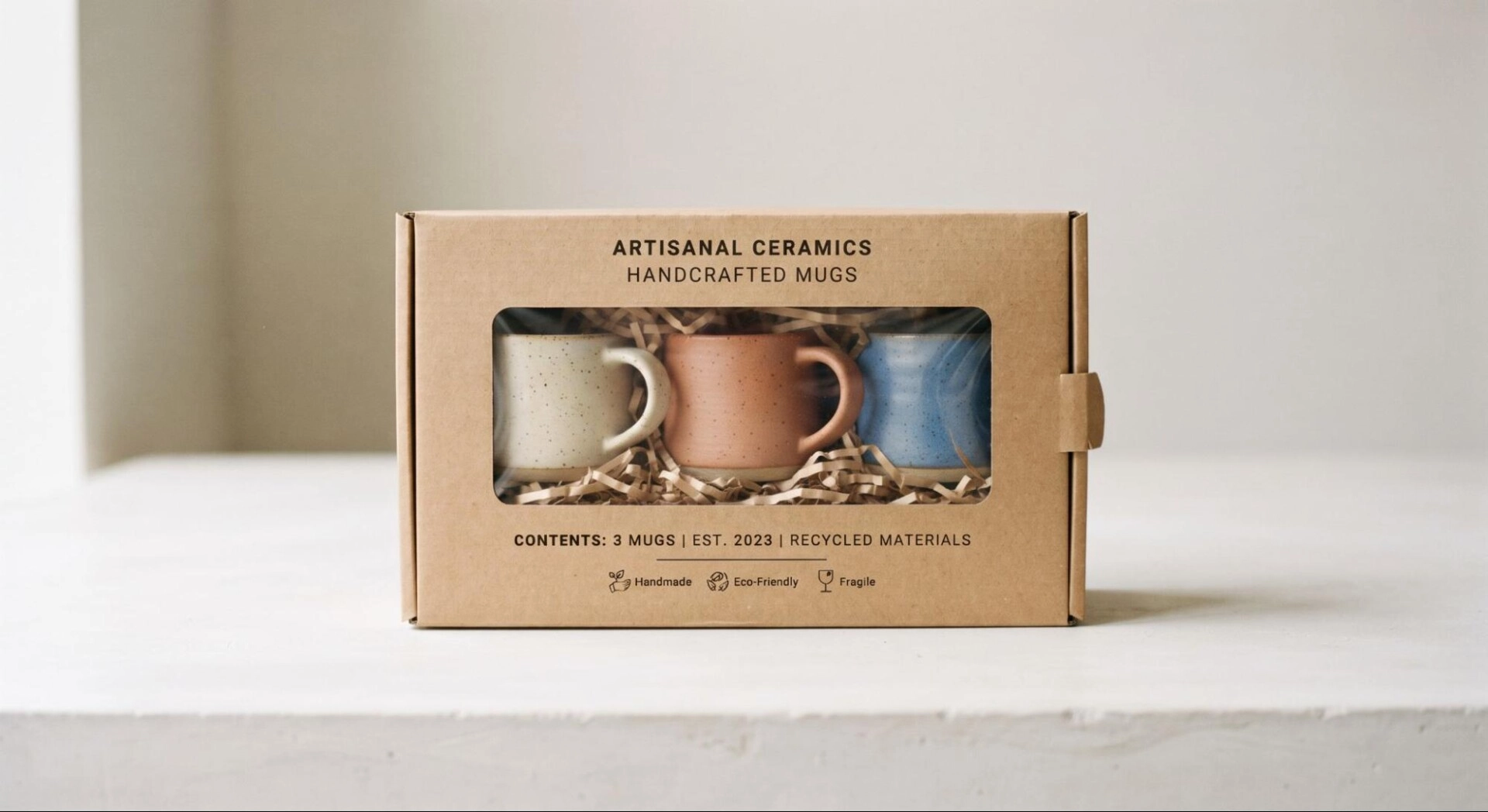
Choose kraft paperboard when its brown appearance fits your branding and the selected grade supports your product. Kraft window packaging boxes can suit soaps, handmade goods and some bakery applications.
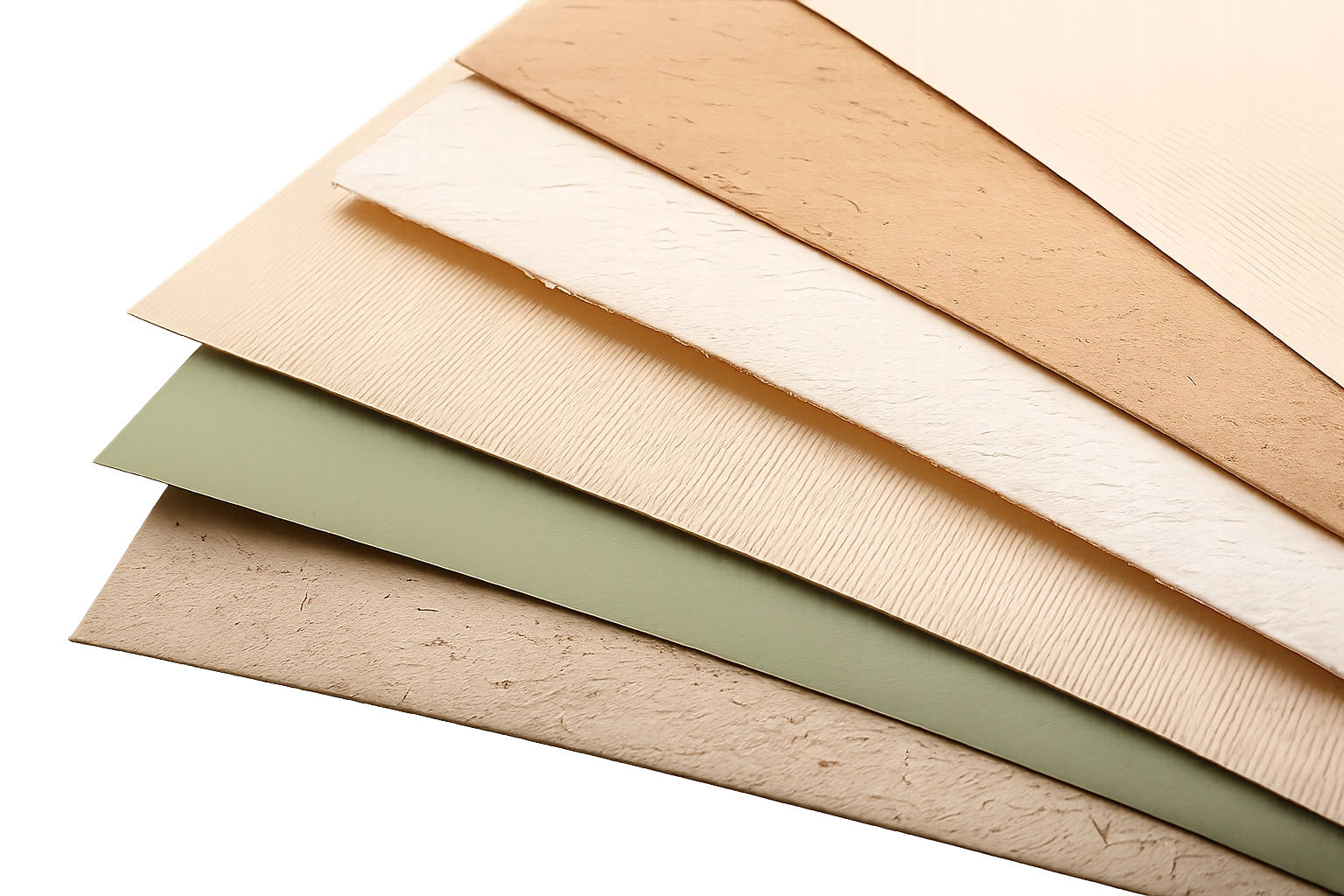
Review printed samples before choosing it for colorful artwork. The brown base changes how inks appear. Pale colors may need a white ink layer, which can affect production cost.
SBS Paperboard for Premium Printing
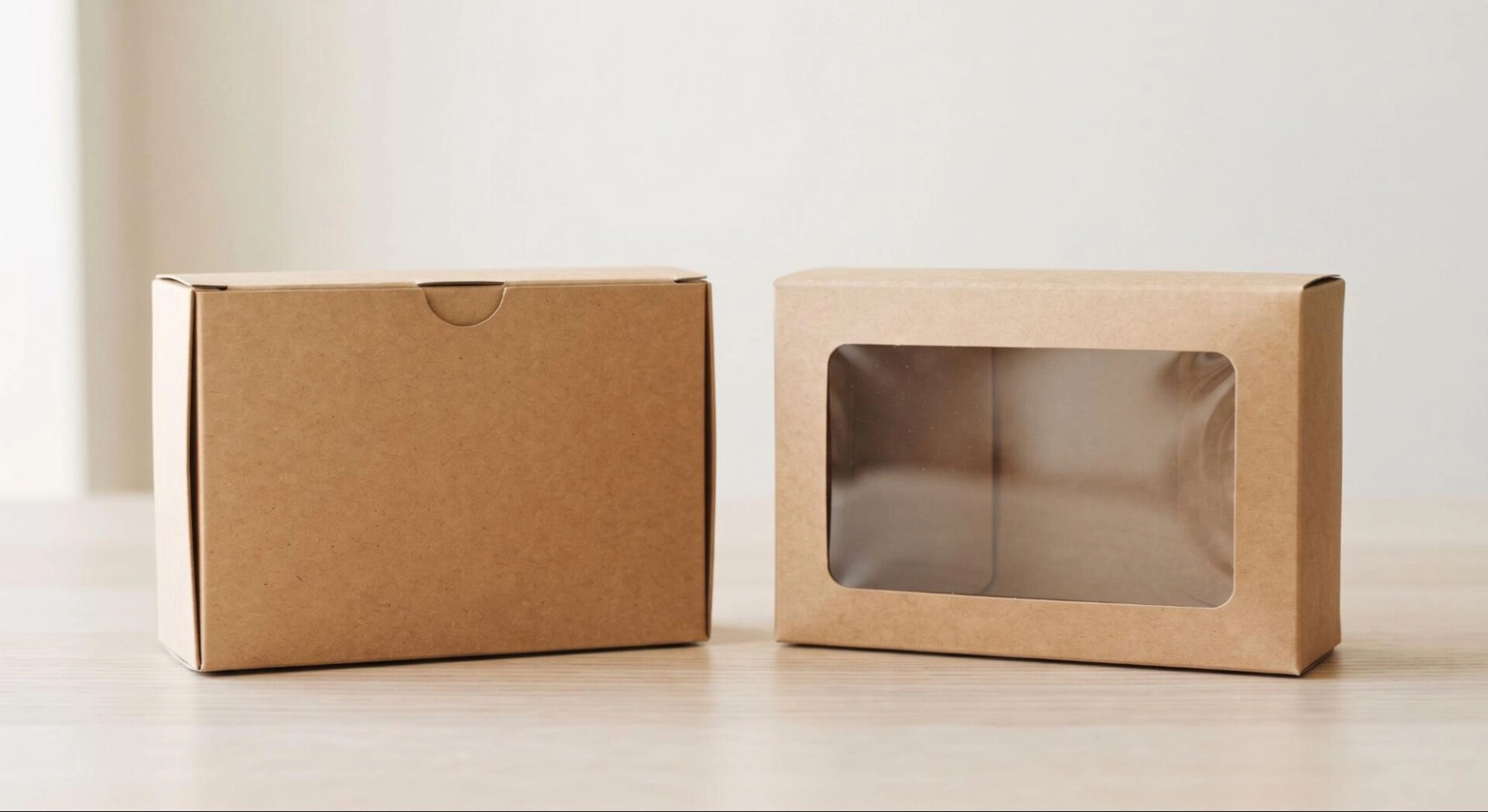
Consider solid bleached sulfate, or SBS paperboard, when a white surface and clear print detail are priorities. SBS paperboard window boxes can suit cosmetics, skincare and premium retail products.
Compare stiffness as well as appearance. A smooth white board still needs enough strength for the packed product and the planned window opening.
Corrugated Cardboard for Extra Protection
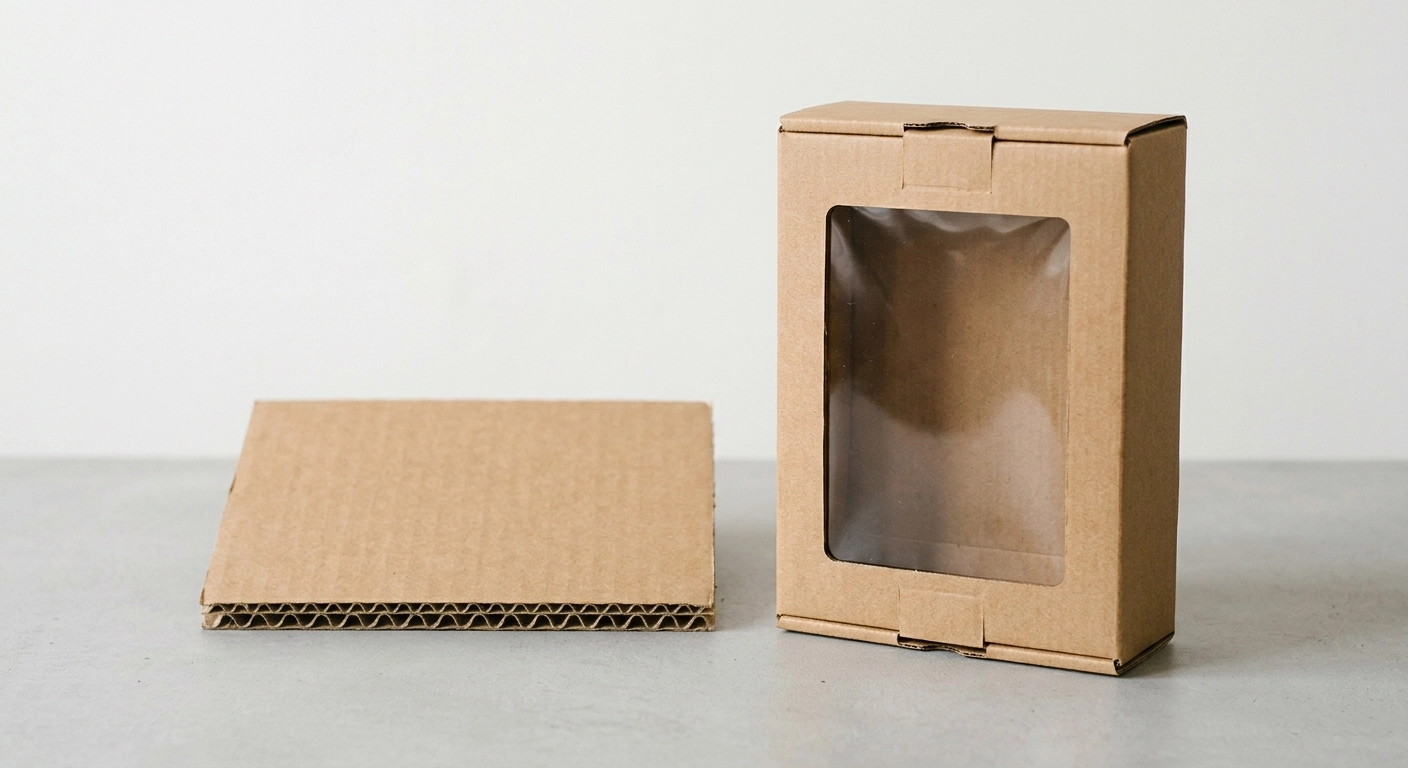
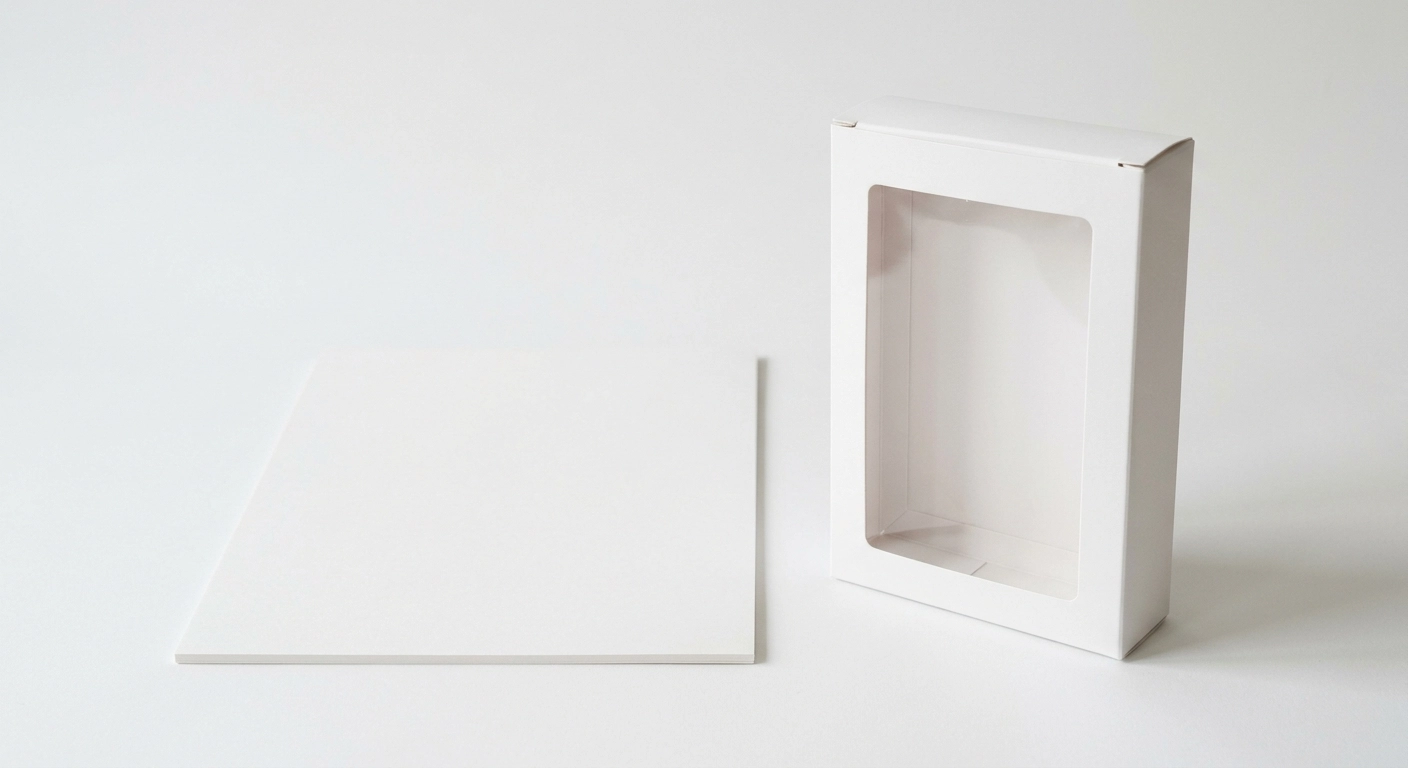
Choose corrugated cardboard when handling, stacking or product weight calls for more protection. Its fluted construction offers cushioning and compression resistance, depending on the specification.
Ask the supplier to assess the finished window panel because removing board changes its performance. Corrugated window packaging boxes may still need inserts and an outer shipping carton for fragile products.
Rigid Material for Luxury Packaging
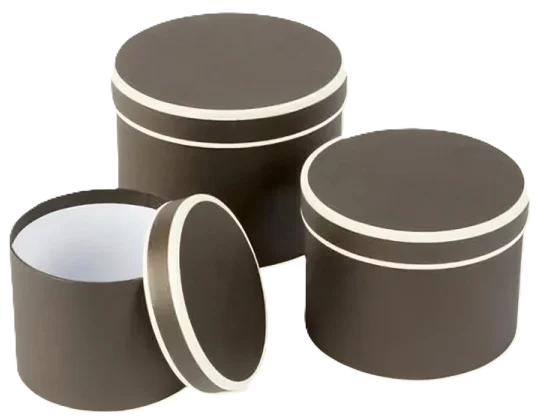
Consider rigid paperboard when a firm structure and substantial presentation justify the additional expense. Rigid window packaging boxes can suit gift sets, candles and premium collections.
Check storage space and delivery costs before choosing it. Confirm how the contents will be secured too. A stiff outer box doesn’t prevent an unsupported product from moving inside.
| Material | Choose it when | Printing and appearance | Cost consideration |
|---|---|---|---|
| Folding cardboard | Lightweight goods need a retail carton | Available with different printable surfaces | Often economical for simpler requirements |
| Kraft paperboard | A brown appearance fits the brand | Base color affects printed shades | White ink or extra finishes may add cost |
| SBS paperboard | White backgrounds and detailed artwork matter | Smooth surface supports clear graphics | Compare grade and finish costs |
| Corrugated cardboard | More cushioning and structural support are needed | Results depend on liner and print method | Assess board, inserts and shipping together |
| Rigid paperboard | Presentation and stiffness are priorities | Decorative wrapping provides the finished surface | Usually involves higher production and storage costs |
Recycled paperboard is also worth comparing where suitable. Ask about its strength, surface quality and intended use. Recycled content alone does not establish food contact suitability or finished box performance.
3. Choose the Right Window Box Material for Your Product
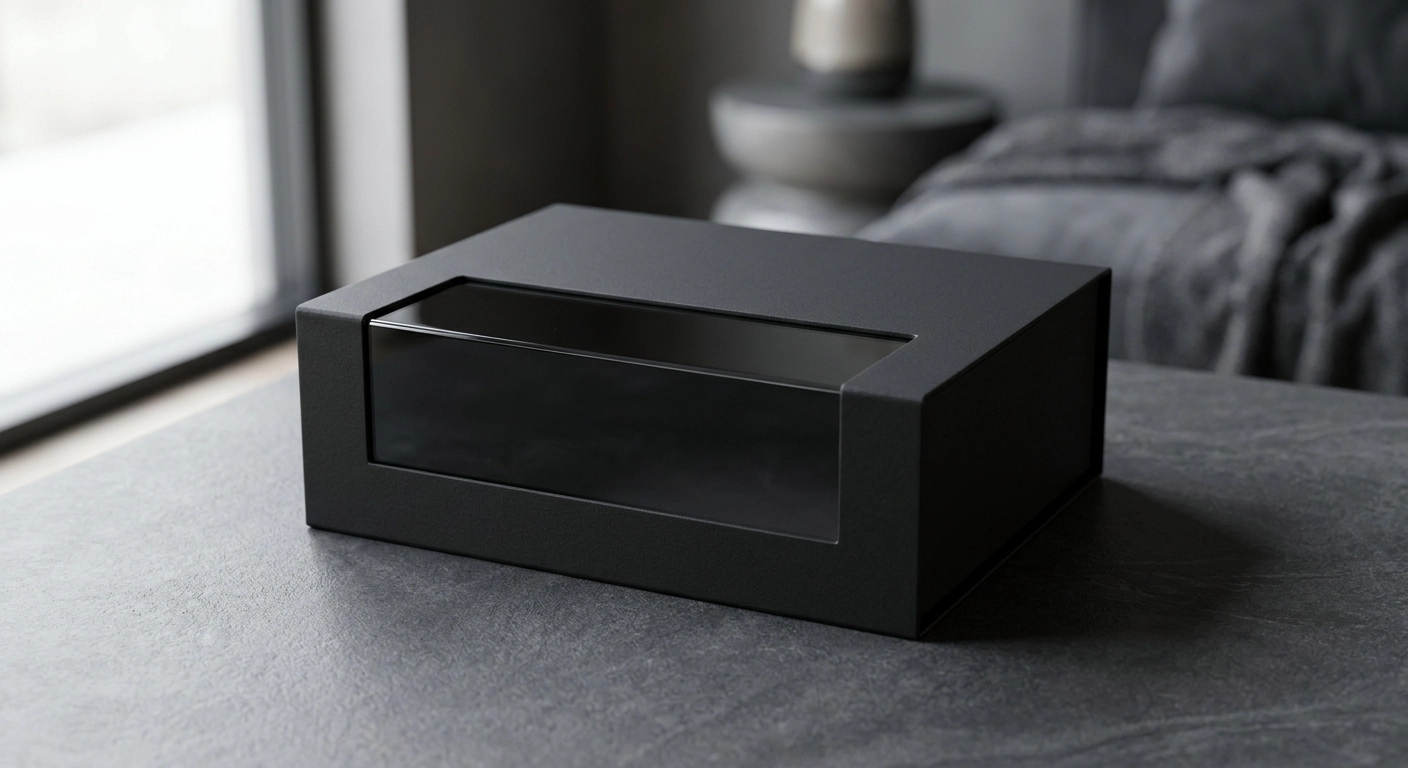
Use your product category to narrow the shortlist. Then check the specific conditions your packaging must handle.
Choose Grease-Resistant Options for Bakery and Food Products
Suitable folding paperboard may provide enough support for cookies and other lightweight bakery products. Cupcakes and pastries may need a firmer base, inserts and resistance to grease or moisture.
Confirm food contact suitability for the complete construction. Board, film, coatings, inks and adhesives must suit the food, contact conditions and applicable regulations. Not every kraft or white paperboard grade is suitable.
Choose Printable Board With Enough Support for Cosmetics
SBS is worth comparing when skincare packaging needs fine text, white backgrounds and consistent brand colors. Lightweight tubes may need less support than glass jars.
For heavier containers, assess a stronger board grade and fitted insert. With window boxes for soap and skincare packaging, check whether the proposed exposure suits any light protection requirements.
Choose Board That Resists Marking for Soaps and Handmade Goods
Kraft can suit the appearance of handmade soaps, but check more than its color. Oils, fragrance and residual moisture may affect the board or window bond.
Store a packed sample for a representative period. Look for staining, changes in shape and lifting film before approving the material.
Match Gift Packaging Materials to the Contents
Lightweight gift items may need only a well specified folding carton. Heavier candles or mixed gift sets may require stronger board and internal support.
Choose rigid paperboard when its presentation adds useful value. Avoid paying for a heavier construction when a tested folding carton meets the same requirements.
Choose a Complete Protective Construction for Fragile Products
Start by comparing corrugated or rigid options for fragile goods, then assess cushioning and movement control. The product should not press against the transparent panel.
Check the display box, insert and shipping carton together to make sure they protect the product during handling and delivery. Stronger board alone may not prevent breakage.
4. Choose the Right Material Thickness and GSM
GSM means grams per square meter. It measures the weight of a given area of material. Thickness, also called caliper, measures how thick that material is.
They are related measurements but are not interchangeable. Two boards with the same GSM can differ in thickness and stiffness because their composition and density differ.
To choose window box material thickness:
- Give the supplier your full packed product weight.
Include the contents and any inserts that the structure must support. - Explain the window opening and expected handling.
The supplier needs to assess the board left around the cutout. - Compare suitable grades using GSM, thickness and stiffness.
Assess these specifications together rather than treating one as proof of strength. - Test the proposed construction with the actual product.
Check how the assembled box performs with its full contents inside.
Check window packaging box dimensions alongside the material specification. Board thickness and folded layers affect the relationship between internal space and finished external size.
Don’t choose a heavier board simply because its GSM is higher. It may add cost without solving the main weakness. A different grade, better insert or smaller opening may provide a more suitable result.
5. Choose a Window Material That Works With the Board
After narrowing your board options, compare clear window packaging materials. Check visibility, film durability, moisture performance and adhesive compatibility.
| Window material | Why consider it? | What to confirm |
|---|---|---|
| PET, or polyethylene terephthalate | Clear visibility for product display | Grade, thickness, bonding and disposal options |
| PVC, or polyvinyl chloride | Clear film options for suitable applications | Intended use, customer requirements and recycling acceptance |
| Cellulose based transparent film | An alternative based on renewable feedstock | Barrier properties, coatings and evidence for environmental claims |
| Paper based alternatives | May suit applications where partial visibility is enough | Actual transparency, protection and recycling compatibility |
PET window film for packaging is an option to discuss when clarity matters. Request a sample attached to your selected board so you can inspect the complete panel.
Evaluate PVC against the same requirements. Don’t substitute one plastic film for another without checking its suitability.
For cellulose based transparent film, confirm the exact grade. Some grades have supported compostability claims, but that doesn’t establish that the complete box is compostable.
Paper based alternatives may provide less visibility than clear plastic. Choose them only after checking whether customers can see enough of the product.
A useful view of the contents is one of the benefits of custom window packaging boxes. The selected window material needs to preserve that view while meeting the product’s other packaging requirements.
6. Check Printing and Finishing Before Approving the Material
Bring your artwork into the material decision early. Otherwise, you may choose a board that requires expensive changes to achieve the intended result.
For CMYK printing, compare how images and colors appear on the actual surface. For PMS color matching, request a proof because the board’s base color and finish influence the printed shade.
White coated cardboard and SBS are useful options for detailed graphics. Kraft requires artwork that accounts for its brown surface. With rigid packaging, inspect the decorative wrapping paper. For corrugated packaging, confirm the liner and printing method.
Choose a matte finish for reduced shine or a gloss finish for a reflective surface. Neither automatically provides waterproofing.
If you want foil stamping, embossing or debossing, ask whether the selected material supports the required detail. Check a physical sample for cracking, poor adhesion and changes near folds.
7. Balance Material Cost, Strength and Sustainability
Request comparable quotes for two or three suitable constructions. Keep the product requirements and order quantity consistent so the differences are meaningful.
When comparing window packaging box costs, include board, film, printing, inserts, assembly and delivery. A lower box price offers little value if it leads to damaged products or slow packing.
For sustainable window packaging materials, ask specific questions:
- What recycled content can the supplier document?
Request details for the proposed material rather than relying on a general description. - How do coatings and adhesives affect disposal?
Assess them as part of the complete construction. - Must customers remove the window?
Confirm whether the components need separating before disposal. - Will local facilities accept the resulting components?
Check the collection systems available where the packaging will be used.
Recyclable window packaging boxes depend on the complete construction and available collection systems. A recyclable board doesn’t automatically make its attached film recyclable.
Keep biodegradability and compostability claims separate. Request evidence for the exact material and disposal conditions before using either claim.
8. Avoid These Material Selection Mistakes
- Choosing by price alone: Compare protection and packing performance alongside the quote.
- Ignoring the window opening: Test the remaining board around the cutout, especially on larger panels.
- Using GSM as the only strength measure: Compare thickness, stiffness and the finished construction.
- Approving the board and film separately: Check how they bond and perform together.
- Assuming a material is suitable for food: Request confirmation for the intended application and complete packaging.
- Making broad environmental claims: Verify each claim against the actual components and disposal route.
9. Test Your Material Choice Before Ordering in Bulk
Request samples made with the proposed board, film and adhesive. An attractive sample made from a different specification won’t confirm your final choice.
Pack the real product and check:
- Support: Does the base stay firm when lifted?
- Window performance: Does the film remain clear, smooth and attached?
- Storage: Do expected conditions cause staining, softening or condensation?
- Printing: Are text, colors and finishes acceptable?
- Delivery: Does the complete package protect the contents during representative handling?
Ready to Choose a Material for Your Window Boxes?
Start with product requirements, shortlist suitable board grades and select a compatible window material. Check printing, total cost and disposal options before testing the complete package.
Discuss your requirements with Hot Custom Boxes to compare material choices for your product. Approve a representative sample before committing to a bulk order.
Frequently Asked Questions
The best choice meets your product’s weight, protection and presentation needs. No single board suits every application. Compare suitable board grades and window films, then test them together before ordering.
SBS can suit detailed printing while kraft provides a brown appearance. The choice also depends on the support your product needs. Folding and recycled paperboard grades may work when their strength and surface meet your requirements.
Use product weight, window opening and handling conditions to shortlist suitable grades. Compare thickness with GSM and stiffness. Then assess a packed sample to check the performance of the complete construction.
Choose according to clarity, storage conditions, bonding and disposal requirements. PET, PVC and cellulose based films need assessment at the specific grade level rather than by material name alone.
They may be. Acceptance depends on the board, film, coatings, adhesives and local recycling facilities. Confirm any window removal instructions before adding disposal guidance.
Compare tested constructions and simplify unnecessary printing or finishes first. Keep the board strength and internal support required to protect the contents.