













Table of Contents
Related Products
$0.50 Original price was: $0.50.$0.10Current price is: $0.10.
In Stock
$0.50 Original price was: $0.50.$0.10Current price is: $0.10.
In Stock
$0.50 Original price was: $0.50.$0.10Current price is: $0.10.
In Stock
$0.50 Original price was: $0.50.$0.10Current price is: $0.10.
In Stock
Get A Free Quote
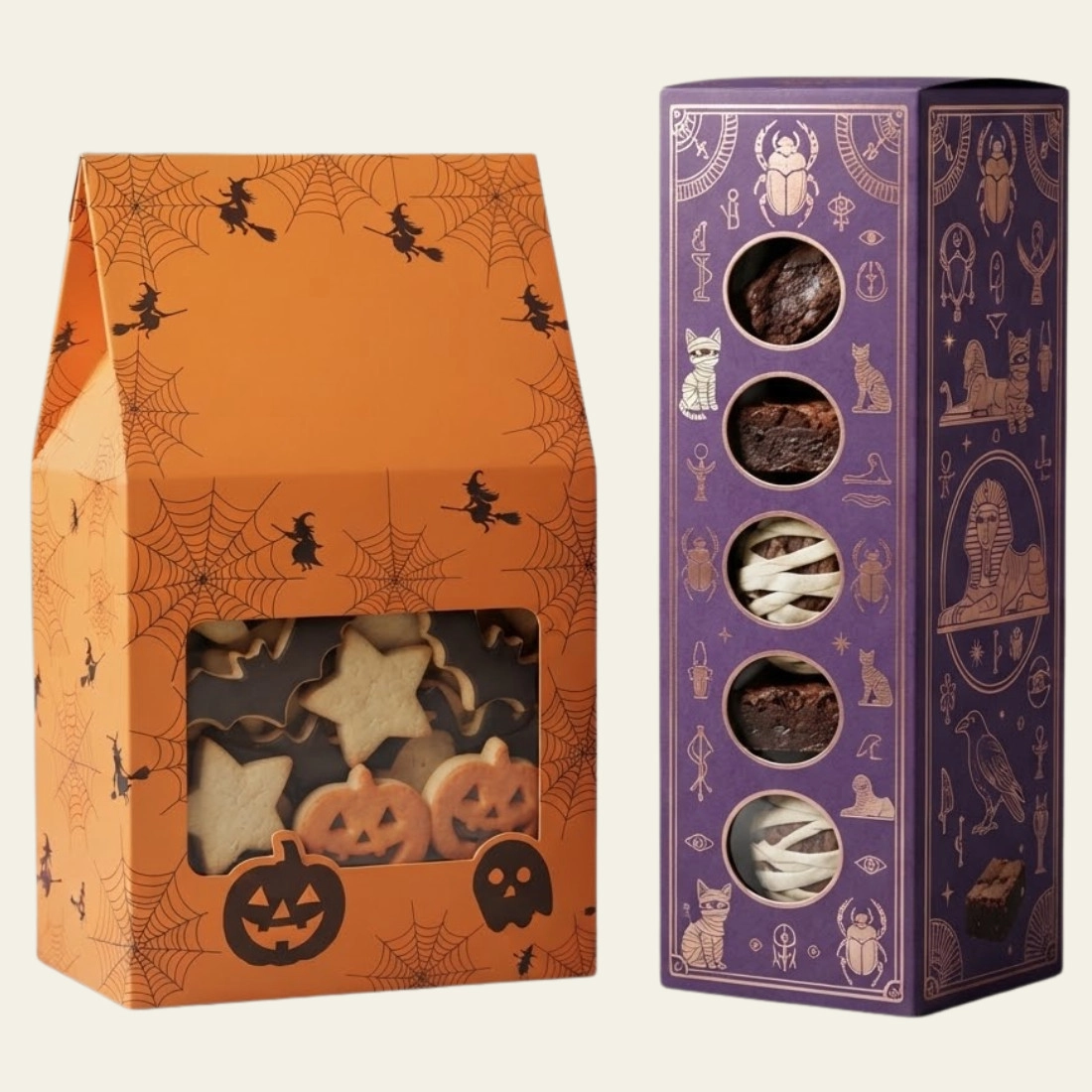
Customers can look at a product through custom window packaging boxes while the pack stays closed. The structure is paperboard or corrugated material, with a cutout that may have transparent film over it. Businesses use these boxes for cookies and cosmetics, as well as soaps and gifts. They also suit other retail products where appearance helps someone choose.
There’s more to the cost of window packaging boxes than the clear panel. The dimensions and board thickness affect the price. So do the window design, printing requirements and order quantity. Finishing adds to the work while assembly and delivery can change the total too.
Knowing what affects the price makes quotes easier to compare. It also helps you choose custom window packaging that works for your product and budget.
Each specification changes the materials or work needed to make the box. Here’s what goes into window box pricing.
1. Box Size and Dimensions
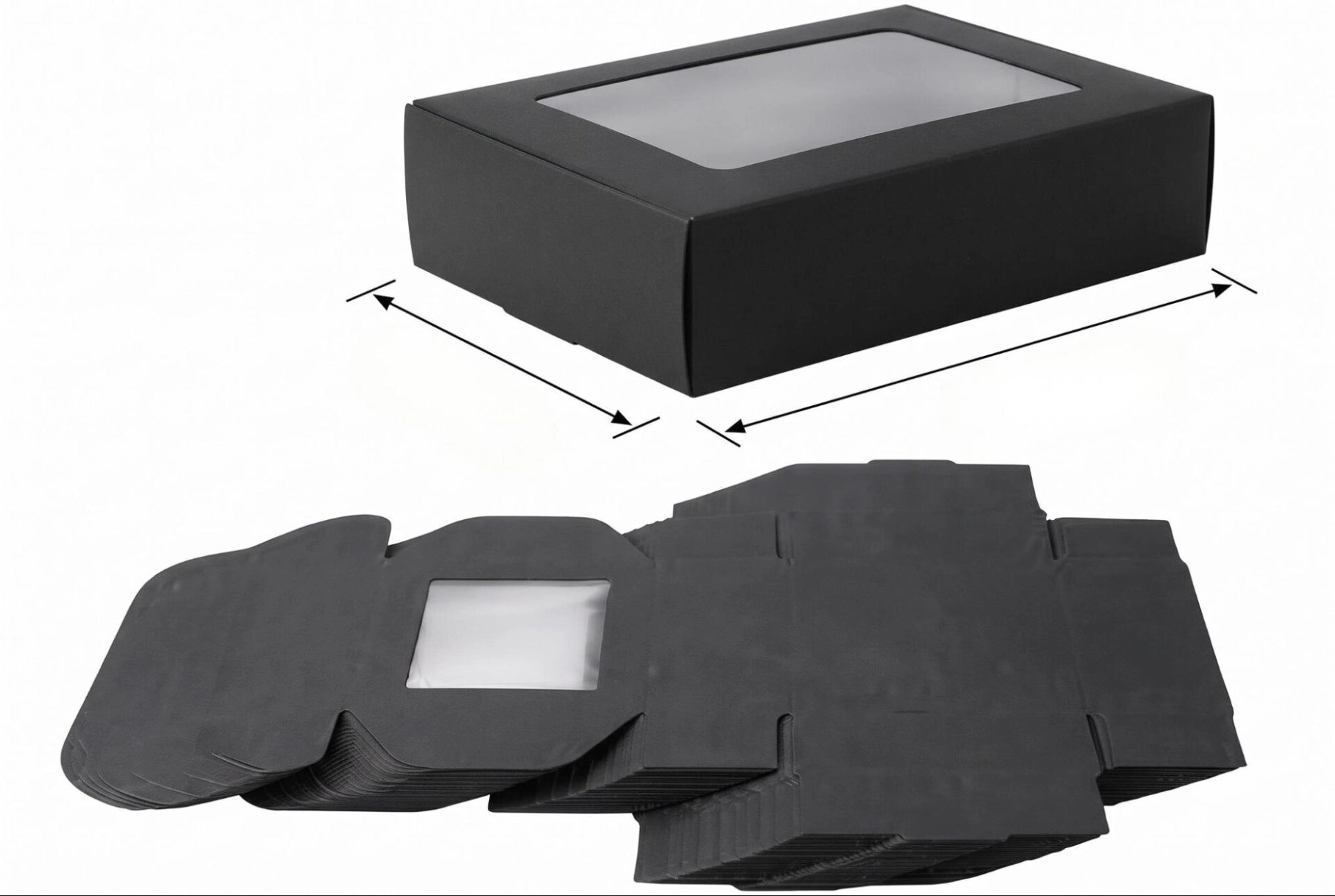
How much board does the box need? That comes down to its length and width, plus its depth. Larger boxes generally need more material. They also occupy more room in storage and during transport.
A deeper box can need bigger side panels and closure flaps. Depending on the product’s weight, a larger structure may also need thicker board or extra support.
Accurate window packaging box dimensions help you avoid paying for space the product doesn’t need. Measure the item first, then leave enough room for packing and any necessary insert. A suitable fit can reduce board use and the need for extra filler.
2. Packaging Material Selection
The material used for window packaging boxes affects both the price and how the finished pack performs. Common options include:
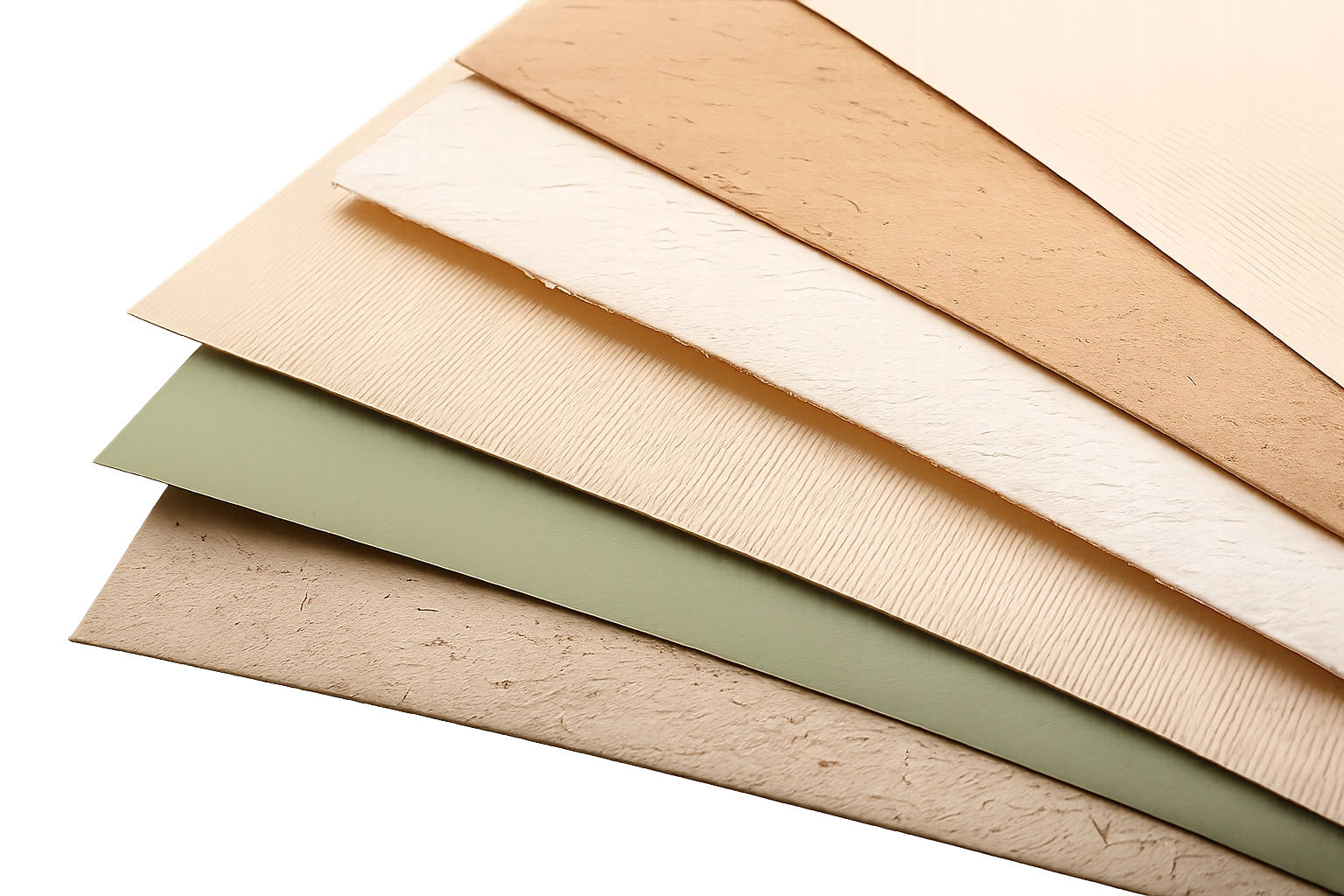
- Cardboard: Suppliers often use this as a general term for folding carton materials.
Ask for the exact board grade and thickness so you’re comparing quotes on the same basis. - Kraft paperboard: Its natural brown appearance works with simple printed designs.
The price varies with the grade and thickness, as well as the fibre composition. - SBS paperboard: Solid bleached sulphate board has a white surface for detailed graphics and clear colours. It can cost more than some basic board options.
- Corrugated cardboard: A fluted layer gives this material added cushioning and strength. It can work for heavier products or packs that need greater protection.
Don’t stop at the material name. Thickness matters too. A supplier might use GSM, which measures weight per area. Others use points or caliper to describe thickness. Check the actual specifications before deciding which quote offers better value.
3. Window Size, Shape and Design
The opening affects the cutting work and the amount of film used. Make it larger and you may need a bigger transparent patch. There’ll also be less board left around the product.
Less board doesn’t automatically mean a cheaper box. A wide opening can weaken the structure, which may mean using thicker material or changing the design.
Rectangular or circular windows are usually easier to make than intricate patterns. Custom die cut windows may call for new tooling and more careful handling. Narrow sections and detailed edges can make that work more demanding.
A useful view of the contents is one of the benefits of custom window packaging boxes. The opening needs to show the details customers care about while leaving enough board to support the pack.
4. Window Film Material
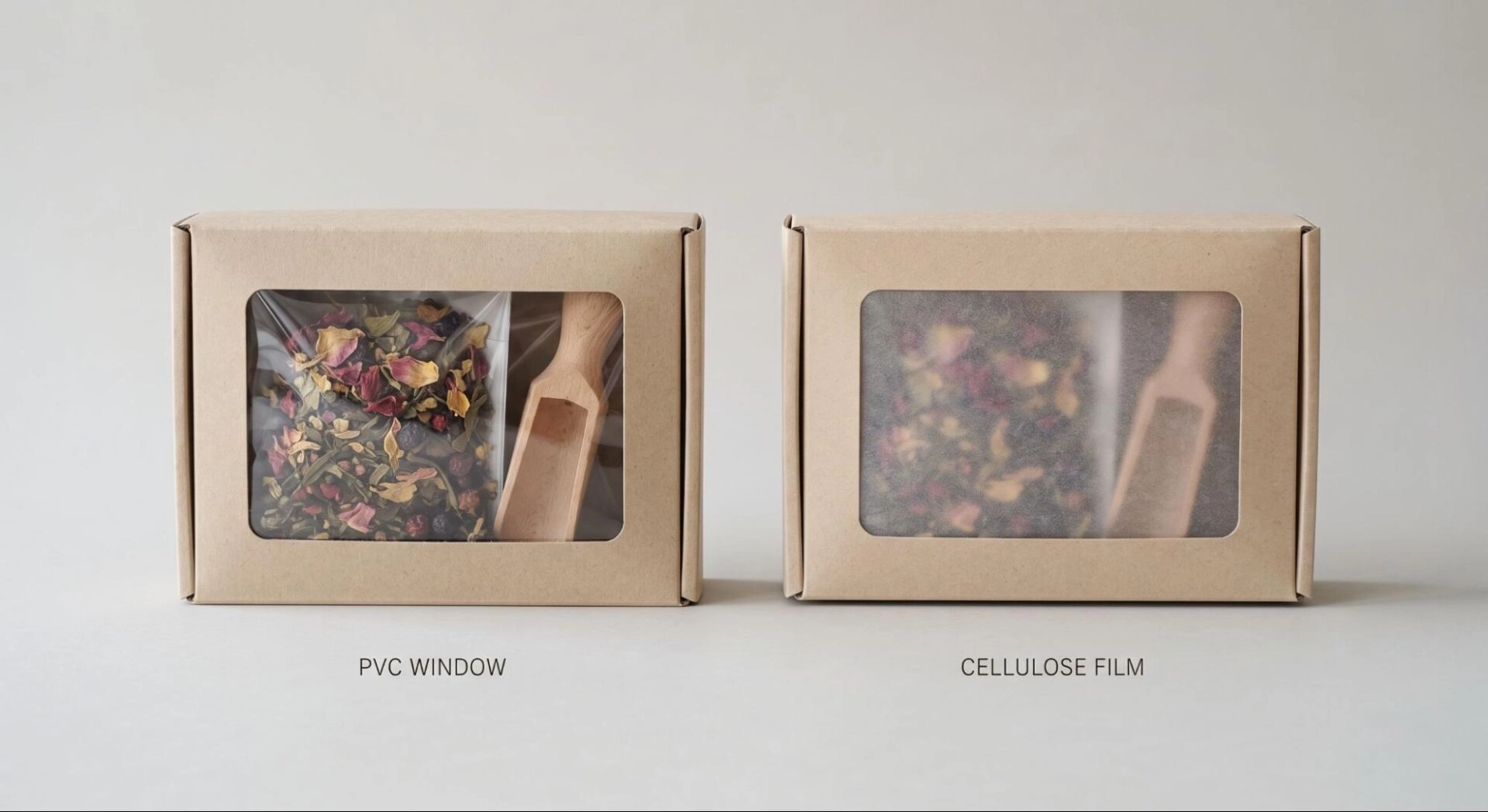
The clear panel is a material cost of its own. One option for patches attached inside paperboard boxes is PET, or polyethylene terephthalate. Commercial kraft window boxes, for example, are available with glued PET sheets.
Suppliers may offer other clear plastic films or suitable cellulose based films. Thickness and clarity affect their prices. Coatings and availability matter too, along with how well the film works with the board and adhesive.
For food packaging, check that the film and the other components suit the intended use. Clear films don’t all perform the same way.
An open cutout is another design option. It skips the separate film and film patching step but leaves the product exposed. That only works where the product and display conditions allow it.
5. Printing and Colour Requirements
Printing introduces work that plain window boxes generally don’t need. A logo or product details add printing costs, as does full colour artwork. That’s why custom printed window boxes usually involve more production steps.
For simple branding, single colour printing can be economical, depending on the method used. CMYK printing reproduces a broad range of colours and images using cyan and magenta alongside yellow and black. PMS, or Pantone Matching System, spot colours can help match specific brand colours. They may also need extra ink preparation and press setup.
How much of the box gets printed matters as well. Printing inside and outside can take more work than printing the front alone.
A busy looking design isn’t automatically more expensive. The print method and number of inks usually matter more, along with coverage and any extra production passes.
6. Custom Finishes and Special Features
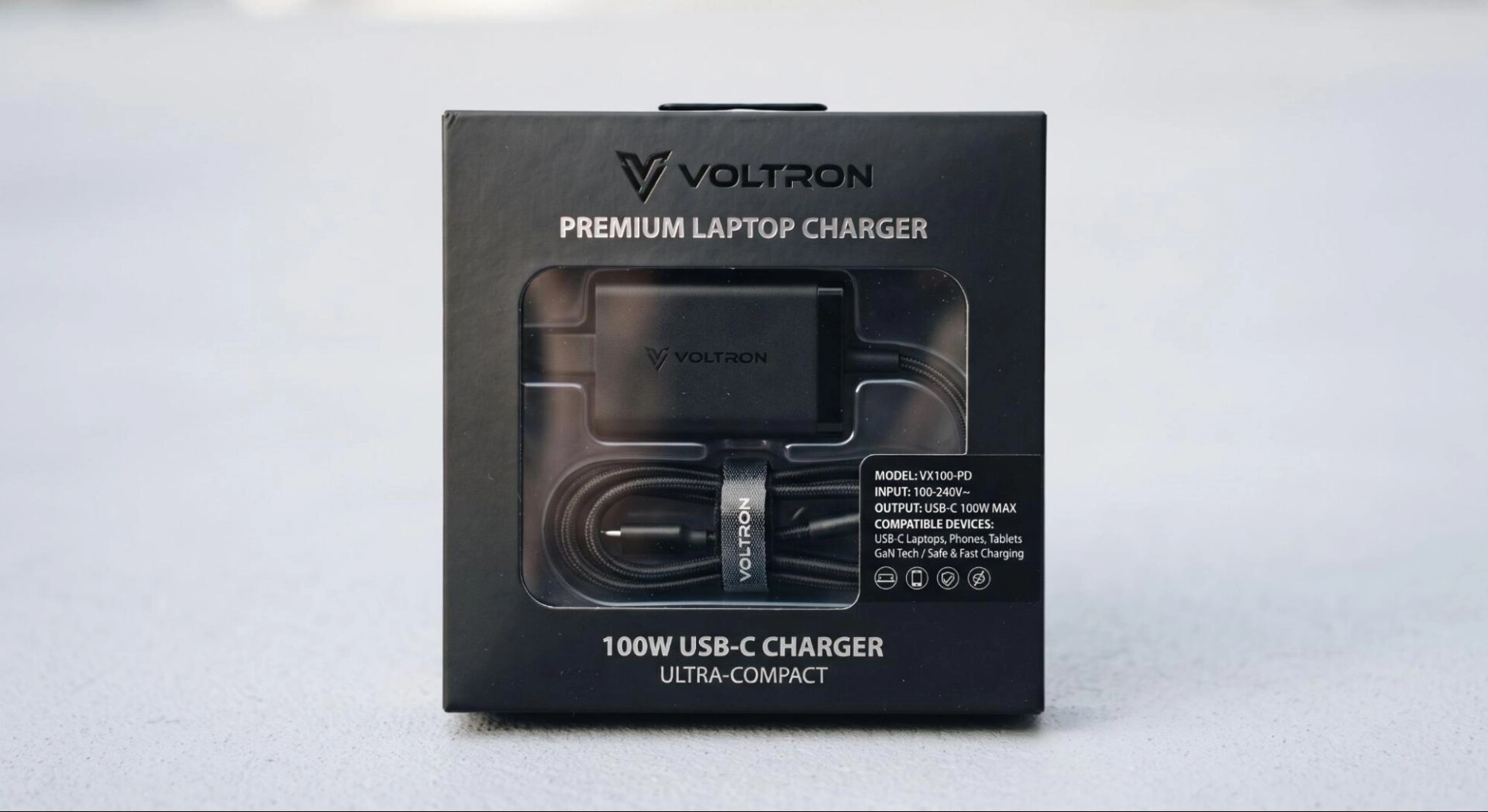
A finish can change how window packaging boxes look and feel. It can also mean extra materials or tooling, plus another step in production.
Foil stamping adds metallic or coloured details. With embossing, selected areas rise above the board’s surface. Debossing presses them into it instead. These processes may need dedicated dies.
Matte coatings can give the printed surface a softer appearance while gloss finishes add shine. The price depends on the treatment and how much of the box it covers, from selected areas to the whole surface.
Using foil and embossing together, then adding a protective coating, usually takes more work than one standard finish. Give each feature a clear job in the design.
7. Order Quantity
Setup costs have to be covered across the production run. A supplier may need cutting dies and printing plates, along with machine preparation, for a small batch or a larger order.
When you order more boxes, those expenses are shared across more units. That’s why wholesale window boxes often cost less per box.
The total purchase is still larger, though. A lower unit price doesn’t change that. Minimum order quantities also differ between suppliers and production methods. Get prices for a few quantities that suit your business before choosing one.
8. Box Style and Structural Design
A box’s structure affects the amount of board it needs. It also determines the folding and assembly work, including how the pack closes.
For lightweight retail products, tuck end window boxes can offer a practical format. Sleeve boxes may have a separate tray under a printed outer sleeve. Display boxes have a different requirement: they need to show products clearly and stay stable.
Separate components can add material and assembly costs. Inserts and dividers are examples. In window boxes for soap and skincare packaging, these parts can keep bars or containers positioned behind the opening. Fragile items may also need support to limit movement.
Let the product guide the style. Its weight and shape matter, along with what’s needed to pack it.
9. Cutting, Assembly and Production Complexity
There are several jobs involved in manufacturing window packaging. Die cutting and creasing shape the board. Film attachment adds the panel, with folding and gluing also contributing to the production cost.
Automated equipment may handle a straightforward design efficiently. An unusual structure can be slower to process. A difficult window position might also mean slower work or manual assembly.
Separate inserts take time, as can complicated folds and multiple glue points. Give the supplier a clear dieline showing the cutting and folding layout. They can then assess what the design needs before they quote.
10. Shipping and Delivery Costs
A production quote may not be the amount you pay to receive the order. Packed dimensions and order weight affect delivery costs. Shipping distance matters too, as does how quickly you need the boxes.
Flat boxes often need less space than fully assembled packaging. The trade off is assembly time for your team.
Check the supplier’s location and shipping terms. Does the quote cover delivery? Confirm any applicable import charges and other fees too. Where shipping is included, check that it covers your address and the service you need.
How Does Order Quantity Affect the Cost Per Window Packaging Box?
Some window box production expenses are fixed. Others increase as you add more boxes to the order.
Tooling and printing plates may be fixed expenses, along with machine setup. Variable expenses include board and film. Ink and the production work for each box fall into that group too.
Here’s a simplified example:
| Cost component | 500 boxes | 2,000 boxes |
|---|---|---|
| Fixed setup cost | $200 | $200 |
| Production cost at $0.60 per box | $300 | $1,200 |
| Total cost | $500 | $1,400 |
| Average cost per box | $1.00 | $0.70 |
These figures only show how the calculation works. They aren’t supplier prices, and delivery or other possible charges aren’t included.
The setup cost stays the same in this example. The larger order simply spreads it across more boxes. Actual quotes may also change because of production efficiency or material purchasing.
Before placing a bulk order, think about where you’ll store it and how much you expect to sell. Your artwork could change too. Packaging you never use can wipe out the saving from a lower unit price.
How Can Businesses Reduce Window Packaging Box Costs?
Start with specifications that make sense for the product. A few focused decisions can help keep unnecessary spending out of the order.
- Use dimensions that fit the product: Measure the item and leave room for necessary protection. An oversized box can mean paying for extra board and filler.
- Choose material for the job: The board needs to suit the product’s weight and handling conditions. Compare samples before spending more on a heavier grade.
- Keep the window practical: Show the part of the product customers need to see. Leave enough board around the opening to support the box.
- Simplify printing and finishes: Put readable product details and clear branding first. Decorative processes that add little value can come out.
- Order according to demand: Check quantity options against expected sales and available storage. A manageable order can offer better value than stock you won’t use.
- Compare complete supplier quotes: Match the dimensions and board grade, then check the window film and printing. Finishing and delivery requirements need to match too.
Sometimes a small design change can lower the cost while leaving the appearance much the same. Ask the supplier which specifications make the biggest difference to your quote.
How Do You Calculate the Cost of Window Packaging Boxes?
Your total order cost is the full amount paid for the agreed quantity. To find the unit cost, work out the average paid for one box.
Use this formula:
Cost per Box = Total Order Cost ÷ Number of Boxes
What belongs in the total? Depending on the quote, it may include setup and materials, plus printing and finishing. Assembly and shipping may be included too. Add any expenses charged separately before working out the delivered cost per box.
Say production and setup come to $900. Shipping adds $100, bringing the total to $1,000. If you’re ordering 1,000 boxes:
Cost per Box = $1,000 ÷ 1,000 = $1.00
The average delivered cost is $1.00 per box. But check the production price before adding setup or tooling. If those charges are already included, adding them again would count them twice.
Choose Window Packaging That Fits Your Budget
Size and materials affect the cost of window packaging boxes. The window design and printing play a part too. Finishes add to the price while quantity and shipping change what you pay. Structural details and assembly requirements also need to be counted.
Choosing the right window packaging boxes for your business starts with the protection your product needs. Then build the window and printed design around that. Complete quotes make it easier to compare appearance and quality against your budget.
For your next order, discuss your requirements with Hot Custom Boxes and request pricing for custom window packaging. Send your product measurements and preferred design, along with the quantity. That gives the supplier the details needed to quote for your packaging needs.
Frequently Asked Questions About Window Packaging Box Costs
No single factor is the biggest in every order. Size and material strongly affect basic production costs while quantity changes how setup expenses are shared.
On more detailed projects, special finishes or complex structures can account for major costs.
Generally, yes. Printing needs ink and equipment time, along with preparation. The difference depends on the print method, number of colours, coverage and order quantity.
Some suppliers already include standard printing in the package price they quote.
It can, because a bigger opening may need more film or extra structural support. But size isn’t the only factor.
The window’s shape and placement also affect the price, as does the production method.
Often, yes. Larger orders spread setup expenses across more boxes, which can bring down the unit price.
Check the total spend as well as the price per box. Choose a quantity your business can use.
For lightweight products, basic folding carton board or kraft paperboard may be economical. Grade and thickness vary, as do availability and printing requirements.
Ask for comparable quotes on materials that give the product enough protection.
Send the internal box dimensions and product weight, plus your preferred style and order quantity. Specify the window size, shape and film requirements. Include artwork with printing colours and finishes.
The supplier also needs your delivery address and required delivery date to calculate a complete price.
Related Products
$0.50 Original price was: $0.50.$0.10Current price is: $0.10.
In Stock
$0.50 Original price was: $0.50.$0.10Current price is: $0.10.
In Stock
$0.50 Original price was: $0.50.$0.10Current price is: $0.10.
In Stock
$0.50 Original price was: $0.50.$0.10Current price is: $0.10.
In Stock