














Table of Contents
Related Products
$0.50 Original price was: $0.50.$0.10Current price is: $0.10.
In Stock
$0.50 Original price was: $0.50.$0.10Current price is: $0.10.
In Stock
$0.50 Original price was: $0.50.$0.10Current price is: $0.10.
In Stock
$0.50 Original price was: $0.50.$0.10Current price is: $0.10.
In Stock
Get A Free Quote
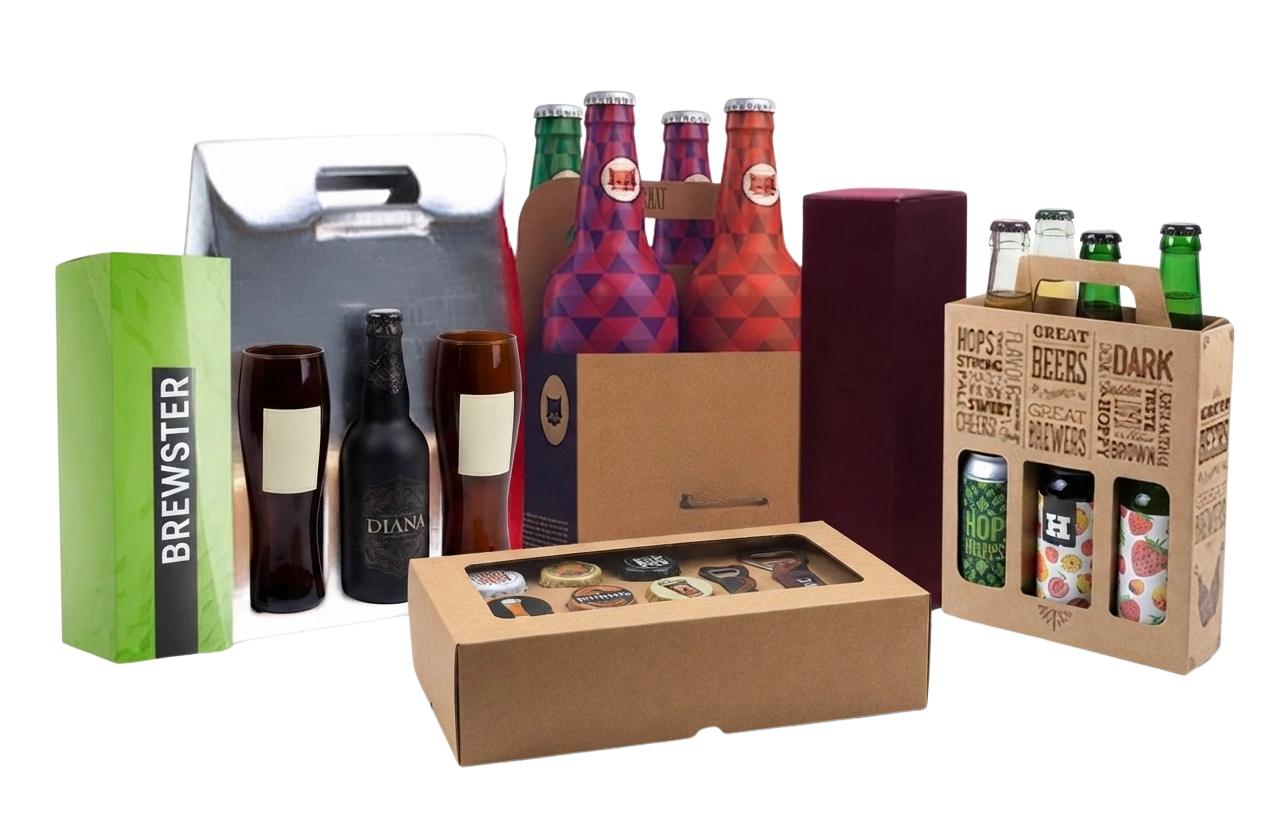
Display boxes keep products arranged so shoppers can see them and pick them up easily. You’ll find them on checkout counters and store shelves, as well as sales floors. Retailers use them for candy and skincare items, electronics accessories and promotional merchandise.
What materials are used to make display boxes? The usual choices are cardboard and corrugated cardboard, along with kraft paperboard, SBS paperboard and chipboard. Plastic and foam board are options too. They differ in strength and print quality. Product visibility and cost vary as well.
The material you choose affects how the display holds its contents and stands up to daily use. A lip balm tray doesn’t have the same job as a floor stand full of bottles. Knowing the difference helps businesses choose display packaging that fits their products and the retail space.
Common Materials Used to Make Display Boxes
“Cardboard” can mean several things, so it helps to sort out the terms before comparing display box materials. It’s a broad everyday name. Kraft, SBS and chipboard refer to more specific paperboard materials. Corrugated cardboard is built differently, with a fluted layer in the middle.
There’s some overlap between these categories. Ask the supplier for the actual board grade and how it’s built. The word “cardboard” alone won’t tell you enough.
Cardboard
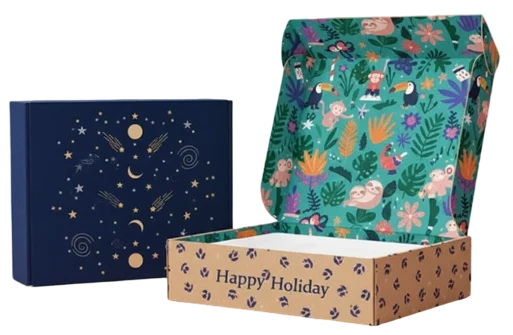
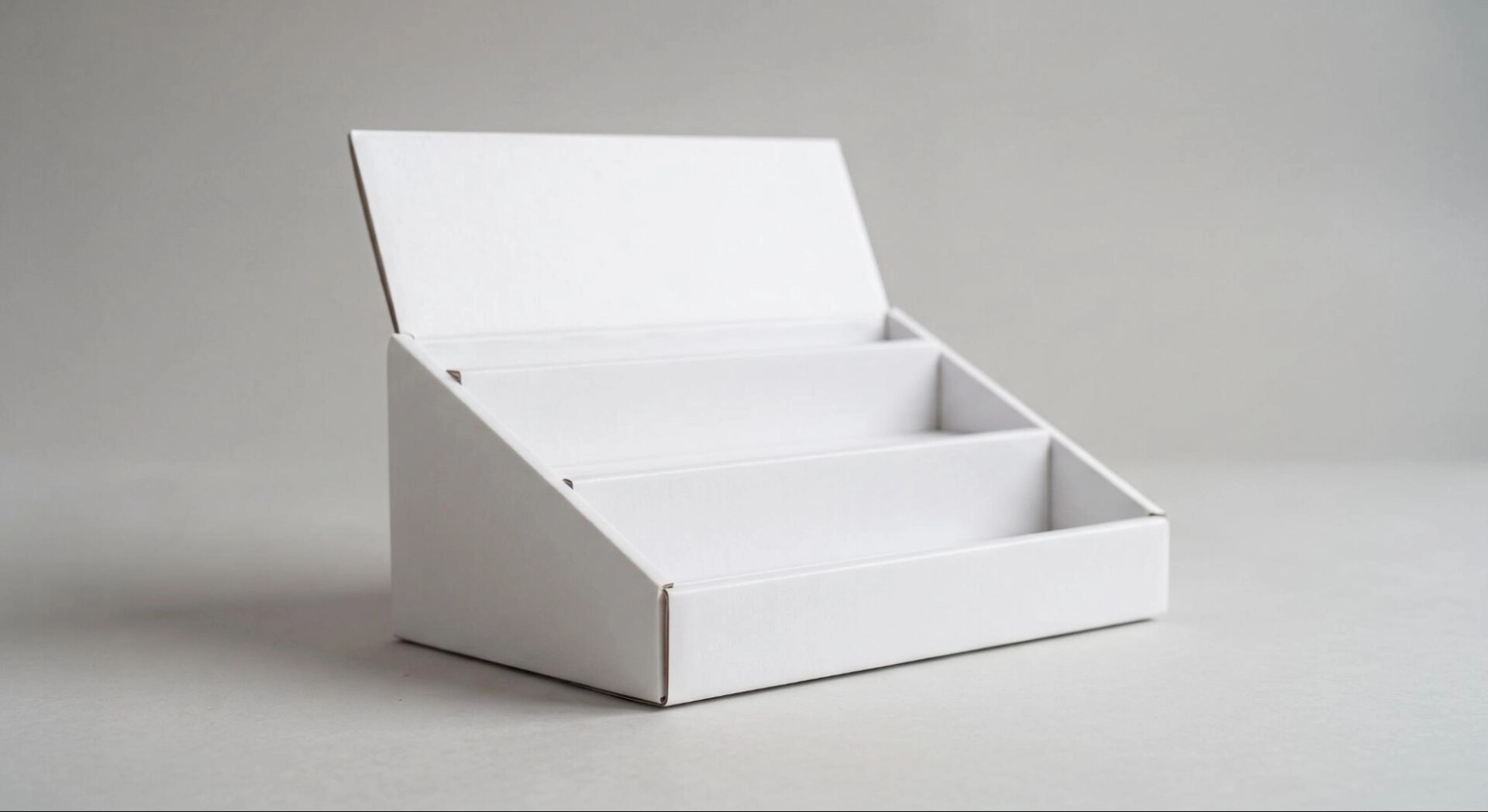
For lightweight retail packaging, cardboard often means solid paperboard made by pressing paper fibers together. There’s no fluted layer inside. The board can be cut and creased, then folded into open trays or boxes with raised back panels.
Cardboard display boxes can show printed text and product images, along with instructions. Detailed graphics generally print better on smooth or coated grades than on rough, uncoated board. Typical applications include:
- Countertop displays: Used for lip balms and sample sachets.
- Checkout trays: Used for individually wrapped confectionery.
- Small holders: Used for stationery and promotional merchandise.
A shallow paperboard tray, for example, can hold small cosmetic cartons upright. Customers can still pull them out easily. The material is light, allows flexible designs and is straightforward to print. But heavier loads can bend panels that lack support. Untreated paperboard also softens when it gets wet, so spills and damp floors make it a less suitable choice.
Corrugated Cardboard
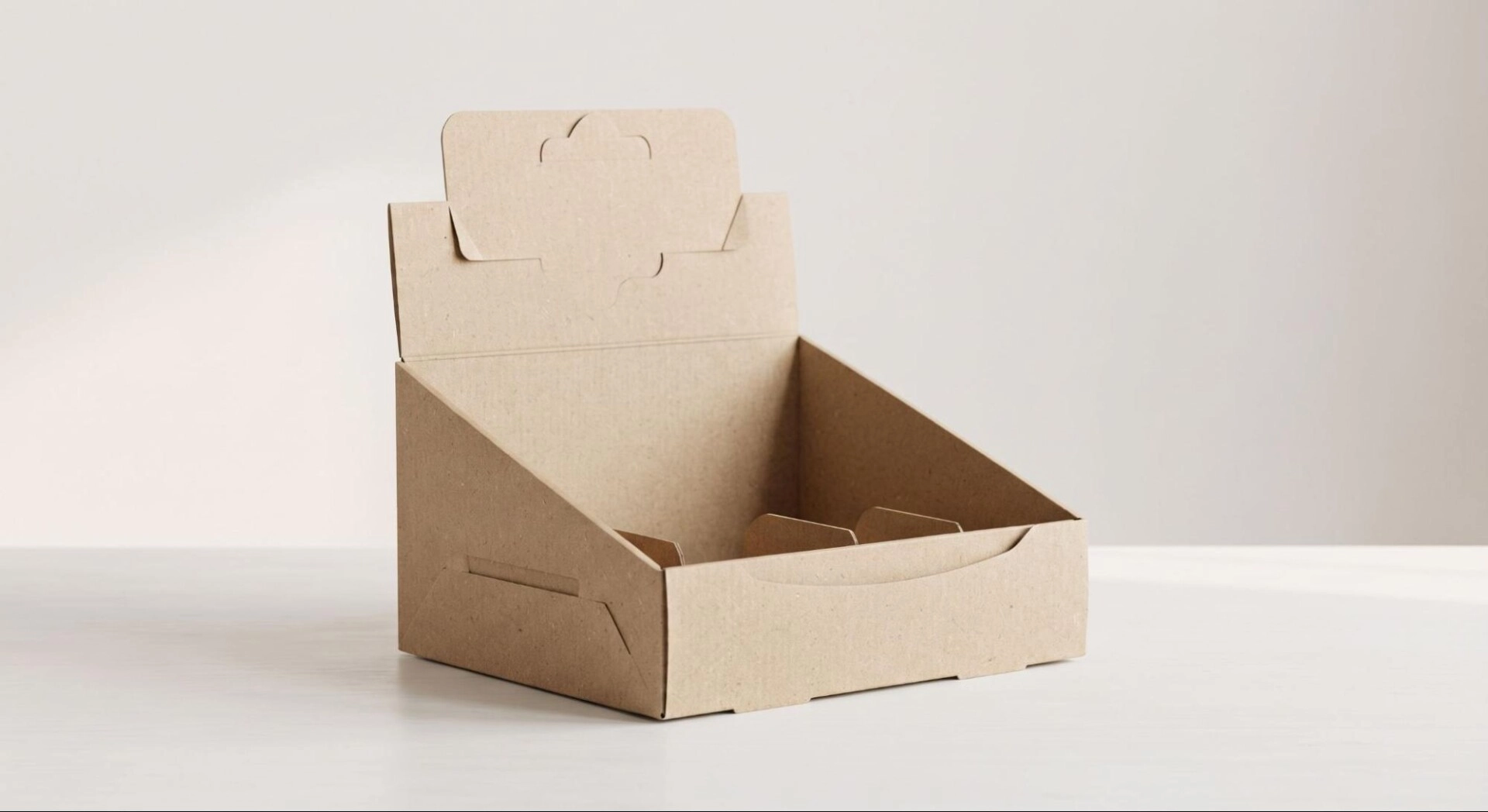
A wavy middle layer, called fluting, sits between flat liner sheets in corrugated cardboard. That structure gives the board its thickness and helps it resist bending and compression.
Common wall constructions include:
- Single wall: One fluted layer between two liners.
- Double wall: Two fluted layers between three liners.
- Triple wall: Three fluted layers between four liners.
Each construction offers different performance options. Still, more layers don’t establish how much a display can safely hold. Its board grade and structural design matter too.
Corrugated cardboard display boxes are used for shelf-ready packaging and multipack trays, as well as floor display stands. The structure cushions products during handling. With the right design, it can also hold larger quantities.
Take a floor display for packaged electronics accessories. Folded supports beneath its corrugated shelves help spread the weight and keep the shelves from sagging.
There are drawbacks. Edges can look bulky and the surface may be uneven. Moisture exposure can weaken the board too. Fine graphics may need a suitable outer liner or a separately printed sheet attached to the surface.
Kraft Paperboard
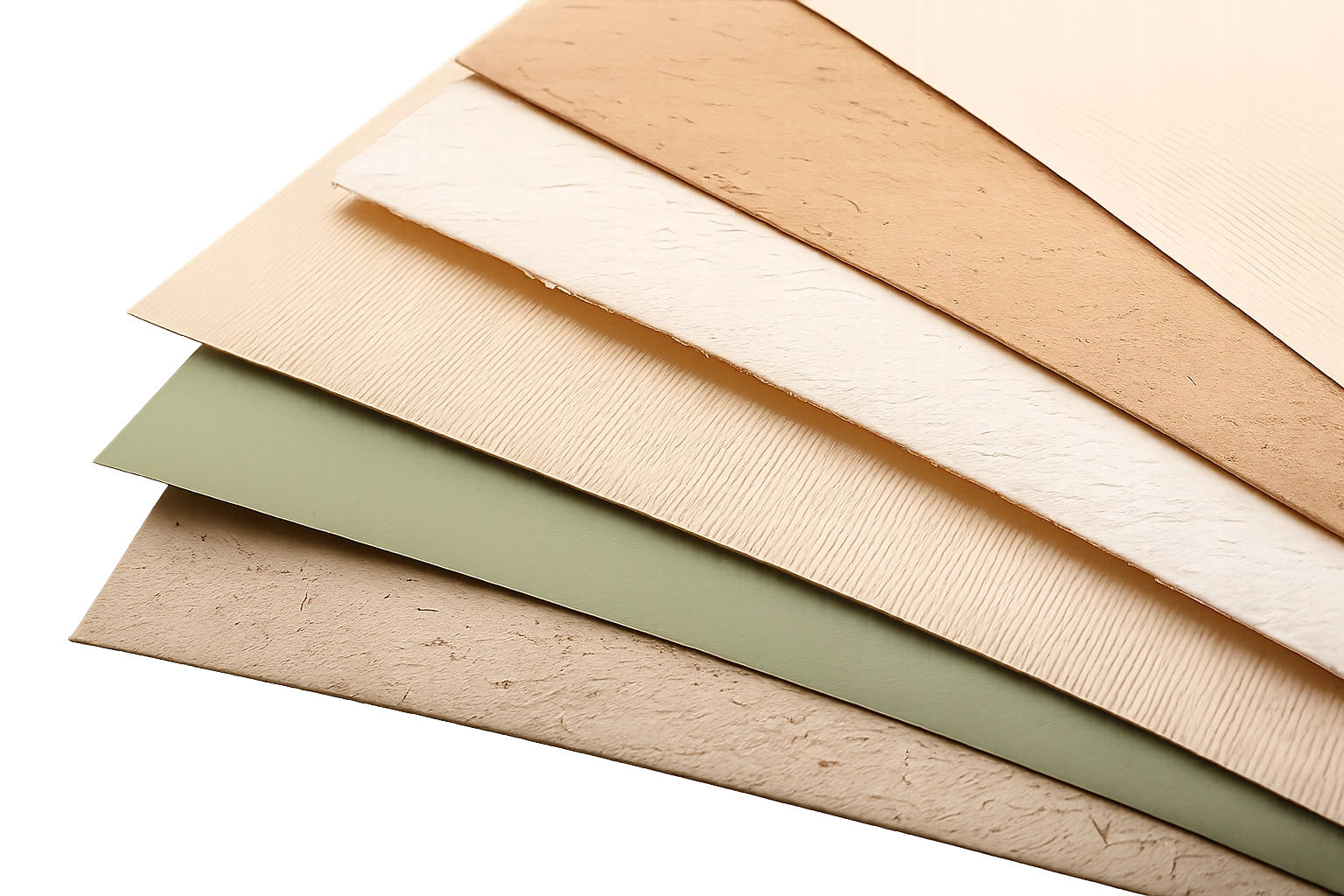
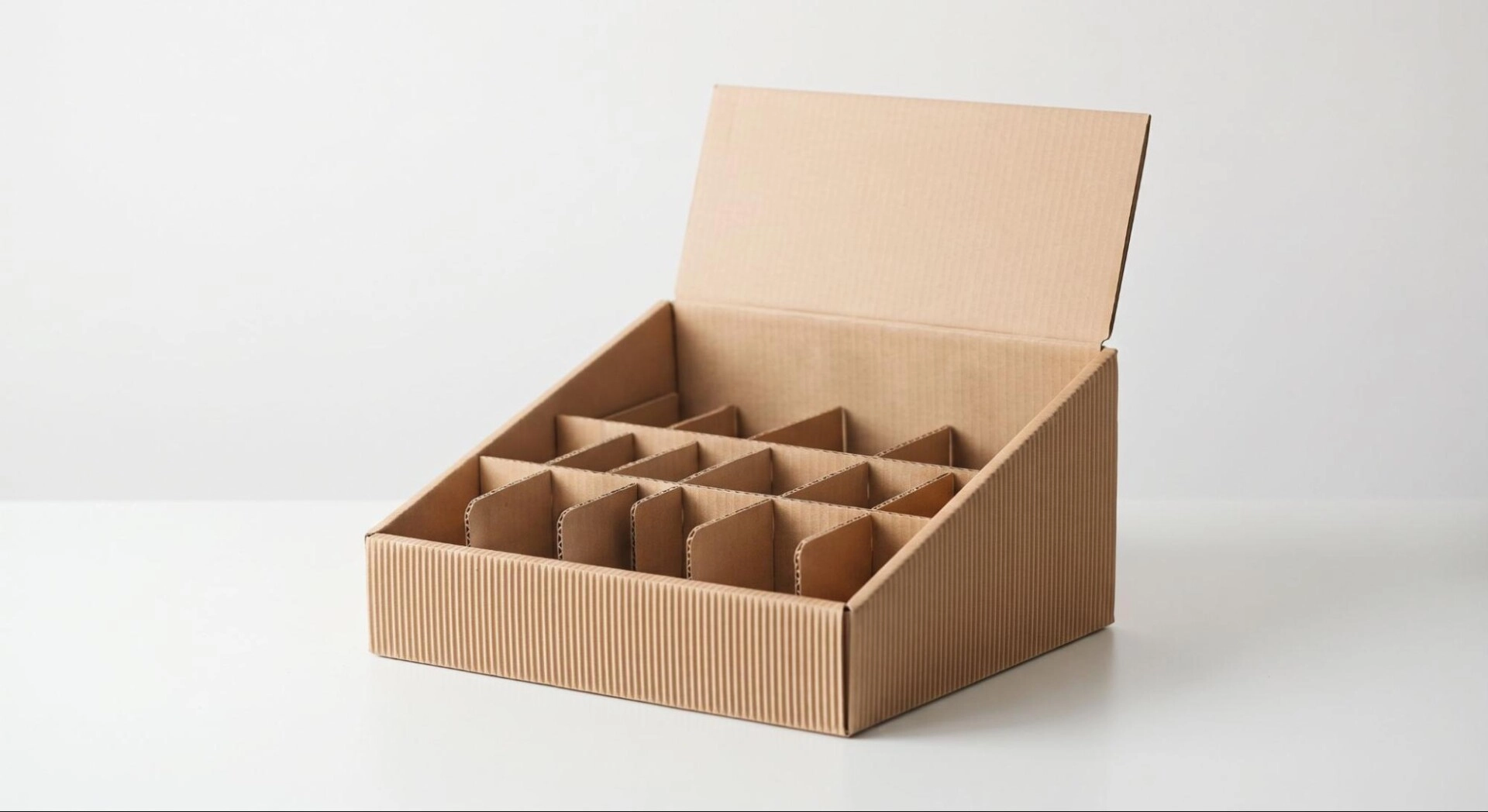
The natural brown look is what many people associate with kraft paperboard, especially when it’s made from unbleached kraft fibers. But kraft-based boards can have coated printing surfaces too. The name doesn’t tell you the finish.
Kraft display boxes suit a simple, natural product style. They’re used for handmade soaps and organic products, along with tea cartons and packaged snacks.
On brown board, dark text and simple illustrations usually show up clearly. Pale colors and photographs can look less vivid because the board’s own color affects the print. Where the printing process allows it, a white ink layer can improve contrast.
A countertop display for boxed herbal soaps, for instance, might pair brown kraft board with dark green text. A simple botanical illustration could sit alongside it.
That brown appearance doesn’t prove the board contains recycled fibers. It doesn’t prove an environmental advantage either. Whether the finished display can be recycled depends on its construction, including any coatings or windows and other attached materials.
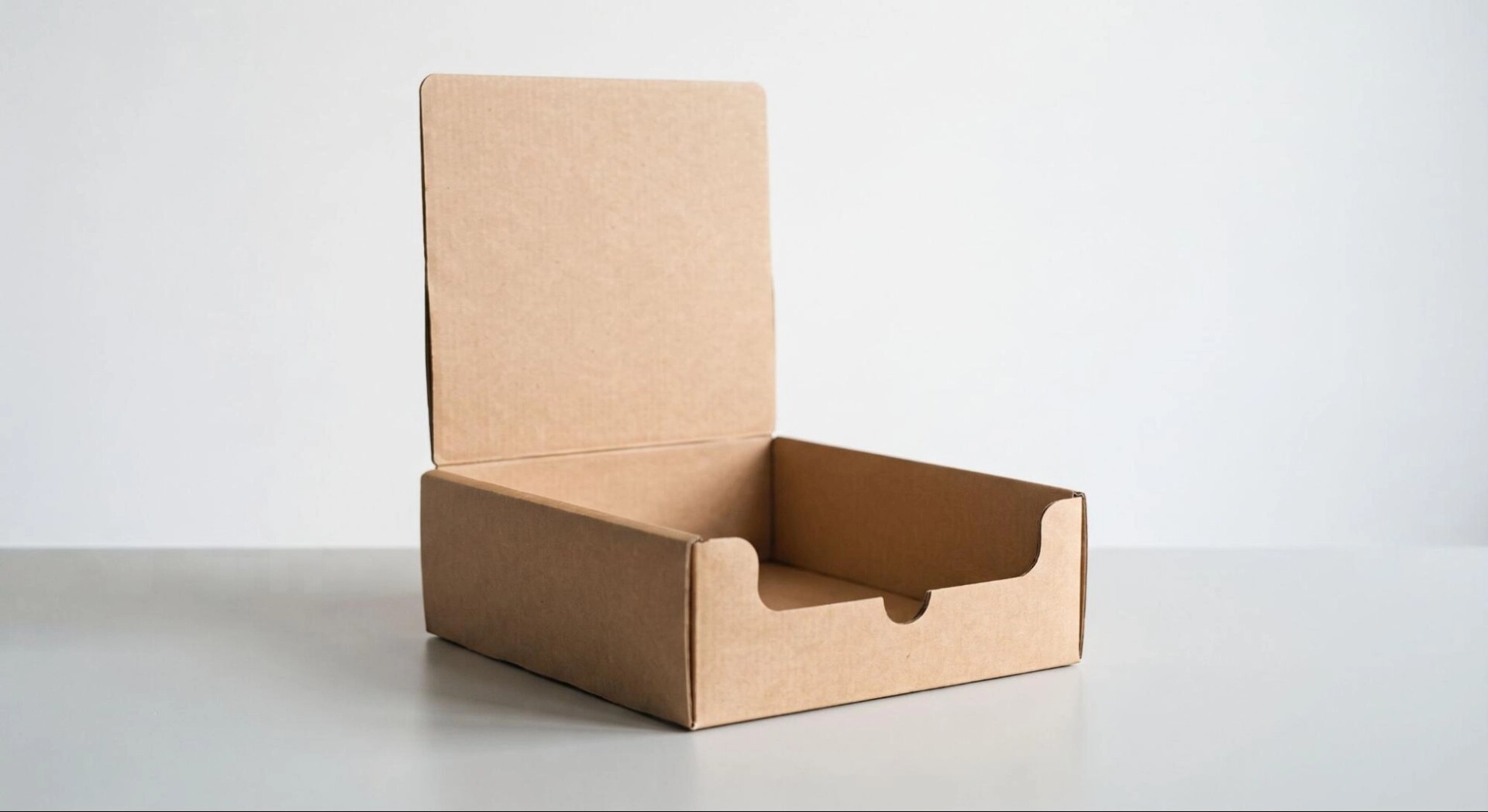
SBS Paperboard (Solid Bleached Sulfate)
Made from bleached chemical pulp, Solid Bleached Sulfate is usually called SBS. It’s white throughout and is commonly supplied with a smooth coated printing surface.
SBS paperboard display boxes suit work where readable text and detailed images matter, along with consistent color reproduction. They’re used for cosmetics and skincare, confectionery and small electronics packaging. The Paperboard Packaging Council identifies SBS as a major packaging grade whose white surface suits high-quality graphics.
For example, SBS can help a countertop display show the shades of products in small skincare cartons. Ingredient or usage information can stay readable too.
The finish looks refined. That doesn’t mean the board will carry a heavy load. Its thickness and folds still need to suit the contents, as do its supports.
SBS can cost more than some recycled board options. Protective finishes may improve how its surface performs, though they can also change what’s required to recycle the display.
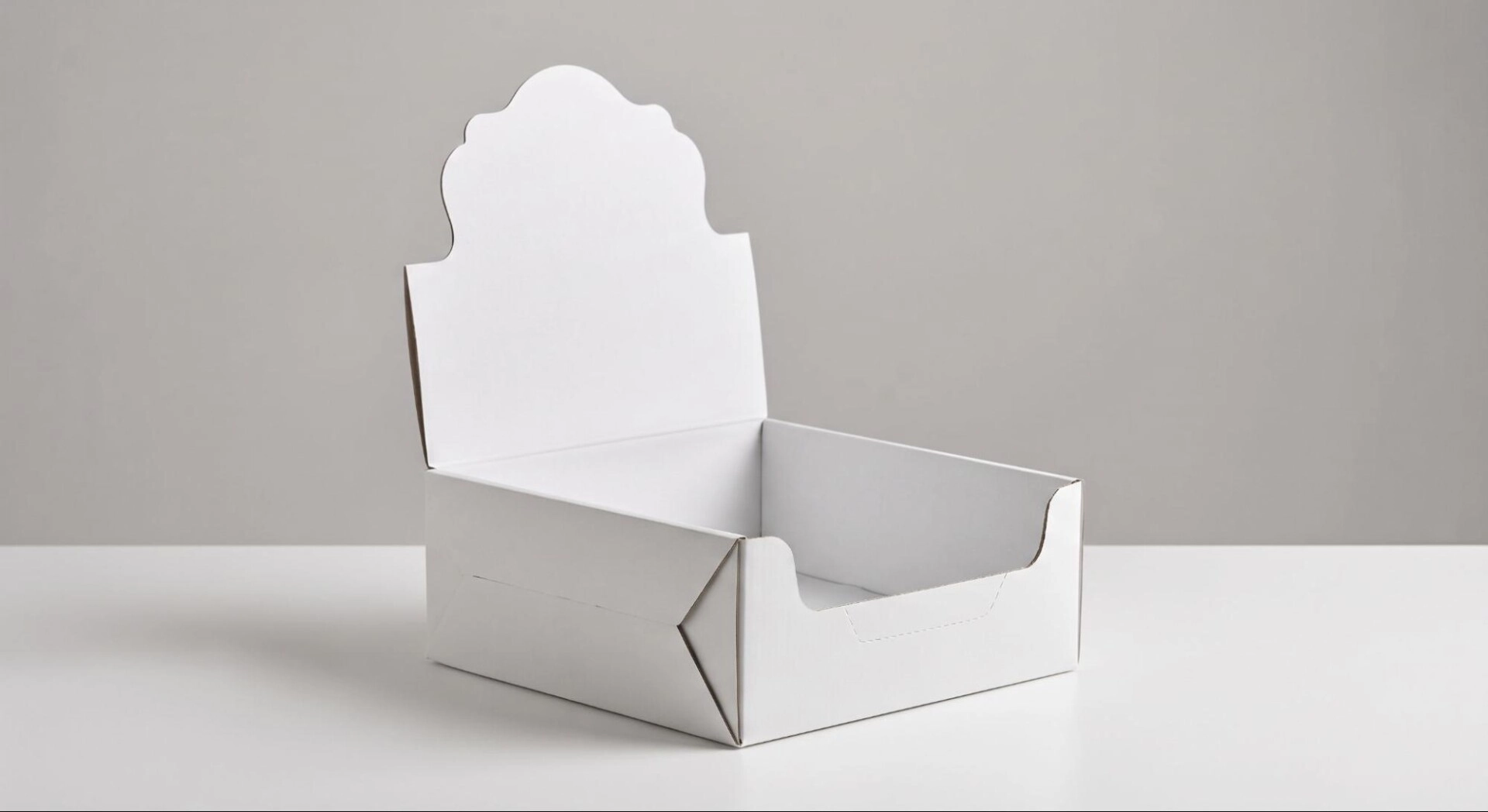
Chipboard
Packaging chipboard generally means paper-based board made mostly from recovered fibers. It’s different from the wood particleboard used in furniture. Its structure is solid, with none of the fluting found in corrugated cardboard.
The surface may be gray or brown. Some grades have a coated face or decorative paper covering. Thick, non-bending chipboard commonly forms the body of rigid boxes. Other grades make dividers and backing pieces, as well as lightweight packaging components.
Chipboard display boxes or inserts can hold small accessories and stationery, along with packaged consumer goods. A wrapped chipboard presentation tray, for example, can keep gift items arranged inside a shallow retail display.
Useful rigidity is one advantage. Recycled-content grades are available too. The limits depend on the grade: bare surfaces may look unfinished and thin sections can bend. Thicker board may need wrapping or separate joints instead of simply folding into shape.
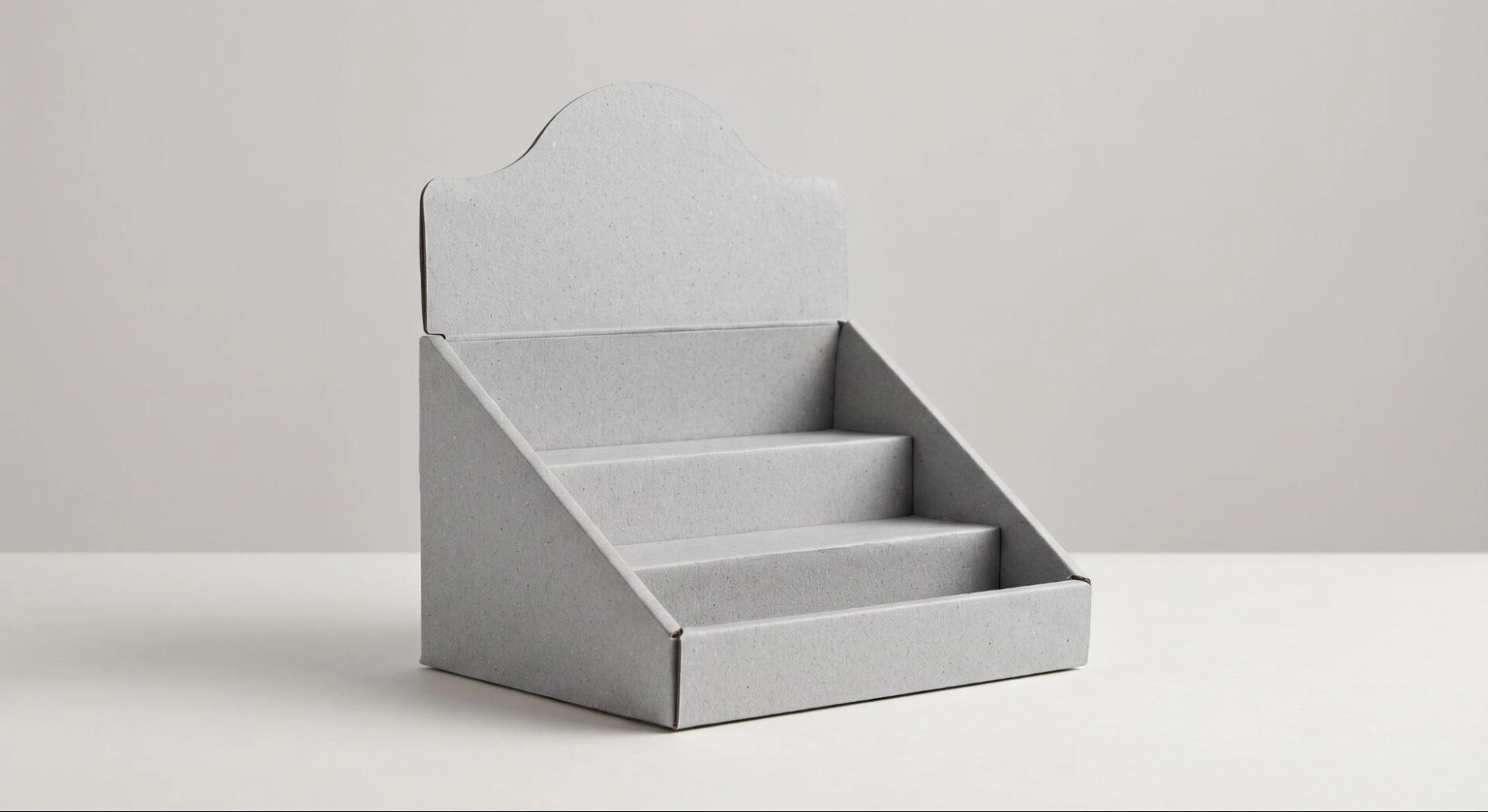
Plastic
Plastic display boxes let shoppers see products and resist incidental moisture better than untreated paperboard.
But PET and acrylic aren’t the same material. Each has its own manufacturing and recycling requirements.
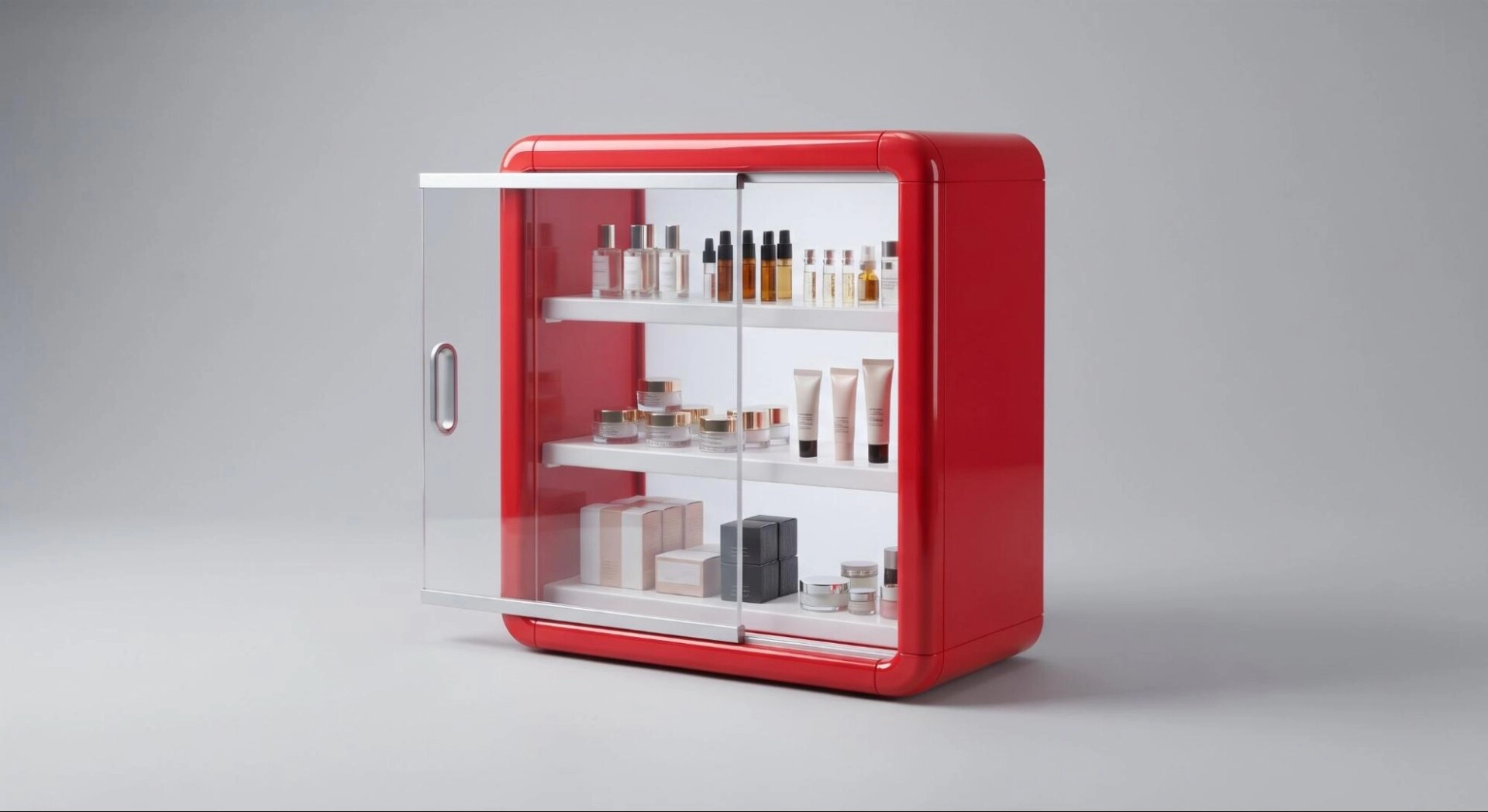
PET Plastic
The full name for PET plastic is polyethylene terephthalate. It can be formed into clear trays and windows, as well as packaging components.
Thin PET sheet is useful when shoppers need to see through the packaging. How flexible or strong it is depends on the sheet thickness and how it’s formed.
Acrylic
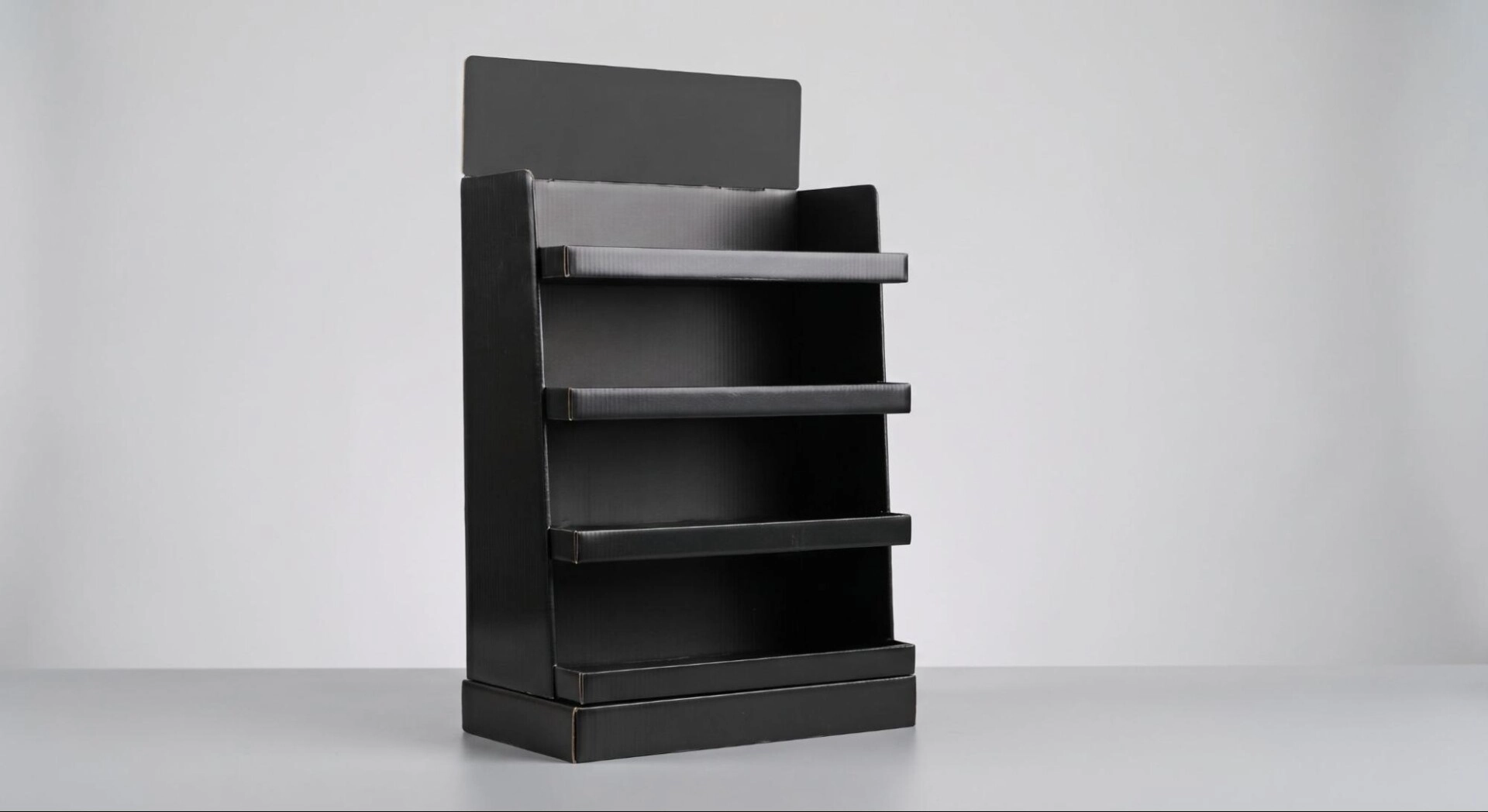
Also known as PMMA, acrylic is a rigid transparent plastic used for display cases and trays, as well as reusable retail fixtures. Acrylic display boxes can keep jewelry visible, along with cosmetics or small electronics.
Acrylic is clear and stiff, but unsuitable handling can scratch or crack it. Impact-modified grades offer different performance where the application calls for it.
A paperboard gift display, for example, may only need a thin PET window. A reusable countertop presentation may suit a fabricated acrylic case.
Don’t assume either material is accepted by every recycling collection service. For PET packaging, acceptance depends on its form and local rules. Acrylic often needs a separate collection route. Check the options for the actual finished display.
Foam Board
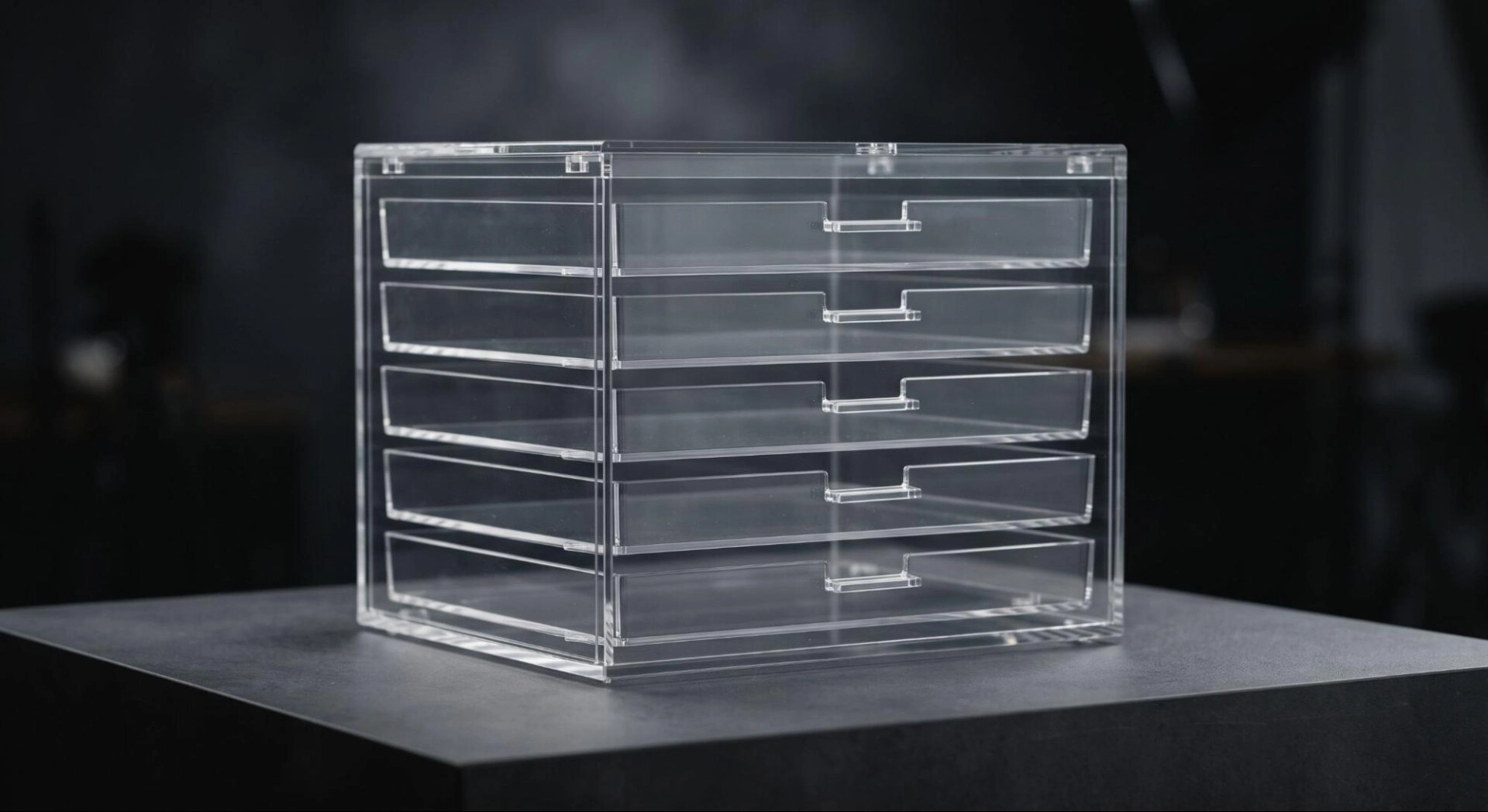
A lightweight foam core sits between outer facing sheets in foam board. One common paper-faced version uses polystyrene foam covered with coated or uncoated paper.
The smooth face and low weight suit temporary promotional displays and printed back panels, as well as visual merchandising.
For example, foam boards can make a branded backdrop behind a tray of samples. The material is generally more useful for the visual parts of a display than for shelves carrying substantial stock.
Its edges can dent. Moisture can damage the paper facings too. Heavy loads may crush or bend constructions that aren’t suited to them. Conventional foam boards combine paper with plastic foam, so they shouldn’t be treated as ordinary recyclable paperboards.
Display Box Materials Comparison
| Material | Main characteristics | Suitable applications | Key limitations |
|---|---|---|---|
| Cardboard or folding paperboard | Light and printable; folds into shape | Small countertop trays and checkout displays | Needs suitable support for strength |
| Corrugated cardboard | Fluting adds cushioning and structural depth | Floor stands and shelf-ready trays; larger displays | Bulky edges; sensitive to moisture |
| Kraft paperboard | Unbleached grades have a natural brown look | Soap and tea displays; natural-style products | Brown base changes printed colors |
| SBS paperboard | Smooth white face suits detailed printing | Cosmetics and confectionery; premium retail displays | Grade and design must carry the intended load |
| Chipboard | Solid fiber board; recycled-content grades available | Dividers and wrapped trays; rigid presentation boxes | Finish and folding ability depend on grade |
| PET plastic | Clear and formable; resists moisture | Windows and clear trays; lightweight packaging | Format affects recycling acceptance |
| Acrylic | Clear and rigid; suits repeated use | Countertop cases and reusable fixtures | Scratches or cracks can occur; may need separate recycling |
| Foam board | Very light; smooth facing sheets | Promotional panels and temporary scenery | Can’t carry substantial loads without suitable support |
How to Choose the Right Material for Display Boxes
Consider Product Weight
Work out the weight of the display when it’s fully stocked. Then look at where that weight sits. Twenty small items spread across a supported base put different demands on it than the same weight sitting in the middle of an unsupported shelf.
Material thickness and paperboard stiffness count. So do shelf depth and joints, along with dividers and folded supports. A tray of tea sachets may suit a folding paperboard. Glass jars on a multi-tier display need a stronger structure and testing with the intended products.
Ask for a loaded sample. Check it for sagging or tipping, as well as damage during handling.
Evaluate Display Location
Materials for countertop display boxes need to cope with customers handling them and staff restocking them regularly. A shelf display has to fit its space and stay stable as products come out.
Floor display box materials have more to deal with. Accidental knocks and heavier stock are part of it, along with exposure to cleaning activities. Corrugated board may work for a temporary indoor stand. A fixture intended to last longer may need another construction.
Think about transport too. Shipping a fully stocked display puts different stresses on it than assembling and filling it in the store. Consider its expected use from transport through to its final position.
Consider Printing and Branding Requirements
Fine text and images print more clearly on some surfaces than others. SBS gives you a clean white base. Brown kraft changes how the colors look.
The printing method affects material choice too. Manufacturers may use offset or flexographic printing, digital printing or screen printing, depending on the material and production run. Corrugated displays can also have printed sheets attached to their outer surfaces.
Check the artwork on the intended substrate. A screen preview can’t fully show the effect of a surface finish or board color. Coatings affect the result too.
Review Sustainability Requirements
Choosing brown board or adding a recycling symbol isn’t enough to establish sustainable display packaging.
Review:
- Local acceptance: Check whether local systems accept the finished display.
- Recycled content: Review how much it contains and where that content comes from.
- Fiber sourcing: Look at the information provided about fiber sources.
- Finished components: Review coatings and adhesives along with attached components.
- Material use: Look for ways to reduce material or reuse the display.
Recycled content tells you what’s in the board. Recyclability tells you something different. Board made with recovered fibers can still become difficult to recycle when incompatible layers are added.
A reusable plastic fixture may last a long time. But part of its environmental value depends on how often it’s actually used. When selecting recyclable display box materials, local collection rules still matter. US EPA
Balance Cost and Durability
Price the completed display. Count printing and assembly, then shipping and replacement. A low-cost board may do the job for a short promotion. If staff keep replacing damaged displays, that same construction can become expensive.
On the other hand, a fabricated acrylic fixture may be more than a campaign lasting a few days needs. When choosing materials for display boxes, spend according to the expected workload and lifespan.
Which Material Is Best for Different Types of Display Boxes?
The contents and design determine the best retail display packaging materials. The display’s name alone doesn’t tell you which material to use.
| Display application | Materials to consider | Practical selection point |
|---|---|---|
| Countertop displays | Cardboard or SBS; kraft or suitable chipboard | Check the full weight and access for restocking |
| Floor display stands | Structurally designed corrugated board or another suitable material | Test shelf support and stability, plus handling |
| Food displays | Materials suited to the intended food-contact conditions | Separate the needs of wrapped products from direct food contact |
| Premium retail displays | SBS or acrylic | Decide between printed presentation and a clear reusable fixture |
| Natural-style packaging | Kraft paperboard | Check print contrast and verify environmental claims |
| Temporary promotional displays | Cardboard or foam board | Keep foam board mainly for graphics and light-duty parts |
| Transparent product displays | PET or acrylic | Match the need for flexibility or rigidity and reuse |
Point-of-purchase (POP) displays draw attention where shoppers decide what to buy. Point-of-sale (POS) displays commonly sit near checkouts. Either type can use several materials. The load and expected use help determine the choice.
For window display boxes, a paperboard body with a clear window may show enough of the product. When repeated use and a rigid transparent structure matter, a complete acrylic enclosure may be more suitable.
Final Considerations When Selecting Display Box Materials
Many lightweight displays suit cardboard and paperboard. For larger loads, corrugated cardboard offers structural options. Kraft and SBS have different appearances and printing surfaces. Chipboard works for inserts and rigid presentation formats. PET and acrylic let products show through. Foam board is useful for temporary graphic elements.
Before selecting display packaging for retail products, look at strength and print quality alongside total cost and disposal options. Test a sample with the products it’ll hold. That’s a practical way to check that the material suits the display and the retail setting where it’ll be used.
Frequently Asked Questions
No. Thickness is only part of it. Fiber quality and board construction affect performance, as do fold direction and structural supports.
A thinner display with good support can outperform a thicker one whose joints are weak or shelves lack support.
Yes. Custom display boxes can use a paperboard body with a PET window. Corrugated shelves can also be combined with printed header panels.
Check how the parts attach and whether they can be separated after use.
Don’t assume so. For direct food contact, the material specification must suit the food and temperature, along with the contact conditions.
The inks and adhesives must suit the intended application too. The same applies to coatings.
Some specially specified constructions may work. Condensation can weaken untreated board.
Assess the complete display for moisture exposure and coatings, as well as how long it’ll be used.
Ask for the material grade and thickness, plus the intended load. Confirm the surface finish and assembly method too.
Where possible, review a physical sample. This matters especially when the display will carry heavy or fragile products, or high-value items.
Related Products
$0.50 Original price was: $0.50.$0.10Current price is: $0.10.
In Stock
$0.50 Original price was: $0.50.$0.10Current price is: $0.10.
In Stock
$0.50 Original price was: $0.50.$0.10Current price is: $0.10.
In Stock
$0.50 Original price was: $0.50.$0.10Current price is: $0.10.
In Stock